What Does a General Welding Program Actually Cover?
Most community college and general trade school welding programs teach flat position welding on plate steel. Students learn to run beads in the 1G and 2G positions using one or two processes, usually MIG and stick. The curriculum splits time between classroom lectures, math, and limited shop hours. Total booth time averages 10 to 15 hours per week.
These programs produce welders who can pass basic structural welding tests. That qualifies graduates for entry level positions in fabrication shops, manufacturing plants, and light structural work. Starting pay in these roles ranges from $35,000 to $50,000 per year. The work is steady, but the earning ceiling is low without additional certifications.
The problem is what general programs leave out. They rarely cover pipe welding in any depth. Vertical, overhead, and 6G position welding receive minimal attention. TIG welding on pipe, chrome moly, and stainless steel are either skipped entirely or covered in a single module. API 1104 pipeline welding standards are not part of the curriculum. Graduates leave with general skills but without the specialized certifications that pipeline and refinery employers require.
What Makes Pipe Welding a Specialized Skill?
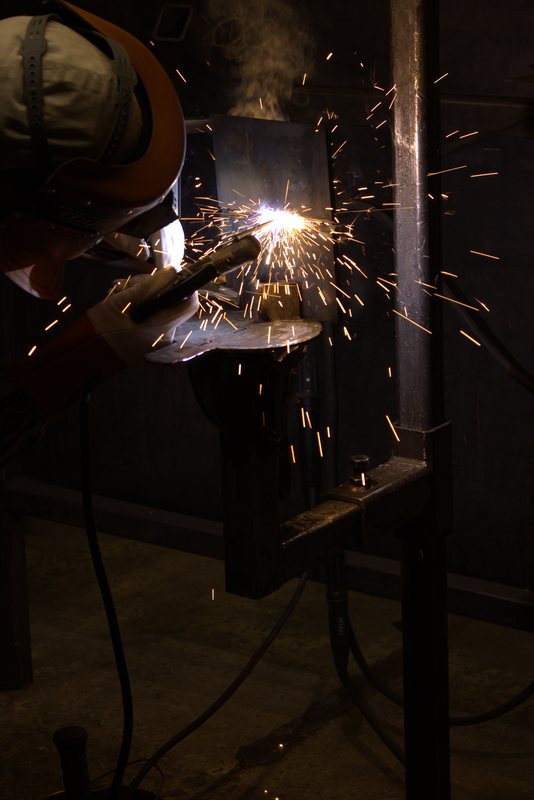
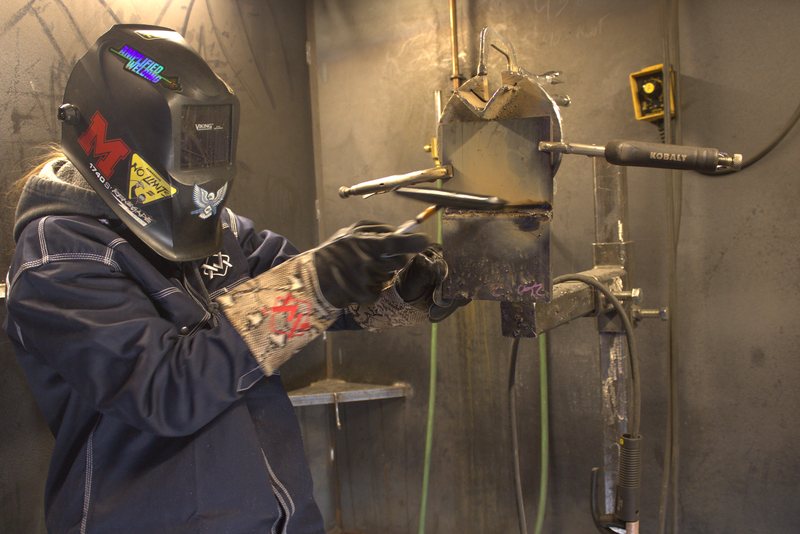
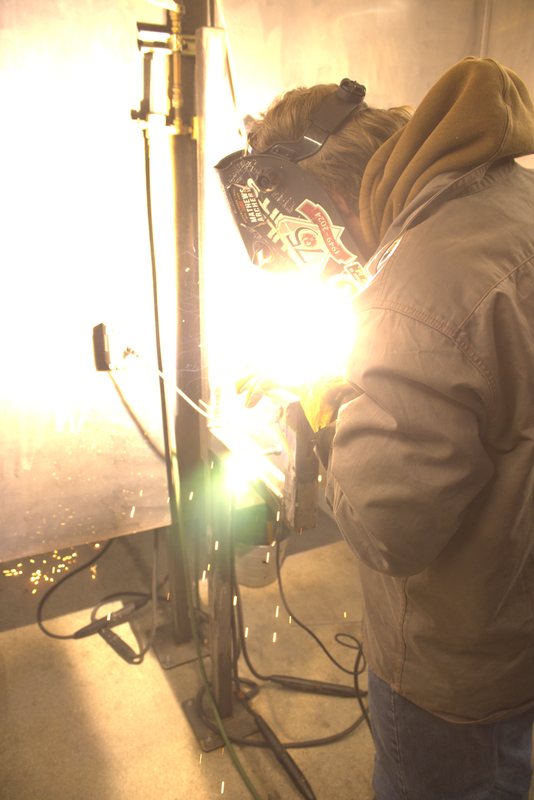
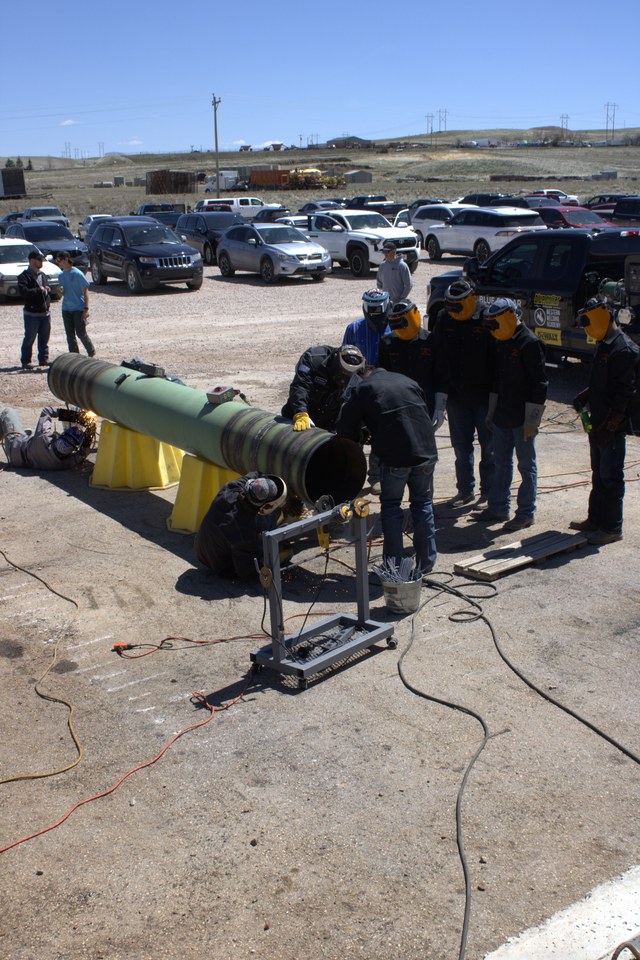
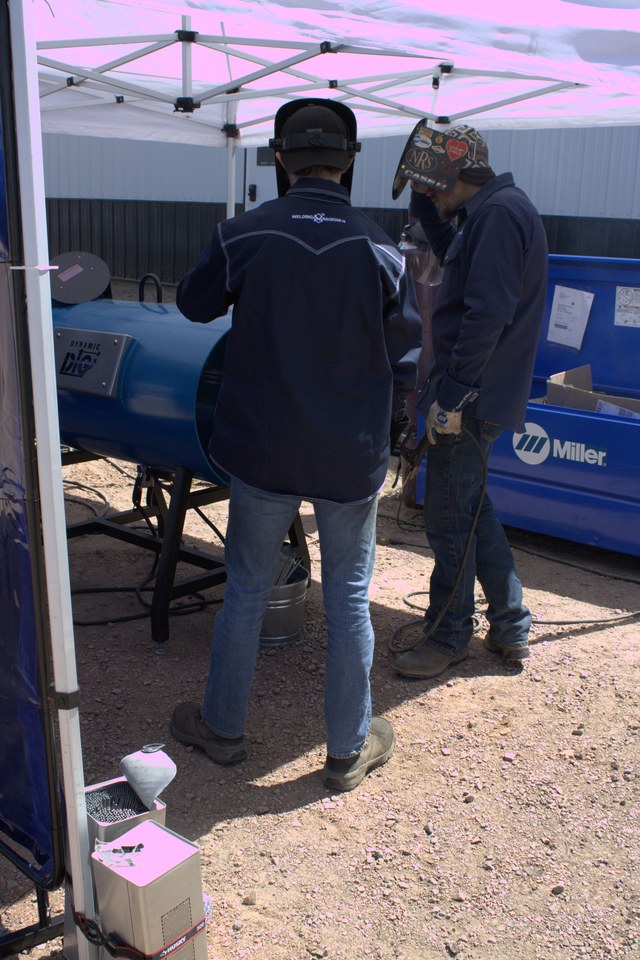
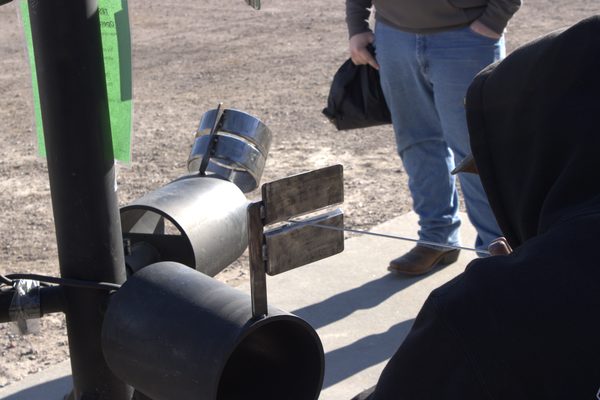
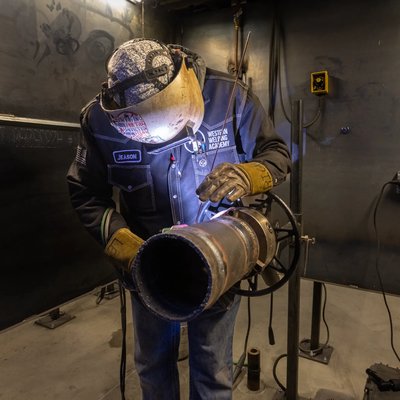
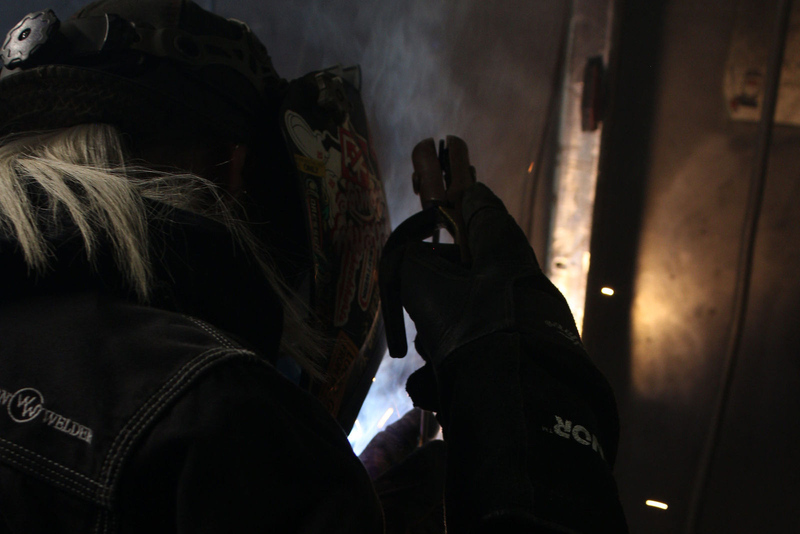
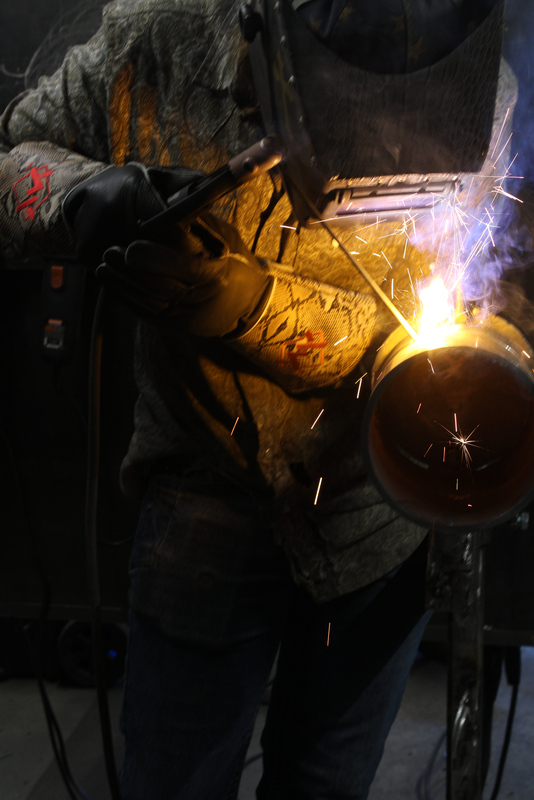
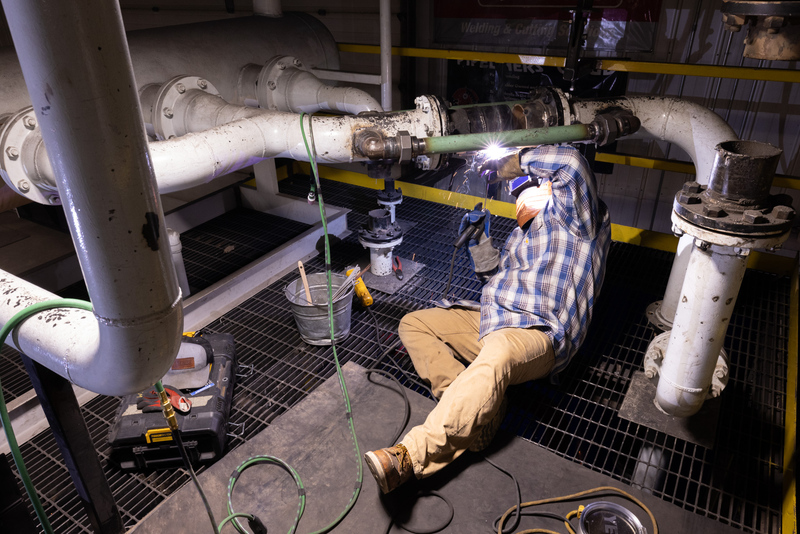
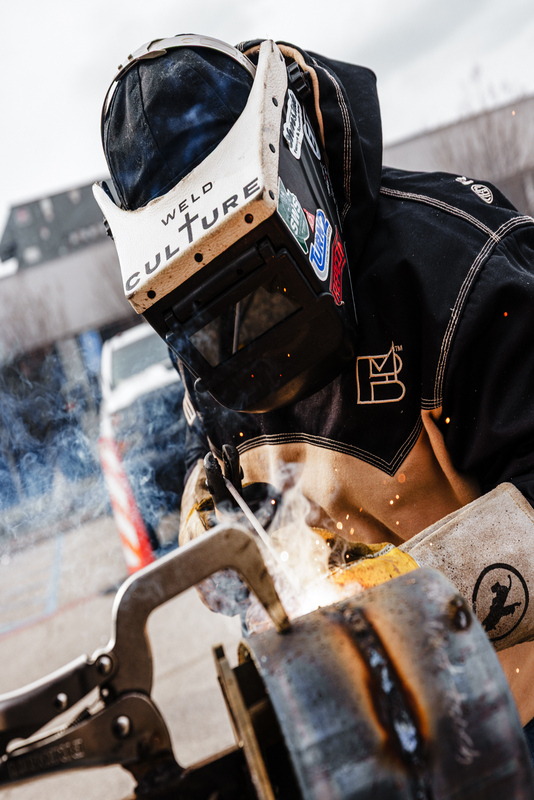
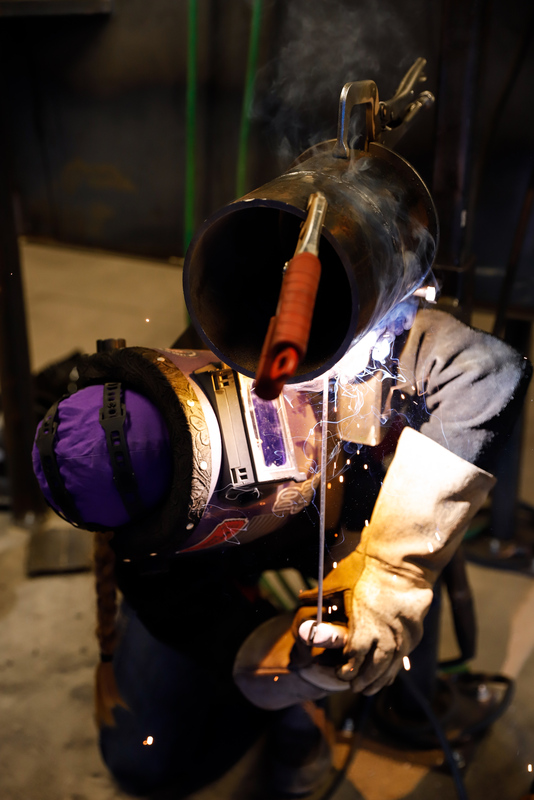
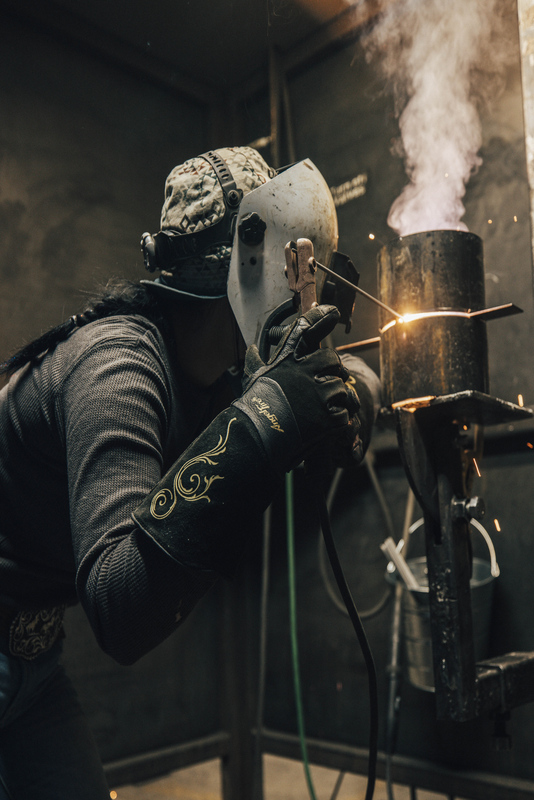
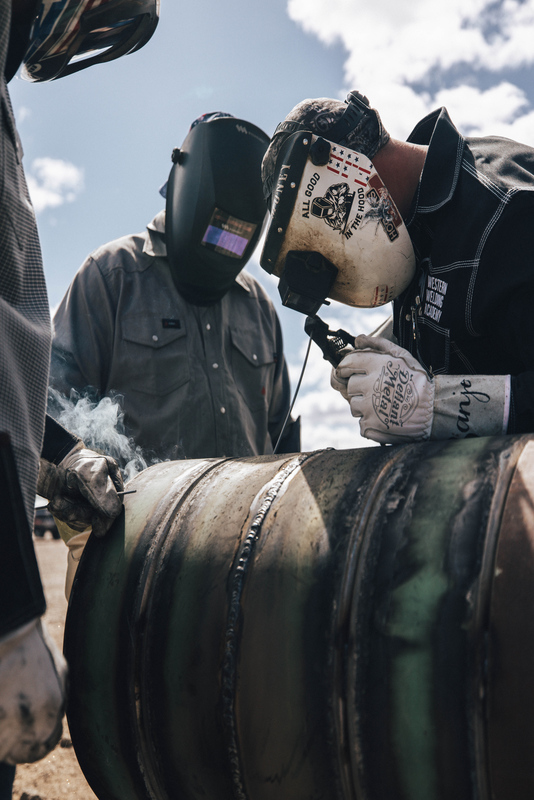
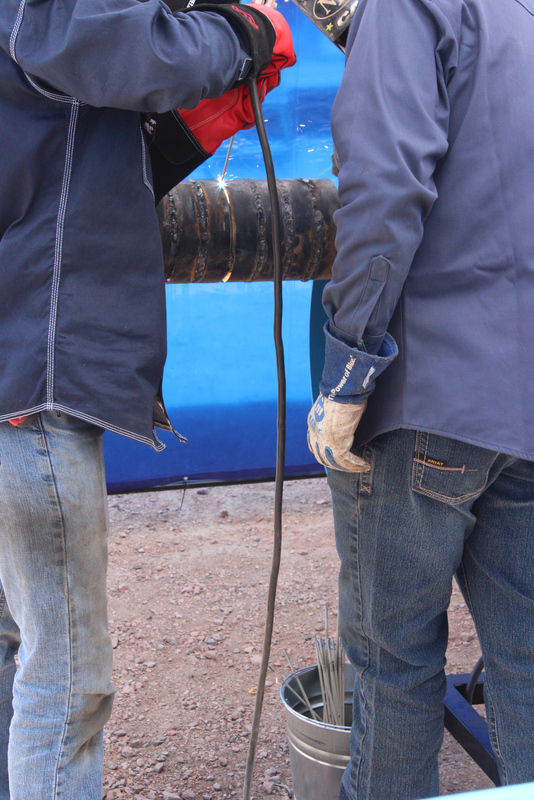
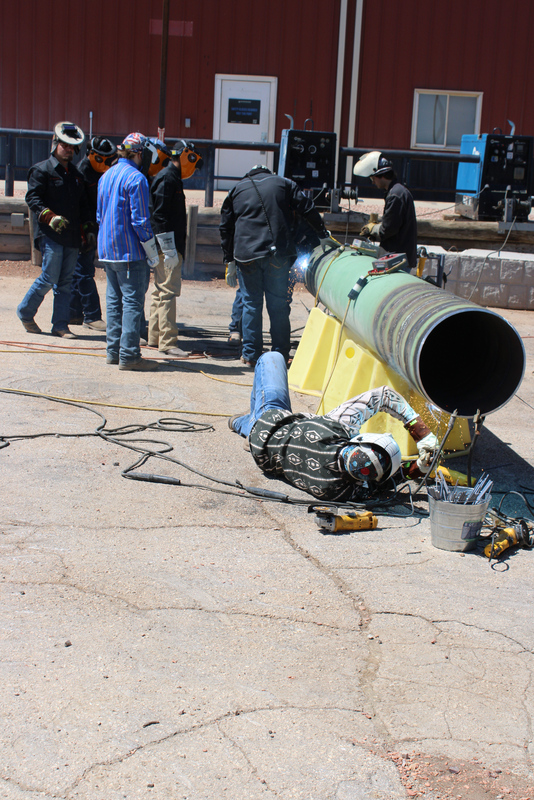
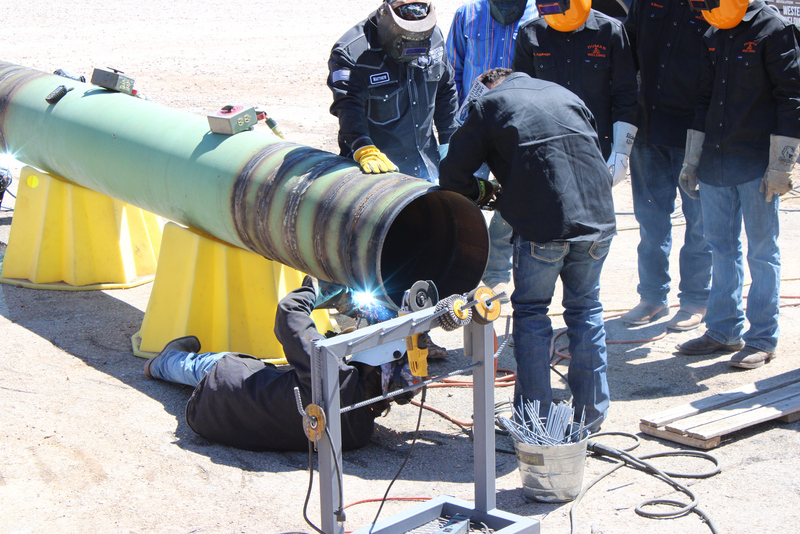
Pipe welding is fundamentally different from plate welding. A pipe joint is a continuous circle that requires the welder to change position, angle, and technique as they move around the circumference. The top of a pipe weld is overhead. The sides are vertical. The bottom is flat. A single weld joint demands all three skill sets executed seamlessly in one continuous pass.
The tolerances are tighter on pipe. Pipeline welds carry pressurized fluids, gases, or steam. A structural plate weld that cracks means a repair. A pipeline weld that fails means an environmental incident, an injury, or a shutdown. Employers who build pipelines, refineries, and power plants only hire welders who can prove their skill through 6G and 6GR certification testing. These tests are the hardest in welding because they require the welder to complete a full pipe joint in the most difficult fixed position.
Material diversity adds another layer of specialization. Pipeline welders work with carbon steel, stainless steel, chrome moly, and exotic alloys. Each material requires different filler metals, gas mixtures, heat settings, and technique. A general welding program that covers only mild steel leaves graduates unprepared for the range of materials that pipe welding demands.
Get specialized pipe welding training that qualifies you for top-paying positions. Apply now or call (307) 284-5313 today.
How Does Specialized Training at Western Welding Academy Work?
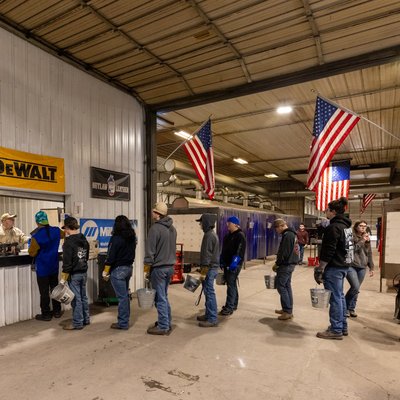
Western Welding Academy built its entire curriculum around pipe welding. Every program progresses from foundational stick welding through pipe welding certifications. The Professional Pipe Welder program covers stick, MIG, TIG, and flux core on both plate and pipe over 19 weeks at $12,600. The Expert program adds advanced TIG pipe welding on stainless steel and chrome moly over 24 weeks at $16,800.
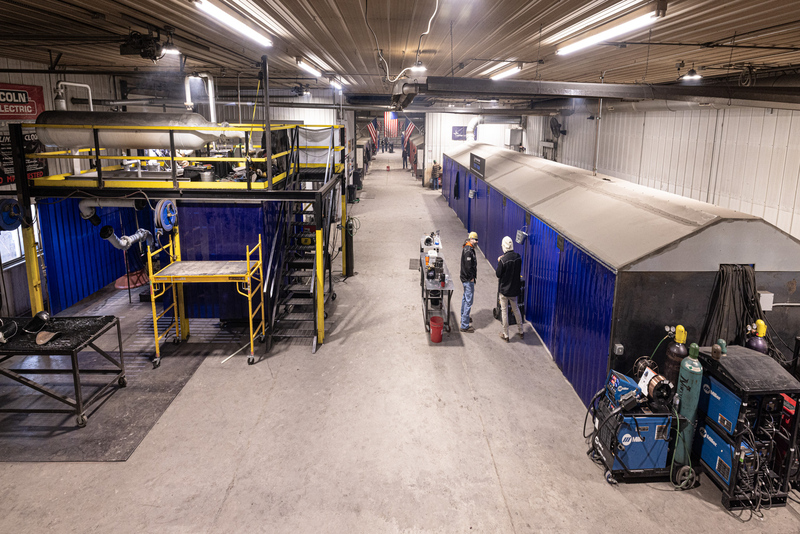
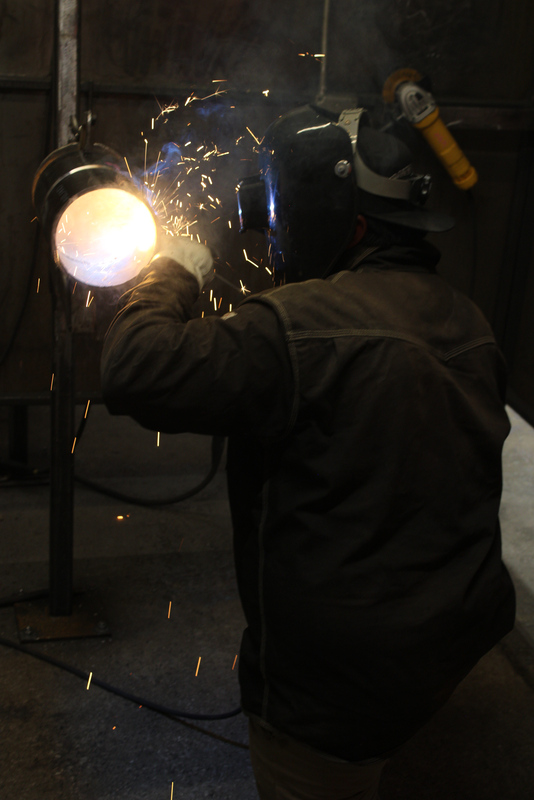
The training model dedicates 85% of instruction to hands-on booth time. Students weld 40 hours per week. That produces 480 total booth hours in the 12 week Foundational program and 960 hours in the 24 week Expert program. A general welding student at a community college accumulates roughly 300 to 500 booth hours across an entire two year degree. The specialized program delivers more focused practice in a fraction of the time.
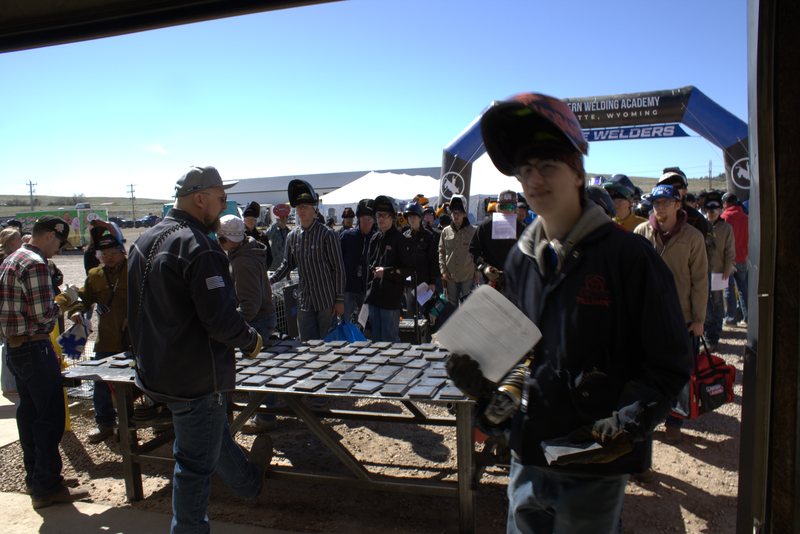
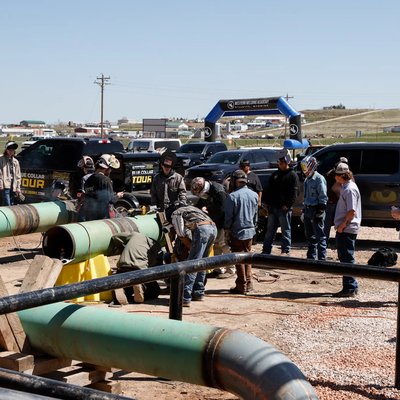
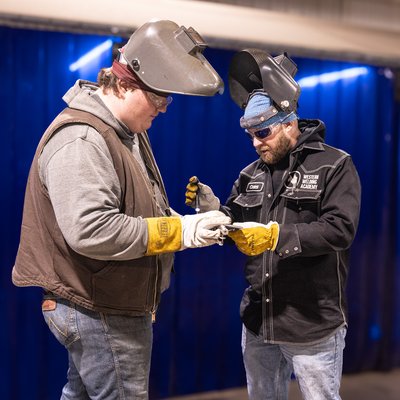
Every instructor at Western Welding Academy has real pipeline and industrial welding experience. They teach the techniques that actually matter on job sites, not generic textbook approaches. The school operates as the number one AWS Accredited Testing Facility. Students earn 6G pipe certifications, API 1104 qualifications, and multi-process certifications on the same equipment they train on.
What Do Specialized Pipe Welders Earn Compared to General Welders?
The pay gap between general welders and certified pipe welders is the clearest argument for specialized training. General fabrication welders earn $35,000 to $50,000 per year. Certified pipe welders from Western Welding Academy earn $60,000 to $125,000 per year. That is a $25,000 to $75,000 annual difference that starts in the first year and compounds over a career. The tuition pays for itself within 5 to 7 months of full time work.
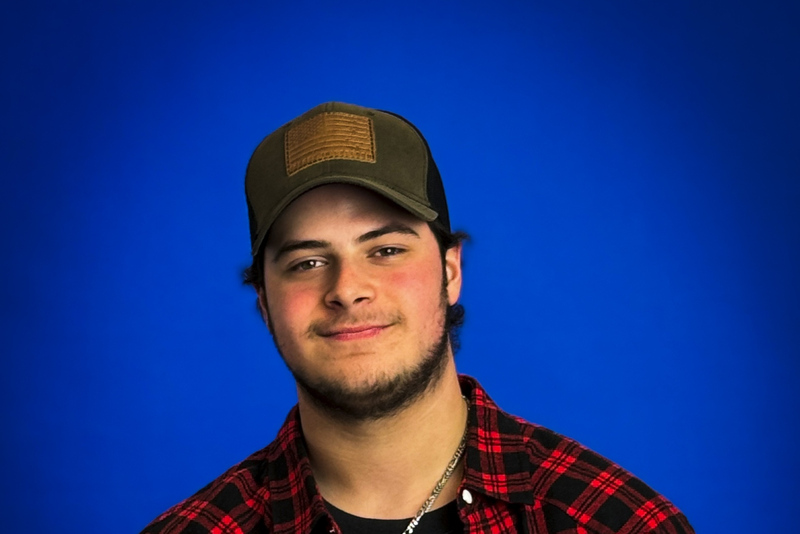
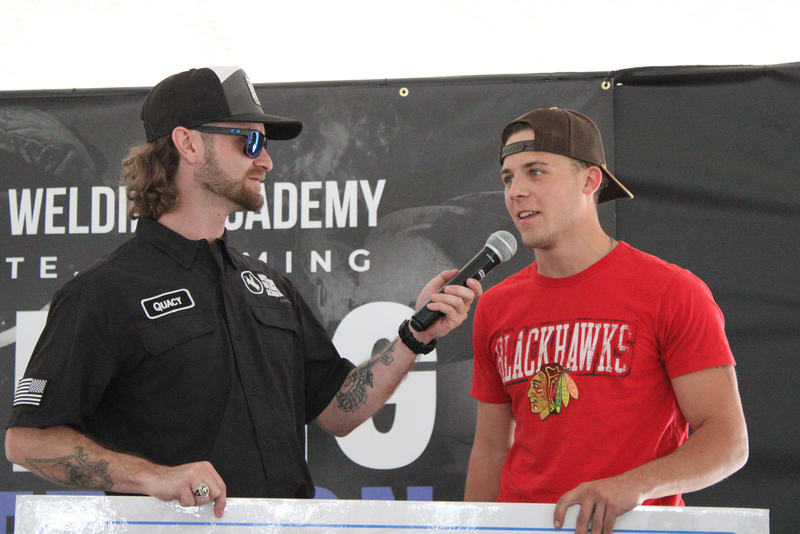
Leyton Wagner earned $4,514 on a single paycheck after completing specialized pipe welding training at Western Welding Academy. That paycheck exceeds what many general welders earn in two weeks. The difference is the certifications and specialized skills that pipeline employers pay premium rates for.
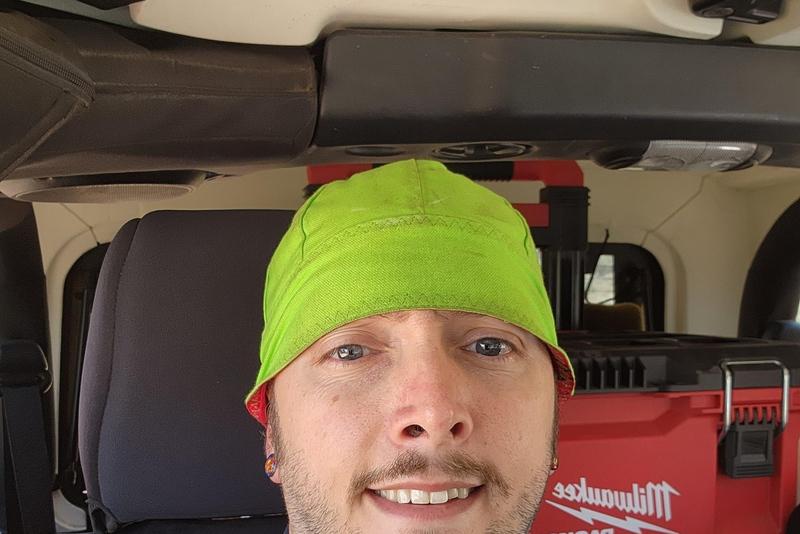
Gavin Walden pulls in $3,986 per paycheck as a pipeline welder. A general welding certificate would not have qualified him for this position. His 6G pipe certification and multi-process training opened doors that general programs cannot reach.
David Smolek earns $3,417 per paycheck. Noah clears $4,800 per week on the pipeline. Hank earns over $150,000 per year at age 21. Each of these graduates chose specialized pipe welding training over a general welding program. Their earnings reflect that choice. A general welding graduate working in a fab shop at the same age would earn roughly half of what these Western Welding Academy graduates take home.
Why Do Employers Prefer Specialized Pipe Welding Graduates?
Pipeline companies, refineries, and industrial contractors hire for specific certifications, not general welding ability. When a company needs a welder for a cross-country gas pipeline, they require API 1104 certification and 6G qualification. When a refinery needs a TIG pipe welder for chrome moly piping, they require process-specific certification. General welders without these credentials are not considered, regardless of their years of experience.
Western Welding Academy has a 94% hire rate within 90 days of graduation. That number reflects employer trust in the program's specialized output. Companies like SpaceX, Steam 88, UFO Motorsports, Boilermakers, and Pipefitters locals recruit directly from the school because they know graduates arrive with the exact certifications their projects demand.
The welding industry needs 82,500 new welders every year, with a 330,000 welder deficit projected by 2028. The shortage is most severe in specialized pipe welding, where demand outpaces supply by the widest margin. Graduates with pipe certifications from Western Welding Academy enter a market where employers compete for their skills. Choosing between programs is a matter of how far you want to take your specialization.
What Happens If You Choose General Training Instead?
A general welding graduate who wants to move into pipe welding later faces a difficult path. They have to find additional training, pay for it separately, and start the pipe welding learning curve after already spending time and money on a general program. Many never make the transition because the momentum is lost and the financial barrier of a second program is hard to justify.
Western Welding Academy graduates skip that entire detour. They go from zero experience to certified pipe welder in 12 to 24 weeks. The 85% graduation rate in the Expert program shows that the specialized curriculum works. Compare that to Competitor A at 68%, Competitor B at 43%, and Competitor C at 56%. The completion data comes from a 234 alumni survey conducted in November 2024.
The math is simple. Specialized training costs $7,050 to $16,800 and takes 12 to 24 weeks. A general degree costs $10,000 to $25,000 and takes one to two years. The general path leads to $35,000 to $50,000 starting pay. The specialized path leads to $60,000 to $125,000. Every metric favors specialization for anyone whose goal is pipe welding.
Choose the training that leads to pipe welding careers, not general welding jobs. Apply now or call (307) 284-5313 today.
Frequently Asked Questions
Q1. Can I become a pipe welder with a general welding degree?
It is possible but inefficient. A general degree covers plate welding basics without the pipe-specific certifications that employers require. You would need additional specialized training after graduating. Starting with a dedicated pipe welding program saves time and money while producing the certifications that command higher pay.
Q2. How much more do pipe welders earn than general welders?
General fabrication welders earn $35,000 to $50,000 per year. Certified pipe welders from Western Welding Academy earn $60,000 to $125,000 per year. That $25,000 to $75,000 annual gap starts immediately and compounds over a career. The difference comes from specialized certifications that command premium pay.
Q3. What certifications do pipe welders need that general welders lack?
Pipe welders need 6G position certification, API 1104 pipeline qualification, and often process-specific certifications for TIG, stainless steel, and chrome moly. General welding programs typically cover only 1G and 2G flat and horizontal position tests on plate steel. These basic certifications do not qualify you for pipeline or refinery positions.
Q4. Is specialized pipe welding training harder than general welding?
Pipe welding requires more positions, tighter tolerances, and multiple processes. The training is more demanding, but structured programs handle the progression. Western Welding Academy starts every student at stick welding fundamentals and builds through each position and process. The 85% Expert graduation rate shows the curriculum supports students through the harder material.
Q5. How long does specialized pipe welding training take?
At Western Welding Academy, the Foundational program runs 12 weeks, the Professional runs 19 weeks, and the Expert runs 24 weeks. All programs train 40 hours per week with 85% hands-on booth time. A general community college welding degree takes one to two years with far fewer booth hours per week.
Q6. What makes Western Welding Academy different from other welding schools?
Western Welding Academy provides 40 hours per week of booth time with 85% hands-on training focused exclusively on pipe welding progression. The school is the number one AWS Accredited Testing Facility with a 94% hire rate within 90 days, an 85% Expert graduation rate, and graduates earning $60,000 to $125,000 per year.
Invest in the Training That Matches the Career You Want
General welding programs produce general welders. Specialized pipe welding programs produce certified pipe welders who earn $60,000 to $125,000 per year. Call Western Welding Academy at (307) 284-5313 or apply now to start specialized training that leads directly to pipeline careers.

.jpg)


.jpg)
.jpg)


.jpg)
.jpg)
.jpg)
.jpg)
.jpg)
-thumbnail.jpg)

.jpg)