Why Field Experience Matters More Than Teaching Certificates
An instructor who has never welded on a pipeline cannot teach you how to weld on a pipeline. This sounds obvious, but many welding programs hire instructors based on teaching credentials rather than field experience. A welding instructor with a teaching certificate but no production pipeline experience teaches theory. An instructor with 10 or 15 years of active pipeline work teaches the techniques, shortcuts, and standards that contractors actually test for during hiring.
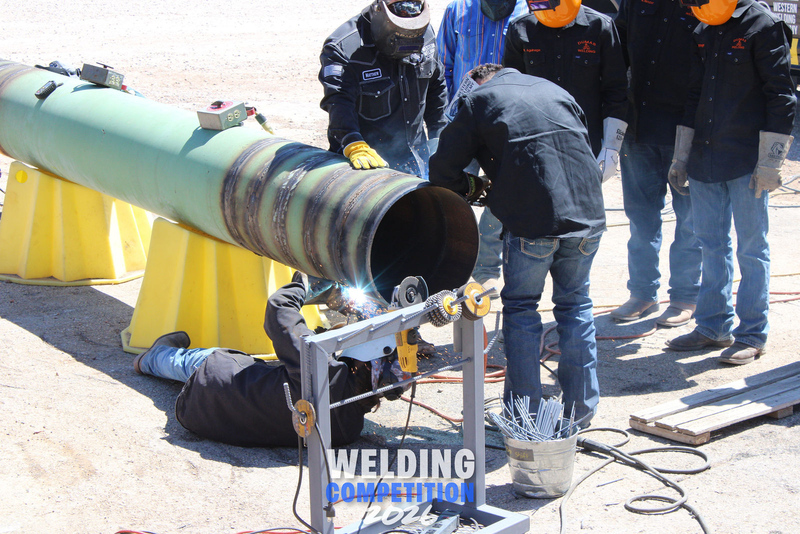
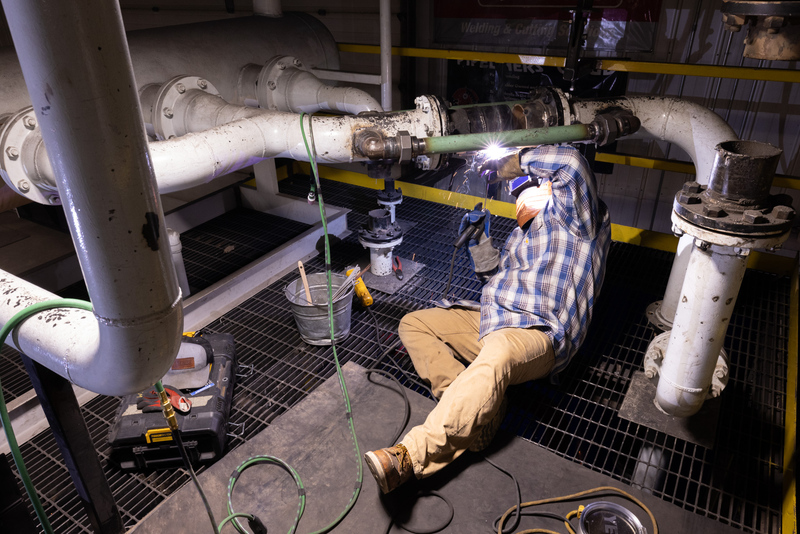
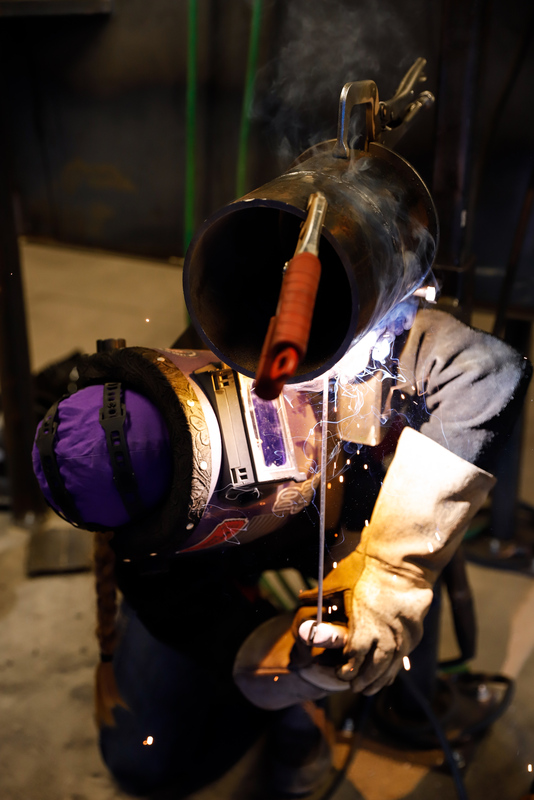
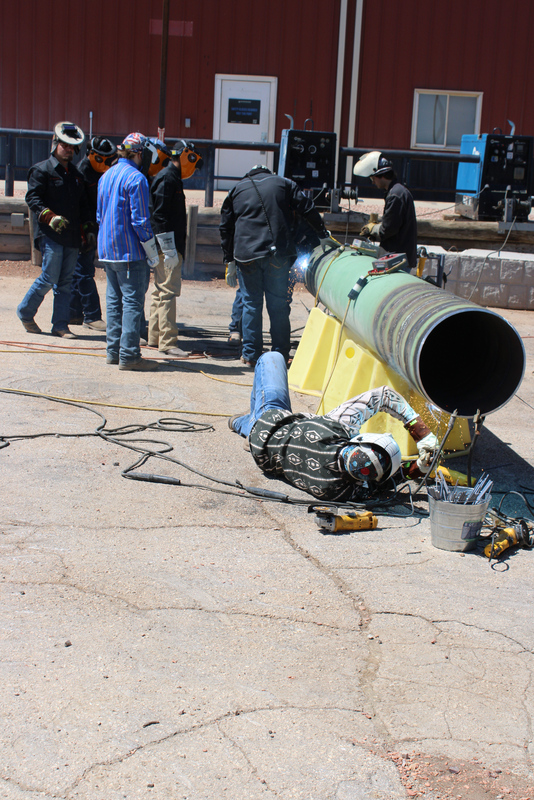
Pipeline welding has specific demands that only show up on real job sites. Wind affects shielding gas. Fit up tolerances vary between contractors. Root pass techniques change depending on pipe wall thickness and material grade. An instructor who has worked these variables on production joints can anticipate the mistakes students will make and correct them before bad habits form.
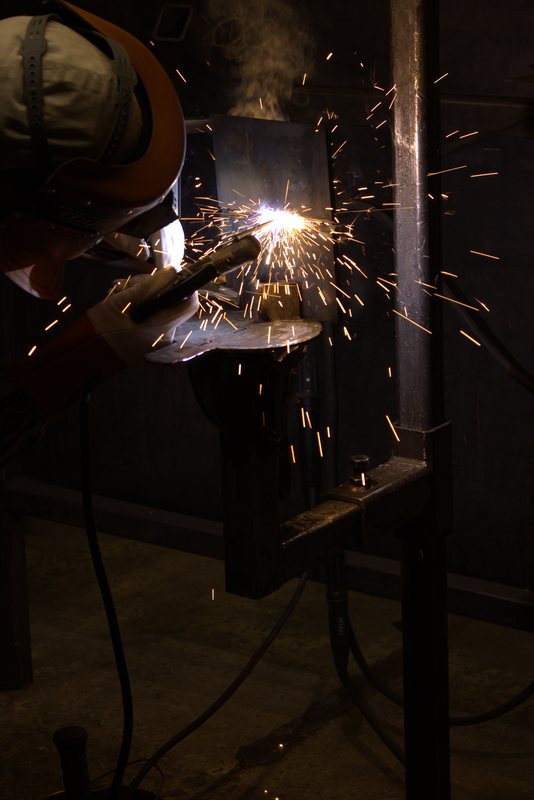
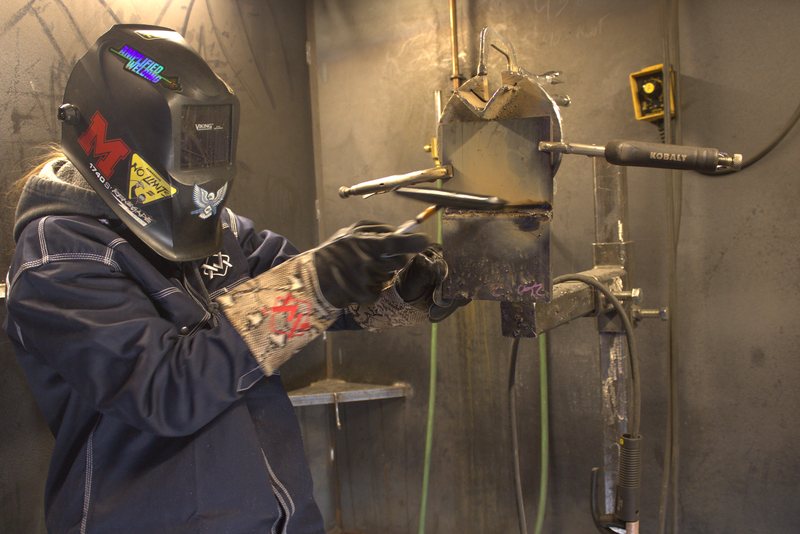
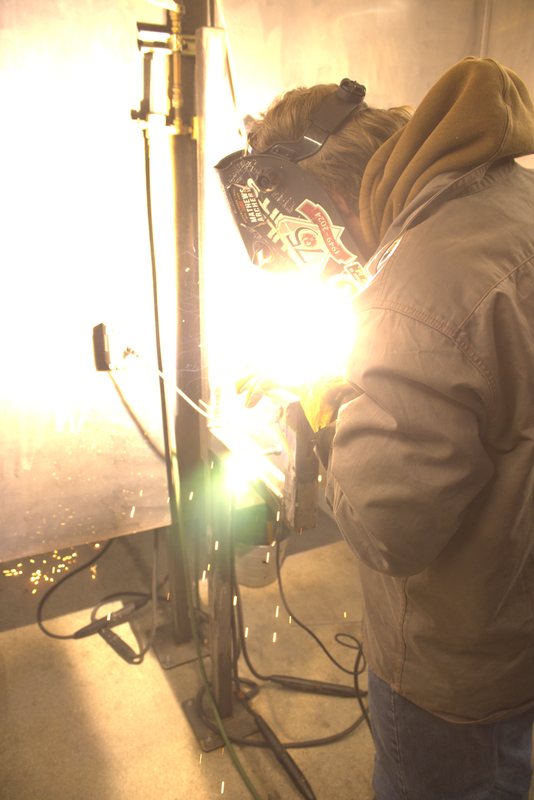
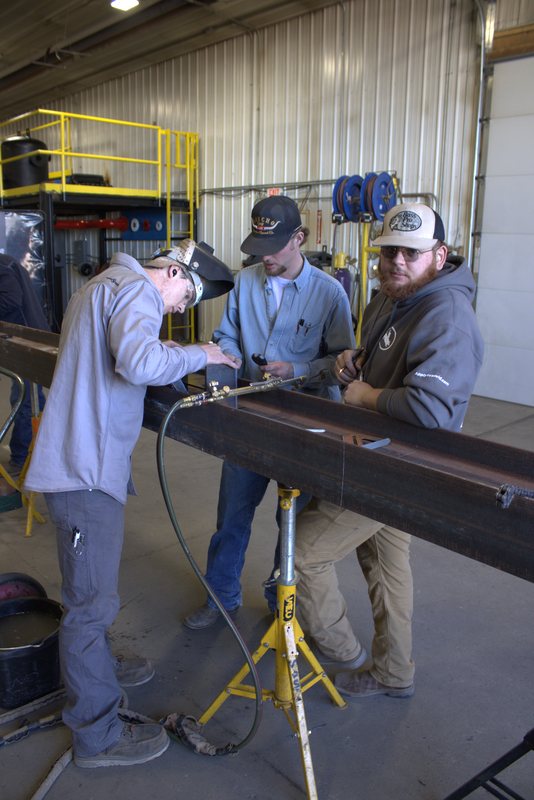
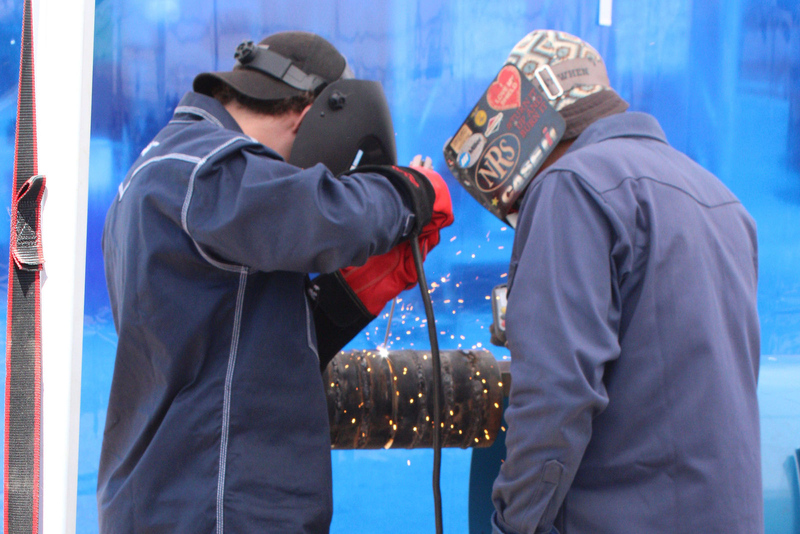
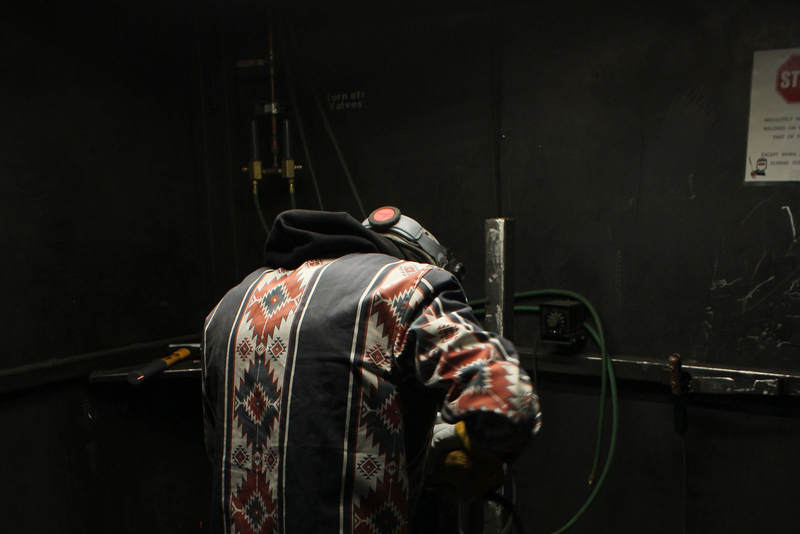
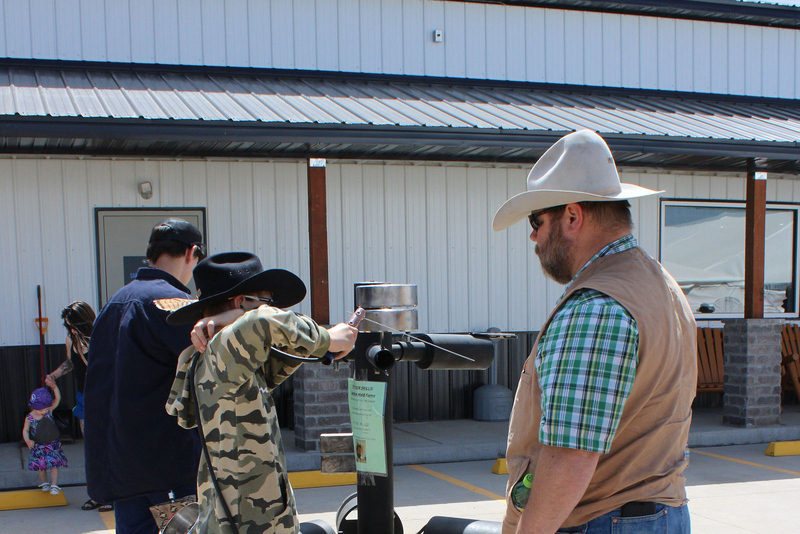
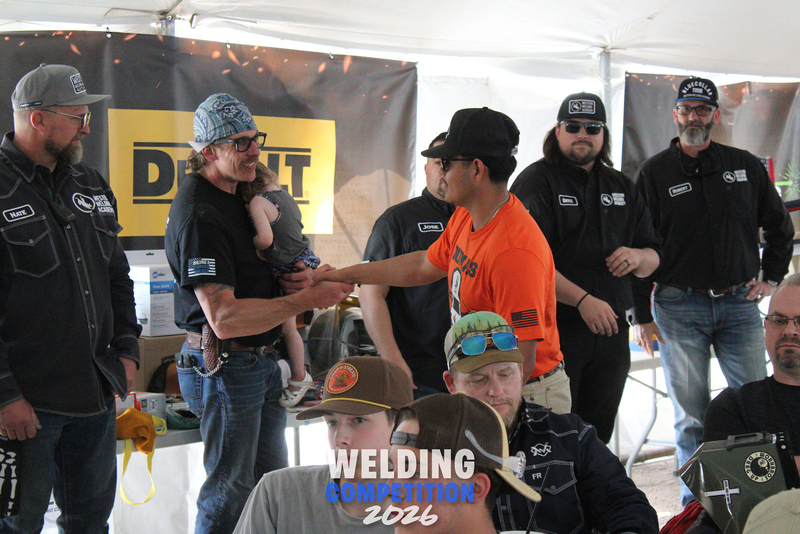
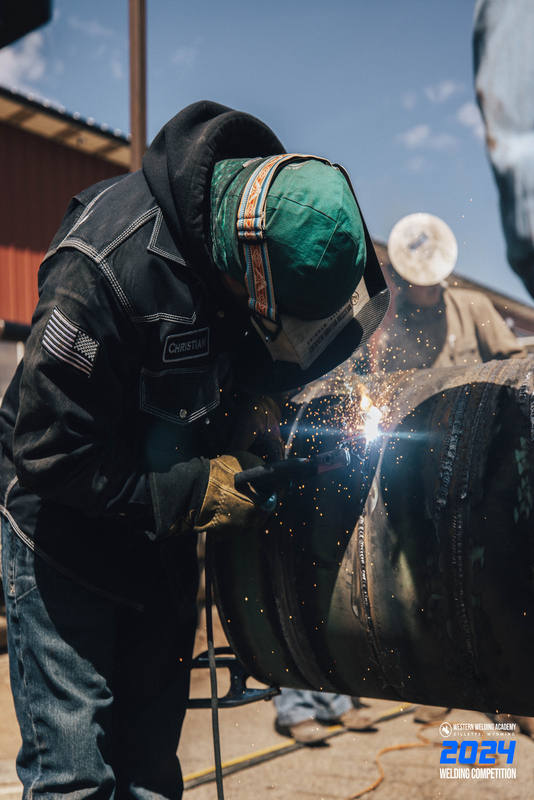
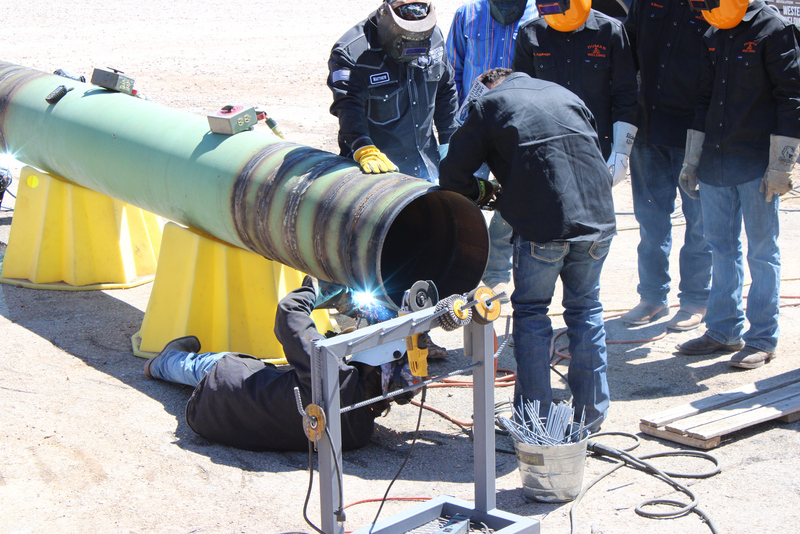
At Western Welding Academy, instructors bring active pipeline field experience to the booth. They have welded the same joint configurations, under the same codes, and for the same types of contractors that graduates will encounter on their first job. This direct transfer of field knowledge is what allows students to pass contractor weld tests on their first attempt.
Learn from instructors who have welded the pipeline jobs you want. Apply now or call (307) 284-5313.
What Credentials a Pipe Welding Instructor Should Hold
Beyond field experience, specific credentials signal that an instructor meets industry standards for teaching welding. An AWS Certified Welding Inspector (CWI) credential means the instructor understands welding codes, inspection criteria, and quality standards at the level contractors and testing facilities require. This is not optional for pipe welding instruction. It is the baseline.
Instructors should also hold current certifications in the processes they teach. An instructor teaching GTAW (TIG) pipe welding should hold active 6G TIG certification. An instructor teaching API 1104 pipeline welding should hold active API 1104 certification. Students can tell immediately when an instructor demonstrates a technique versus describing one from memory. The difference shows in the quality of the finished weld and the speed of the demonstration.
Look for programs where instructors actively re-certify on the same tests students take. This keeps their skills sharp and their instruction aligned with current testing standards. Testing standards evolve, and an instructor who last tested five years ago may teach techniques that no longer meet current code requirements.
How Instructor Ratios Affect Your Learning Speed
The number of students per instructor determines how much individual coaching you receive during booth time. A program with 20 students and one instructor gives each student roughly three minutes of direct feedback per hour. A program with 8 to 10 students per instructor doubles or triples that coaching time. The difference compounds across weeks of training.
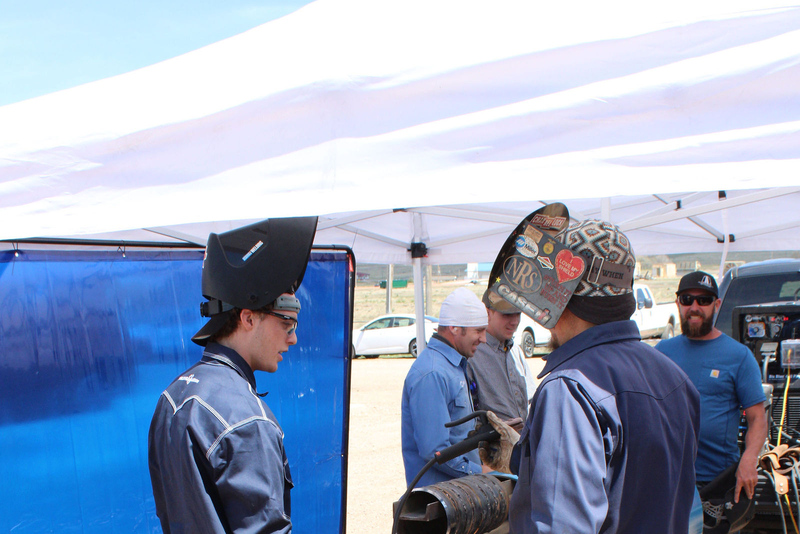
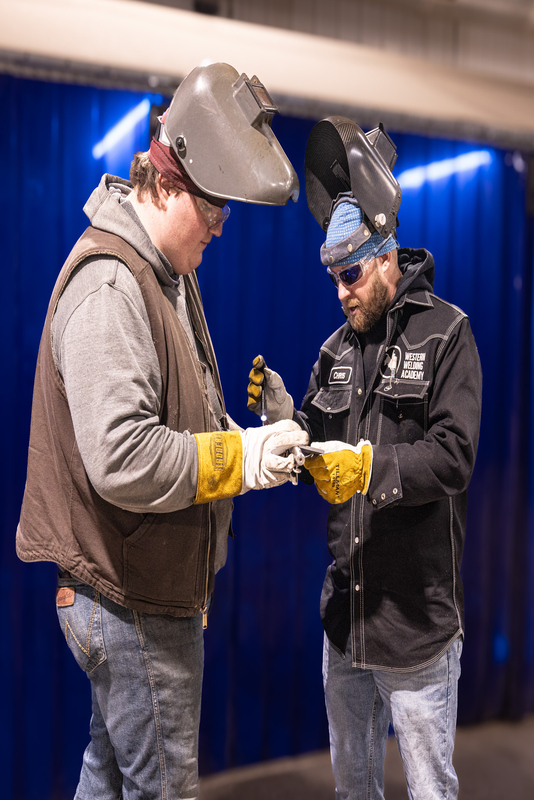
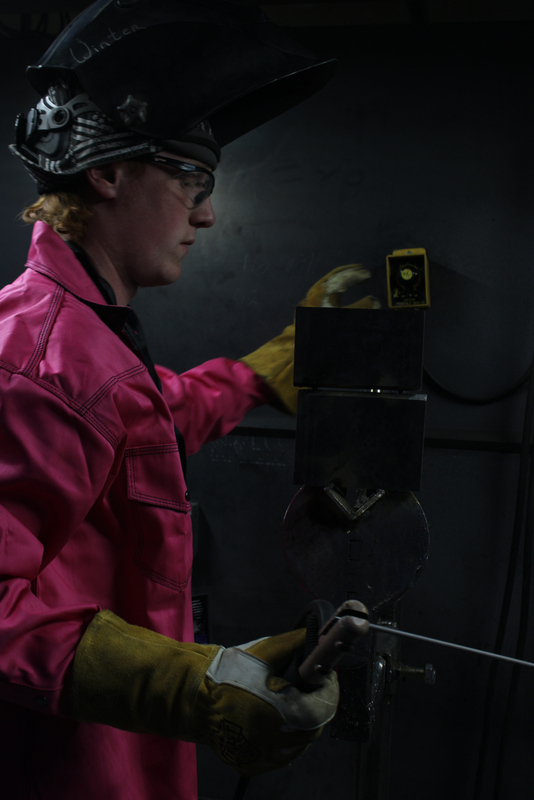
Individual feedback during booth time is where real skill development happens. An instructor who watches your arc, identifies a travel speed problem, and corrects it in the moment saves you hours of practicing the wrong technique. Without that real time correction, students reinforce mistakes that become harder to fix the longer they persist.
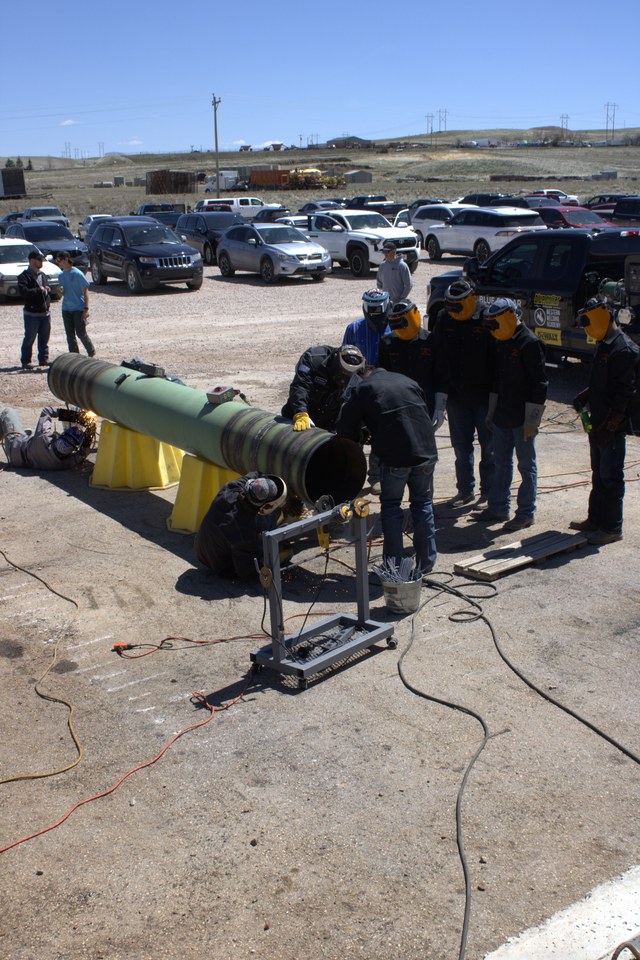
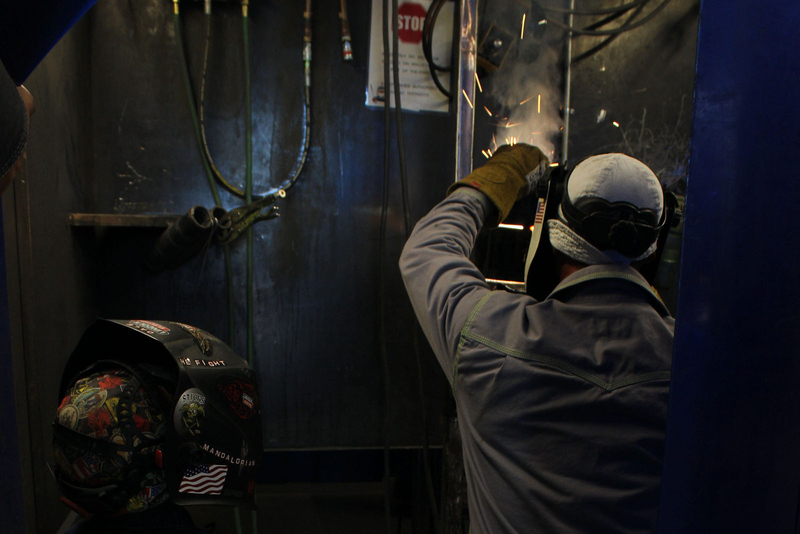
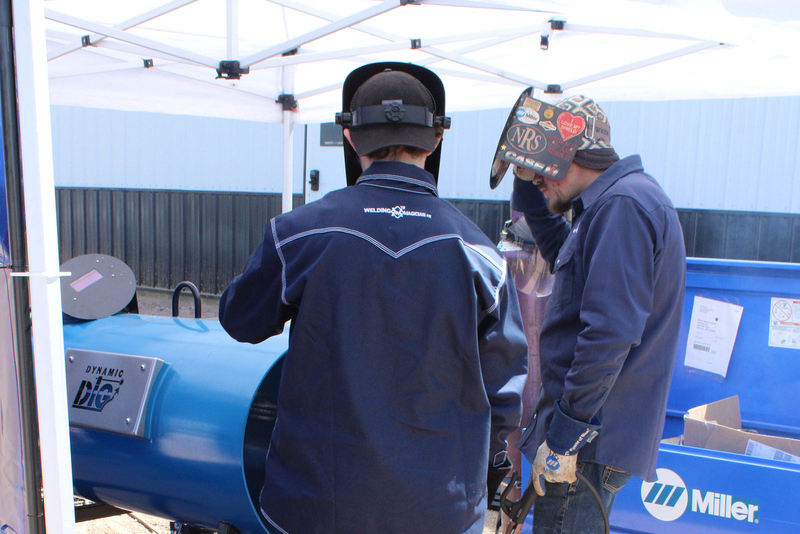
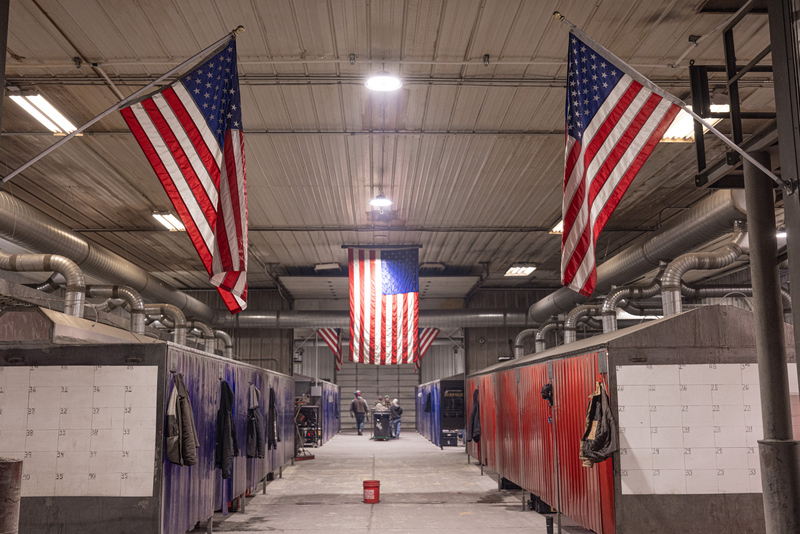
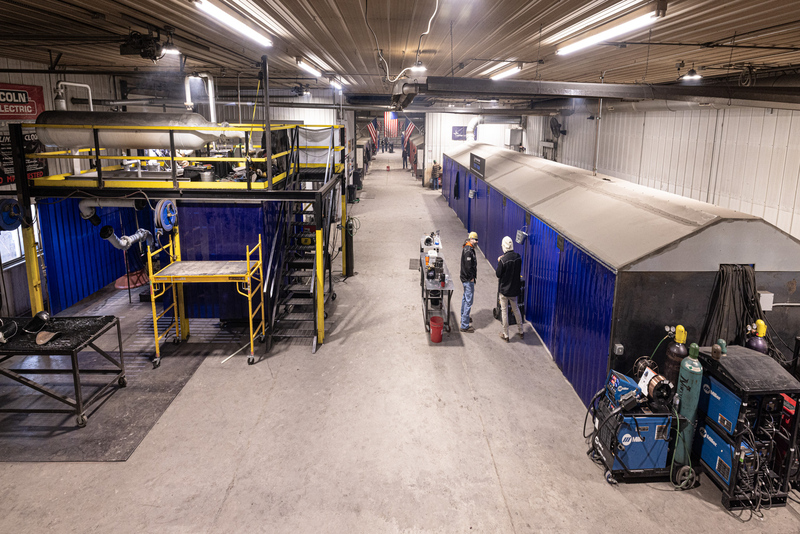
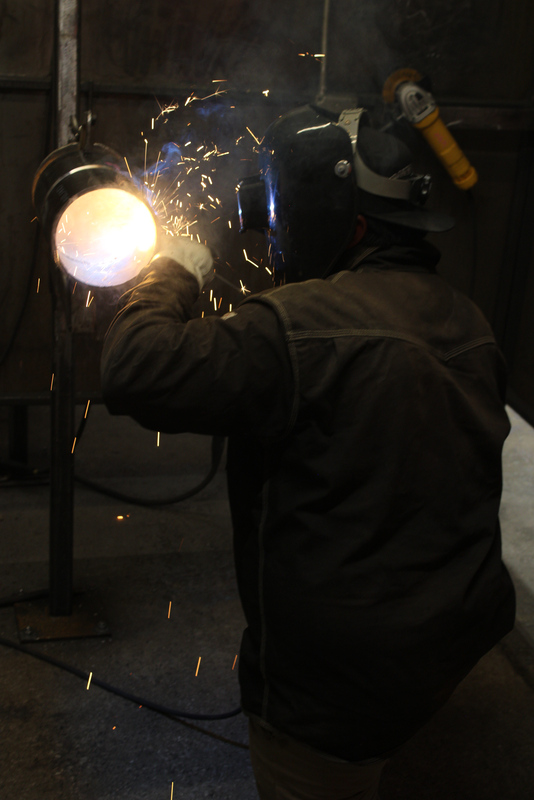
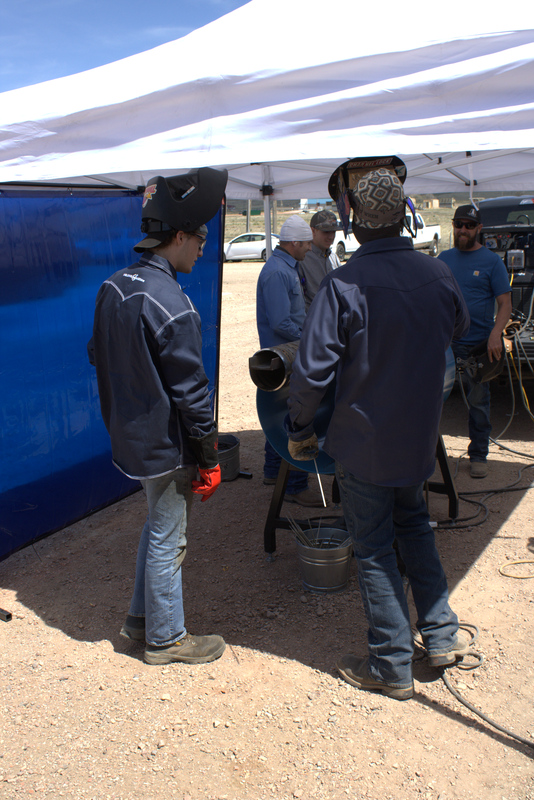
Western Welding Academy maintains small class sizes with individual booth stations for every student. This setup means instructors rotate through booths continuously, providing specific feedback on every practice weld. Students never wait for a booth and never go a full session without individual correction. That feedback density is why the academy can take students from zero experience to pipeline ready in 12 weeks.
What Bad Instruction Costs You in Earnings and Time
Poor instruction does not just slow your learning. It costs you money in every direction. Students who graduate without proper technique fail contractor weld tests and lose job opportunities. Students who learn incorrect code procedures fail certification tests and pay to retest. Students who develop bad habits spend months or years unlearning techniques that a good instructor would have corrected in the first week.
The financial math is straightforward. A graduate who passes their 6G certification on the first attempt and gets hired at $45 per hour within 30 days starts earning $93,600 per year immediately. A graduate who fails the first test, retests after three months of additional practice, and finally gets hired at $28 per hour earns $58,240. The difference in first year earnings alone is over $35,000. That gap traces directly back to instructor quality.
What Graduates Earn When Instructors Get It Right
The proof of instructor quality shows up in graduate paychecks. Western Welding Academy instructors prepare students for the exact certification tests and job site demands that drive pipeline wages. The academy's 94% placement rate within 90 days reflects what happens when experienced instructors, high booth time ratios, and individual coaching work together.
Leyton Wagner earns $4,514 per paycheck after training under instructors who corrected his technique in real time during every booth session at Western Welding Academy. That individual coaching turned raw talent into pipeline ready skill in weeks, not years.
Gavin Walden takes home $3,986 per paycheck. His instructors taught him multi process pipe welding with the same standards contractors use during hiring tests. He passed his contractor weld test on the first attempt because his training matched the real world exactly.
David Smolek earns $3,417 per paycheck. His instructors identified and corrected a travel speed habit early in his training that would have caused failures on production welds. That single correction saved him months of rework and retesting.
Noah clears $4,800 per week on pipeline projects. His instructors specialized in the SMAW to FCAW transition techniques that pipeline contractors require. He learned combination welding from people who had performed it on active job sites.
Hank crossed $150,000 per year before age 22. He credits his instructors with teaching him not just how to weld, but how to weld fast enough for production pace while maintaining code quality.
How to Evaluate Instructor Quality Before You Enroll
Ask three questions before choosing a welding school. First, do the instructors have active pipeline field experience or only teaching credentials? Second, what is the student to instructor ratio during booth time? Third, do graduates pass certification tests at the school or do they have to schedule separate testing appointments after graduation?
The answers to these questions tell you more about a program's value than any marketing material. A school that cannot name its instructors' field experience, runs 20 to 1 booth ratios, and sends graduates to outside testing facilities is not set up to produce pipeline welders. It is set up to issue completion certificates.
Train under instructors who have welded the jobs you want and know how to teach them. Apply now or call (307) 284-5313.
Frequently Asked Questions
Q1. What credentials should a pipe welding instructor have?
Look for AWS Certified Welding Inspector (CWI) credentials, active certifications in the processes they teach (6G, API 1104), and verifiable pipeline field experience. An instructor who holds current certifications on the same tests students take keeps their skills aligned with current standards.
Q2. Why does field experience matter for welding instructors?
Pipeline welding has job site variables that only show up in real production work. Wind, fit up variations, material differences, and contractor specific standards cannot be taught from a textbook. Instructors with field experience teach the actual techniques students need on day one of their first pipeline job.
Q3. What is a good student to instructor ratio for welding school?
Eight to ten students per instructor during booth time is ideal. This ratio allows for continuous individual feedback. Programs with 15 to 20 students per instructor cannot provide the coaching frequency needed to correct habits and build skill efficiently.
Q4. How does instructor quality affect certification pass rates?
Instructors who actively demo techniques, correct errors in real time, and teach to current code standards produce students who pass certification tests on the first attempt. Poor instruction leads to failed tests, retesting fees, and delayed employment that cost graduates thousands.
Q5. Can you learn pipe welding from online courses or videos?
No. Pipe welding requires hands-on coaching that corrects arc length, travel speed, torch angle, and body position in real time. These adjustments cannot be taught through a screen. Video can supplement booth training but cannot replace an instructor watching your weld and correcting your technique on the spot.
Q6. What makes Western Welding Academy different from other welding schools?
Western Welding Academy trains exclusively for pipe welding careers with 85% hands-on booth time, on-site AWS accredited testing, 6G and API 1104 certification, a 94% placement rate within 90 days, and named graduates earning $3,400 to $4,800 per paycheck. Over 2,000 graduates from all 50 states have completed the program.
Choose Instructors Who Build Pipeline Welders, Not Certificate Holders
Your instructor's field experience, credentials, and coaching ability determine your career trajectory. Western Welding Academy hires instructors with active pipeline experience who teach the techniques contractors test for during hiring. Call Western Welding Academy at (307) 284-5313 or apply now to train under instructors who produce pipeline welders.



.jpg)


.jpg)


.jpg)
.jpg)
.jpg)
.jpg)
.jpg)
-thumbnail.jpg)

.jpg)