No Curriculum Means No Sequence
Formal training follows a curriculum. Skills build on each other in a deliberate order. Heat control comes before multi pass technique. Flat position comes before overhead. Single process competence comes before multi process versatility. Each skill prepares you for the next one.
On the job training has no sequence. You learn whatever the current job requires. If the shop runs MIG on quarter inch mild steel in flat position, that is what you learn. There is no plan to move you through vertical, overhead, or pipe positions. There is no schedule for introducing stick or TIG. The employer is not running a training program. They are running a business. Your skill development is a side effect, not the goal.
The result is a patchwork of capability with unpredictable holes. A welder with five years of OJT experience might handle one process in two positions on one material type. A welder with 12 weeks of formal pipe training handles multiple processes in all positions across several material types.
Tribal Knowledge Replaces Technical Understanding
When you learn on the job, you learn from whoever happens to be teaching you. That person learned from whoever taught them. Settings, techniques, and shortcuts pass from welder to welder like a game of telephone. Some of what transfers is accurate. Some of it is habit disguised as technique.
The experienced shop welder who says "just run it at 21 volts and 300 inches per minute" is giving you a recipe, not an education. You learn what settings to use. You do not learn why those settings work. You do not learn what happens when the material thickness changes, the joint design changes, or the position changes. That understanding requires the metallurgy and welding science foundation that OJT rarely provides.
Pipeline welding under API 1104 and ASME codes requires welders who understand the relationship between heat input, cooling rate, and mechanical properties. Tribal knowledge does not cover that. Formal curriculum does.
Replace tribal knowledge with tested technical skill. Apply now or call (307) 284-5313.
No Exposure to Code Welding Standards
Most shop and production welding jobs operate under internal quality standards. The foreman decides what passes. The criteria are based on appearance and basic function. This is adequate for the work being done. It is completely different from code welding.
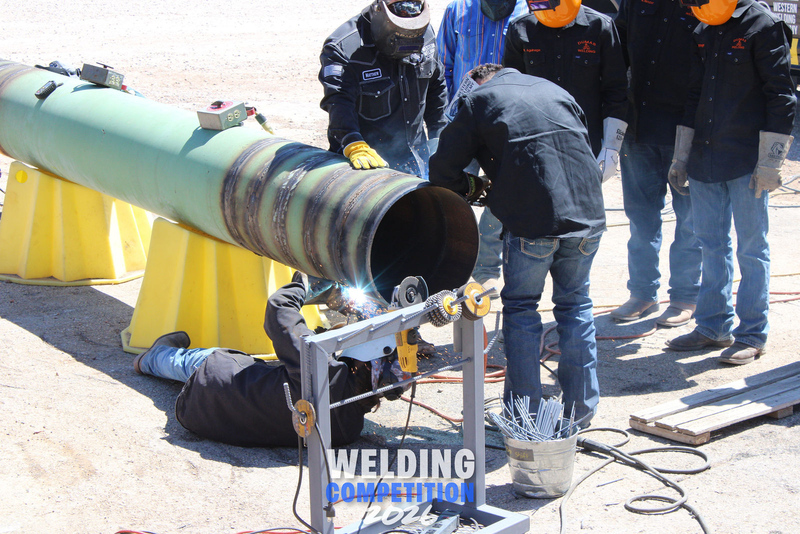
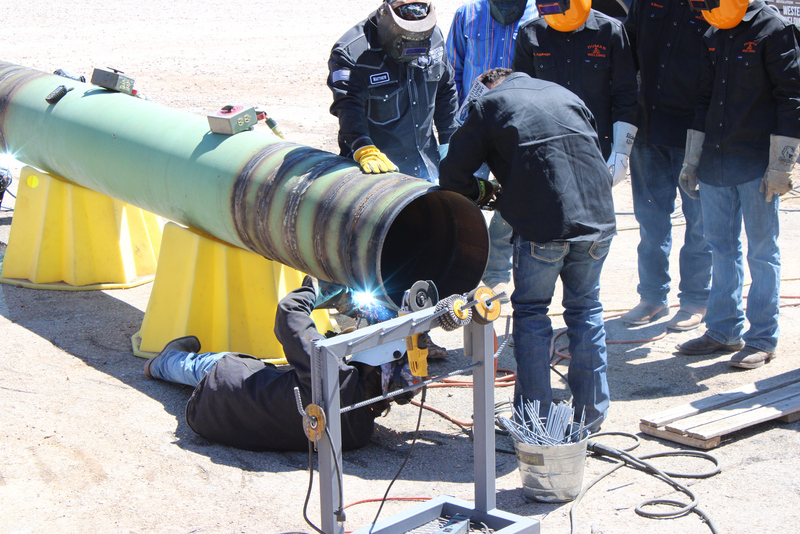
Code welding follows written procedures that specify every variable. Preheat temperature, interpass temperature, rod diameter, bead sequence, travel speed, and acceptance criteria are all documented. The welder follows the procedure exactly. An inspector evaluates the finished weld against written standards using calibrated equipment.
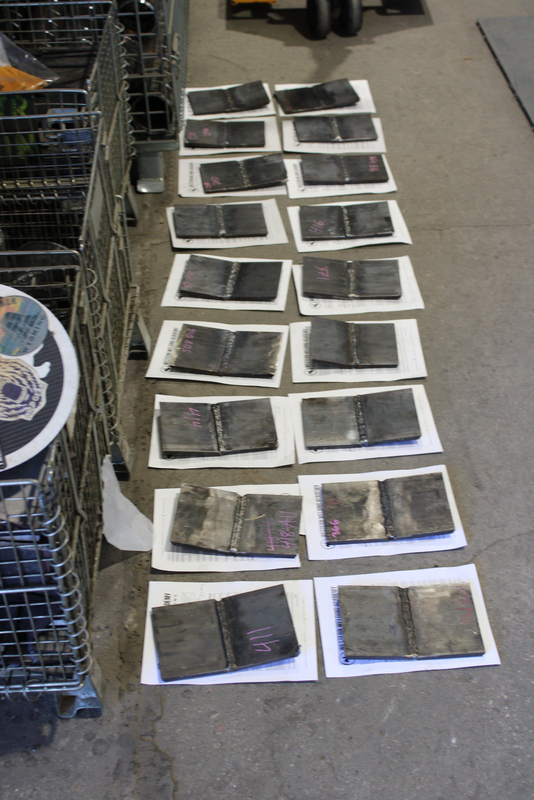
A welder who has never worked under code requirements faces a steep learning curve when they encounter them for the first time. The 6G certification test is not a visual inspection. It includes bend testing, X ray examination, and destructive testing. OJT welders have often never experienced any form of weld testing beyond a foreman's visual check.
No Testing Means No Feedback Loop
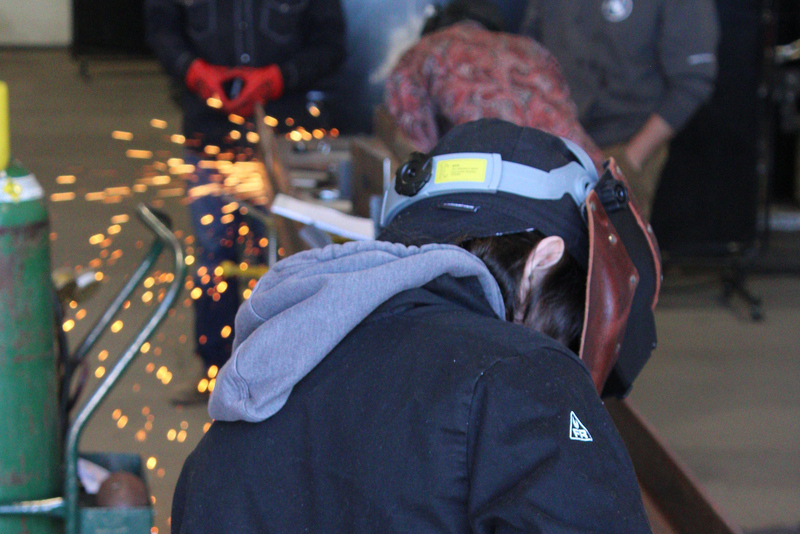
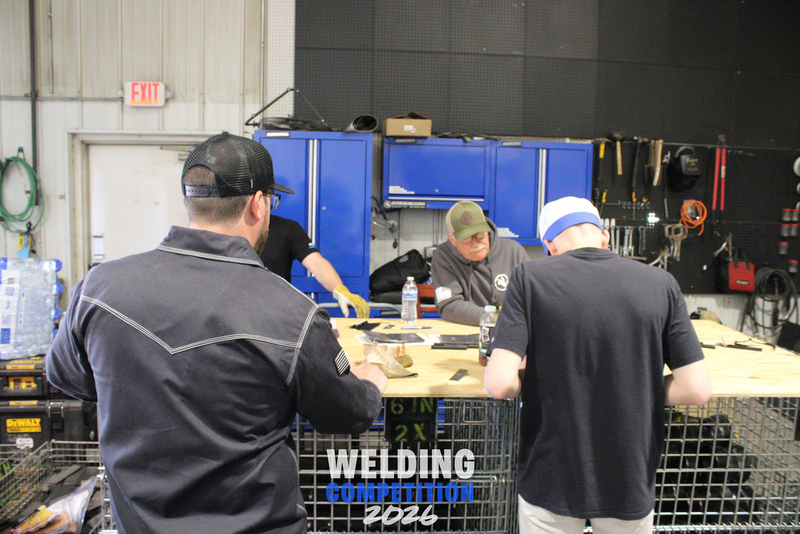
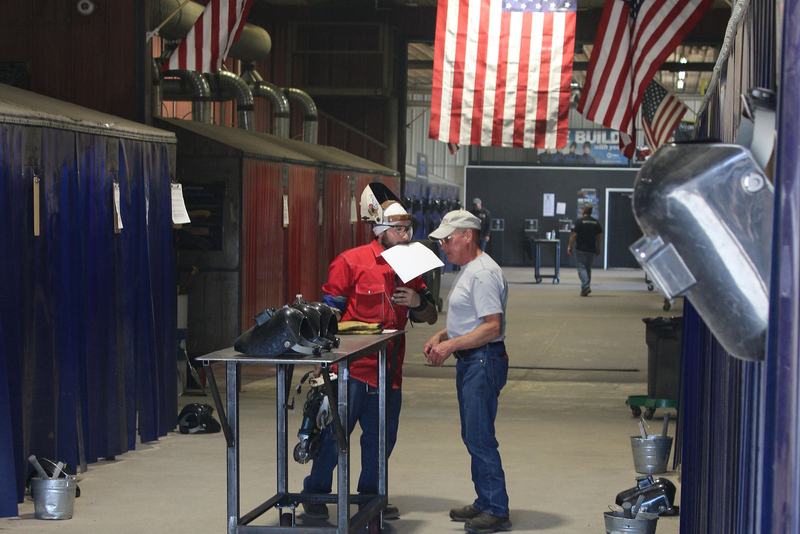
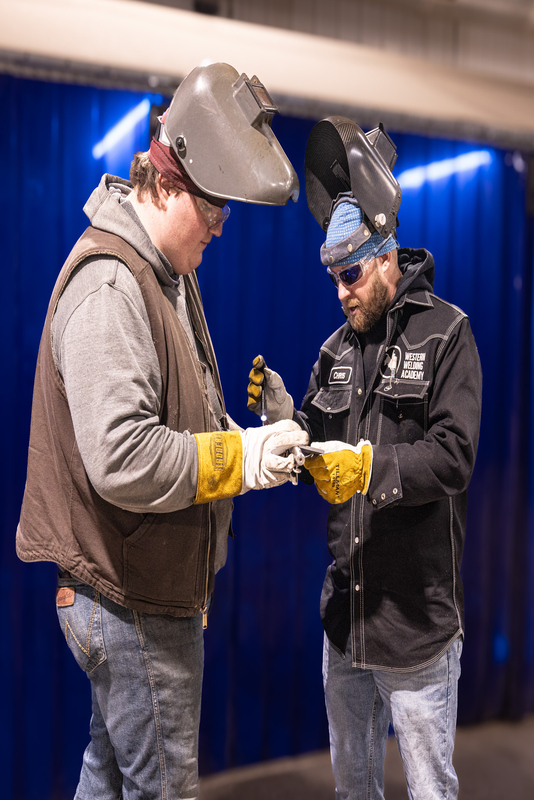
Learning requires feedback. In formal training at Western Welding Academy, every weld gets evaluated. Instructors identify defects, explain causes, and correct technique in real time. That immediate feedback loop accelerates skill development. You do not practice the same mistake for months before someone catches it.
On the job, the feedback loop is weak or absent. If the weld holds and looks acceptable, it passes. Nobody tells you that your travel speed is creating lack of fusion three passes deep. Nobody explains that your rod angle is producing slag inclusions that would fail an X ray. The weld works for now. The technique stays flawed.
Over years of working without proper feedback, bad habits become permanent habits. The welder does not know the habits are bad because nobody tested the welds at a level that would reveal the defects. When that welder finally faces a certification test, the habits that worked in the shop fail under code examination.
What OJT Welders Earn After Closing the Gaps
The skill gaps from on the job training are fixable. The earning increase from closing them is significant. Here are verified paychecks from Western Welding Academy graduates who transitioned from limited OJT backgrounds to pipeline careers.
Leyton Wagner earned $4,514 on a single paycheck after completing the Expert Pipe Welder program at Western Welding Academy. That figure is published on the school's website. Gavin Walden posted a $3,986 paycheck on social media. David Smolek shared his $3,417 paycheck publicly.
Noah started clearing $4,800 per week right out of welding school. Hank reached $150,000 per year at age 21. The skill gaps from OJT did not hold them back. See how welding schools with verified job placement rates compare when measured by actual graduate outcomes. The formal training filled those gaps and unlocked earnings that on the job experience alone never reached.
How Western Welding Academy Fills OJT Gaps
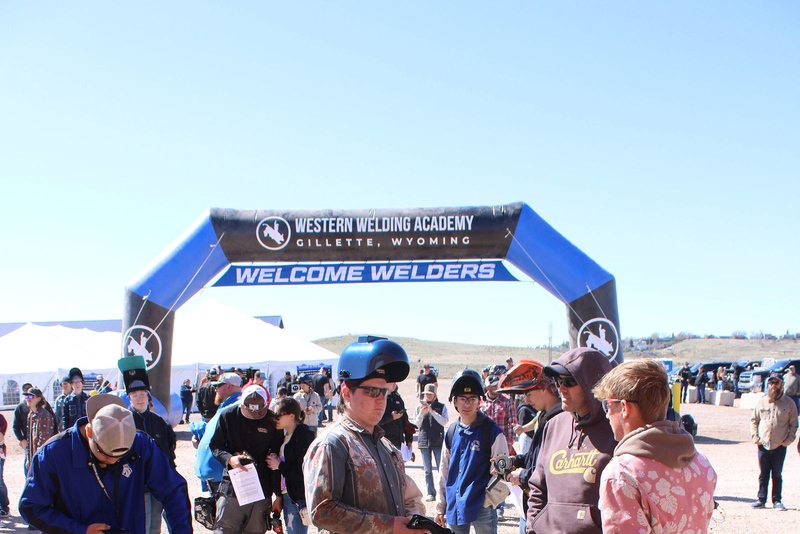
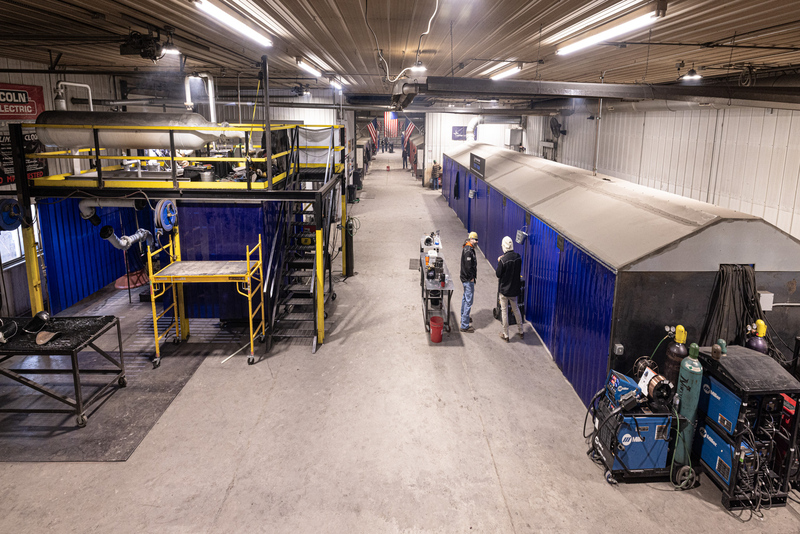
Western Welding Academy in Gillette, Wyoming runs a structured curriculum that systematically closes every gap that on the job training creates. The training starts with a skill assessment that identifies exactly where each welder stands. From there, the program builds capability in a deliberate sequence.
The Foundational Pipe Welder program runs 12 weeks at $7,050. The Professional Pipe Welder program runs 19 weeks at $13,600 and adds TIG pipe technique. The Expert Pipe Welder program runs 24 weeks at $19,800 and earns every certification pipeline employers require. The Expert program maintains an 85% graduation rate compared to an industry average below 60%.
The 85% hands on booth time at 40 hours per week provides the deliberate practice and immediate feedback that OJT never delivers. The number one AWS Testing Facility on campus means your welds get tested to code standards during training, not for the first time at a job site. Over 2,000 graduates from all 50 states have completed the transition. The 94% placement rate within 90 days confirms that employers value formally trained welders over OJT backgrounds alone. The top pipe welding school in the country closes OJT gaps in 12 to 24 weeks of structured training.
Close the gaps that on the job training left open. Apply now or call (307) 284-5313.
Frequently Asked Questions
Q1. Does on the job experience count for anything in pipeline welding?
Yes. Your hand skills, work ethic, and shop awareness transfer directly. OJT experience gives you a foundation that accelerates formal training. But it does not substitute for the certifications, code knowledge, and tested capability that pipeline work requires.
Q2. Can I fill my skill gaps without going back to school?
Self study can improve theory knowledge. But pipe welding certifications require supervised training, hands on practice with immediate feedback, and testing at an accredited facility. These are not available through self study or continued OJT.
Q3. How long does it take to close OJT skill gaps?
At 40 hours per week with 85% booth time, OJT welders close their gaps and earn pipe certifications in 12 to 24 weeks. Your existing experience shortens the timeline compared to complete beginners because you already have basic arc control and material handling skills.
Q4. Will my employer know I have skill gaps?
Not unless you change roles or apply for work that requires certifications. The gaps only become visible when the requirements exceed what OJT taught you. Addressing them before that moment puts you ahead of the competition.
Q5. Is formal training worth it if I already have years of experience?
The math is clear. If formal training moves you from $50,000 per year to $80,000 or more, the tuition pays for itself within months. Experience plus certifications earns more than experience alone. The gap widens every year you work at the higher rate.
Q6. What makes Western Welding Academy different from other welding schools?
The school runs 85% hands on booth time at 40 hours per week, maintains an 85% Expert graduation rate compared to an industry average below 60%, places 94% of graduates within 90 days, and operates the number one AWS Testing Facility in the country. Over 2,000 graduates from all 50 states have completed training in Gillette, Wyoming.
Turn OJT Experience Into Certified Pipeline Capability
Your on the job experience built a foundation. Formal training completes the structure. Call Western Welding Academy at (307) 284-5313 or apply now to close the gaps and earn what your work ethic deserves.


.jpg)


.jpg)


.jpg)
.jpg)
.jpg)
.jpg)
.jpg)
-thumbnail.jpg)

.jpg)