Why Do First-Time Trade Students Lack Confidence?
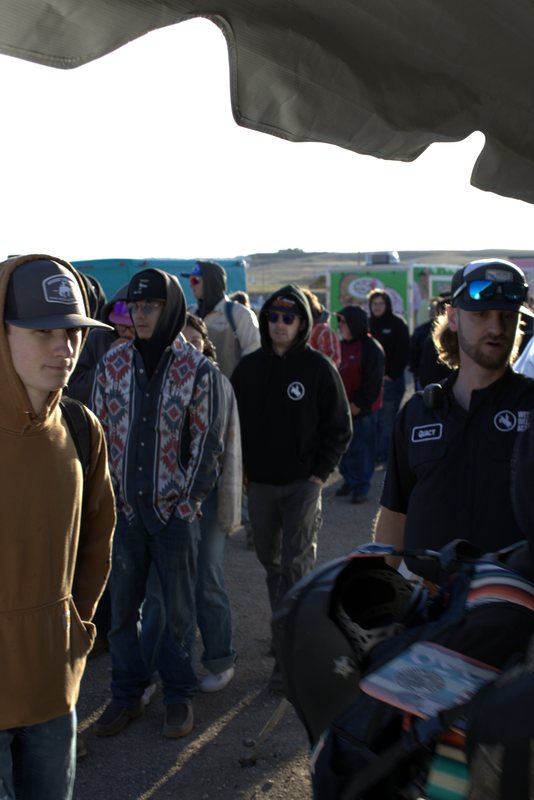
Most people who consider pipe welding school have never worked in a skilled trade. They come from retail, food service, office jobs, the military, or straight out of high school. The trades feel like a different world with its own language, tools, and expectations. That unfamiliarity creates doubt before a student ever picks up a welding stinger.
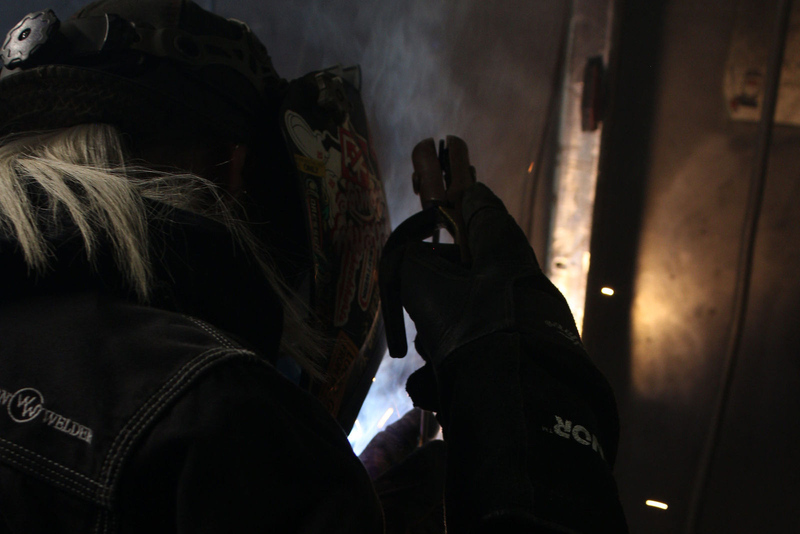
Social media makes it worse. Online welding videos show experienced welders running flawless beads on stainless steel pipe. A beginner watches that and thinks they need to produce the same quality on day one. The reality at Western Welding Academy is different. Every student starts with basic stick welding on flat plate. Nobody is running pipe beads in week one. The curriculum meets you where you are and builds from there.
Fear of physical failure also holds people back. Trade work is physically demanding. Students worry about their stamina, hand steadiness, and ability to perform under heat and fatigue. These concerns are valid, but they resolve quickly once training starts. The body adapts to the work faster than most people expect, especially in a program that trains 40 hours per week from day one.
How Does Daily Repetition Build Welding Confidence?
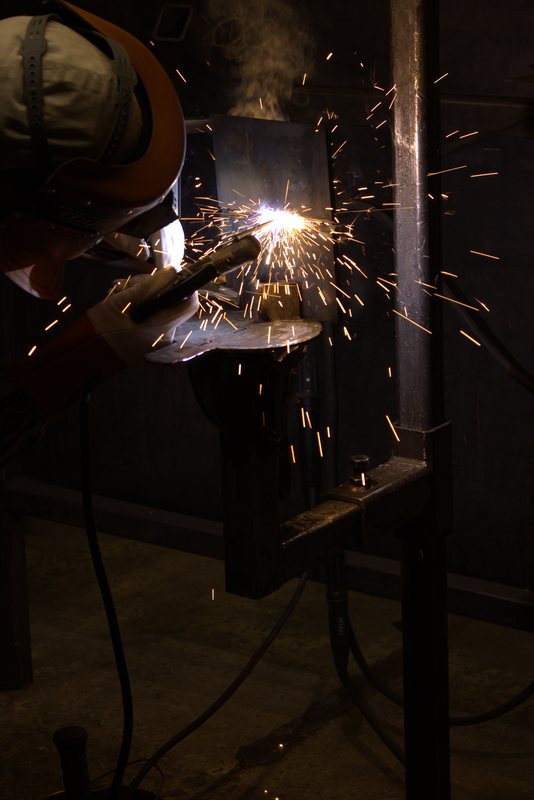
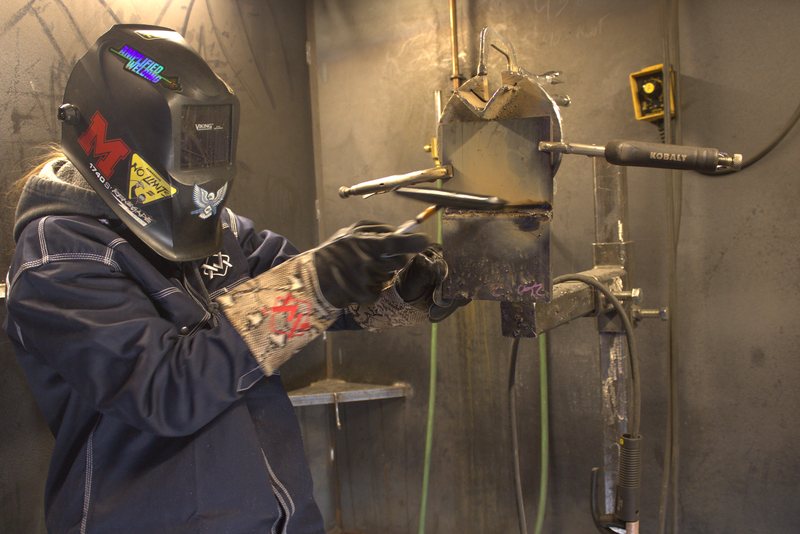
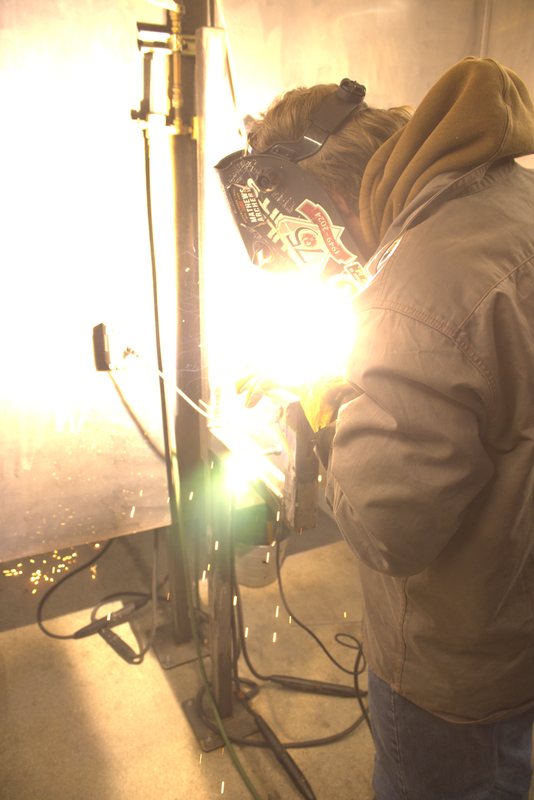
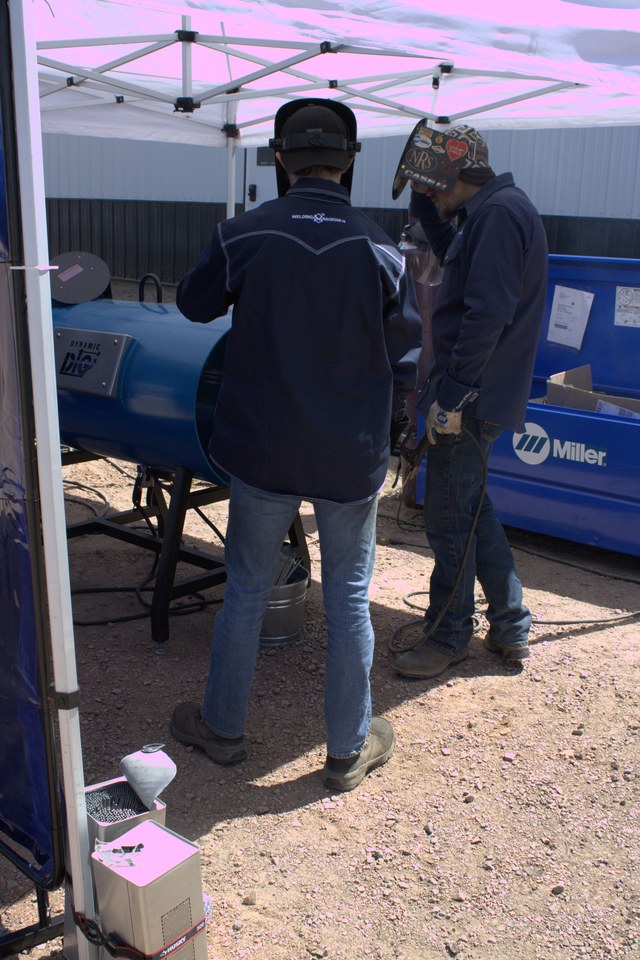
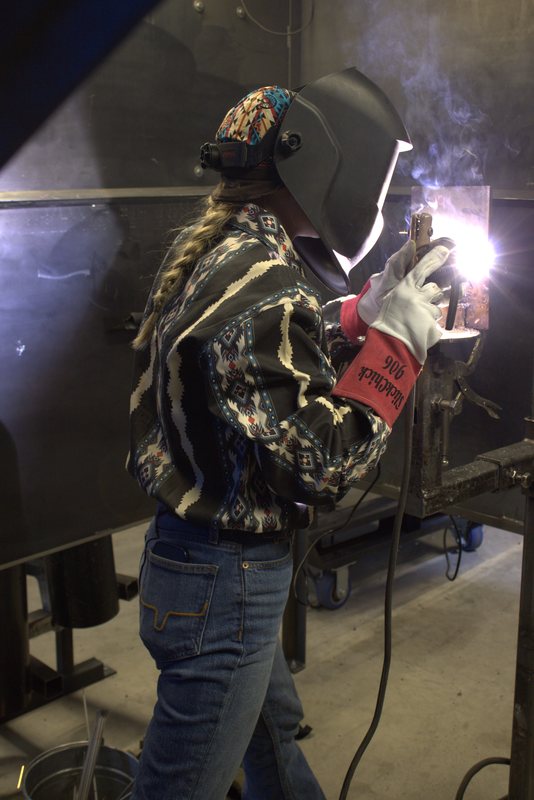
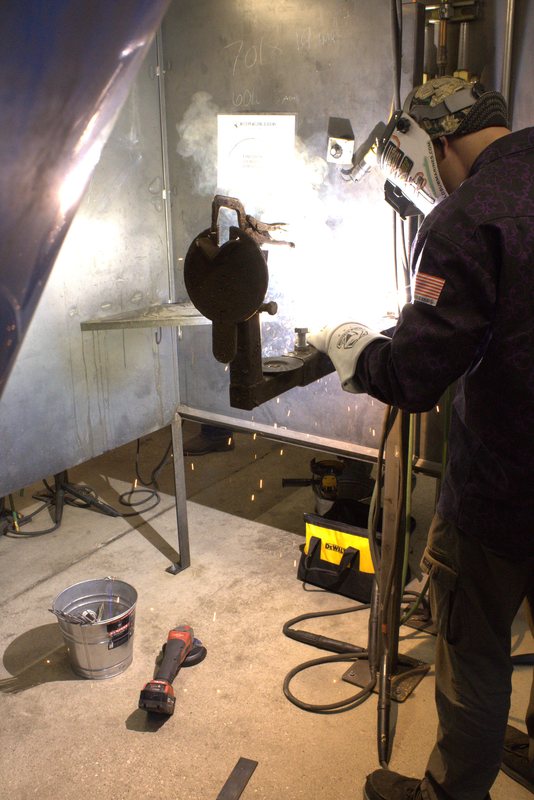
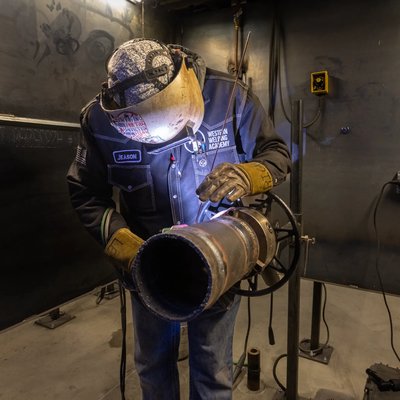
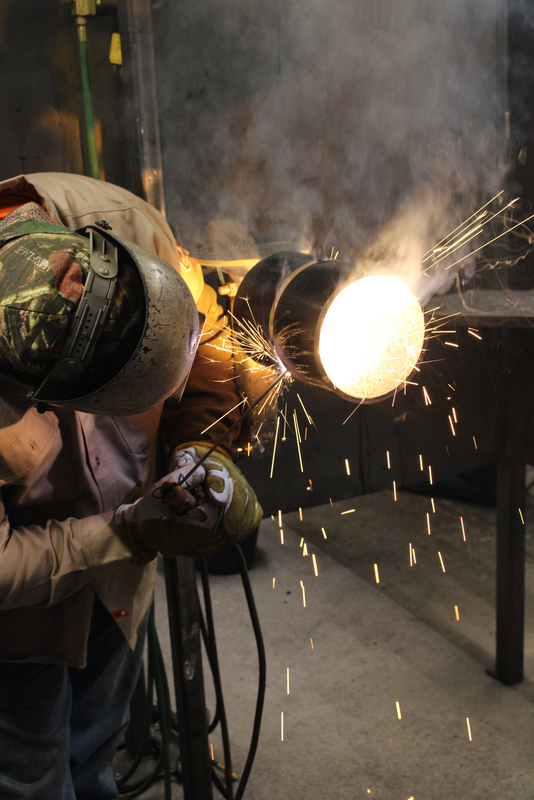
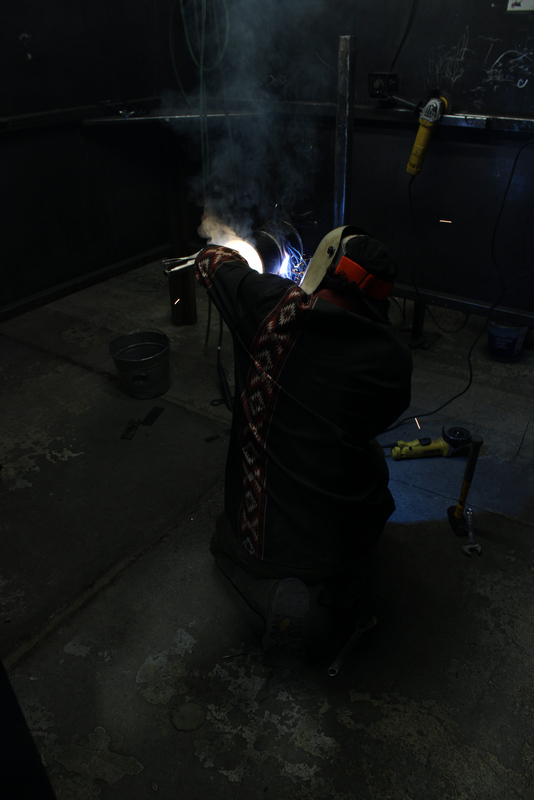
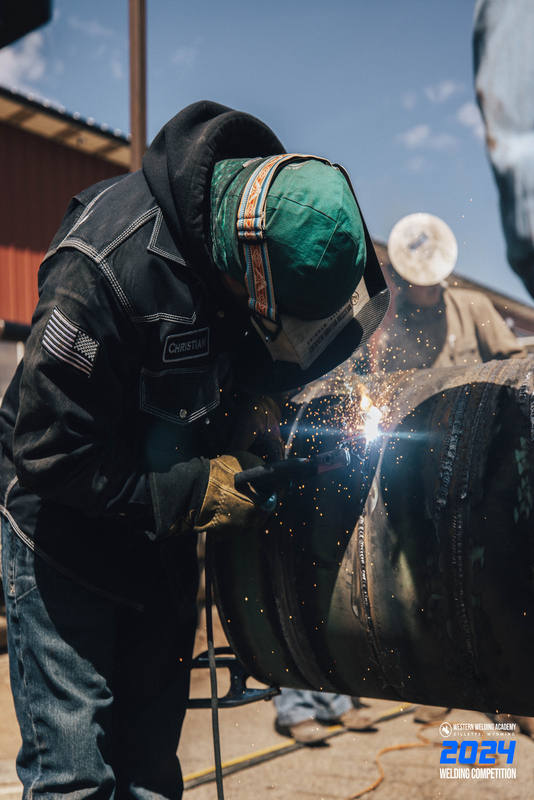
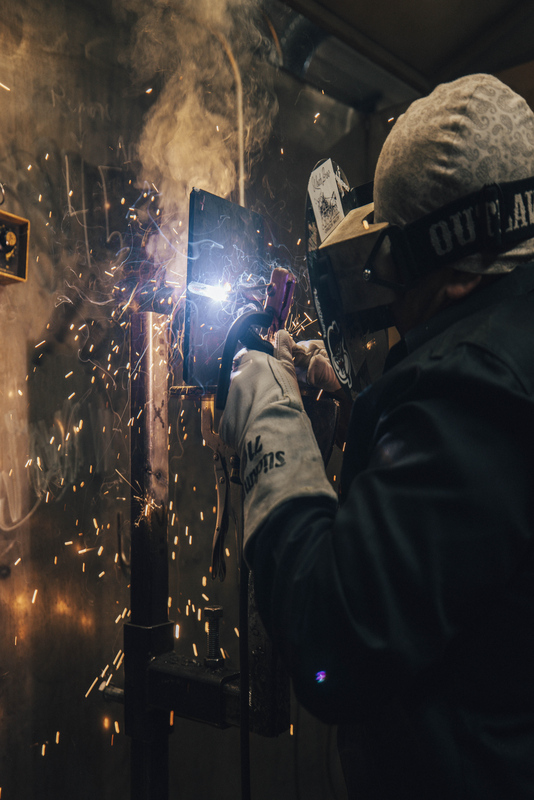
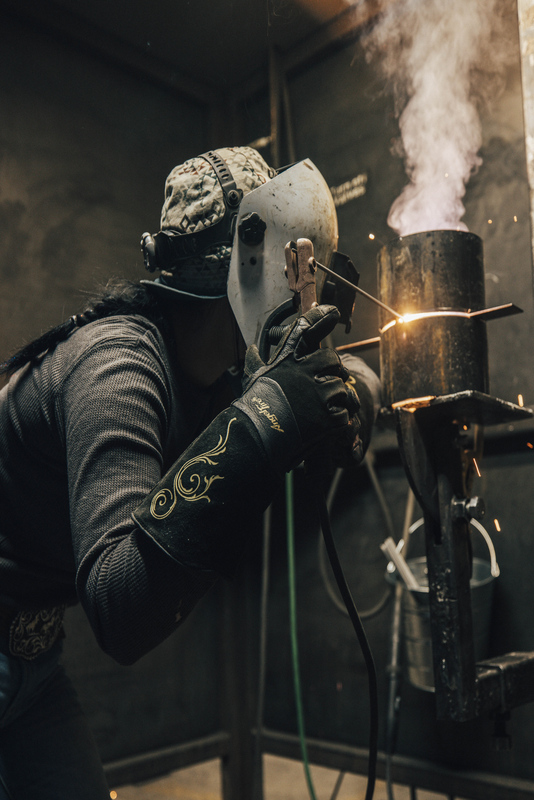
Confidence in welding comes from repetition, not talent. Western Welding Academy puts students in the booth for 40 hours every week. That is roughly 34 hours of actual hands-on welding per week with the remaining time covering safety and technique instruction. This volume of practice produces visible improvement within the first few days.
During the first week, a student's stringer beads look rough and inconsistent. By the second week, bead width evens out and travel speed stabilizes. By week three, most students are running clean flat position welds with confidence. This progression is not magic. It is motor skill development driven by high-volume repetition under structured guidance.
Compare this to a community college program that offers 10 to 15 booth hours per week. At that pace, it takes a month to accumulate the same practice hours that Western Welding Academy delivers in a single week. Slower progress means slower confidence building. Students in low-hour programs often feel stuck for weeks because they do not weld enough to see daily improvement. High booth time programs build confidence faster because progress is visible every session.
Build your confidence with 40 hours of weekly booth time. Apply now or call (307) 284-5313 today.
How Do Instructors Help Students Overcome Self-Doubt?
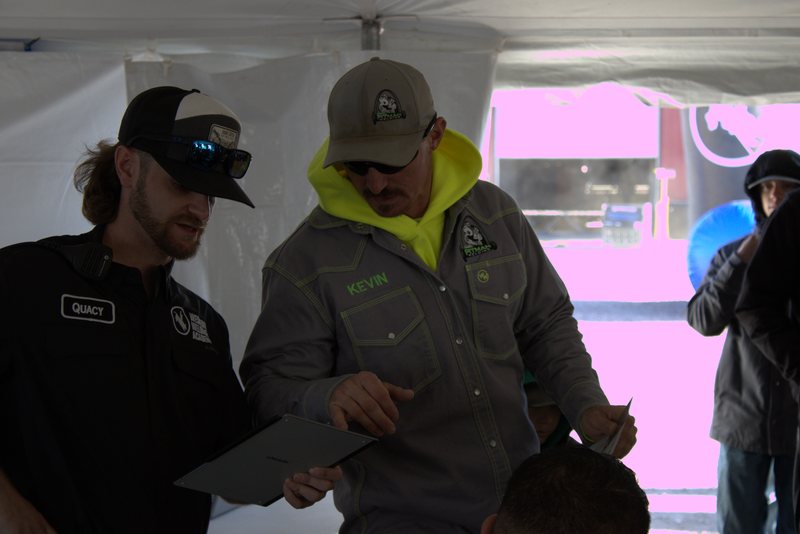
Every instructor at Western Welding Academy has real pipeline field experience. They have welded in refineries, on cross-country pipelines, and on industrial sites. When they tell a struggling student that their progress is normal, it carries weight. These are not classroom teachers reading from textbooks. They are welders who remember their own first week.
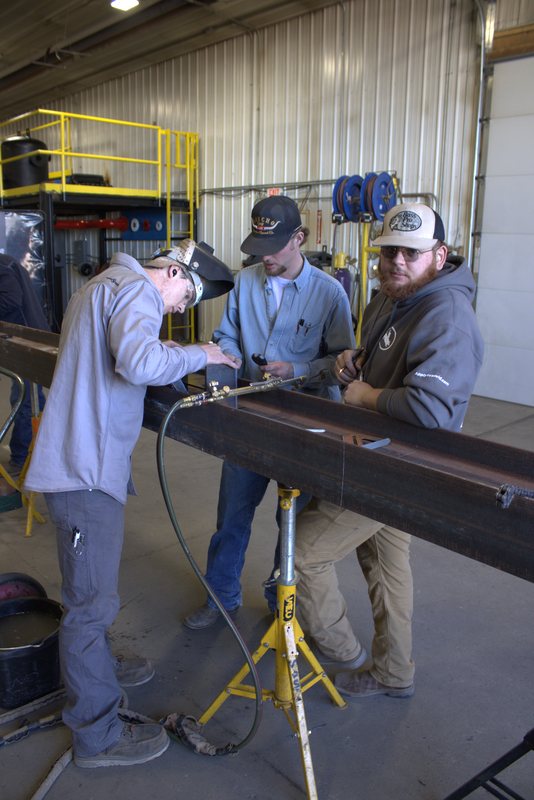
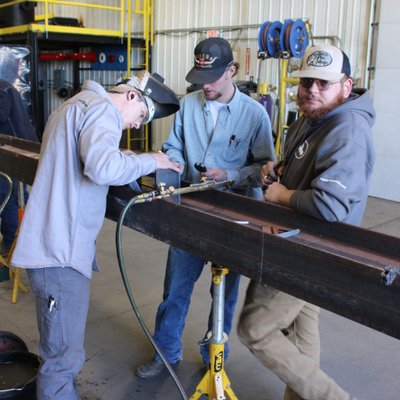
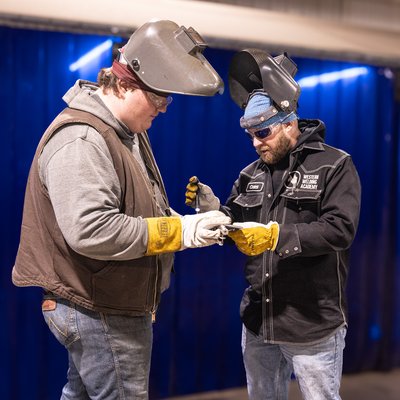
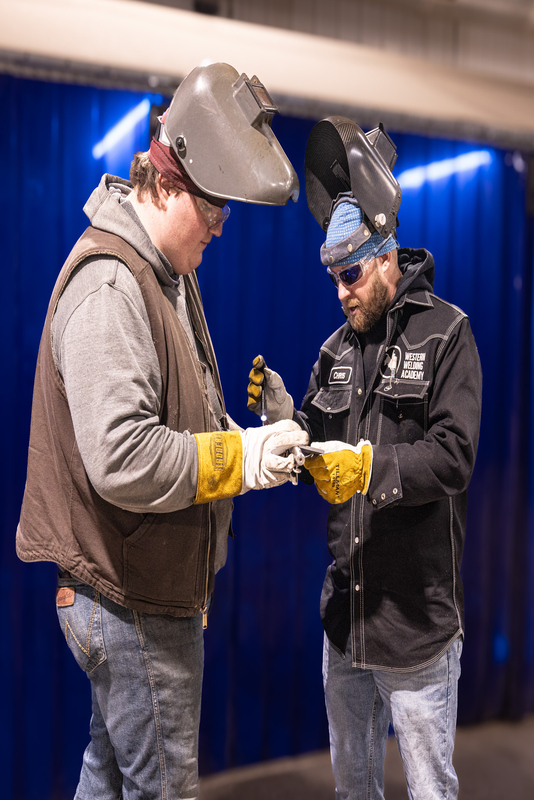
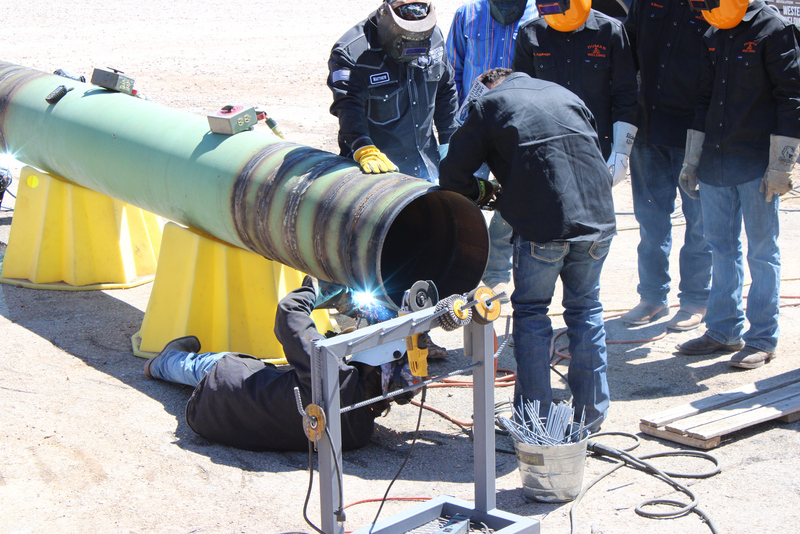
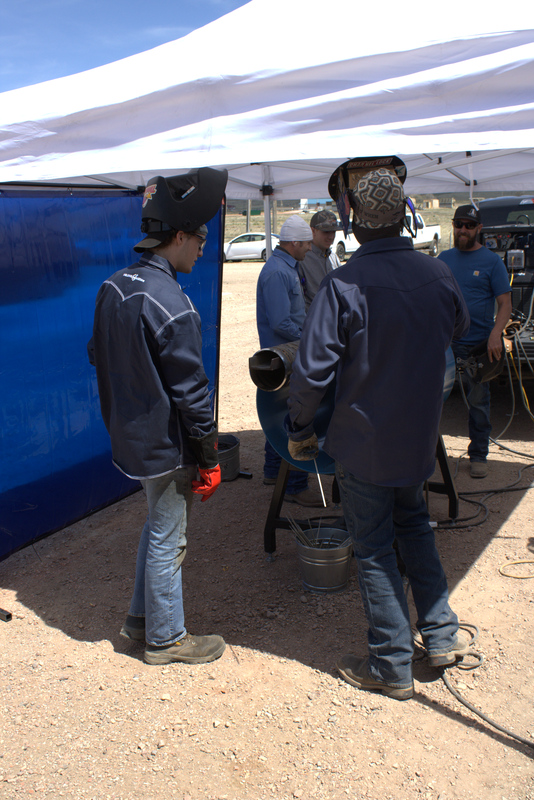
Instructor feedback is immediate and specific. When a student's bead wanders, the instructor does not wait until the end of class to mention it. They stop the student, demonstrate the correction, and watch the next attempt. This real-time feedback loop eliminates the guesswork that makes beginners anxious. You never wonder whether you are doing it right because someone who has done it professionally is standing next to you.
The instructor to student ratio matters. Smaller class sizes mean more individual attention. A student who is struggling with electrode angle gets hands-on correction within minutes, not hours. This personal attention prevents small mistakes from becoming permanent habits and keeps students from spiraling into frustration during the critical early weeks.
What Milestones Build Confidence Throughout the Program?
Confidence builds through achievement, and a structured pipe welding program creates clear milestones at every stage. At Western Welding Academy, students progress through measurable checkpoints. First clean bead. First successful pad weld. First vertical weld. First overhead pass. First pipe bead. Each milestone proves that the training is working and that the student's skills are growing.
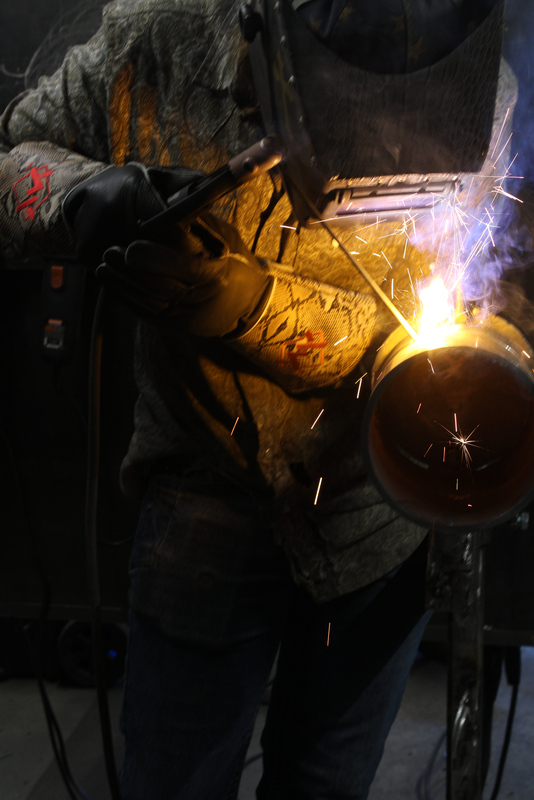
The Professional Pipe Welder program covers stick, MIG, TIG, and flux core welding across plate and pipe over 19 weeks at $12,600. Each new process introduces a fresh learning curve, but students approach it with confidence earned from mastering the previous process. By the time a student reaches TIG pipe welding, they have already proven to themselves that they can learn any process with enough booth time.
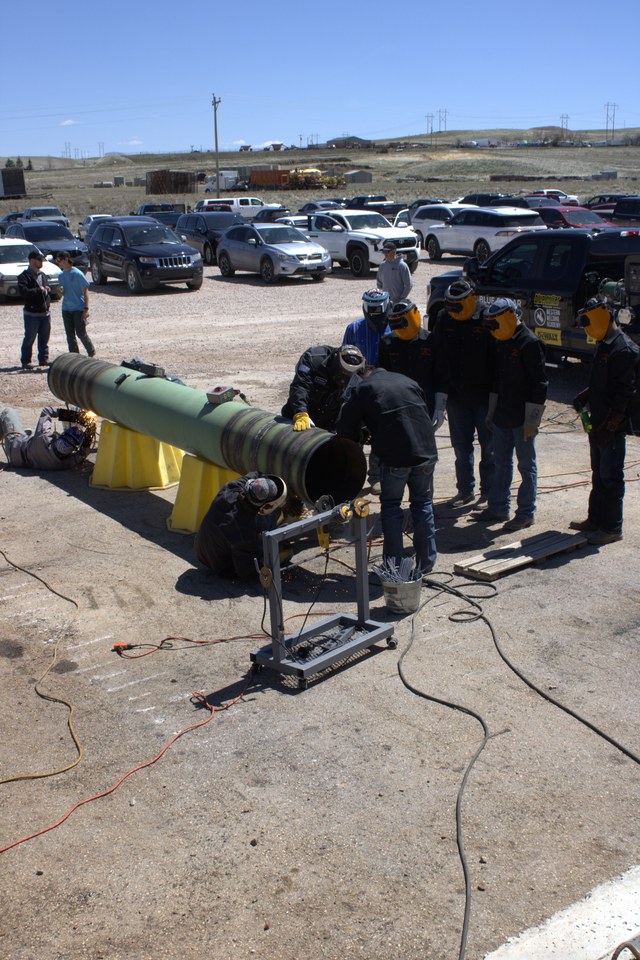
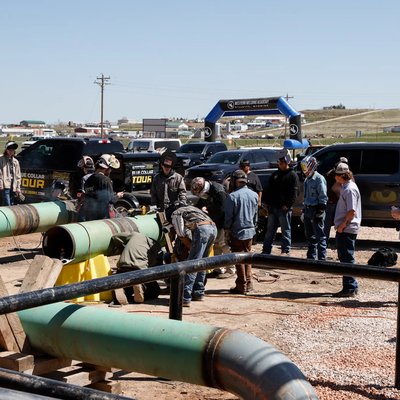
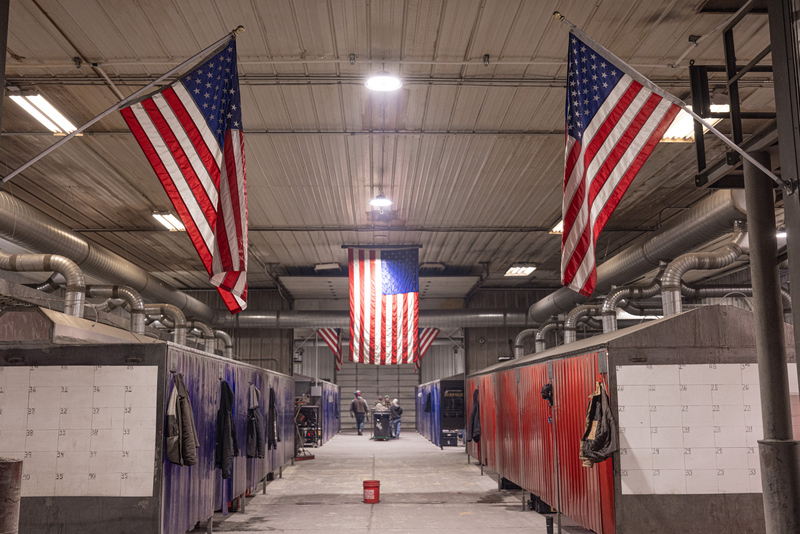
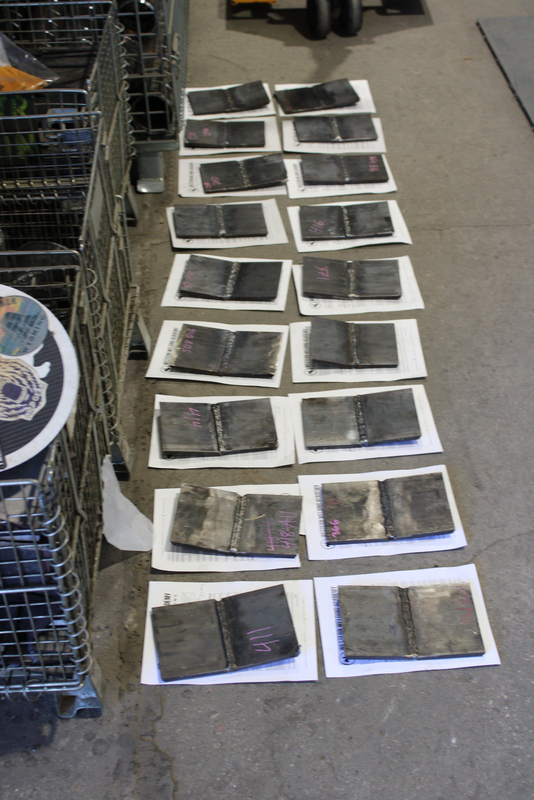
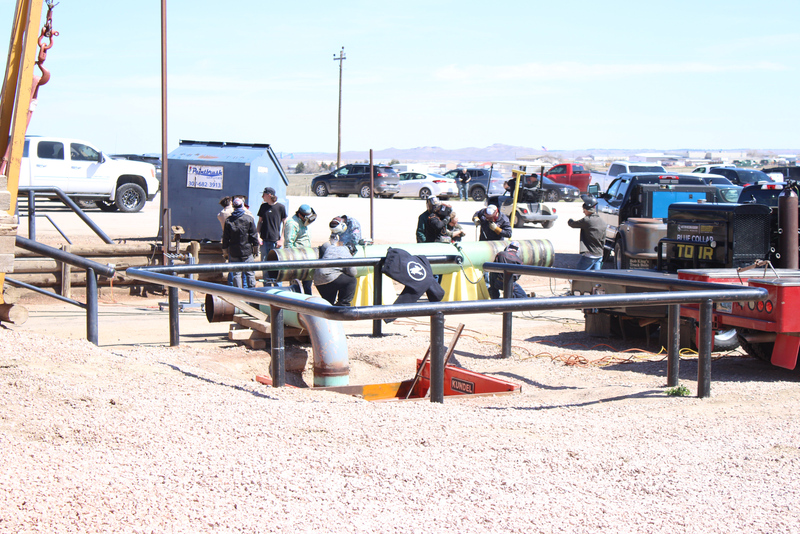
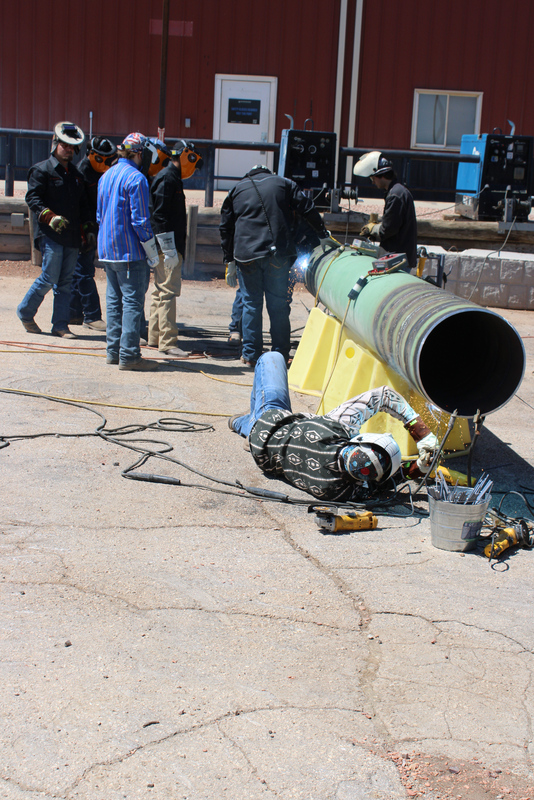
Certification testing is the ultimate confidence builder. Western Welding Academy operates as the number one AWS Accredited Testing Facility. Students earn their certifications on the same equipment and in the same facility where they trained. Passing a 6G pipe welding certification exam is tangible proof of competence. It is the moment a student stops calling themselves a beginner and starts calling themselves a certified pipe welder.
What Do Confident Graduates Earn?
Confidence built through structured training converts directly into earning power. Graduates from Western Welding Academy enter the workforce as certified pipe welders, not as helpers hoping for a chance. Starting pay ranges from $60,000 to $125,000 per year depending on program level and specialization. The tuition pays for itself within 5 to 7 months of full time work.
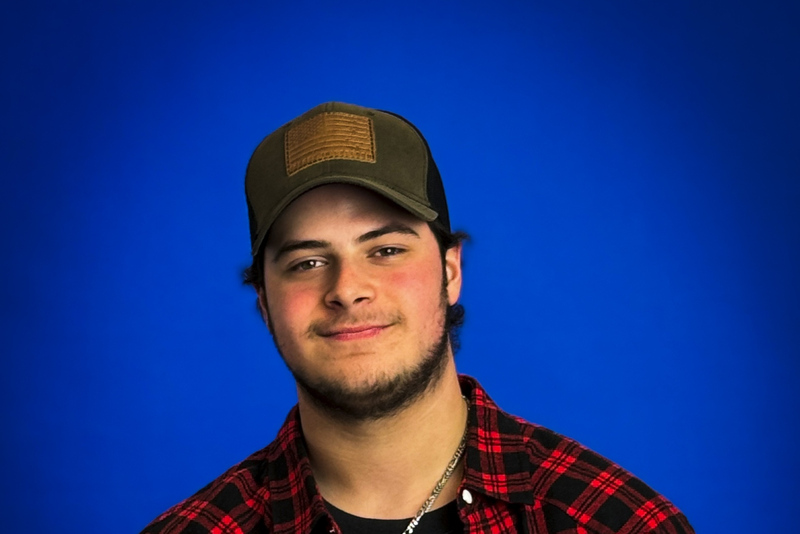
Leyton Wagner earned $4,514 on a single paycheck after graduating from Western Welding Academy. He walked into his first pipe welding position with the confidence that comes from hundreds of hours of structured practice and a 6G certification in hand.
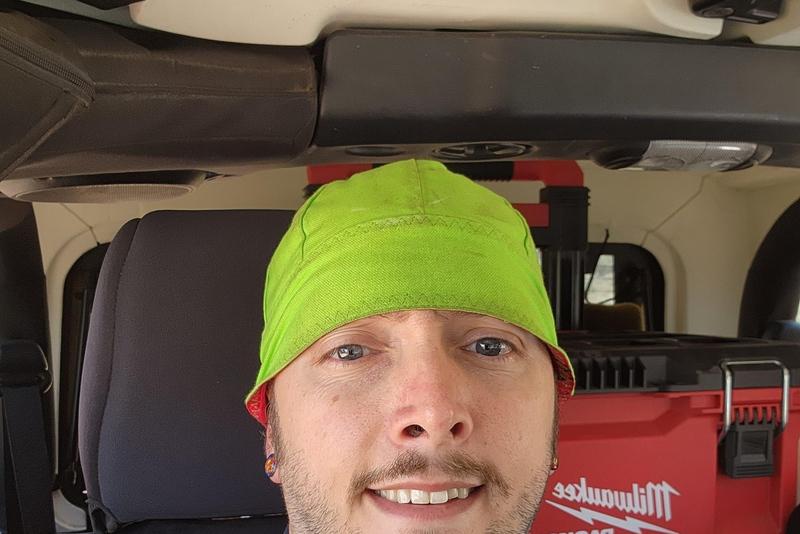
Gavin Walden pulls in $3,986 per paycheck as a pipeline welder. His confidence did not come from watching YouTube videos or practicing in a garage. It came from 40 hours per week of instructor-guided booth time and certification testing on the same equipment he trained on.
David Smolek earns $3,417 per paycheck. Noah clears $4,800 per week on the pipeline. Hank earns over $150,000 per year at age 21. None of them arrived at Western Welding Academy feeling confident about welding. They left confident because the training proved they could do the work, pass the tests, and earn top pay.
How Does Peer Environment Affect Confidence?
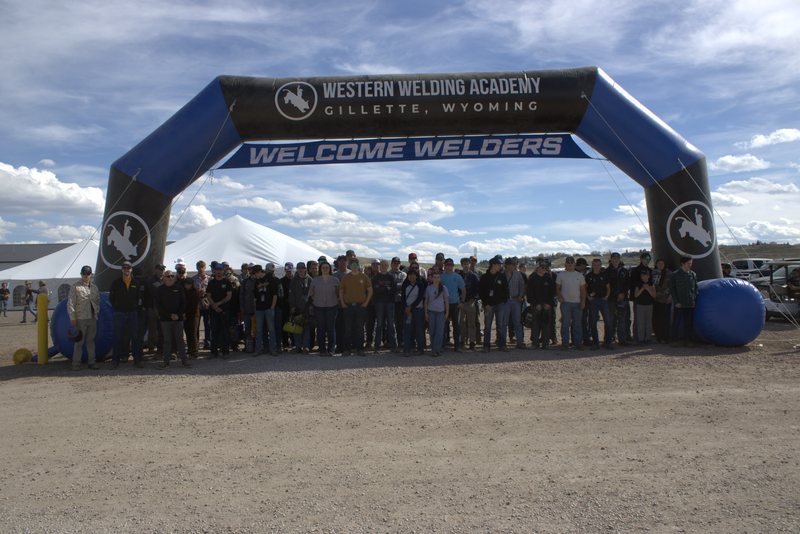
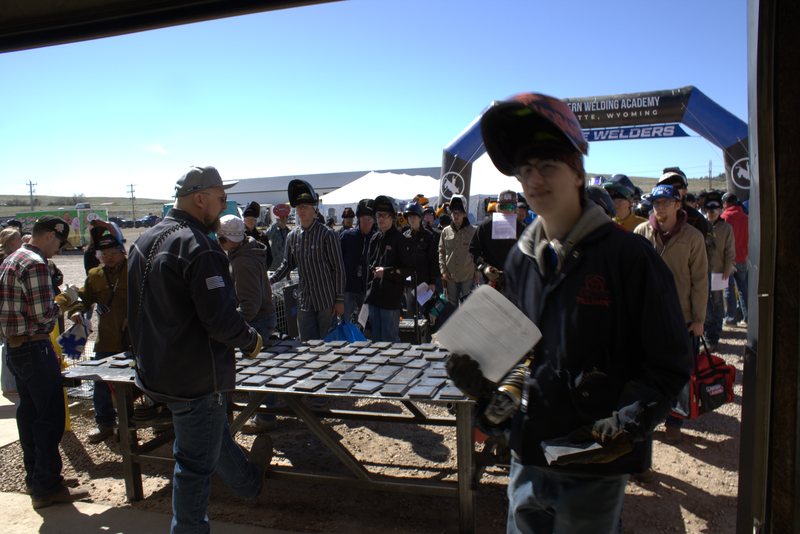
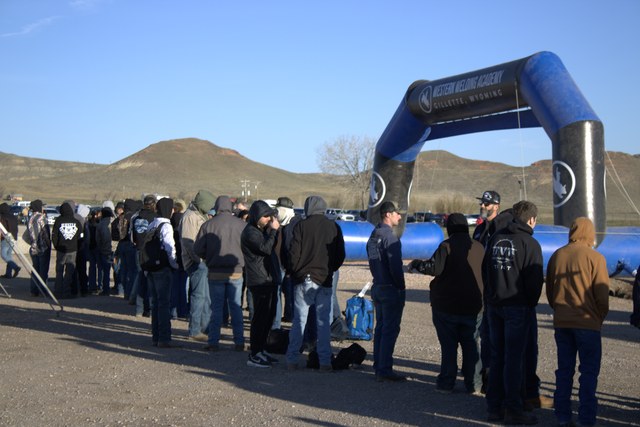
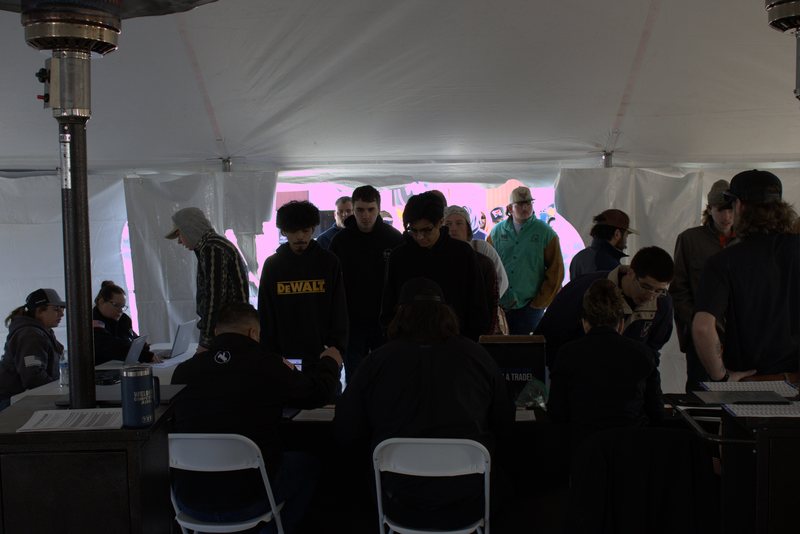
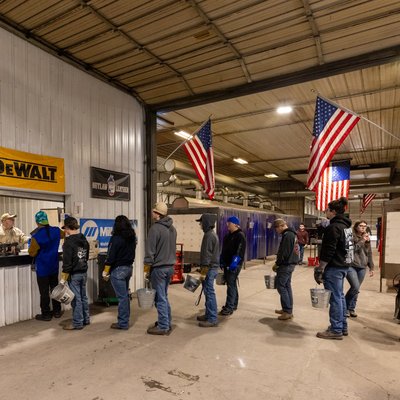
Training alongside other beginners eliminates the fear of being the only one who does not know what they are doing. At Western Welding Academy, 95% of students travel from outside Wyoming to attend. They come from all 50 states and from every background. Most have zero welding experience. When everyone in the room starts at the same level, nobody feels singled out for being new.
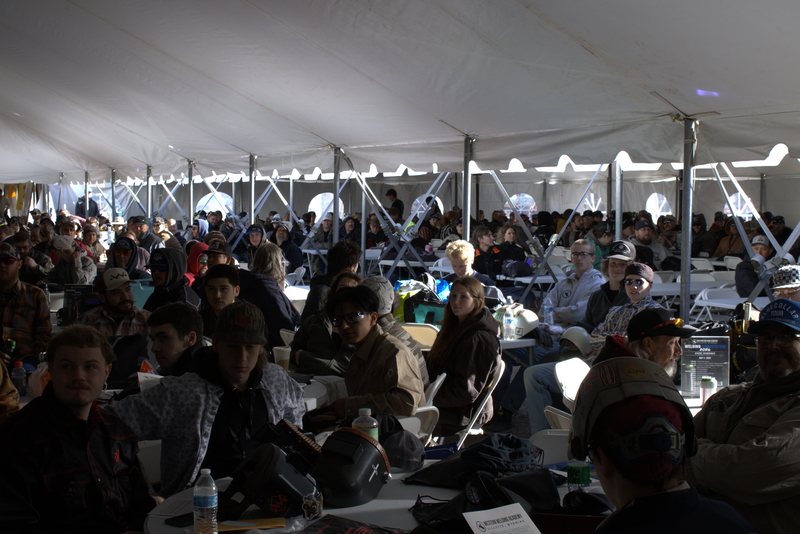
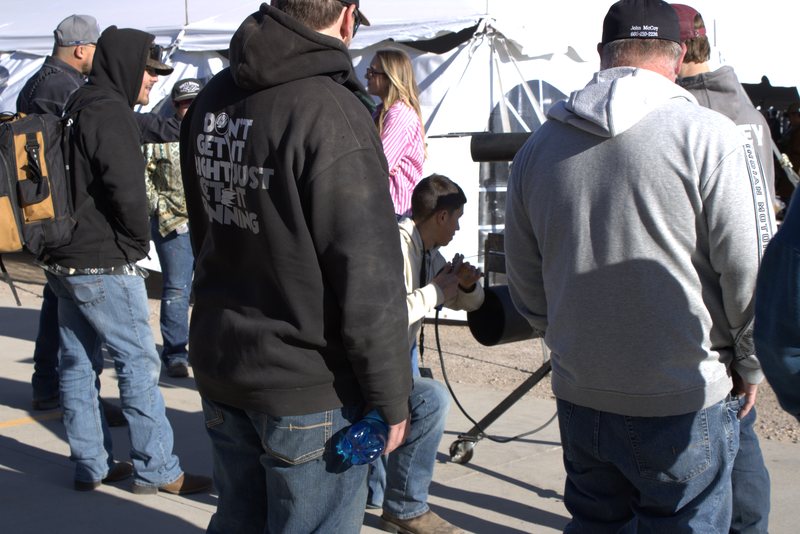
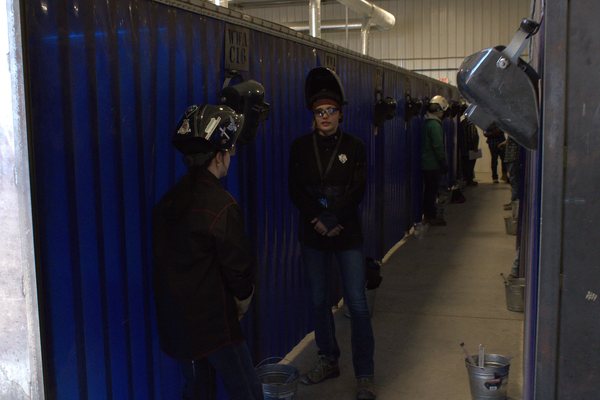
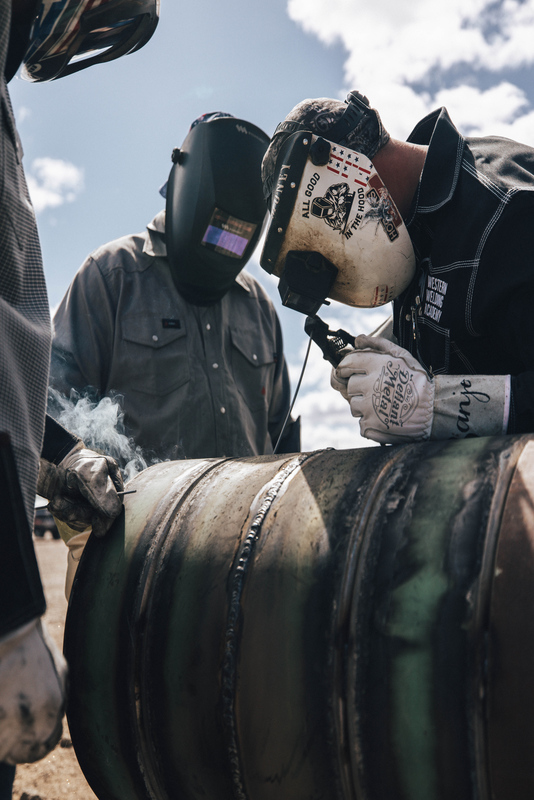
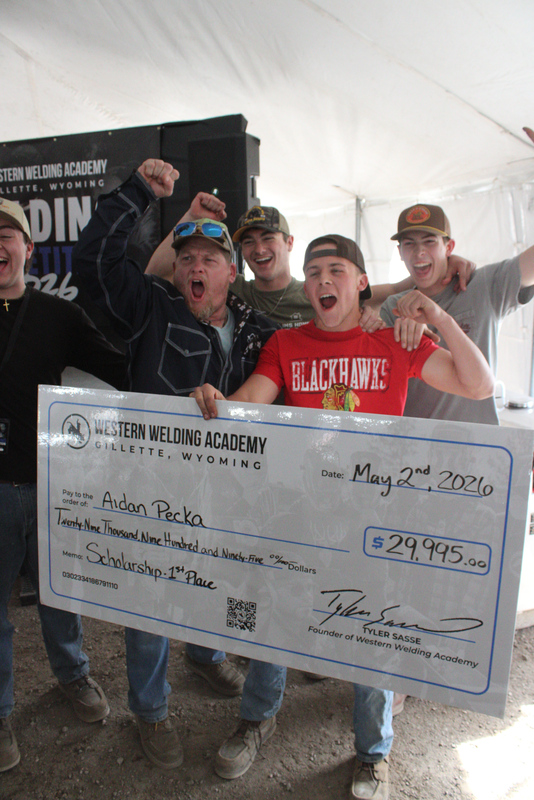
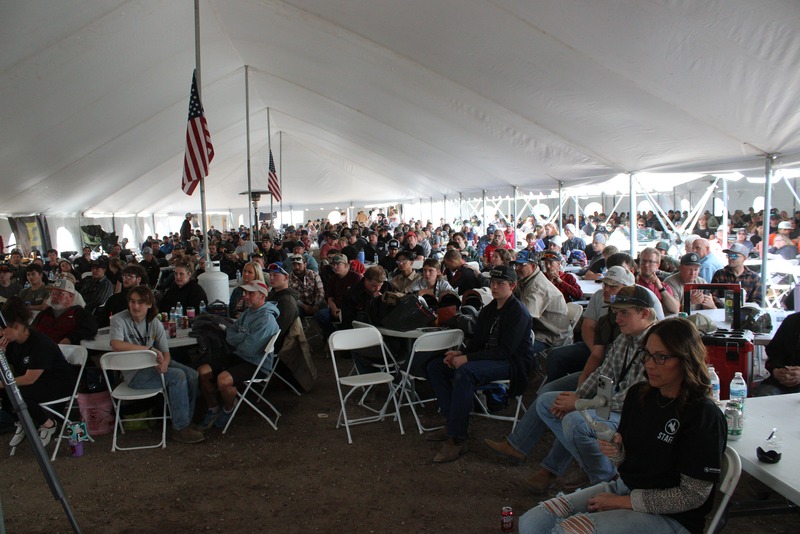
The shared intensity of a 40 hour training week creates strong peer bonds. Students motivate each other through difficult processes and celebrate each other's milestones. When you see the student in the next booth struggling with the same overhead pass that gave you trouble yesterday, you realize the challenge is the process, not your ability. This shared experience builds a support system that classroom programs with part-time schedules rarely create.
The welding industry needs 82,500 new welders every year with a 330,000 welder deficit projected by 2028. Students at Western Welding Academy graduate knowing that the market is waiting for them. That demand creates confidence that extends beyond skill and into career security. Employers like SpaceX, Steam 88, UFO Motorsports, Boilermakers, and Pipefitters locals hire directly from the school.
What Separates Programs That Build Confidence From Those That Do Not?
Western Welding Academy maintains an 85% graduation rate in the Expert program. Competitor A graduates 68%. Competitor B graduates 43%. Competitor C graduates 56%. These numbers reflect how well each program supports students through the difficult early stages when confidence is lowest. Programs with high dropout rates often fail students during weeks two through four, when the initial excitement fades and the work gets harder.
Three factors determine whether a program builds or breaks student confidence. First, booth time. Students need enough repetition to see daily progress. Second, instructor quality. Real-time feedback from experienced welders prevents frustration spirals. Third, certification structure. Built-in testing milestones give students concrete proof of their growing ability.
A 94% hire rate within 90 days of graduation is the final confidence metric. It means employers trust the program and graduates trust their own skills enough to enter the workforce immediately. Western Welding Academy delivers all three factors at levels that most programs cannot match.
Go from nervous beginner to confident certified welder. Apply now or call (307) 284-5313 today.
Frequently Asked Questions
Q1. Do most students arrive at pipe welding school feeling confident?
No. Most students at Western Welding Academy arrive nervous about starting a new trade. Over 2,000 graduates have been through this experience. The 85% hands-on curriculum builds confidence through daily repetition and measurable progress, not through pep talks or motivational seminars.
Q2. How quickly do students start feeling comfortable in the booth?
Most students report feeling noticeably more comfortable by the end of week one. By week two, hand steadiness improves and bead quality becomes consistent. The 40 hours per week of booth time compresses months of gradual confidence building into days of rapid skill development.
Q3. What if I have never worked in any trade before?
That is the norm, not the exception. Most students at Western Welding Academy come from non-trade backgrounds including retail, food service, office work, and military service. The curriculum starts at the fundamentals and assumes zero prior experience. Background does not predict success. Work ethic does.
Q4. How does certification testing build confidence?
Passing a welding certification exam is objective proof that your skills meet industry standards. Western Welding Academy is the number one AWS Accredited Testing Facility. Students test on the same equipment they train on, in the same building. That familiarity reduces testing anxiety and increases pass rates.
Q5. Will I feel behind other students if I learn slower?
Every student progresses at a different pace during the first few weeks. Instructors adjust their feedback to each student's development speed. The 40 hour per week booth schedule gives slower learners more practice time than most schools offer any student. By mid-program, individual pace differences typically even out.
Q6. What makes Western Welding Academy different from other welding schools?
Western Welding Academy delivers 40 hours per week of booth time with 85% hands-on training. The school is the number one AWS Accredited Testing Facility with a 94% hire rate within 90 days, an 85% Expert program graduation rate, and graduates earning $60,000 to $125,000 per year. Over 2,000 students from all 50 states have completed the program.
Build the Confidence That Launches a Welding Career
Confidence comes from doing the work, not thinking about doing the work. Every certified pipe welder started as a nervous beginner. Call Western Welding Academy at (307) 284-5313 or apply now to start building your skills and your confidence.

.jpg)


.jpg)
.jpg)


.jpg)
.jpg)
.jpg)
.jpg)
.jpg)
-thumbnail.jpg)

.jpg)