The Position Problem: Pipe Demands Every Angle
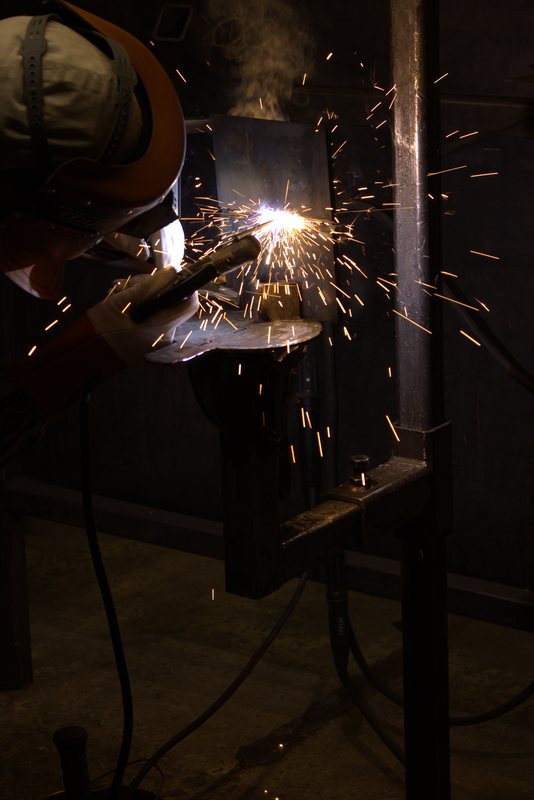
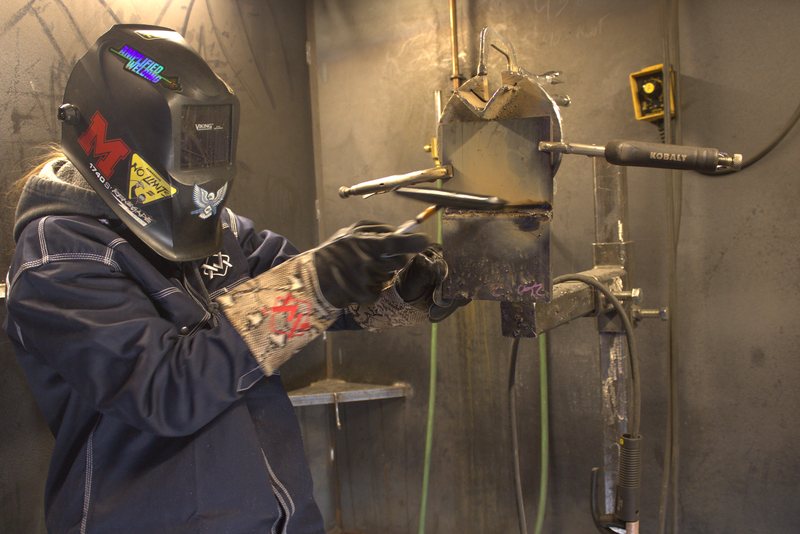
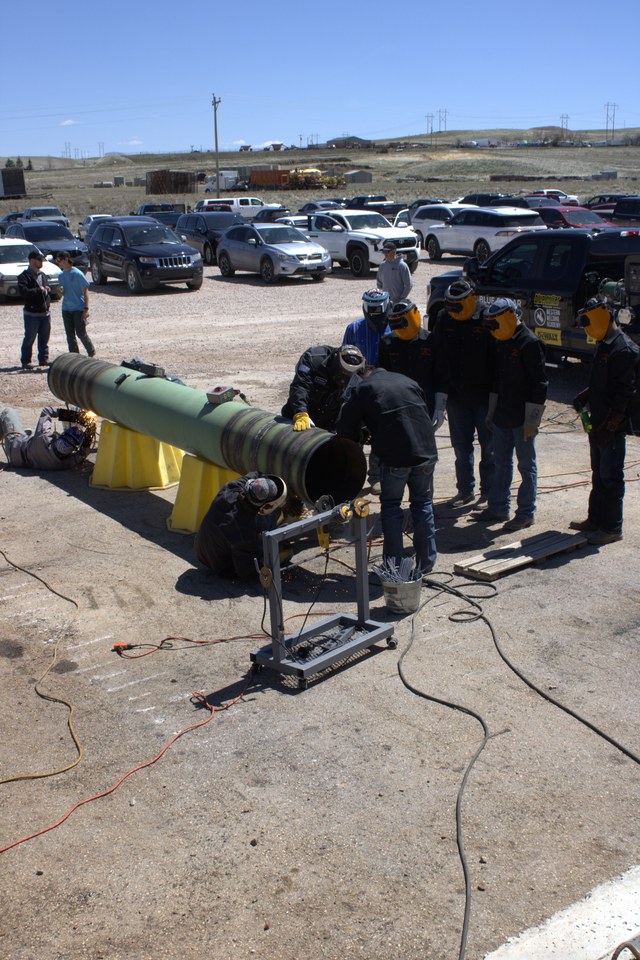
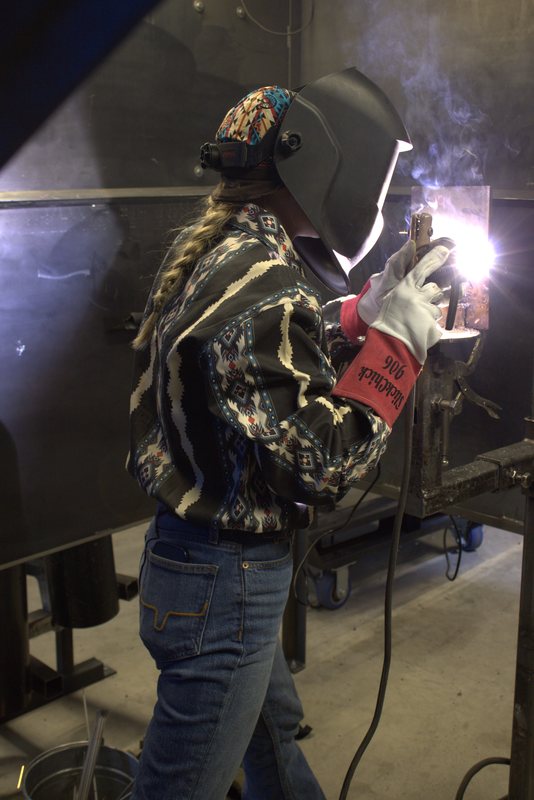
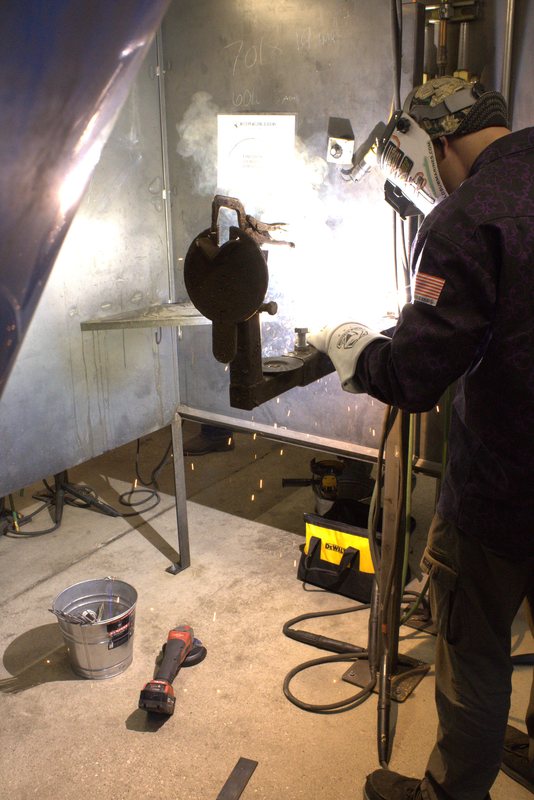
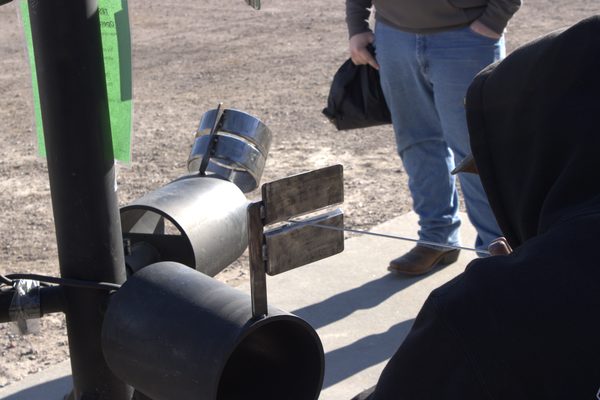
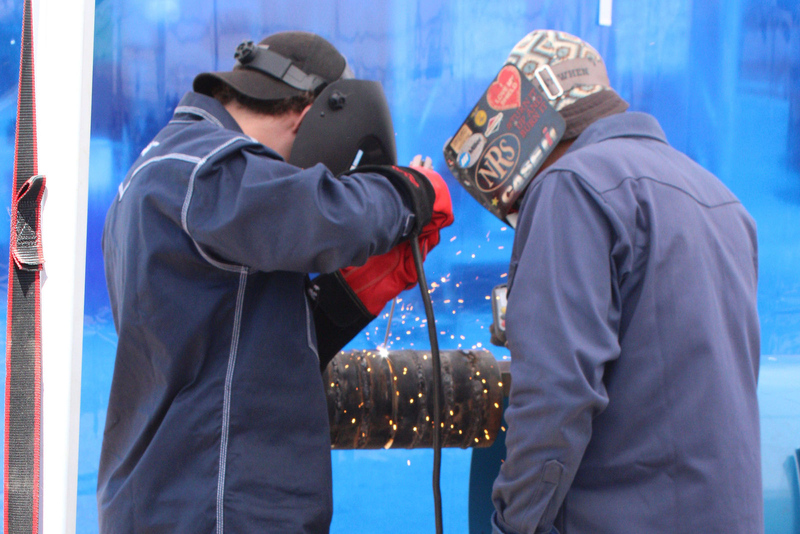
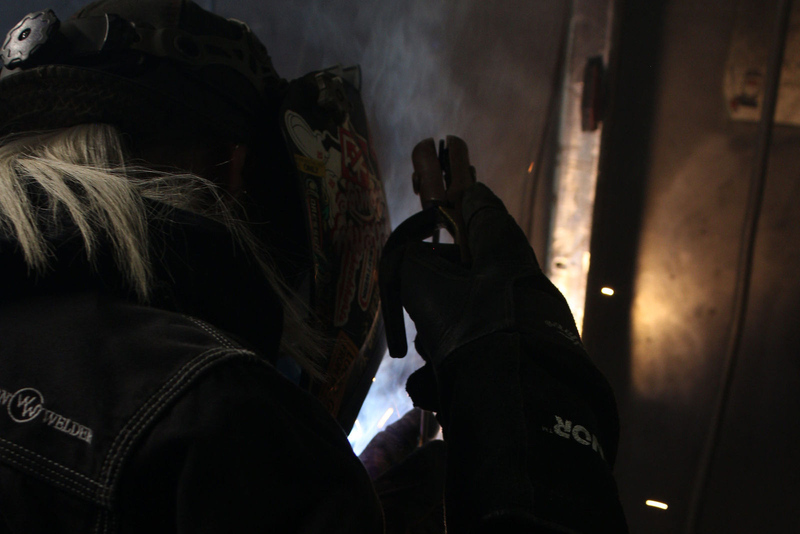
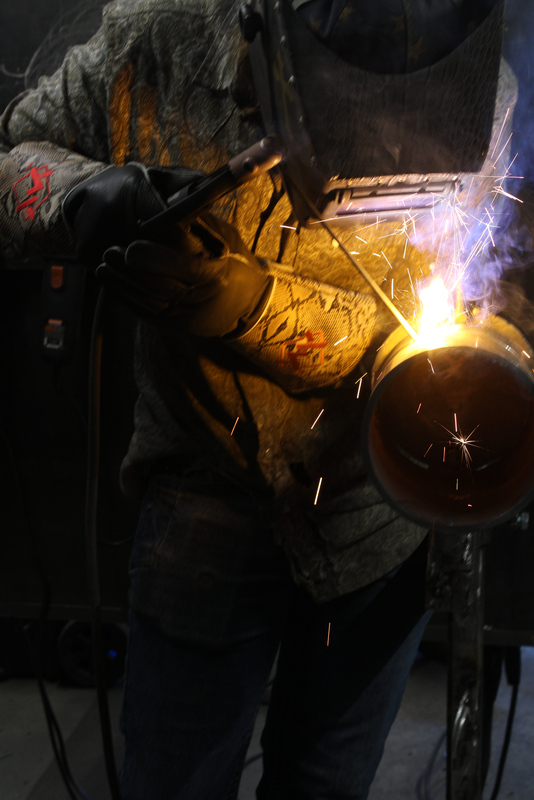
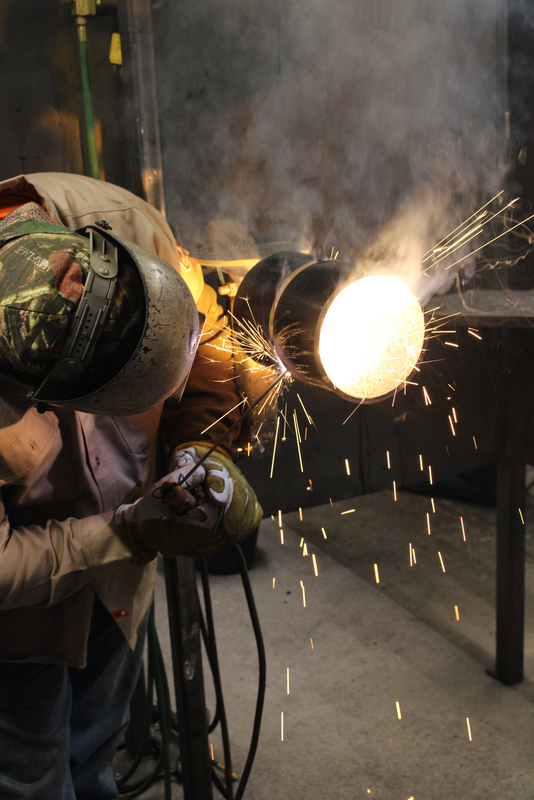
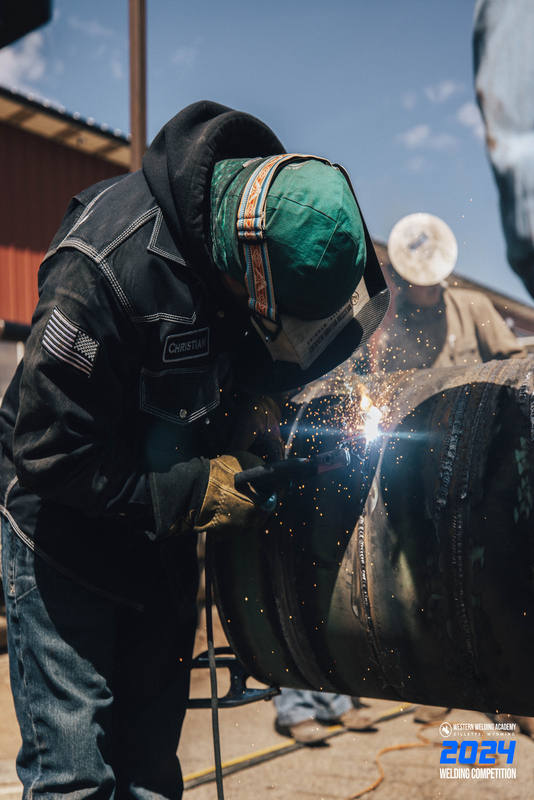
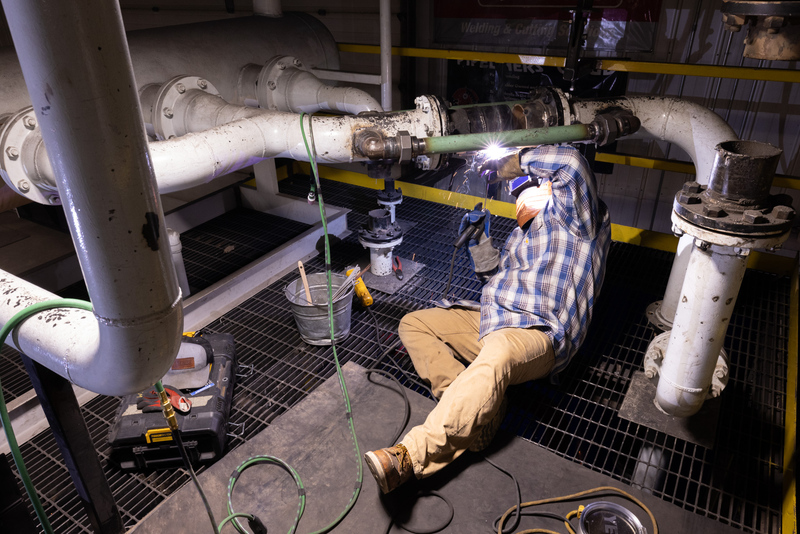
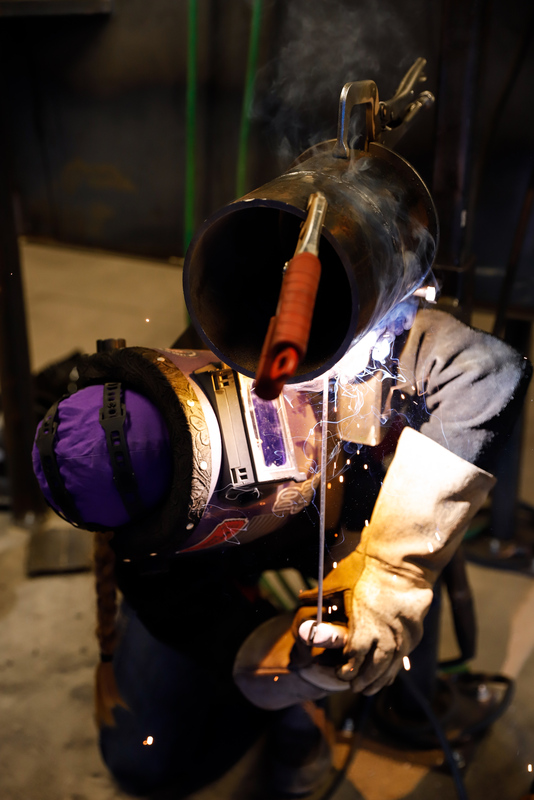
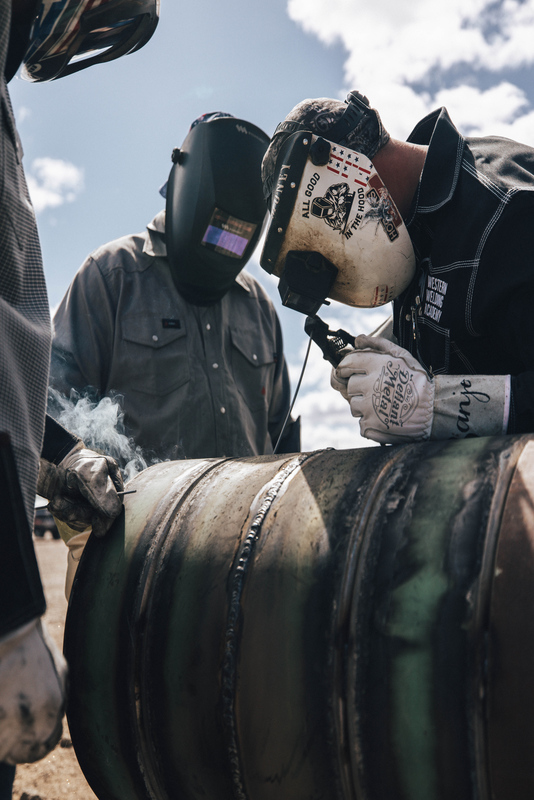
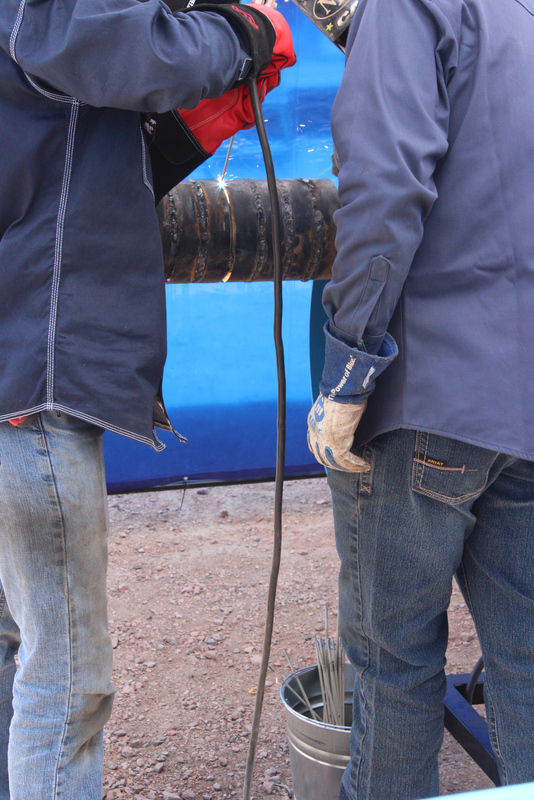
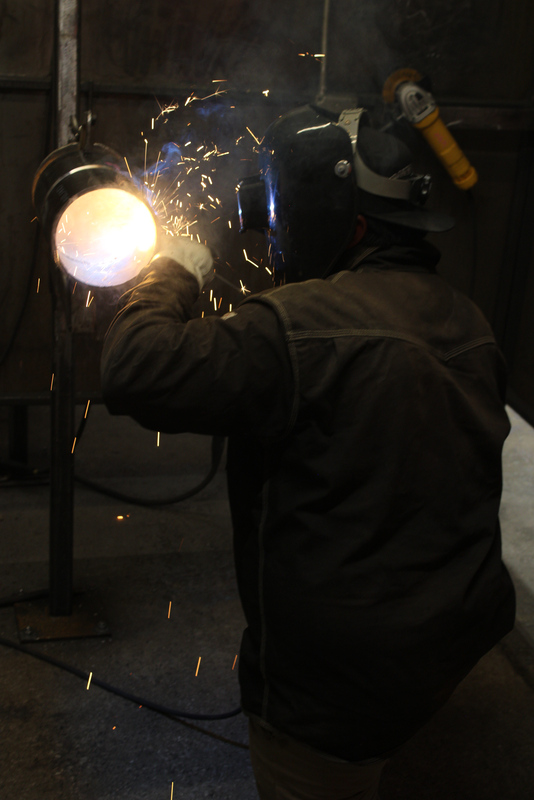
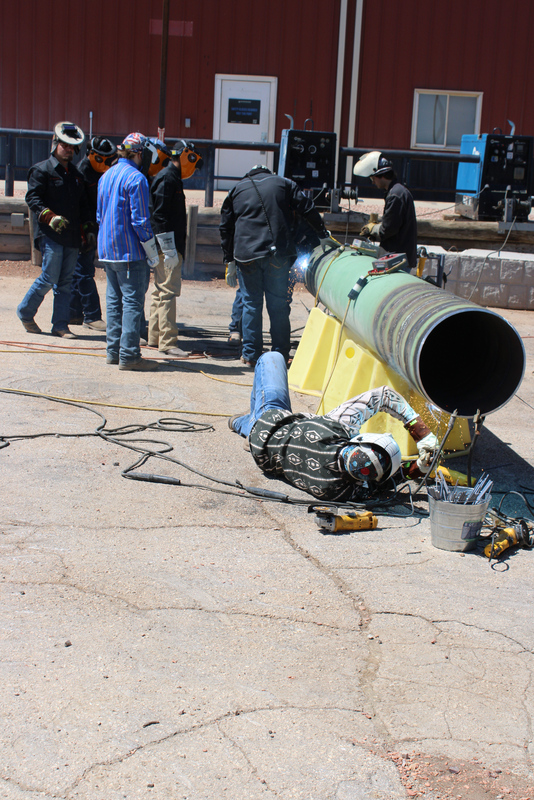
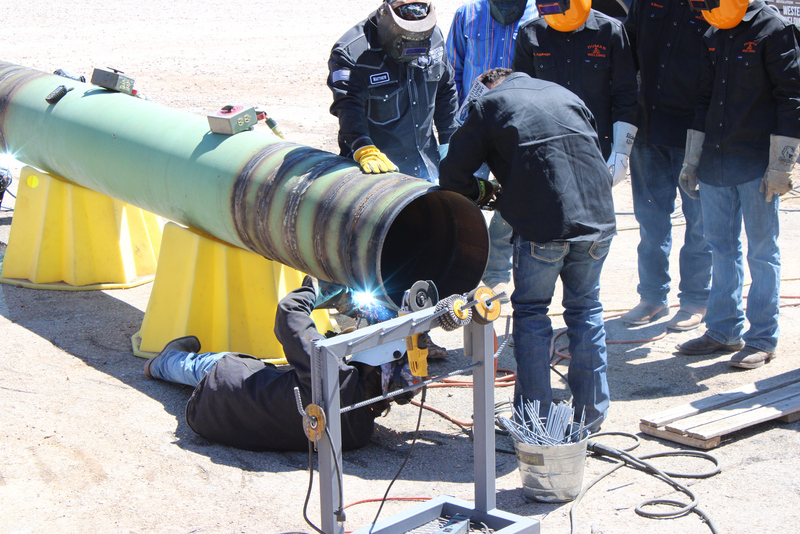
Most shop welders spend 90% of their time welding in the flat or horizontal position. The work comes to them on a table or a fixture. They rotate the piece to keep the weld pool in a comfortable position. Pipe welding does not allow that. A pipe joint in the 6G position sits at a 45 degree angle and does not move. The welder moves around the pipe, welding through flat, vertical, overhead, and back to flat in a single continuous pass.
This is where experienced welders get humbled. Overhead welding is foreign to most shop workers. They have spent years building muscle memory for flat and horizontal positions. The 6G certification test requires flawless technique through every position on a single joint. A welder with ten years of shop experience but zero overhead practice will fail this test every time. Position training is the single biggest gap that experienced welders need to close.
At the number one pipe welding school in the country, the structured curriculum forces students through every position in order. Flat, then horizontal, then vertical, then overhead, then pipe. Experienced welders cannot skip ahead even if they think they are ready. The program corrects position habits that shop welding never challenged.
The Root Pass Problem: Penetration Standards Are Higher
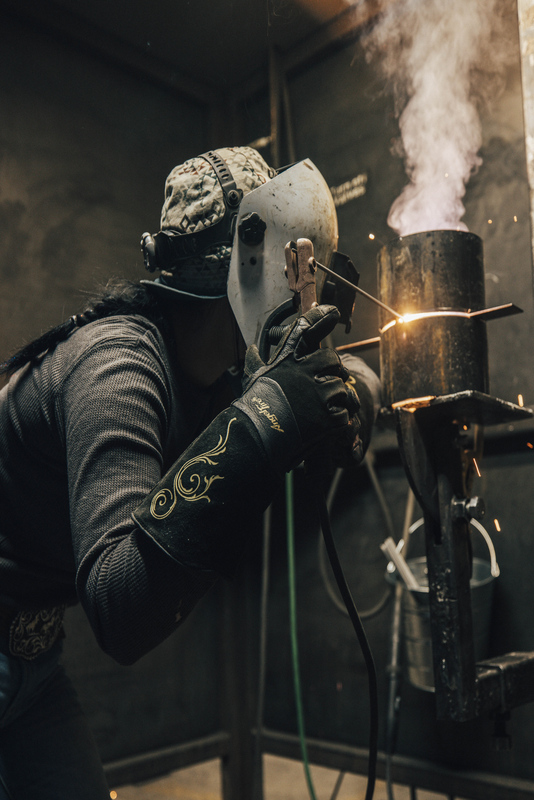
Shop welding often uses backing bars, backing strips, or double sided access that forgives incomplete penetration. Pipe welding demands a root pass with full penetration from one side only. The welder cannot flip the pipe over and grind out the back side. The root has to be right the first time, and X ray or bend testing will catch every defect.
Experienced welders who switch to pipe are shocked at how difficult root passes are. The keyhole technique, the travel speed, the heat input, and the gap control are all different from what they practiced in a shop environment. A welder who ran solid fill passes on structural steel for years has never needed to maintain a consistent keyhole on a beveled pipe joint. It is an entirely different skill.
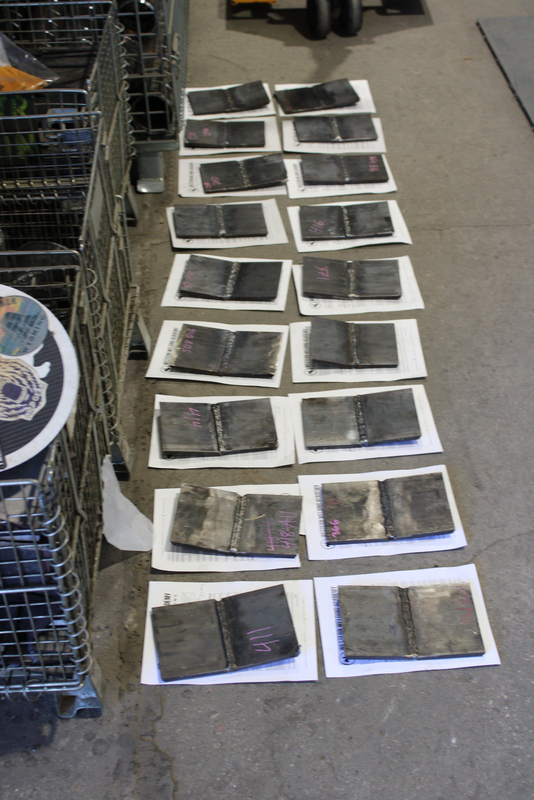
The API 1104 certification that pipeline companies require tests root pass quality to a standard that most shop welders have never seen. Western Welding Academy dedicates specific weeks of the program to root pass technique on pipe. Students practice open root joints until they can produce consistent penetration that passes destructive testing every time.
Bridge the gap between shop skills and pipe certifications. Apply now or call (307) 284-5313.
The Bad Habit Problem: Shop Shortcuts Do Not Pass Code
Every shop develops its own shortcuts. Welders learn what passes visual inspection at their particular employer. They develop habits around specific machines, specific wire types, and specific joint configurations. Those habits feel like skills because they work in that environment. On a pipe welding certification test, most of those habits become failures.
Common shop habits that fail pipe welding tests include running too fast to increase production, using excessive heat to burn through instead of controlling the arc, skipping tack sequence because the fixture holds the joint, and grinding out defects instead of preventing them. Each of these habits has to be unlearned before a welder can pass a pipe certification.
Unlearning takes longer than learning. An experienced welder who has run the same technique for five years will revert to old habits under pressure unless the new technique is drilled through hundreds of hours of practice. That is why the difference between welding school and shop experience matters so much. A structured program with daily instructor feedback catches and corrects bad habits before they become embedded in the new skill set. A structured pipe welding program builds correct technique from day one instead of spending months unlearning shop habits.
The Certification Gap: Shop Work Does Not Equal Paper Qualifications
An experienced welder might have ten years of work history but zero pipe welding certifications. Employers in pipeline, refinery, and boilermaker work do not accept experience in place of certifications. They need to see 6G, 6GR, and API 1104 test results from a qualified testing facility. Shop experience alone does not get you through the door.
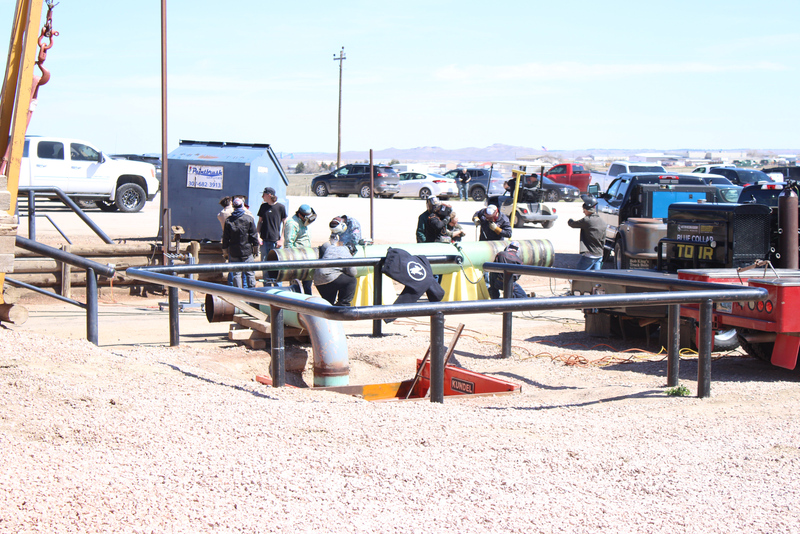
Western Welding Academy operates the number one AWS Testing Facility in the country. Experienced welders who enroll can test on site on the same equipment they train on. The Foundational program covers SMAW and FCAW pipe certifications. The Expert program covers 6G, 6GR, API 1104, and every process and position that high paying employers require.
The certification gap is the fastest problem to solve because the structured program targets it directly. An experienced welder who already understands arc behavior and metal properties can focus their booth time on the specific techniques and positions that certification tests demand. The skills they bring transfer partially. The certifications they earn make those skills verifiable.
The Process Gap: MIG Welders Need Stick and TIG for Pipe
Many shop welders have spent their entire career on MIG (GMAW). MIG is fast, efficient, and dominates production fabrication. Pipe welding uses SMAW (stick), FCAW (flux core), and GTAW (TIG) depending on the application. Pipeline work uses stick and flux core almost exclusively. Refinery and boilermaker work requires TIG root passes with stick or flux core fill and cap.
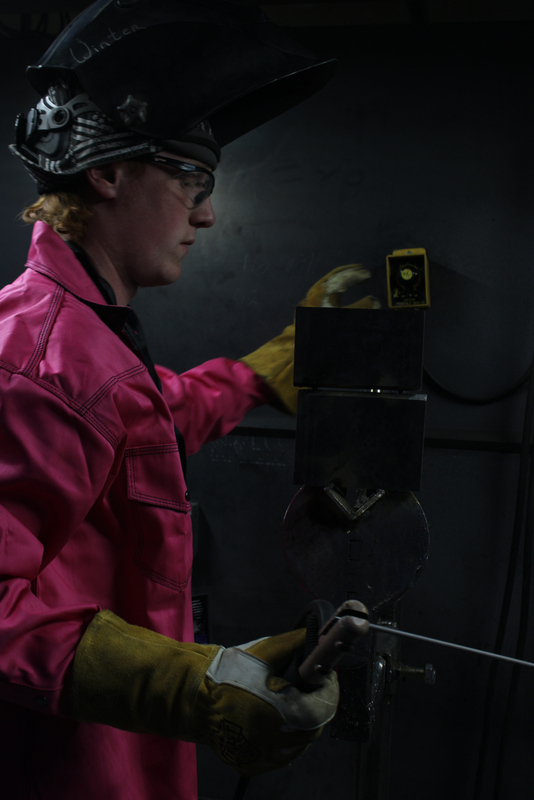
A MIG welder switching to pipe has to learn entirely new processes. Stick welding requires manual electrode feeding, slag management, and restart technique that MIG does not teach. TIG requires two hand coordination, filler rod control, and gas coverage management. The question of which process to learn first is already answered for pipe welders: stick first, then TIG, then the combination techniques.
The Expert Pipe Welder program at Western Welding Academy covers every process. Experienced MIG welders who enroll build their stick and TIG skills from fundamentals through pipe certification. Over 800 hours of booth time in 24 weeks gives them enough repetition to develop real proficiency in processes they have never used.
What Do Experienced Welders Earn After Retraining?
The earnings gap between shop welding and pipe welding is the reason experienced welders make the switch. Shop fabrication pays $35,000 to $55,000 per year. Certified pipe welders earn $60,000 to $125,000 per year. That is a $25,000 to $70,000 annual raise for completing a 12 to 24 week program. Here are verified paychecks from Western Welding Academy graduates.
Leyton Wagner earned $4,514 on a single paycheck after completing the Expert Pipe Welder program at Western Welding Academy. That figure is published on the school's website. Gavin Walden posted a $3,986 paycheck on social media. David Smolek shared his $3,417 paycheck publicly. These earnings dwarf what most shop welders take home.
Noah started clearing $4,800 per week right out of welding school. Hank reached $150,000 per year at age 21. The transition from shop to pipe is not just a skill change. It is an income transformation that starts the month you finish the program.
Turn your shop skills into pipe welding income. Apply now or call (307) 284-5313.
Frequently Asked Questions
Q1. Can experienced welders skip the beginner sections of the program?
The curriculum at Western Welding Academy follows a fixed progression for every student. However, experienced welders often move through the early plate work faster because their arc control and metal knowledge transfer. The time saved on fundamentals gets reinvested into pipe position practice and certification preparation.
Q2. How long does it take an experienced welder to get pipe certified?
The 12 week Foundational program covers SMAW and FCAW pipe certifications. Experienced welders with strong stick skills may find the pipe transition faster, but the full 12 weeks ensures proper position training and certification readiness. The 24 week Expert program adds 6G, 6GR, API 1104, and TIG certifications.
Q3. Is it worth the investment if I already have a welding career?
Shop fabrication pays $35,000 to $55,000 per year. Pipe welding pays $60,000 to $125,000 per year. Programs cost $7,050 to $19,800 with a 5 to 7 month tuition payback. The annual raise alone exceeds the cost of training multiple times over.
Q4. Will pipe employers value my prior shop experience?
Employers value certifications first and experience second. Your shop background demonstrates that you can work with metal and follow instructions, but pipe employers need to see specific pipe certifications before hiring. The combination of shop experience plus pipe certifications makes you a stronger candidate than a first time welder.
Q5. What is the hardest part of switching from shop to pipe?
Position welding is the biggest challenge. Most shop welders have minimal overhead experience. Pipe joints require welding through every position on a single joint without stopping. The structured progression at Western Welding Academy addresses this directly with daily overhead and pipe position practice.
Q6. What makes Western Welding Academy different from other welding schools?
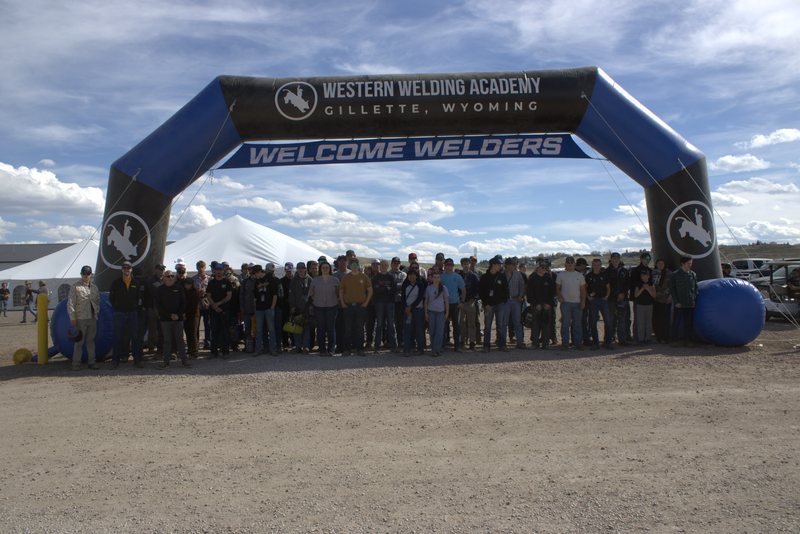
The school runs 85% hands on booth time at 40 hours per week, maintains an 85% Expert graduation rate compared to an industry average below 60%, places 94% of graduates within 90 days, and operates the number one AWS Testing Facility in the country. Over 2,000 graduates from all 50 states have completed training in Gillette, Wyoming.
Close the Gap Between Shop Skills and Pipe Welding Pay
Your welding experience is valuable but incomplete. Pipe welding demands position skills, root pass technique, and certifications that shop work does not provide. The good news is that a 12 to 24 week structured program closes every gap. Call Western Welding Academy at (307) 284-5313 or apply now to start earning what your skills are truly worth.

.jpg)
.jpg)


.jpg)
.jpg)
.jpg)
.jpg)
.jpg)
-thumbnail.jpg)

.jpg)