How Do Tuition Costs Compare Between WWA and Tulsa Welding School?
Tulsa Welding School charges $24,175 for the Professional Welder program and $29,675 for the Welding Specialist with Pipefitting track. Those are base figures. Add living expenses and you are looking at $2,000 to $3,000 per month on top of tuition depending on the campus location. The AOS degree program runs $47,900 total, which pushes into four-year college territory.
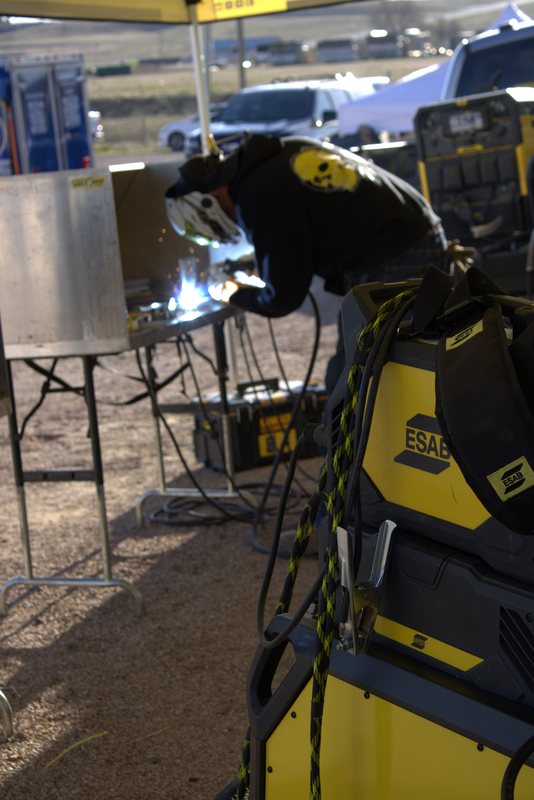
Western Welding Academy offers four program tiers. The Foundational Pipe Welder runs 12 weeks at $17,050. The Professional Pipe Welder runs 19 weeks at $27,600 including housing. The Expert Pipe Welder runs 24 weeks at $35,800 including housing. The Structural Welding Advanced runs 12 weeks at $25,800. WWA tuition includes housing, and students keep a $4,500 ESAB welding machine when they graduate. Tulsa's tuition does not include housing, which adds $2,000 to $3,000 monthly.
How Does Training Quality and Hands-On Time Compare?
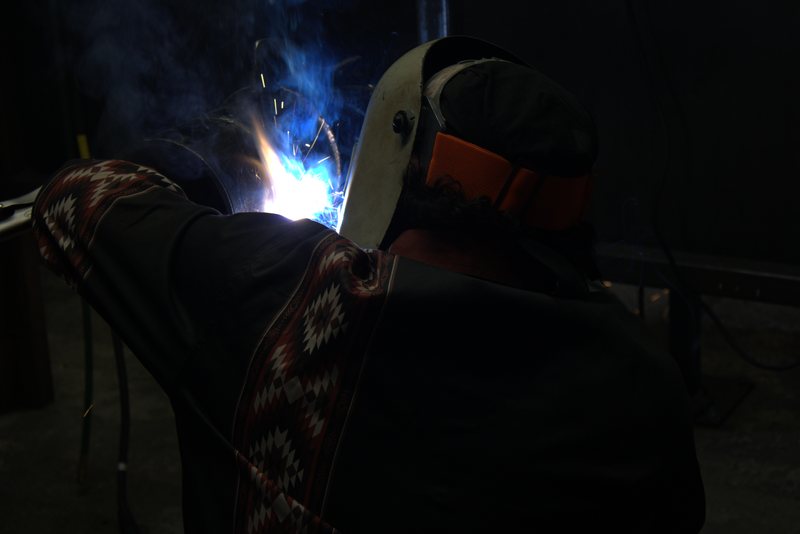
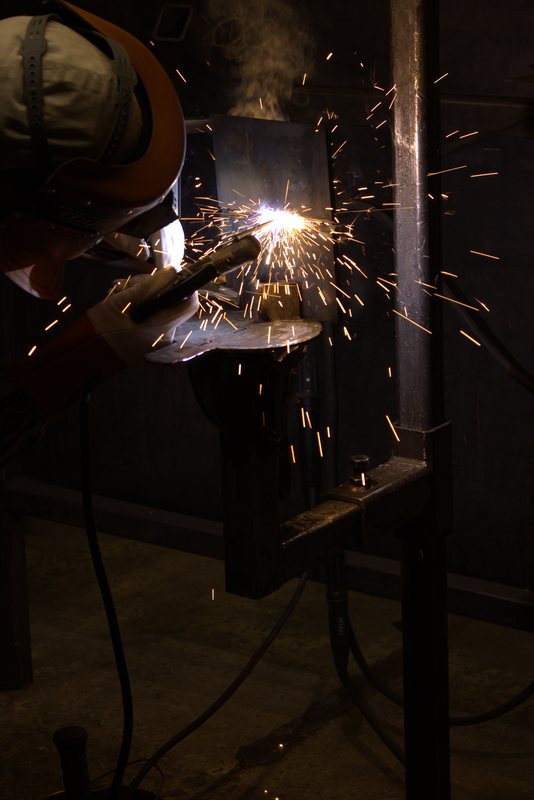
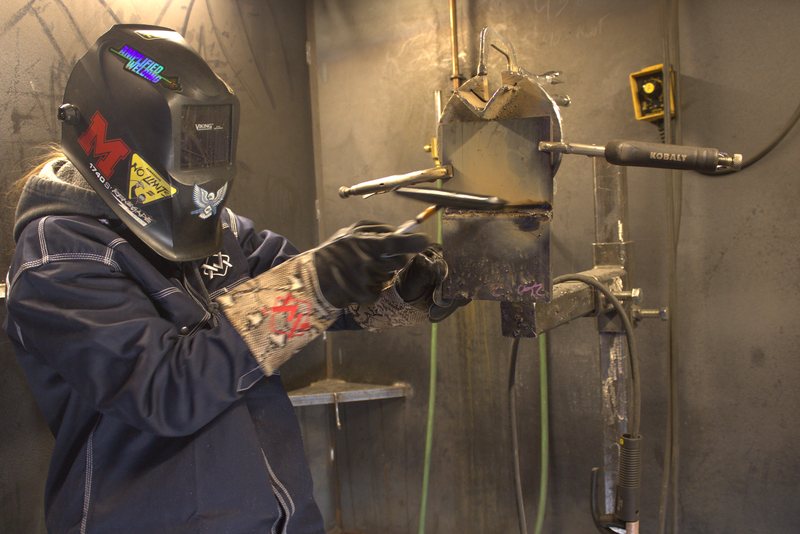
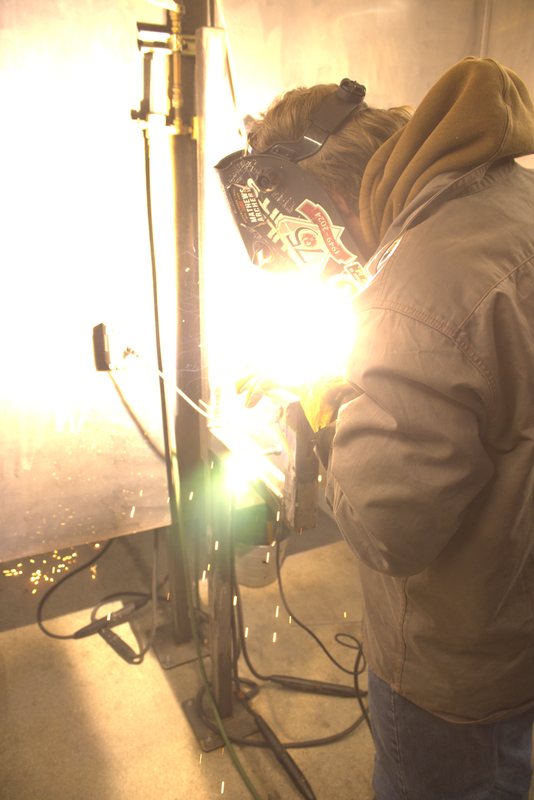
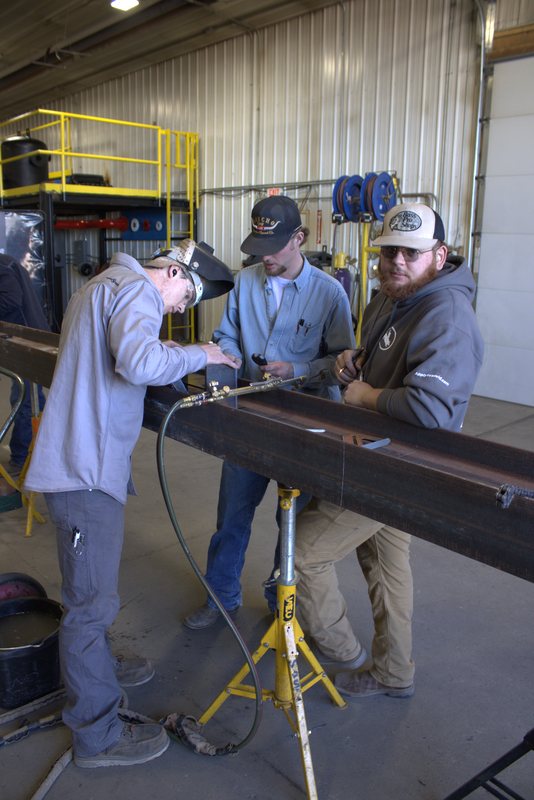
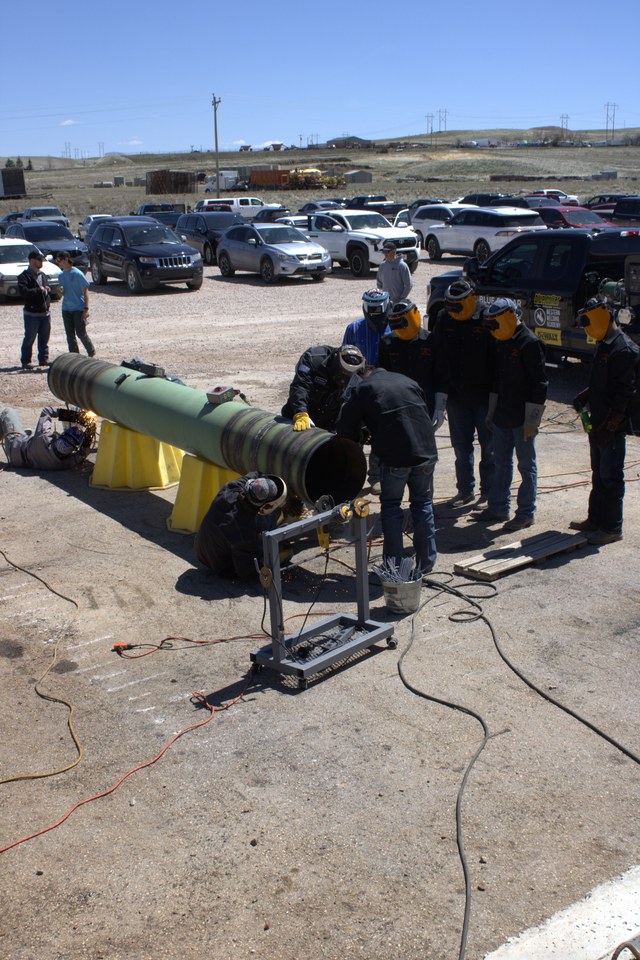
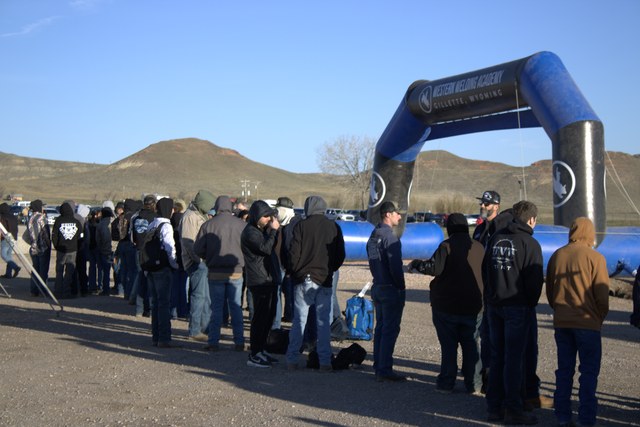
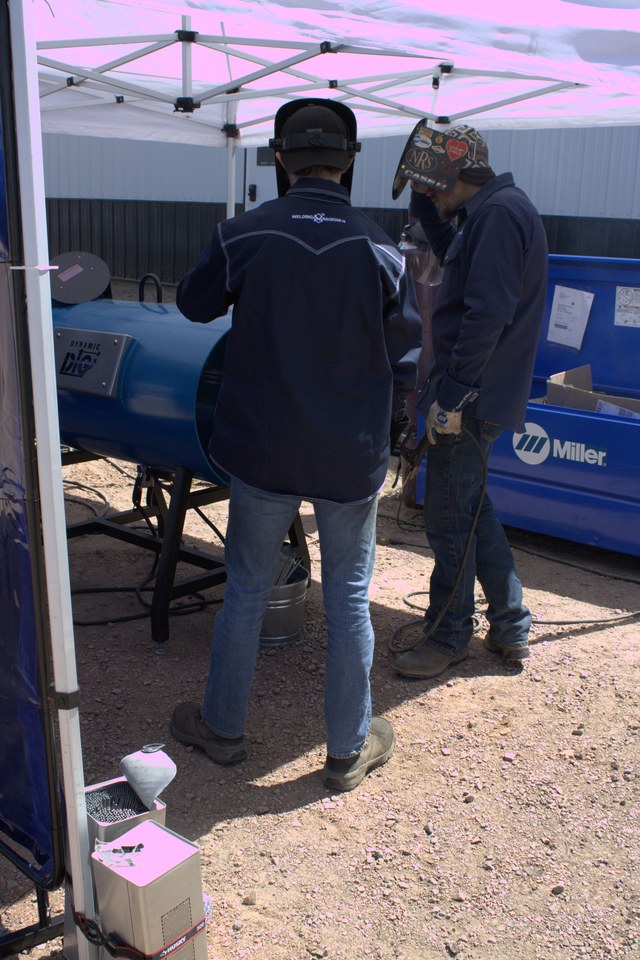
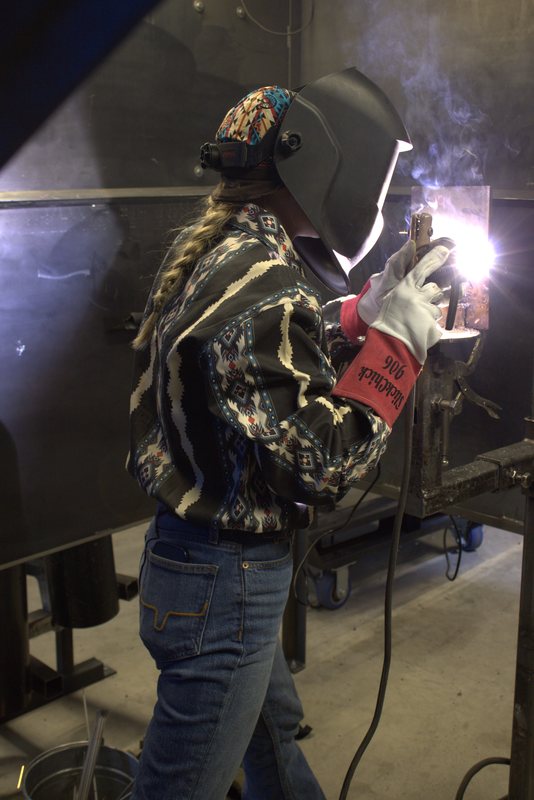
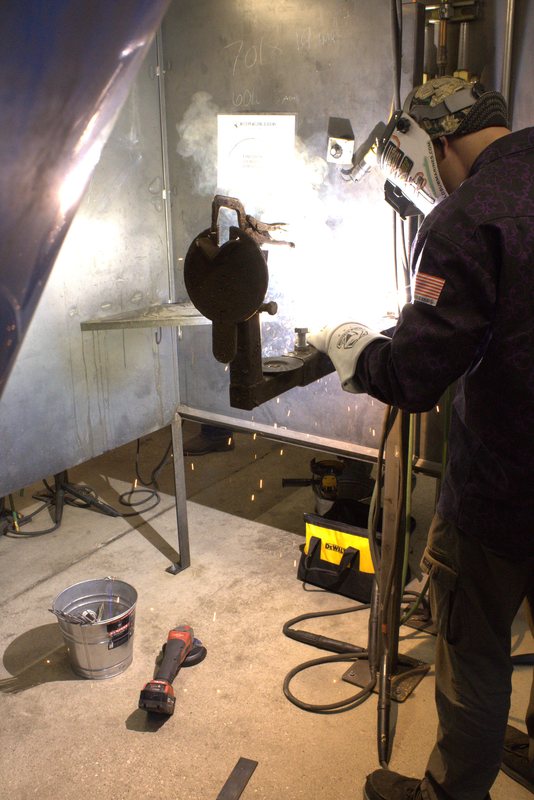
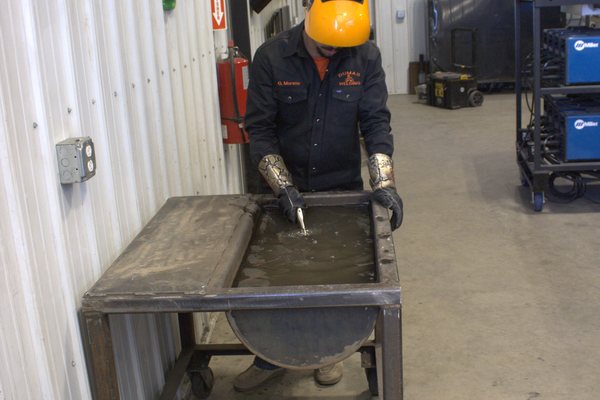
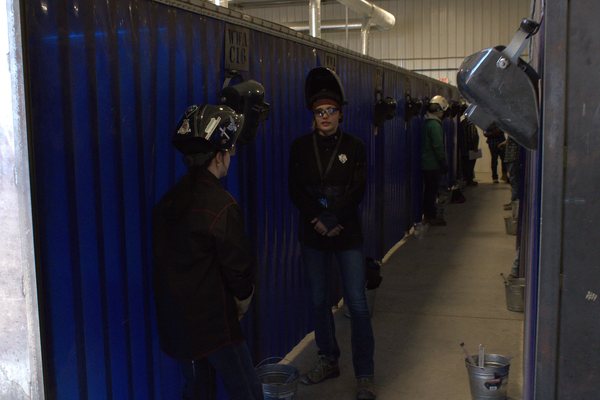
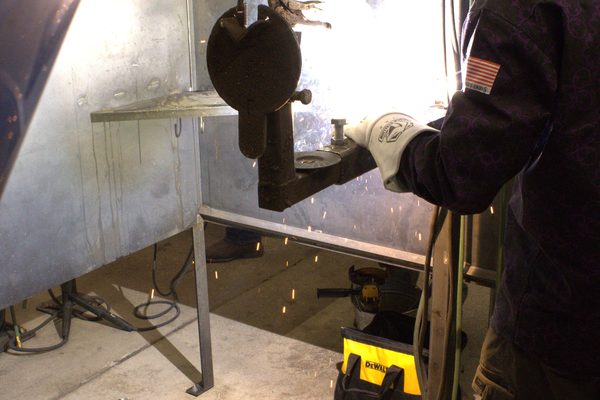
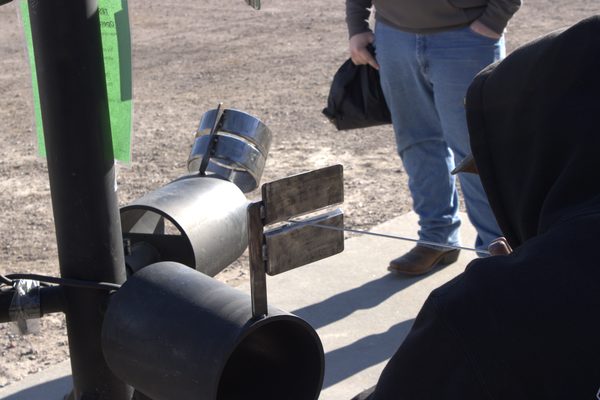
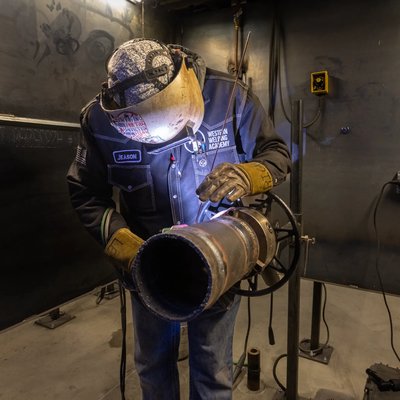
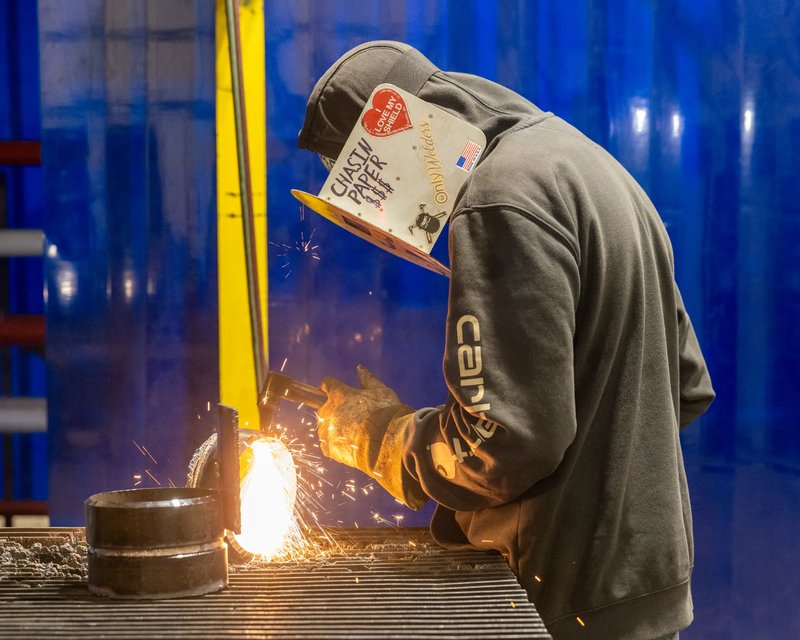
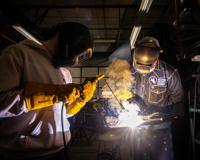
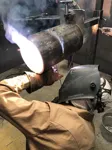
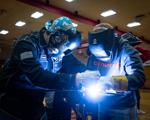
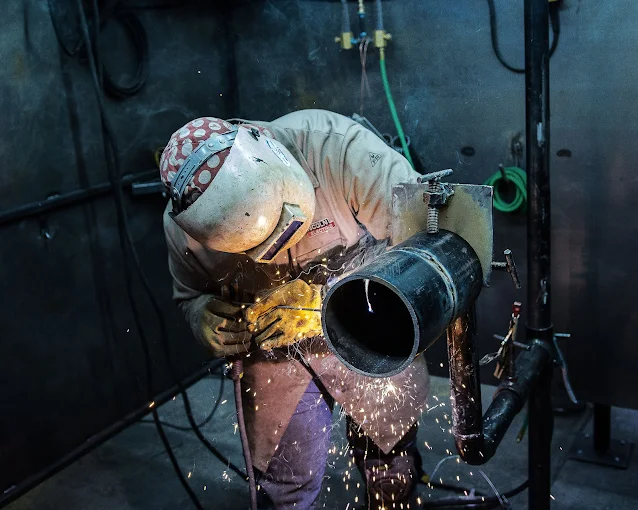
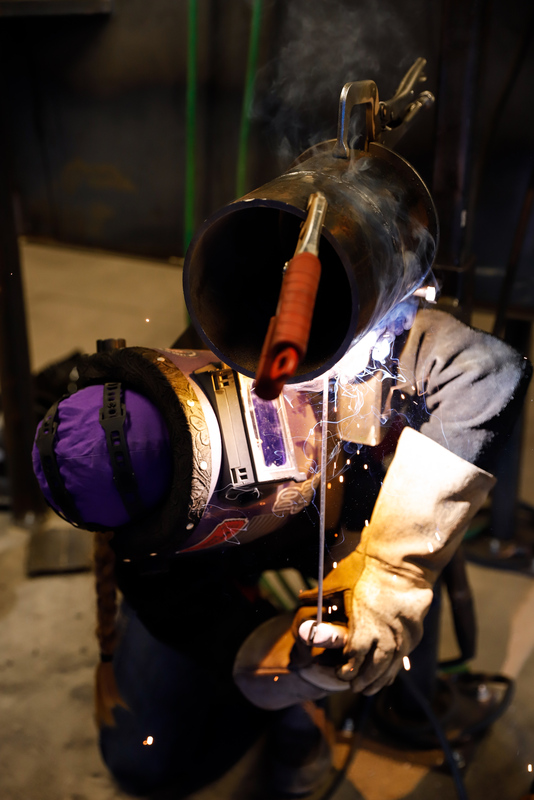
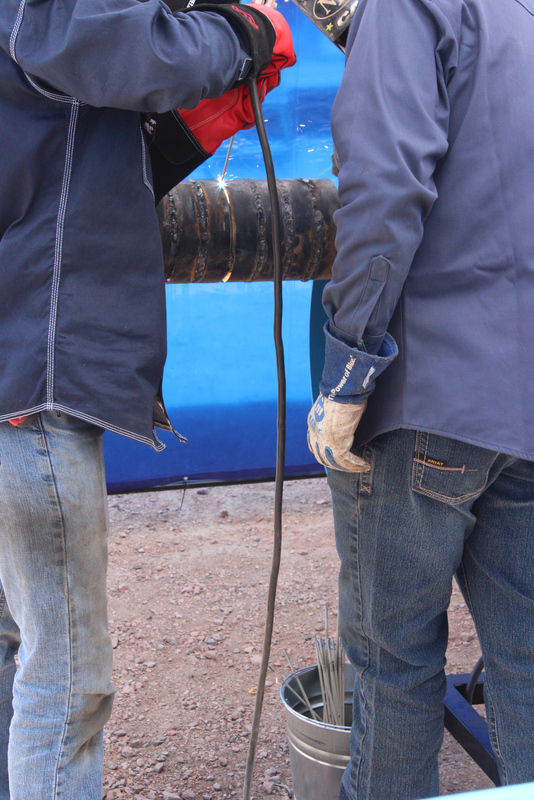
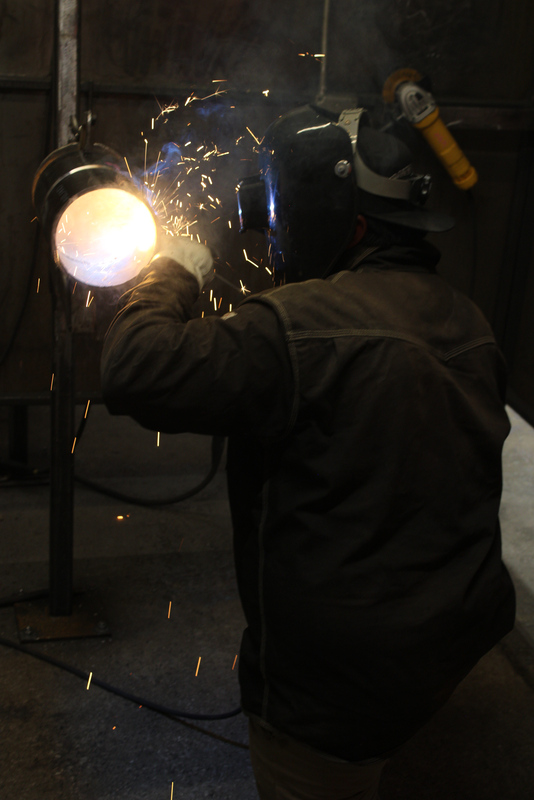
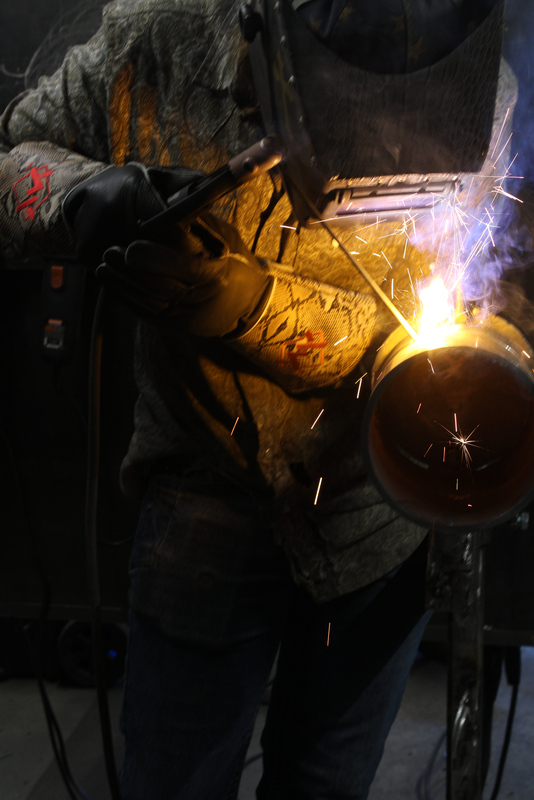
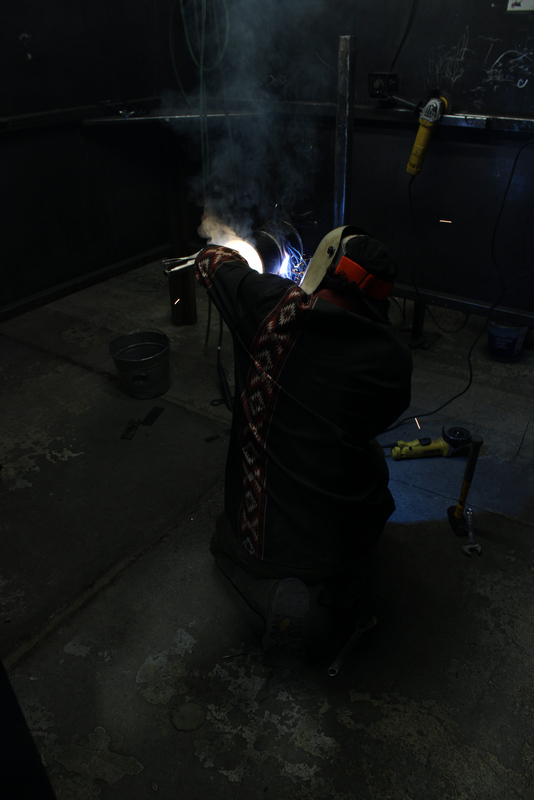
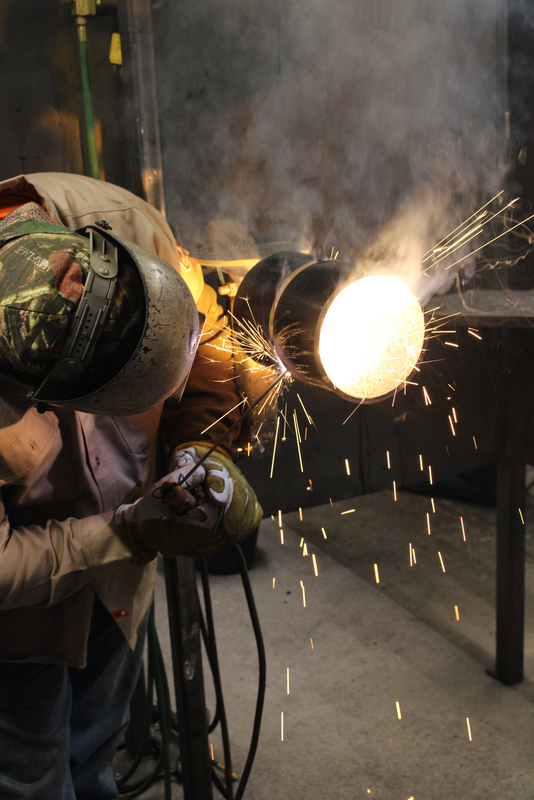
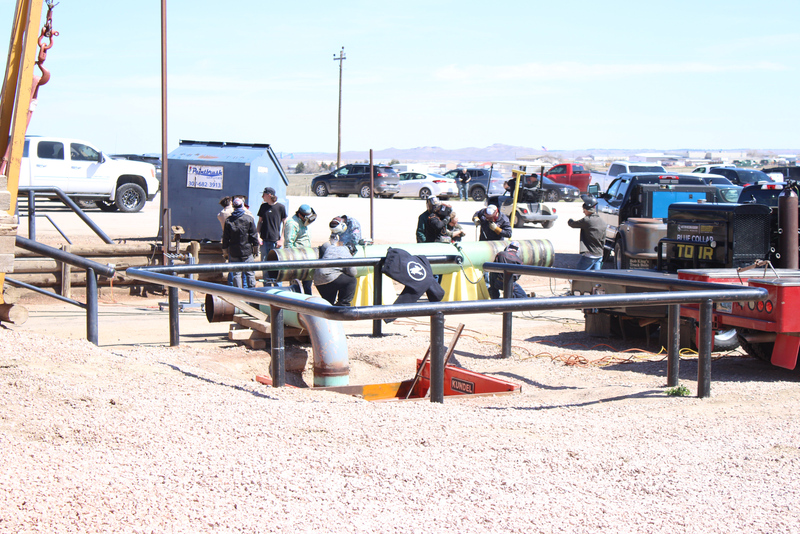
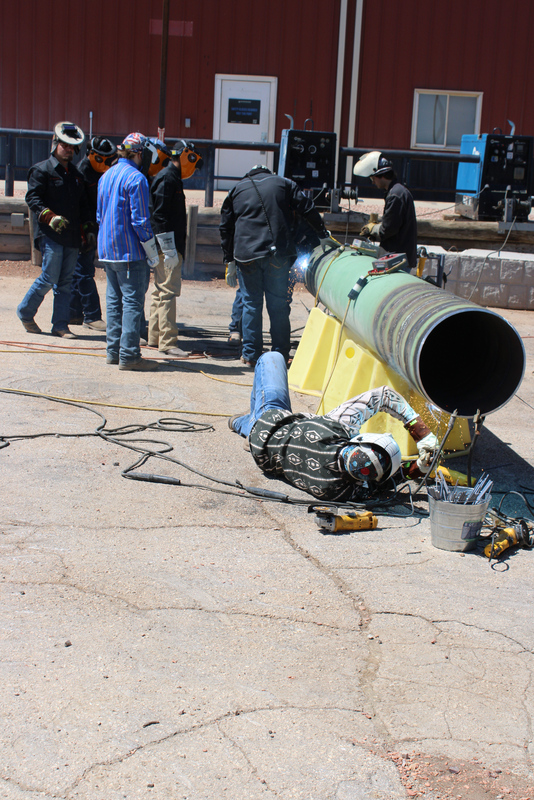
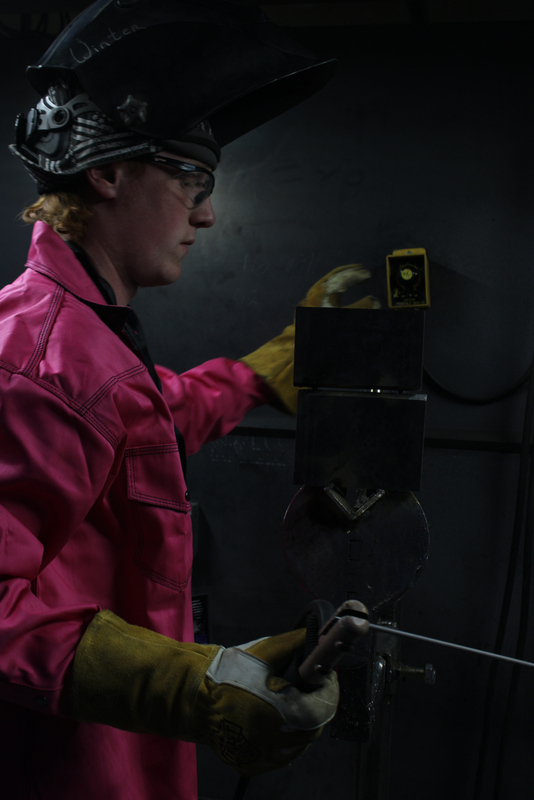
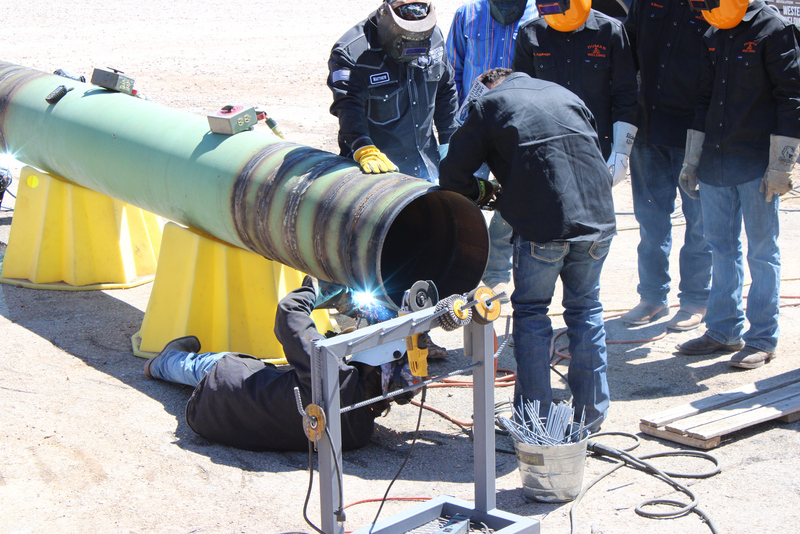
This is where the two schools diverge the most. Western Welding Academy puts students in the welding booth for 85% of their training time. You weld 40 hours per week from day one. A 12-week Foundational student logs roughly 480 hours of hands-on welding. A 24-week Expert student logs 960 hours. Every hour is on live pipe in positions that employers test on: 6G, 6GR, and everything in between.
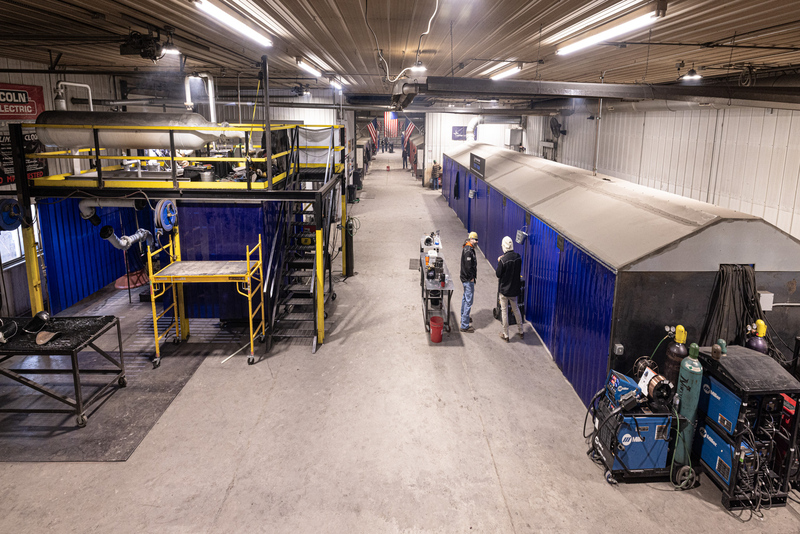
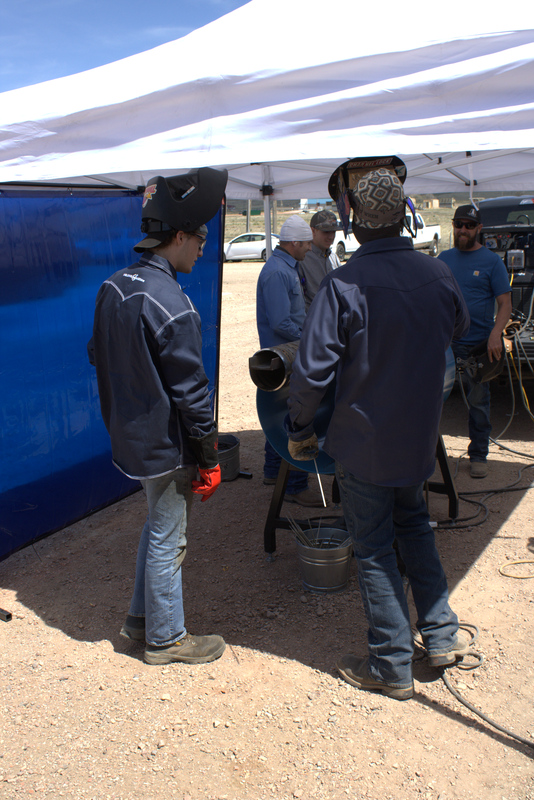
Tulsa Welding School runs a broader curriculum that includes classroom lectures, general welding theory, and non-pipe processes. Their hands-on percentage is approximately 60%, which is standard for the industry but lower than what a pipe-focused program delivers. Their student-to-instructor ratio has been reported at 30:1 at some campuses. WWA runs a 17:1 ratio, which means more individual feedback on your welds and faster skill development.
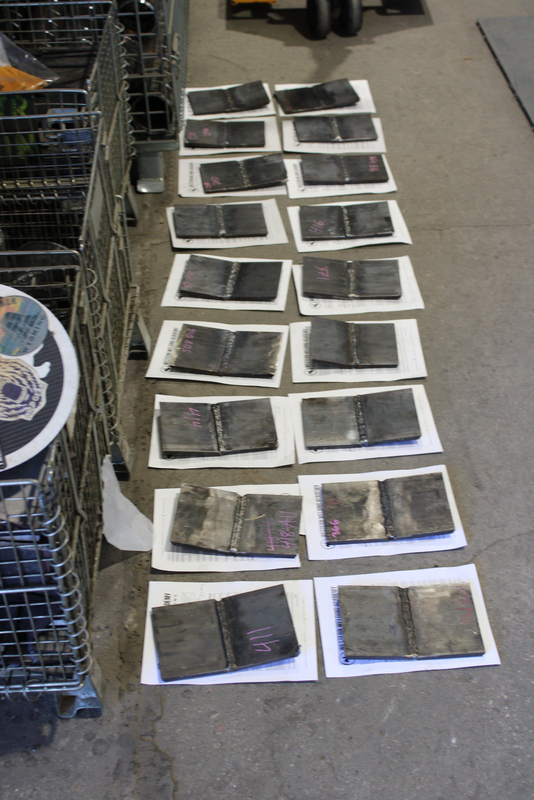
The difference shows up in certification readiness. WWA is an AWS Accredited Testing Facility, so you test and certify on campus at no extra cost. Tulsa students typically need to schedule and pay for outside certification testing.
Ready to start earning? Apply now or call (307) 284-5313 today.
What Are the Graduation and Job Placement Rates?
Tulsa Welding School reports a 68% graduation rate across its campuses based on IPEDS data. The Houston campus reported 57% for the 2018 cohort at the 150% completion mark. Their full-time retention rate is 63%. Tulsa does not publish a specific job placement rate on their website, and they state clearly that employment is "not guaranteed."
Western Welding Academy reports an 85% graduation rate and a 94% job placement rate within 90 days of completing the program. These numbers come from employer and graduate tracking, not self-reported surveys. The difference matters: for every 100 students who start at Tulsa, roughly 68 finish and an unknown percentage land welding jobs. For every 100 students who start at WWA, 85 finish and 80 of those are working within 90 days.
Tulsa's 82% grant aid rate and 81% federal loan usage tell another story. Most students are taking on debt. With a $7,800 average federal loan balance and no published placement rate, the return on that debt is uncertain. WWA students also use financing, but a 94% placement rate within 90 days means most graduates start earning before their first loan payment is due.
What Do Graduates Actually Earn at Each School?
Tulsa Welding School does not publish verified graduate salary data on its website. Industry averages suggest their graduates enter the workforce at $18 to $25 per hour in general welding positions, depending on location and specialization.
Western Welding Academy publishes verified graduate paychecks directly on its website. Leyton Wagner earned $4,514 per paycheck. Gavin Walden earned $3,986. David Smolek earned $3,417. Noah clears $3,800 per week doing Alaska pipeline work. Hank hit $150,000 per year by age 21 in traveling pipeline. These are pipe welding earnings, which is the specialty WWA trains for.
The earning potential gap comes down to specialization. General welders start at $43,000 to $50,000 per year. Pipe welders with 6G and GTAW certifications start at $55,000 to $80,000 and can exceed $100,000 within two years. Pipe welder starting pay at WWA reflects this premium because the program is built around pipe from the start.
Which School Offers Better Value for Your Money?
True cost is not just tuition. It includes months spent in school (lost wages), housing, and probability of getting hired after. Here is a straightforward comparison.
Tulsa's Professional Welder program costs $24,175 and runs 7 months. Add housing at roughly $2,500 per month and you spend $17,500 on rent. Add 7 months of lost wages at $4,000 per month and the true cost is $24,175 + $17,500 + $28,000 = roughly $69,675. Multiply by the 68% graduation rate and the cost per graduate climbs higher.
WWA's Professional Pipe Welder costs $27,600 including housing and runs 19 weeks (about 4.75 months). Lost wages at $4,000 per month total roughly $19,000. True cost: $27,600 + $19,000 = roughly $46,600. With an 85% graduation rate and 94% placement, your dollars work harder and you start earning nearly 3 months sooner. Most WWA graduates pay back their tuition within 5 to 7 months of starting work.
Which School Is Right for You?
Tulsa Welding School is a solid option if you want a broad welding education, prefer a larger campus environment, or need a location near one of their six cities (Tulsa, Jacksonville, Houston, Dallas, Atlanta, Phoenix). Their name recognition with some employers and their established financial aid process are real advantages.
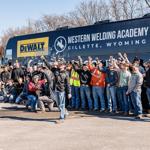
But if your goal is to become a pipe welder, earn six figures, and start working within 90 days of graduation, Western Welding Academy is the stronger choice. The 85% hands-on training ratio, on-site AWS certification testing, 94% job placement rate, and smaller class sizes are built specifically for that outcome. Students travel from all 50 states to train in Gillette, Wyoming because the program delivers what pipe welding employers demand.
The bottom line: Tulsa gives you a well-known name on your certificate. WWA gives you the skills and connections that put you on a pipeline earning six figures. The choice depends on which outcome you are after.
Ready to start earning? Apply now or call (307) 284-5313 today.
Frequently Asked Questions
Q1. Is Western Welding Academy better than Tulsa Welding School?
For pipe welding specifically, yes. Western Welding Academy has a 94% job placement rate, 85% hands-on booth time, and an 85% graduation rate. Tulsa Welding School has a 68% graduation rate and does not publish a job placement rate. WWA also runs shorter programs (12 to 24 weeks vs 7 to 9.5 months), which means less time in school and more time earning.
Q2. How much cheaper is WWA compared to Tulsa Welding School?
When you include housing, WWA can be less expensive overall. WWA's Professional program is $27,600 with housing included. Tulsa's comparable pipefitting program is $29,675 without housing. Add $2,500 per month in rent at a Tulsa campus for 9.5 months ($23,750) and Tulsa's true cost exceeds $53,000. WWA's all-in cost is already covered at $27,600.
Q3. Does Tulsa Welding School teach pipe welding?
Tulsa offers a Welding Specialist with Pipefitting program at the Jacksonville and Houston campuses. It runs 9.5 months at $29,675. However, their core Professional Welder program focuses on general welding processes rather than pipe-specific training. WWA focuses exclusively on pipe welding across all four of its program tiers.
Q4. Which school has better job placement after graduation?
Western Welding Academy reports a 94% job placement rate within 90 days. Tulsa Welding School does not publish a placement rate and states that employment is not guaranteed. WWA also has direct hiring partnerships with companies including SpaceX, Steam 88, Boilermakers locals, and Pipefitters unions.
Q5. Can I get financial aid at both schools?
Tulsa Welding School participates in federal financial aid programs including Pell Grants, federal loans, and military benefits. Approximately 82% of students receive grant aid. Western Welding Academy offers financing through Ascent Financing and Climb Credit, plus scholarships, grants, and military benefits. Both schools work with students on payment plans.
Q6. How long does it take to finish each program?
Tulsa's Professional Welder program runs approximately 7 months. Their Pipefitting track runs 9.5 months. Western Welding Academy offers 12-week (Foundational), 19-week (Professional), and 24-week (Expert) programs. The fastest path to a pipe welding career through WWA is the 12-week Foundational program.
Make the Decision That Gets You Earning Fastest
Both schools train welders. But only one is built from the ground up to make you a pipe welder who earns six figures. Western Welding Academy gets you in the booth from day one, certifies you on-site, and connects you with hiring contractors before you graduate. Call (307) 284-5313 or apply now to lock in your spot.


.jpg)
.jpg)
.jpg)
.jpg)
.jpg)
-thumbnail.jpg)

.jpg)