What Welding Does to Unprotected Eyes
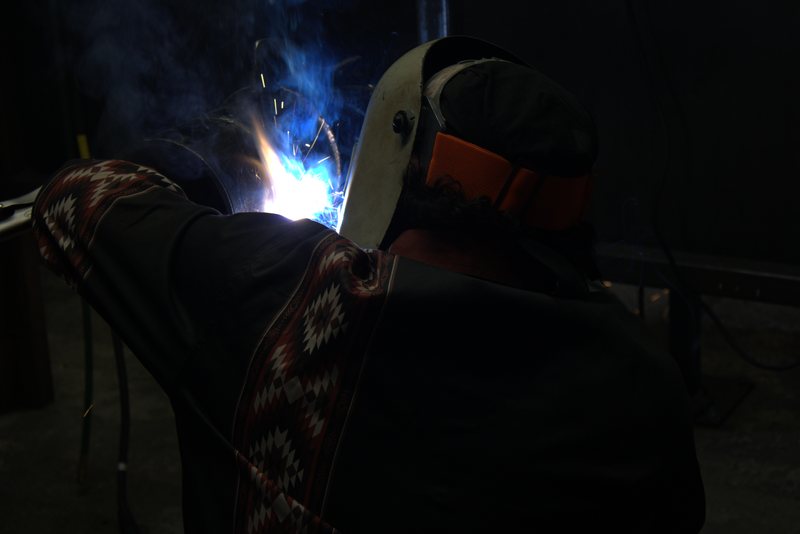
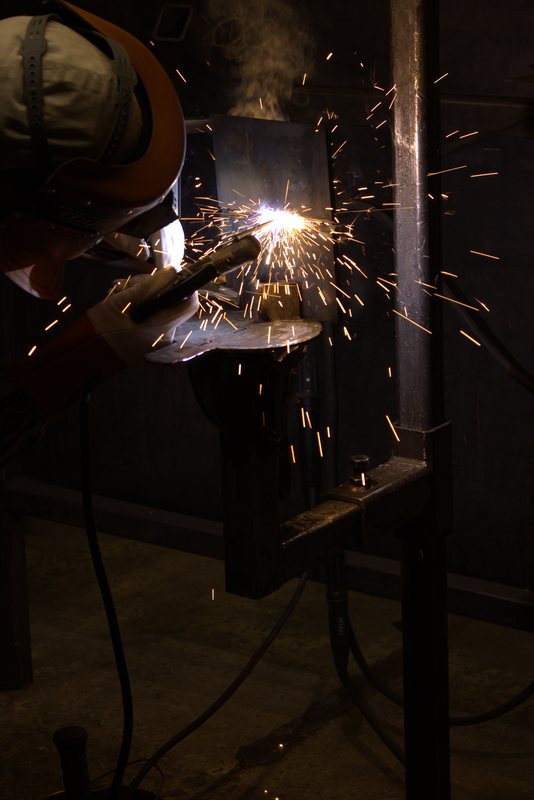
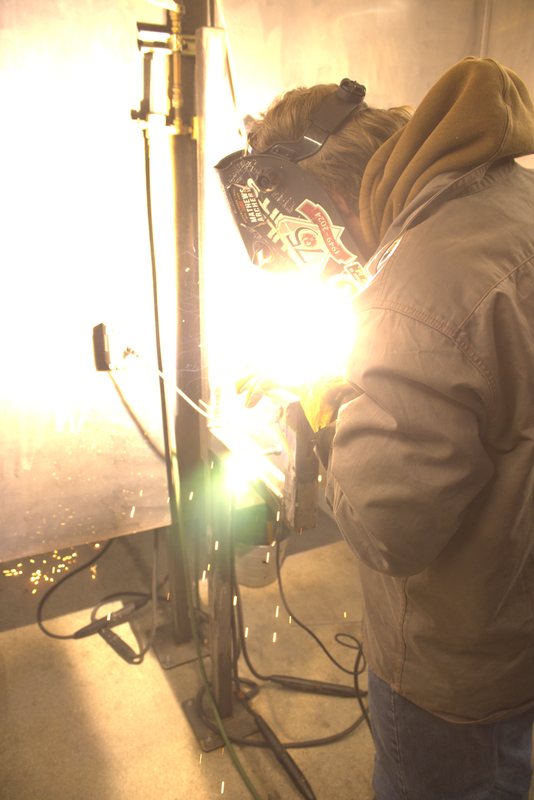
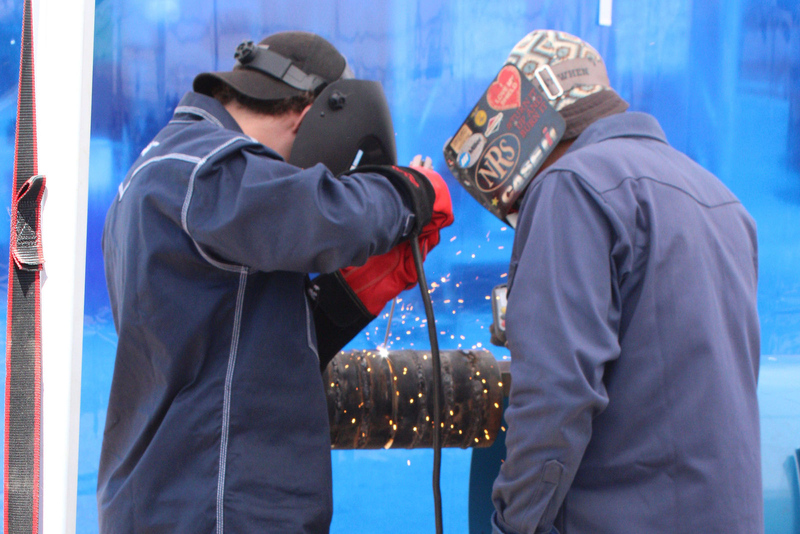
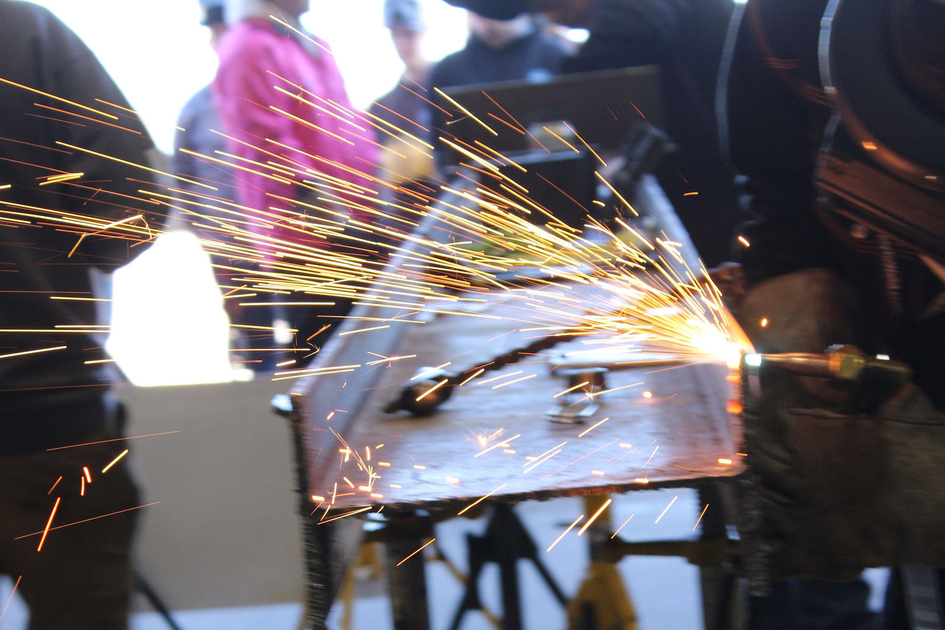
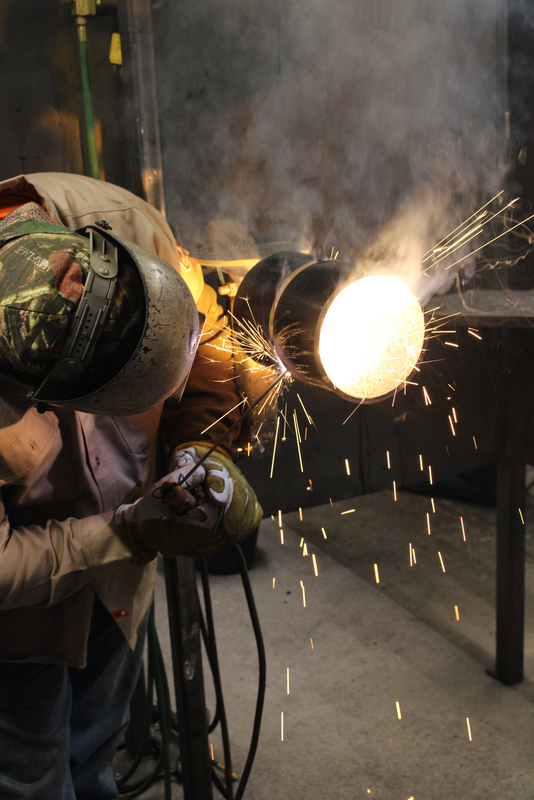
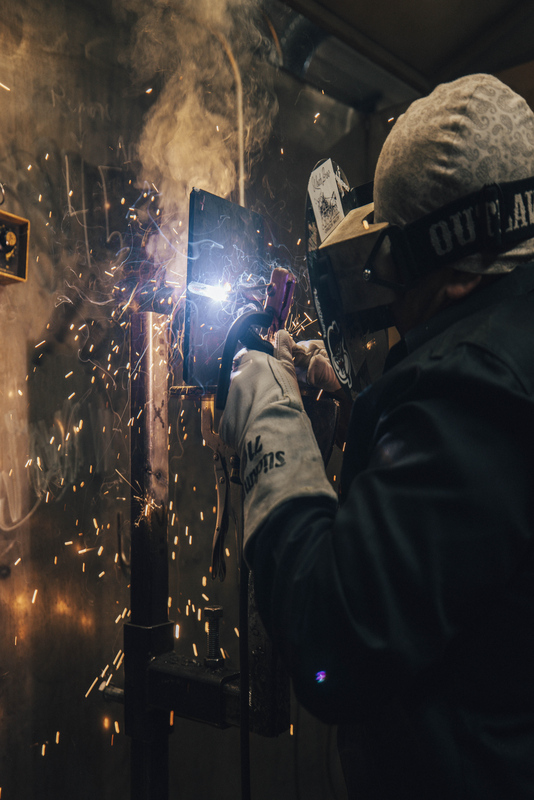
The welding arc emits three types of harmful radiation: ultraviolet, infrared, and intense visible light. Ultraviolet radiation causes photokeratitis, commonly known as arc eye or welder's flash. This condition feels like sand grinding against your corneas, and symptoms often appear several hours after exposure. Repeated exposure without protection leads to cataracts and permanent vision loss.
Infrared radiation penetrates deeper and damages the retina over time. Unlike UV burns, infrared damage is cumulative and painless during exposure. A welder may not notice any symptoms until the damage is irreversible. The intense visible light from the arc can also cause temporary flash blindness, creating a serious safety hazard in any shop environment. OSHA requires all welders to use filter lenses with shade numbers matched to their specific welding process.
What Welding Fumes Do to Unprotected Lungs
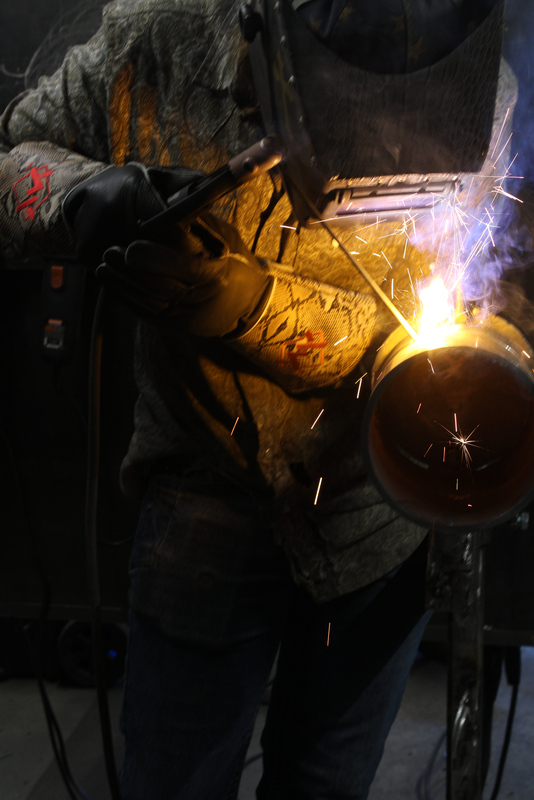
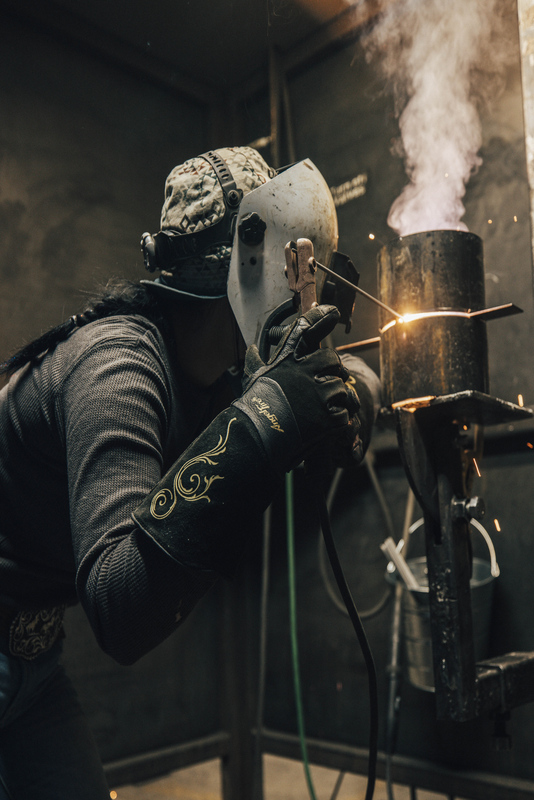
Welding fumes are a complex mixture of metal oxides, gases, and particulates. The specific hazards depend on the base metal, filler material, coatings, and welding process used. Stainless steel welding produces hexavalent chromium, a known carcinogen. Galvanized steel releases zinc oxide fumes that cause metal fume fever, with flu-like symptoms appearing within hours of exposure.
NIOSH data shows welders are approximately 40 percent more likely than the general population to develop lung cancer. Long-term exposure without respiratory protection also contributes to chronic conditions including asthma, bronchitis, and siderosis. One study found that 30 percent of welders experience some form of lung problem during their career. These numbers drop dramatically when welders use proper ventilation, fume extraction, and fitted respirators from the beginning of their training.
Ready to start your welding career with proper safety training from day one? Apply now or call Western Welding Academy at (307) 284-5313 today.
Essential Eye Protection Gear for Every Welder
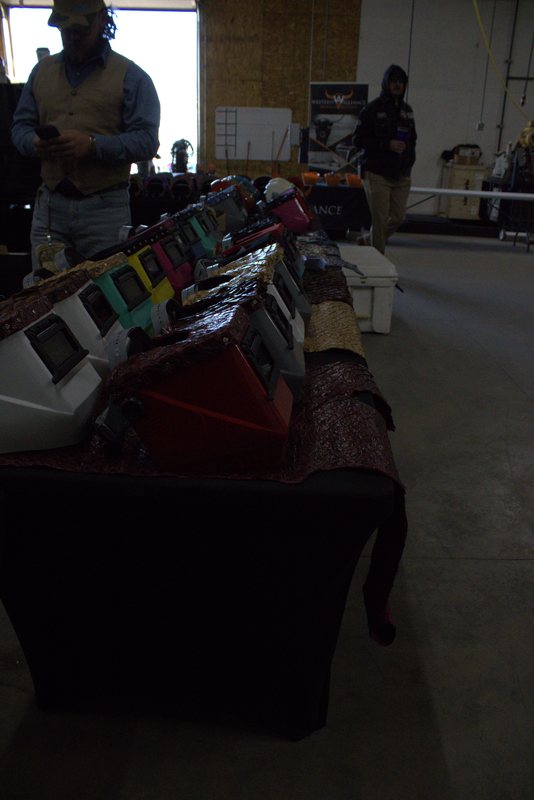
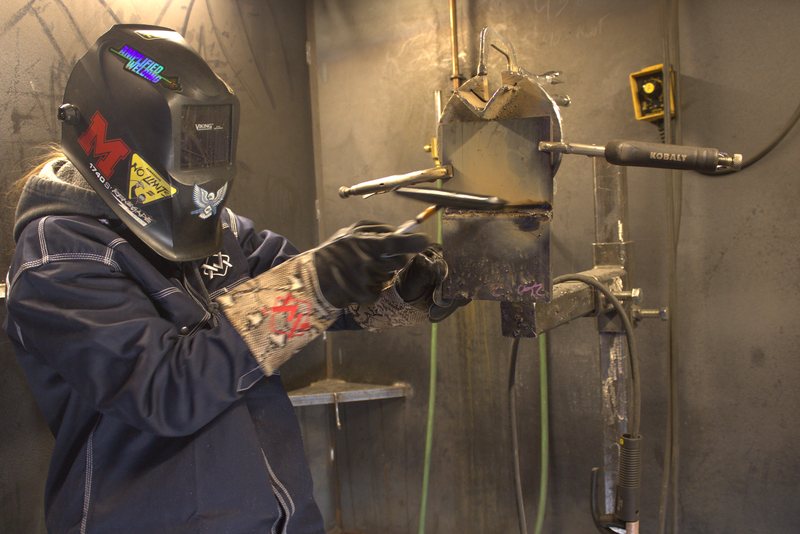
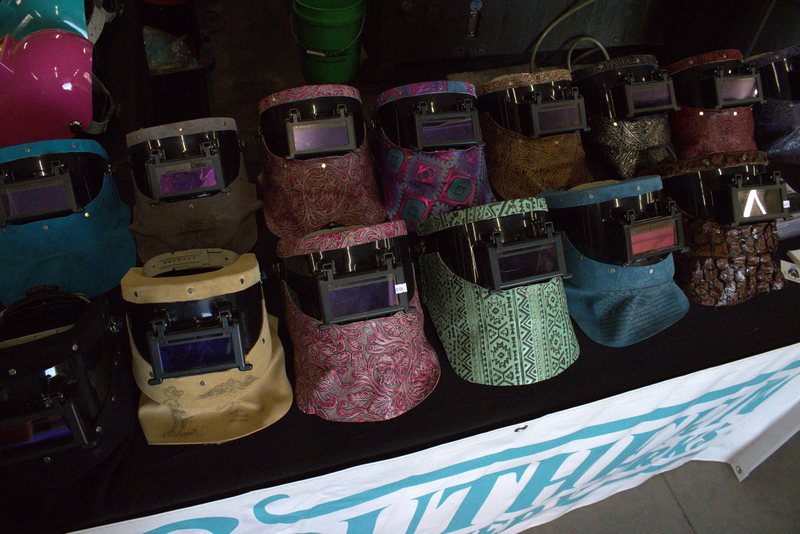
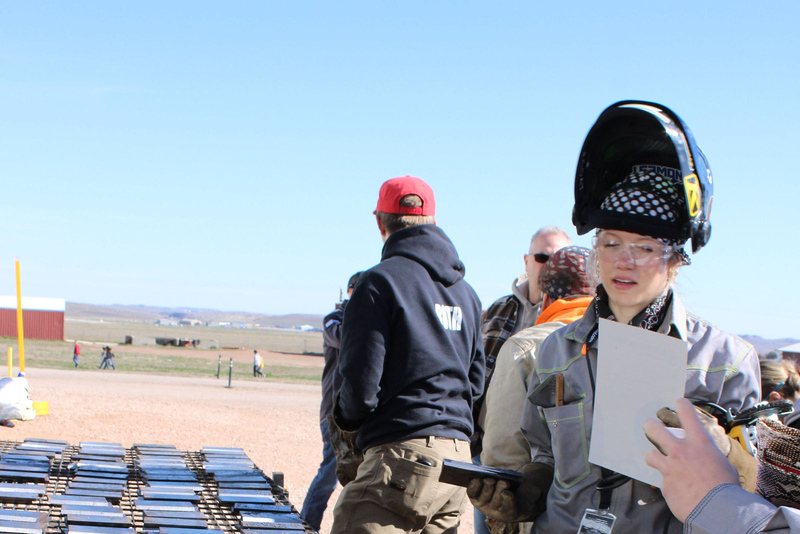
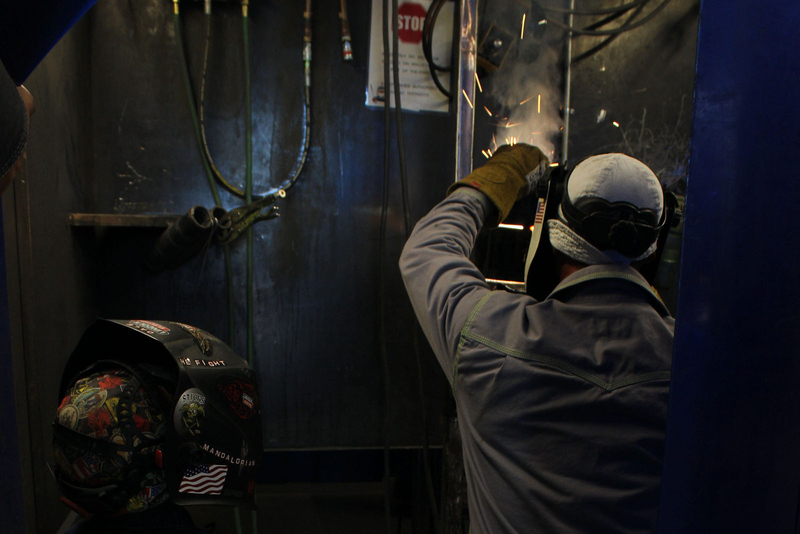
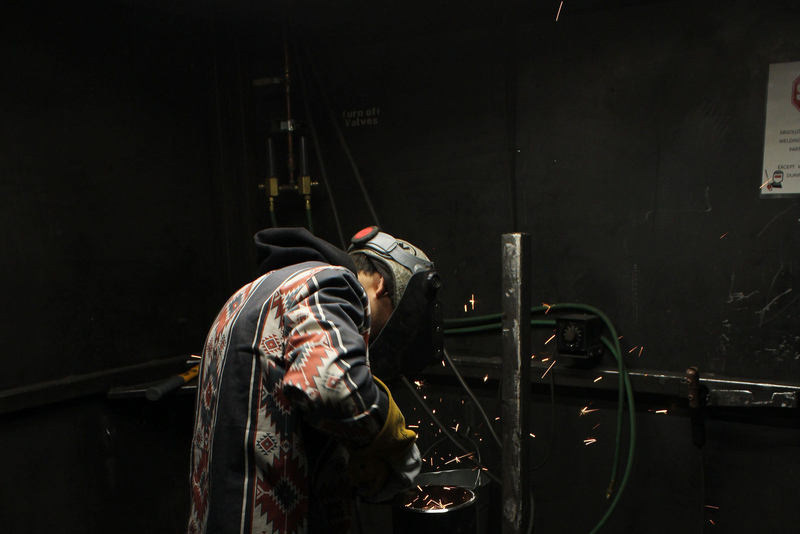
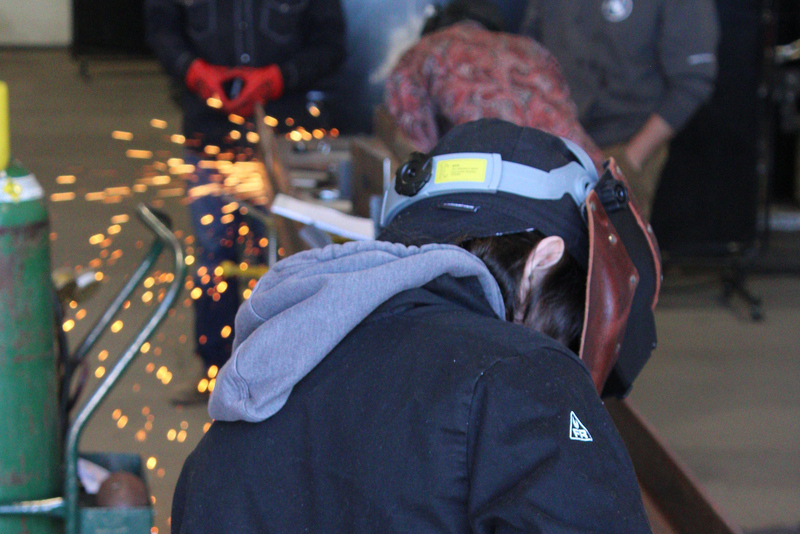
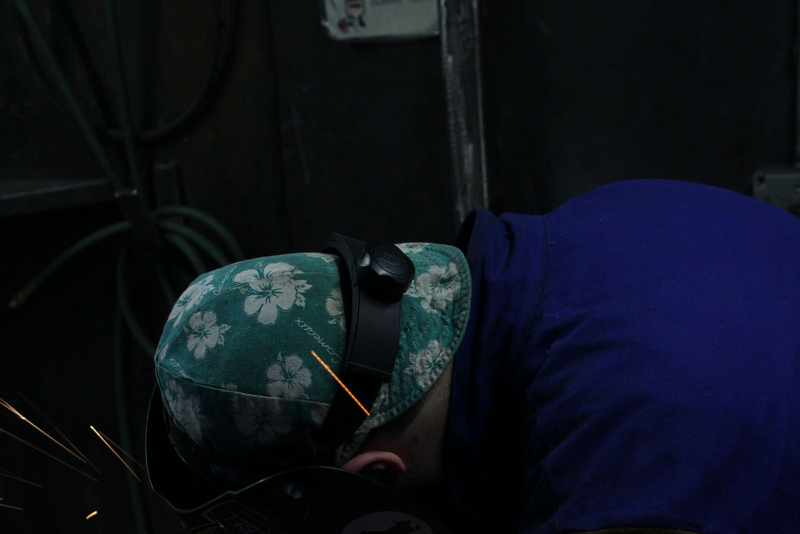
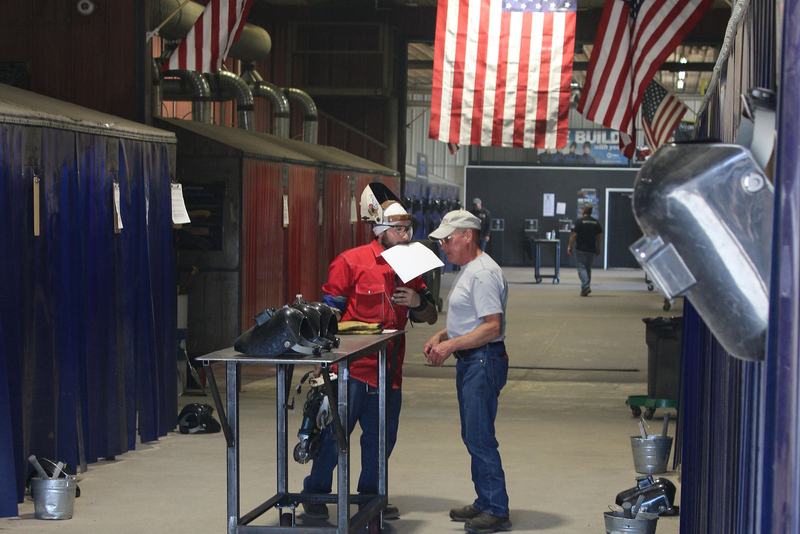
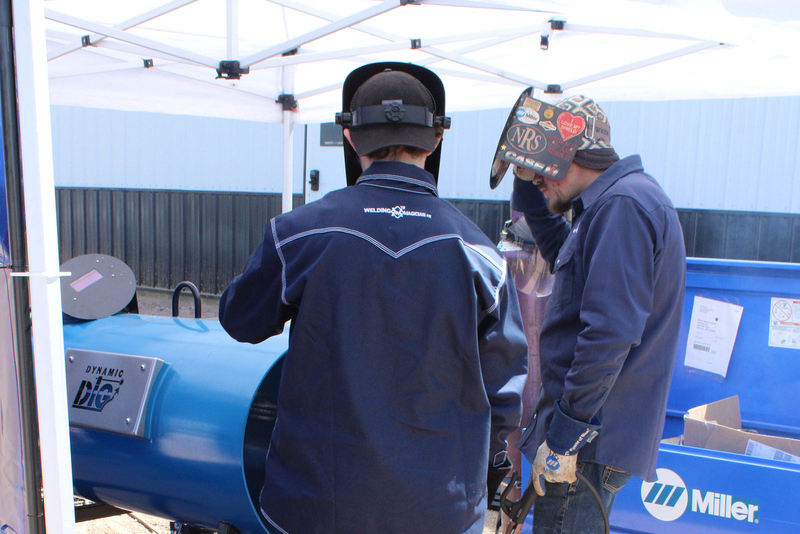
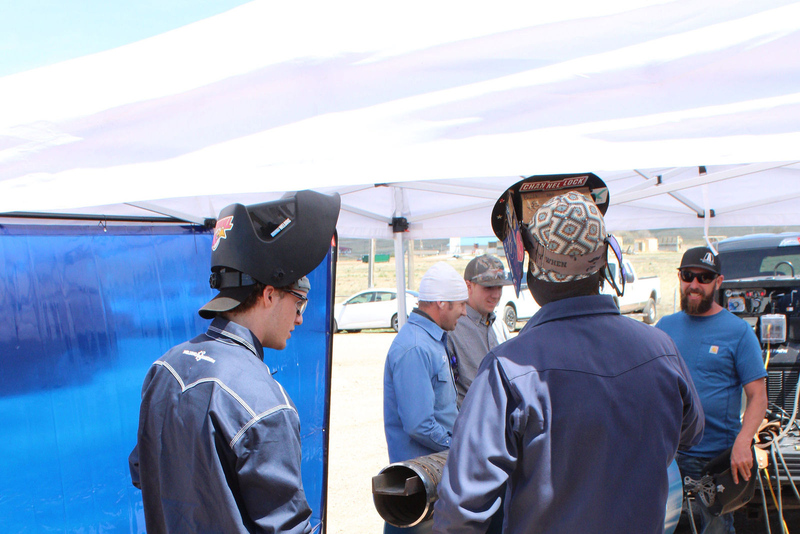
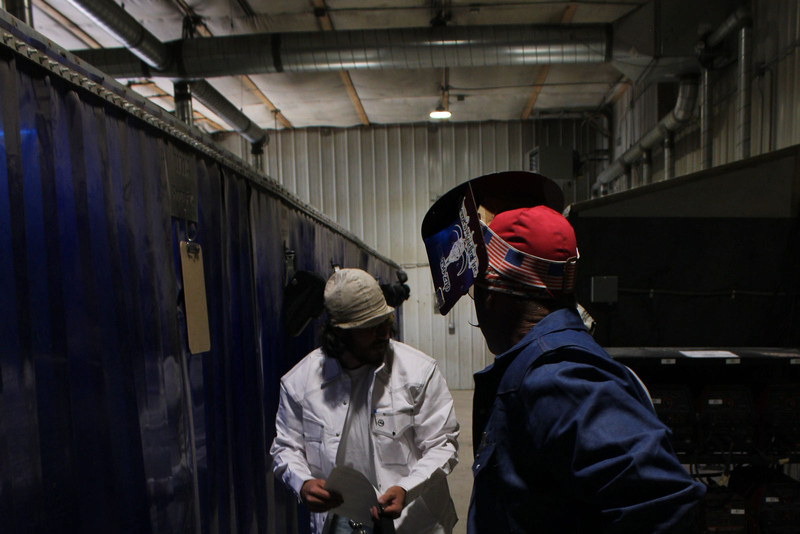
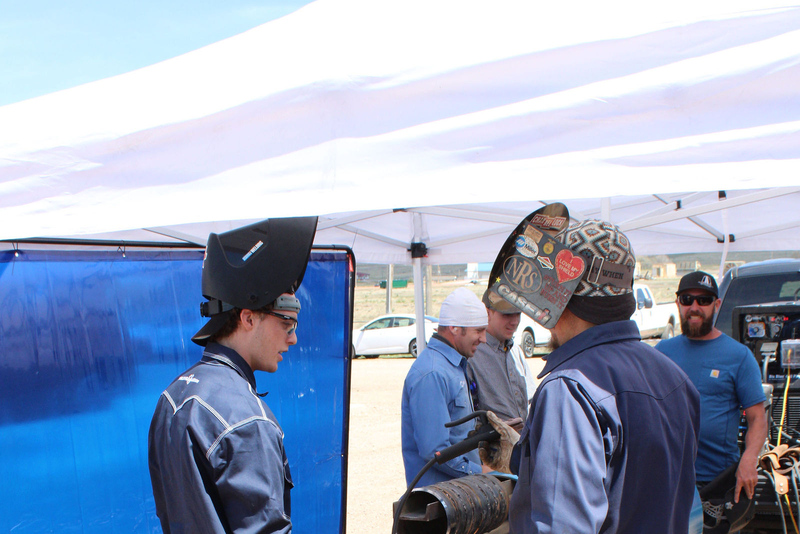
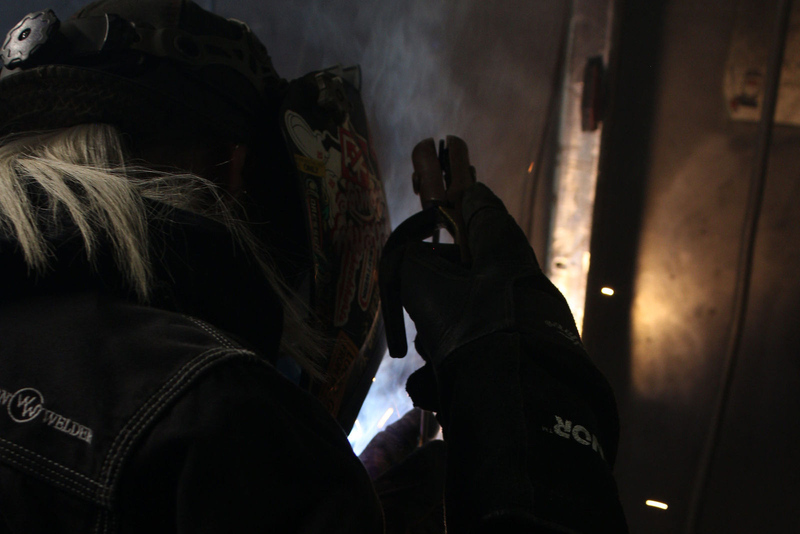
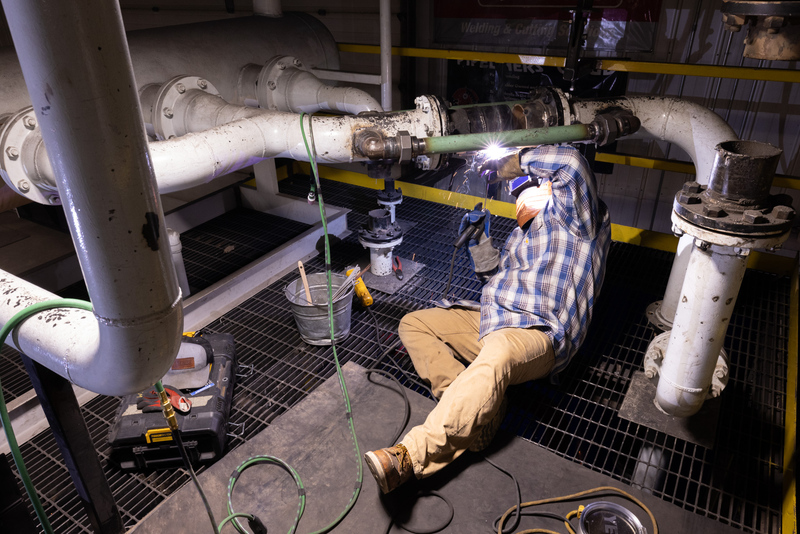
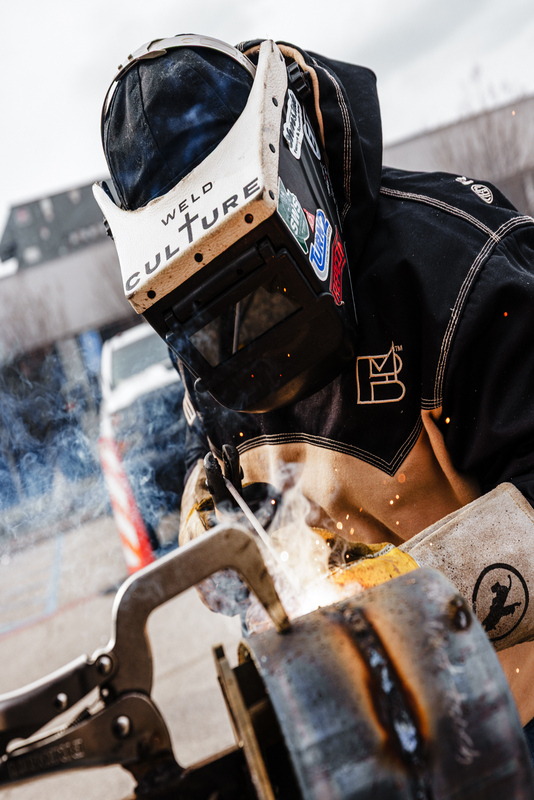
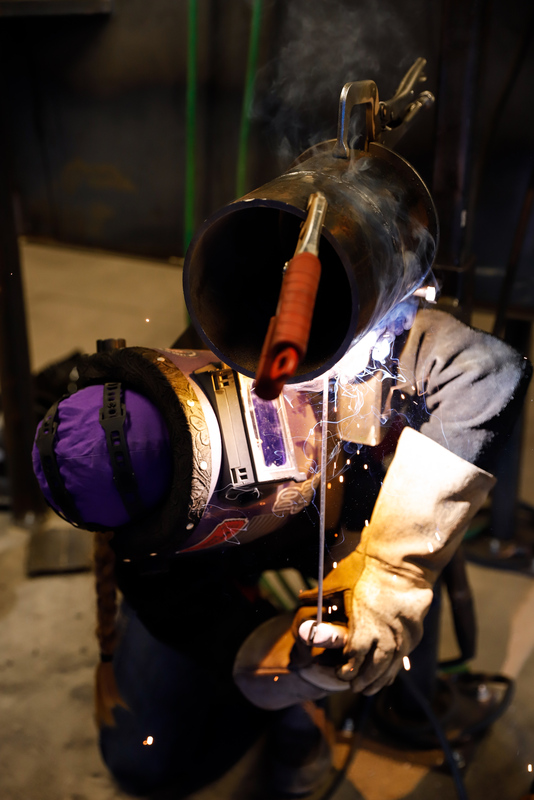
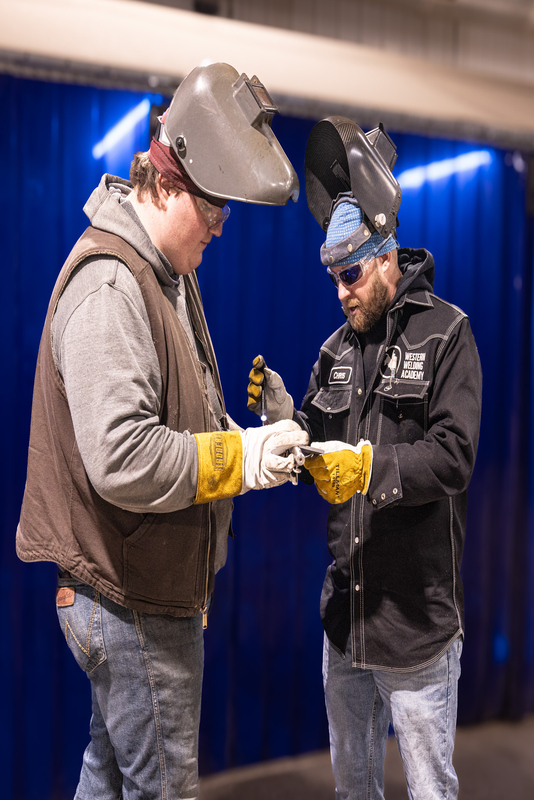
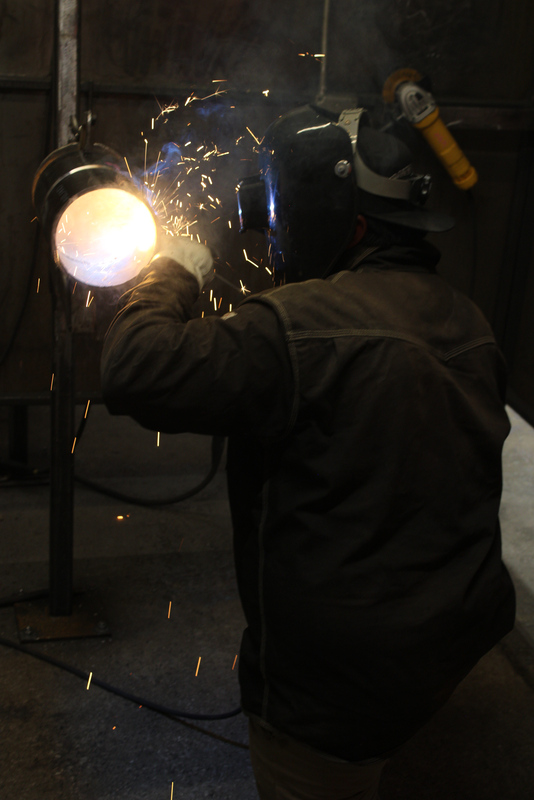
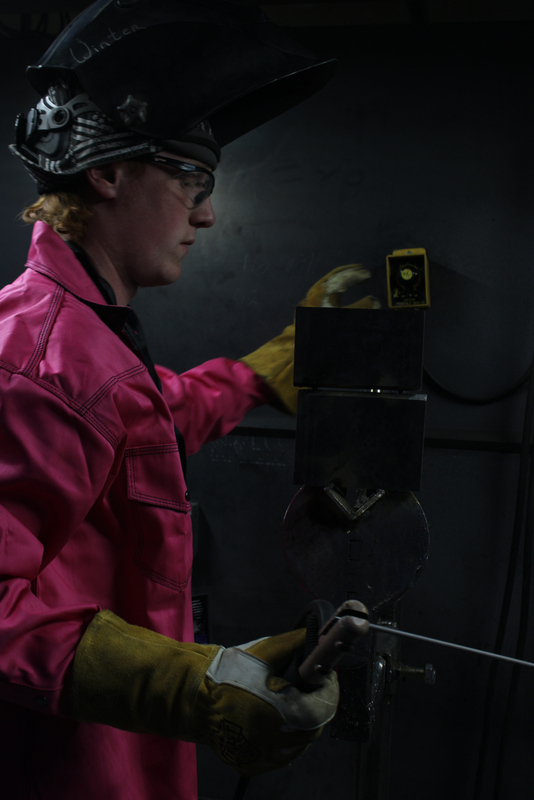
An auto-darkening welding helmet is the primary shield for your eyes and face. These helmets use electronic sensors to detect the arc and darken the lens in milliseconds. The filter shade adjusts automatically based on the welding process, ranging from Shade 8 for lower amperage TIG work up to Shade 13 for high amperage stick and MIG applications. Every helmet must meet ANSI Z87.1 standards for impact resistance and optical clarity.
Safety glasses with side shields are required underneath the helmet at all times. When you flip up your helmet to inspect a weld, your eyes remain protected from flying debris, grinding sparks, and residual UV exposure. Safety glasses must also meet ANSI Z87.1 standards. For lower amperage tasks like oxy-fuel cutting, welding goggles with the correct shade rating provide adequate protection without a full helmet.
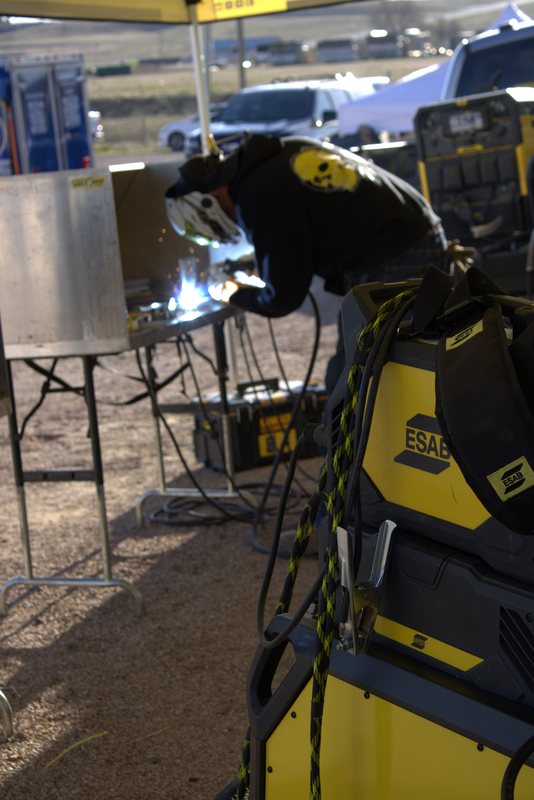
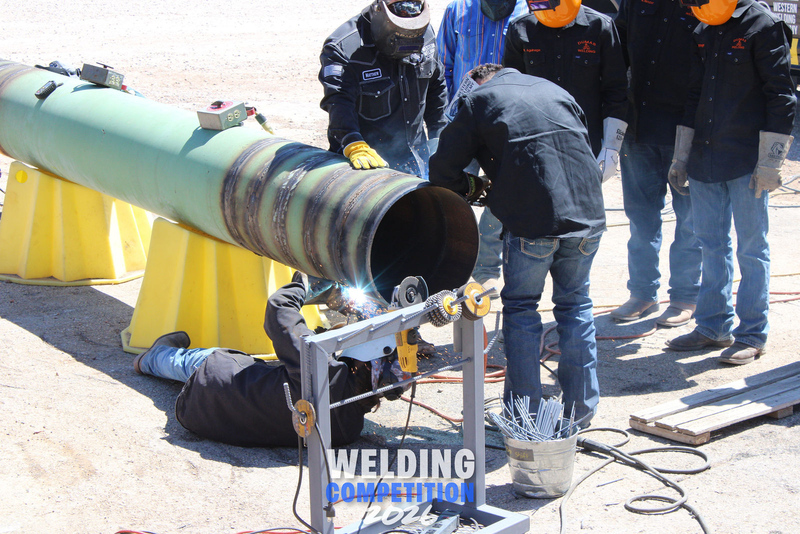
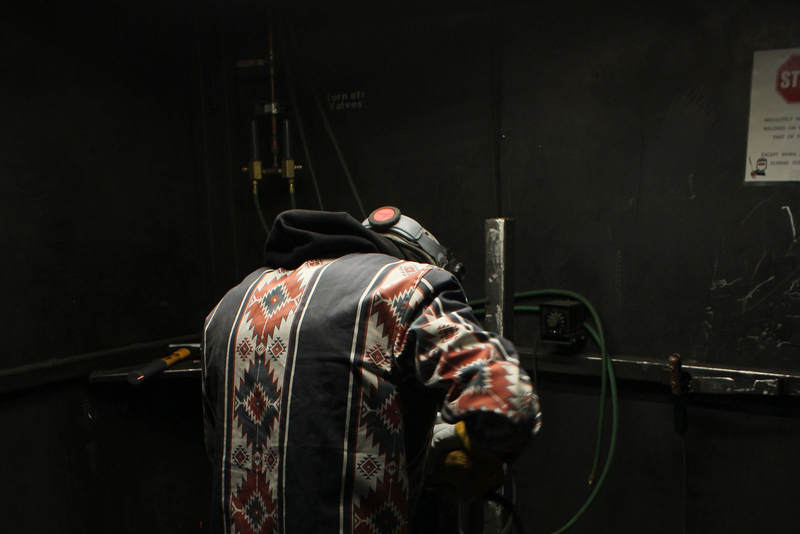
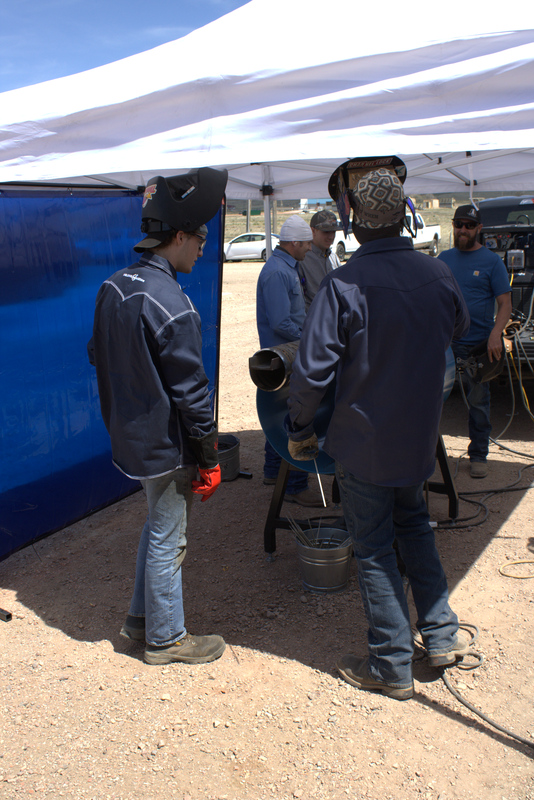
At Western Welding Academy, students learn to match shade numbers to every process they run. The school's Expert Pipe Welder program covers TIG, MIG, and stick welding, and students practice selecting the correct eye protection for each process during their 40 hours per week of booth time.
Respiratory Protection That Actually Works
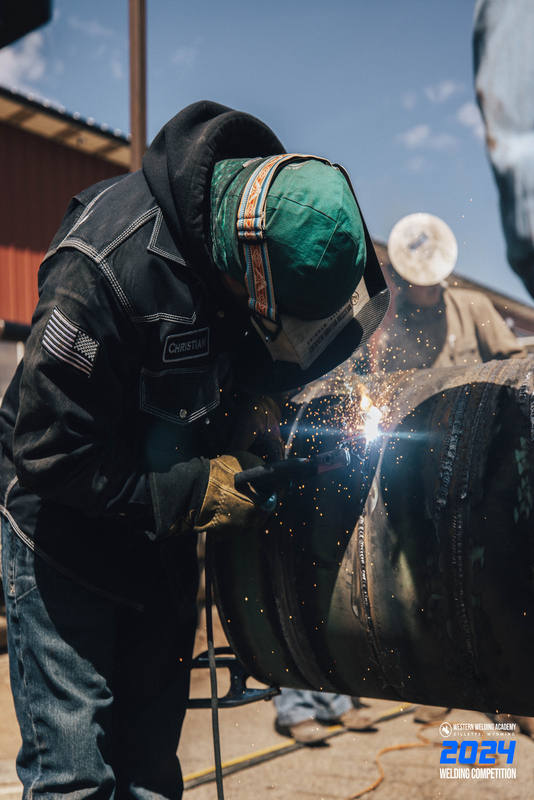
Respiratory protection for welders falls into three categories: disposable respirators, half-face air-purifying respirators, and powered air-purifying respirators (PAPRs). Disposable N95 respirators filter basic particulates but do not protect against gas-phase contaminants. Half-face respirators with P100 cartridges and organic vapor filters handle most shop welding fumes. PAPRs use a battery-powered fan to push filtered air into the welder's breathing zone and are required for confined space welding.
OSHA does not require respirators for all welding operations. However, employers must test air quality regularly and provide respiratory protection whenever fume levels exceed permissible exposure limits. Proper fit testing is essential because a respirator that leaks around the seal provides almost no protection. Welders with facial hair that prevents a seal must use a PAPR or supplied-air system instead. Learning which respirator matches each situation is a core part of professional welding training.
| PPE Type | Protects | Standard | When Required |
|---|---|---|---|
| Auto-Darkening Helmet | Eyes, face from UV/IR radiation and sparks | ANSI Z87.1 | All arc welding processes |
| Safety Glasses (Side Shields) | Eyes from debris, residual UV | ANSI Z87.1 | Always, worn under helmet |
| Welding Goggles | Eyes during oxy-fuel cutting | ANSI Z87.1 | Low-amperage, oxy-fuel work |
| Disposable N95 Respirator | Lungs from basic particulates | OSHA 29 CFR 1910.134 | Light-duty, well-ventilated shops |
| Half-Face APR (P100 + OV) | Lungs from metal fumes and gases | OSHA 29 CFR 1910.134 | Most shop welding processes |
| PAPR System | Lungs in confined spaces, high-fume work | OSHA 29 CFR 1910.134 | Confined space, stainless steel |
| Western Welding Academy | Full PPE training from day one | AWS Accredited #1 | 85% booth time, all programs |
Why Schools That Teach Safety First Produce Better Welders
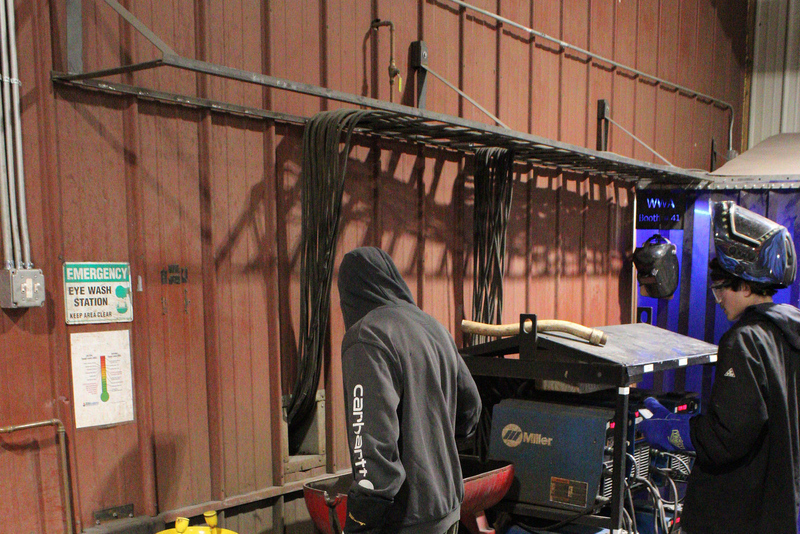
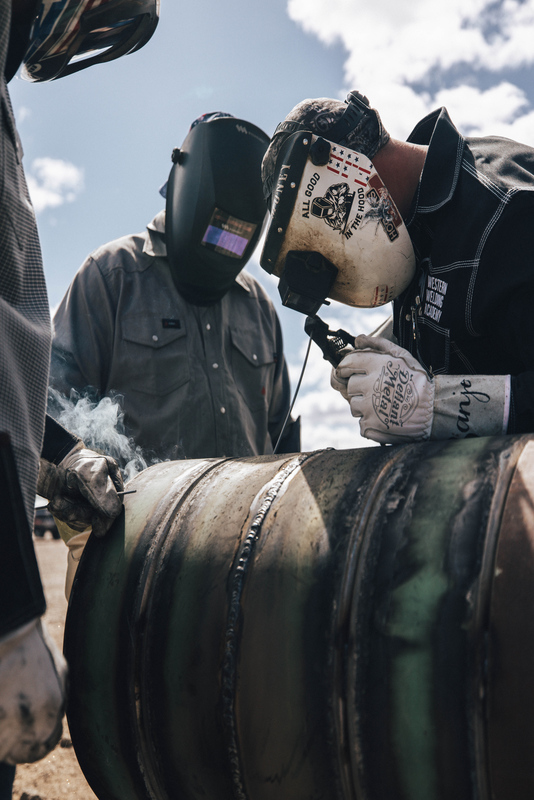
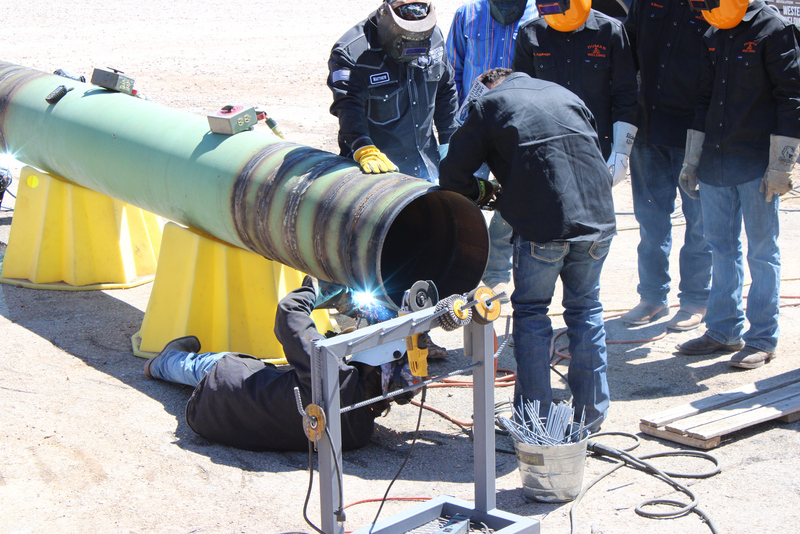
Western Welding Academy integrates safety training into every hour of booth time rather than treating it as a separate classroom lecture. Students wear full PPE from day one of the Foundational Pipe Welder program through graduation. This approach builds automatic habits that carry directly onto job sites. The school holds the number one ranking as an AWS Accredited Testing Facility and maintains 85 percent hands-on booth time across all programs.
This training approach produces measurable results. Western Welding Academy graduates achieve a 94 percent hire rate within 90 days, verified by a 234-alumni survey conducted in November 2024. Employers including SpaceX, Boilermakers locals, and Pipefitters unions specifically seek graduates who already understand PPE protocols, confined space safety, and fume management. Students who learn these skills under supervision make fewer mistakes and face fewer injuries once they enter the field. Learn more about what makes pipe welding a dangerous job and how proper training reduces risk.
What Western Welding Academy Graduates Earn
Graduates of Western Welding Academy earn verified paychecks that reflect the value of proper training, including safety skills that keep them working instead of sidelined by preventable injuries.
Source: WWA website (Leyton, Gavin, David). Graduate outcomes tracking (Noah, Hank).
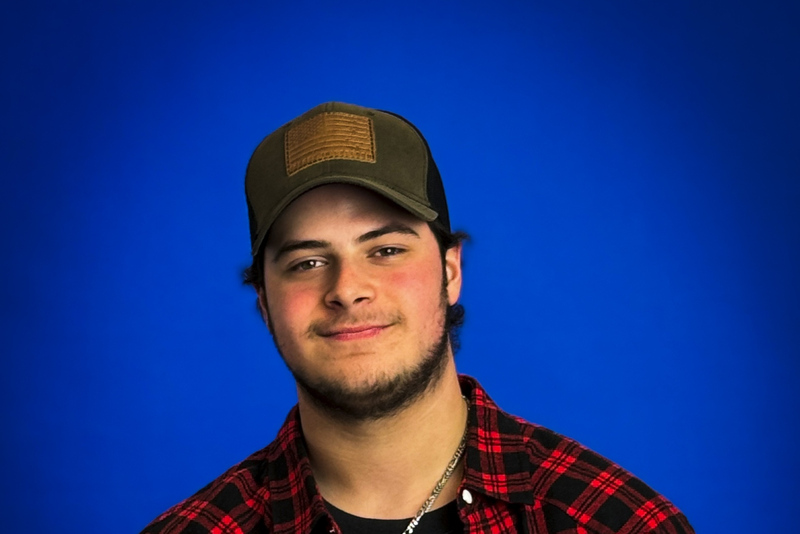
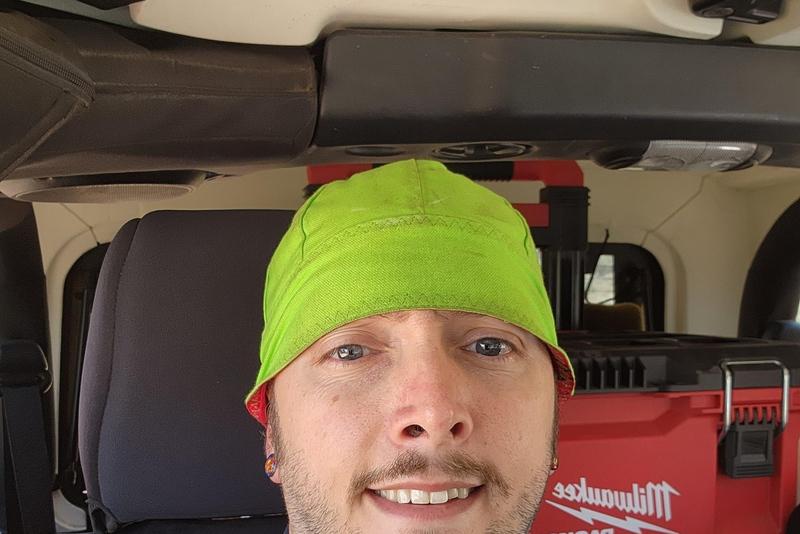
Leyton Wagner earns $4,514 per paycheck as a verified graduate of Western Welding Academy. His earnings reflect the premium that employers pay for welders who can produce quality work safely and consistently. Welders who understand PPE protocols spend more time welding and less time dealing with injuries or compliance violations.
Gavin Walden brings home $3,986 per paycheck. Gavin's consistent earning power comes from the combination of technical skill and safety discipline that Western Welding Academy builds into every program. Employers trust welders who treat safety gear as non-negotiable rather than optional.
David Smolek earns $3,417 per paycheck. Noah clears $2,800 per week working on the North Slope in Alaska, where extreme conditions make proper PPE even more critical. Hank reached $150,000 per year by age 21, proving that welders who start with the right habits can build six-figure careers within years of graduating. Read more about how welding school graduates earn high salaries across the country.
Ready to start your welding career with proper safety training from day one? Apply now or call Western Welding Academy at (307) 284-5313 today.
Frequently Asked Questions
Q1. What shade lens do I need for MIG welding?
Most MIG welding requires a filter lens between Shade 10 and Shade 13, depending on amperage. OSHA recommends starting with a shade that is too dark to see the weld zone, then moving to a lighter shade that provides a clear view without dropping below the minimum. An auto-darkening helmet adjusts automatically between processes.
Q2. Can welding fumes cause permanent lung damage?
Yes. NIOSH data shows welders face a 40 percent higher risk of lung cancer than the general population. Long-term fume exposure also causes chronic bronchitis, asthma, and siderosis. Proper ventilation, fume extraction equipment, and fitted respirators reduce these risks significantly when used consistently from the start of a welding career.
Q3. Do I need safety glasses under my welding helmet?
Yes. Safety glasses with side shields protect your eyes from debris, sparks, and residual UV exposure when you lift your helmet to inspect welds. OSHA and ANSI Z87.1 standards require this double layer of protection. Many experienced welders consider safety glasses the single most important piece of PPE they wear every day.
Q4. What type of respirator works best for welding?
A half-face air-purifying respirator with P100 cartridges and organic vapor filters handles most shop welding applications. For confined spaces or high-fume processes like stainless steel welding, a powered air-purifying respirator (PAPR) provides better protection. Proper fit testing is required to ensure the seal prevents fume leakage around the mask edges.
Q5. How do welding schools teach safety differently than on-the-job training?
Welding schools build PPE habits in a supervised environment where mistakes are corrected before they become dangerous. On-the-job training often skips formal safety instruction and relies on experienced coworkers who may have their own bad habits. Schools like Western Welding Academy require full PPE compliance from day one across all programs.
Q6. What makes Western Welding Academy different from other welding schools?
Western Welding Academy delivers 85 percent hands-on booth time with full PPE integration from the first day of training. The school holds a 94 percent hire rate within 90 days, verified by a 234-alumni survey. With over 2,000 graduates, 330 combined instructor years, and status as the number one AWS Accredited Testing Facility, the school produces job-ready welders who already understand safety protocols.
Start Your Welding Career with the Right Safety Foundation
Your eyes and lungs are not replaceable. The right training teaches you to protect them automatically, so you can focus on building a career that lasts decades instead of years. Call Western Welding Academy at (307) 284-5313 or apply now to start your training with safety built in from day one.

.jpg)


.jpg)


.jpg)
.jpg)
.jpg)
.jpg)
.jpg)
-thumbnail.jpg)

.jpg)