What Makes Galvanized Pipe Different
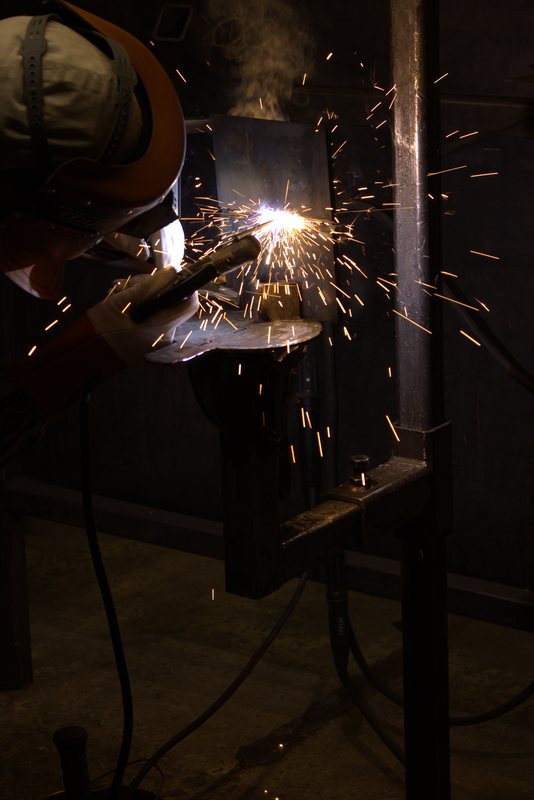
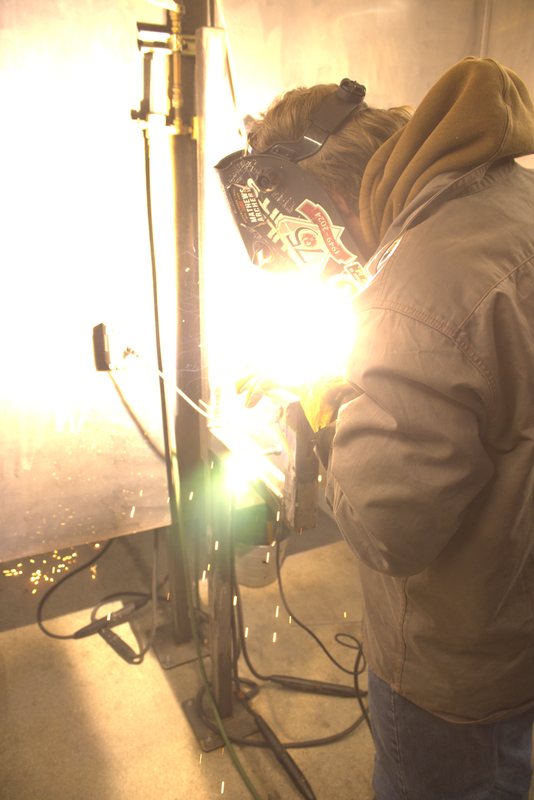
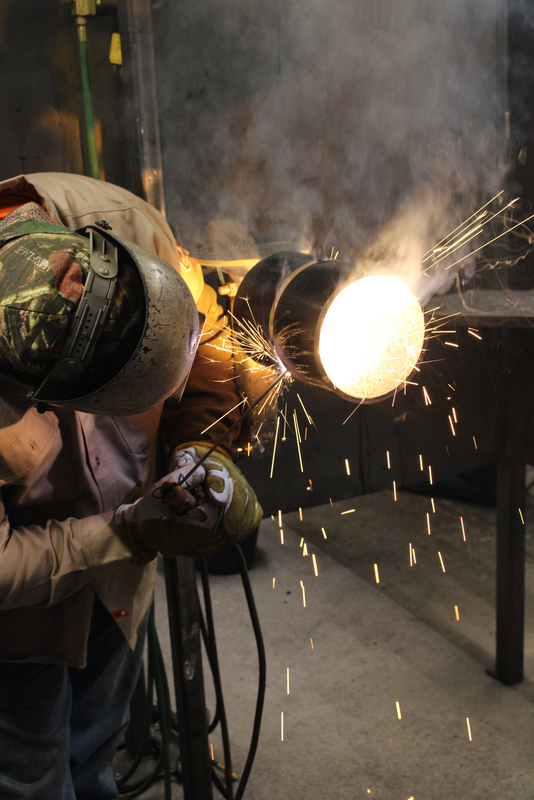
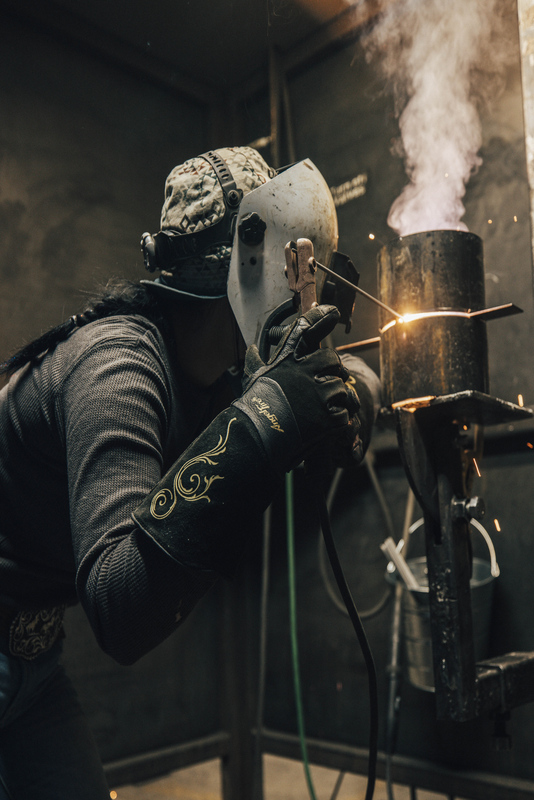
Galvanized pipe is steel pipe coated with a layer of zinc to prevent rust and corrosion. The zinc coating melts at approximately 787 degrees Fahrenheit, far below the temperatures a welding arc generates. When the arc hits the zinc, it vaporizes instantly, creating a dense white or yellowish smoke of zinc oxide fumes. These fumes are toxic and invisible once they disperse into the air.
The zinc coating also interferes with weld quality. Zinc vapor gets trapped in the weld pool and causes porosity (gas pockets), cracking, and weak fusion. A weld made directly over zinc coating is both dangerous to the welder and structurally compromised. This is why proper preparation is non-negotiable for any galvanized pipe welding job.
The Health Risks of Welding Galvanized Metal
Metal fume fever is the primary health risk. Symptoms include chills, fever, headache, nausea, muscle pain, and a metallic taste in the mouth. Symptoms typically appear 4 to 12 hours after exposure and last 24 to 48 hours. Repeated exposure can cause chronic respiratory problems. OSHA sets a permissible exposure limit (PEL) of 5 mg/m3 for zinc oxide fumes over an 8-hour period.
A standard N95 disposable respirator does not provide adequate protection against zinc oxide fumes. At minimum, use a half-face respirator with P100 particulate filters and an organic vapor cartridge. For enclosed spaces or heavy galvanized work, a powered air-purifying respirator (PAPR) is the safest option. Maximum ventilation and fume extraction are required alongside respiratory protection. Learn more about how to protect your eyes and lungs while welding.
Ready to launch your welding career? Apply now or call Western Welding Academy at (307) 284-5313 today.
Method 1: Grind Off the Zinc Before Welding
The safest and most reliable method is removing the zinc coating from 1 to 4 inches on either side of the weld joint using an angle grinder with a flap disc or grinding wheel. Once the zinc is removed, the underlying steel welds like any other carbon steel pipe. After welding, the exposed area can be re-coated with zinc-rich paint or cold galvanizing compound to restore corrosion protection.
This method produces the cleanest welds with no porosity from zinc vapor, no toxic fume exposure, and no compromise in joint strength. It is the standard practice for any structural or pressure application on galvanized pipe. The extra time spent grinding saves time that would otherwise be lost to rework, health issues, and failed inspections.
Method 2: Welding Through the Zinc Coating
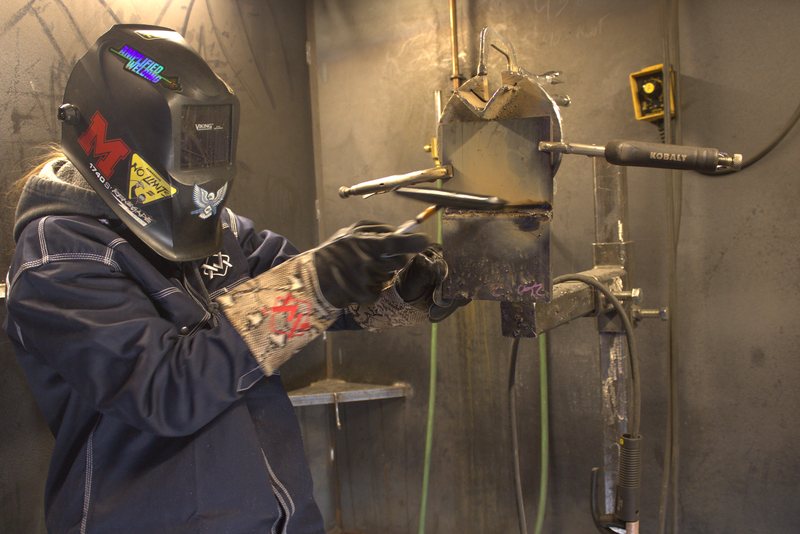
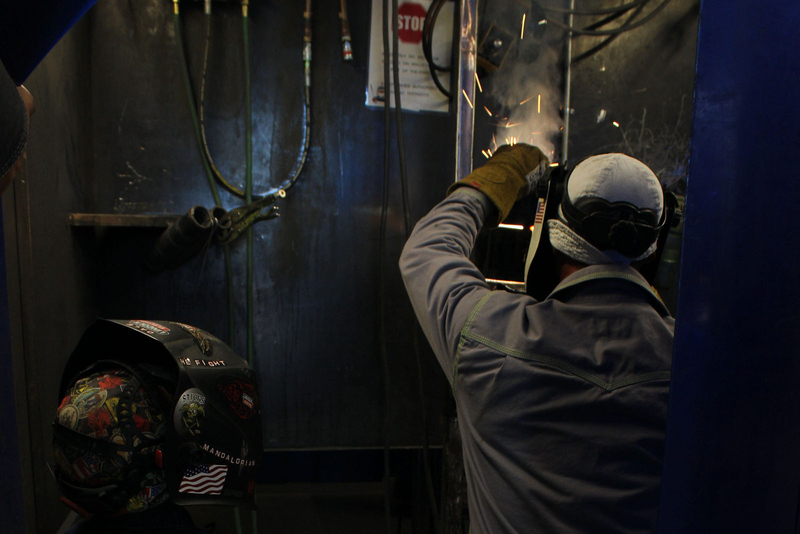
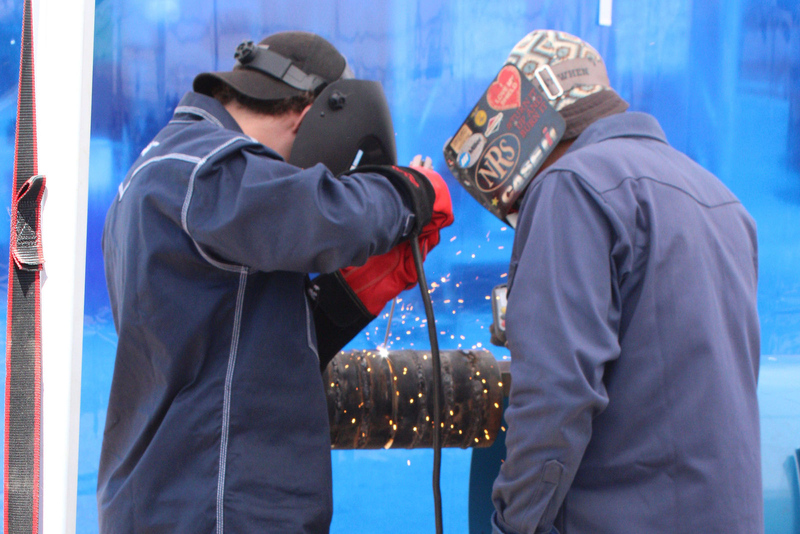
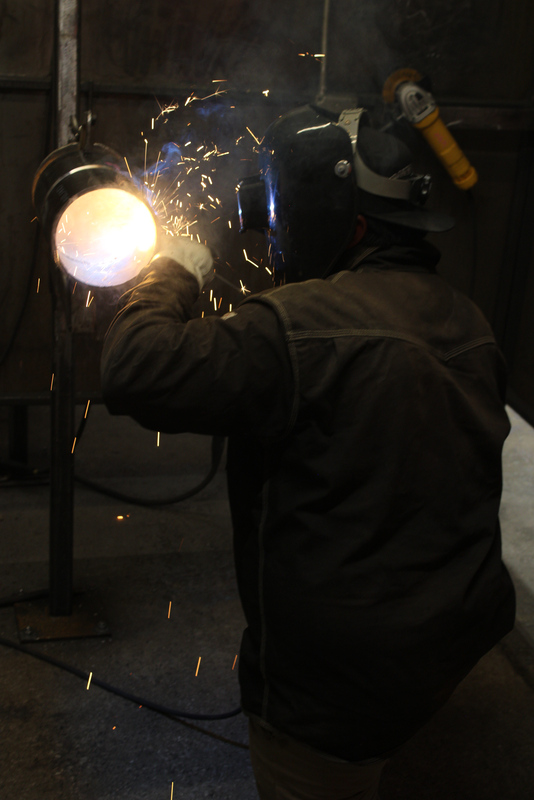
When grinding is not practical, such as on thin-wall pipe or in the field, welders use specific techniques to manage the zinc. Stick welding with E6013 or E7018 electrodes works better on galvanized material than MIG because the flux helps manage the zinc vapor. Reduce travel speed slightly to allow zinc to burn off ahead of the weld pool. Use a whipping or weaving motion to push the zinc vapor away from the joint.
Welding through the zinc always requires maximum ventilation, respiratory protection, and acceptance that weld quality will be lower than on clean steel. This method is acceptable for non-structural, low-pressure applications but is not recommended for code-quality or structural work.
| Method | Safety Level | Weld Quality | Best For |
|---|---|---|---|
| Grind off zinc + weld | Highest (no fumes) | Best (clean steel) | Structural, code work |
| Stick weld through zinc | Requires full PPE + ventilation | Acceptable (some porosity) | Field, non-structural |
| MIG weld through zinc | Requires full PPE + ventilation | Lower (more porosity) | Thin wall, non-critical |
| WWA Training | Safety-first approach, all processes, 85% booth time, 94% hire rate | ||
Why Proper Training Covers Every Material Scenario
Western Welding Academy trains students on the safety protocols and material handling skills that professional job sites demand. With 85 percent booth time across MIG, TIG, stick, and flux-core, students learn to assess material conditions and apply the correct preparation for every welding scenario. The school holds a 94 percent hire rate within 90 days, verified by a 234-alumni survey. With 2,000 graduates, 330 combined instructor years, and the number one AWS Accredited Testing Facility ranking, the school produces welders who know when to grind, when to adjust their process, and when to stop and protect themselves.
What Western Welding Academy Graduates Earn
Graduates of Western Welding Academy earn verified paychecks that reflect the value of welders who can handle any material safely and correctly.
Source: WWA website (Leyton, Gavin, David). Graduate outcomes tracking (Noah, Hank).
Leyton Wagner earns $4,514 per paycheck. Gavin Walden takes home $3,986. David Smolek earns $3,417. Noah clears $2,800 per week on the North Slope. Hank reached $150,000 per year by age 21. Versatile welders who handle challenging materials safely stay employed and advance faster. See what pipe welders earn across specialties.
Ready to launch your welding career? Apply now or call Western Welding Academy at (307) 284-5313 today.
Frequently Asked Questions
Q1. Can you MIG weld galvanized pipe?
Yes, but MIG welding on galvanized pipe produces more spatter and porosity than on clean steel because the shielding gas does not manage zinc vapor as well as flux-based processes. Grinding the zinc off first is the preferred approach. If MIG is the only option, increase ventilation and use a respirator.
Q2. What happens if you breathe galvanized welding fumes?
Breathing zinc oxide fumes causes metal fume fever, with symptoms including chills, fever, nausea, headache, and muscle pain appearing 4 to 12 hours after exposure. The illness usually resolves in 24 to 48 hours but repeated exposure can cause chronic respiratory problems.
Q3. Do you have to grind off galvanizing before welding?
Grinding is not absolutely required for every application, but it is the safest and highest-quality method. Code-quality and structural welding on galvanized pipe should always include zinc removal before welding. Non-structural, low-pressure applications can sometimes be welded through the coating with proper safety precautions.
Q4. What is the best welding rod for galvanized pipe?
E6013 and E7018 stick electrodes are commonly used for welding galvanized pipe when the zinc cannot be removed. The flux coating helps manage zinc vapor and improves weld quality compared to gas-shielded processes on zinc-coated material.
Q5. Can you restore the zinc coating after welding?
Yes. After welding, apply zinc-rich paint or cold galvanizing compound (95 percent zinc in a dried film) to the exposed area. This restores corrosion protection to the weld zone and surrounding heat-affected areas where the original zinc coating was damaged or removed.
Q6. What makes Western Welding Academy different from other welding schools?
Western Welding Academy delivers 85 percent hands-on booth time with comprehensive safety training integrated into every session. The school holds a 94 percent hire rate within 90 days, verified by a 234-alumni survey. With 2,000 graduates, 330 combined instructor years, and the number one AWS Accredited Testing Facility ranking, graduates handle every material scenario safely.
Learn to Weld Every Material Safely
Galvanized pipe is one of many materials you will encounter on the job. The right training prepares you for all of them. Call Western Welding Academy at (307) 284-5313 or apply now to build skills that cover every material.


.jpg)


.jpg)


.jpg)
.jpg)
.jpg)
.jpg)
.jpg)
-thumbnail.jpg)

.jpg)