What the Position Numbers Actually Mean
Welding positions use a numbering system defined by the American Welding Society (AWS) and the welding codes that govern specific industries. The number indicates the joint orientation and the letter indicates whether the test is on plate (G for groove) or pipe (G also for groove on pipe). In pipe welding, the positions that matter most are 1G, 2G, 5G, and 6G.
The key principle is simple: higher position numbers mean the pipe is fixed in a more difficult orientation, and the welder must adapt their technique to handle gravity pulling the molten weld pool in challenging directions. Each step up in position requires more skill, more practice, and more precise control of the arc.
1G Position: Rolled Pipe
In the 1G position, the pipe rotates on rollers while the welder holds a fixed position. The welder always welds in the flat position because the pipe turns to keep the weld zone on top. This is the easiest pipe welding position because gravity works in the welder's favor throughout the entire weld.
A 1G certification demonstrates basic welding ability but has limited value in the field. Most pipeline work involves fixed pipe that cannot be rolled. Fabrication shops and some structural applications use rolled pipe, but the pay reflects the lower skill requirement. Welders certified only in 1G typically earn $18 to $25 per hour in shop environments.
Train through all welding positions and earn 6G certification. Apply now or call (307) 284-5313.
2G Position: Horizontal Fixed Pipe
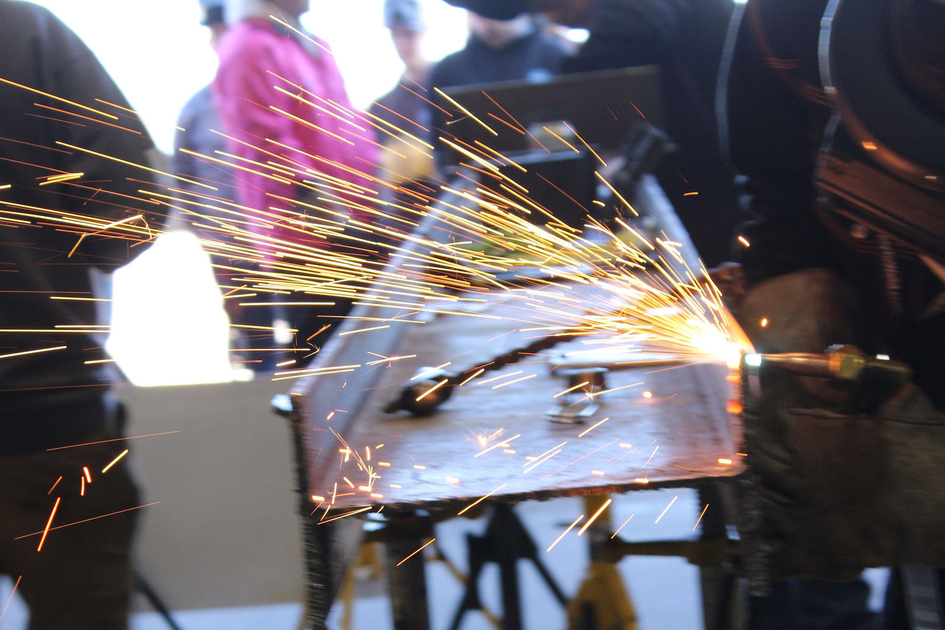
In the 2G position, the pipe is fixed with its axis vertical, and the welder welds around the joint in the horizontal position. The weld axis is horizontal, meaning gravity pulls the molten metal downward throughout the weld. The welder must control travel speed and heat input to prevent the weld pool from sagging.
A 2G certification shows the welder can handle gravity effects on the weld pool, but it still represents a limited scope of capability. Some vessel and tank fabrication work requires 2G skills, but pipeline contractors rarely hire based on 2G certification alone.
5G Position: Fixed Horizontal Pipe
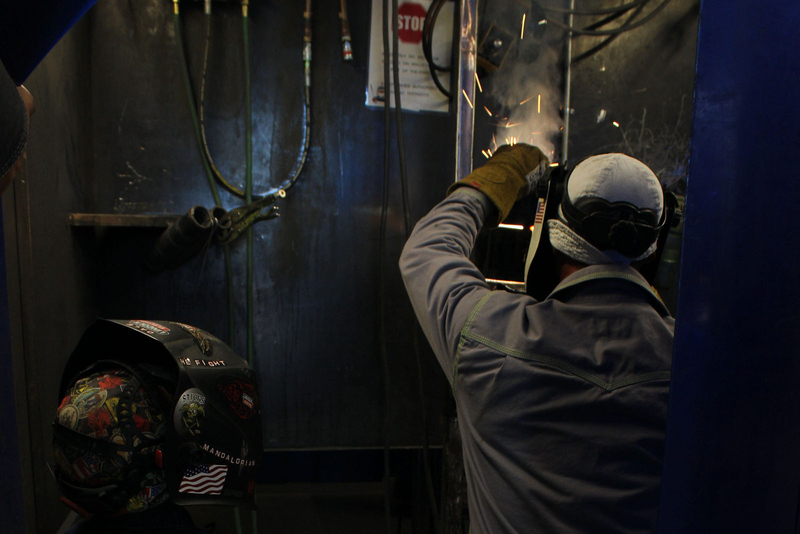
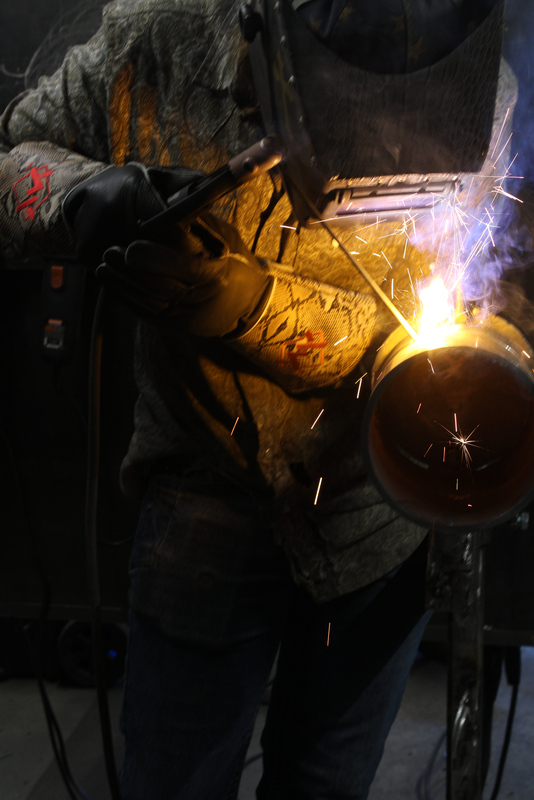
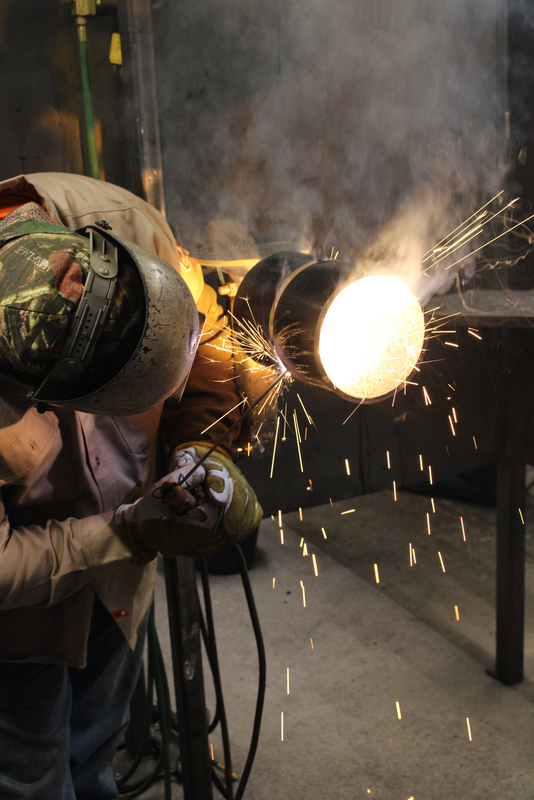
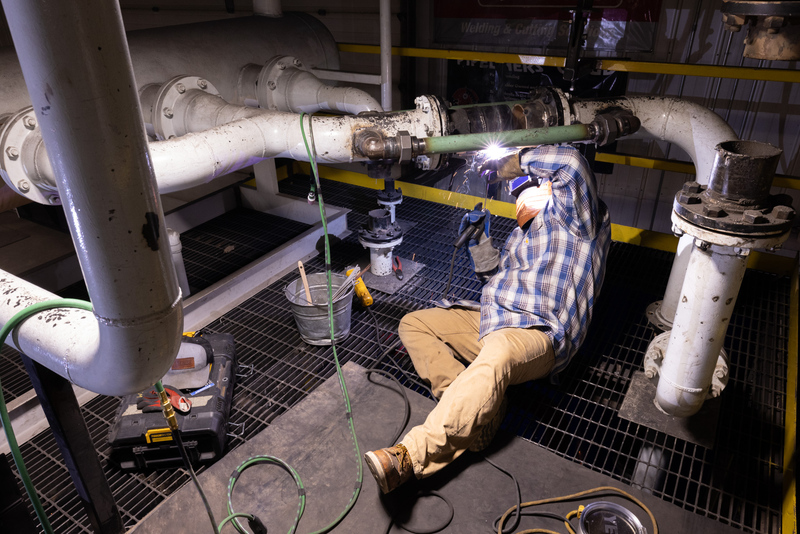
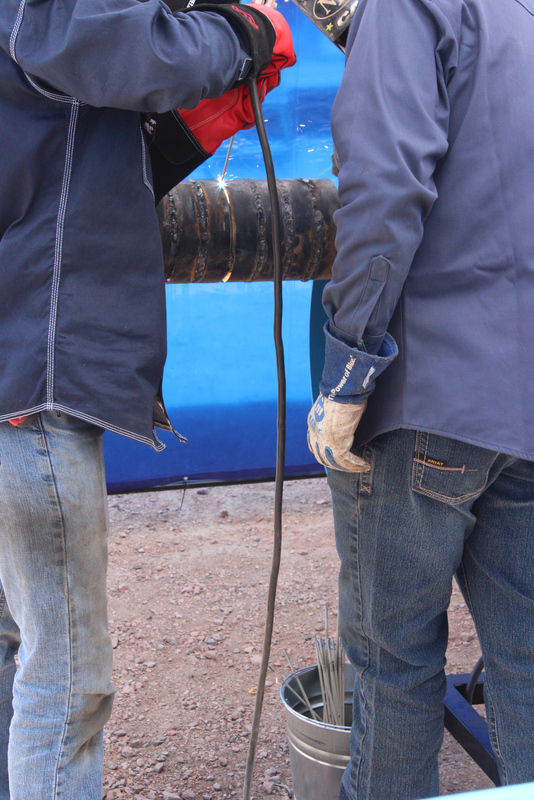
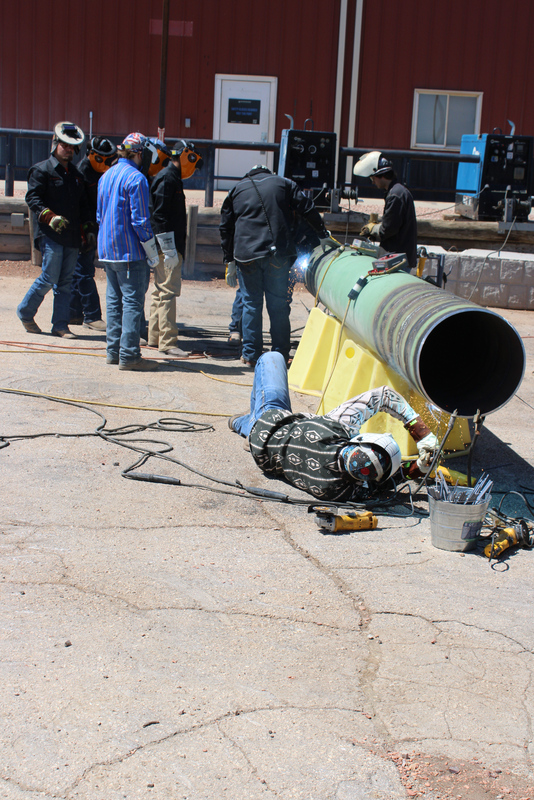
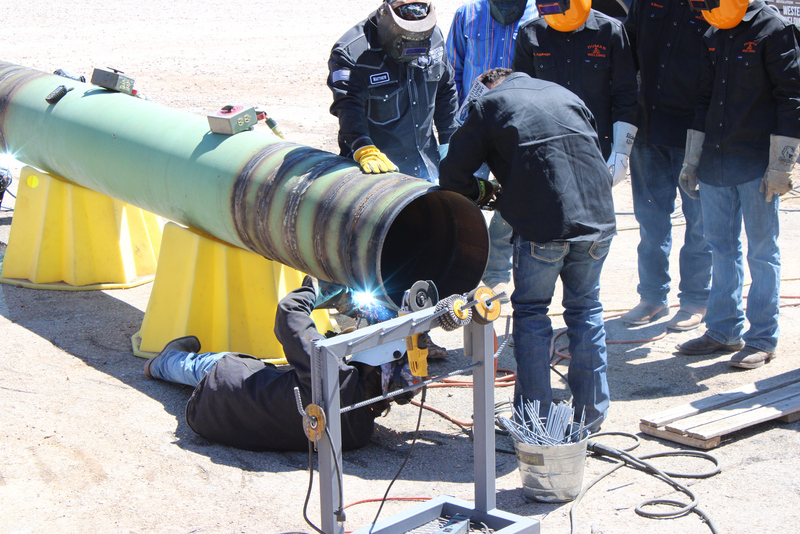
In the 5G position, the pipe is fixed with its axis horizontal. The welder must weld around the entire circumference of the joint, moving from the bottom (6 o'clock position), up one side to the top (12 o'clock), and then back down the other side to complete the weld. This means the welder transitions through overhead, vertical, and flat positions in a single continuous weld.
The 5G position is where pipe welding gets serious. The welder must adjust technique, travel speed, and heat input continuously as the position changes around the pipe. Overhead welding at the bottom of the joint fights gravity directly. Vertical welding on the sides requires controlled uphill or downhill travel. Flat welding at the top must avoid excessive buildup. Mastering these transitions is what separates competent pipe welders from hobbyists.
A 5G certification qualifies the welder for most fixed pipe applications and opens doors to refinery, power plant, and process piping work. Pay ranges from $28 to $40 per hour depending on the industry and region.
6G Position: The Pipeline Standard
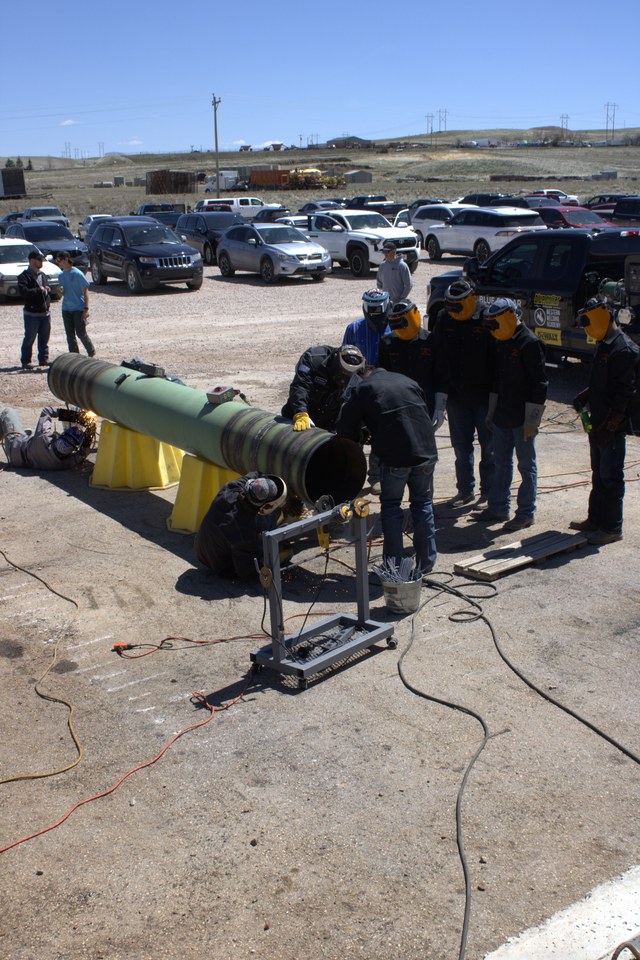
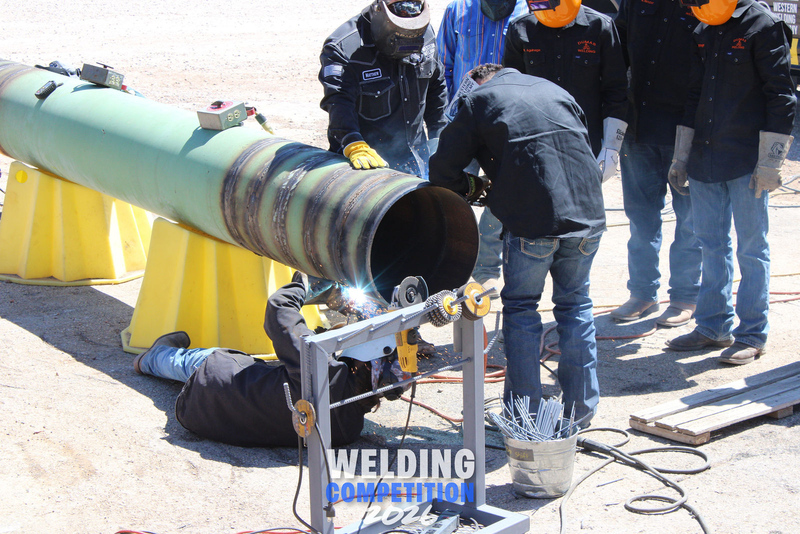
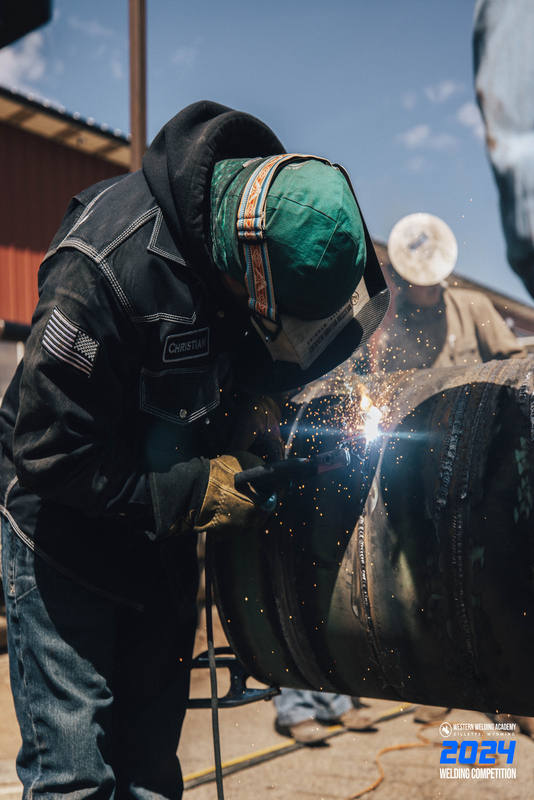
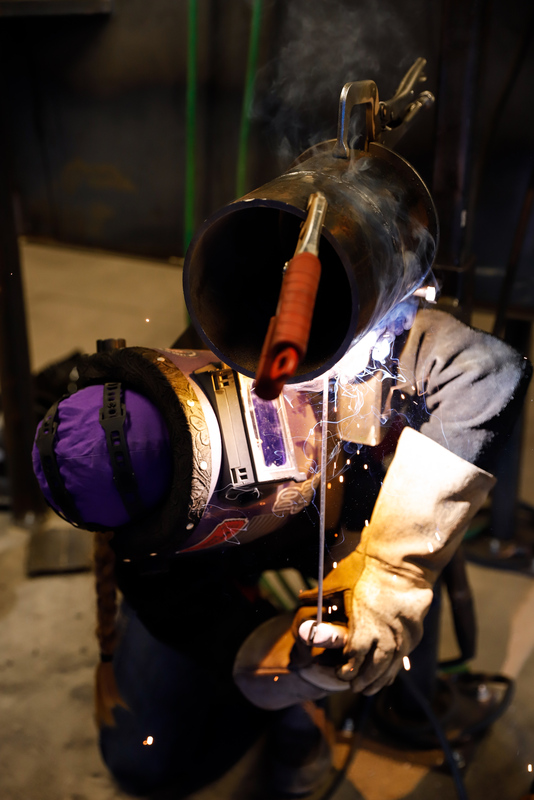
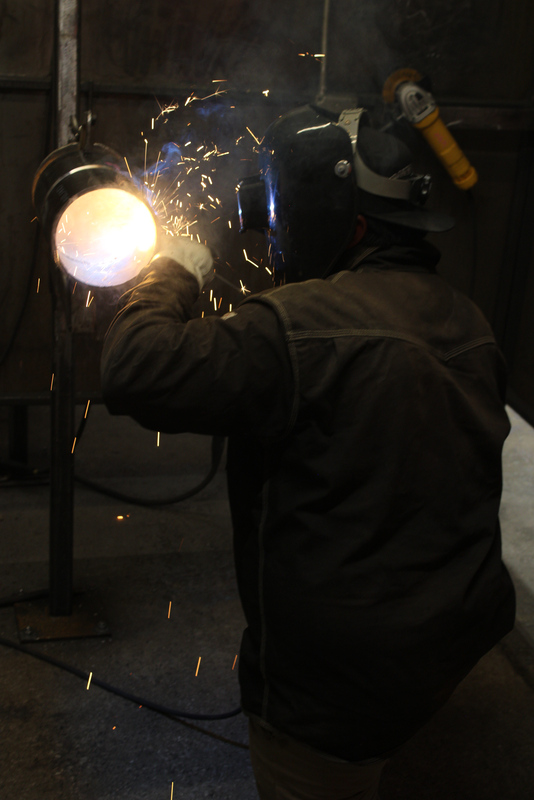
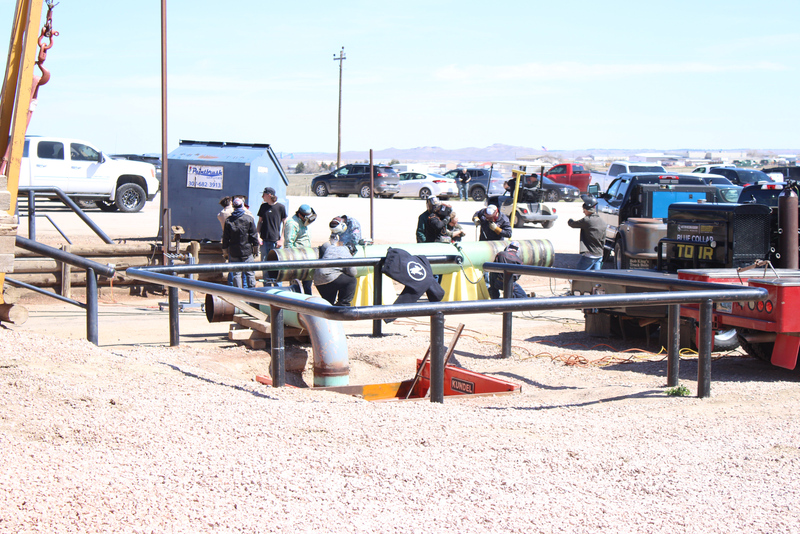
In the 6G position, the pipe is fixed at a 45 degree angle. This is the most difficult test position because it combines every welding challenge into a single joint. The welder must handle flat, vertical, horizontal, and overhead positions simultaneously, with the transitions happening at angles that make technique adjustments even more demanding than in 5G.
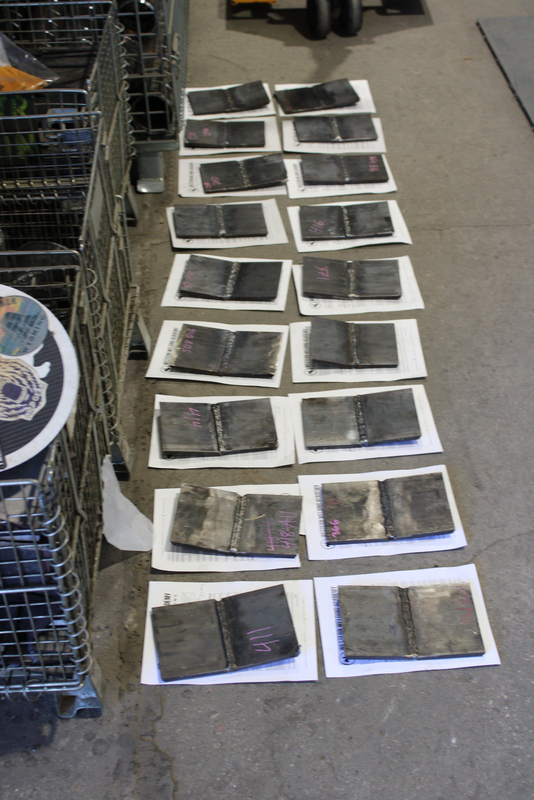
A 6G certification is the industry standard for pipeline welding because it qualifies the welder for every lower position. If you can pass a 6G test, you can weld in any orientation on any fixed pipe joint. Pipeline contractors require 6G because they cannot predict which position a specific joint will present in the field. A welder who can only handle certain positions is a liability on a production spread.
Combined with API 1104 certification, a 6G qualification opens cross country pipeline work, where welders earn $45 to $75 per hour plus per diem. This is where the highest pipeline earnings come from, and it requires proving you can handle the hardest position under the strictest code.
Why Position Progression Matters in Training
Jumping straight to 6G without building skills through the lower positions creates gaps in technique that surface during testing and field work. Each position teaches specific skills: 1G develops arc control and bead consistency. 2G teaches gravity management. 5G builds the transition skills needed to maintain quality around an entire pipe joint. 6G combines everything and adds the angular complexity that tests a welder's complete skill set.
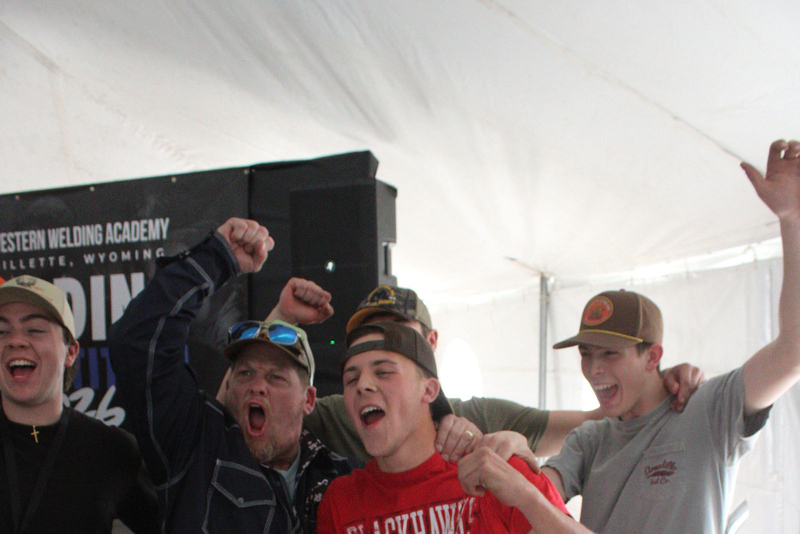
At Western Welding Academy, students progress through all pipe welding positions during their program. The Foundational Pipe Welder program builds from basic positions through 6G over 12 weeks with 85% hands-on booth time. The Professional Pipe Welder and Expert Pipe Welder programs add multi-process 6G skills and API 1104 testing. This progression ensures graduates can handle every position they encounter on the job.
What 6G Certification Is Worth
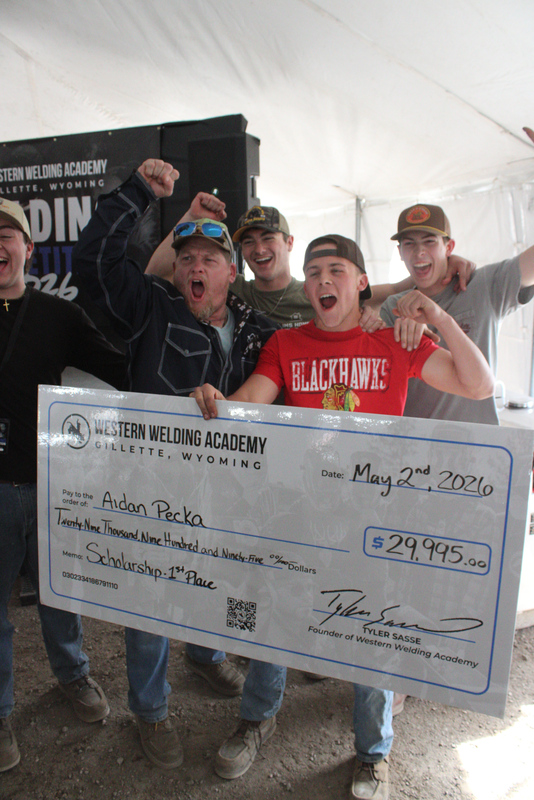
Pipeline welders certified in 6G with API 1104 earn the highest wages in the welding trade because they can handle any joint on any project. Contractors pay premium rates for welders who do not need to be assigned only to easy positions. A 6G welder fills any slot on the crew. Western Welding Academy graduates enter the pipeline workforce with 6G certification and the hands-on practice to back it up. The academy's 94% placement rate within 90 days proves that employers trust the certification and the training behind it.
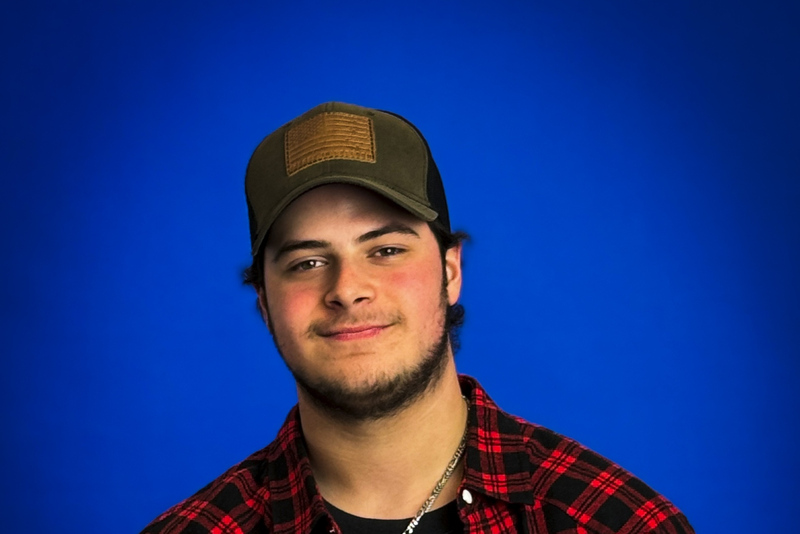
Leyton Wagner earns $4,514 per paycheck. His 6G certification at Western Welding Academy qualified him for every position on pipeline joints, so contractors trust him on any weld regardless of orientation.
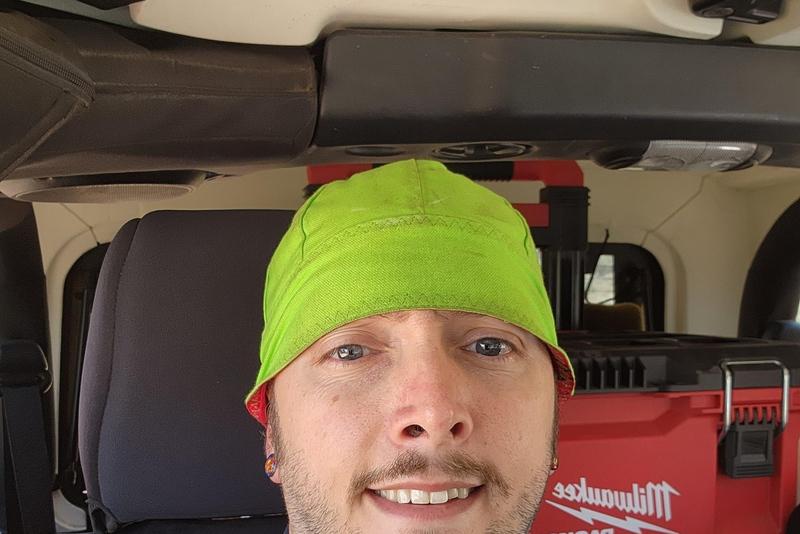
Gavin Walden takes home $3,986 per paycheck. His ability to transition smoothly between positions on a 6G pipe joint means he produces consistent welds at every clock position around the pipe.
David Smolek earns $3,417 per paycheck. His 6G training built the overhead and vertical skills that many welders never develop because they trained only in easier positions.
Noah clears $4,800 per week on pipeline projects. His 6G certification across SMAW, GTAW, and FCAW processes means he qualifies for any welding procedure a pipeline contractor hands him.
Hank crossed $150,000 per year before age 22. His 6G skills earned him positions on high stakes joints where only welders certified in the hardest position are allowed to work.
How to Get From 1G to 6G
Start by understanding that position progression is a skill development path, not a shortcut. Each position builds on the previous one. A welder who struggles in 2G is not ready for 5G. A welder who struggles in 5G will fail 6G. Structured training with expert instructors who correct your technique at each stage is the fastest and most reliable path to 6G certification.
Self teaching through position progression wastes time and builds bad habits. An instructor who has welded pipeline joints in the field can see exactly where your technique breaks down and fix it before the problem compounds. That coaching is the difference between spending months stuck on 5G and progressing to 6G in weeks.
Progress from beginner to 6G certified in 12 weeks. Apply now or call (307) 284-5313.
Frequently Asked Questions
Q1. Does 6G certification qualify you for all lower positions?
Yes. A 6G certification qualifies the welder for welding in every lower position: 1G, 2G, and 5G. This is why pipeline contractors require 6G. It proves the welder can handle any joint orientation they encounter in the field without needing a separate certification for each position.
Q2. What is the hardest part of welding in the 6G position?
The overhead to vertical transition at the bottom of the joint is the most challenging. Gravity pulls the molten metal directly away from the joint, and the welder must adjust arc length, travel speed, and electrode angle simultaneously to maintain a sound weld pool while moving through the transition zone.
Q3. Can you get hired on a pipeline with only a 5G certification?
Some contractors hire 5G welders for specific applications, but most cross country pipeline work requires 6G with API 1104. The earning potential difference is significant. A 5G welder may earn $28 to $40 per hour, while a 6G pipeline welder earns $45 to $75 per hour plus per diem.
Q4. How long does it take to learn 6G pipe welding?
With structured full time training at 85% booth time, students at Western Welding Academy progress from beginner to 6G certified in 12 weeks. Self taught welders often spend 6 to 12 months reaching the same level because they lack expert feedback to correct technique problems early.
Q5. What is the difference between 6G and 6GR?
6GR adds a restriction ring around the pipe joint that limits the welder's access angle. It tests the welder's ability to work in tight spaces with restricted visibility. Some specialty pipeline and refinery work requires 6GR certification in addition to standard 6G.
Q6. What makes Western Welding Academy different from other welding schools?
Western Welding Academy trains students through all pipe welding positions to earn 6G and API 1104 certification with 85% hands-on booth time, on-site AWS accredited testing, a 94% placement rate within 90 days, and named graduates earning $3,400 to $4,800 per paycheck. Over 2,000 graduates from all 50 states have completed the program.
Earn the Certification That Opens Every Pipeline Job
Position matters. 6G certification is what separates welders who earn shop wages from welders who earn pipeline wages. Western Welding Academy trains you through every position to earn the certification contractors require. Call Western Welding Academy at (307) 284-5313 or apply now to start the position progression that leads to 6G certification and pipeline pay.

.jpg)


.jpg)


.jpg)
.jpg)
.jpg)
.jpg)
.jpg)
-thumbnail.jpg)

.jpg)