What Are the Steps to Become a Welder?
The path to becoming a welder follows a straightforward sequence. First, you need a high school diploma or GED. This is the minimum requirement for enrollment at most accredited welding programs and trade schools. No prior welding experience is required at schools like Western Welding Academy, which accepts beginners across all four programs.
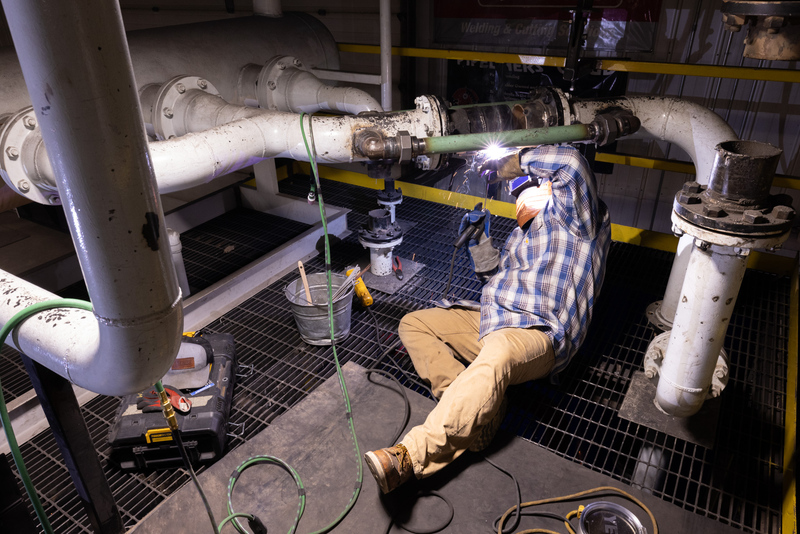
Second, you choose a welding program that matches your career goals. Pipe welding programs prepare you for pipeline, refinery, and power plant work with starting salaries between $50,000 and $125,000. Structural welding programs target commercial construction and fabrication roles. The program you choose determines the certifications you earn and the jobs you qualify for on graduation day.
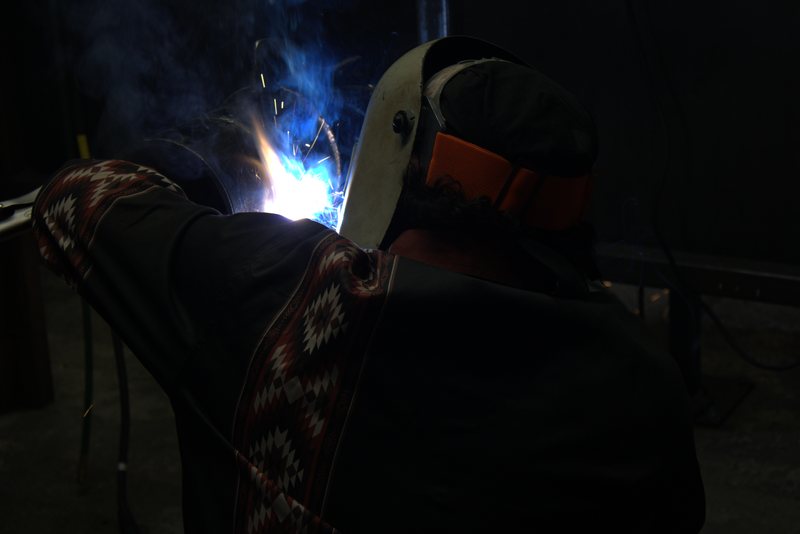
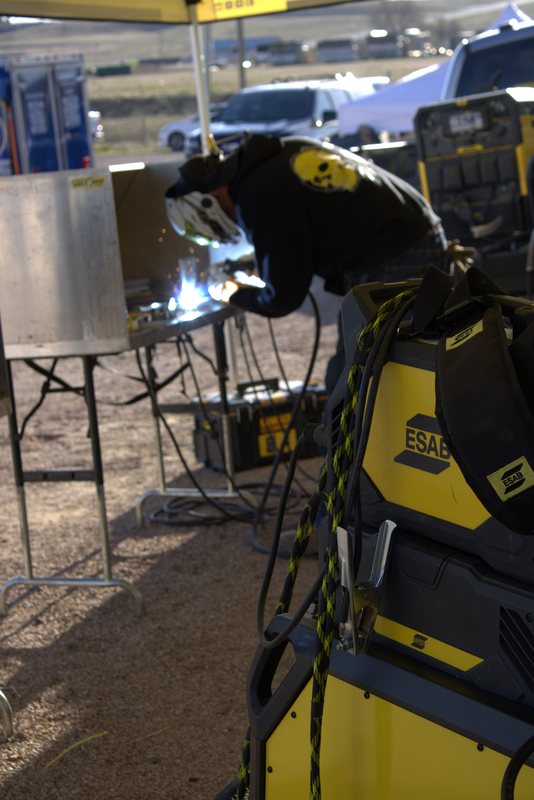
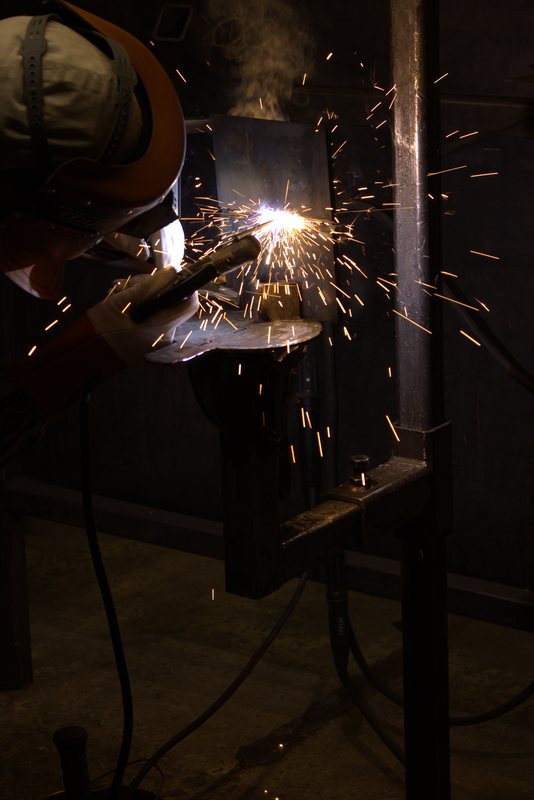
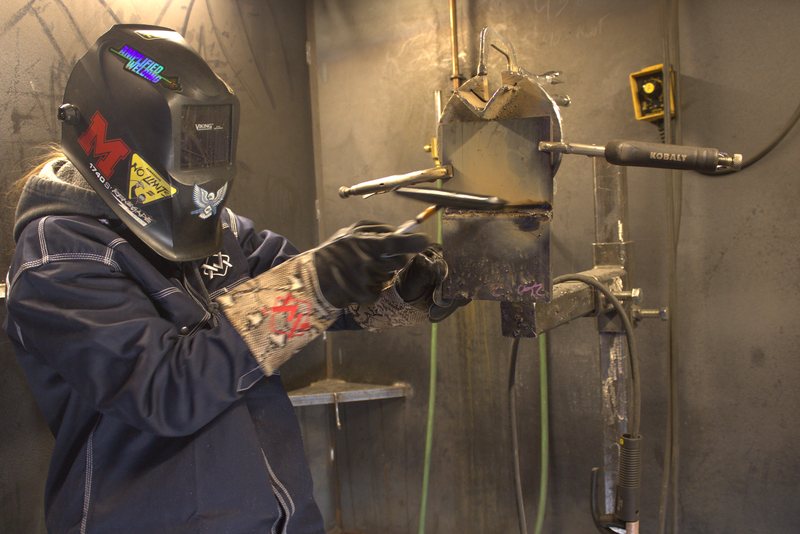
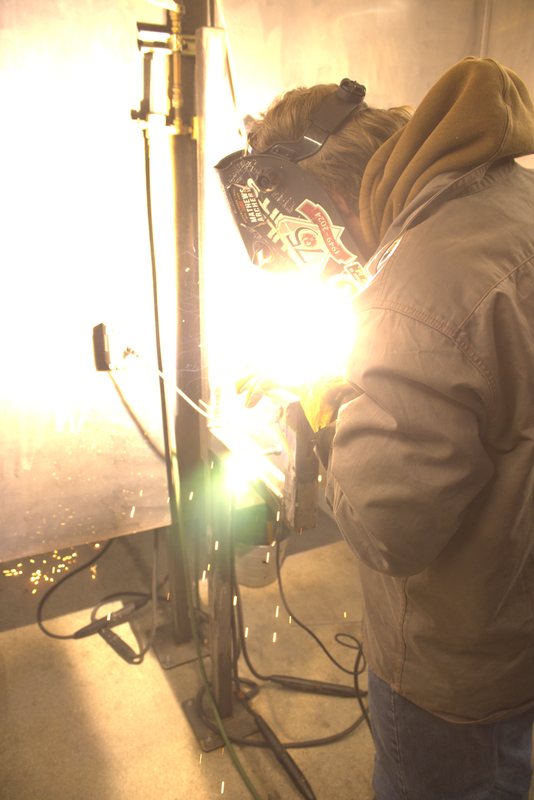
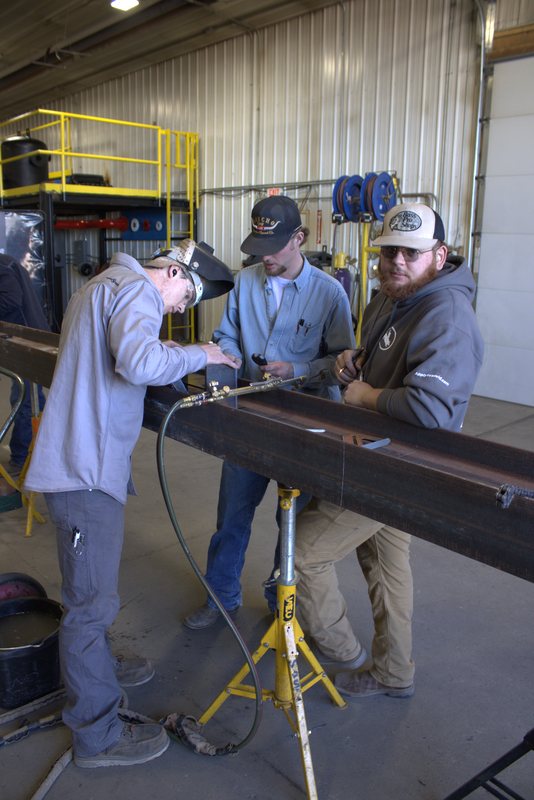
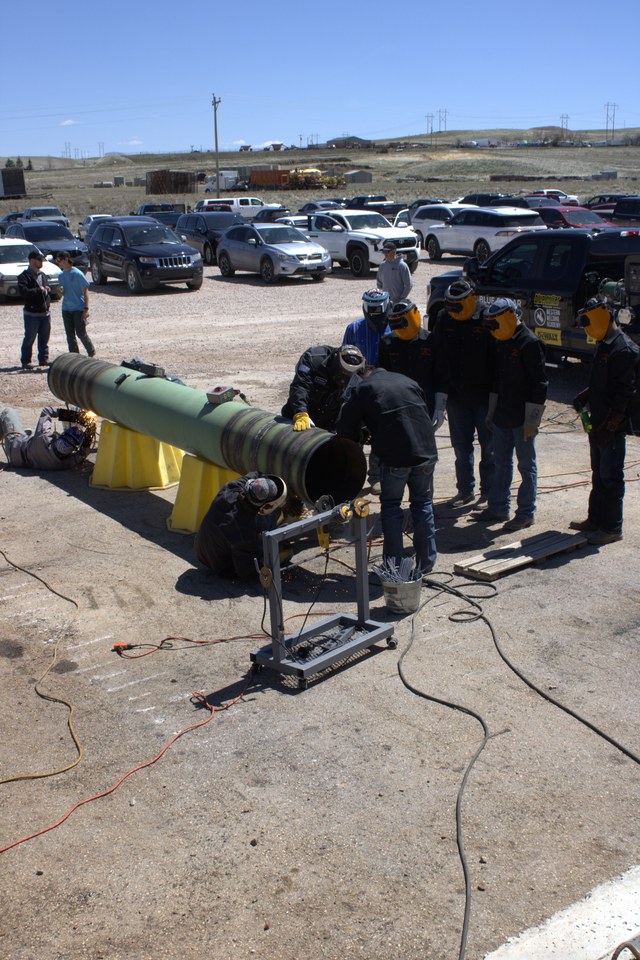
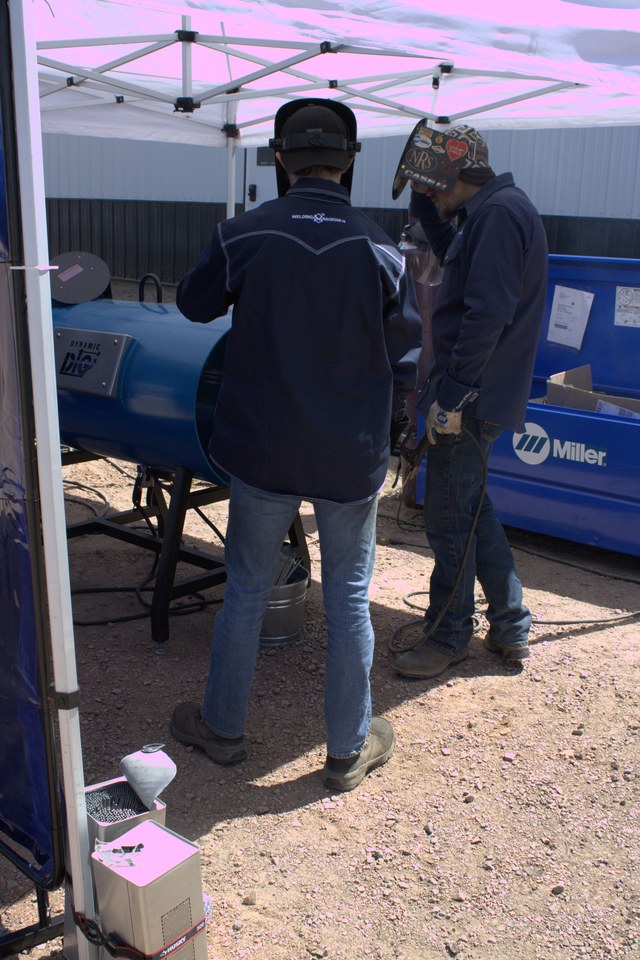
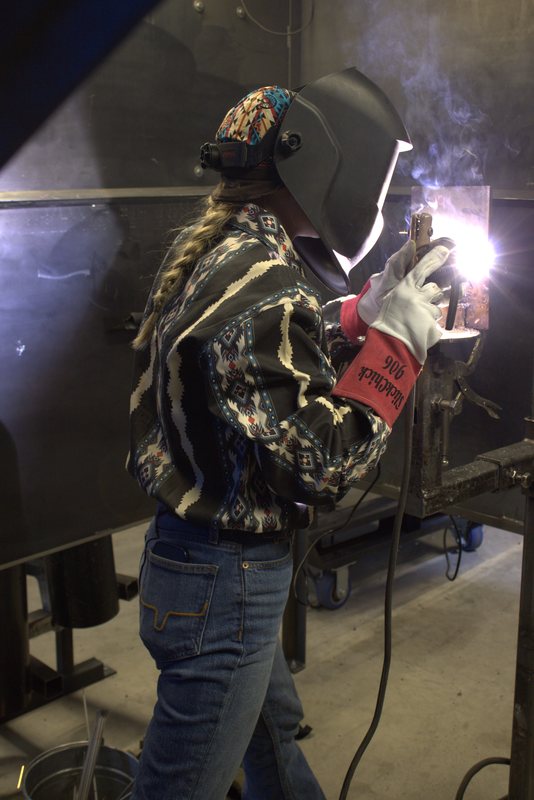
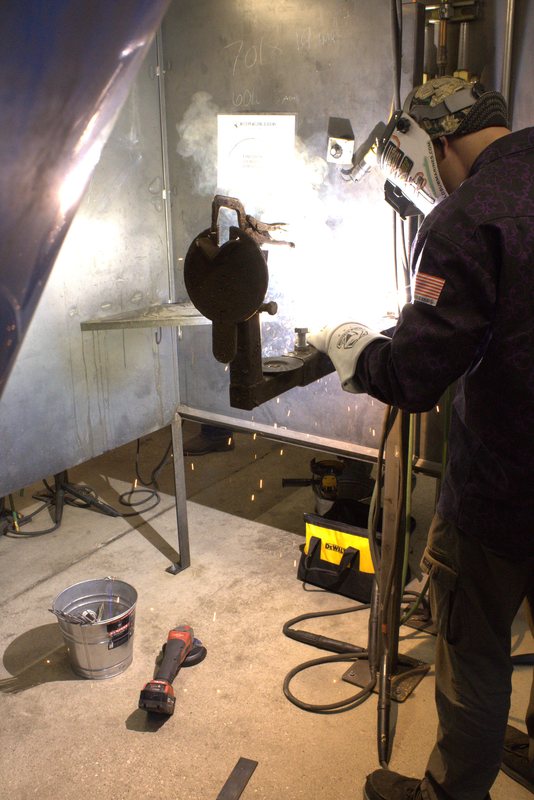
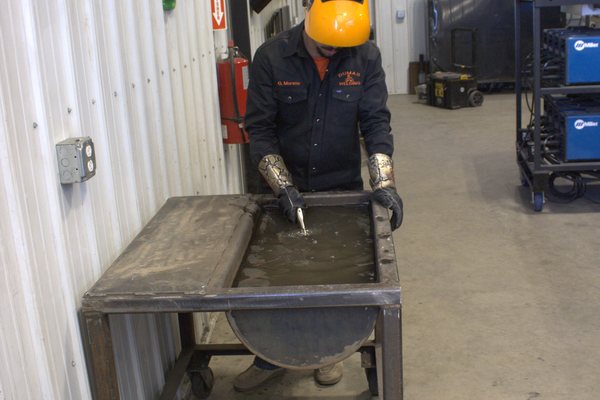
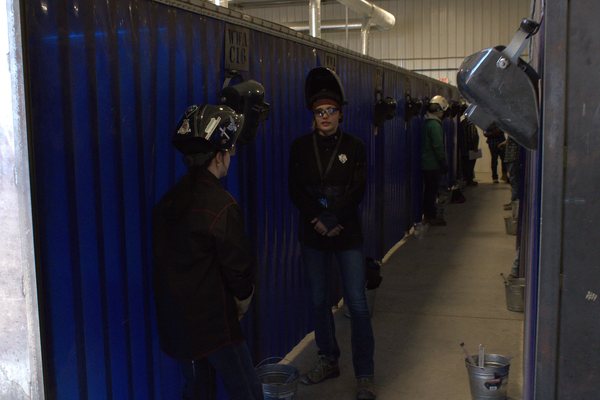
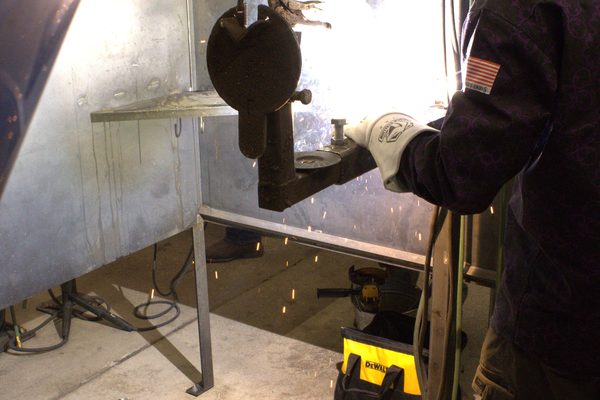
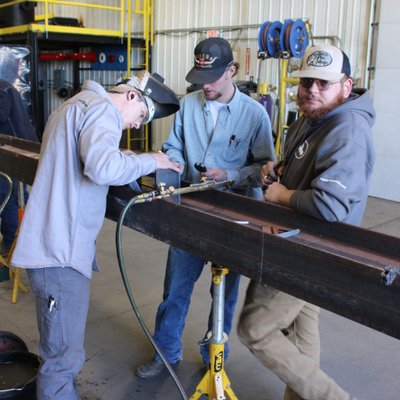
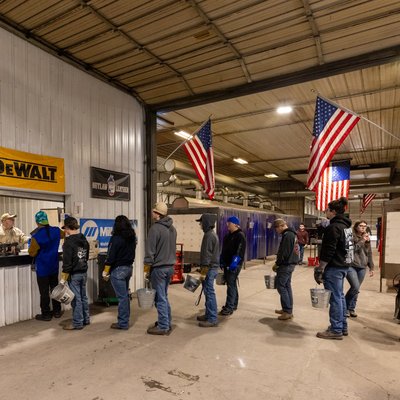
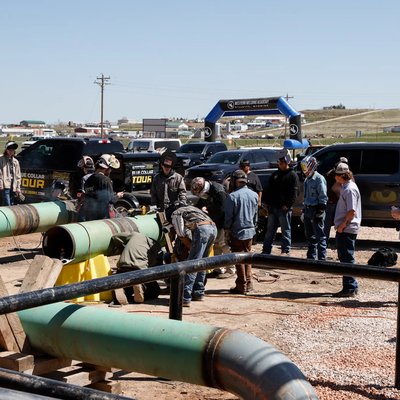
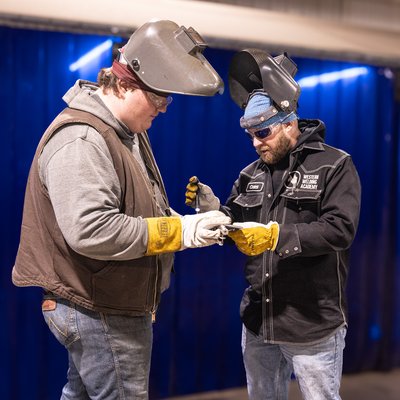
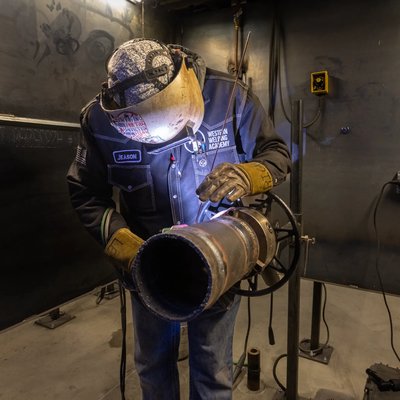
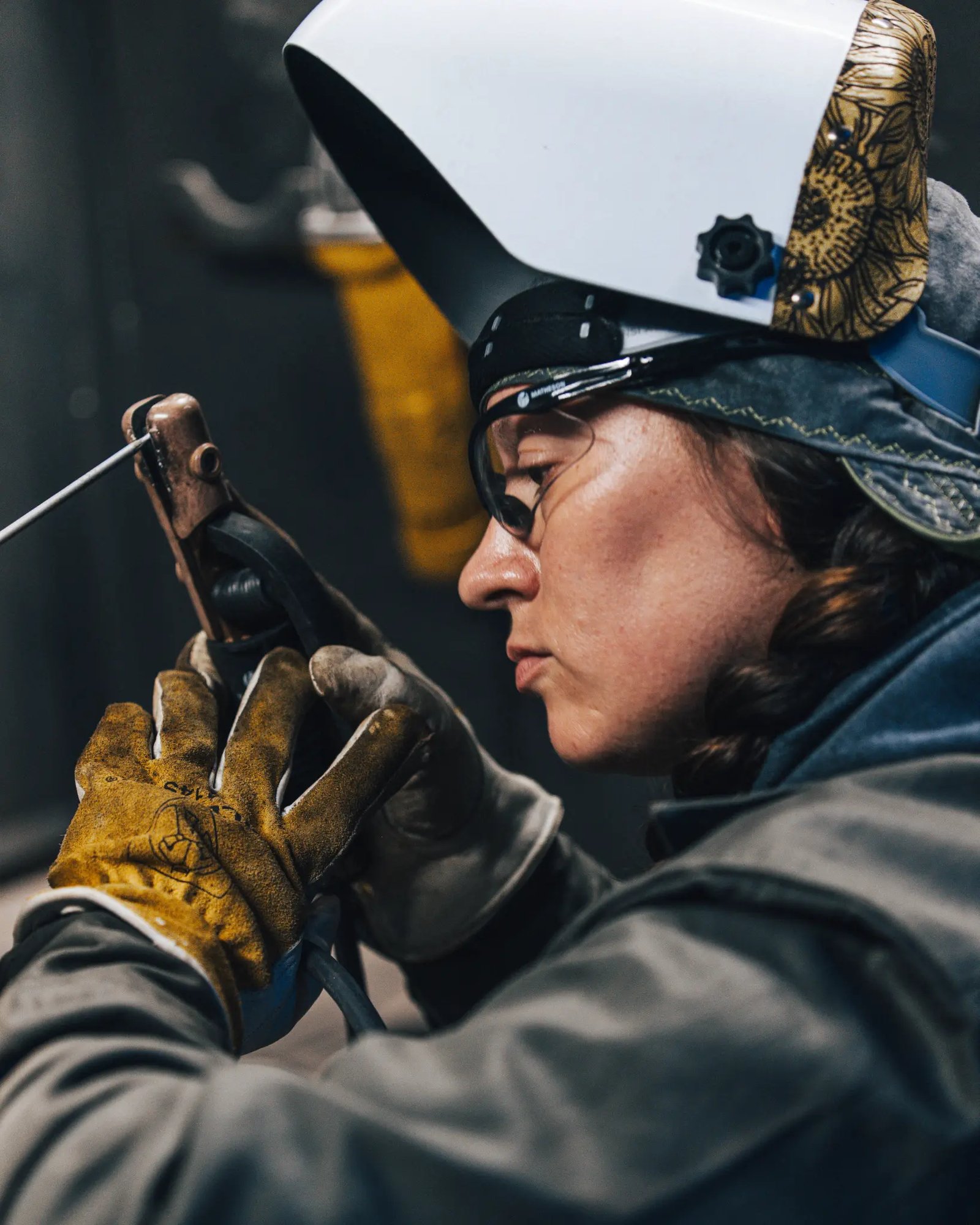
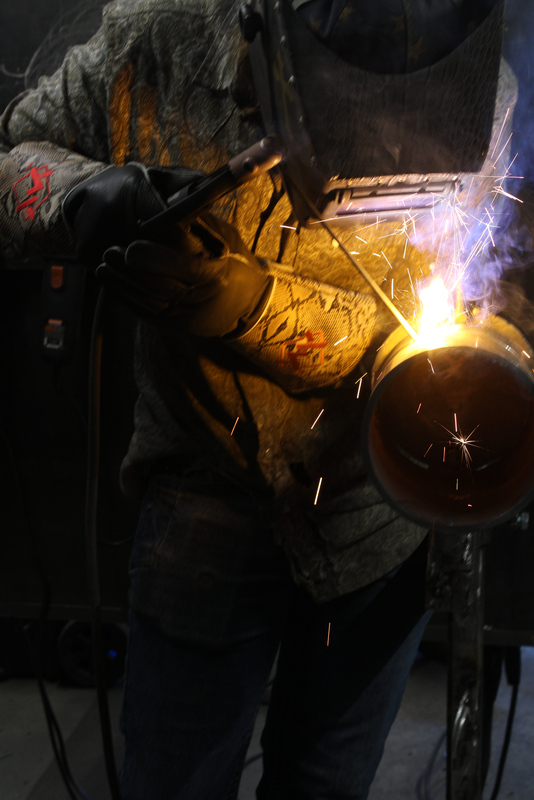
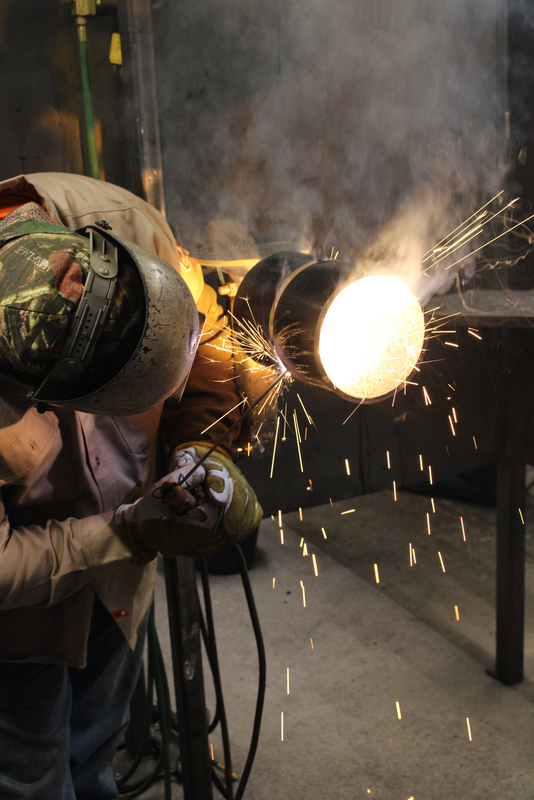
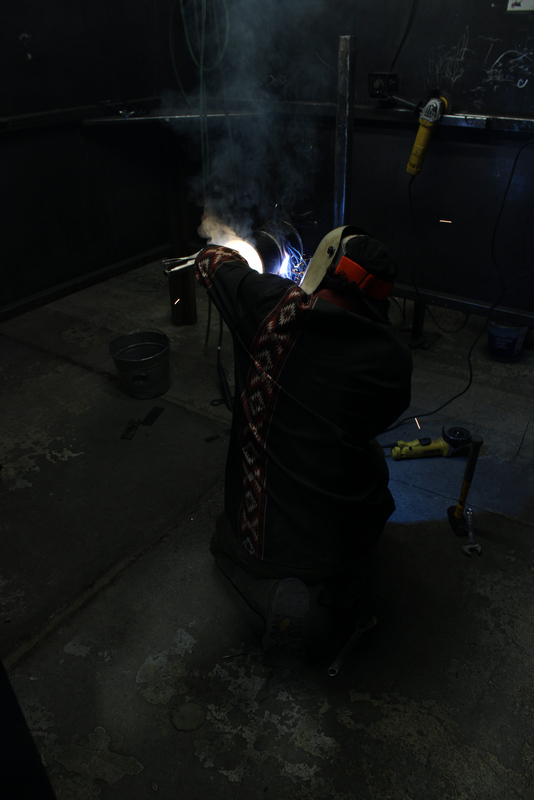
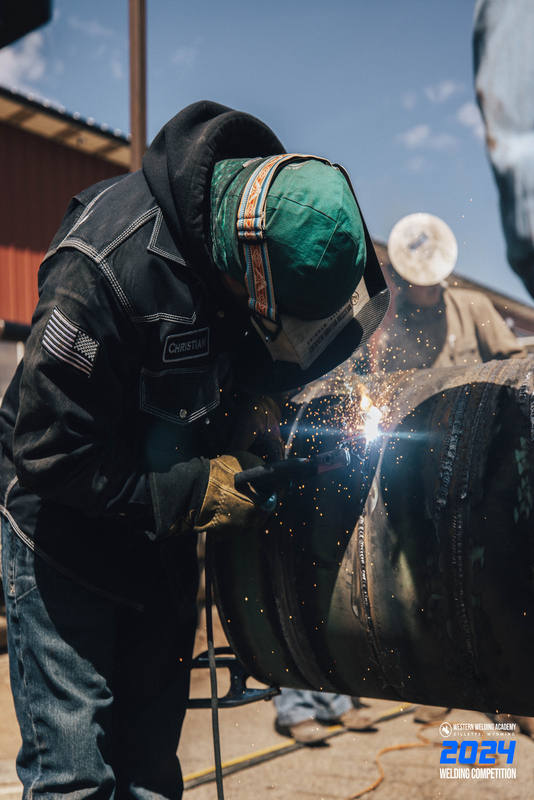
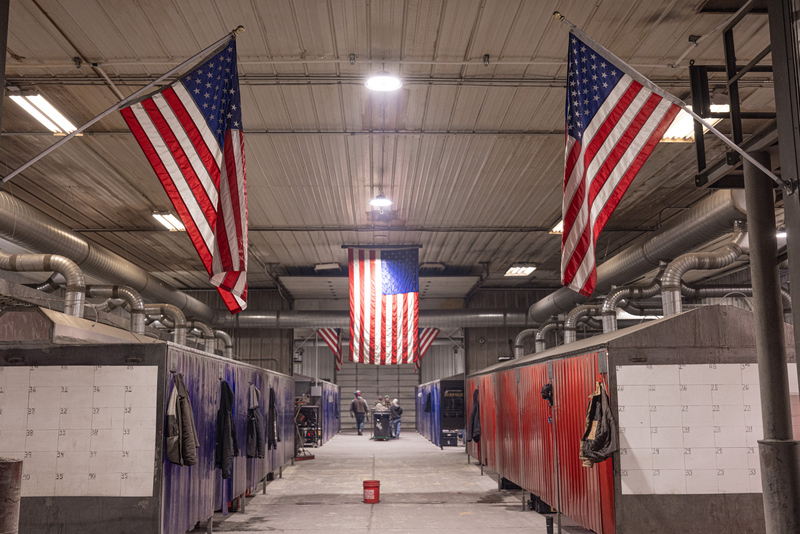
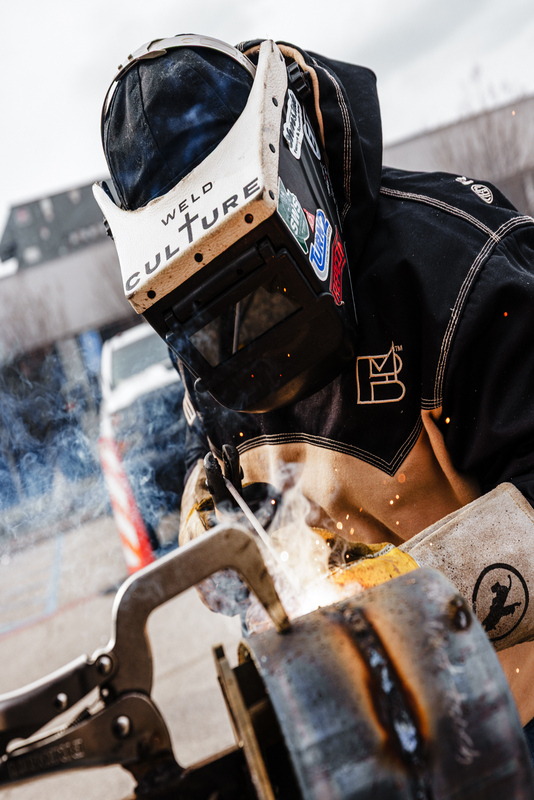
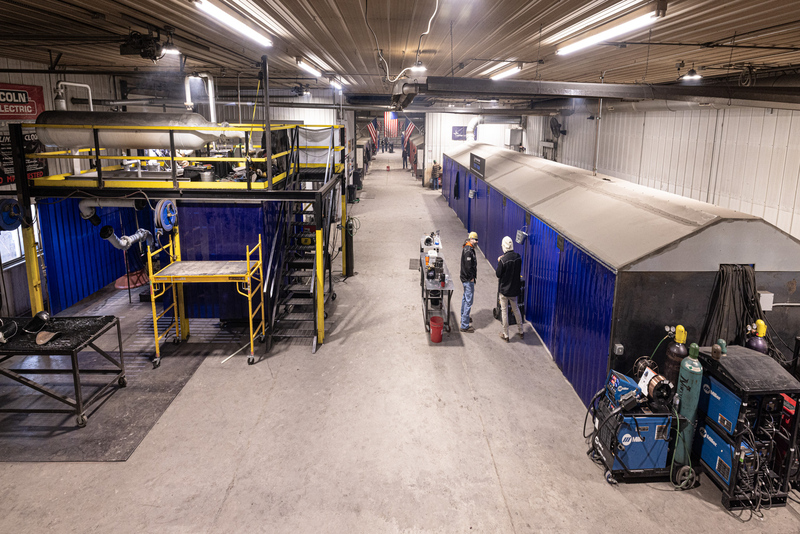
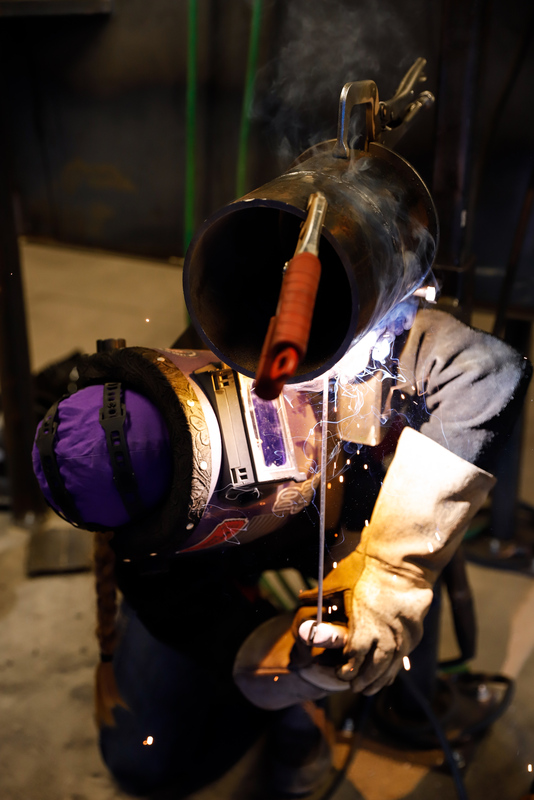
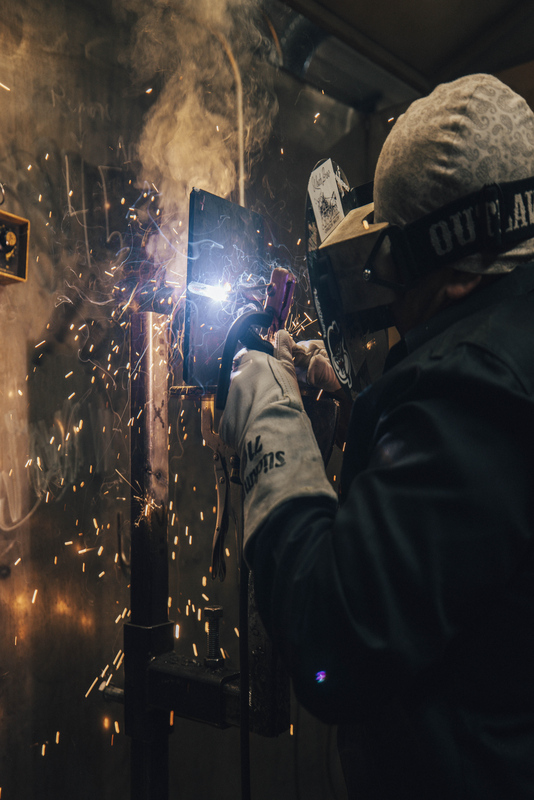
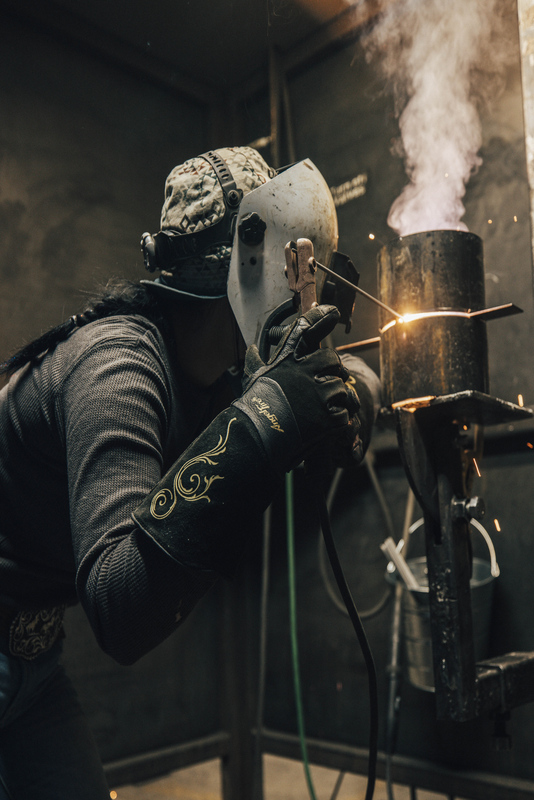
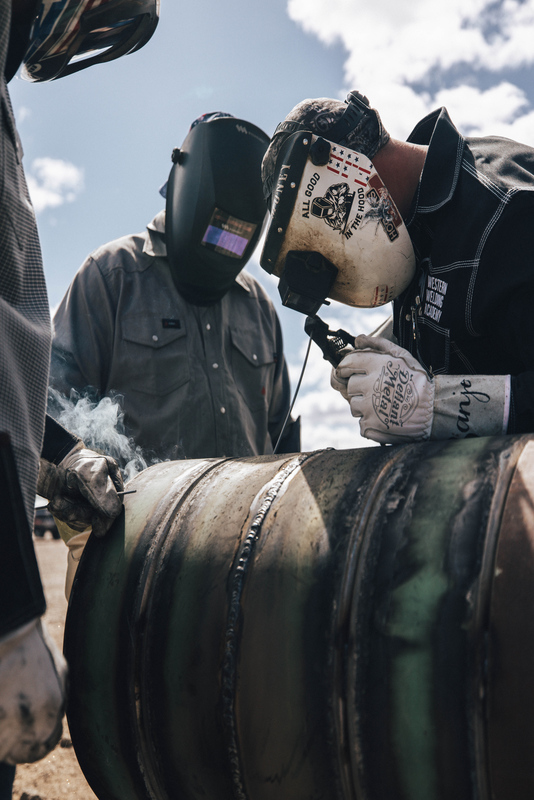
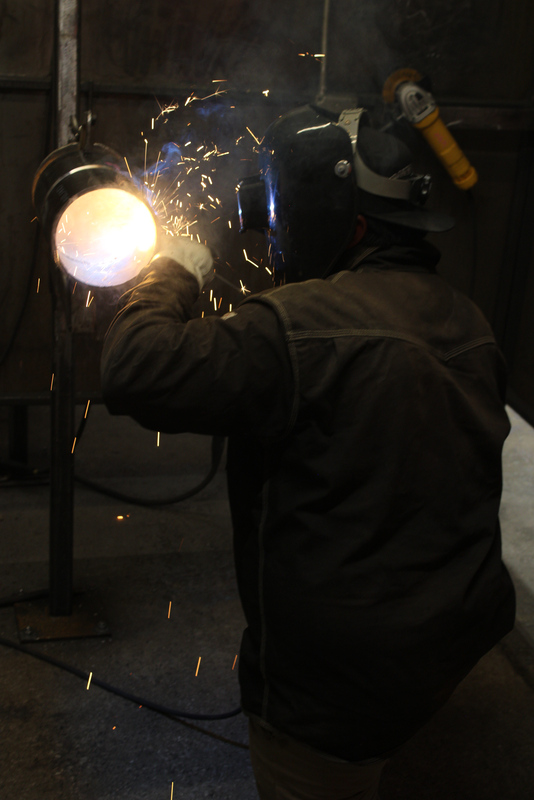
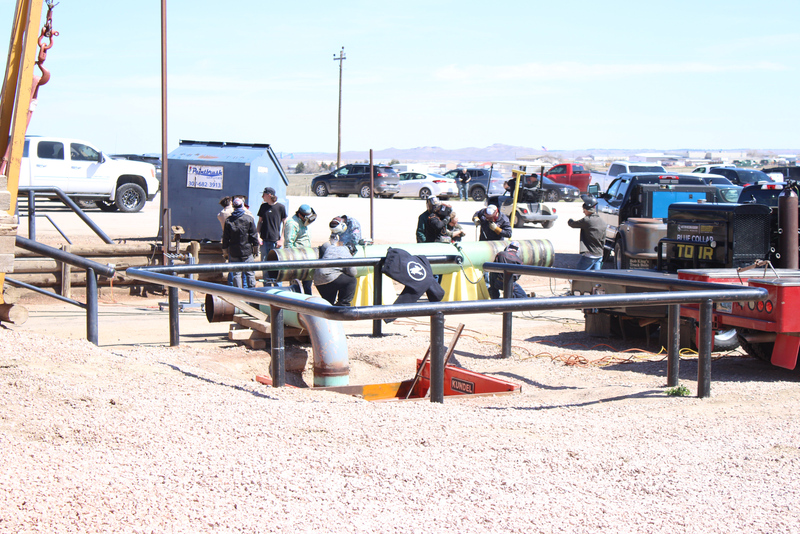
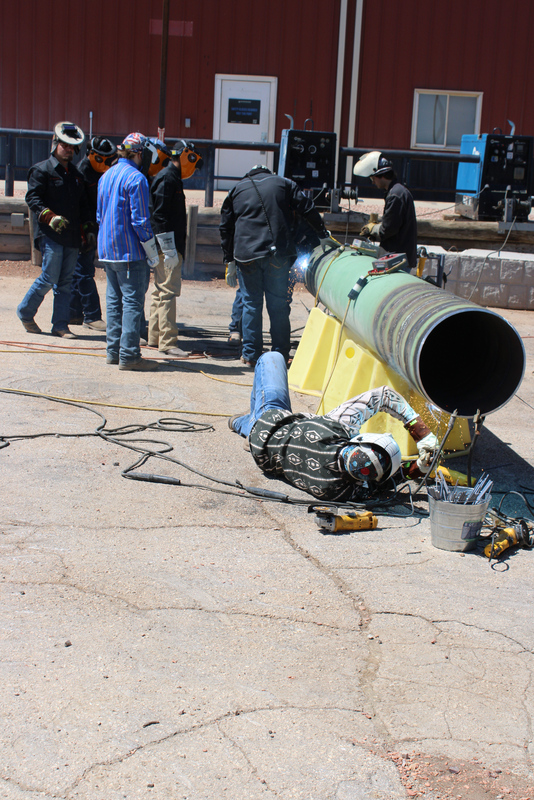
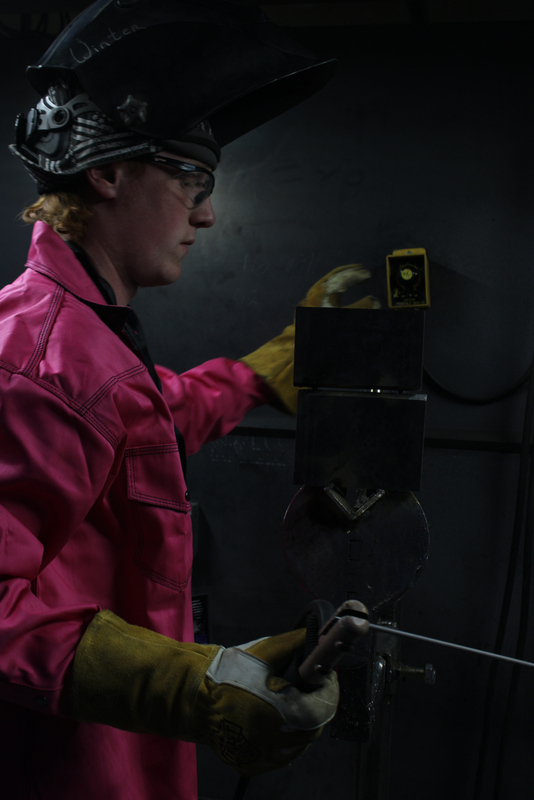
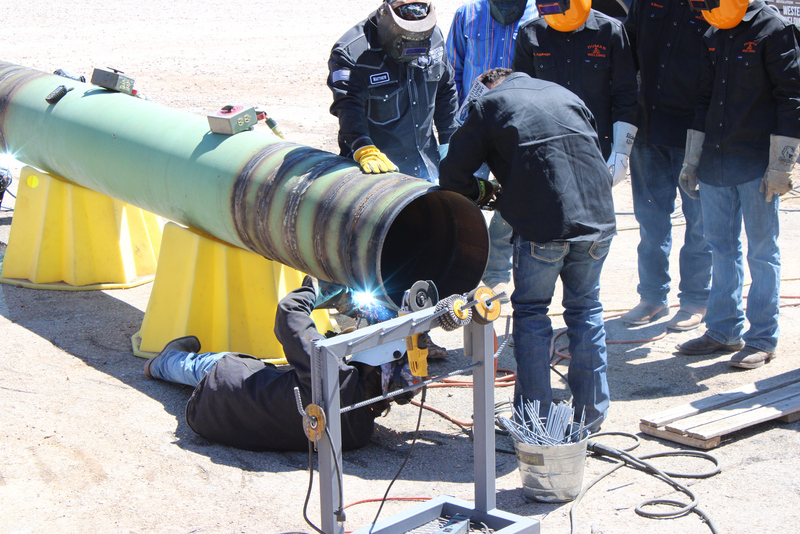
Third, you complete hands-on training at a welding school. The best programs prioritize booth time over classroom lectures. At Western Welding Academy, students spend 85% of their training time in the welding booth working with SMAW, GTAW, GMAW, and FCAW processes on real pipe and structural steel. That is 480 to 960 booth hours in 12 to 24 weeks.
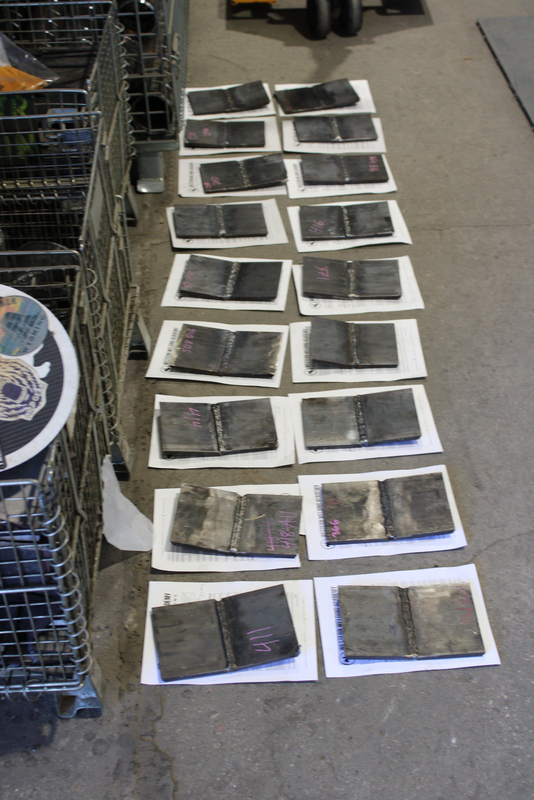
Fourth, you earn your welding certifications. AWS certifications, API 1104 pipeline certifications, and ASME Section IX pressure vessel certifications are the credentials employers look for. Graduating from the #1 AWS Accredited Testing Facility means you test and certify in the same facility where you trained. Fifth, you start your career. With a 94% hire rate within 90 days, graduates from top programs walk into jobs earning between $40,000 and $125,000 per year depending on the program completed and specialization chosen.
How Long Does It Take to Become a Welder?
The timeline depends on the program and the depth of training. Community college welding programs typically run 1 to 2 years. Apprenticeships take 3 to 5 years. Intensive trade school programs compress that timeline dramatically. If you want the fastest path to a welding career, you can learn more in this detailed breakdown of how long welding school actually takes.
The Foundational Pipe Welder program at Western Welding Academy runs 12 weeks at $17,050 with all-inclusive tuition covering housing, tools, and materials. The Professional Pipe Welder program is 19 weeks at $27,600. The Expert Pipe Welder program, the most comprehensive option, runs 24 weeks at $35,800 and covers all four welding processes across every position including 6G pipe. Students from all 50 states train in Gillette, Wyoming, and most graduates earn back their full tuition within 5 to 7 months of starting work.
What Welding Certifications Do You Need?
The certifications you need depend on the type of welding work you want to do. For structural welding jobs, AWS D1.1 structural certifications in 3G and 4G positions are the standard. For pipe welding careers, 6G pipe certification is the most in-demand credential in the industry because it qualifies you to weld in all positions on pipe joints. For a deeper look at certification difficulty levels, read about what the hardest welding certification actually is.
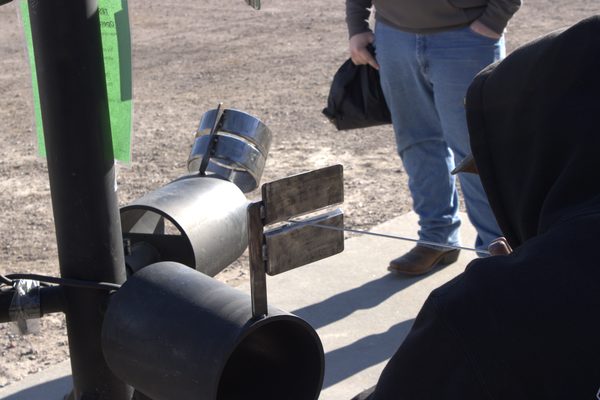
Pipeline welders working under API 1104 certification earn the highest field rates because the testing standard is rigorous and the failure rate is high. ASME Section IX pressure vessel certification opens doors to refinery and power plant work. The 6GR restriction ring certification, which limits rod movement and visibility during the weld, is considered the most difficult standard welding test available. Graduates from the Expert Pipe Welder program at Western Welding Academy earn multiple certifications during training, tested at the #1 AWS Accredited Testing Facility in the nation with 330 combined years of instructor experience.
Ready to start your welding career? Apply now or call Western Welding Academy at (307) 284-5313.
How Much Do Welders Make in 2026?
Welder salaries vary widely based on certification level, specialization, and willingness to travel. The Bureau of Labor Statistics reports a national median salary of $53,750 for welders. Pipeline welders, rig welders, and travel welders consistently earn above that median. Entry-level pipe welders with 6G certification start between $50,000 and $90,000. Experienced pipe welders with API 1104 or ASME IX certifications earn $80,000 to $150,000 or more, especially in remote or high-demand locations like the North Slope of Alaska, Gulf Coast refineries, and Permian Basin pipeline projects. For a full breakdown of what tuition costs and how earnings compare, read how much welding school costs nationally.
What Do Western Welding Academy Graduates Earn?
The numbers below come from verified Western Welding Academy graduate records and paycheck documentation. These are not projections or estimates.
Leyton Wagner earns $4,514 per paycheck as a verified Western Welding Academy graduate. His paycheck stub is publicly documented on the school's website. That figure represents the highest verified per-paycheck earnings among published graduate records.
Gavin Walden earns $3,986 per paycheck. He completed the pipe welding program and entered the workforce within the 90-day placement window that 94% of graduates achieve. David Smolek earns $3,417 per paycheck, working as a pipe welder after graduating from the same program.
Noah clears $2,800 per week working on the North Slope of Alaska. At 19 years old, he walked out of welding school and into a pipeline career earning over $145,000 per year. If you want to see what that path looks like from zero experience, read about going from beginner to pipeline welder in 12 weeks.
Hank reached $150,000 per year by age 21. By the time his college-bound peers graduated with student debt, Hank had already earned over $300,000 in total career income. A detailed comparison of the ROI of welding school versus a four-year college degree breaks down exactly why the numbers favor trade school.
What Should You Look for in a Welding School?
The school you choose determines how fast you get hired and how much you earn. Look for three things. First, booth time percentage. Schools that deliver 85% hands-on training produce better welders than schools that spend half the program in a classroom. Second, job placement rate. A 94% hire rate within 90 days means the school's reputation opens doors with employers. Third, all-inclusive tuition. Hidden fees for housing, tools, and materials inflate the real cost of training. At Western Welding Academy, every program includes housing, tools, welding materials, PPE, and certifications in one price. The school's graduation rate of 85% for the Expert program compares to 68%, 43%, and 56% at competitor schools running 36 to 52 week programs.
Ready to start your welding career? Apply now or call Western Welding Academy at (307) 284-5313.
Frequently Asked Questions
Q1. How long does it take to become a welder?
It takes 12 to 24 weeks at an intensive trade school, 1 to 2 years at a community college, or 3 to 5 years through an apprenticeship. Western Welding Academy offers programs at 12, 19, and 24 weeks with 85% hands-on booth training and all-inclusive tuition starting at $17,050.
Q2. Do you need a degree to become a welder?
No. A high school diploma or GED is the only educational requirement for most welding programs. Welding careers are built on certifications and demonstrated skill, not academic degrees. Many welders earn $60,000 to $125,000 per year without ever attending a four-year college.
Q3. How much does welding school cost?
Welding school costs range from $5,000 to $40,000 depending on the program length and what is included. Western Welding Academy programs range from $17,050 for the 12-week Foundational program to $35,800 for the 24-week Expert program. All tuition is all-inclusive with no hidden fees.
Q4. What is the highest paying welding job?
Pipeline welders and rig welders earn the highest wages, with experienced professionals earning $100,000 to $200,000 per year in travel or remote positions. North Slope Alaska pipeline welders and Gulf Coast refinery shutdown welders consistently earn at the top end of the scale.
Q5. Can you become a welder with no experience?
Yes. Most accredited welding schools accept students with zero prior experience. Western Welding Academy trains students from all 50 states who arrive with no welding background and graduate job-ready in 12 to 24 weeks with industry certifications.
Q6. What makes Western Welding Academy different from other welding schools?
Western Welding Academy delivers 85% booth time, all-inclusive tuition covering housing, tools, and materials, lifetime retraining for every graduate, 330 combined years of instructor pipeline experience, and a 94% hire rate within 90 days verified by a 234-alumni survey. It is the #1 AWS Accredited Testing Facility in the country.
Start Your Welding Career Today
The welding industry needs 82,500 new welders every year. The tools, training, and certifications exist to get you from zero experience to a full-time welding career in as little as 12 weeks. The only question is when you start. Call Western Welding Academy at (307) 284-5313 or apply now to begin your welding career.


.jpg)
.jpg)
.jpg)
.jpg)
.jpg)
-thumbnail.jpg)

.jpg)