What Stick Welding Is and How It Works
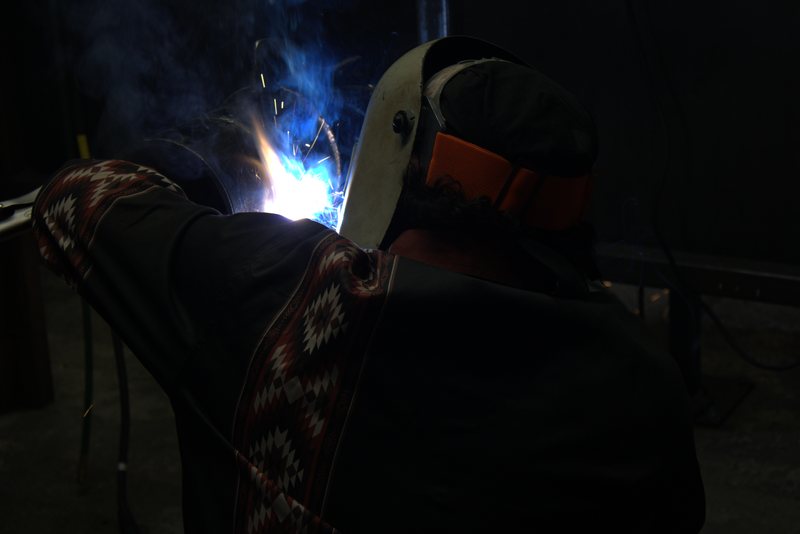
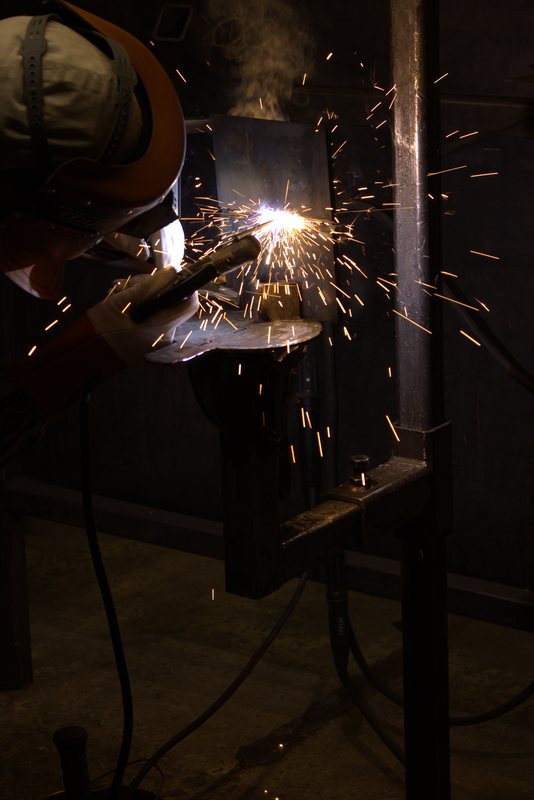
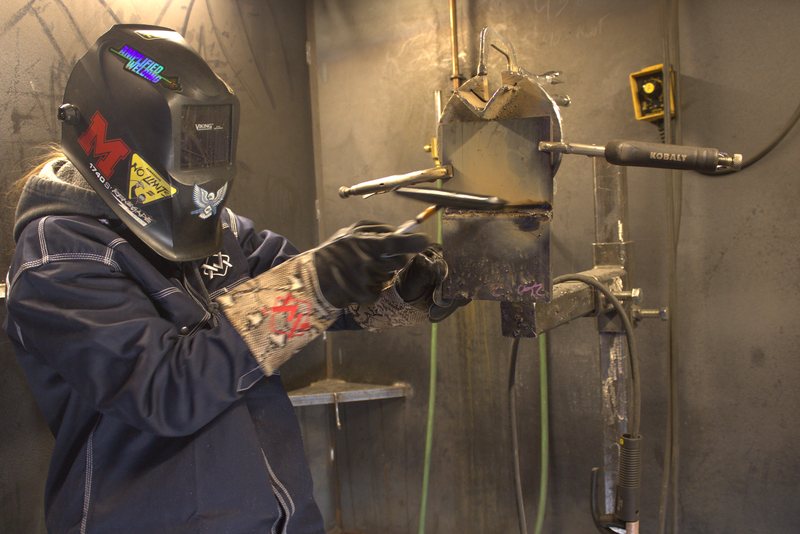
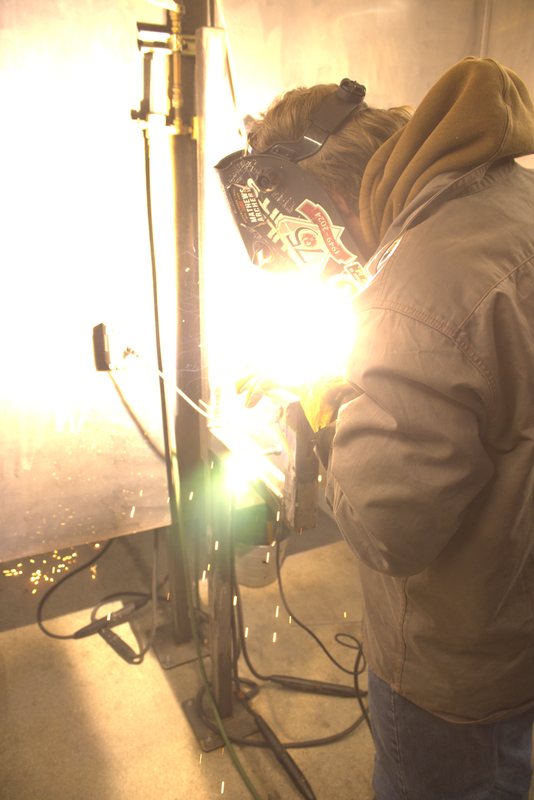
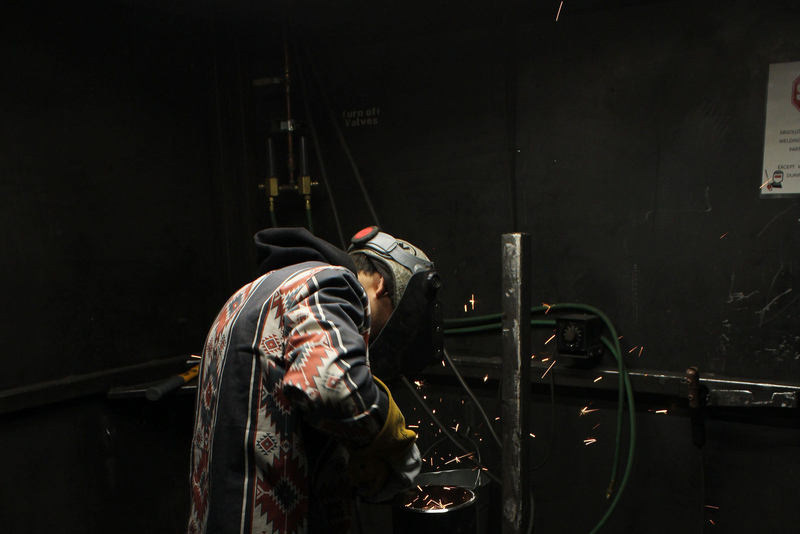
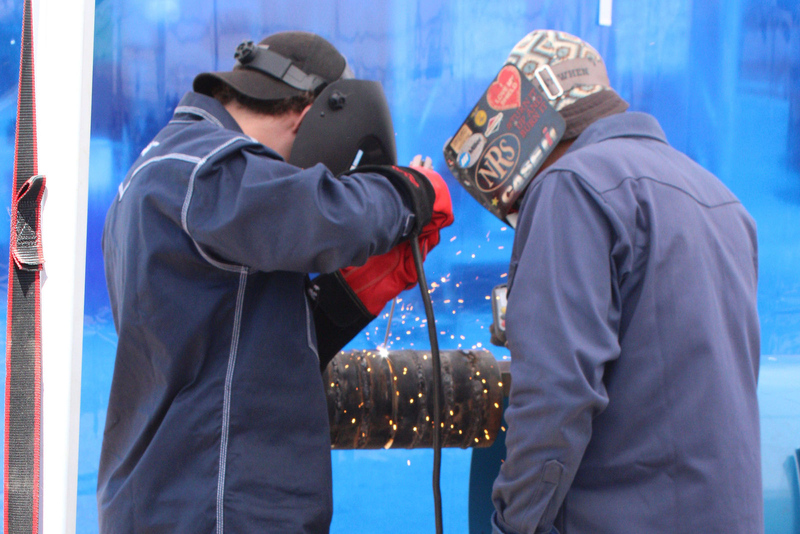
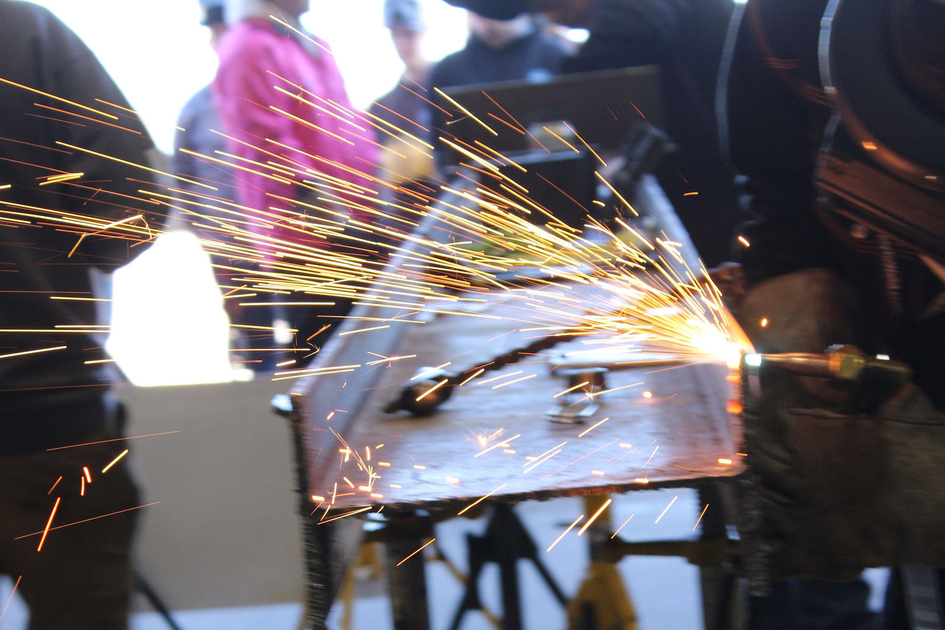
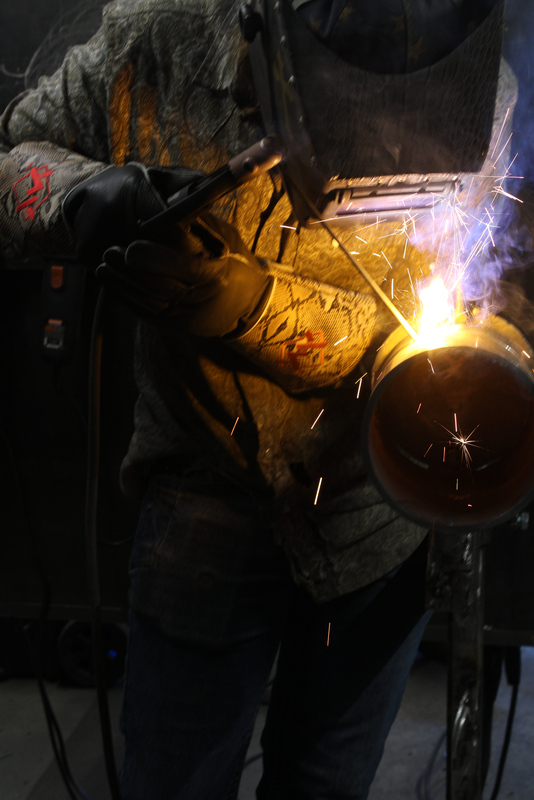
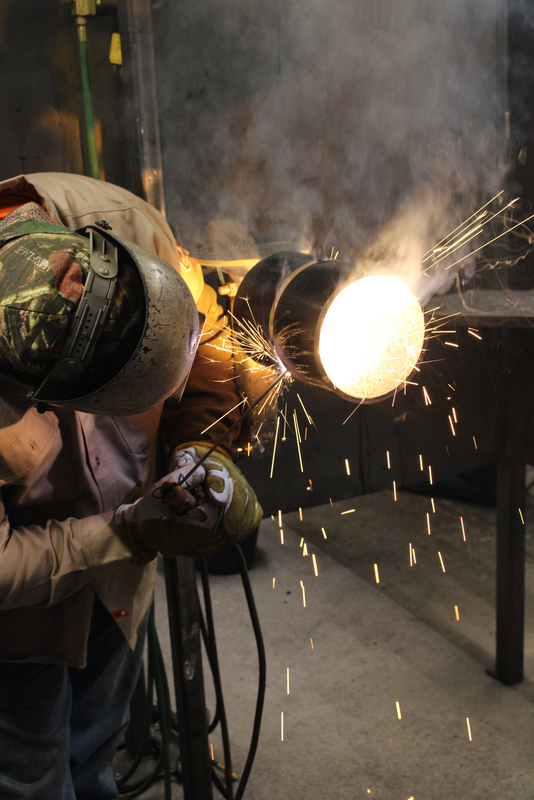
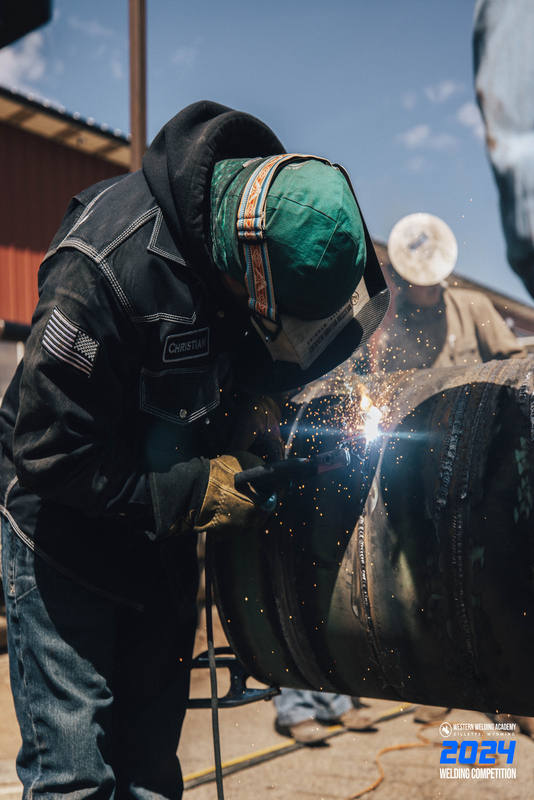
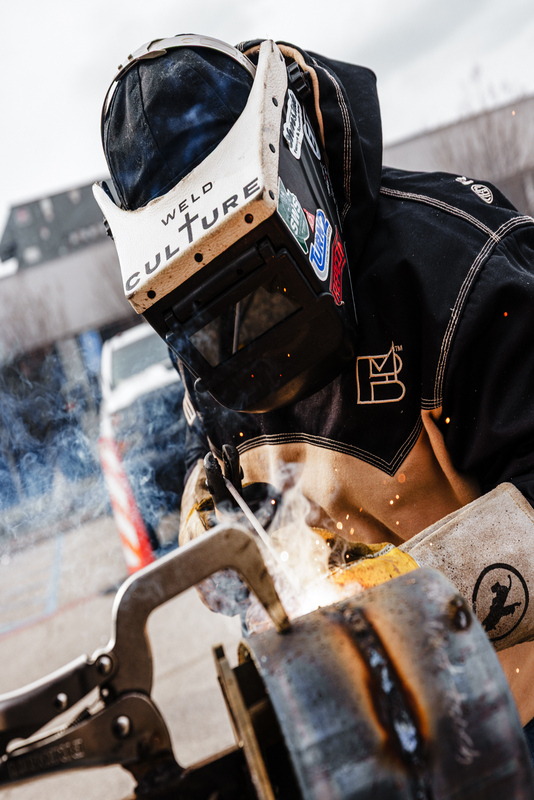
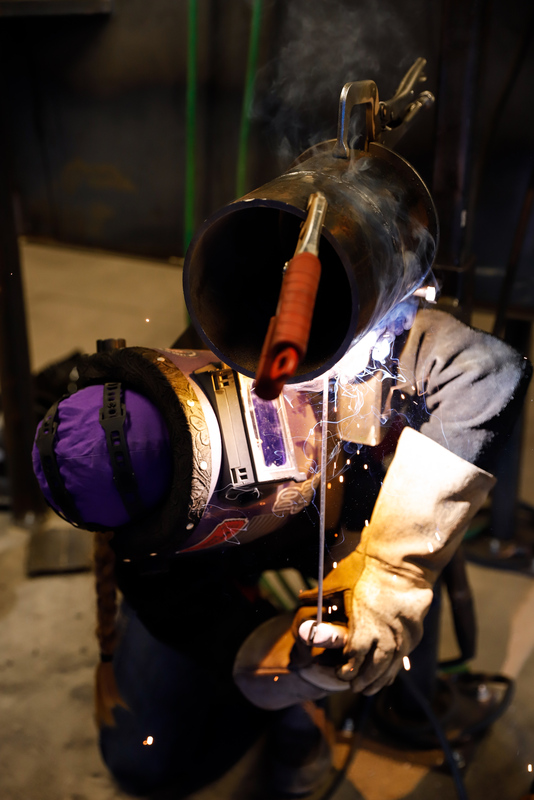
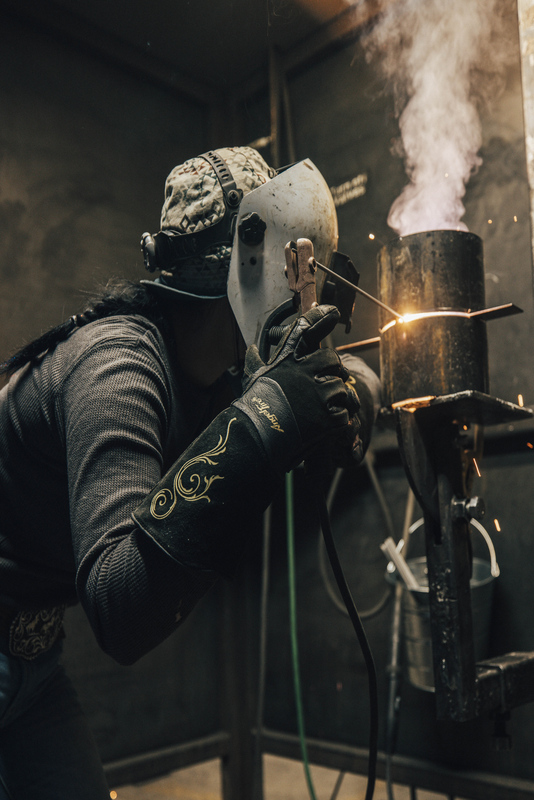
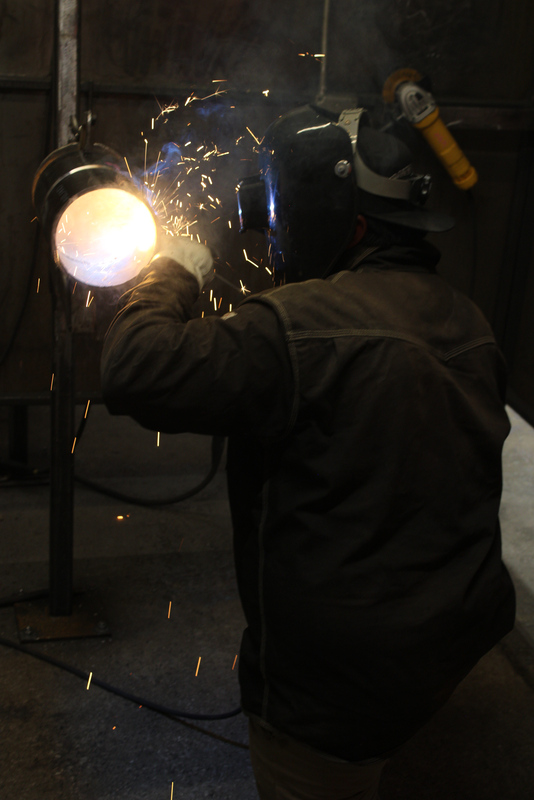
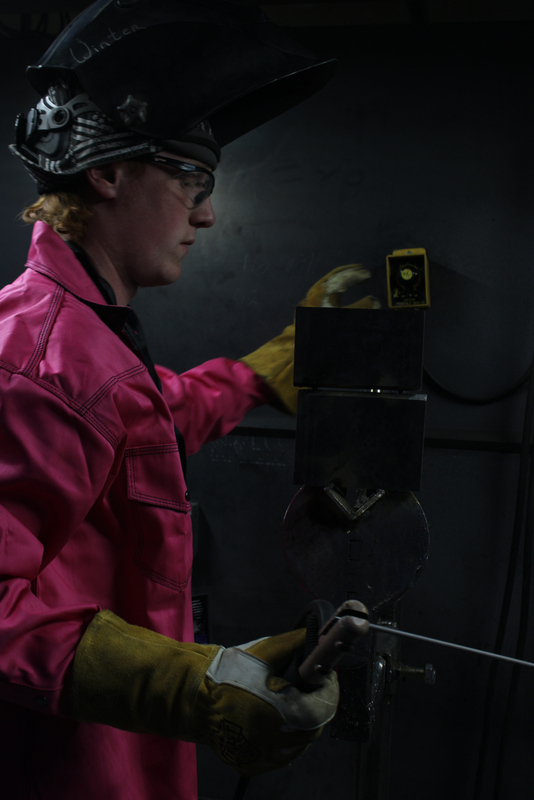
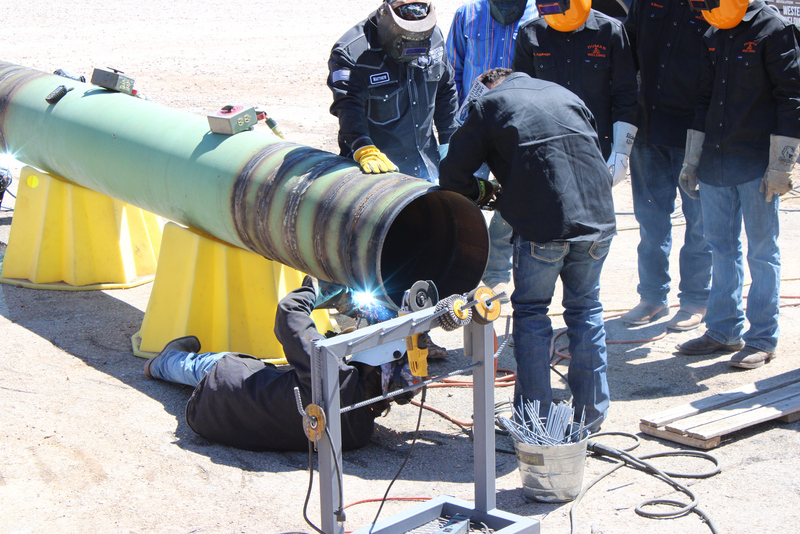
Stick welding, formally called Shielded Metal Arc Welding (SMAW), uses a flux-coated consumable electrode held in a stinger (electrode holder). You strike an arc between the electrode and the base metal, which generates approximately 6,500 degrees Fahrenheit. The heat melts the electrode, the flux coating, and the base metal into a shared weld pool. The burning flux creates a gas shield that protects the weld from atmospheric contamination and leaves a slag layer on top that must be chipped off after cooling.
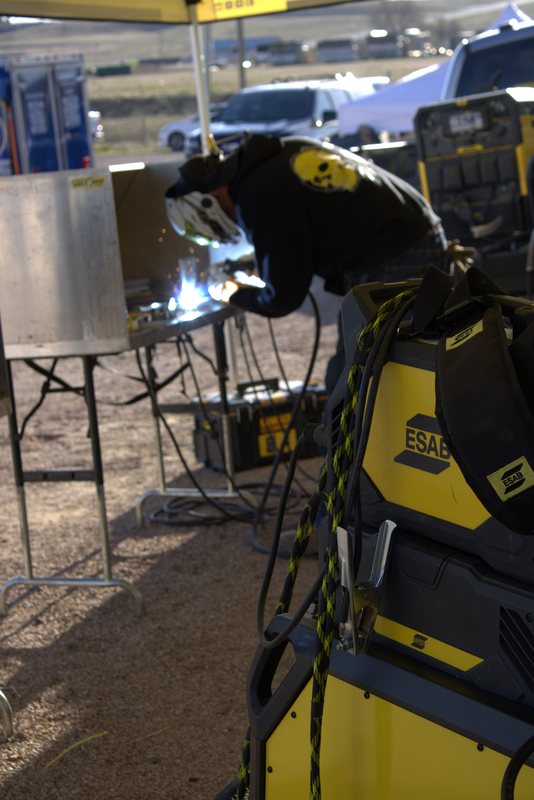
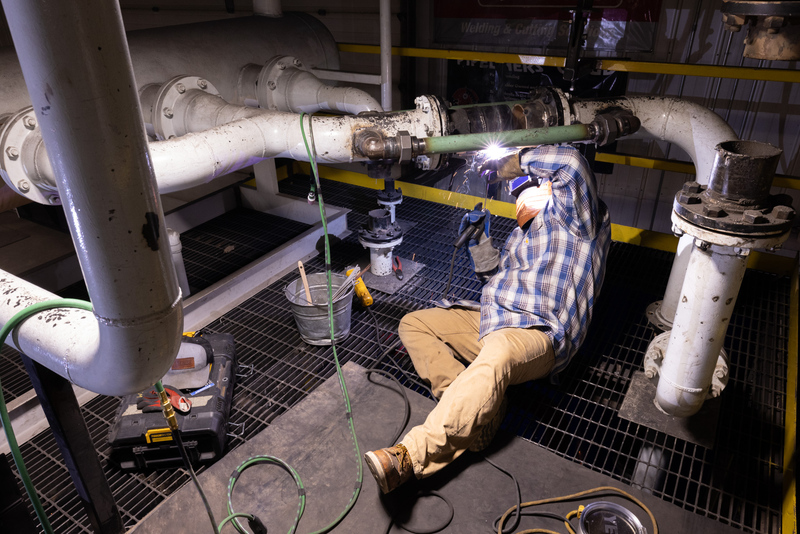
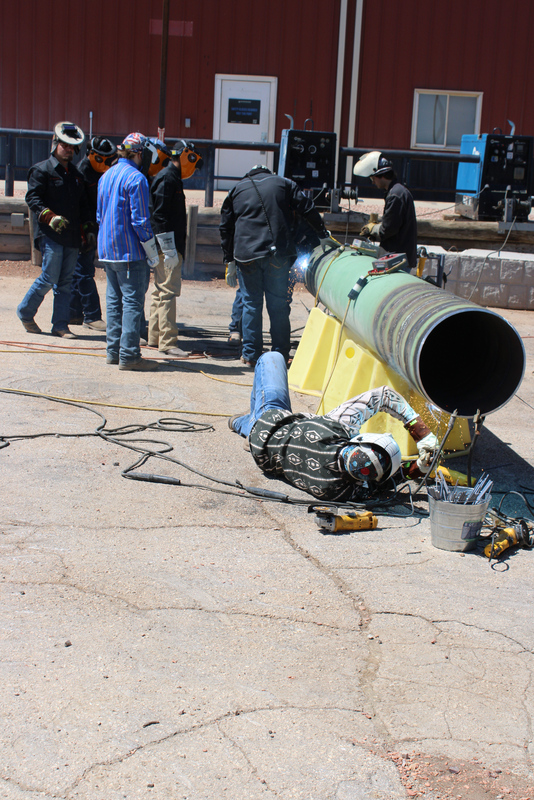
The equipment is simple: a power supply (stick welder), a stinger, a ground clamp, electrodes, and PPE. No shielding gas bottles, no wire feeder, no gas hoses. This simplicity makes stick the most portable process and the reason it dominates pipeline, construction, and field repair work where hauling MIG equipment is impractical.
Choosing the Right Electrode
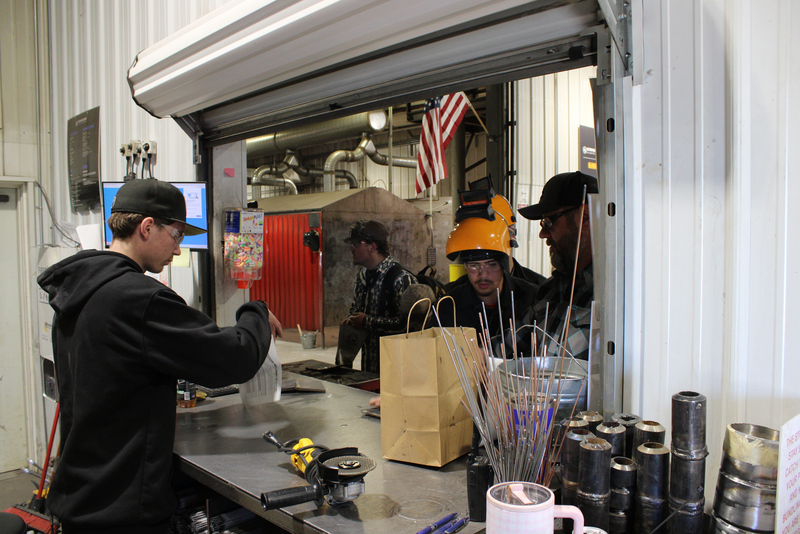
Electrode selection determines everything in stick welding. The AWS numbering system tells you what you need. E6013: soft arc, easy slag removal, forgiving of imperfect technique. This is the best starting rod for beginners. E7018: low-hydrogen, all-position, produces the strongest welds. Required for structural and code work. Must be stored in a rod oven to prevent moisture absorption. E6010: deep-penetrating, fast-freeze arc. The pipeline welder's primary rod for root passes. Requires DC+ polarity.
The first two digits indicate minimum tensile strength in thousands of PSI (60,000 or 70,000). The third digit indicates position capability (1 = all positions). The fourth digit describes the flux coating type and polarity compatibility. Start with 3/32 inch E6013 for practice, then move to 1/8 inch E7018 once your technique stabilizes. Learn how stick compares to MIG and TIG in the complete process comparison.
Ready to launch your welding career? Apply now or call Western Welding Academy at (307) 284-5313 today.
Setting Up Your Stick Welder
Set amperage based on electrode diameter. The general rule: 1 amp per .001 inch of rod diameter. A 1/8 inch rod (.125 inch) needs approximately 125 amps. Start in the middle of the manufacturer's recommended range and adjust based on the arc behavior. Too much amperage causes burn-through, excessive spatter, and undercut. Too little causes the rod to stick, a cold bead, and poor fusion.
Set polarity based on the electrode type. E6010 requires DC+ (electrode positive). E6013 runs on AC or DC. E7018 runs on AC or DC+. DC+ provides deeper penetration. AC is used when the machine only offers alternating current. Connect the ground clamp to the workpiece or welding table as close to the weld zone as practical.
Basic Stick Welding Technique
Strike the arc by scratching the electrode tip across the base metal like striking a match, or use a tapping motion. Once the arc establishes, maintain an arc length equal to the electrode diameter (about 1/8 inch for a 1/8 inch rod). Hold the electrode at 10 to 15 degrees of drag angle (tilted away from the direction of travel) and 90 degrees work angle for flat position welds.
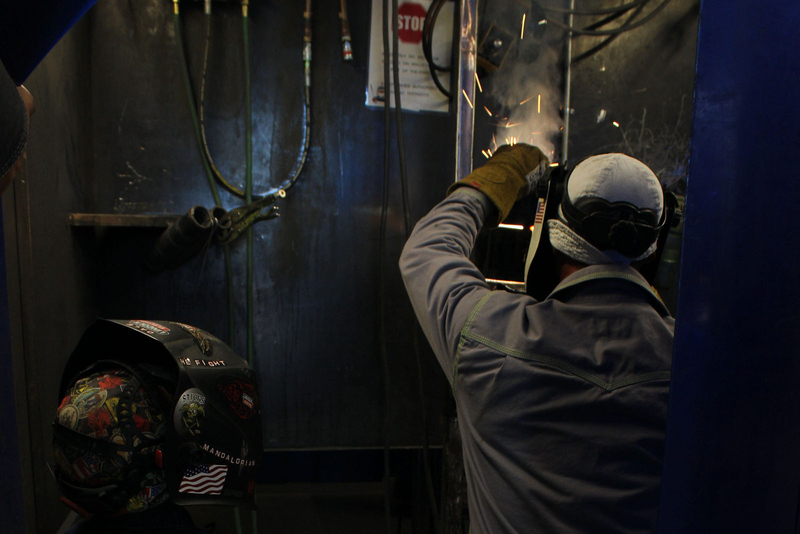
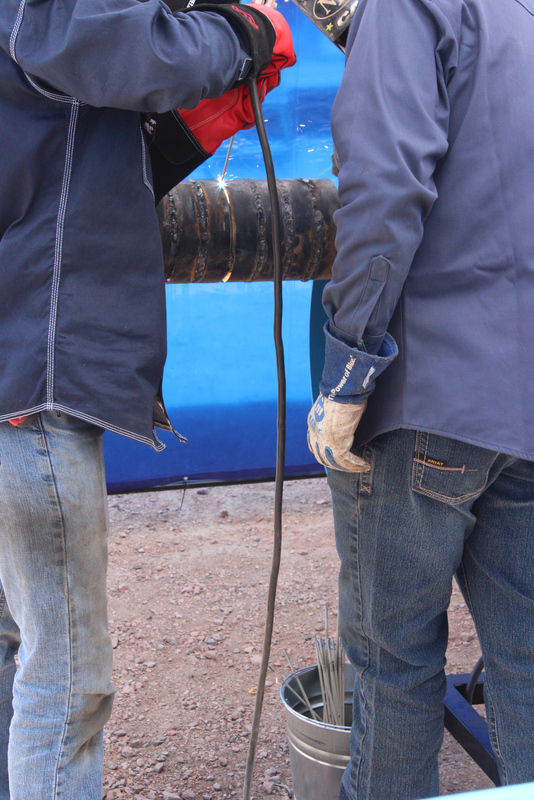
Travel at a steady pace, watching the weld pool form behind the arc. The slag should trail behind the puddle. If the slag runs ahead, you are traveling too slow or your amperage is too low. Use a slight weave or straight drag technique depending on the joint. After completing the weld, wait for it to cool, then chip the slag with a chipping hammer and wire brush the bead clean for inspection.
Common Stick Welding Mistakes and Fixes
Rod sticking to the metal means amperage is too low or you are starting the arc with a tapping motion that is too aggressive. Increase amperage by 5 to 10 amps and use a scratching start. Porosity (holes in the weld) indicates contaminated base metal, moisture in the electrode, or arc length too long. Clean the metal and shorten your arc. Undercut (grooves along the weld edges) means amperage too high or travel speed too fast.
Slag inclusions happen when slag gets trapped in the weld because of insufficient cleaning between passes or incorrect angle. Always chip and wire brush thoroughly between passes on multi-pass welds. Inconsistent bead width results from unsteady hand movement. Practice running straight beads on scrap until your travel becomes automatic.
Why Learning Stick at a School Builds Career-Ready Skills
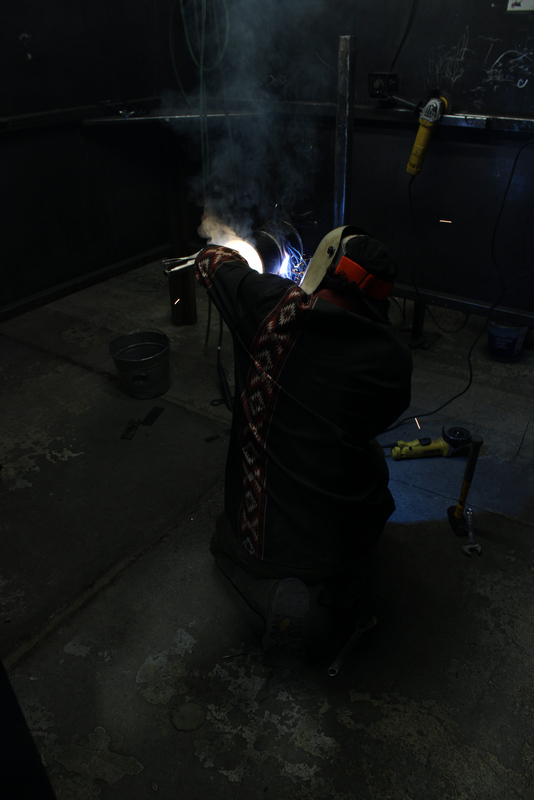
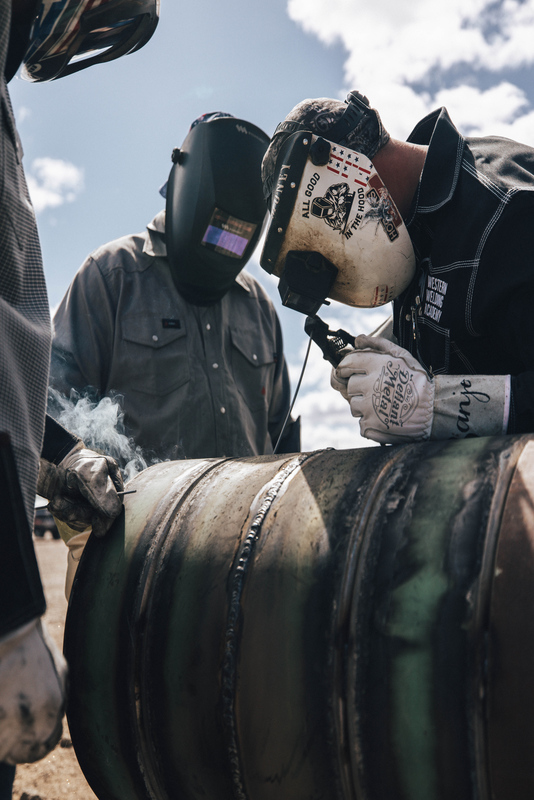
Western Welding Academy teaches stick welding as a core process across all programs because it is the foundation of pipe welding and field work. The Foundational Pipe Welder program runs 12 weeks at $17,050 and builds stick fundamentals alongside MIG and TIG. With 85 percent booth time, students develop the muscle memory that self-taught welders struggle to build on their own.
The school holds a 94 percent hire rate within 90 days, verified by a 234-alumni survey. With 2,000 graduates, 330 combined instructor years, and the number one AWS Accredited Testing Facility ranking, Western Welding Academy produces welders who can pick up a stinger and produce code-quality work from day one on the job. See what pipe welders earn nationwide.
What Western Welding Academy Graduates Earn
Graduates of Western Welding Academy earn verified paychecks built on stick welding skills that pipeline and energy employers demand.
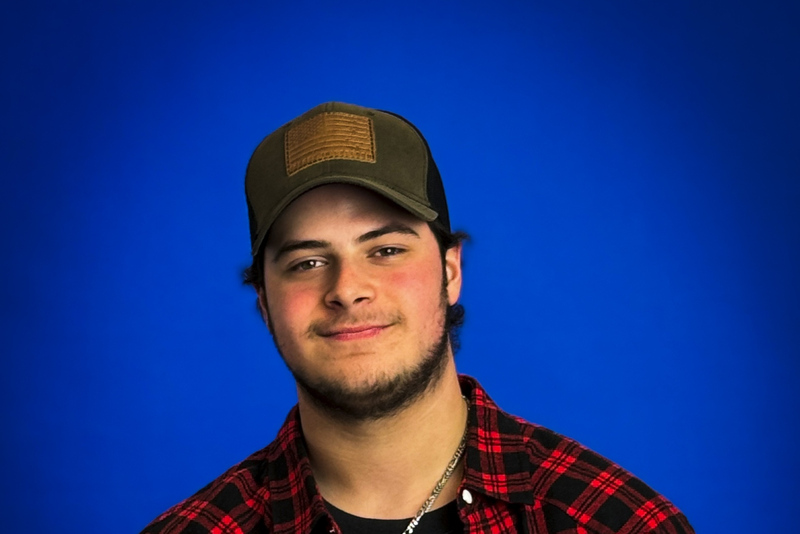
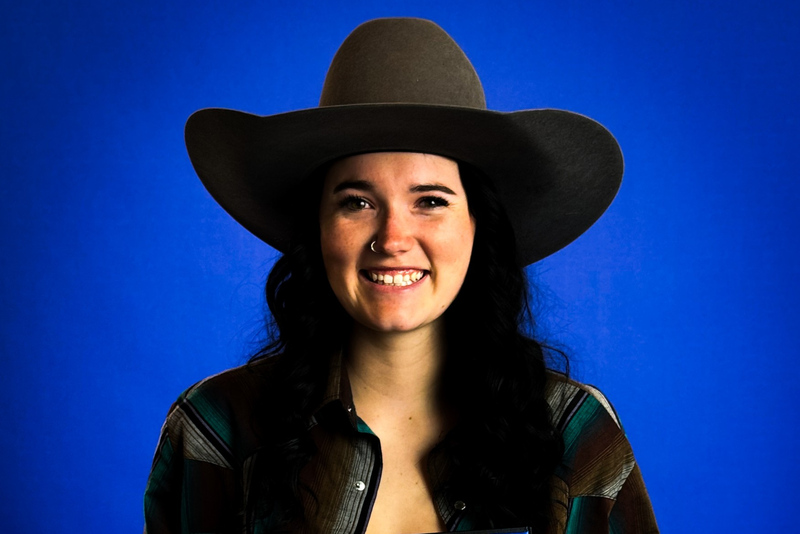
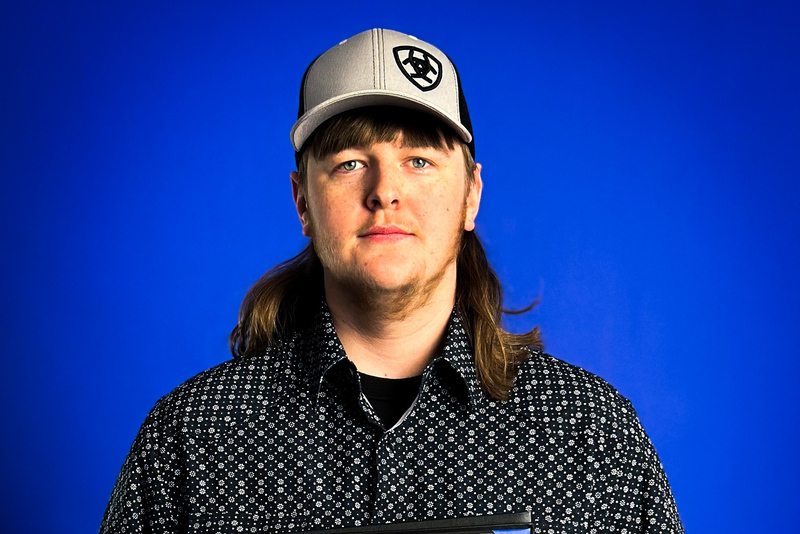
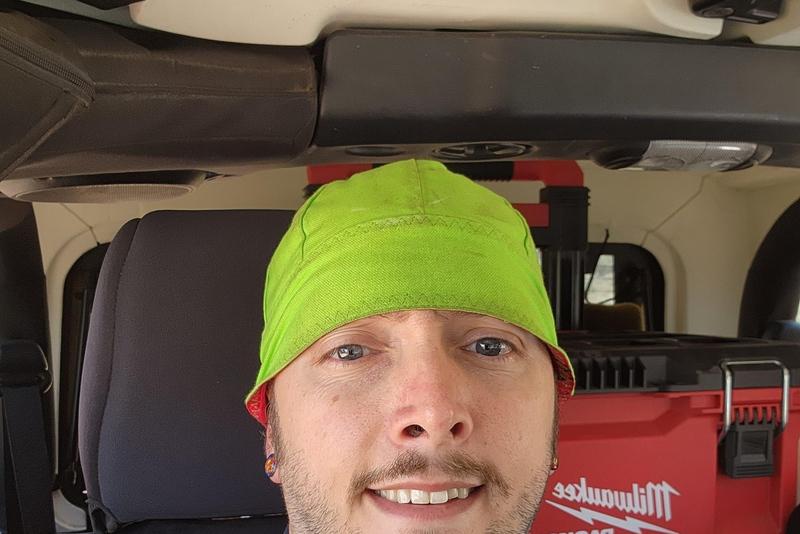
Leyton Wagner earns $4,514 per paycheck. Stick welding is a daily tool in his work. Gavin Walden takes home $3,986. David Smolek earns $3,417. Noah clears $2,800 per week on the North Slope in Alaska, where stick welding dominates pipeline work. Hank reached $150,000 per year by age 21.
Ready to launch your welding career? Apply now or call Western Welding Academy at (307) 284-5313 today.
Frequently Asked Questions
Q1. Is stick welding hard to learn?
Stick welding is harder to learn than MIG because you must maintain arc length, control the rod as it shortens, and manage slag. However, most beginners with E6013 rods can produce acceptable flat position beads within their first day of practice. Progression to all positions and code-quality work takes weeks to months.
Q2. What rod should a beginner use for stick welding?
Start with E6013 in 3/32 inch diameter. It has a soft arc, easy slag removal, and tolerates imperfect technique. Move to E7018 once your technique stabilizes. E7018 produces stronger, cleaner welds and is required for most structural and code work.
Q3. What amperage do you use for 1/8 inch stick rod?
The general rule is 1 amp per .001 inch of electrode diameter. A 1/8 inch rod (.125 inch) starts at approximately 125 amps. Adjust up or down by 5 to 10 amps based on arc stability, bead appearance, and material thickness.
Q4. Can you stick weld in the rain?
The flux coating generates its own shielding gas, so wind does not affect stick welding. Light rain is manageable, but heavy rain creates safety hazards from electrical shock and can contaminate the weld. Most codes prohibit welding in standing water or heavy precipitation.
Q5. Why does my stick electrode keep sticking to the metal?
Amperage is too low. Increase by 5 to 10 amps and try again. Also check your arc starting technique. A scratching motion (like striking a match) works better for beginners than a tapping start. If the rod sticks, quickly twist and pull it free before the flux burns off.
Q6. What makes Western Welding Academy different from other welding schools?
Western Welding Academy teaches stick welding as a core process alongside MIG, TIG, and flux-core with 85 percent hands-on booth time. The school holds a 94 percent hire rate within 90 days, verified by a 234-alumni survey. With 2,000 graduates, 330 combined instructor years, and the number one AWS Accredited Testing Facility ranking, beginners become pipeline-ready welders in 12 to 24 weeks.
Master Stick Welding and Open Every Door
Stick welding is the process that goes everywhere. Learning it well is the fastest path to pipeline pay. Call Western Welding Academy at (307) 284-5313 or apply now to build your stick welding skills from day one.

.jpg)
.jpg)


.jpg)
.jpg)
.jpg)
.jpg)
.jpg)
-thumbnail.jpg)

.jpg)