What MIG Welding Is and Where It Works Best
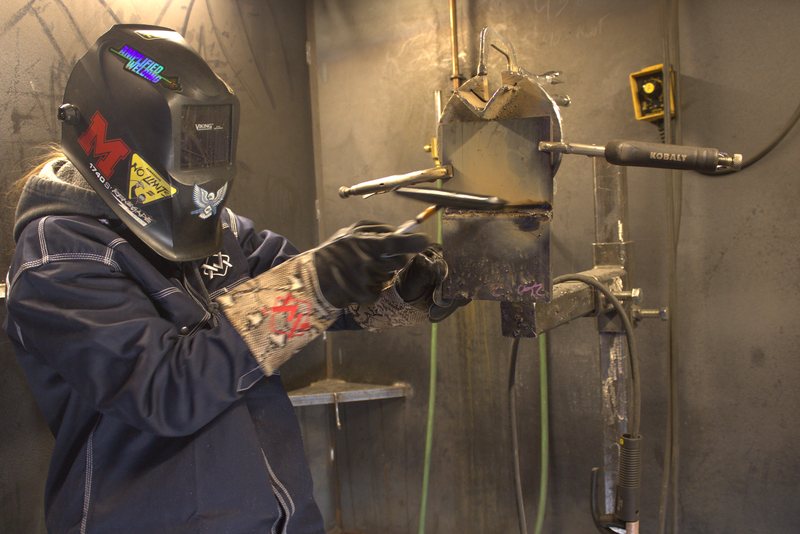
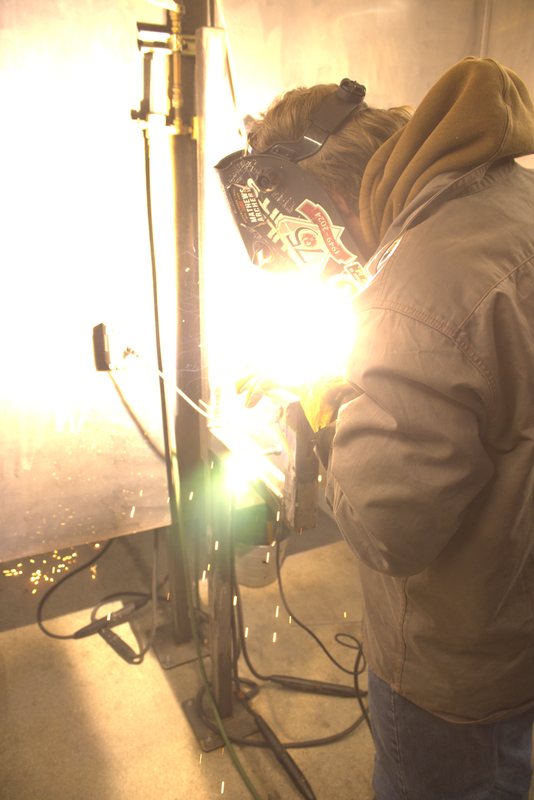
MIG welding (Gas Metal Arc Welding, or GMAW) feeds a continuous wire electrode through a gun while shielding gas protects the weld pool. The welder controls the gun position and travel speed while the machine handles wire feed. This makes MIG the most accessible process for beginners. Most people can lay a basic MIG bead within their first few hours of practice.
MIG dominates manufacturing, automotive, and general fabrication. It is fast, efficient, and produces clean welds on thin to medium-thickness steel, stainless steel, and aluminum. The process excels in shop environments where wind does not blow away the shielding gas. If your goal is production welding, fabrication shops, or automotive work, MIG skills are essential. However, MIG alone limits your options in pipe welding, fieldwork, and high-precision industries.
What TIG Welding Is and Why It Pays the Most
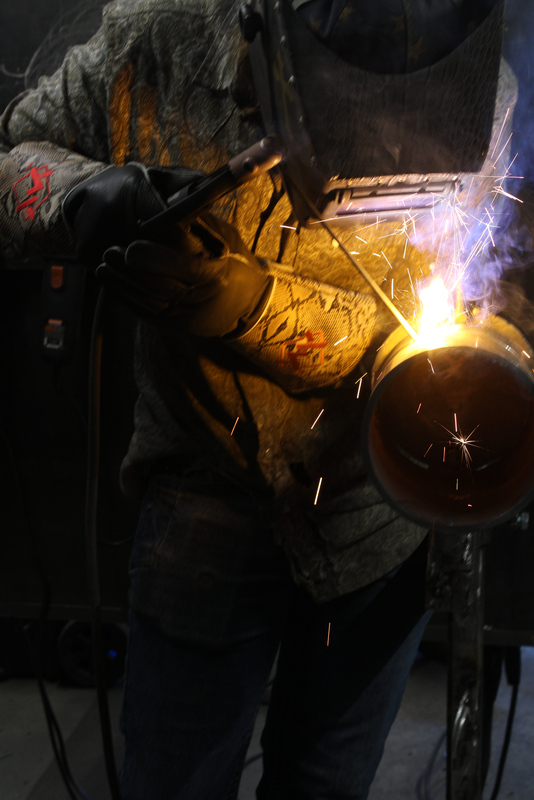
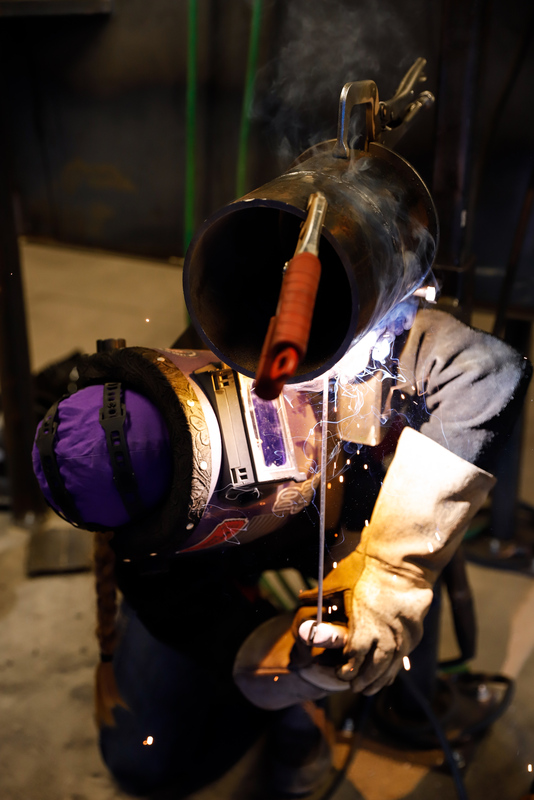
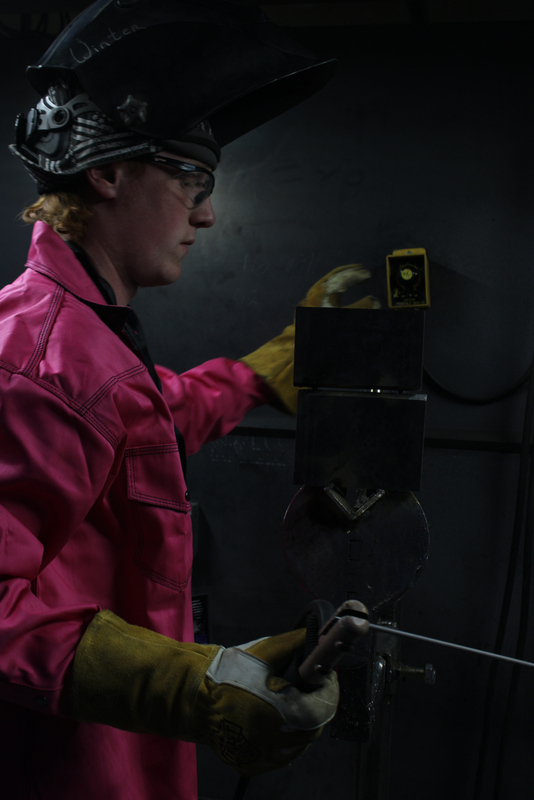
TIG welding (Gas Tungsten Arc Welding, or GTAW) uses a non-consumable tungsten electrode and a separate filler rod added by hand. The welder controls the arc, the filler, and a foot pedal for amperage simultaneously. TIG is the hardest process to learn because it demands coordination between both hands and one foot while maintaining a steady arc length.
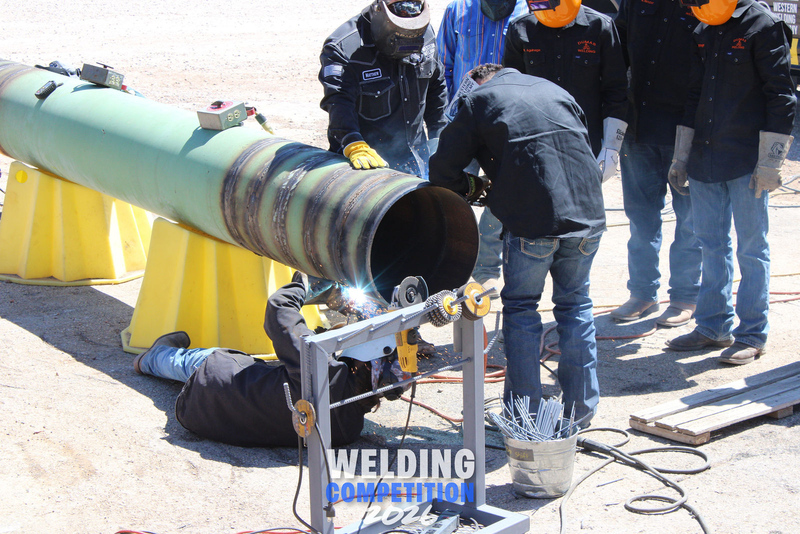
TIG produces the cleanest, most precise welds of any manual process. It is the standard for pipe welding, aerospace, pharmaceutical piping, nuclear systems, and any application where weld quality is critical. TIG welders consistently earn more than MIG or stick welders because fewer people master the process and more industries depend on it. The Expert Pipe Welder program at Western Welding Academy builds deep TIG skills through 24 weeks of intensive booth time.
Ready to launch your welding career? Apply now or call Western Welding Academy at (307) 284-5313 today.
What Stick Welding Is and Where It Cannot Be Replaced
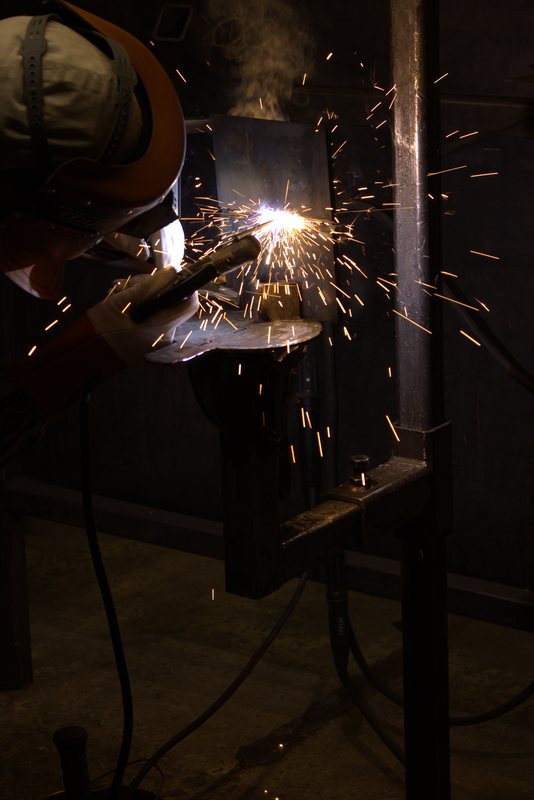
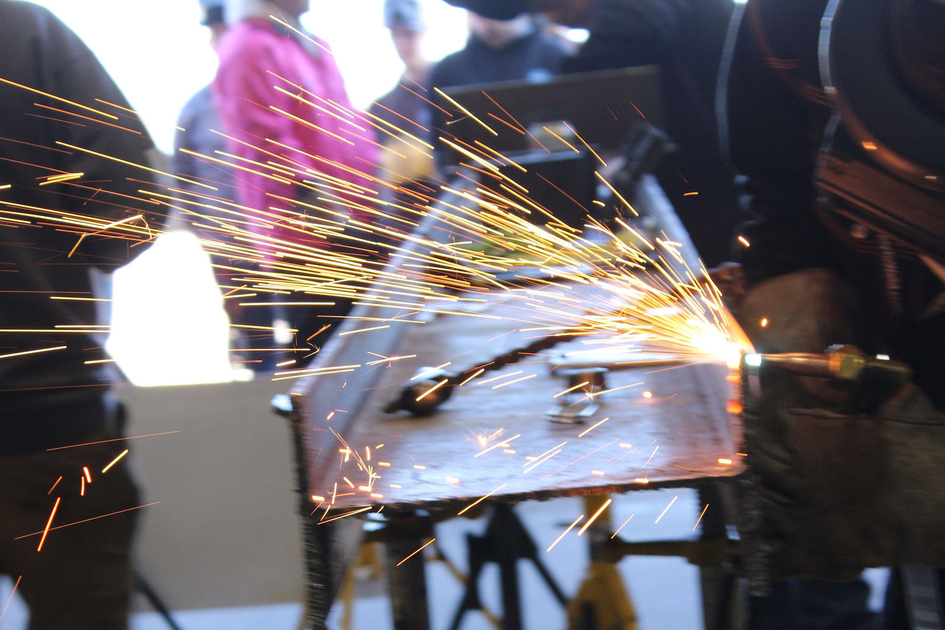
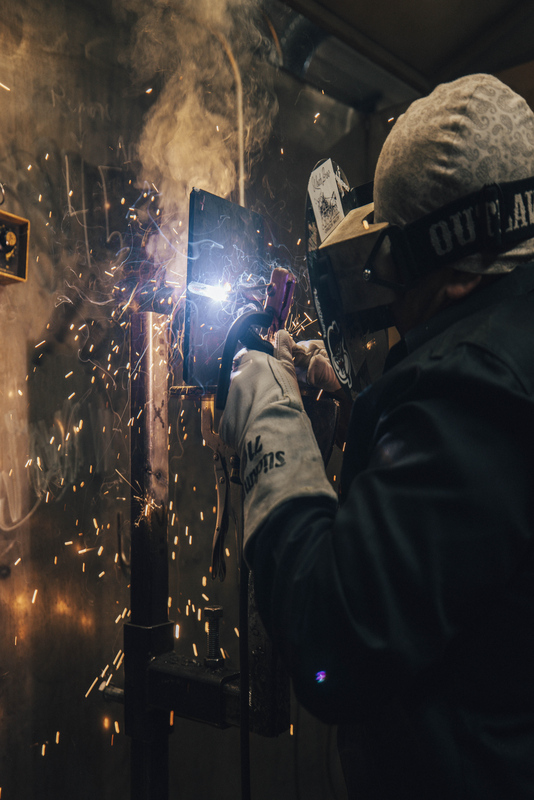
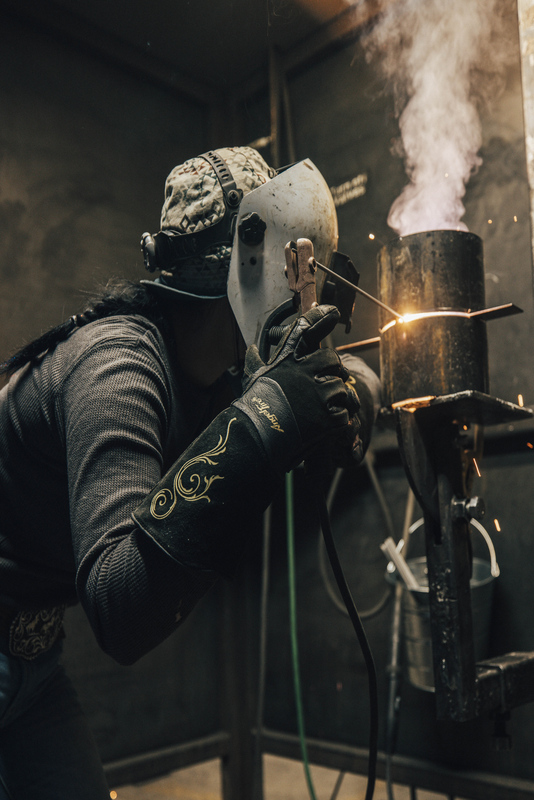
Stick welding (Shielded Metal Arc Welding, or SMAW) uses a consumable electrode coated in flux. The flux creates its own shielding gas as it burns, which means stick welding works outdoors, in wind, in rain, and in remote locations where carrying gas bottles is impractical. The equipment is simple, portable, and inexpensive compared to MIG and TIG setups.
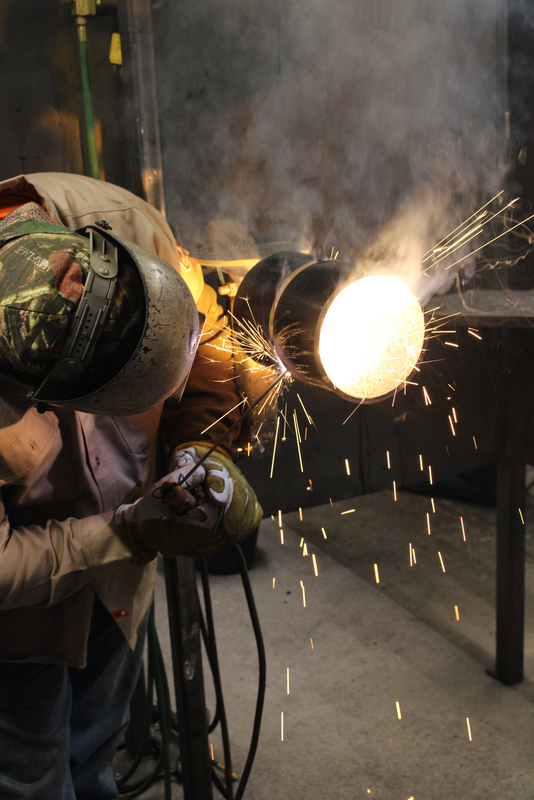
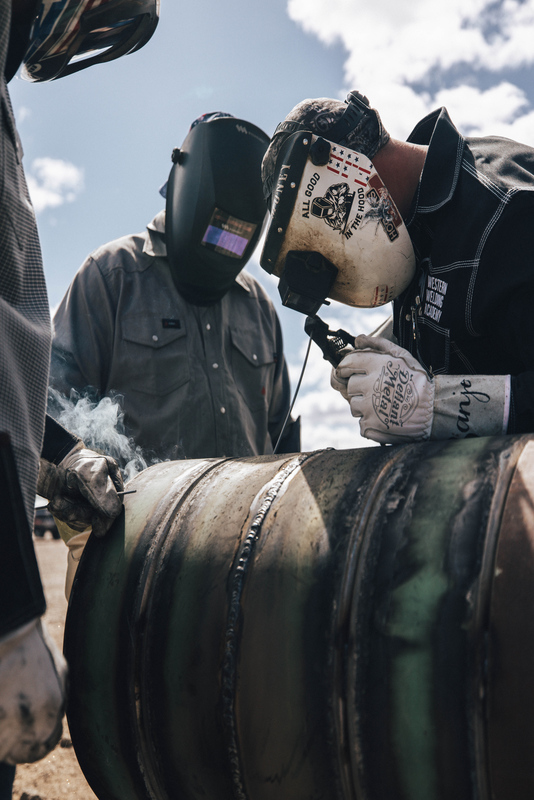
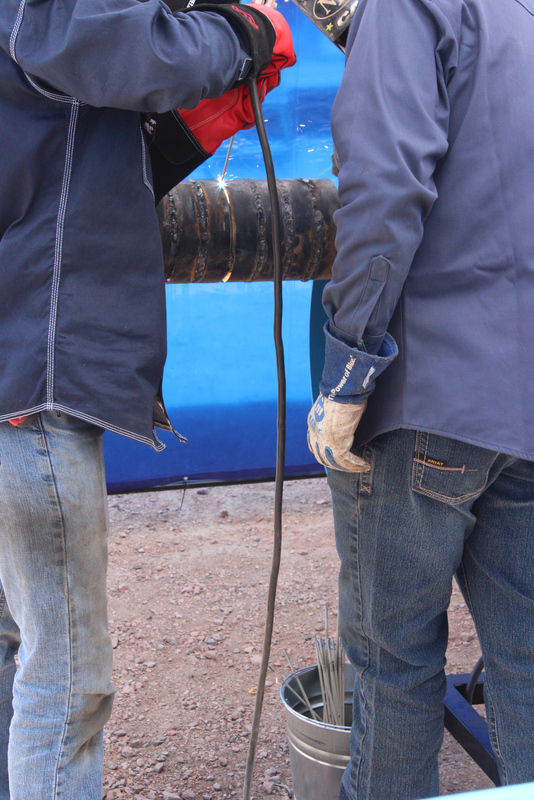
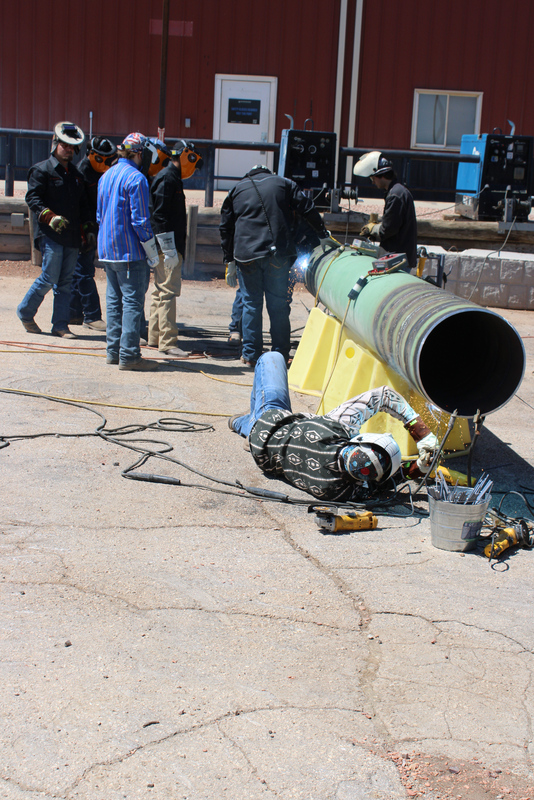
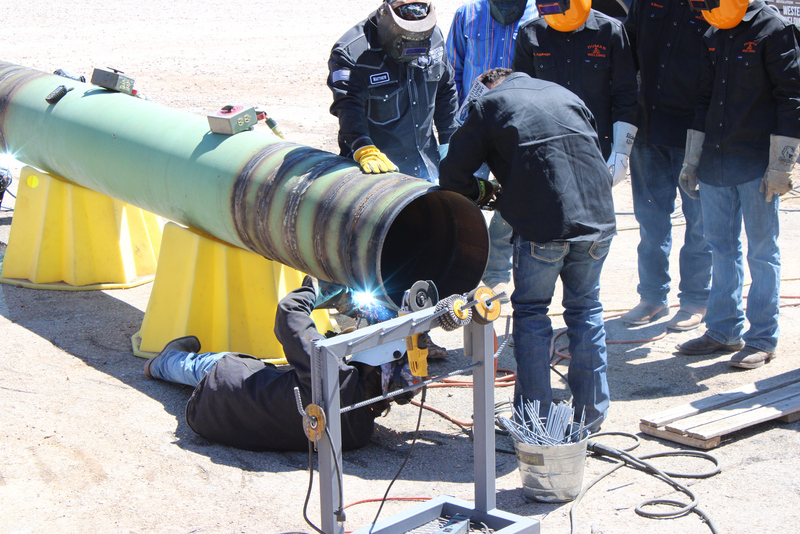
Stick welding is the backbone of field welding, pipeline construction, structural steel, and maintenance repair. It handles thick materials, rusty surfaces, and dirty conditions better than MIG or TIG. Pipe welders on remote job sites use stick for root passes and fill passes where no other process is practical. The Foundational Pipe Welder program at Western Welding Academy introduces stick welding fundamentals that carry into every advanced program.
Which Process Should You Learn First
If your goal is pipe welding, energy sector work, or the highest-paying specialties, start with stick and TIG. These are the processes that pipeline employers, Boilermakers, and Pipefitters unions test on. MIG is important but rarely the deciding factor in a pipe welding job interview. Learn more about what pipe welders earn across the country and which certifications matter most.
If your goal is manufacturing or fabrication, MIG gets you hired fastest. Add stick and TIG later to expand your options and raise your pay ceiling. The strongest approach is learning all three, which is exactly what Western Welding Academy programs deliver. The Professional Pipe Welder program covers MIG, TIG, and stick across 19 weeks. The Expert Pipe Welder program goes deeper across 24 weeks.
Why Learning All Three Processes at One School Gives You the Edge
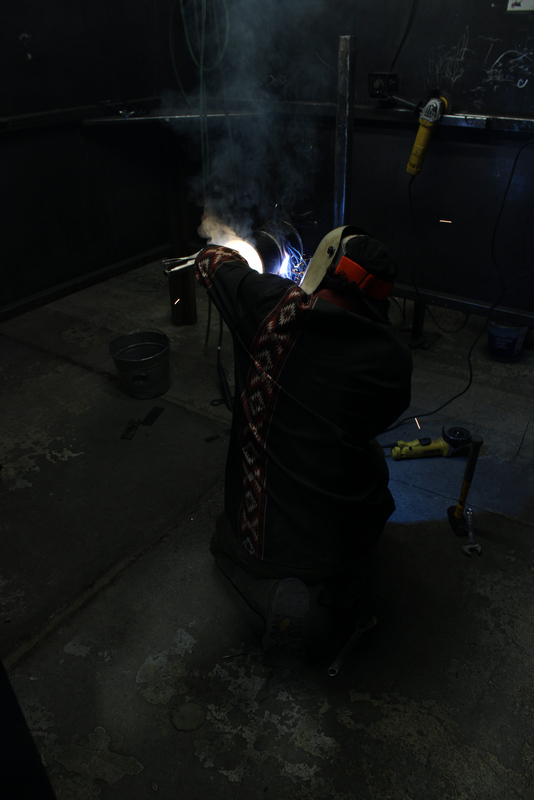
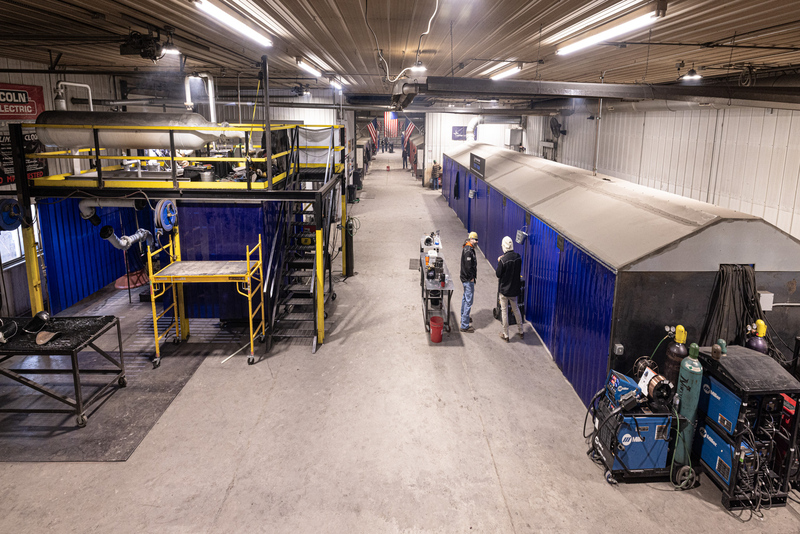
Western Welding Academy teaches MIG, TIG, and stick welding across all programs because employers want welders who can adapt to any process on the job site. A welder who can only run MIG gets passed over for the versatile candidate who can pick up any gun or stinger and produce quality work. The school's 85 percent booth time means students get enough repetitions on each process to build real competence, not just familiarity.
This approach produces a 94 percent hire rate within 90 days, verified by a 234-alumni survey from November 2024. Over 2,000 graduates have completed the program, and employers including SpaceX, Boilermakers locals, and Pipefitters unions actively recruit from the school. With 330 combined instructor years and the number one AWS Accredited Testing Facility ranking, Western Welding Academy builds welders who are ready for any process an employer throws at them. Read about what orbital welding is and how TIG skills open that door.
What Western Welding Academy Graduates Earn
Graduates of Western Welding Academy earn verified paychecks that reflect the premium employers pay for multi-process welders.
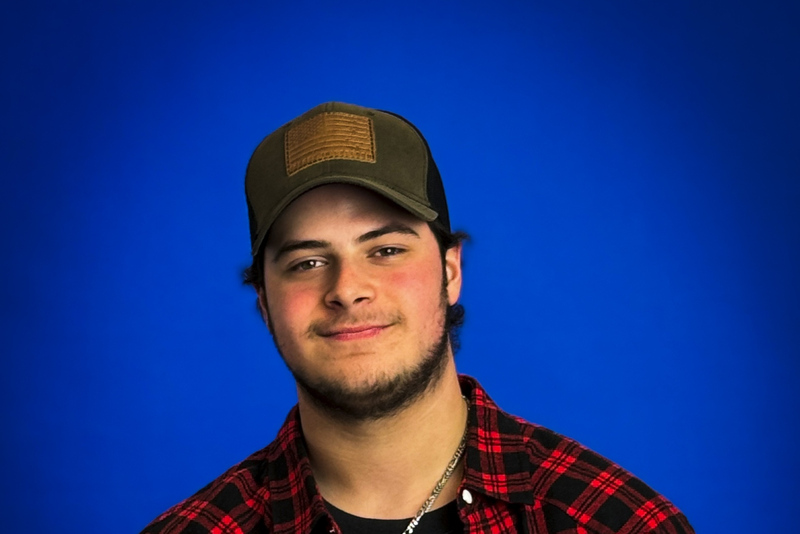
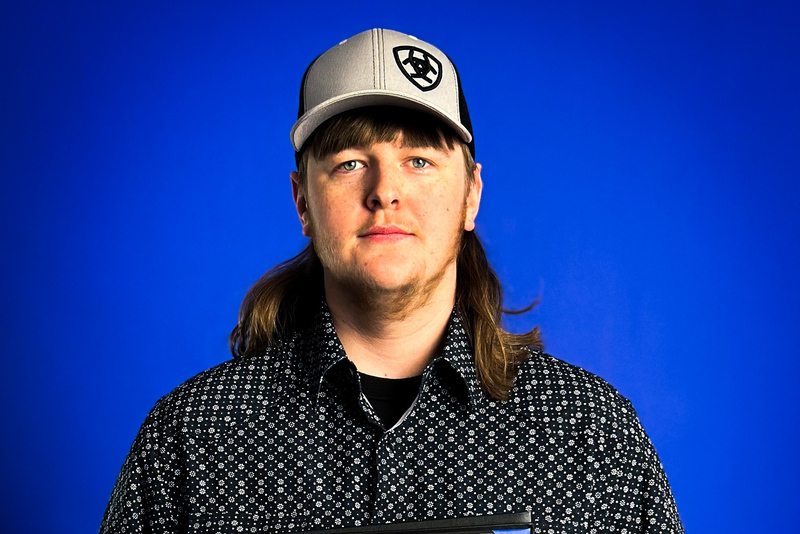
Leyton Wagner earns $4,514 per paycheck. His ability to weld with multiple processes makes him valuable to employers who need versatile welders on complex projects. Gavin Walden takes home $3,986 per paycheck. David Smolek earns $3,417 per paycheck.
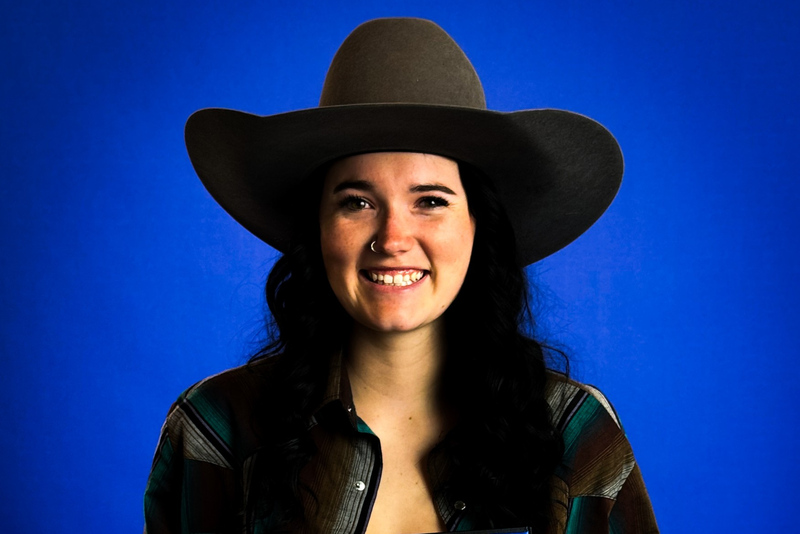
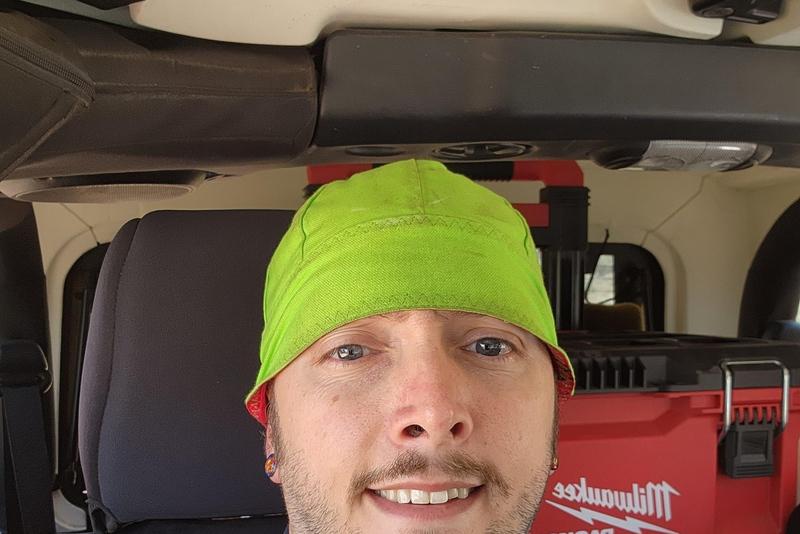
Noah clears $2,800 per week on the North Slope in Alaska, where pipeline welders need stick and TIG skills in extreme conditions. Hank reached $150,000 per year by age 21, demonstrating that welders who master all three processes early can build six-figure careers within years of graduating.
Ready to launch your welding career? Apply now or call Western Welding Academy at (307) 284-5313 today.
After choosing your first process, see the full career roadmap in our guide on how to become a welder in 2026.
Frequently Asked Questions
Q1. Which welding process is easiest to learn first?
MIG welding is the easiest to pick up because the machine handles wire feed while you control gun position and travel speed. Most beginners can lay a basic MIG bead within their first few hours. However, starting with MIG alone limits your career options in pipe welding and field work.
Q2. Which welding process pays the most?
TIG welding consistently commands the highest pay because it is the hardest to master and the most critical for precision industries. TIG welders work in aerospace, pharmaceutical, nuclear, and pipe welding roles that pay $60,000 to $125,000 or more per year depending on certification and location.
Q3. Do pipe welders use MIG, TIG, or stick?
Pipe welders use all three processes depending on the application. Stick welding is standard for field pipeline work. TIG is used for root passes and precision pipe joints. MIG handles fill passes in some shop applications. The best pipe welders are certified in all three processes and can switch between them on the same project.
Q4. Can I get a welding job knowing only one process?
Yes, but your options and pay ceiling are limited. MIG-only welders find work in manufacturing and fabrication shops. Adding stick and TIG significantly expands your job market and raises your earning potential. Employers prefer hiring welders who can adapt to multiple processes on the job site.
Q5. How long does it take to learn all three welding processes?
At Western Welding Academy, the Professional Pipe Welder program covers MIG, TIG, and stick across 19 weeks. The Expert Pipe Welder program provides deeper multi-process training over 24 weeks. Both programs deliver 85 percent hands-on booth time, giving students enough repetitions to build real skill.
Q6. What makes Western Welding Academy different from other welding schools?
Western Welding Academy teaches MIG, TIG, and stick welding across every program with 85 percent hands-on booth time. The school holds a 94 percent hire rate within 90 days, verified by a 234-alumni survey. With 2,000 graduates, 330 combined instructor years, and the number one AWS Accredited Testing Facility ranking, the school produces multi-process welders employers seek.
Learn All Three Processes and Start Your Career Right
The strongest welders do not limit themselves to one process. They learn all three and let employers compete for their skills. Call Western Welding Academy at (307) 284-5313 or apply now to build your multi-process welding foundation.

.jpg)
.jpg)


.jpg)
.jpg)
.jpg)
.jpg)
.jpg)
-thumbnail.jpg)

.jpg)