Why Pipe Weld Defects Matter More Than Structural Defects
Pipe welds operate under internal pressure, temperature cycling, and corrosive environments. A defect that might be acceptable on a structural connection becomes a potential failure point on a pressure pipe. Codes like ASME B31.3 and API 1104 set strict limits on defect size, type, and location. Exceeding those limits means the weld fails inspection.
Non-destructive examination (NDE) methods like X-ray and ultrasonic testing reveal internal defects that visual inspection cannot catch. A weld that looks clean on the outside can still contain porosity, lack of fusion, or slag inclusions hidden inside the joint. Pipeline and refinery contractors use NDE on every pressure weld, so hidden defects get found.
The cost of a defect goes beyond the repair itself. Cutting out a weld, re-prepping the joint, and re-welding it takes two to three times as long as doing it right the first time. On a pipeline spread, that delay affects the entire crew's production numbers. A welder who consistently produces defect-free welds earns more callbacks and more hours than one who creates rework.
Build defect-free welding habits from day one. Apply now or call (307) 284-5313.
The Six Most Common Pipe Weld Defects
Porosity appears as small gas pockets trapped inside the weld metal. It happens when shielding gas coverage fails, when the base metal is contaminated with oil or moisture, or when the welder uses the wrong gas flow rate. On pipe, porosity clusters in the root pass when purge gas flow is too low or when the gap allows air to enter the backside of the joint. Proper joint cleaning, correct purge pressure, and consistent shielding gas coverage prevent porosity.
Lack of fusion occurs when the weld metal does not bond completely to the base metal or to a previous pass. It happens when heat input is too low, when the welder moves too fast, or when the torch angle does not direct the arc into the sidewall. On pipe, lack of fusion hides at the fusion line between the weld and the base metal, making it invisible on the surface but clearly visible on X-ray. Proper heat input and torch manipulation eliminate this defect.
Incomplete penetration means the root pass did not fully fuse through the joint. The root opening was too tight, the land was too thick, or the amperage was too low to burn through. On pipe, incomplete penetration shows up as a dark line on the root side of the X-ray film. It is one of the most common reasons pipe welds fail radiographic inspection. Correct fit up dimensions and adequate root pass amperage prevent it.
Undercut is a groove melted into the base metal along the toe of the weld that is not filled by weld metal. It happens when amperage is too high, travel speed is too fast, or the welder pauses too long at the edges of a weave bead. On pipe, undercut weakens the joint at the exact point where stress concentrates during pressure cycling. Reducing amperage slightly and pausing at the toes of each weave pass fills the undercut before it forms.
Slag inclusions are pieces of flux or slag trapped between weld passes. They occur when the welder does not clean the previous pass thoroughly before depositing the next one. On pipe, slag gets trapped in tight spaces between the root and hot pass or between fill passes on the sidewalls. Grinding or wire brushing each pass completely and maintaining proper interpass angles prevent slag from getting trapped.
Cracking is the most serious pipe weld defect. It can occur in the weld metal, in the heat affected zone, or at the fusion line. Hydrogen cracking happens when moisture enters the weld zone through contaminated consumables, wet base metal, or inadequate preheat. Solidification cracking happens when the weld pool cools too fast under high restraint. On pipe, cracking is an automatic rejection under every welding code. Proper preheat, dry consumables, and controlled cooling rates prevent it.
How Training Prevents Defects Before They Start
Most weld defects come from the same root causes: poor fit up, wrong parameters, contaminated materials, or bad technique. A welder who understands these causes can prevent defects before striking an arc. The difference between a welder who produces clean welds and one who creates rework is training quality, not talent.
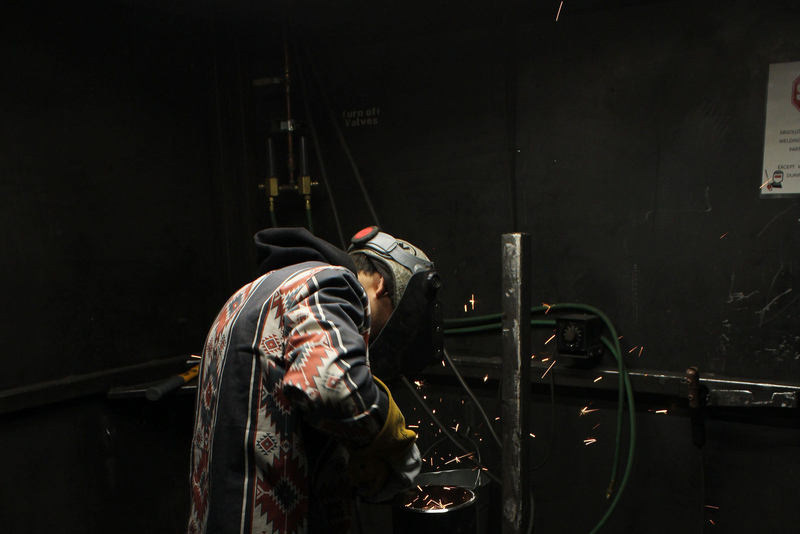
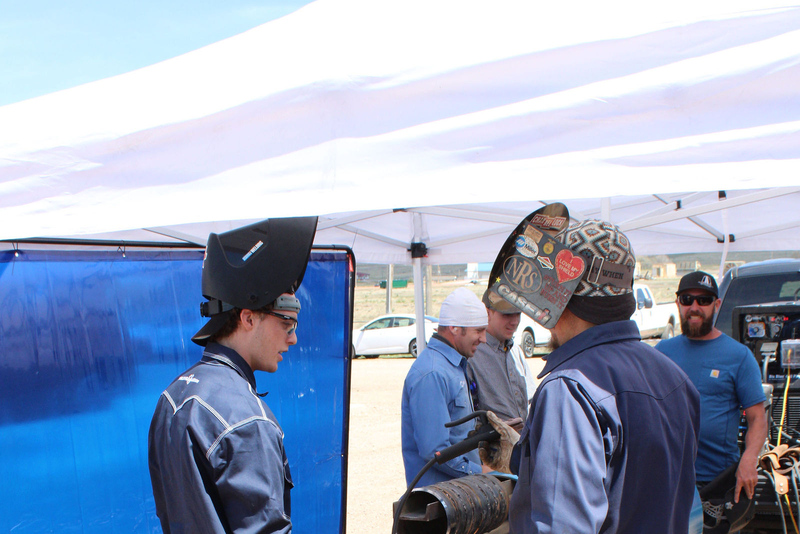
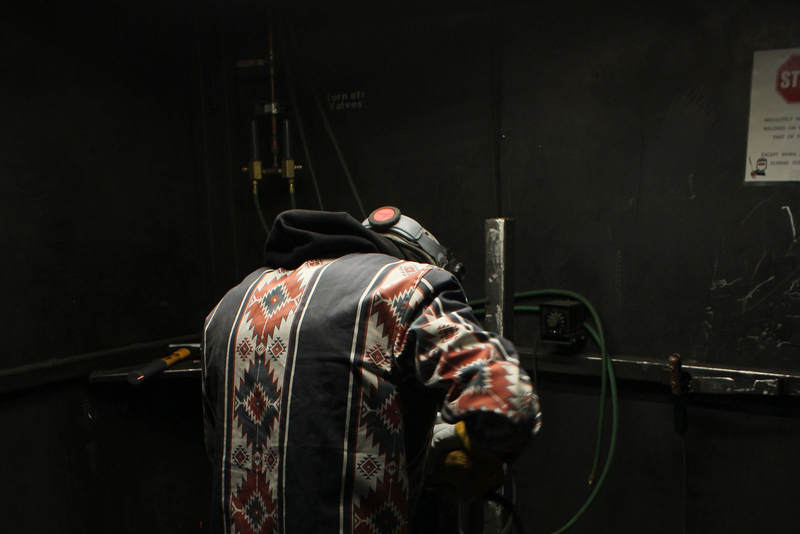
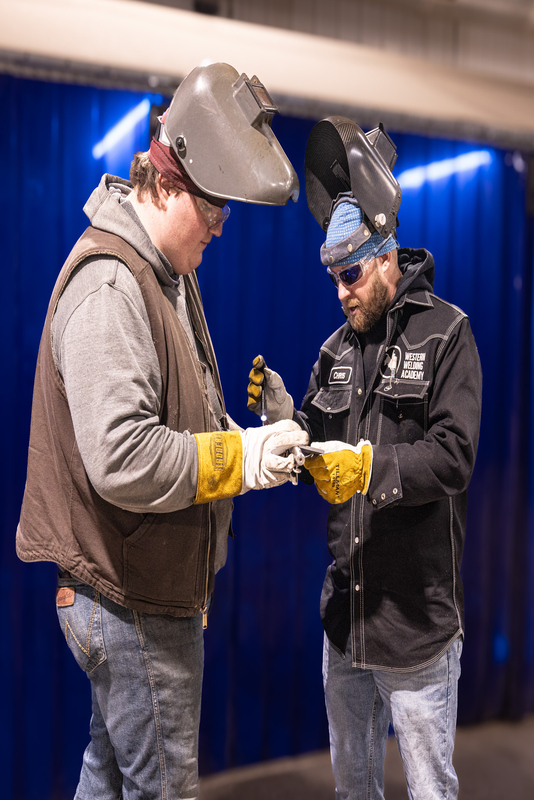
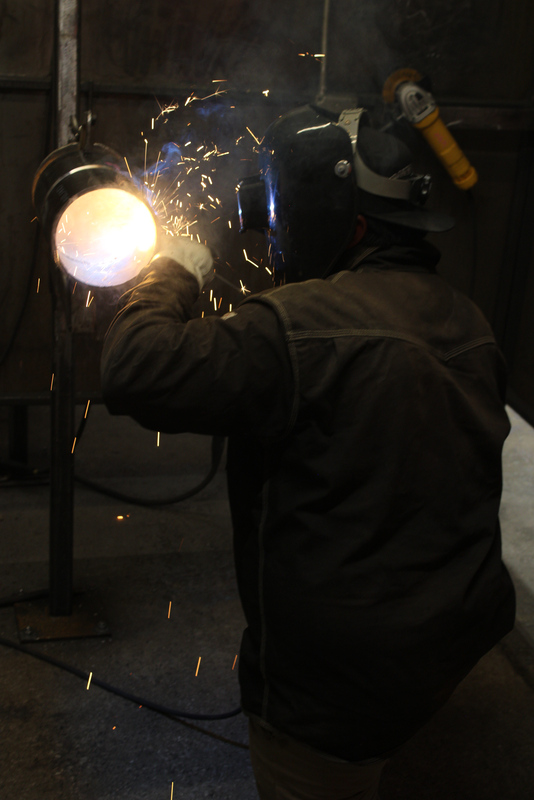
At Western Welding Academy, students learn to identify and correct defect causes while they are welding. An instructor watches the arc, checks the completed bead, and corrects technique in real time. This immediate feedback loop builds muscle memory for correct parameters and torch manipulation before bad habits form.
The difference between welding school and learning on the job shows up in defect rates. On-the-job training often means a welder repeats the same mistakes for months before someone corrects them. Structured training with 85% booth time and instructor feedback catches mistakes on the first weld, not the hundredth.
What Western Welding Academy Graduates Do Differently
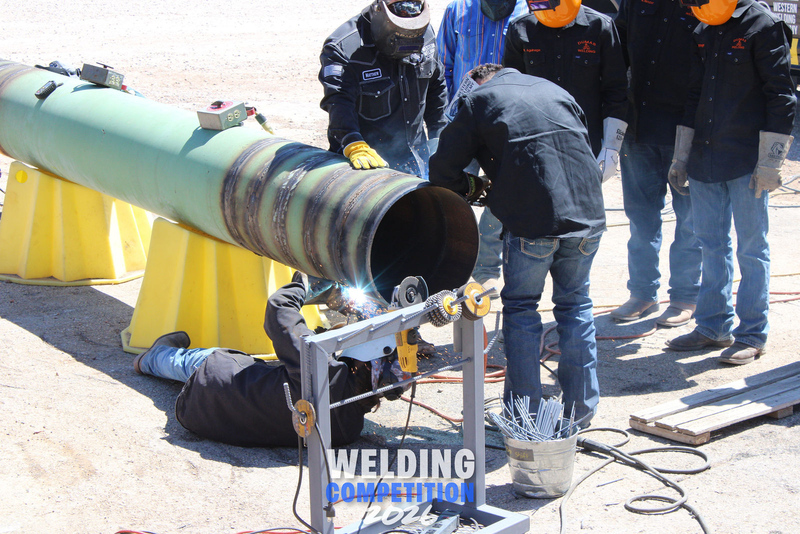
The Expert Pipe Welder program spends 24 weeks building the habits that produce defect-free welds. Students weld in all positions, including 6G fixed position, where gravity works against you and defects are most likely to occur. By the time a student tests for certification, they have welded hundreds of joints under instructor supervision.
The Professional Pipe Welder program covers the core defect prevention skills in 19 weeks. The Foundational Pipe Welder program introduces defect identification and prevention in 12 weeks. Both programs include on-site AWS accredited testing so students prove their defect-free welding ability before graduation.
Over 2,000 graduates from all 50 states have completed the program. The academy's 94% placement rate within 90 days reflects what contractors see: graduates who produce code-quality welds without constant supervision. That independence is what turns a welding school investment into fast-tracked earnings.
Stop creating defects. Start earning pipeline pay. Apply now or call (307) 284-5313.
What Graduates Earn With Defect-Free Welding Skills
Pipe welders who produce clean welds earn more callbacks, more overtime, and higher per-diem rates. A welder who fails inspections gets pulled off the line. A welder who passes every test stays busy. Here is what Western Welding Academy graduates earn when their welds pass inspection the first time.
Leyton Wagner earns $4,514 per paycheck on pipeline work. His welds pass radiographic inspection consistently because he learned proper technique under instructor supervision at Western Welding Academy.
Gavin Walden takes home $3,986 per paycheck. His defect-free welds mean he stays on every contractor's callback list instead of sitting at home waiting for the phone to ring.
David Smolek earns $3,417 per paycheck. He credits his training for building the habits that prevent defects before they happen, not just fixing them after inspection.
Noah clears $4,800 per week on pipeline spreads. His ability to weld defect-free across multiple processes and positions makes him one of the first welders a foreman calls.
Hank crossed $150,000 per year before age 22. His clean welds and zero-rework reputation put him ahead of welders with twice his experience.
Frequently Asked Questions
Q1. What is the most common defect on pipe welds?
Porosity and incomplete penetration are the two most common defects on pipe welds. Porosity comes from contamination or poor shielding gas coverage. Incomplete penetration comes from insufficient heat or incorrect root opening dimensions. Both are preventable with proper training and technique.
Q2. What happens when a pipe weld fails inspection?
The defective section gets cut out and the joint is re-prepped and re-welded. This costs two to three times the labor of the original weld. Repeated failures can get a welder removed from the project and affect their reputation with that contractor.
Q3. Can you see all pipe weld defects with your eyes?
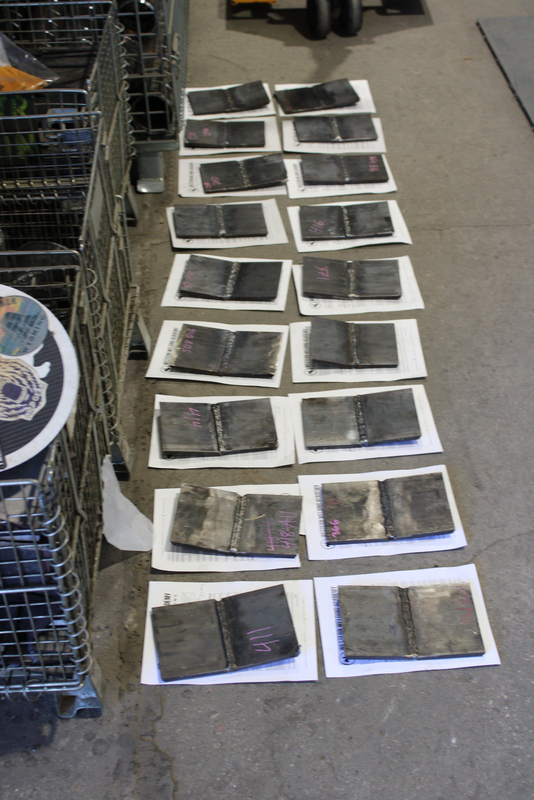
No. Visual inspection catches surface defects like undercut and surface porosity. Internal defects like lack of fusion, subsurface porosity, and slag inclusions require non-destructive examination methods like X-ray or ultrasonic testing to detect.
Q4. What causes cracking in pipe welds?
Hydrogen cracking comes from moisture in consumables, wet base metal, or insufficient preheat. Solidification cracking comes from rapid cooling under high restraint. Both types are preventable with proper procedures, dry consumables, and correct preheat temperatures.
Q5. How does training reduce weld defects?
Structured training with instructor feedback catches incorrect technique on the first weld instead of the hundredth. Students build muscle memory for correct parameters, torch angles, and travel speeds before bad habits form. On-the-job training often lets mistakes repeat for months.
Q6. What makes Western Welding Academy different from other welding schools?
Western Welding Academy teaches defect prevention through 85% hands-on booth time, instructor feedback on every weld, on-site AWS accredited testing, a 94% placement rate within 90 days, and named graduates earning $3,400 to $4,800 per paycheck. Over 2,000 graduates from all 50 states have completed the program.
Eliminate Defects and Start Your Pipeline Career
Every defect you prevent is a repair you never have to make. The welders earning the most on pipeline are the ones whose welds pass inspection every time. Western Welding Academy teaches you to identify defect causes, build correct technique from day one, and graduate with the skills contractors trust. Call Western Welding Academy at (307) 284-5313 or apply now to build the defect-free welding habits that earn pipeline pay.


.jpg)


.jpg)


.jpg)
.jpg)
.jpg)
.jpg)
.jpg)
-thumbnail.jpg)

.jpg)