What Is Ductile Iron Pipe and Why Does It Matter
Ductile iron is a type of cast iron that contains graphite nodules instead of graphite flakes. Those nodules give it flexibility and impact resistance that regular gray cast iron cannot match. Standard ductile iron contains 3% to 4% carbon and 1.8% to 2.8% silicon, which makes it stronger than gray iron but harder to weld than mild steel.
Municipal water systems across the country rely on ductile iron pipe for distribution lines. The AWWA C151 standard governs pipe sizes from 3 inches to 64 inches in diameter, with pressure ratings from 150 to 350 psi. These pipes have an expected service life of 100 years or more. When one needs repair, replacement costs run into the tens of thousands. A welder who can fix it in the field saves the project real money.
Ductile iron pipe shows up in water supply lines, wastewater systems, gas distribution networks, and industrial process piping. The Ductile Iron Pipe Research Association (DIPRA) publishes field welding guidelines that cover joint prep, electrode selection, and heat treatment. These are the standards contractors follow on every municipal project.
Can You Actually Weld Ductile Iron Pipe
Yes, you can weld ductile iron pipe. But it is not the same as welding mild steel, stainless, or even standard carbon steel pipe. The 3% to 4% carbon content creates a heat-affected zone (HAZ) that forms hard, brittle martensite if the weld cools too fast. That martensite is what causes cracks, and cracks on a pressurized water main cause catastrophic failure.
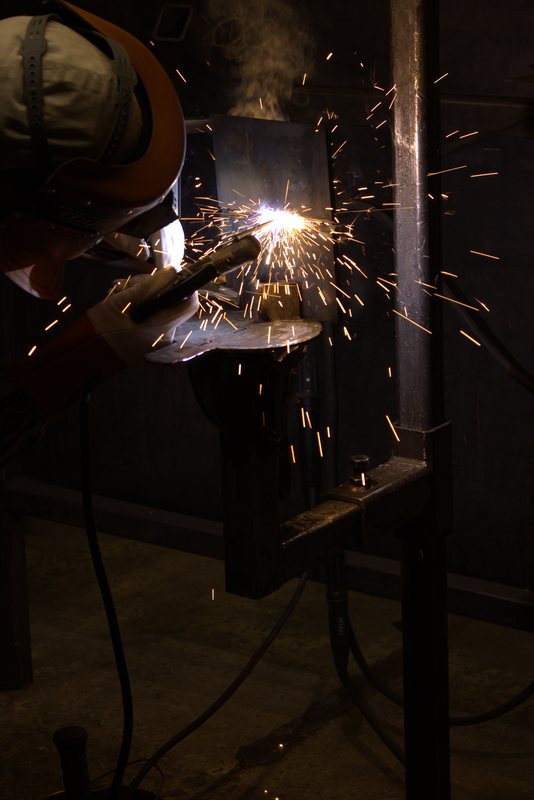
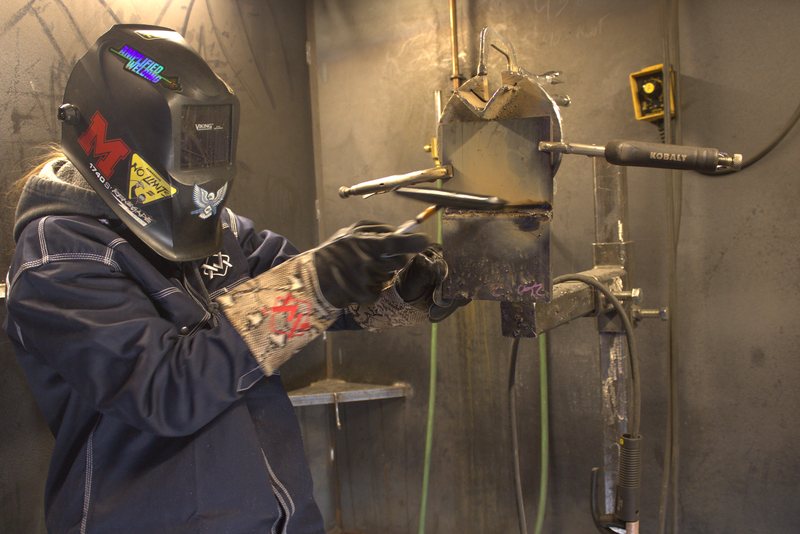
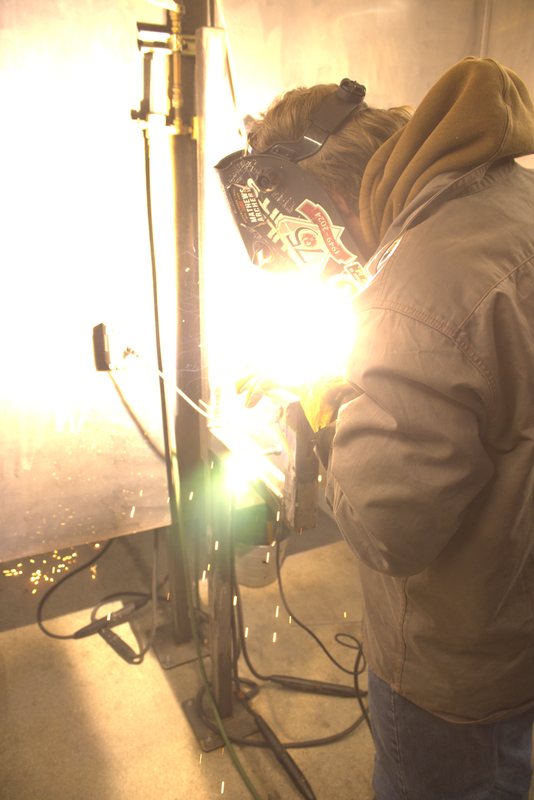
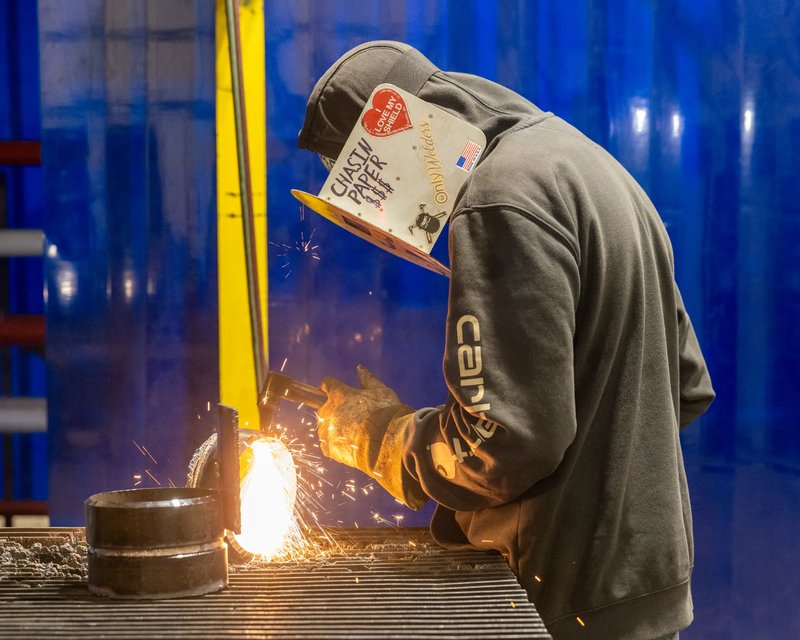
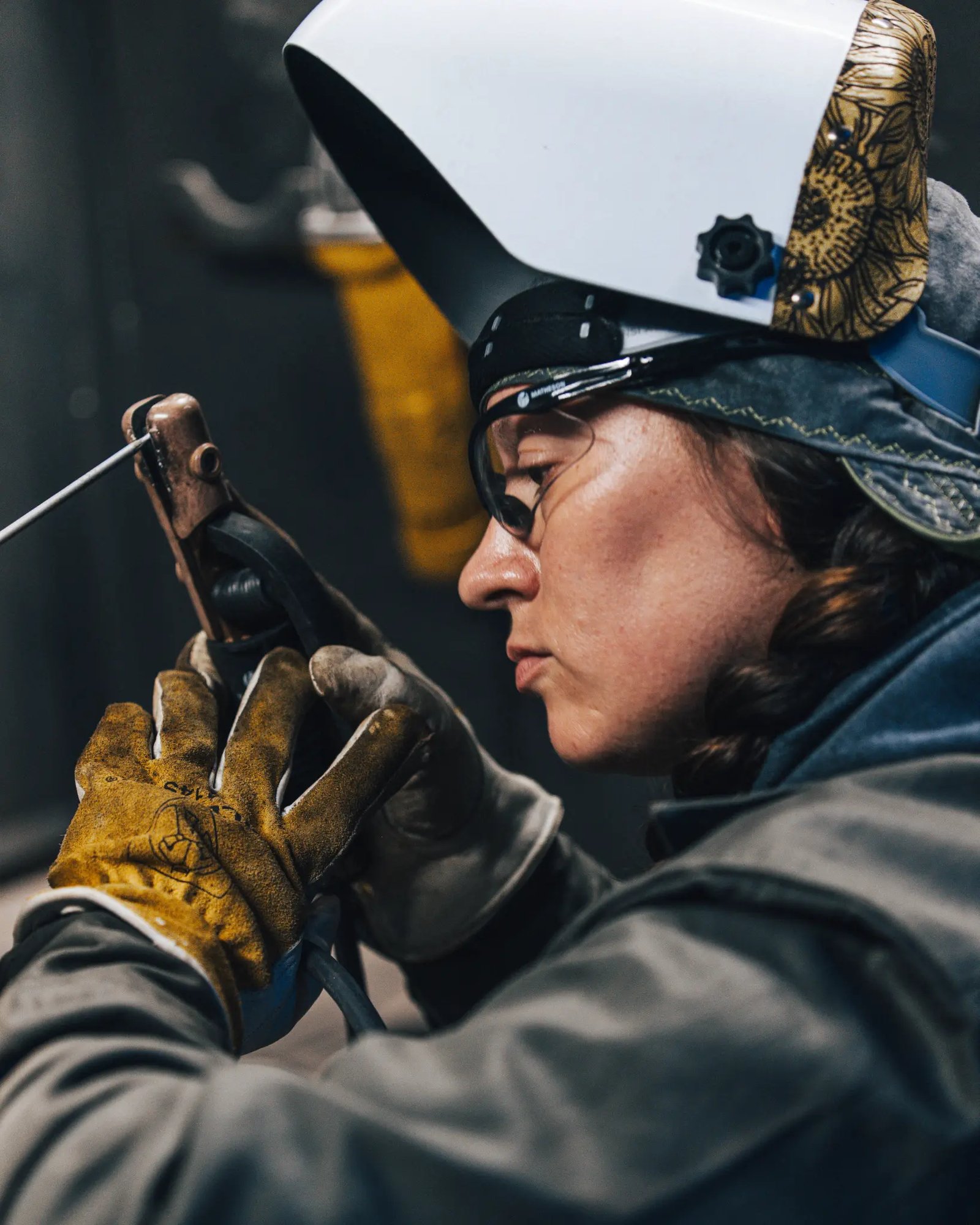
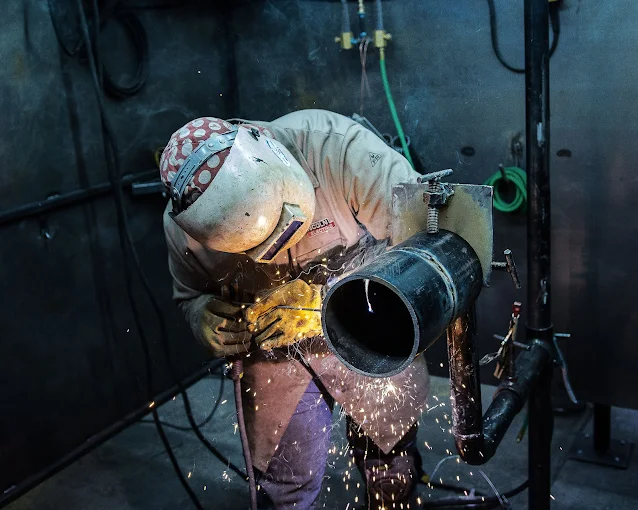
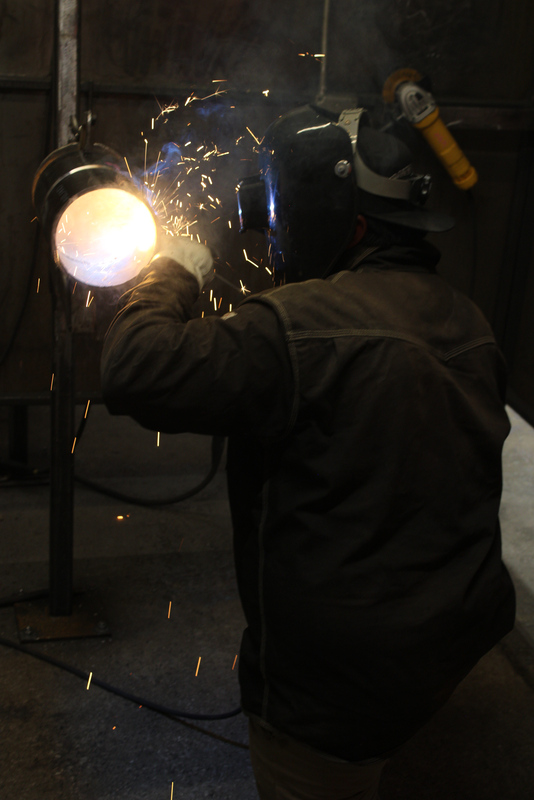
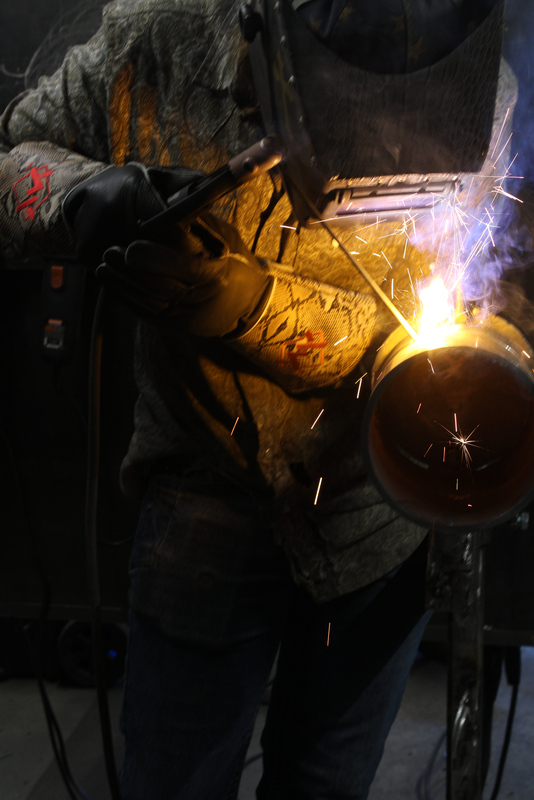
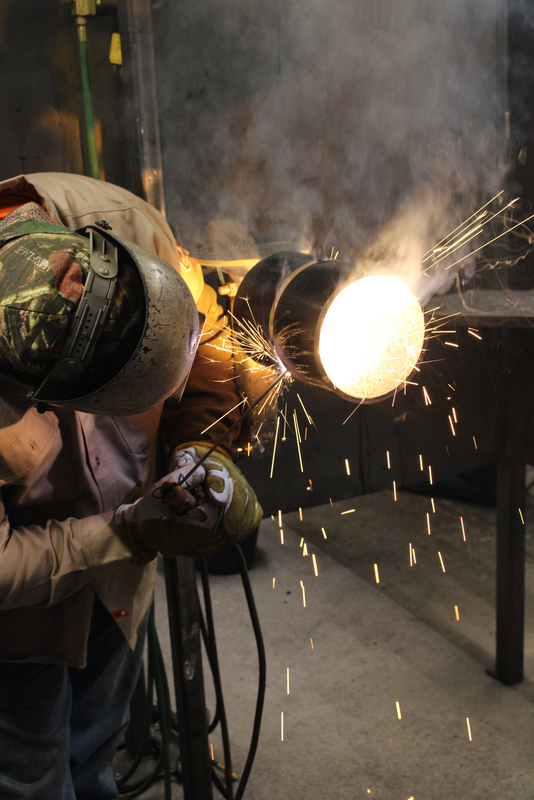
SMAW (stick welding) with direct current reverse polarity (DCRP) is the most common process for ductile iron pipe in the field. The electrode runs on the positive terminal while the workpiece connects to negative. This setup pushes more heat into the base metal and gives better penetration on thick-walled pipe sections.
MIG and TIG also work on ductile iron, but stick welding remains the go-to for field repairs. TIG gives the most precise control and cleanest results, while MIG handles thin to medium sections well. For most infrastructure jobs, though, portability and simplicity make SMAW the first choice. That is one reason SMAW pipe welding certification prep is so valuable in this field.
Which Electrodes Work for Welding Ductile Iron
Standard mild steel electrodes will crack on ductile iron every time. The carbon in the base metal migrates into the weld pool and creates brittle zones. That is why nickel-based electrodes are the only reliable option for this work.
ENi-CI (Nickel-99) electrodes contain nearly pure nickel. Nickel does not form carbides and has very low carbon solubility. When the weld pool solidifies, any carbon that enters precipitates as soft graphite instead of hard carbides. This keeps the weld ductile and crack-resistant. ENi-CI electrodes require a minimum preheat of 300 degrees Fahrenheit.
ENiFe-CI (Nickel-55) electrodes contain about 53% nickel and the balance in iron. They produce a weld deposit with roughly 30% nickel and 70% iron after dilution from the base metal. This combination has the lowest thermal expansion of any nickel-iron alloy, which reduces stress cracking during cooling. ENiFe-CI rods only need a minimum 250 degree Fahrenheit preheat, making them more forgiving for field conditions.
ENiFeMn-CI electrodes add manganese to the mix for high-strength grades and wear resistance applications. In tensile testing, nickel-based electrodes deliver 55,000 to 62,000 psi versus 45,000 psi for standard rods. AWS testing shows a 38% lower crack rate with these filler metals. The highest-paying welding specialties all require mastery of specialty filler metals like these.
Ready to master specialty welding processes that pay top dollar? Apply now or call (307) 284-5313 to talk to an admissions advisor.
How to Preheat and Cool Ductile Iron the Right Way
Preheat is not optional on ductile iron. Skip it and the weld will crack before you even put down the stinger. The correct preheat range for most ductile iron pipe work is 300 to 500 degrees Fahrenheit (150 to 260 degrees Celsius). For thick sections using stick welding, the range tightens to 450 to 500 degrees Fahrenheit.
Use a temperature crayon or infrared thermometer to verify preheat. Apply heat uniformly around the joint for at least one hour per inch of wall thickness. Never exceed six hours of total preheat time. The goal is to raise the base metal temperature slowly and evenly so the HAZ does not develop thermal gradients that lead to cracking.
Interpass temperature is just as critical. Keep it between 320 and 600 degrees Fahrenheit (160 to 315 degrees Celsius). Never let it exceed 700 degrees Fahrenheit. Going too hot changes the microstructure of the graphite nodules and reduces ductility.
After the final pass, slow cooling decides everything. Let the welded joint cool in still air. Never quench with water or compressed air. Cover the weld with insulating blankets to reduce the cooling rate to 5 to 10 degrees Celsius per minute. The slower the cool, the less martensite forms, and the less likely the weld is to crack.
Common Mistakes That Crack a Ductile Iron Weld
The number one mistake is skipping preheat. Welders who treat ductile iron like mild steel end up with cracks every time. The high carbon content demands controlled heat input from start to finish. No preheat means rapid thermal shock, and thermal shock means martensite in the HAZ.
Using the wrong electrode ranks second. Mild steel rods (E6010, E7018) do not have the metallurgy to handle carbon migration. Only nickel-based rods like ENi-CI or ENiFe-CI reject carbon as soft graphite instead of hard carbides.
Cooling too fast is the third killer. Pulling insulating blankets too early, working in cold weather without wind protection, or quenching with water all produce the same result. The weld looks fine on the surface and then cracks under pressure testing.
Other common failures include excessive dilution from the base metal (keep welds under 20% of wall thickness per pass), poor slag removal between passes, and welding on highly stressed sections without stress relief. Every one of these mistakes costs money and delays the project. Understanding the differences between pipeline, refinery, and structural welding helps welders recognize which techniques apply to each job site.
Where Ductile Iron Welders Work and What They Earn
Ductile iron welding jobs cluster in the infrastructure sector. Municipal water districts, wastewater treatment plants, gas utilities, and heavy civil contractors all need welders who can handle this material. Federal infrastructure spending has pushed demand higher, and the BLS reports that the median annual wage for welders, cutters, solderers, and brazers hit $48,940 nationally. Specialty infrastructure welders earn well above that median.
Leyton Wagner earned $4,514 on a single paycheck after graduating from Western Welding Academy. That works out to more than $9,000 per month. He trained on SMAW, GMAW, FCAW, and GTAW processes across multiple joint configurations before testing for his certifications. His paycheck proved that the investment paid for itself in the first 90 days.
Gavin Walden pulled $3,986 per check working on pipe jobs after completing the Expert Pipe Welder program. He went from zero welding experience to six-figure earning potential in 24 weeks. The program gave him 40 hours per week of booth time on real pipe joints, not simulators.
David Smolek earned $3,417 per paycheck in his first role after graduation. He credits the hands-on training at Western Welding Academy for preparing him to pass weld tests on his first attempt. His employer valued his ability to run multiple processes on different joint types.
Noah started clearing $2,800 per week right out of school. He chose the Professional Pipe Welder program and completed it in 19 weeks. Within two weeks of graduation, he was on a job site earning more than many four-year college graduates.
Hank hit $150,000 per year by age 21. He stacked certifications through Western Welding Academy and leveraged them into pipeline work that paid per diem on top of hourly rate. His total compensation surpassed what most professionals earn in their 30s.
Why the Right Training Makes the Difference
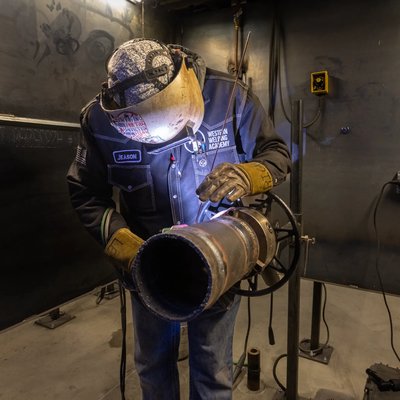
Ductile iron is not a material you learn on YouTube. The carbon content, preheat requirements, electrode selection, and cooling procedures all demand hands-on repetition under instructor supervision. Western Welding Academy builds that skill set into every program. Students spend 85% of their training time in the booth, not in a classroom watching slides.
The Foundational Pipe Welder program runs 12 weeks at $17,050 and covers SMAW, GMAW, and FCAW fundamentals. The Professional Pipe Welder program adds GTAW and advanced pipe positions over 19 weeks at $27,600. The Expert Pipe Welder program runs 24 weeks at $35,800 and includes every process and certification a welder needs to walk onto any job site in the country.
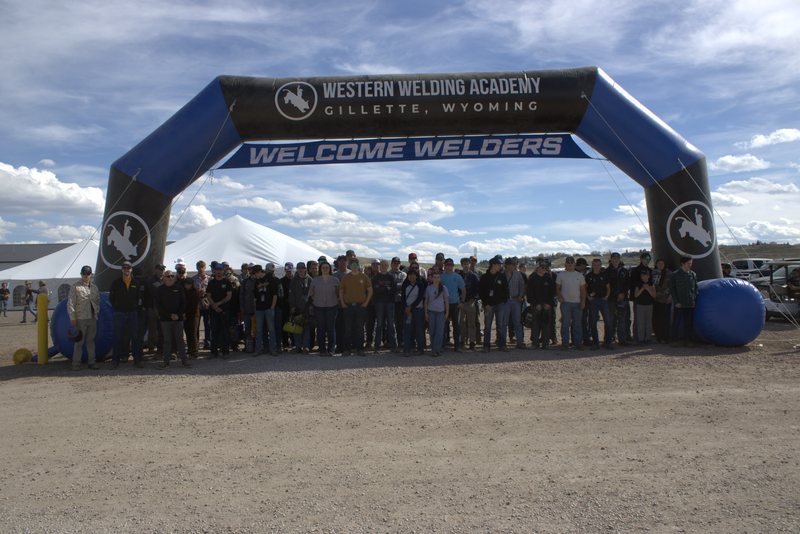
Western Welding Academy holds a 94% hire rate with 90-day placement. Graduates have gone to work for SpaceX, Boilermakers locals, Pipefitters unions, and specialty contractors across all 50 states. The school has produced over 2,000 graduates, with 95% traveling from outside Wyoming to train. The average payback period on tuition is 5 to 7 months.
The industries hiring the most welders right now include water infrastructure, energy, and heavy civil construction. All three sectors use ductile iron in some capacity. A welder who shows up with the right certifications and hands-on experience with specialty metals stands out from every other applicant.
Start building the skills that infrastructure employers pay top dollar for. Apply now or call (307) 284-5313 to talk to an admissions advisor.
Frequently Asked Questions
Q1. Can you weld ductile iron pipe?
Yes, ductile iron pipe is weldable using SMAW, MIG, or TIG processes. The key is using nickel-based electrodes (ENi-CI or ENiFe-CI), preheating to 300 to 500 degrees Fahrenheit, and cooling slowly to prevent cracking in the heat-affected zone.
Q2. What rod do you use to weld ductile iron?
ENi-CI (Nickel-99) and ENiFe-CI (Nickel-55) electrodes are the standard choices. Nickel-based filler metals reject carbon as soft graphite instead of hard carbides. This prevents the brittle weld deposits that cause cracking on high-carbon materials like ductile iron.
Q3. What is the preheat temperature for ductile iron welding?
Preheat ductile iron to 300 to 500 degrees Fahrenheit (150 to 260 degrees Celsius) before welding. For thick sections using SMAW, target 450 to 500 degrees Fahrenheit. Apply heat evenly for at least one hour per inch of wall thickness.
Q4. Why does ductile iron crack when you weld it?
Ductile iron contains 3% to 4% carbon. Rapid heating and cooling cause the heat-affected zone to form martensite, a hard and brittle microstructure that cracks under stress. Proper preheat, nickel electrodes, and slow cooling eliminate this problem.
Q5. What is the difference between ductile iron and cast iron for welding?
Ductile iron has graphite nodules that give it flexibility and impact resistance. Gray cast iron has graphite flakes that make it more brittle. Both require nickel electrodes and preheat, but ductile iron is more forgiving and produces stronger weld joints.
Q6. What makes Western Welding Academy different from other welding schools?
Western Welding Academy delivers 85% hands-on booth time with 40 hours per week of actual welding. The school holds a 94% hire rate with 90-day placement and has produced over 2,000 graduates. Programs run 12 to 24 weeks, and the average tuition payback period is 5 to 7 months.
Start Welding the Materials That Pay the Most
Ductile iron pipe is everywhere, and the welders who know how to handle it earn more than those who do not. The right electrodes, the right preheat, and the right training separate the welder who passes the test from the one who goes home. Call Western Welding Academy at (307) 284-5313 or apply now to start building skills that contractors pay top dollar for.


.jpg)
.jpg)
.jpg)
.jpg)
.jpg)
-thumbnail.jpg)

.jpg)