Certificate Programs at Trade Schools: 10 to 24 Weeks
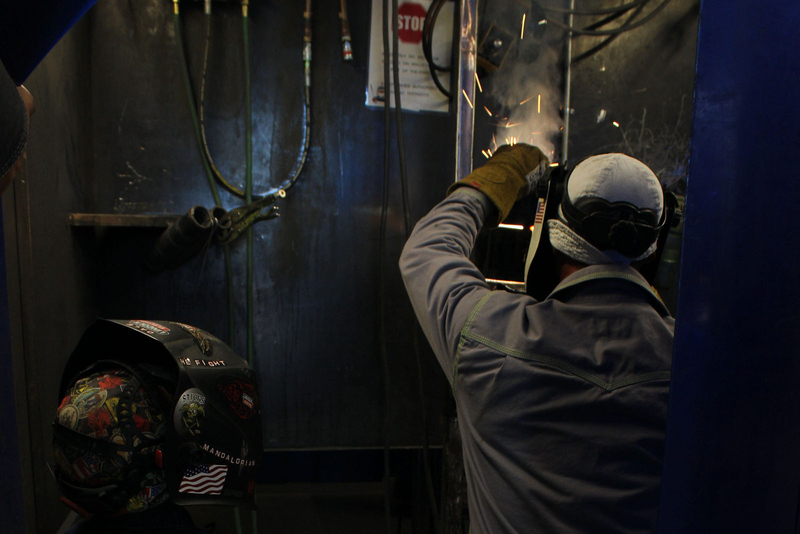
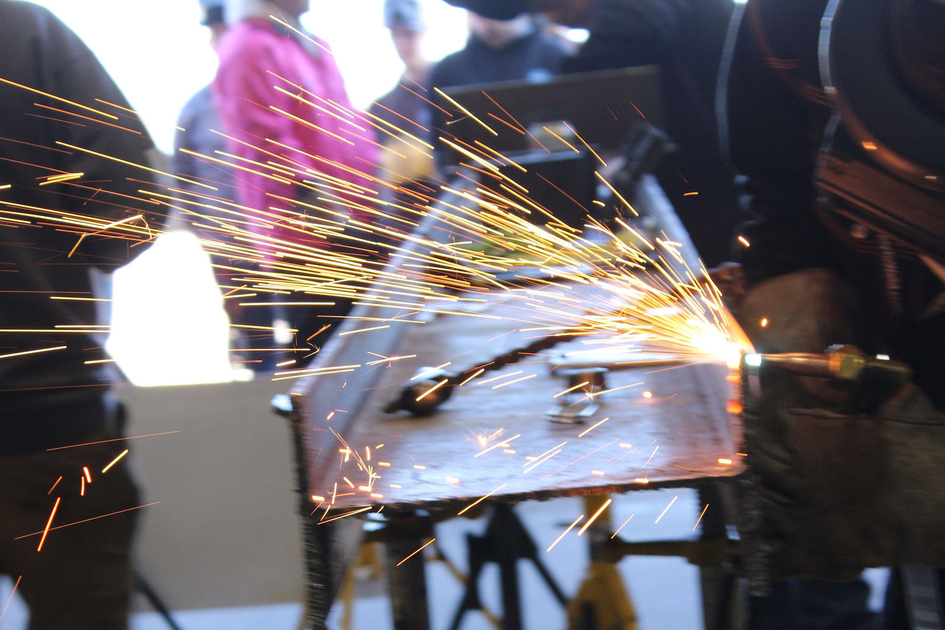
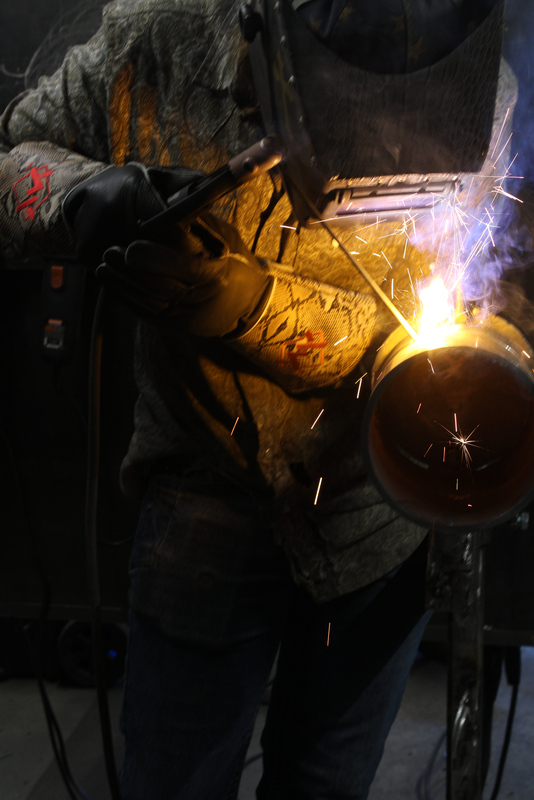
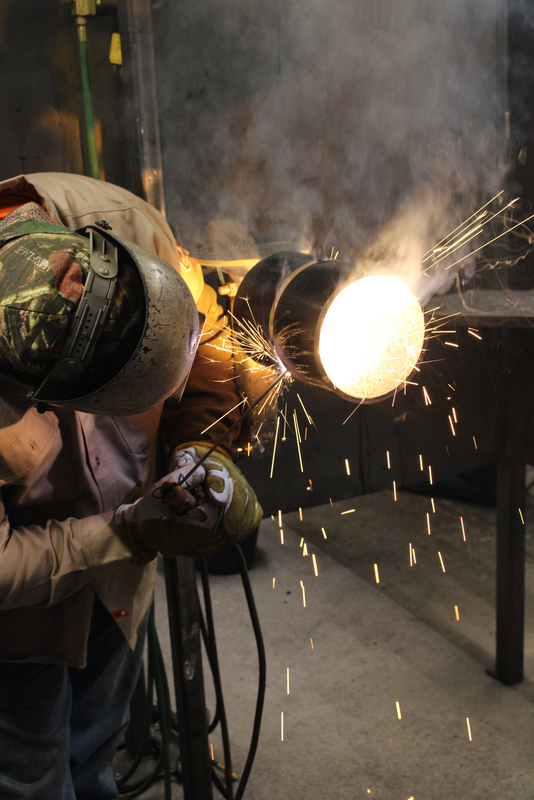
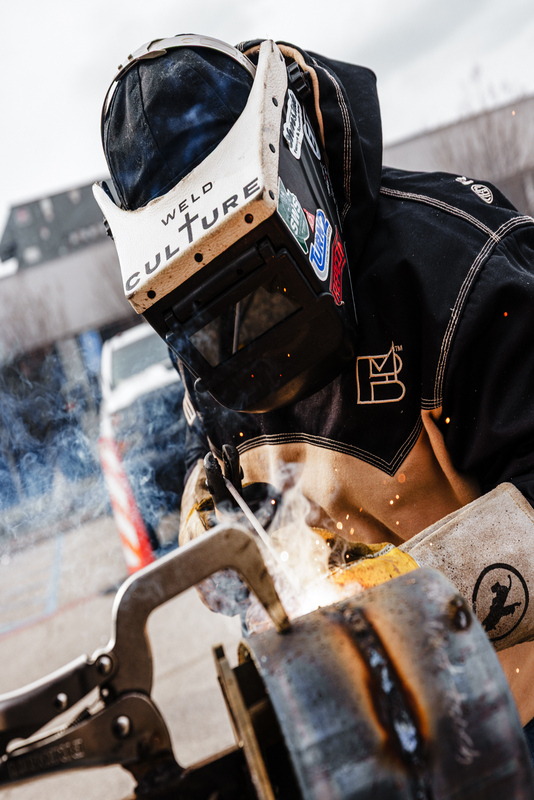
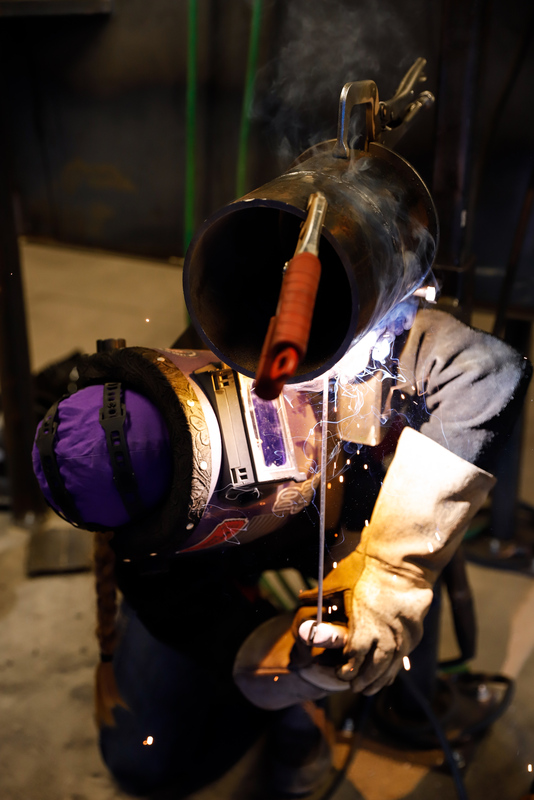
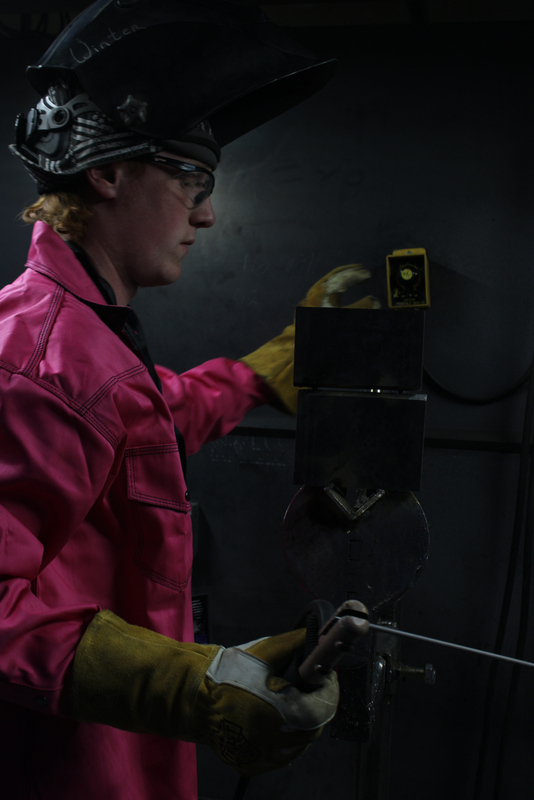
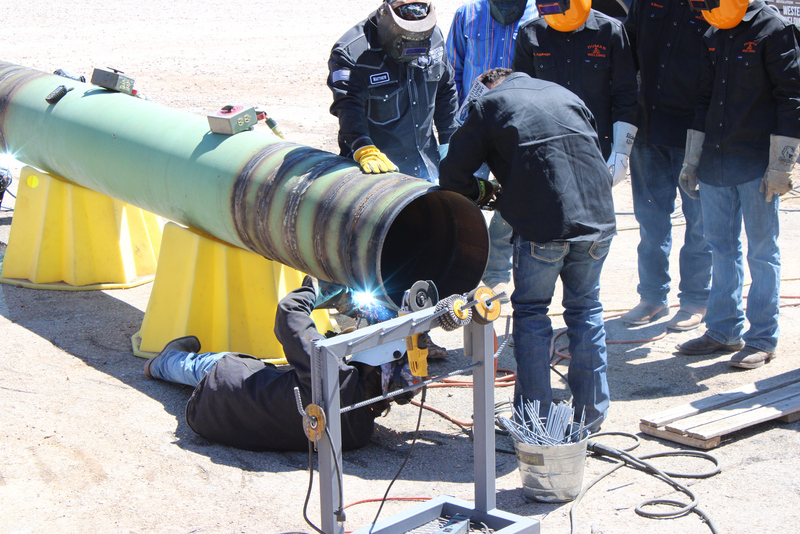
Specialized welding trade schools offer the fastest path from zero experience to employable skills. These programs compress training into 10 to 24 weeks of full-time, intensive booth work. Students weld 30 to 40 hours per week, building muscle memory at the pace that real job sites demand. Trade school programs focus on the processes and positions employers actually test on, cutting out general education courses that extend community college timelines.
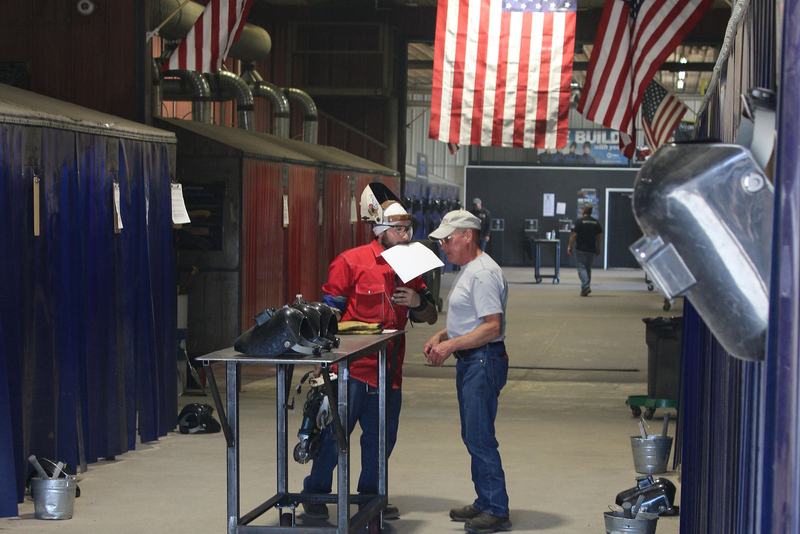
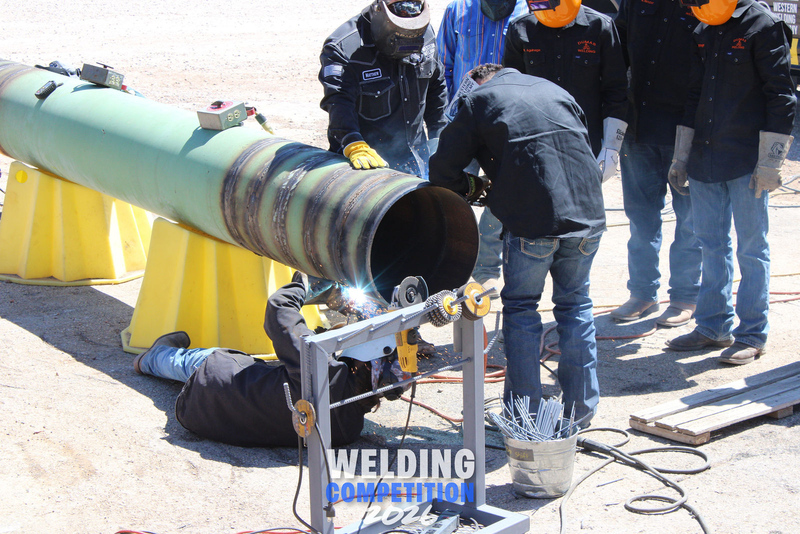
At Western Welding Academy, the Foundational Pipe Welder program runs 12 weeks at $17,050. The Professional Pipe Welder runs 19 weeks at $27,600. The Expert Pipe Welder runs 24 weeks at $35,800. Every program delivers 85 percent booth time, 40 hours per week. Students graduate with multi-process pipe welding skills in months, not years.
Community College Programs: 6 to 18 Months
Community colleges offer welding certificates and diplomas that run 6 to 18 months. Tuition is lower, typically $2,000 to $10,000, and financial aid options are widely available. The trade-off is pace. Community college programs include general education courses, operate on semester schedules, and often deliver fewer booth hours per week than dedicated trade schools.
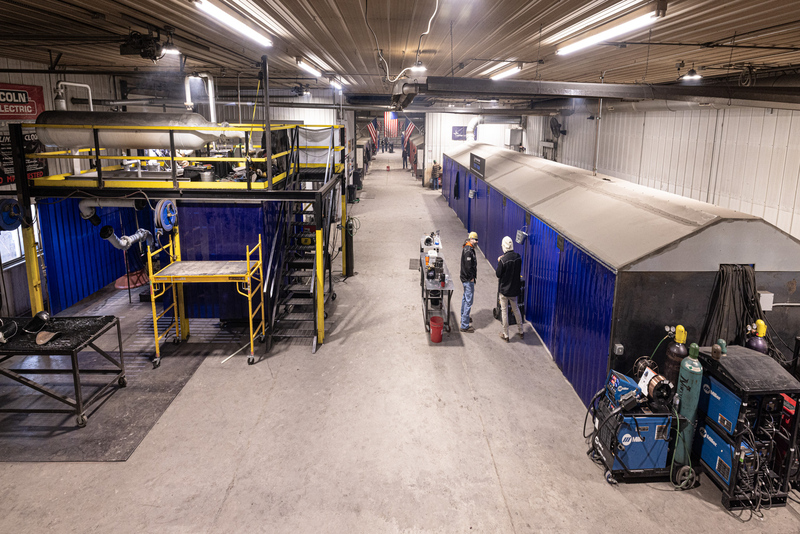
A student at a community college might weld 10 to 15 hours per week alongside math, English, and elective courses. That same student at an intensive trade school welds 30 to 40 hours per week with no filler courses. The total booth hours may end up similar, but the trade school student finishes in 3 to 6 months while the community college student takes 12 to 18 months. Time has a cost. Every extra month in school is a month of lost wages.
Ready to launch your welding career? Apply now or call Western Welding Academy at (307) 284-5313 today.
Associate Degree Programs: 2 Years
An associate degree in welding technology takes approximately 2 years and includes general education courses alongside welding training. These programs are broader in scope, covering metallurgy, blueprint reading, welding codes, and sometimes welding inspection fundamentals. Tuition ranges from $10,000 to $30,000 depending on in-state vs. out-of-state status.
An associate degree can be valuable for welders who plan to move into supervision, inspection, or welding engineering roles later in their career. However, for students whose goal is to start welding and earning as fast as possible, the 2-year timeline delays income significantly. Many employers value hands-on skill and AWS certifications over academic degrees when hiring production welders. Learn more about how much welding school costs across program types.
Apprenticeships: 3 to 5 Years
Welding apprenticeships through unions or employers run 3 to 5 years. Apprentices earn wages during training but at reduced rates (40 to 60 percent of journeyman pay). The training is employer-directed, meaning you learn the processes your workplace needs rather than a structured multi-process curriculum. Apprenticeship spots are competitive and not always available. Read the full comparison of welding apprenticeships vs welding school.
What Determines the Right Program Length for You
If you need to start earning quickly, a 12 to 24 week trade school program gets you into the workforce fastest. If you want the lowest tuition and can afford a longer timeline, community college works. If you plan to pursue inspection, engineering, or management, an associate degree adds academic credentials. If you want to earn while you learn and can wait 3 to 5 years, apprenticeships offer that path.
The critical variable is booth time per dollar spent. Western Welding Academy delivers 85 percent booth time across programs that run 12 to 24 weeks. The school holds a 94 percent hire rate within 90 days, verified by a 234-alumni survey from November 2024. With 2,000 graduates and 330 combined instructor years, the school produces job-ready welders in the shortest practical timeline. See why Wyoming welders earn more than the national average and how fast graduates start earning.
What Western Welding Academy Graduates Earn
Graduates of Western Welding Academy earn verified paychecks that demonstrate the return on 12 to 24 weeks of focused training.
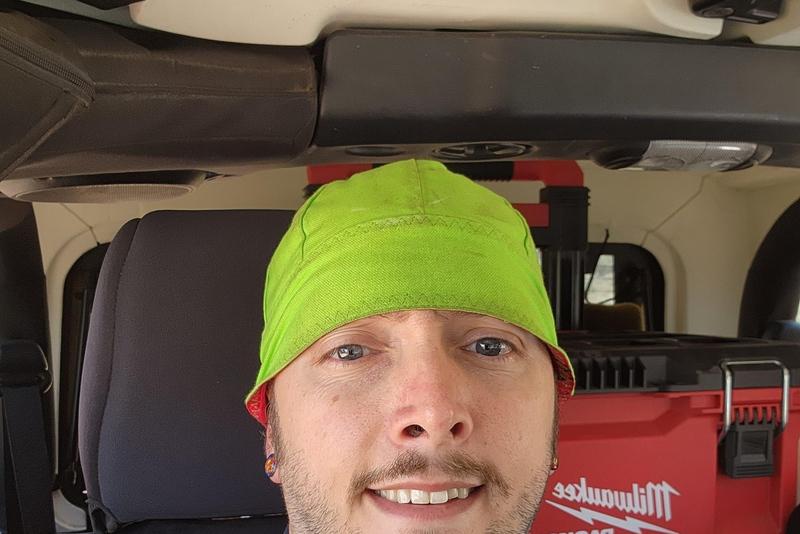
Leyton Wagner earns $4,514 per paycheck. He completed his training in months, not years, and started earning immediately. Gavin Walden takes home $3,986 per paycheck. David Smolek earns $3,417 per paycheck.
Noah clears $2,800 per week on the North Slope in Alaska. Hank reached $150,000 per year by age 21. Every month you spend in a longer program is a month you could be earning at these levels.
Ready to launch your welding career? Apply now or call Western Welding Academy at (307) 284-5313 today.
For a complete walkthrough of every step from high school diploma to first paycheck, read our guide on how do you become a welder in 2026.
Frequently Asked Questions
Q1. What is the shortest welding school program?
The shortest structured programs run 7 to 12 weeks and focus on specific processes or introductory skills. Western Welding Academy's Foundational Pipe Welder program is 12 weeks and covers multiple processes with 85 percent booth time. Programs shorter than 7 weeks typically cover only one process or introductory skills.
Q2. How long does it take to become a certified welder?
You can become a certified welder in as little as 12 weeks at an intensive trade school. The certification timeline depends on the program and testing availability. Schools with on-campus AWS testing, like Western Welding Academy, eliminate the extra weeks required to schedule off-site exams.
Q3. Is a 2-year welding degree worth it?
A 2-year associate degree adds academic coursework that can support future moves into inspection, supervision, or engineering. For students whose goal is production welding, a 12 to 24 week trade school program gets you earning faster. Most production welding employers prioritize hands-on skill and certifications over academic degrees.
Q4. Does part-time welding school take longer?
Yes. Part-time programs stretch a 12-week curriculum into 6 to 9 months because practice sessions are shorter and less frequent. Muscle memory builds slower with fewer booth hours per week. Full-time immersive training produces better results in less total time.
Q5. Can I work while attending welding school?
At an intensive program like Western Welding Academy, students train 40 hours per week, leaving limited time for outside work. Some students work weekends. The compressed timeline means you sacrifice a few months of income to gain years of higher earning potential. Part-time community college programs allow more flexibility for working students.
Q6. What makes Western Welding Academy different from other welding schools?
Western Welding Academy delivers 85 percent hands-on booth time across programs that run 12 to 24 weeks, the fastest structured path to multi-process pipe welding skills. The school holds a 94 percent hire rate within 90 days, verified by a 234-alumni survey. With 2,000 graduates, 330 combined instructor years, and the number one AWS Accredited Testing Facility ranking, the school maximizes your return per week of training.
Choose the Right Timeline for Your Career
Every month in school is a month you could be earning. Choose the program length that matches your goals and gets you into the booth fastest. Call Western Welding Academy at (307) 284-5313 or apply now to start your countdown.


.jpg)


.jpg)


.jpg)
.jpg)
.jpg)
.jpg)
.jpg)
-thumbnail.jpg)

.jpg)