What Certifications Pipeline Employers Require Before Hiring
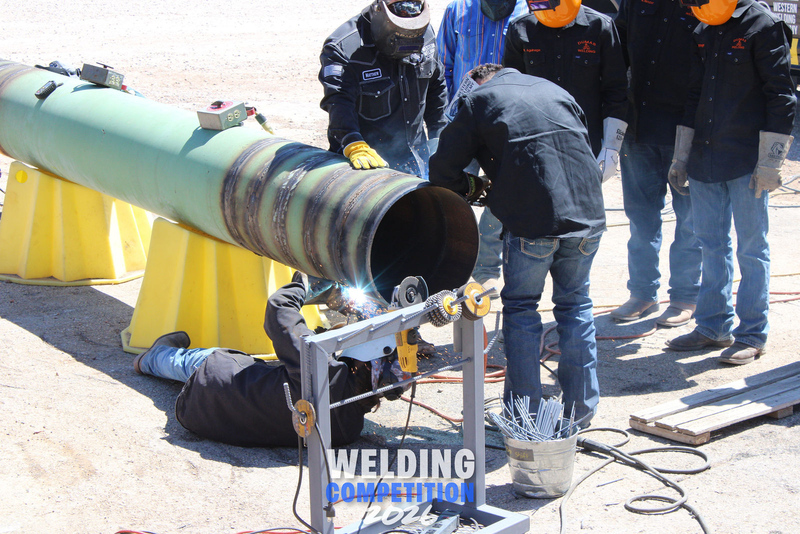
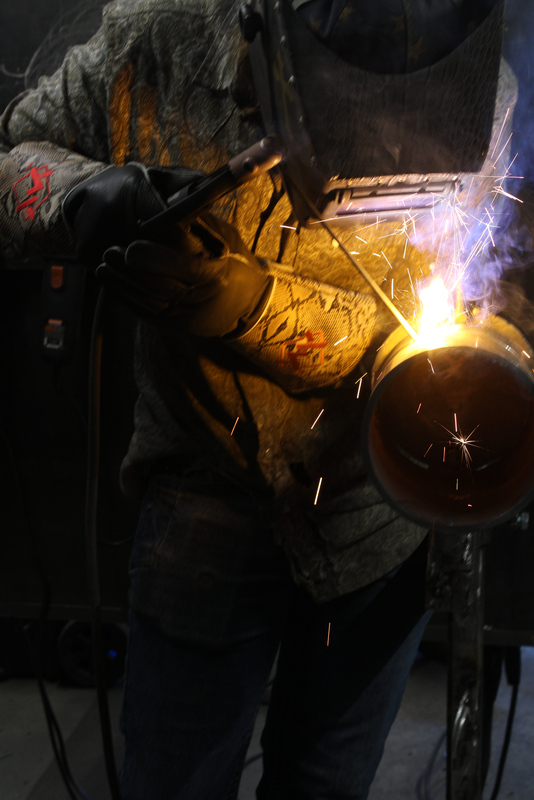
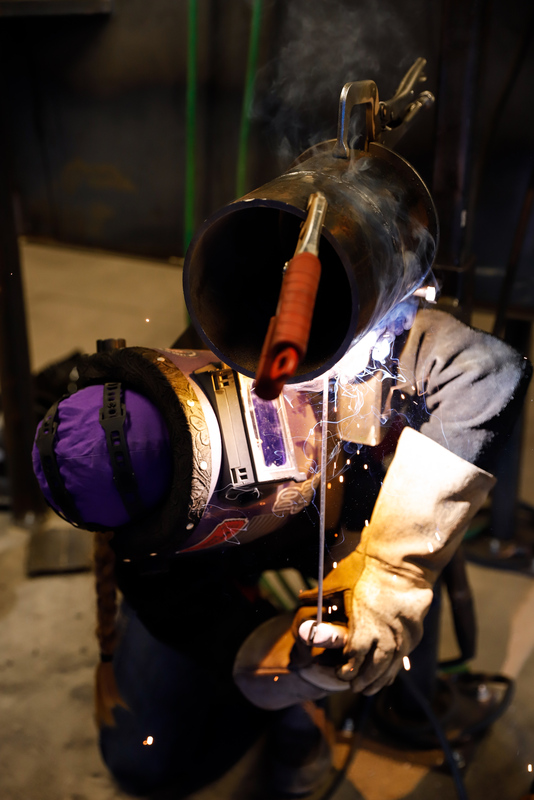
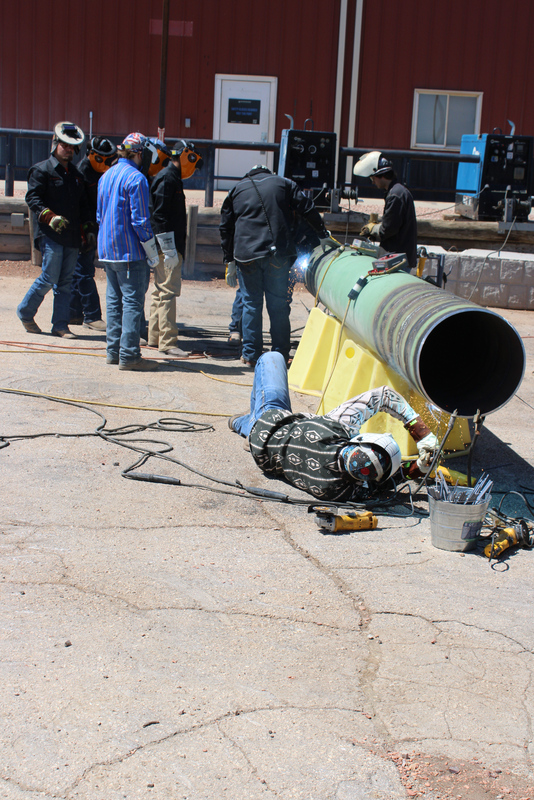
Pipeline contractors do not hire based on diplomas. They hire based on certification test results. The minimum certification for most pipeline work is a 6G pipe welding certification, which proves you can weld a pipe joint fixed at a 45 degree angle. This single test covers flat, vertical, and overhead positions in one continuous weld. Passing it tells a contractor you can handle any position on a real job site.
Higher paying pipeline jobs require API 1104 certification, the cross country pipeline welding code. This certification opens doors to oil and gas transmission projects, refinery shutdowns, and industrial process piping. Welders who graduate with both 6G and API 1104 skip the entry level filter entirely and qualify for jobs that pay $35 to $60 per hour from day one.
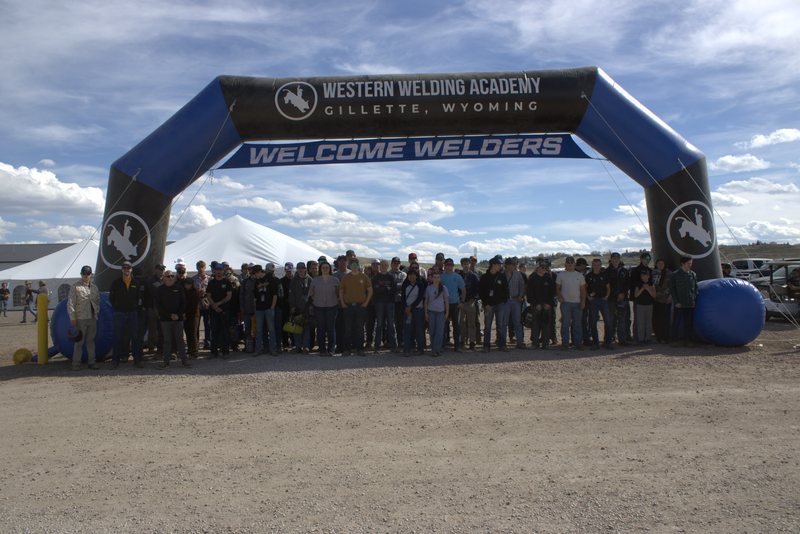
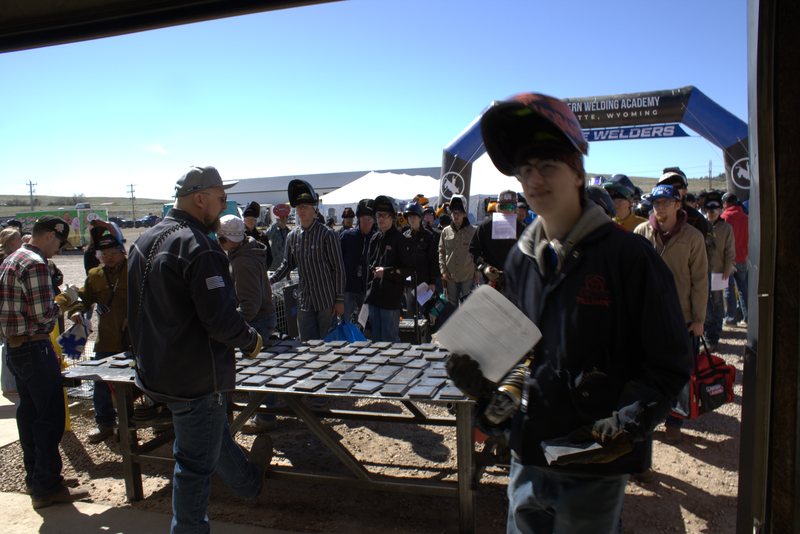
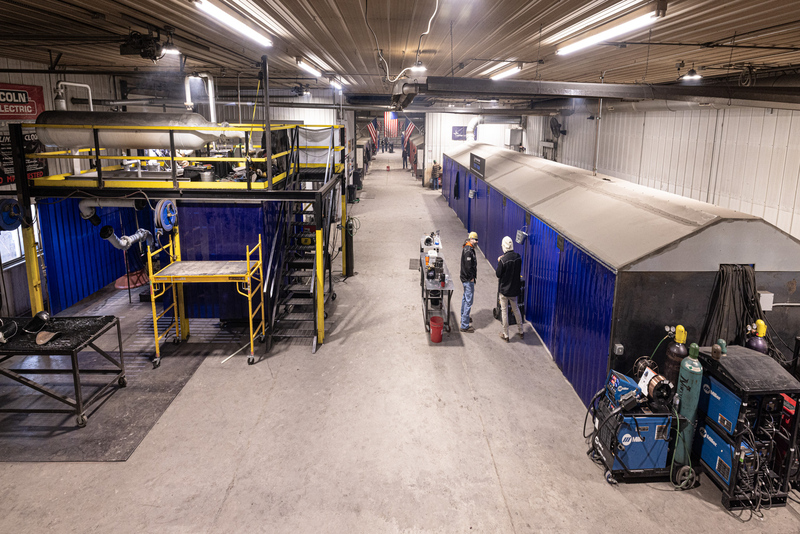
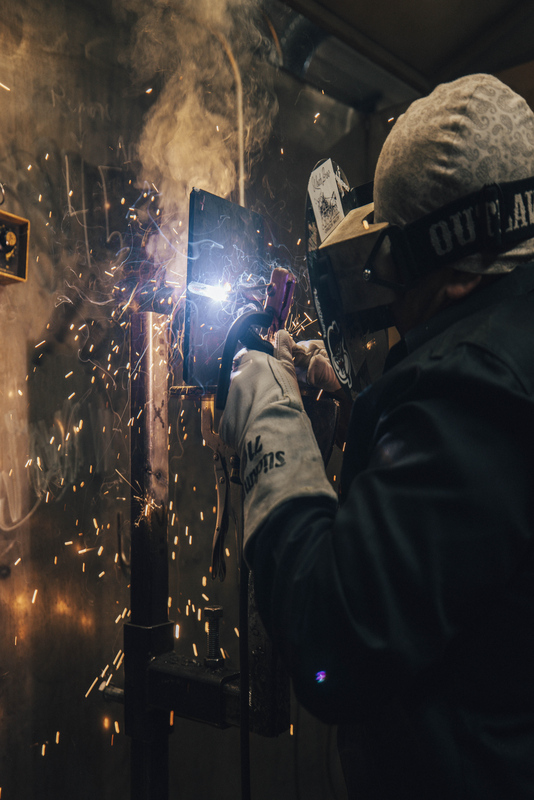
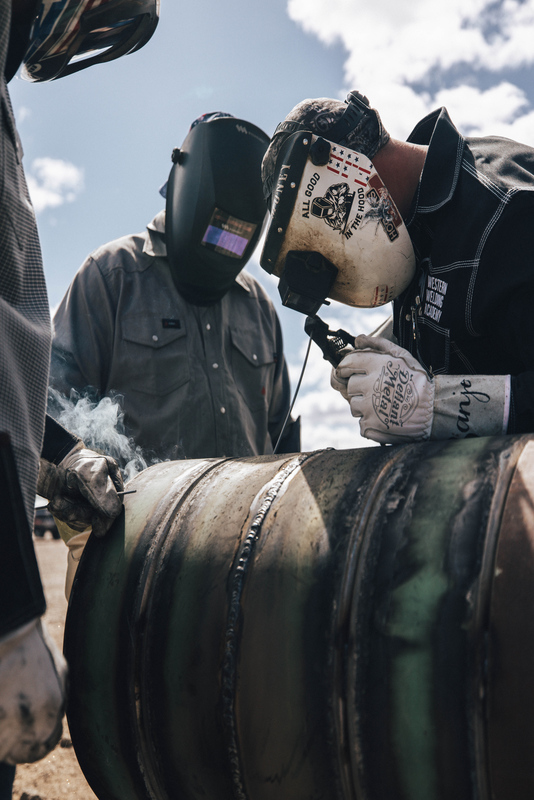
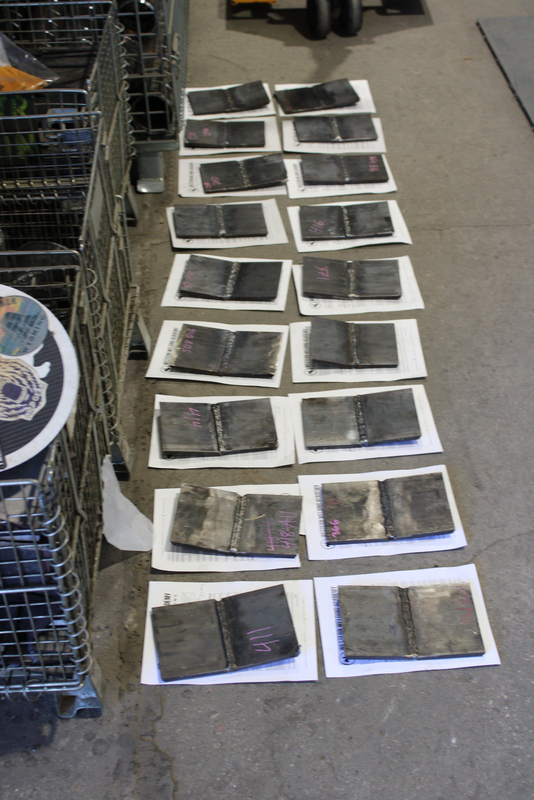
At Western Welding Academy, students test for 6G, 6GR, and API 1104 certifications before graduation day. The academy operates an on-site AWS accredited testing facility, so graduates leave with the exact paperwork contractors request during the hiring process. No additional testing appointments, no waiting for results, no extra fees.
Graduate with the certifications pipeline contractors require on day one. Apply now or call (307) 284-5313.
How Placement Programs Connect Graduates with Contractors
The fastest path from graduation to a pipeline job runs through your school's employer network. Schools with active placement programs maintain relationships with contractors who trust their graduates. Schools without placement programs leave graduates to cold call contractors on their own.
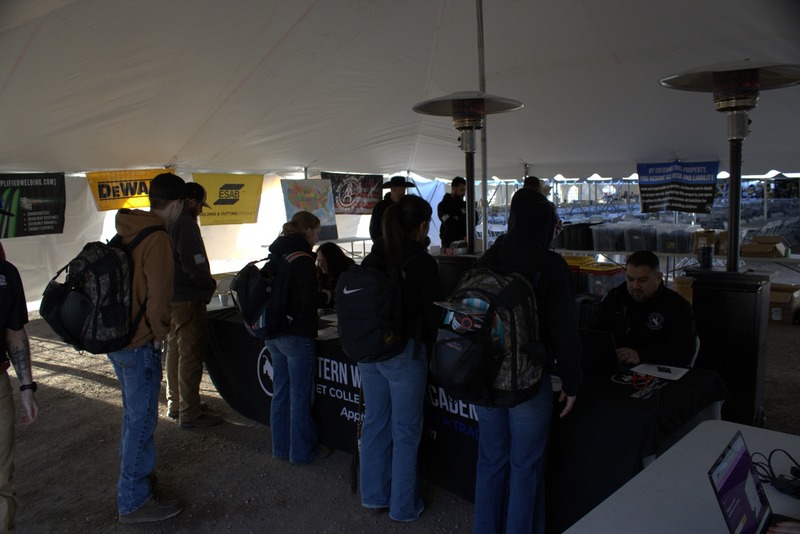
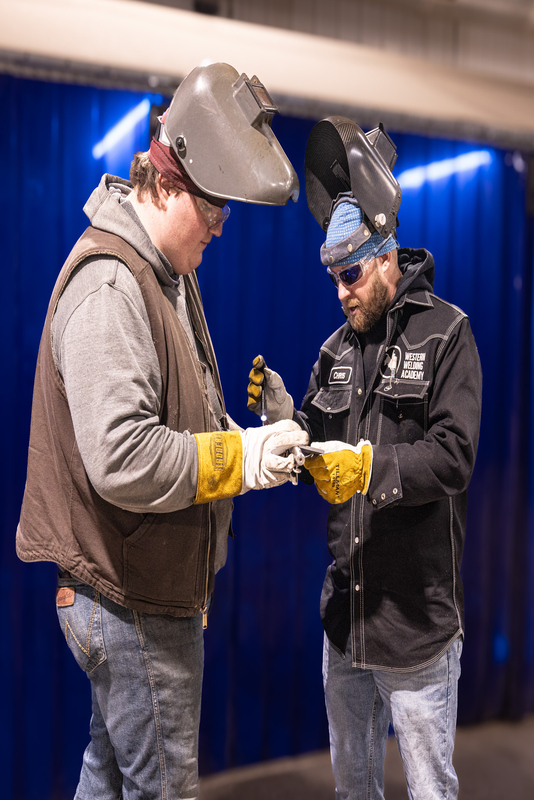
Western Welding Academy maintains direct hiring relationships with employers including SpaceX, Steam 88, UFO Motorsports, Boilermakers Local unions, and Pipefitters unions. These employers contact the academy when they need certified pipe welders. When a graduate finishes the program with the right certification stack, the placement team matches them with open positions based on location preference, pay rate, and project type.
The result is a 94% placement rate within 90 days of graduation. That number reflects over 2,000 graduates from all 50 states. Most graduates receive job offers before they finish their final week of training because employers have already reviewed their certification records and booth performance.
What the First 90 Days on a Pipeline Job Look Like
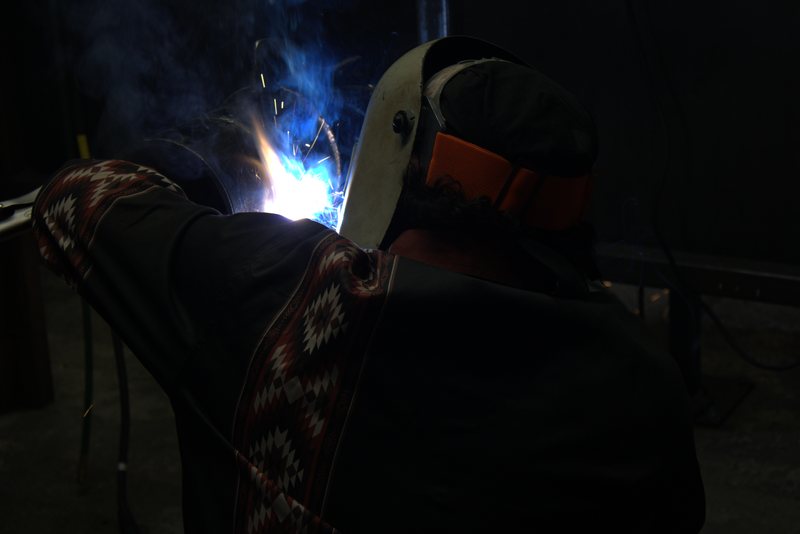
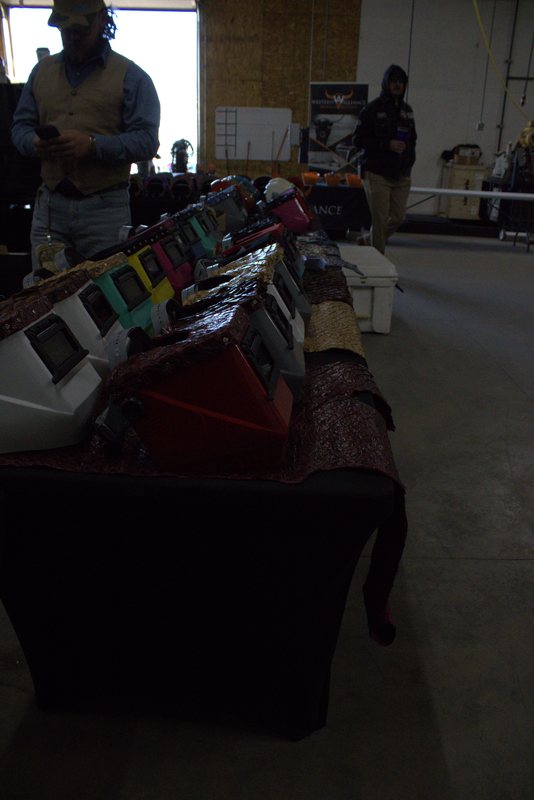
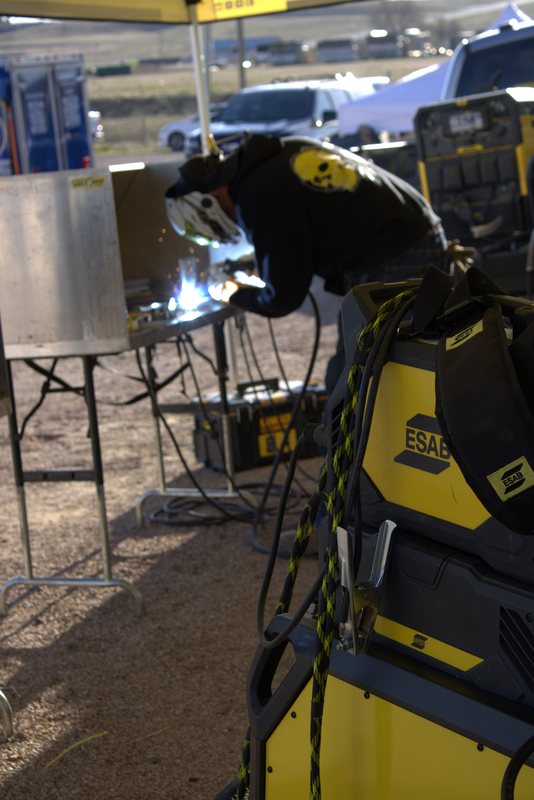
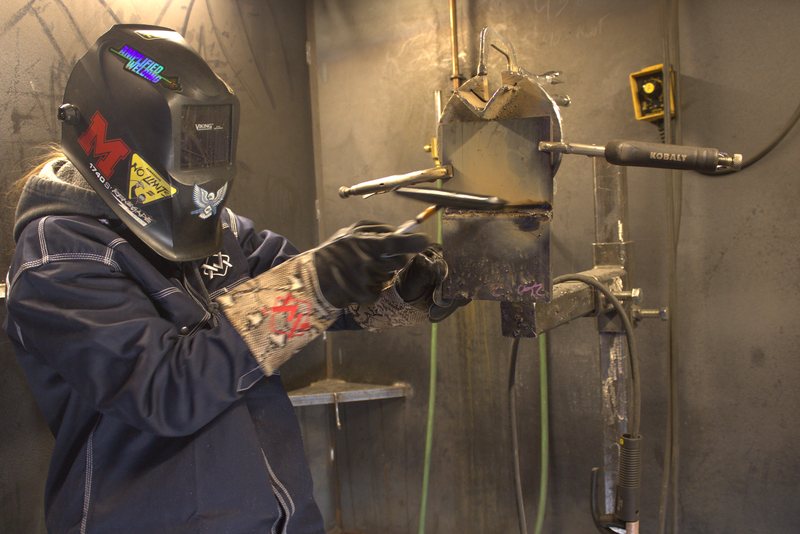
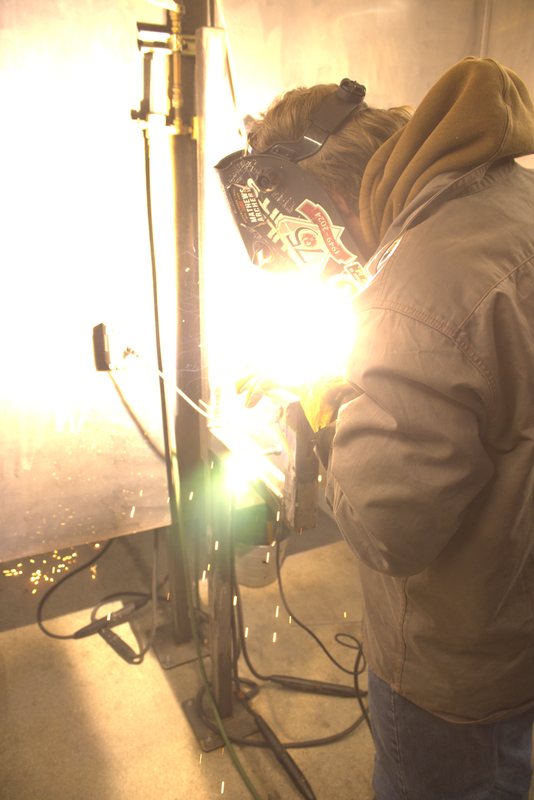
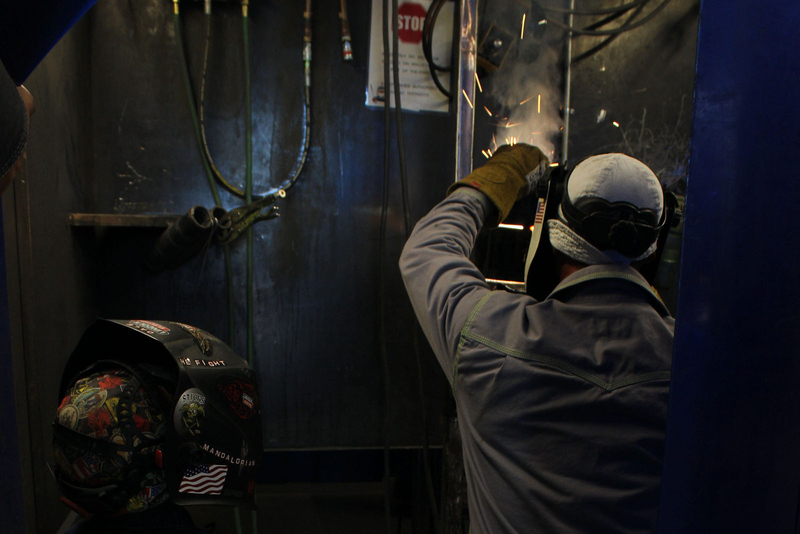
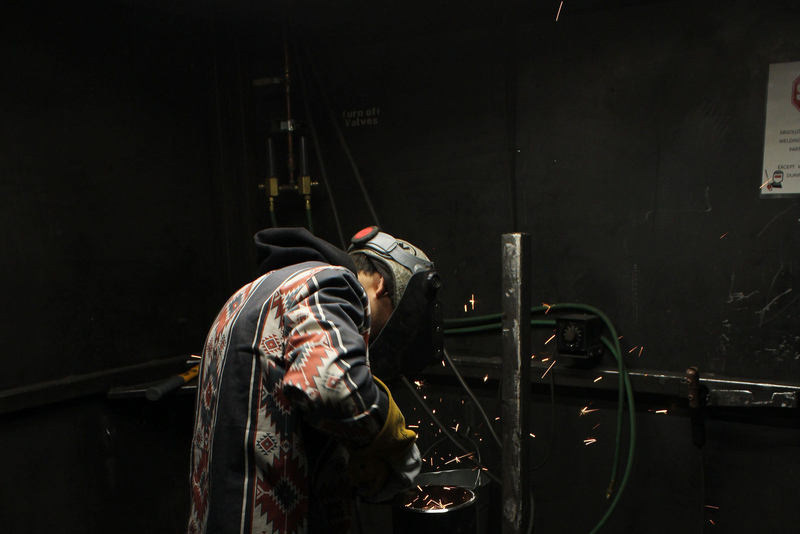
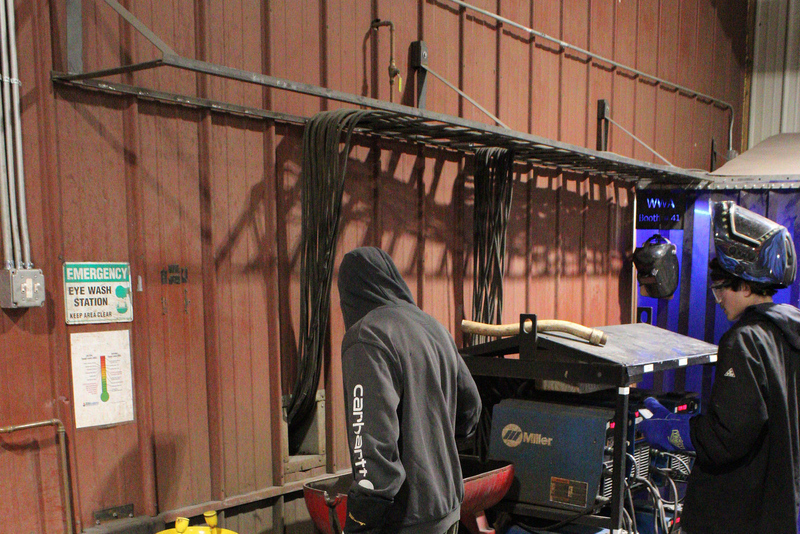
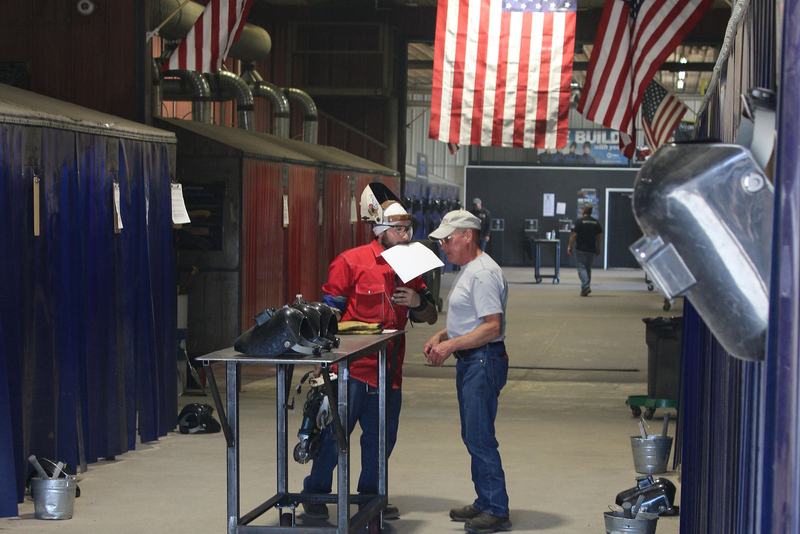
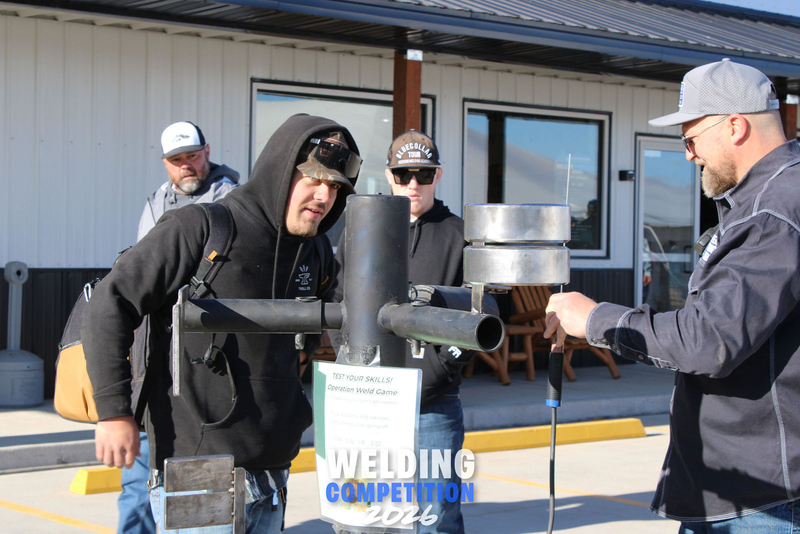
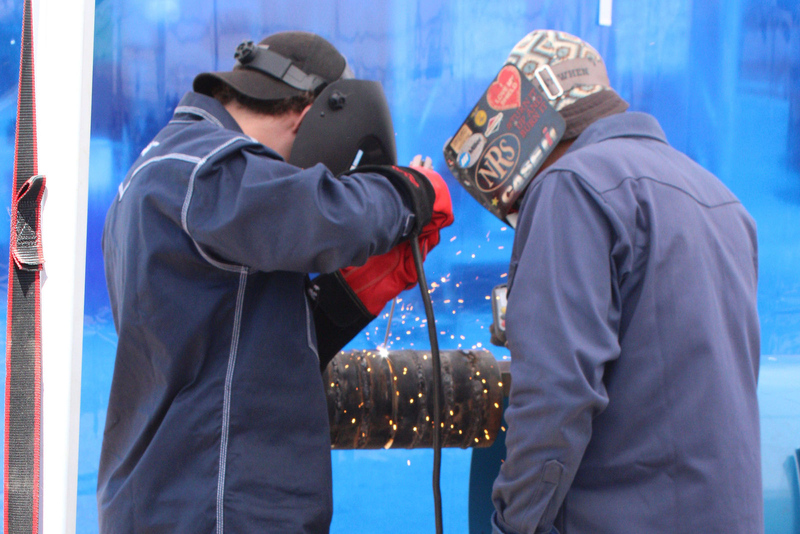
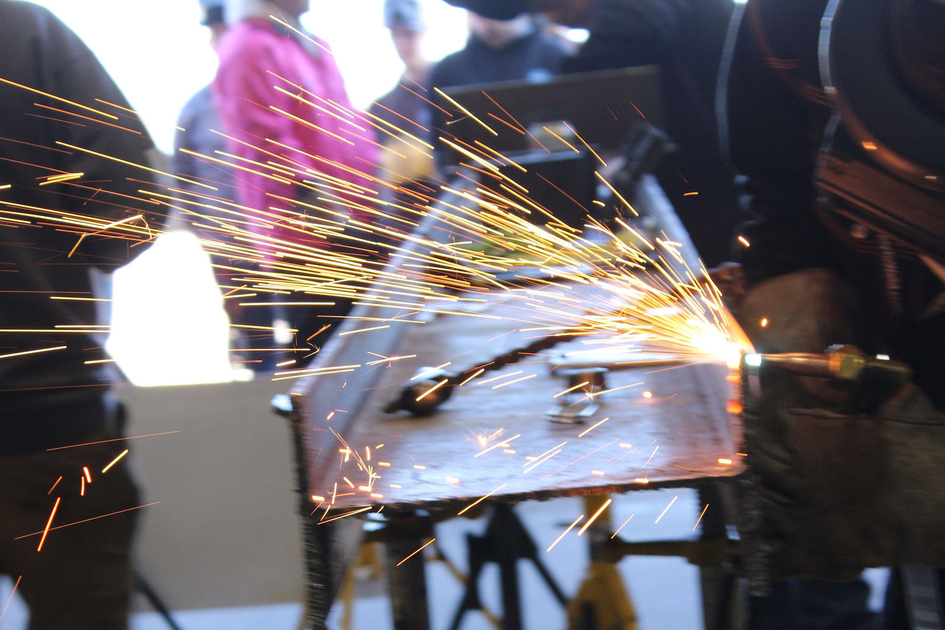
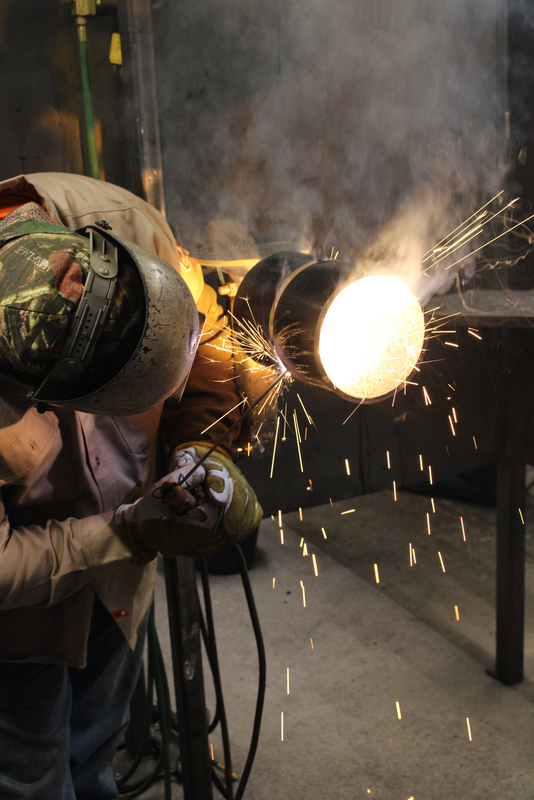
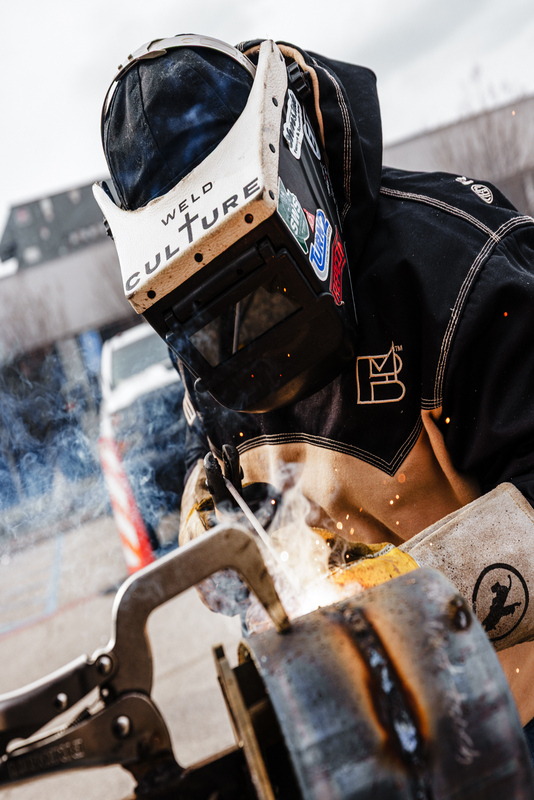
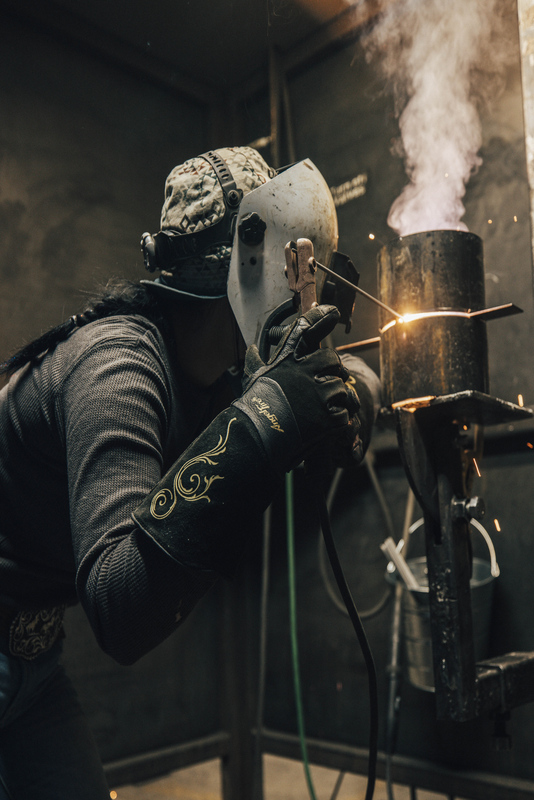
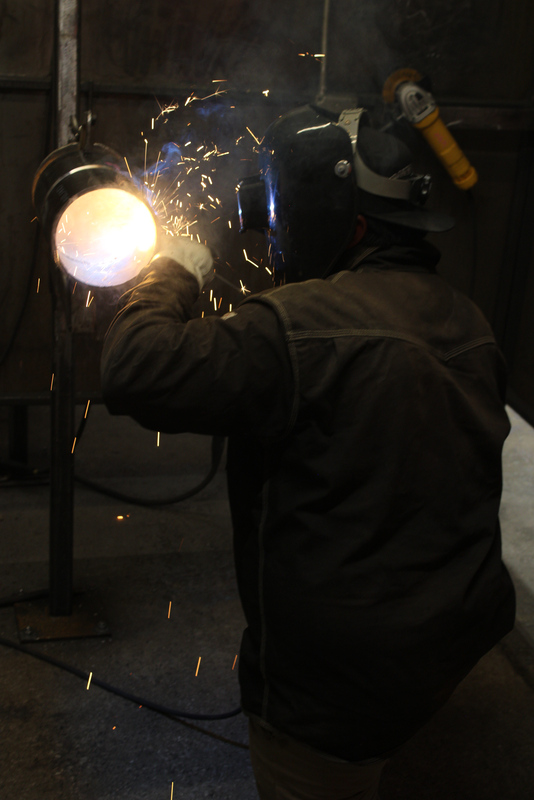
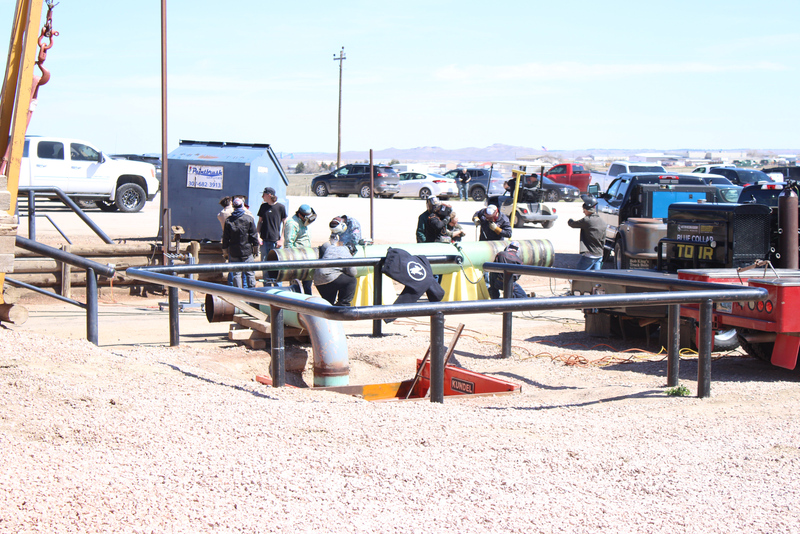
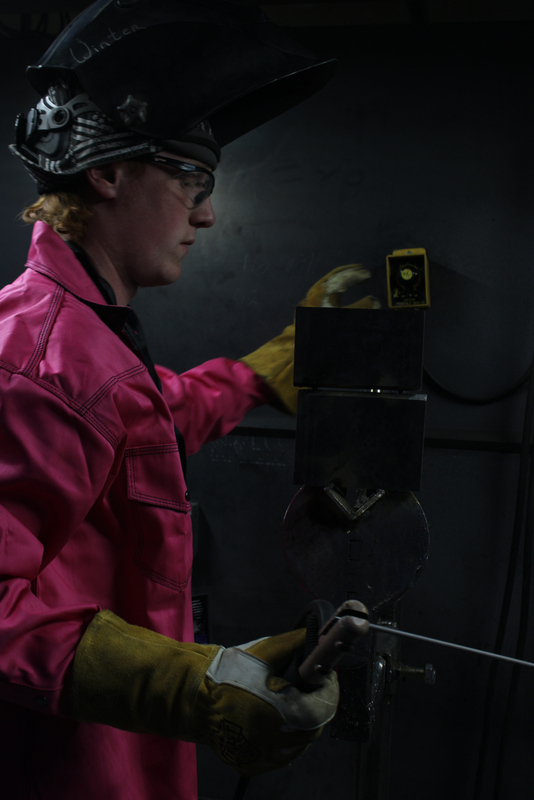
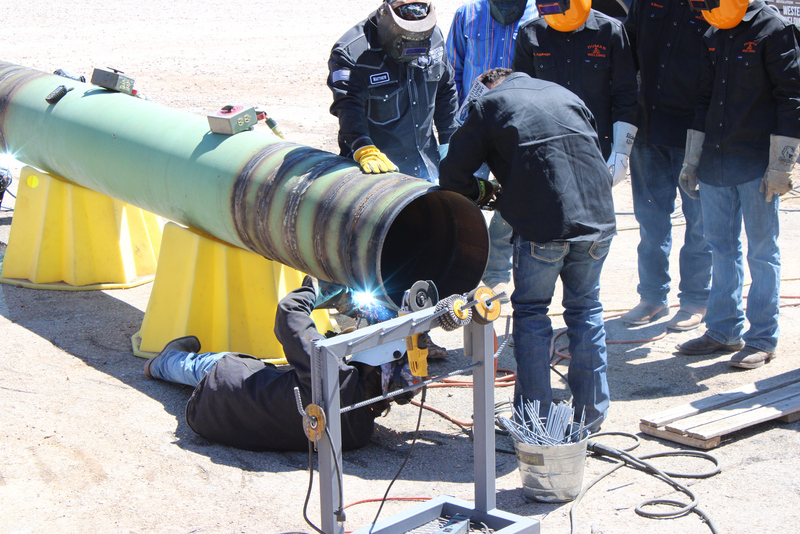
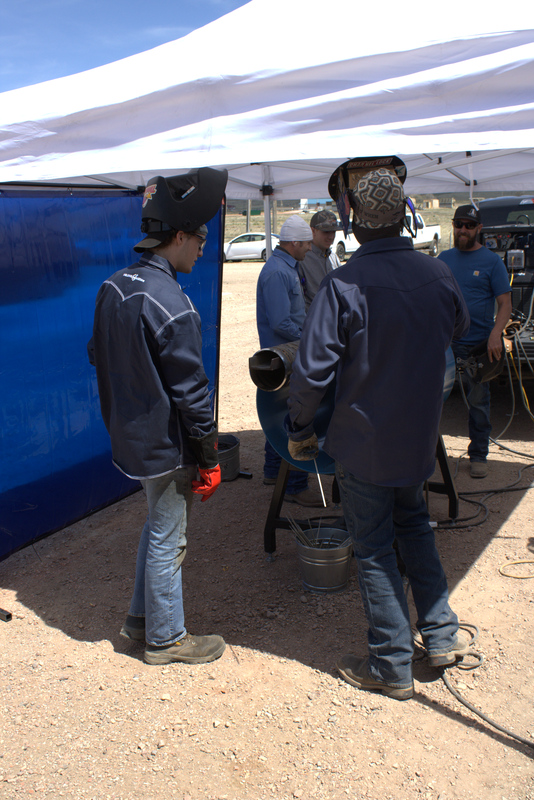
Your first pipeline job starts with a weld test on site. Every contractor requires you to prove your skills on their specific joint configuration before you touch a production weld. This is not a surprise test. It mirrors the 6G certification test you already passed in school. Graduates who trained on realistic booth setups pass these contractor tests consistently because the joint prep, fit up, and welding parameters match what they practiced.
After passing the site test, you join a crew and start welding production joints under inspection. The first few weeks involve following procedures exactly as written, learning the crew's workflow, and building speed without sacrificing quality. Most new pipeline welders reach full production pace within 30 to 45 days.
The pay starts immediately. There is no probationary period with reduced wages on most pipeline projects. You earn the full journeyman or helper rate from your first day on the tools. Overtime is common on pipeline projects, with many welders logging 50 to 60 hour weeks during construction seasons.
Why Some Graduates Get Hired Faster Than Others
The difference between a graduate who gets hired in two weeks and one who waits three months comes down to certification scope and training quality. Graduates with only basic 1G and 2G plate certifications compete for the lowest paying fabrication jobs against thousands of other entry level welders. Graduates with 6G pipe and API 1104 certifications apply for positions where the talent pool is small and the demand is constant.
Training intensity matters too. A graduate who logged 400 or more booth hours in a hands-on intensive program welds with confidence that shows during contractor tests. A graduate who split time between lectures and occasional booth practice often struggles with the speed and consistency that production welding demands.
What Welding School Graduates Actually Earn on Pipeline Jobs
Pipeline welding pays a premium over every other welding career path. The certification barrier keeps supply low while infrastructure, energy, and industrial projects keep demand high. Western Welding Academy graduates enter this high demand market with the full certification stack that commands top wages. The academy's 94% placement rate within 90 days means most graduates start earning pipeline wages within weeks of completing their program.
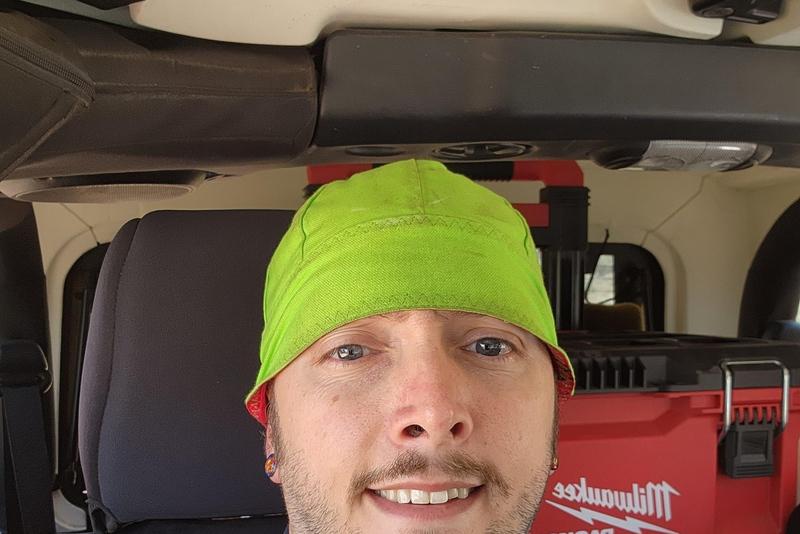
Leyton Wagner earns $4,514 per paycheck working pipeline projects after completing his training at Western Welding Academy. He landed his first position through the academy's employer network and started earning full rate from day one on the job site.
Gavin Walden takes home $3,986 per paycheck. His 6G and API 1104 certifications qualified him for contractor positions that welders without pipe certifications cannot access. The certification stack he earned at graduation was the key that opened those doors.
David Smolek earns $3,417 per paycheck. He chose a pipe welding program over a general welding course and the investment paid back within his first months of pipeline work. His training prepared him for the exact weld tests contractors use during hiring.
Noah clears $4,800 per week on pipeline projects. His multi process pipe welding skills make him valuable on job sites that require SMAW root passes with FCAW fill and cap. These combination welds are standard on pipeline work and rare in basic welding programs.
Hank crossed $150,000 per year before age 22. He went directly from pipe welding training into pipeline work and reached six figures faster than most college graduates reach $50,000 in office jobs.
How to Position Yourself for Hiring Before You Graduate
Start building your pipeline career before your last day of school. Request copies of all certification test results from your school's testing facility. Create a welding resume that lists your certifications, processes (SMAW, FCAW, GTAW), positions qualified, and codes tested against. Pipeline contractors care about these specifics, not general education credentials.
Ask your school's placement team which contractors are currently hiring. If your school does not have a placement team, that is a red flag that should have come up during your enrollment research. Be willing to travel for your first job. Pipeline work moves geographically, and graduates who are flexible about location get hired first.
Start your pipeline career with certifications, placement support, and proven graduate earnings. Apply now or call (307) 284-5313.
Frequently Asked Questions
Q1. How long does it take welding school graduates to get hired for pipeline work?
Graduates with 6G and API 1104 certifications from programs with active placement support typically receive offers within two to four weeks. Western Welding Academy's 94% placement rate within 90 days reflects this timeline across over 2,000 graduates from all 50 states.
Q2. What certifications do you need for your first pipeline job?
Most pipeline contractors require a minimum of 6G pipe welding certification. Higher paying positions require API 1104 certification for cross country pipeline work. Graduating with both certifications eliminates the entry level filter and qualifies you for full rate positions immediately.
Q3. Do pipeline contractors test you before hiring?
Yes. Every pipeline contractor requires an on site weld test before you start production welding. The test mirrors the 6G certification format. Graduates who trained with high booth hours on realistic joint configurations pass these tests consistently.
Q4. How much do first year pipeline welders earn?
First year pipeline welders with 6G and API 1104 certifications typically earn $35 to $60 per hour. With overtime common on pipeline projects, annual earnings often exceed $80,000 to $120,000 in the first year. Western Welding Academy graduates report paychecks of $3,400 to $4,800.
Q5. Do you need to travel for pipeline welding jobs?
Most pipeline projects require travel. Jobs move geographically as pipeline construction progresses. Many contractors provide per diem payments of $100 to $175 per day to cover living expenses on the road. Graduates willing to travel get hired faster and earn more.
Q6. What makes Western Welding Academy different from other welding schools?
Western Welding Academy trains exclusively for pipe welding careers with 85% hands-on booth time, on-site AWS accredited testing, 6G and API 1104 certification, a 94% placement rate within 90 days, and named graduates earning $3,400 to $4,800 per paycheck. Over 2,000 graduates from all 50 states have completed the program.
Graduate into a Pipeline Career, Not Just a Certificate
Landing your first pipeline job depends on the certifications you hold, the employer connections your school provides, and the booth hours that prepared you for contractor weld tests. Western Welding Academy delivers all three. Call Western Welding Academy at (307) 284-5313 or apply now to start training for your first pipeline paycheck.


.jpg)


.jpg)


.jpg)
.jpg)
.jpg)
.jpg)
.jpg)
-thumbnail.jpg)

.jpg)