How Much Booth Time Does the Program Actually Deliver?
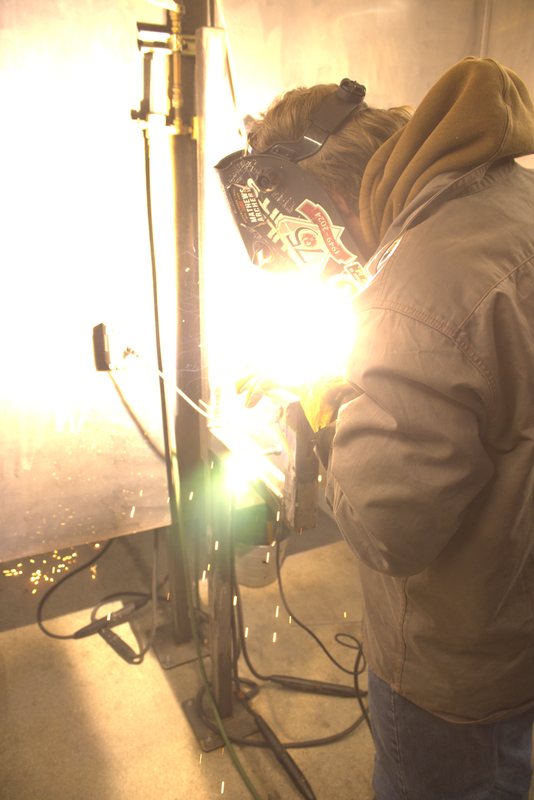
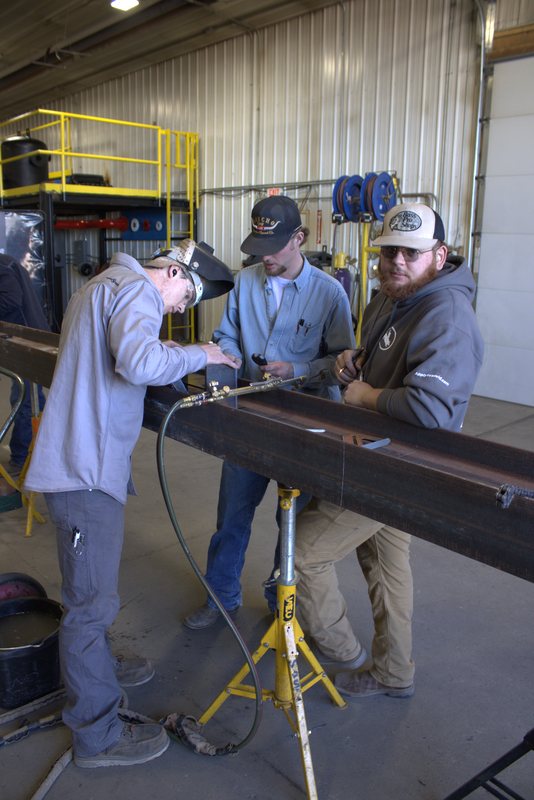
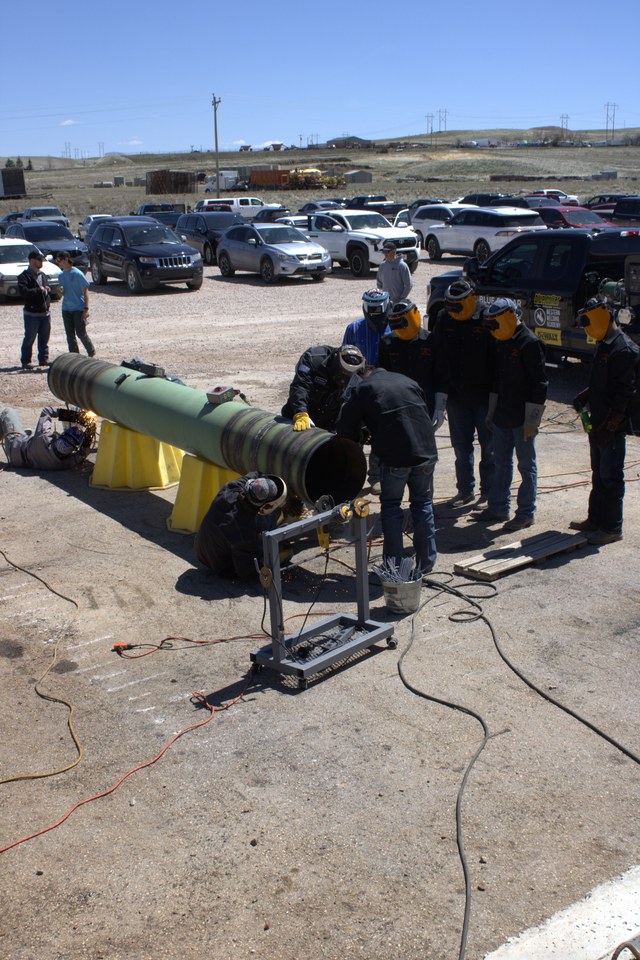
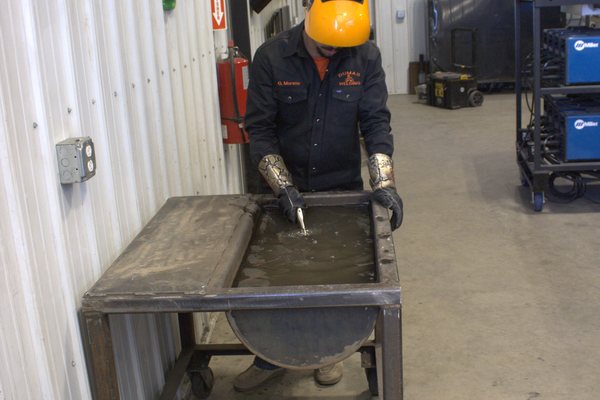
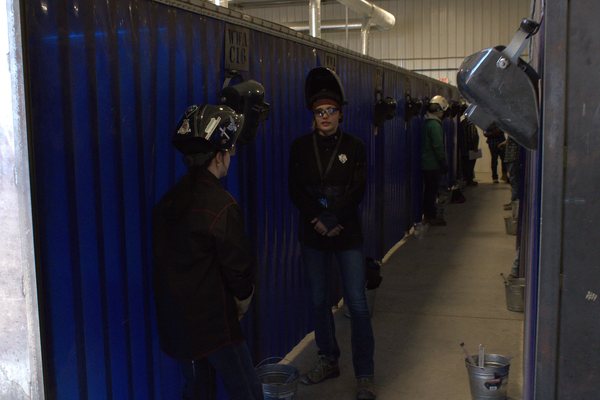
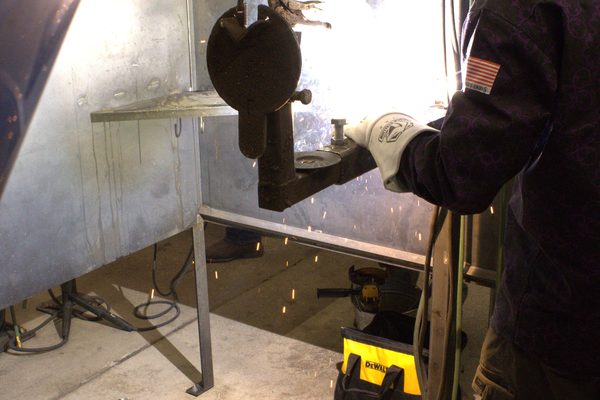
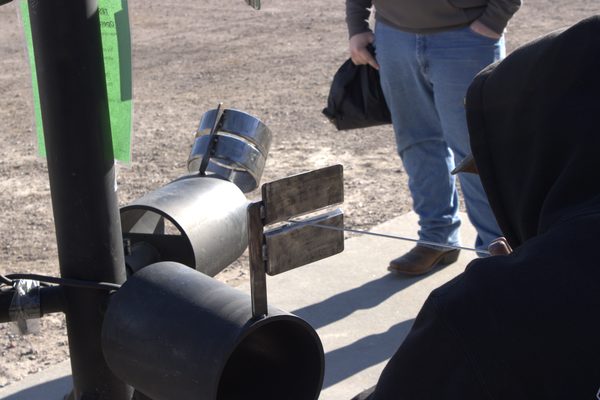
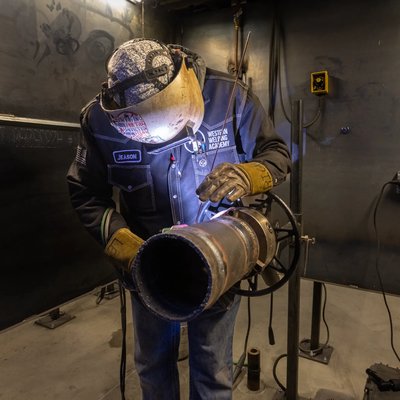
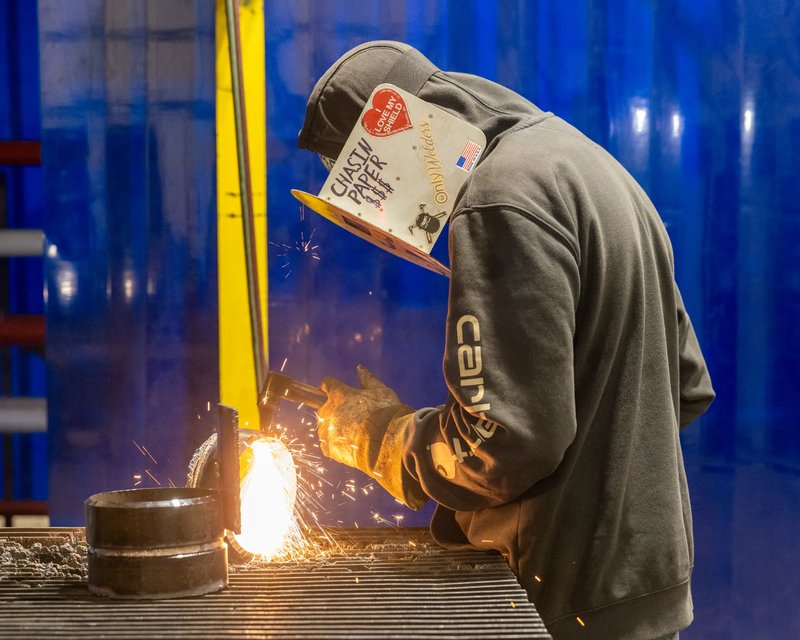
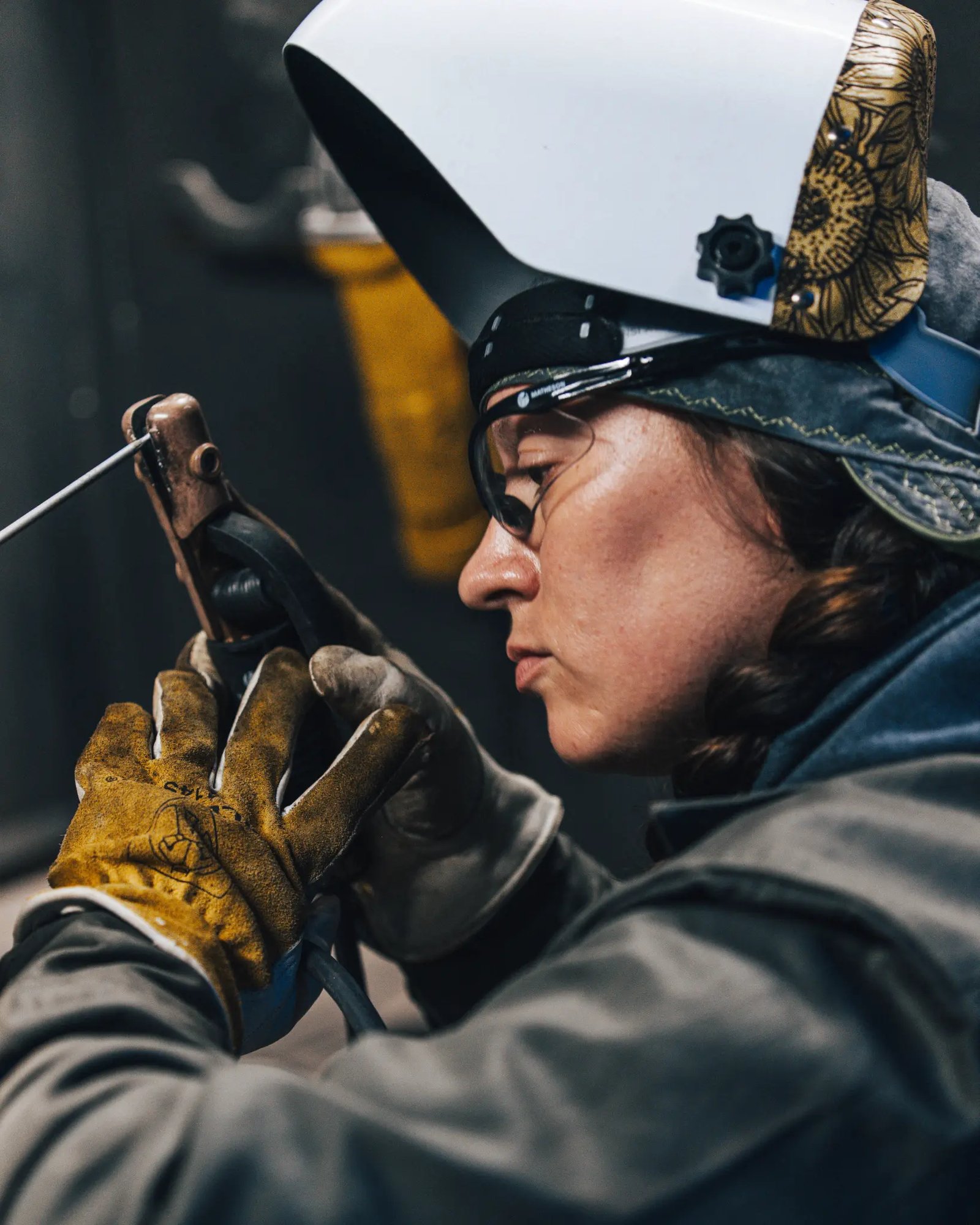
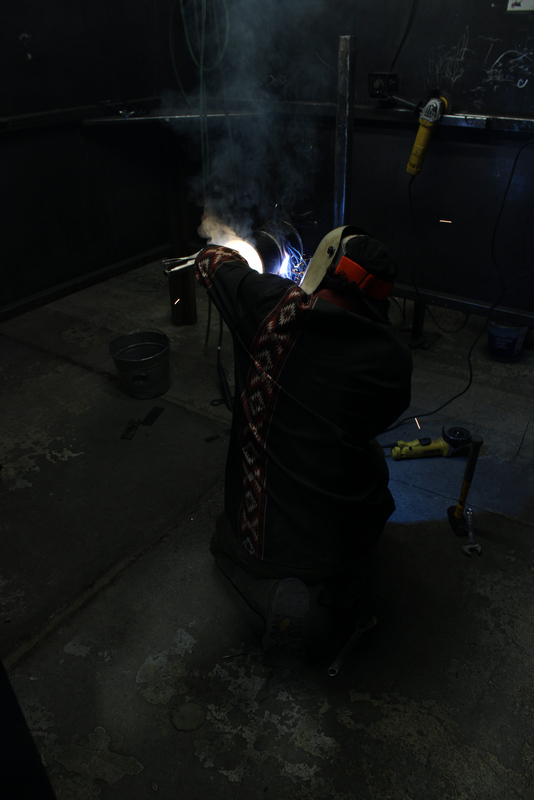
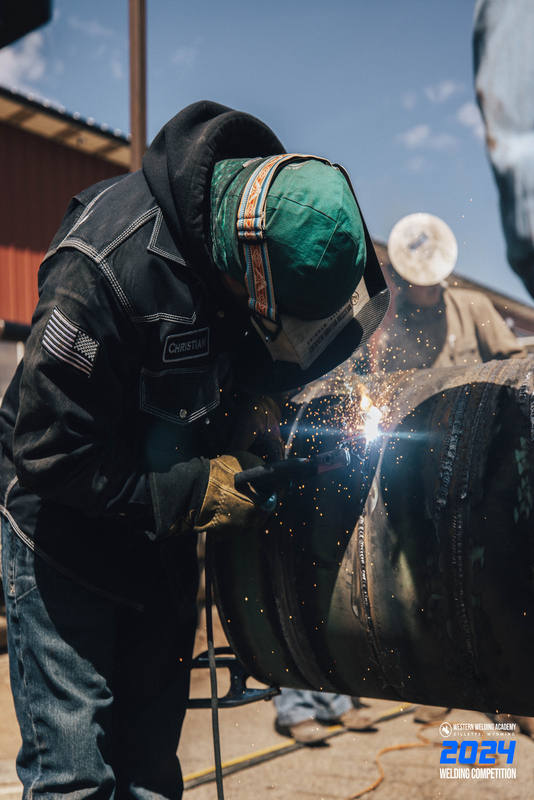
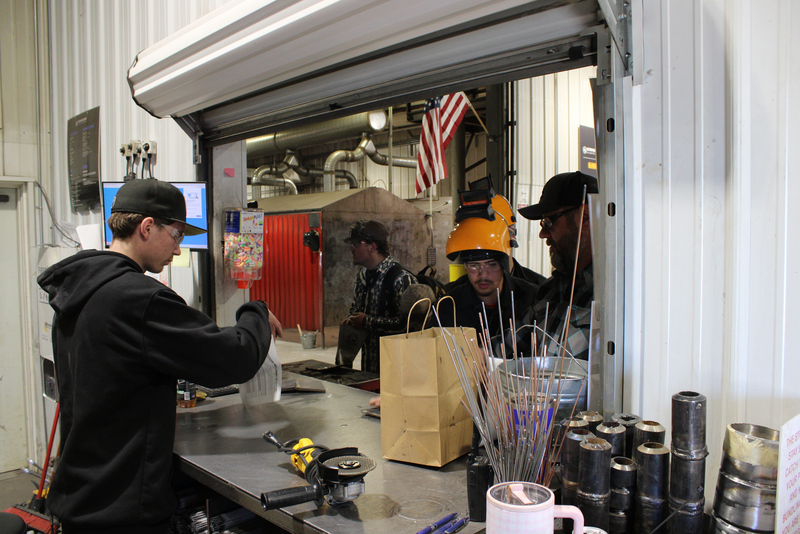
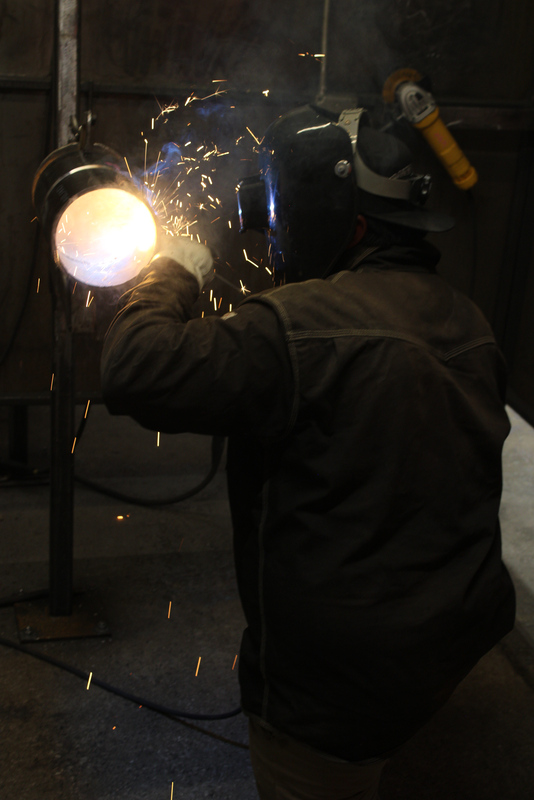
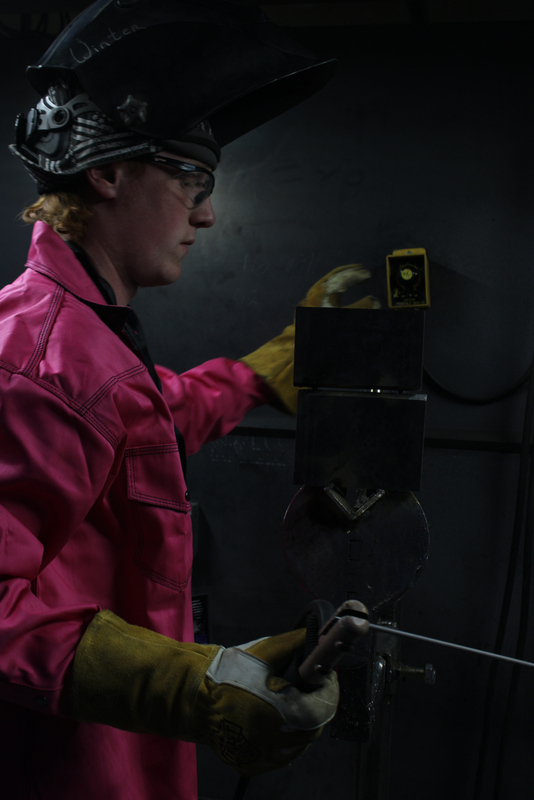
Booth time is the number of hours per week you spend welding in a training booth. It is the single most important factor in how fast you develop skill. A program with 10 to 15 booth hours a week stretches the learning curve across semesters. A program with 34 booth hours a week compresses it into weeks.
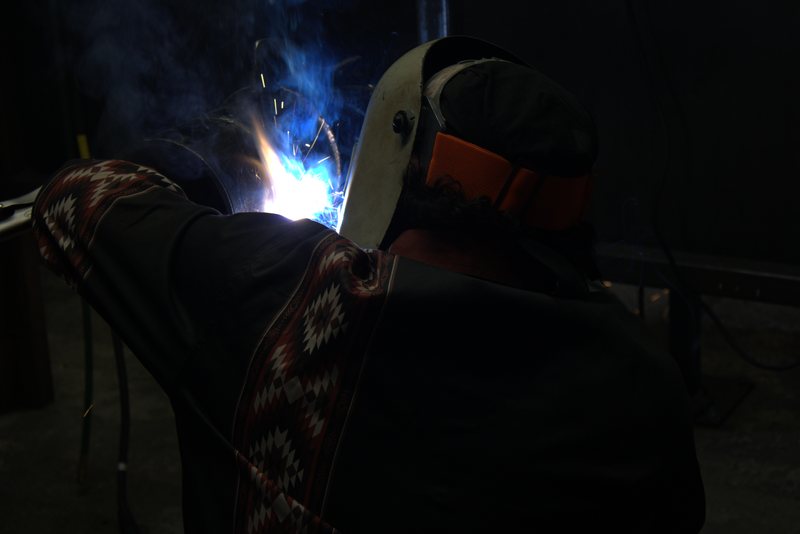
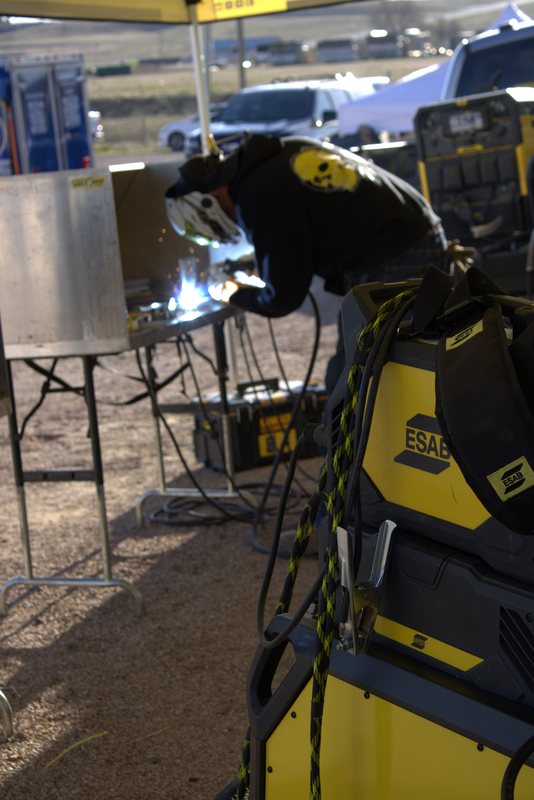
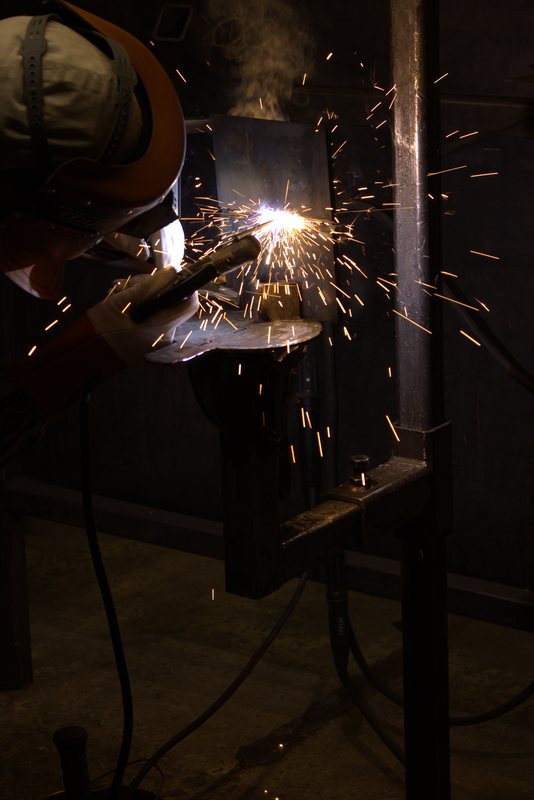
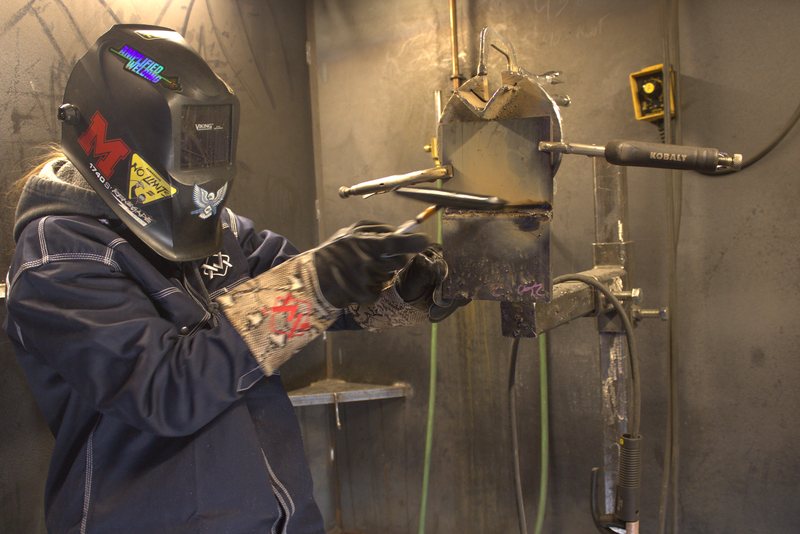
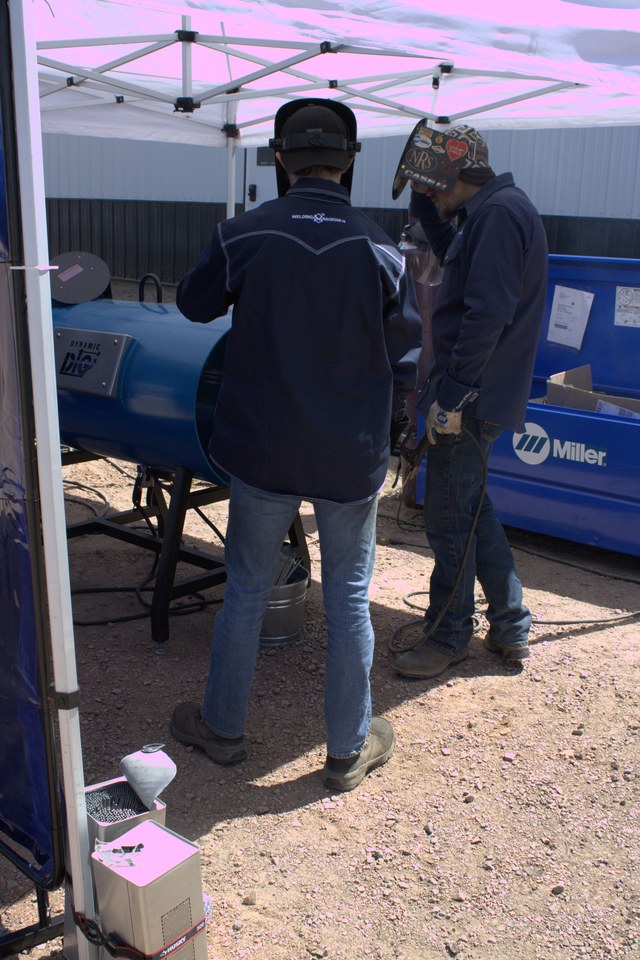
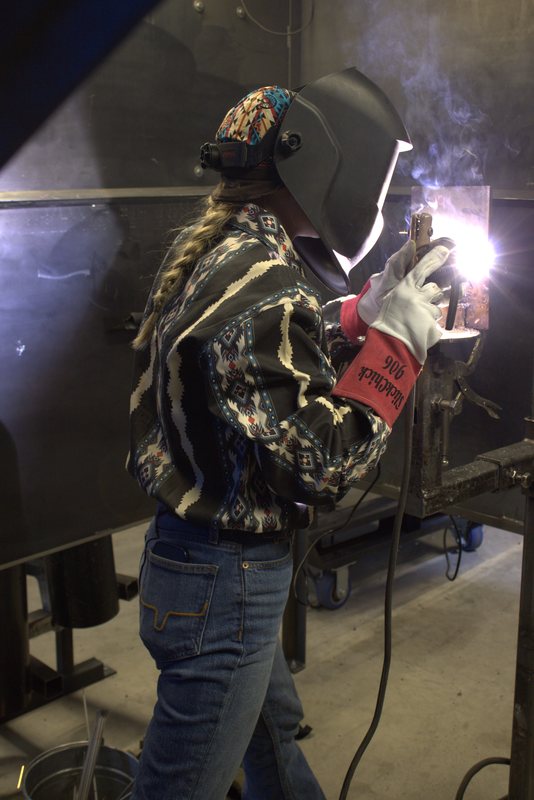
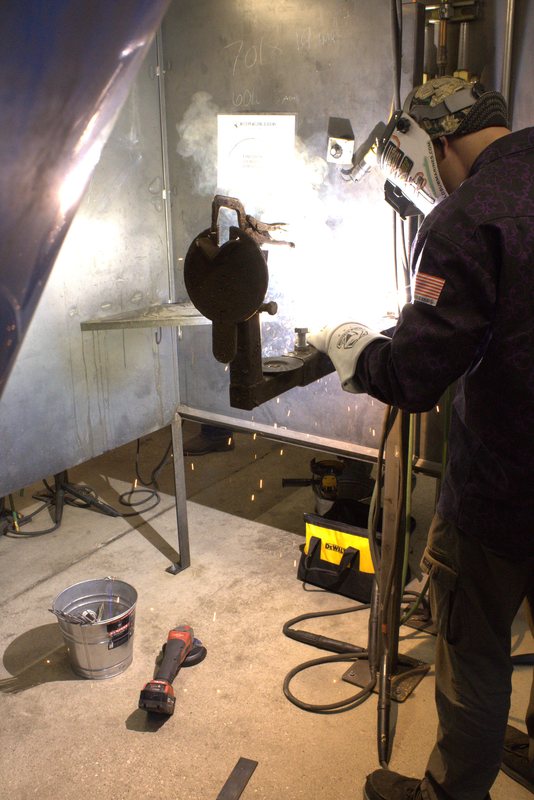
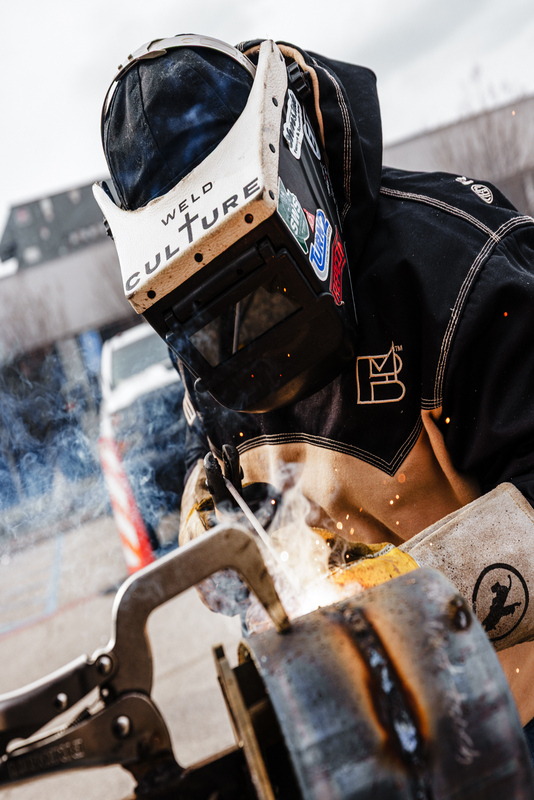
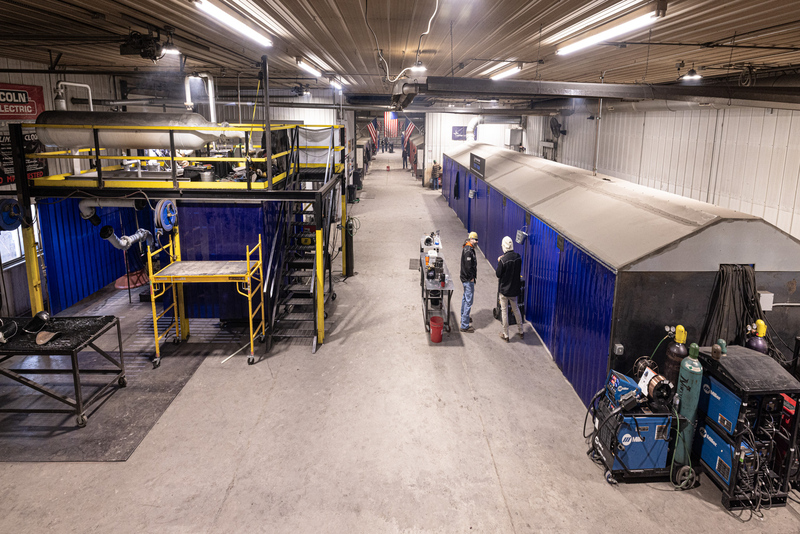
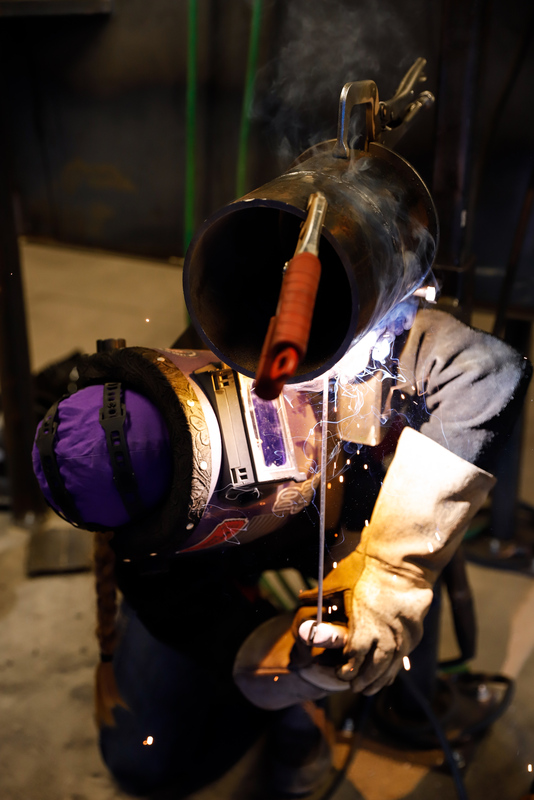
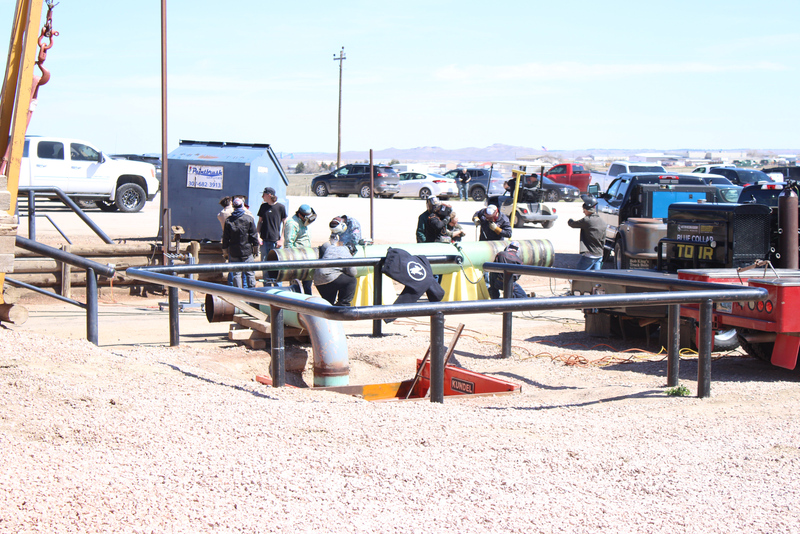
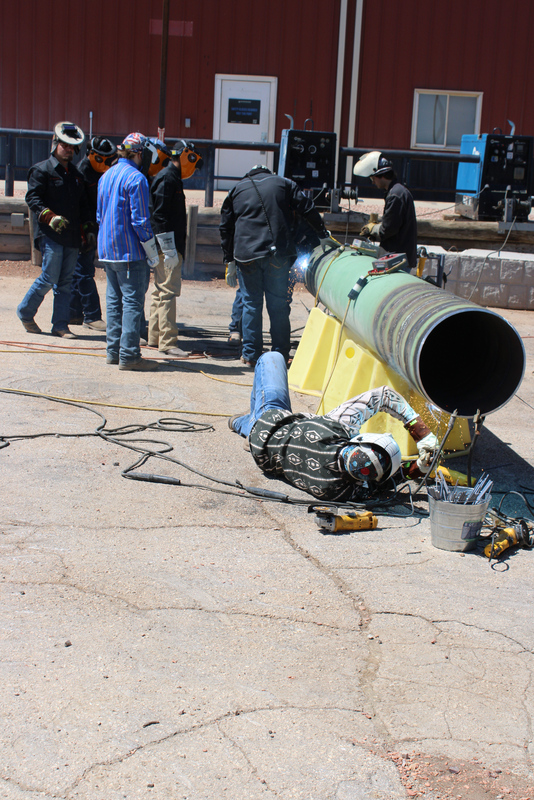
Western Welding Academy delivers 85% booth time across a 40 hour training week. That is 34 hours a week with a torch in your hand. Community colleges average 10 to 15 hours because they split time between classroom lectures, general education, and shared equipment. The math adds up fast. In 24 weeks at 34 hours a week, Expert students at Western Welding Academy log over 800 hours of booth time. A community college student gets roughly 600 hours across two full years.
If you are evaluating pipe welding courses, ask one question first: how many booth hours per week will I get? If the number is below 30, you are paying for a longer timeline and fewer reps. If you want to understand how much practice it takes to get good at welding, the answer is directly tied to booth time.
Who Is Teaching the Course and What Is Their Background?
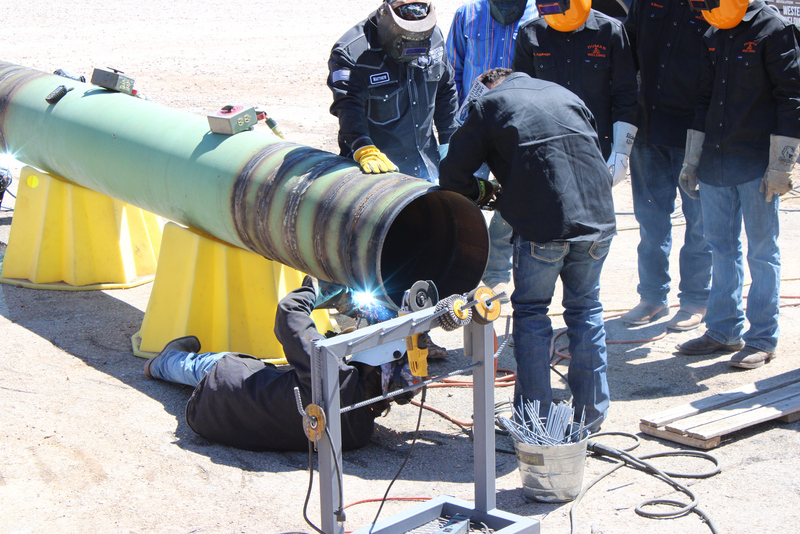
Instructor quality separates programs that produce pipe welders from programs that produce shop welders. An instructor who has never run a pipeline weld in the field cannot teach you the techniques that pipeline contractors require. Textbook knowledge is not field knowledge. Downhill technique, fit-up procedures, and X-ray quality standards are skills that come from doing the work.
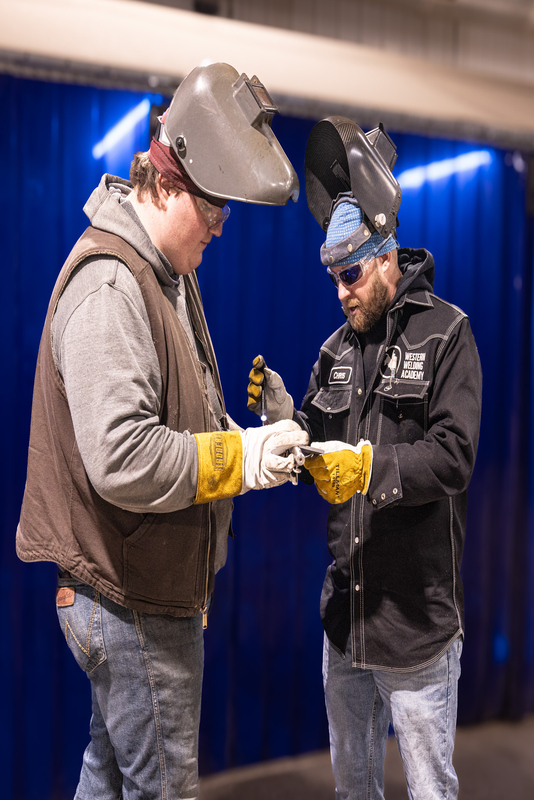
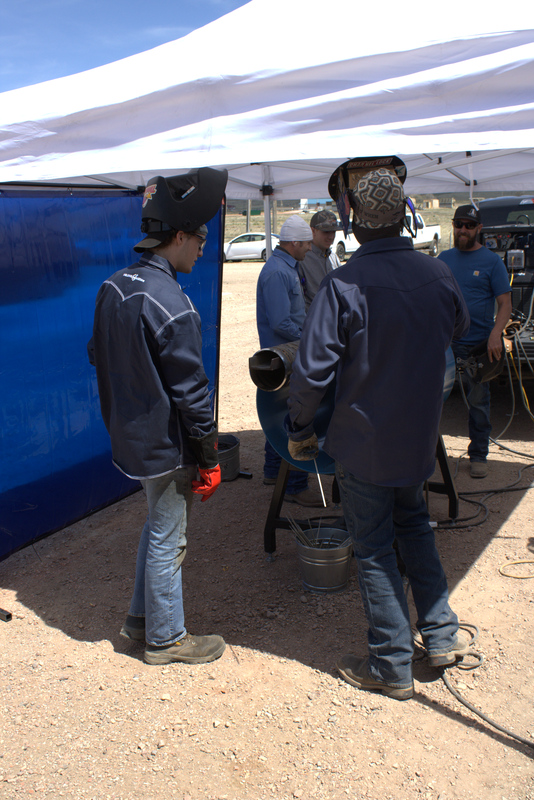
Every instructor at Western Welding Academy is an active or recently retired pipeline welder. They teach the exact techniques that employers expect on the job. They know what a weld inspector looks for during an X-ray test because they have passed those tests themselves. That real-world instruction is why the school carries an 85% graduation rate on the Expert program, compared to 68% at Competitor A, 43% at Competitor B, and 56% at Competitor C.
When you evaluate a pipe welding course, ask about instructor backgrounds. If the answer is former shop welders or career teachers with no pipeline experience, the training will not prepare you for the highest paying jobs in the industry.
Choose the course that checks every box. Apply now or call (307) 284-5313 today.
What Certifications Does the Program Prepare You to Earn?
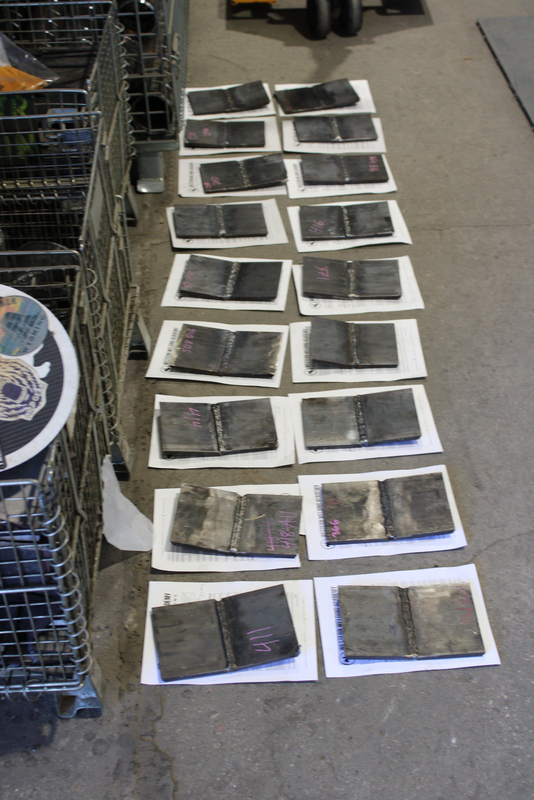
Not all certifications carry the same weight with employers. Flat plate certifications in 3G and 4G positions qualify you for shop work. Pipe certifications in the 6G position qualify you for field work. The hardest welding certifications are the ones that open the highest paying doors.
Western Welding Academy is the number one AWS Testing Facility. That ranking means the certifications you earn here carry nationwide recognition. Pipeline contractors, Boilermakers locals, and companies like SpaceX and Steam 88 recognize the school's testing standards. A 6G certification from the top AWS facility is not the same as one from a local testing center.
The Expert program includes every standard certification for pipe welding, including API 1104 for pipeline work. If you want to know what API 1104 certification is and why pipe welders need it, the short answer is that it opens the door to the highest paying pipeline jobs in the country.
What Does Tuition Actually Include?
Hidden fees are the biggest surprise in welding education. A program that advertises $15,000 tuition often costs $25,000 after adding housing, tools, materials, testing fees, and safety gear. First-time welders learn this too late.
Every program at Western Welding Academy is all inclusive. Tuition covers housing in Gillette, Wyoming, all tools, all welding materials, all safety gear, and all certification testing. There are no hidden fees. The Foundational Pipe Welder program is 12 weeks at $17,050. The Professional Pipe Welder program is 19 weeks at $27,600. The Expert Pipe Welder program is 24 weeks at $35,800. The Structural Welding Advanced program is 12 weeks at $20,800.
When comparing programs, calculate the total cost of attendance, not just the listed tuition. A program at $15,000 plus $8,000 in housing and $2,000 in tools costs more than a $17,050 all inclusive program that covers everything. You can compare how much pipe welding school costs across different programs to see the full picture.
What Is the Job Placement Rate After Graduation?
A program with great training and zero job placement support is only half the equation. The purpose of a pipe welding course is employment. Western Welding Academy carries a 94% hire rate within 90 days of graduation. That means graduates are not spending months searching for work. They are earning from the start.
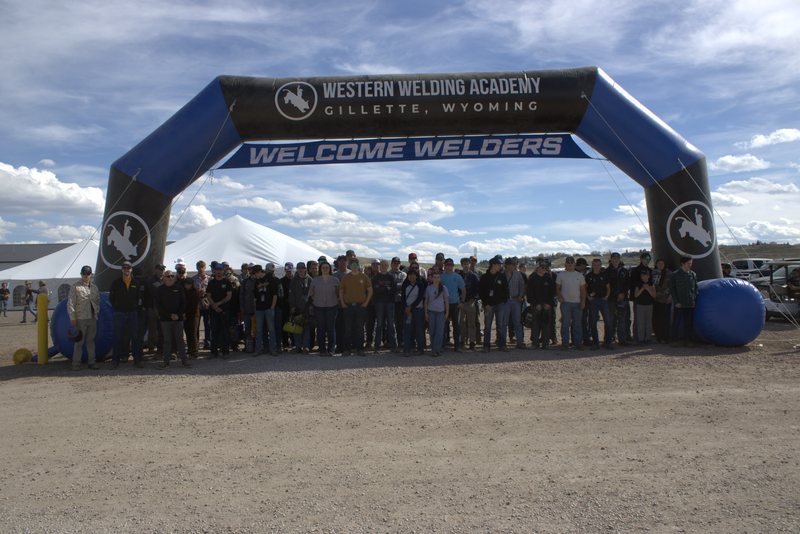
Over 2,000 graduates from all 50 states have completed the program. Employers including SpaceX, Steam 88, UFO Motorsports, Boilermakers locals, and Pipefitters locals hire directly from the school. The 95% of students who travel from outside Wyoming come specifically for the training and leave with job offers in hand.
When evaluating a pipe welding course, ask for the job placement rate and the timeline. A vague answer like "most graduates find work" is not the same as a verified 94% hire rate within 90 days. Numbers matter.
What Do Graduates Actually Earn After This Course?
The ultimate measure of a pipe welding course is what graduates earn. Western Welding Academy publishes verified paycheck data. These are real earnings, not industry estimates or salary survey averages.
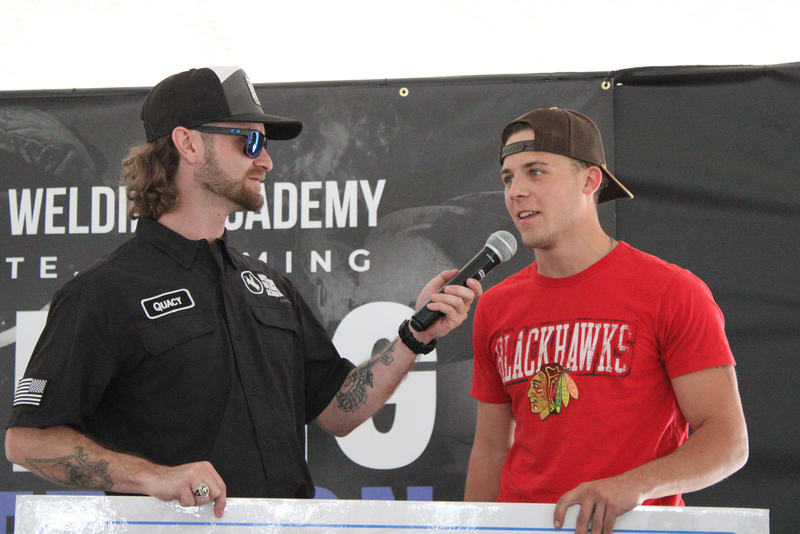
Leyton Wagner earned $4,514 per paycheck after graduating from Western Welding Academy. He invested in the Expert program, earned his certifications at the number one AWS Testing Facility, and started earning more per check than most college graduates earn per month.
Gavin Walden earned $3,986 per paycheck. He evaluated programs the way this post describes, chose the school with the highest booth time and the best instructor credentials, and the paycheck proved the decision right.
David Smolek earned $3,417 per paycheck. Even at the lower end of graduate earnings, his income doubles what a basic welder with flat plate certifications brings home.
Noah clears $4,800 per week in Alaska. He chose the right course, got certified, and went where demand was highest. The course you choose determines whether that path is open to you.
Hank reached $150,000 a year by age 21. His course investment paid for itself in under six months. Every month after that is profit on the decision.
Invest in the right pipe welding course. Apply now or call (307) 284-5313 today.
Frequently Asked Questions
Q1. What is the most important factor in choosing a pipe welding course?
Booth time. The number of hours per week you spend welding determines how fast you develop skill. Western Welding Academy delivers 34 booth hours per week across a 40 hour training week. Programs with fewer than 30 booth hours stretch the learning curve and delay your earning potential.
Q2. Should I choose the cheapest pipe welding course available?
No. Compare total cost of attendance, not listed tuition. A program at $15,000 plus housing, tools, and testing fees often costs more than an all inclusive program at $17,050. Western Welding Academy includes housing, tools, materials, safety gear, and certification testing in every tuition price.
Q3. Do I need welding experience before enrolling in a pipe welding course?
No. Western Welding Academy takes complete beginners with zero experience. Every program starts with stick welding fundamentals and builds through the full progression to pipe welding certification. The 85% Expert graduation rate proves the training works for students starting from scratch.
Q4. How do I verify a school's job placement rate?
Ask for the specific percentage and the timeline. A verified 94% hire rate within 90 days, backed by over 2,000 graduates from all 50 states, is a measurable claim. Vague statements like "most graduates find work" are not verifiable and should raise questions.
Q5. Why does the testing facility matter for certifications?
The facility where you test affects employer confidence. Western Welding Academy is the number one AWS Testing Facility. Certifications earned here carry nationwide recognition. Pipeline contractors and companies like SpaceX hire based on where and how certifications were earned.
Q6. What makes Western Welding Academy different from other welding schools?
Western Welding Academy is the only pipe welding school solely owned and operated by real pipeline welders. It carries a 94% hire rate within 90 days, an 85% Expert program graduation rate, and the number one AWS Testing Facility ranking. All tuition is all inclusive. Over 2,000 graduates from all 50 states. No other school matches those numbers.
Enroll in the Pipe Welding Course That Delivers Results
You now know the six factors that separate a great pipe welding course from an average one. The next step is choosing the program that matches your timeline and earning goals.
Call Western Welding Academy at (307) 284-5313 or apply now to enroll in the pipe welding course that leads to verified earnings.


.jpg)
.jpg)
.jpg)
.jpg)
.jpg)
-thumbnail.jpg)

.jpg)