What Booth Time Actually Means for Welding Students
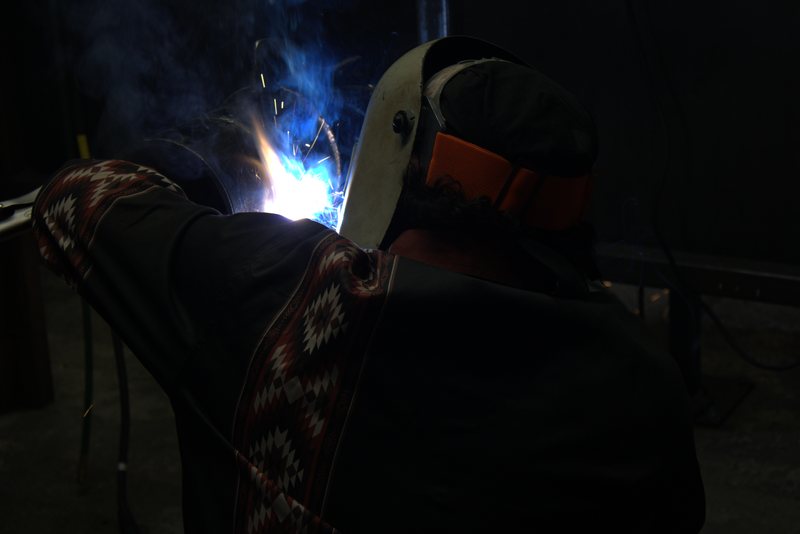
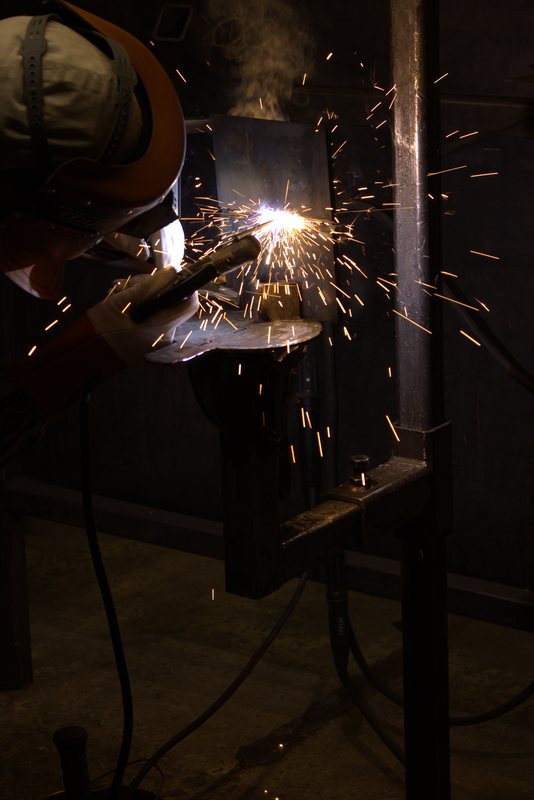
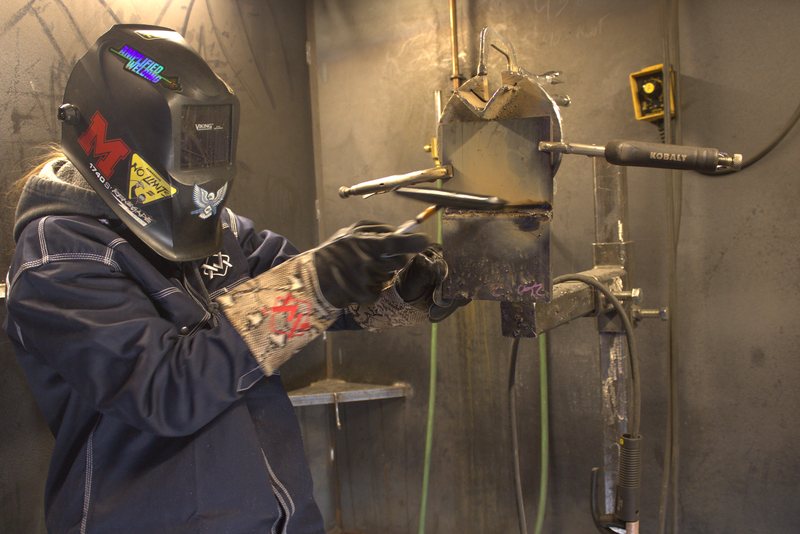
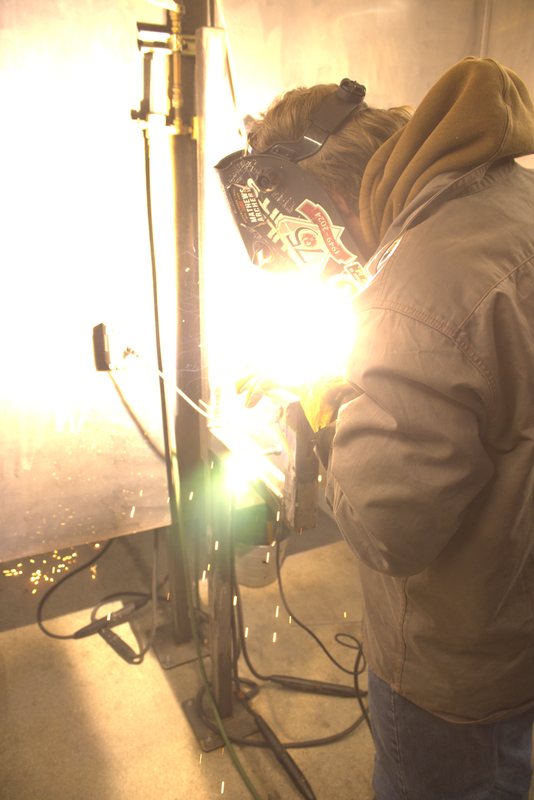
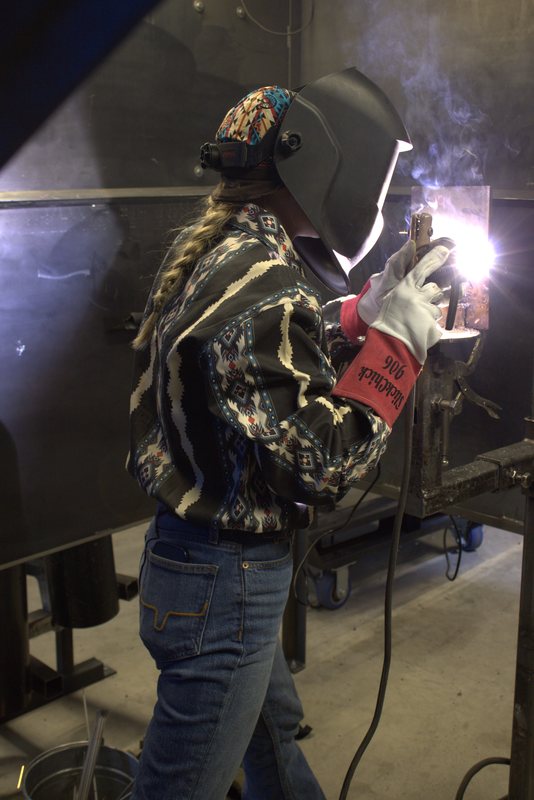
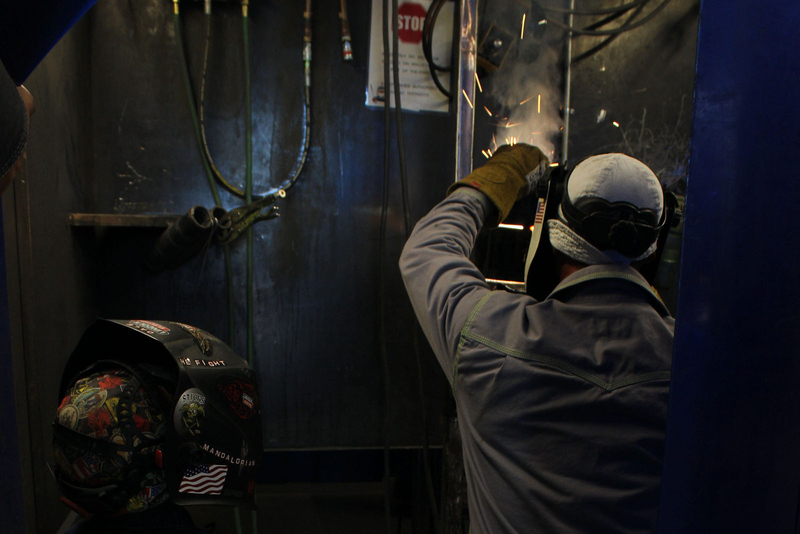
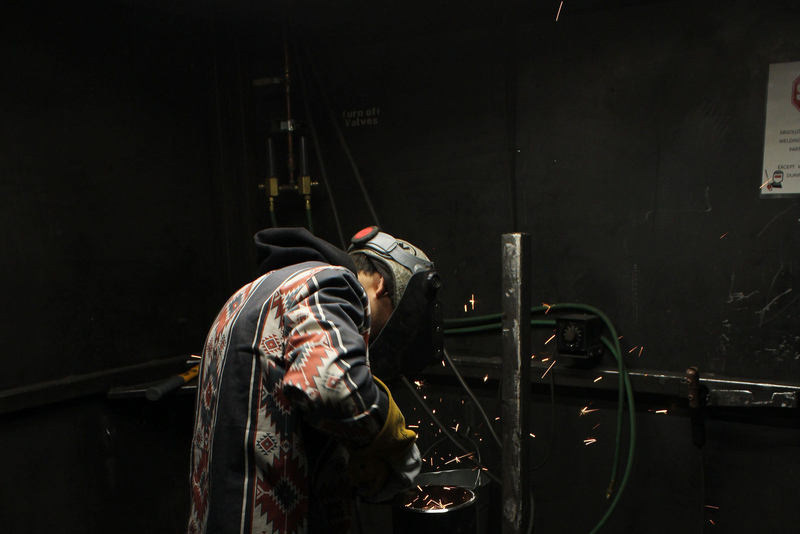
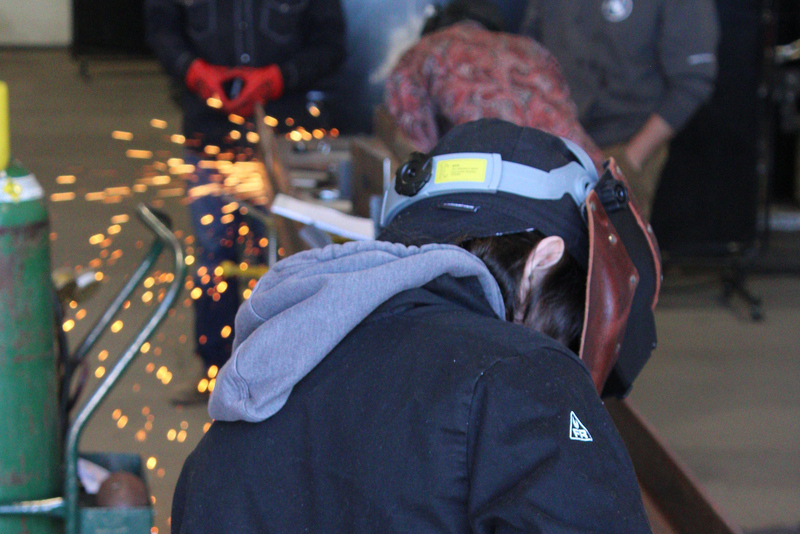
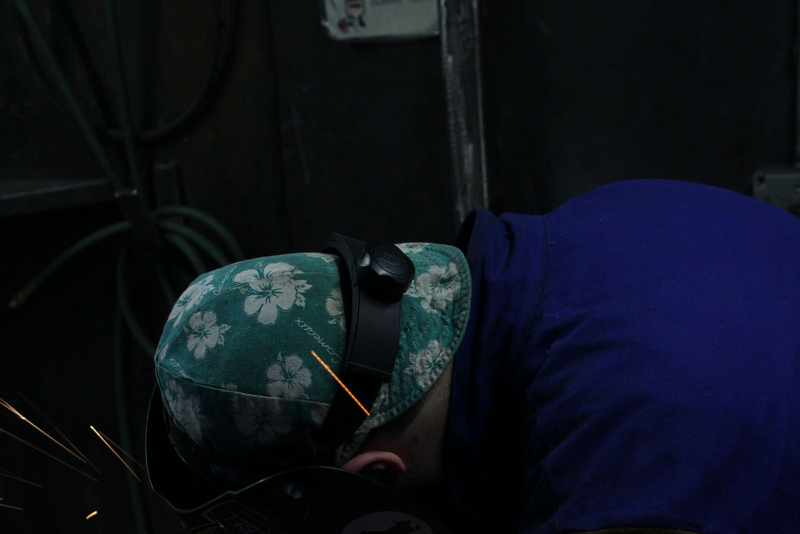
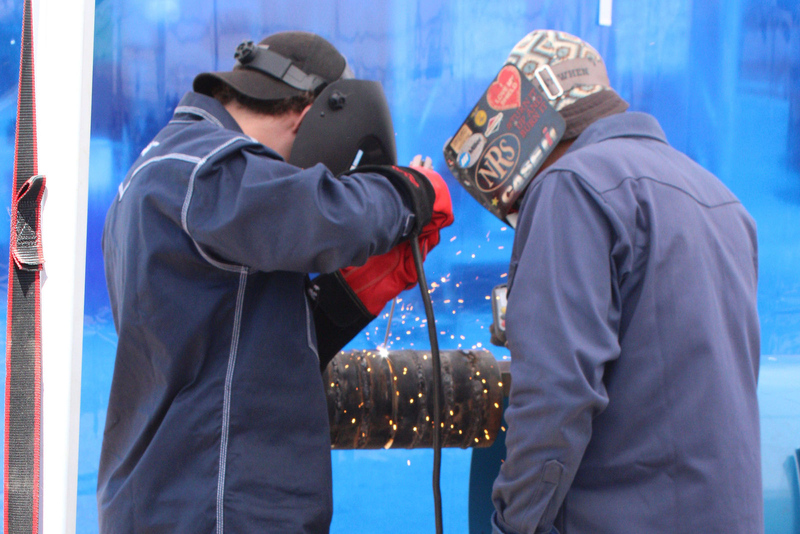
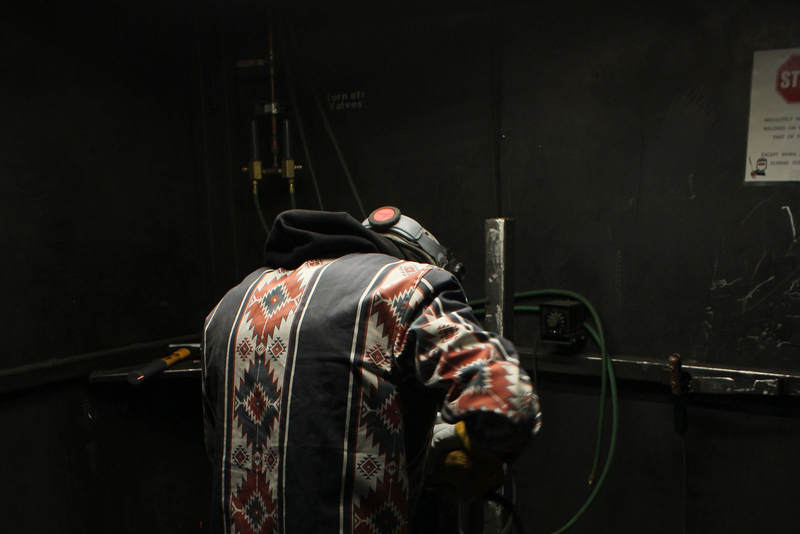
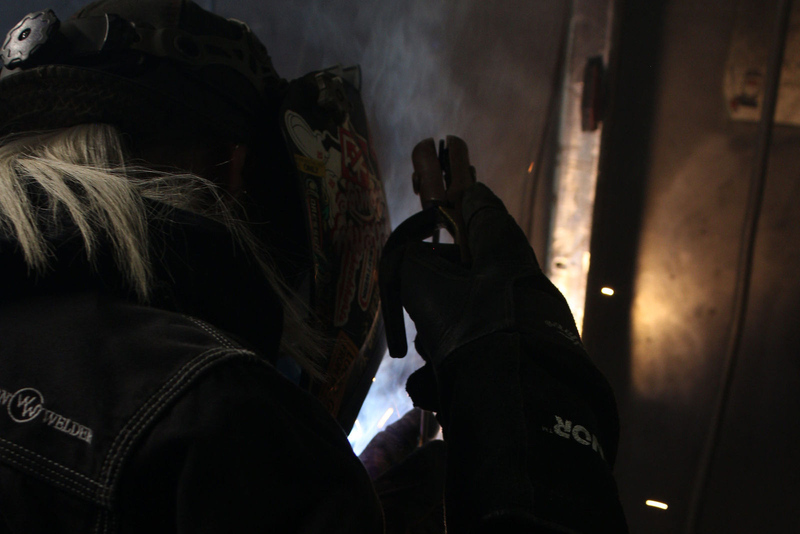
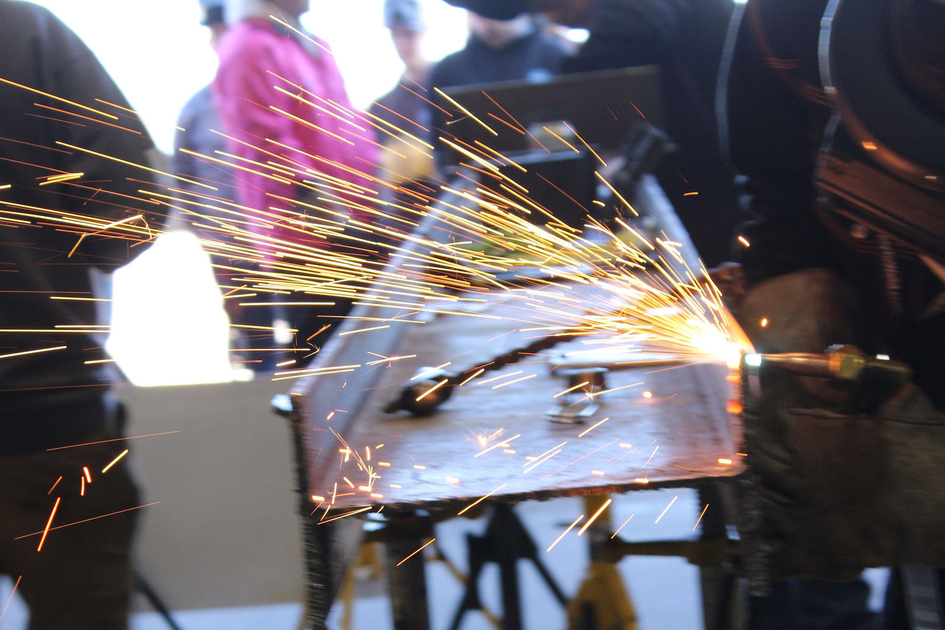
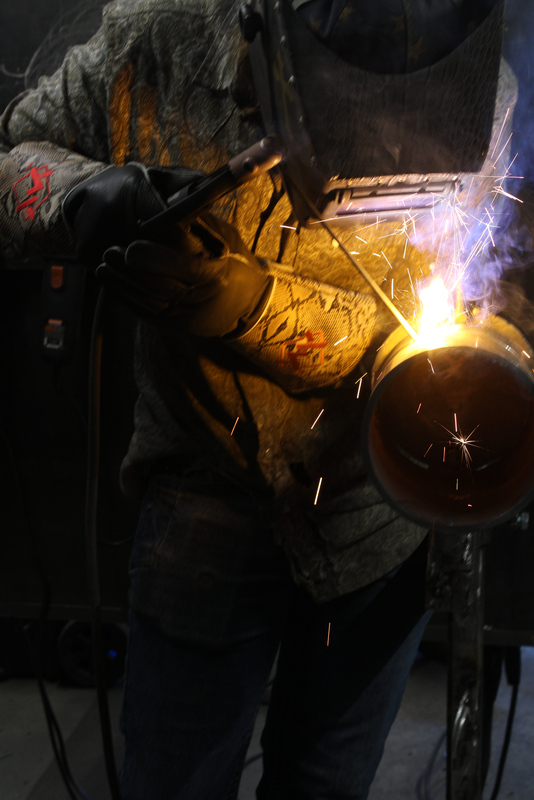
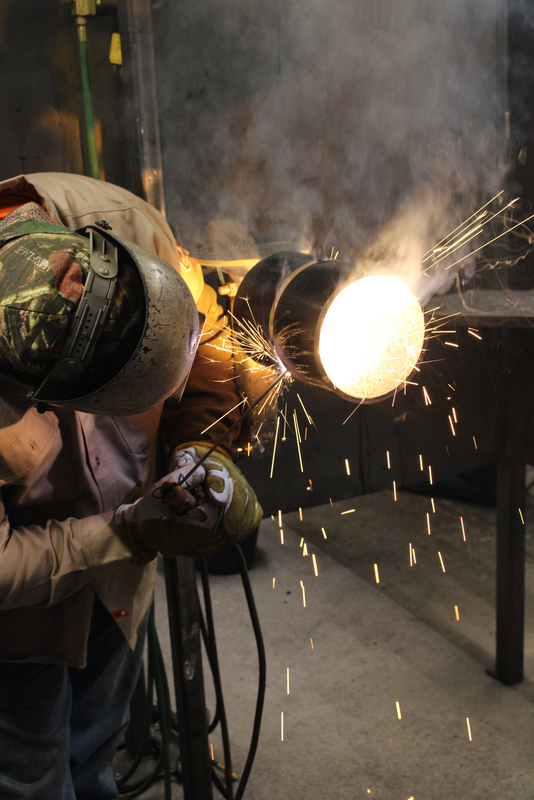
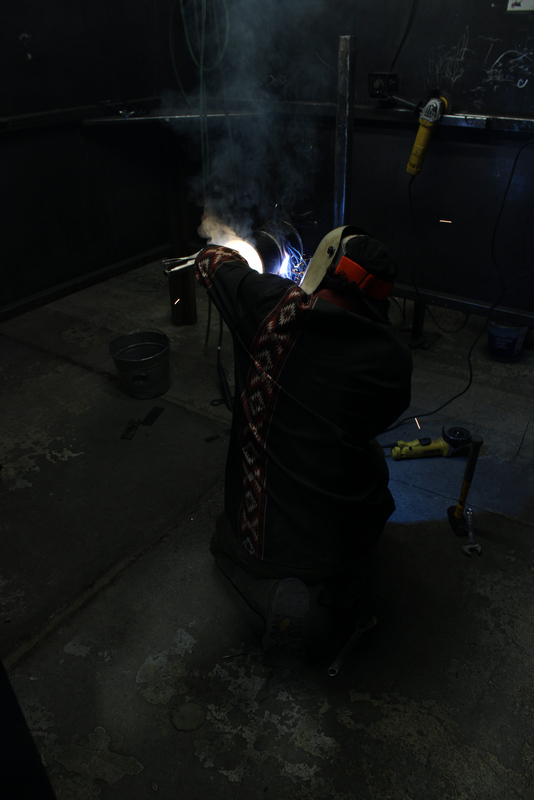
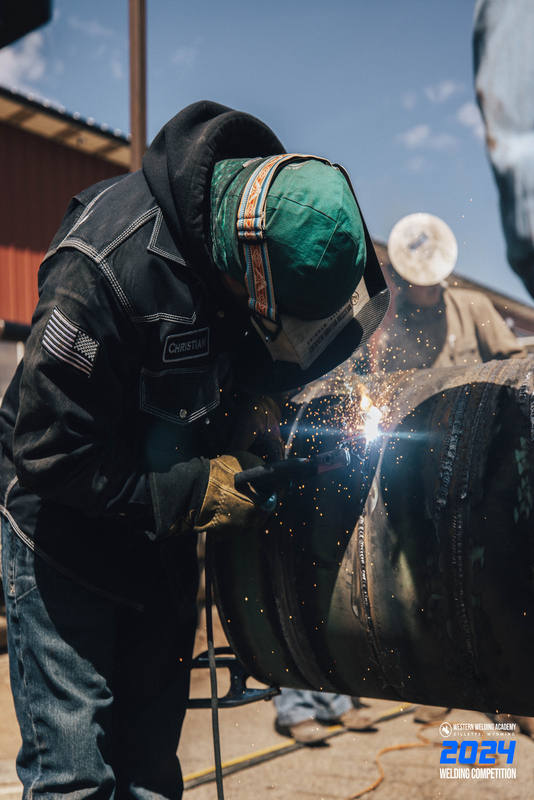
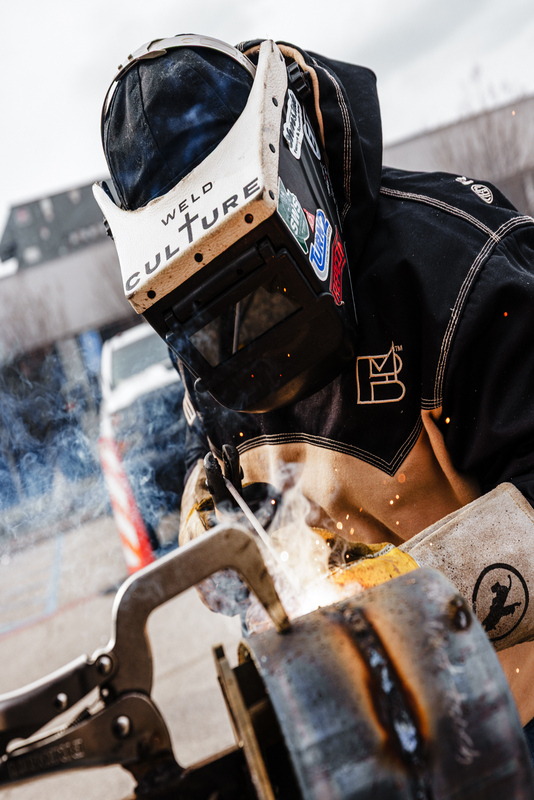
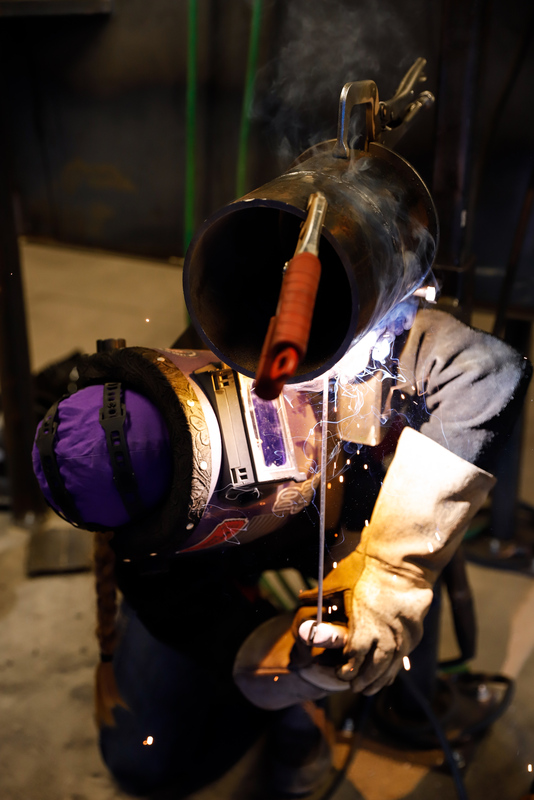
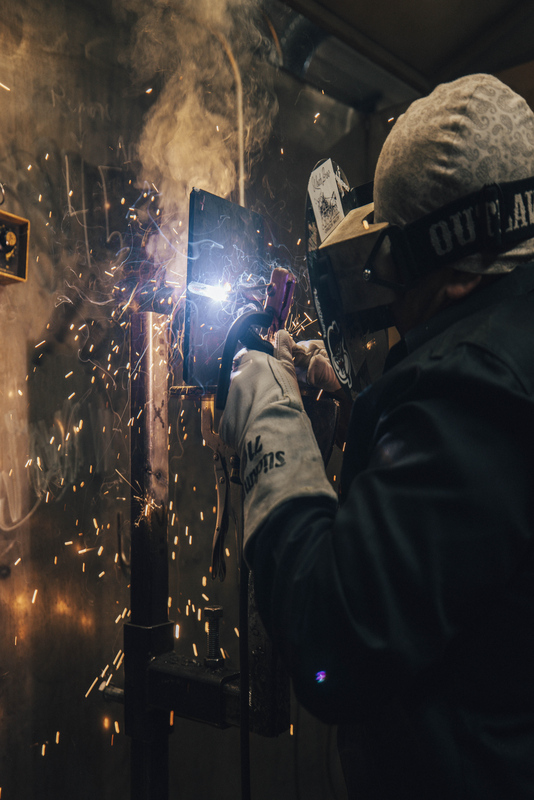
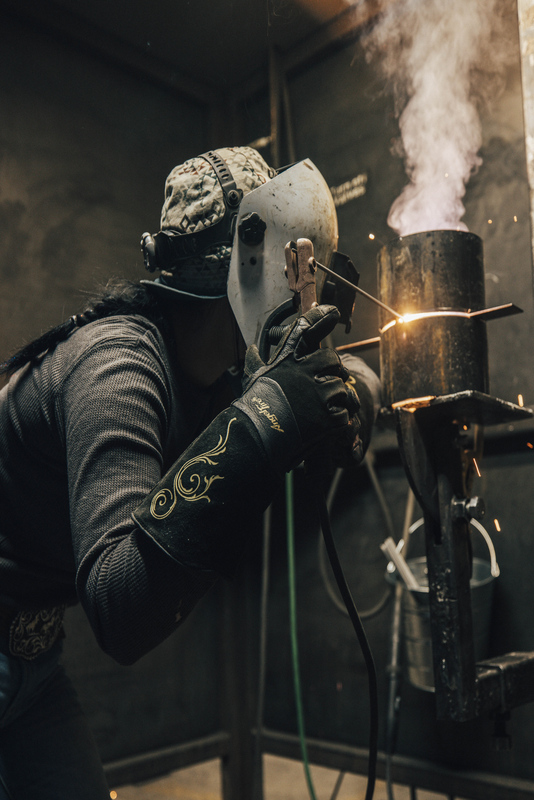
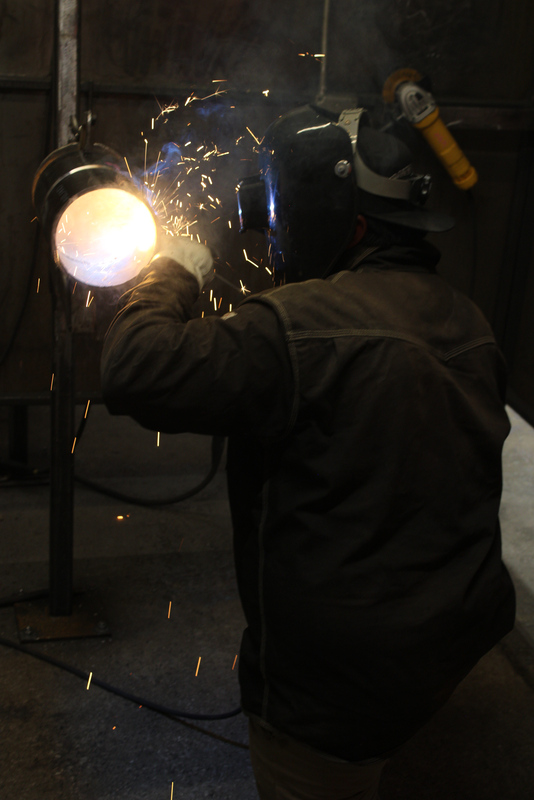
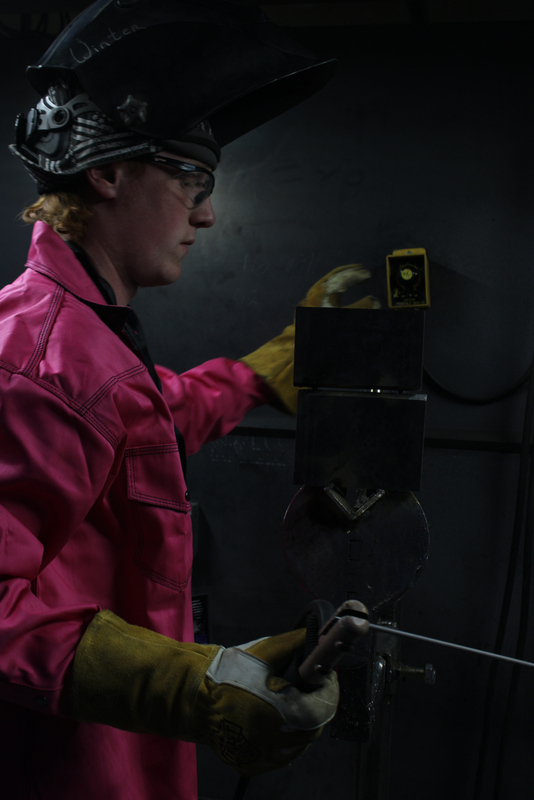
Booth time is the number of hours a student spends in a welding booth with a torch in hand, running beads on real metal. It is not watching a demonstration. It is not sitting in a classroom reviewing a weld procedure specification. Booth time is repetition under supervision, the only method that builds the hand stability and muscle memory required for consistent, code quality welds.
At Western Welding Academy, students spend 85% of their program hours in the booth. That translates to roughly 34 hours per week of actual welding across a 40 hour training week. This ratio exists because the academy's curriculum was designed by working pipeline welders who know what employers test for during hiring.
Classroom time at Western Welding Academy covers blueprint reading, weld symbols, metallurgy basics, and safety protocols. Those topics require focused instruction, but they take hours to learn, not weeks. The remaining schedule goes straight to the booth because that is where skill development actually happens.
Why Classroom Heavy Programs Produce Weaker Graduates
Programs that split time 50/50 between classroom and shop create a math problem. A 12 week program running 40 hours per week has 480 total hours. At a 50/50 split, students get 240 booth hours. At Western Welding Academy's 85% ratio, students get 408 booth hours in the same timeframe. That is 168 extra hours of welding practice, roughly the equivalent of four additional weeks of full time training.
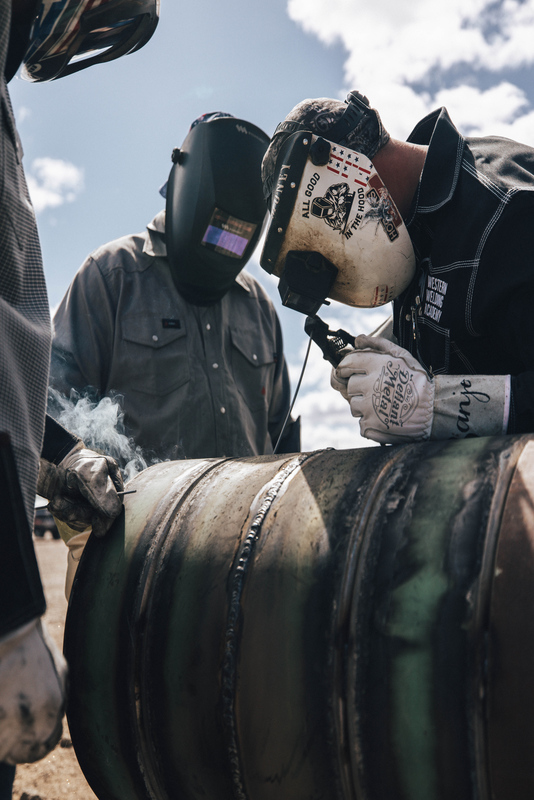
Those missing hours show up on test day. Students from classroom heavy programs often struggle with position welding because they have not logged enough reps in 5G and 6G positions. They may understand the theory of a downhill root pass, but their hands have not repeated the motion enough times to produce consistent results under pressure.
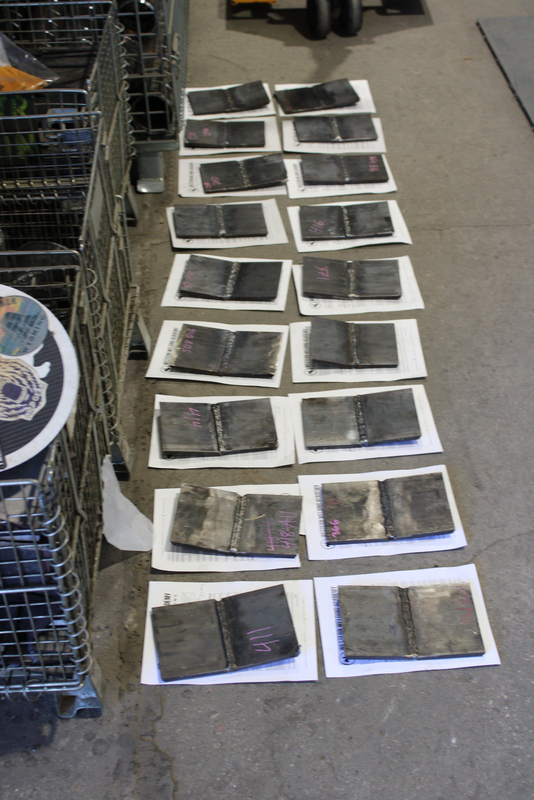
Employers do not hire based on classroom grades. They hire based on weld test results. That consistency between training and tA candidate who can pass a 6G certification test on the first attempt has value. A candidate who needs three attempts because they lack position practice does not.
Ready to train with 85% booth time and real pipeline standards? Apply now or call (307) 284-5313.
How Booth Hours Build Skills That Classroom Hours Cannot
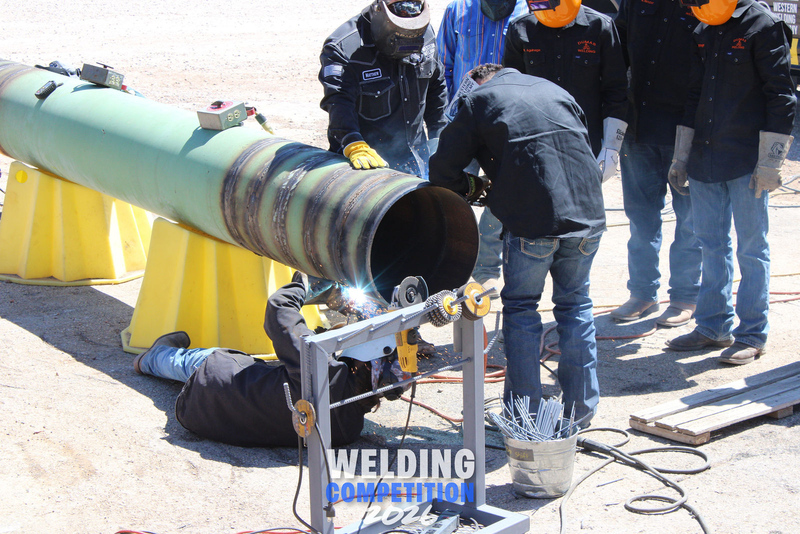
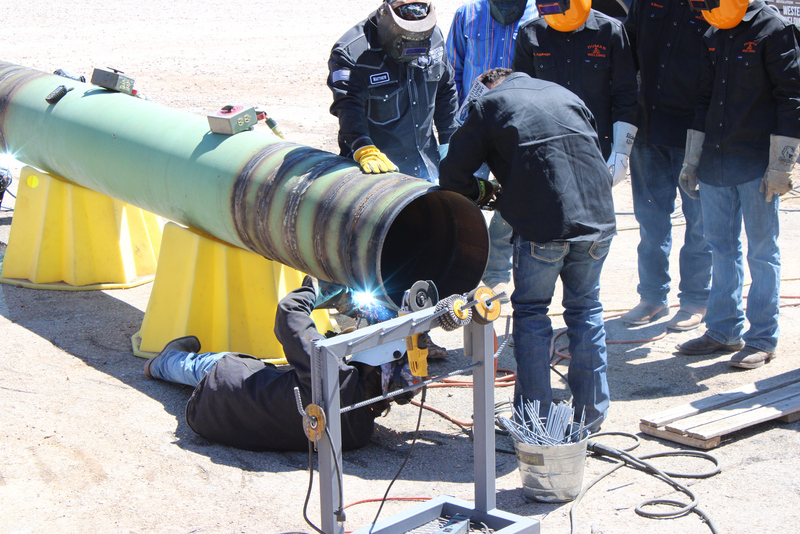
Welding requires three things that only come from repetition: hand stability, arc control, and position adaptability. Hand stability means maintaining a consistent travel speed and torch angle across an entire joint. Arc control means reading the puddle in real time and adjusting amperage, travel speed, or filler rod feed without stopping. Position adaptability means executing those same skills whether the joint is flat, vertical, overhead, or at the 45 degree angle of a 6G pipe test.
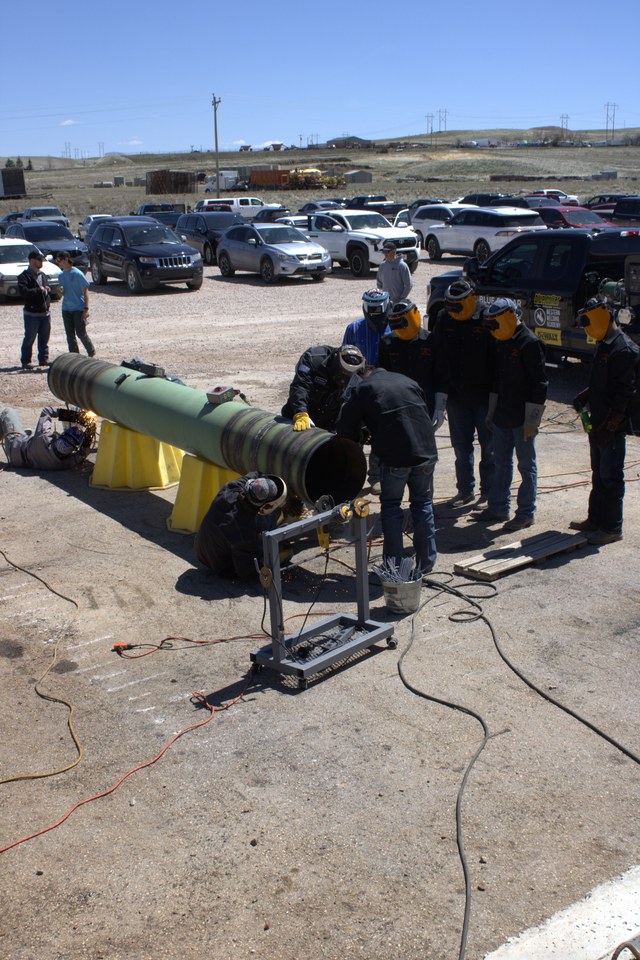
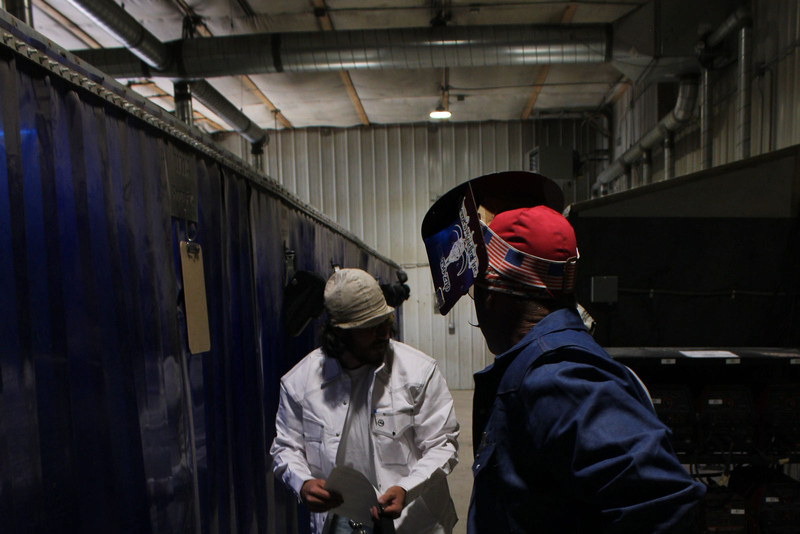
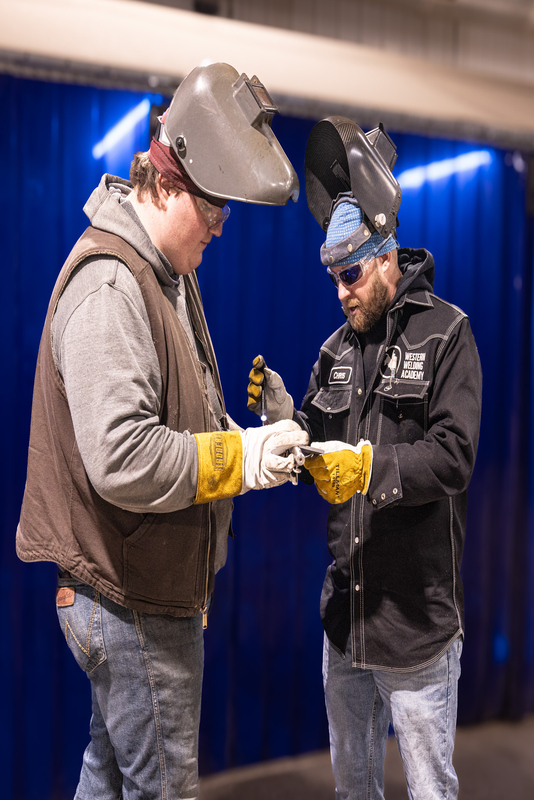
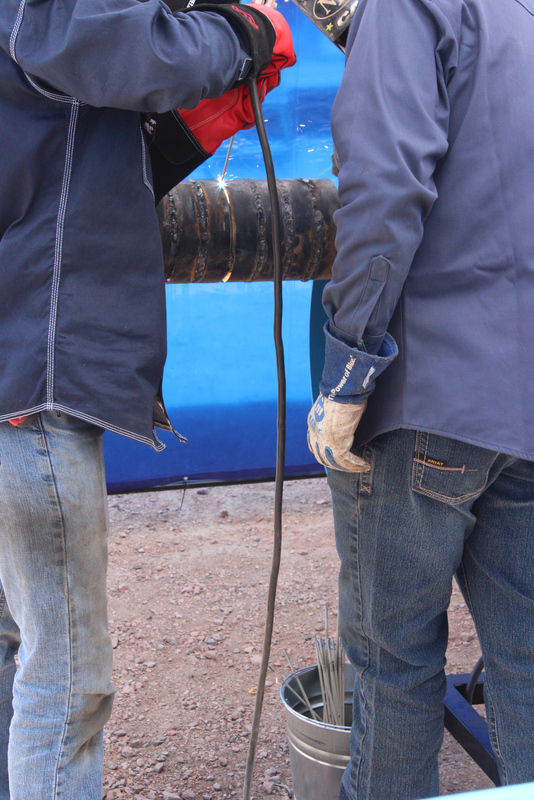
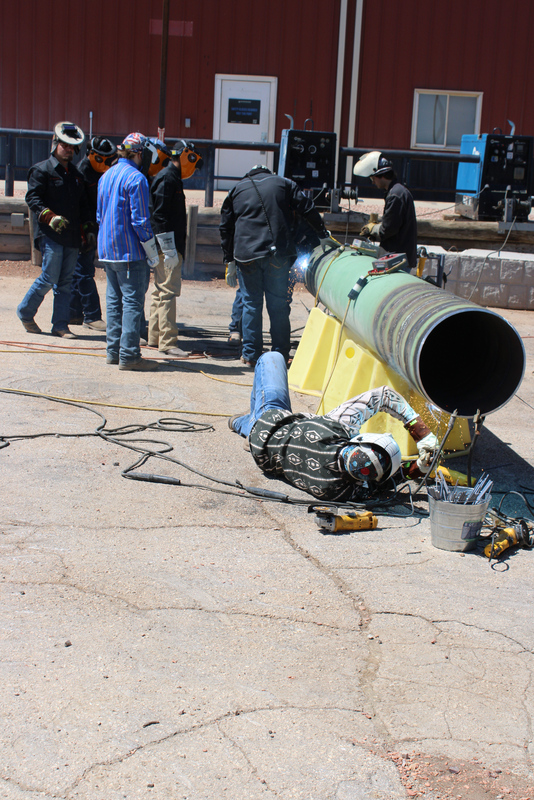
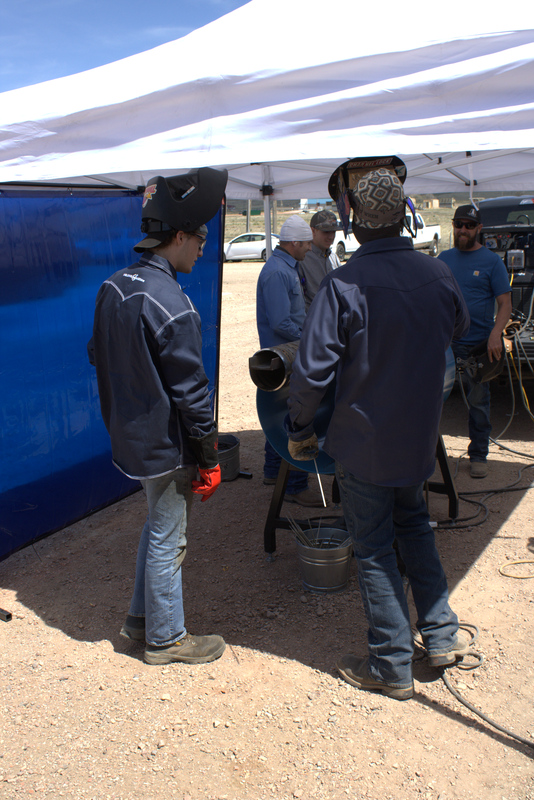
None of these develop in a classroom. They develop over hundreds of hours of guided repetition with immediate instructor feedback. At Western Welding Academy, instructors walk the booth floor during every session. When a student's bead shows undercut or lack of fusion, the correction happens in the moment, not during a classroom review the next day. This real time feedback loop is what separates structured training from on the job learning.
What the 85% Hands-On Ratio Looks Like in Practice
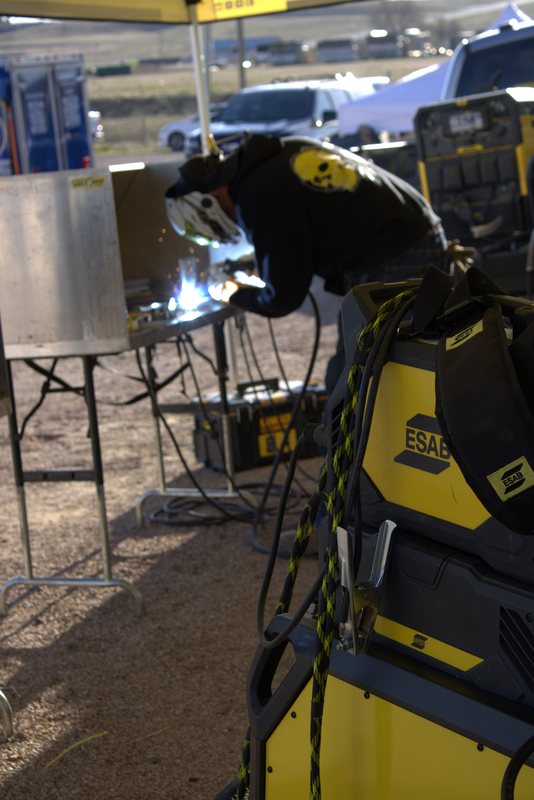
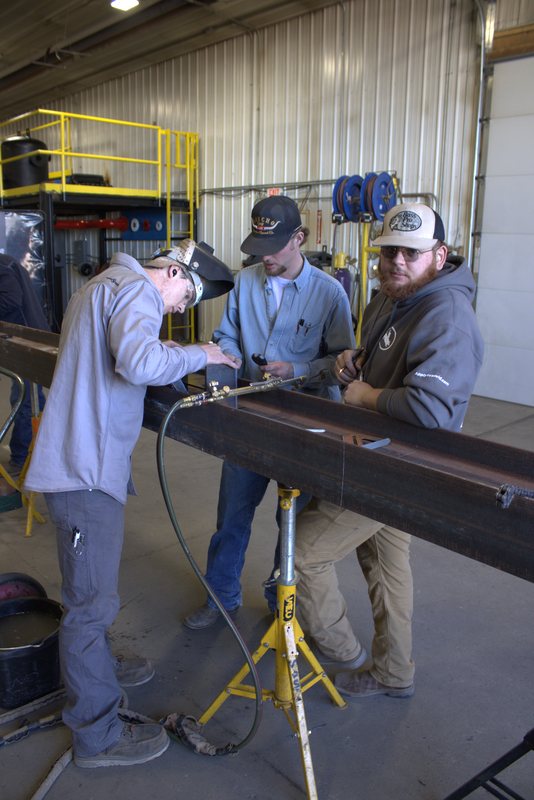
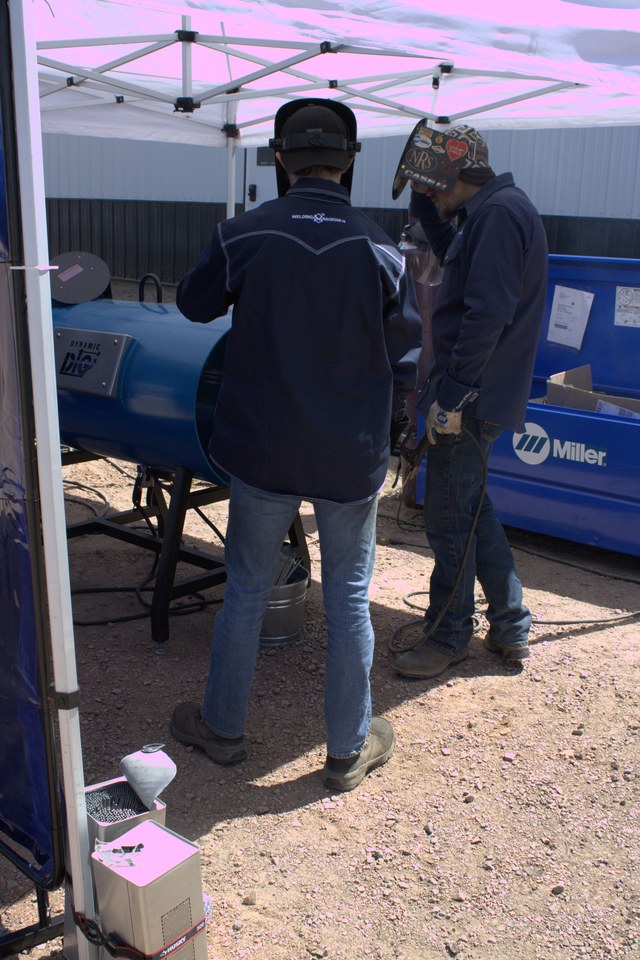
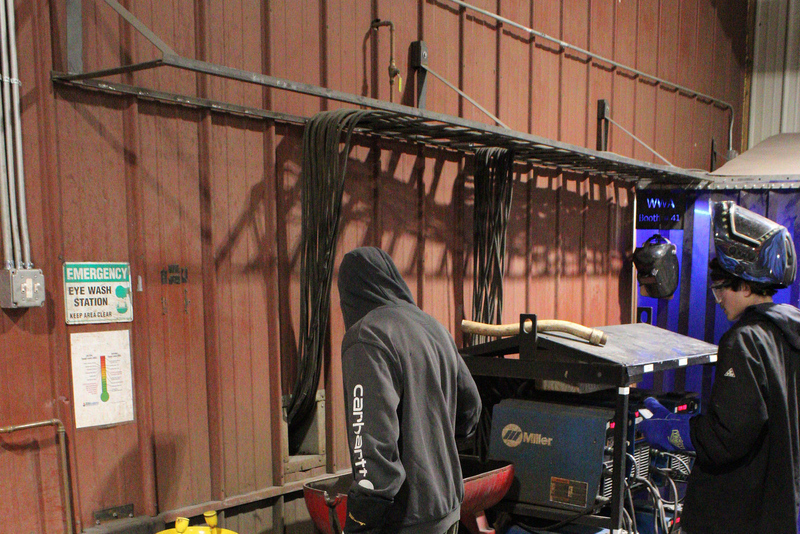
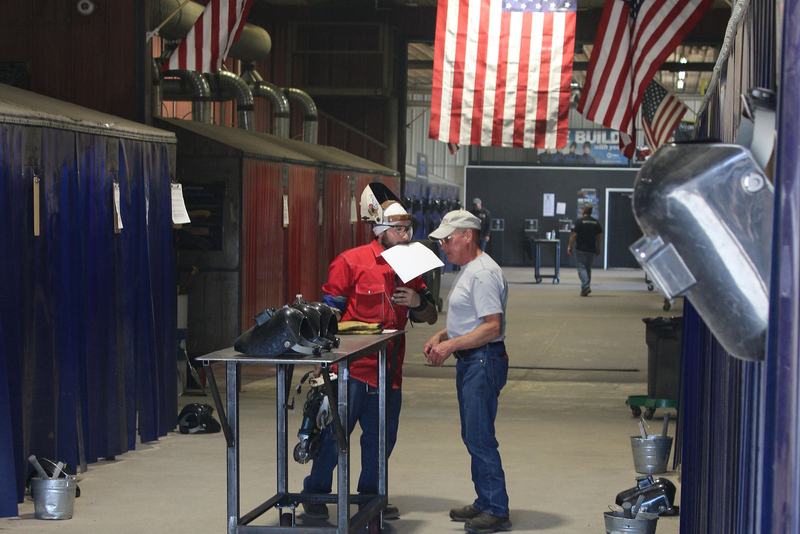
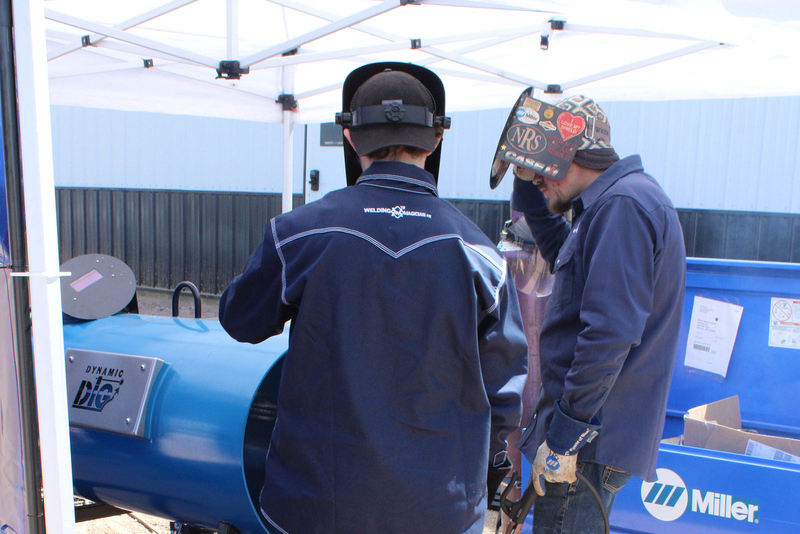
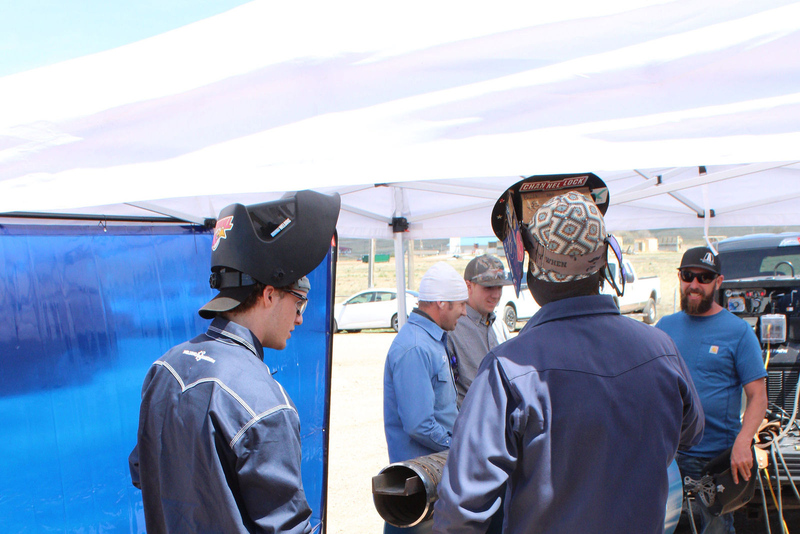
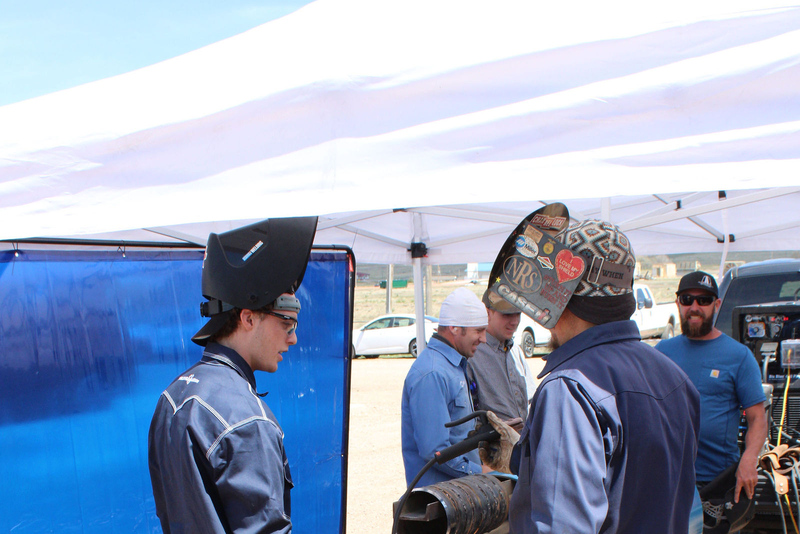
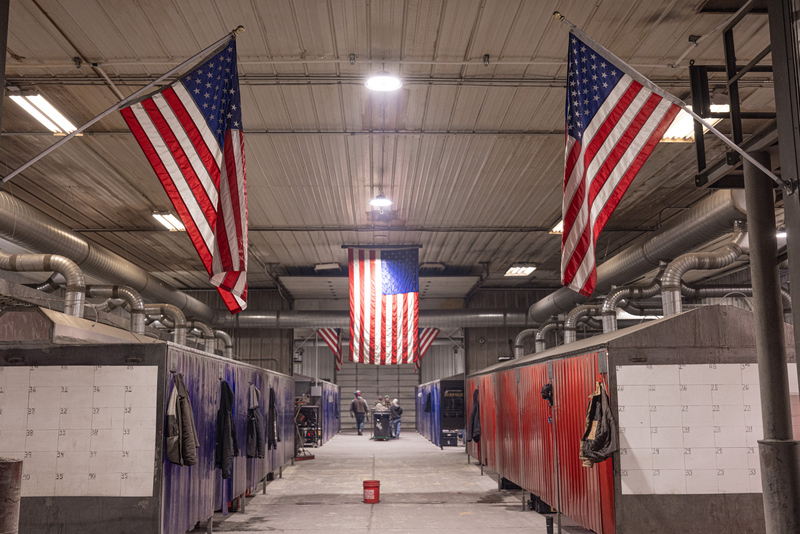
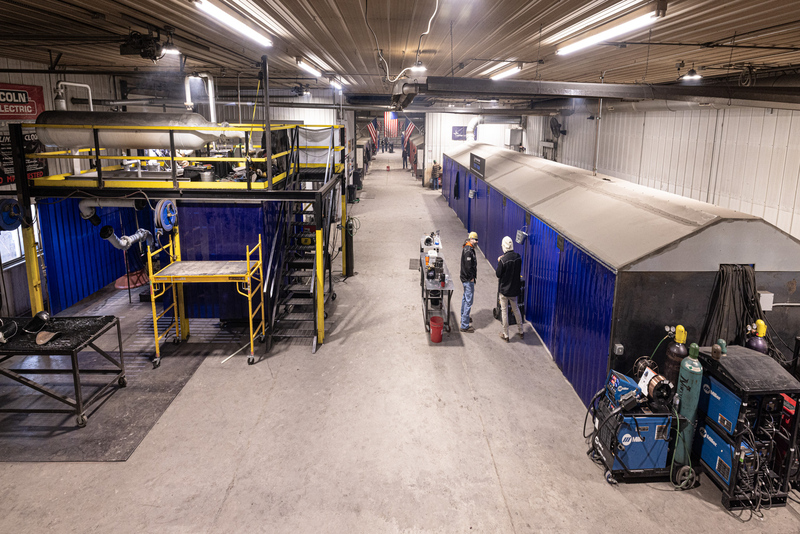
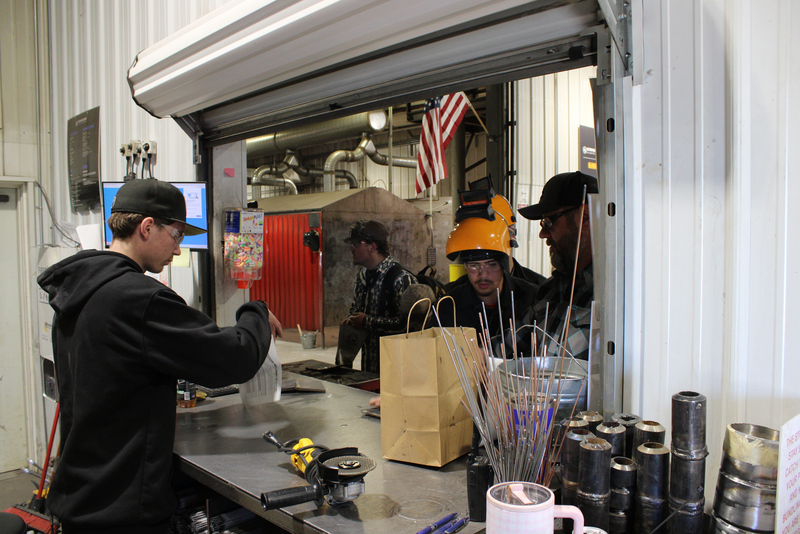
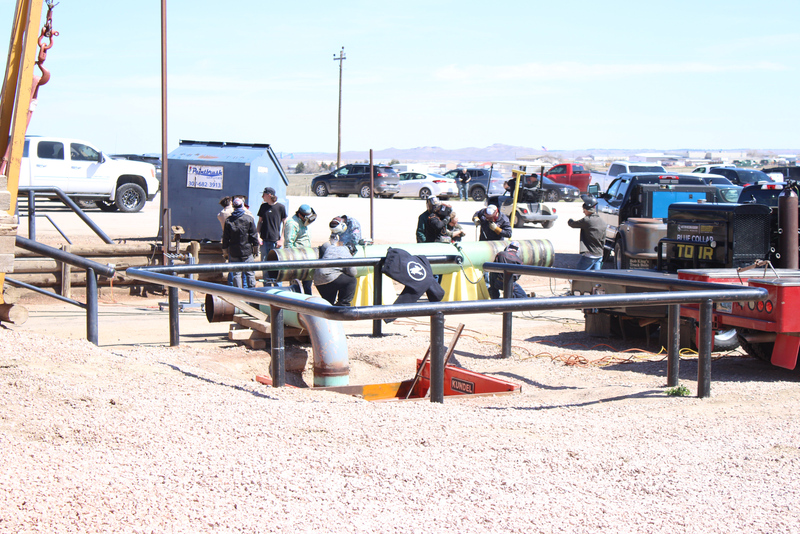
A typical training day at Western Welding Academy starts with a 30 to 45 minute classroom session covering the day's weld procedure, joint type, or code requirement. Students then move to the booth for the remaining six to seven hours of the day. Each student has their own welding station with dedicated equipment, so there is zero downtime waiting for a machine.
The Expert Pipe Welder program runs 24 weeks at 40 hours per week. At 85% hands-on, that is over 816 booth hours. The Professional Pipe Welder program covers 19 weeks with roughly 646 booth hours. Even the 12 week Foundational Pipe Welder program delivers over 408 booth hours because every day prioritizes torch time over lecture time.
Compare that to community college welding programs that run two semesters with 50% classroom ratios. Those students may accumulate 300 to 350 booth hours across an entire year. Western Welding Academy students surpass that in their first 12 weeks.
What Graduates Earn After Training With High Booth Time Ratios
The connection between booth hours and earning potential is direct. More practice produces higher pass rates on certification tests. Higher certifications qualify graduates for higher paying positions. Western Welding Academy graduates consistently land jobs within 90 days of completing their programs, with a 94% placement rate across all program levels.
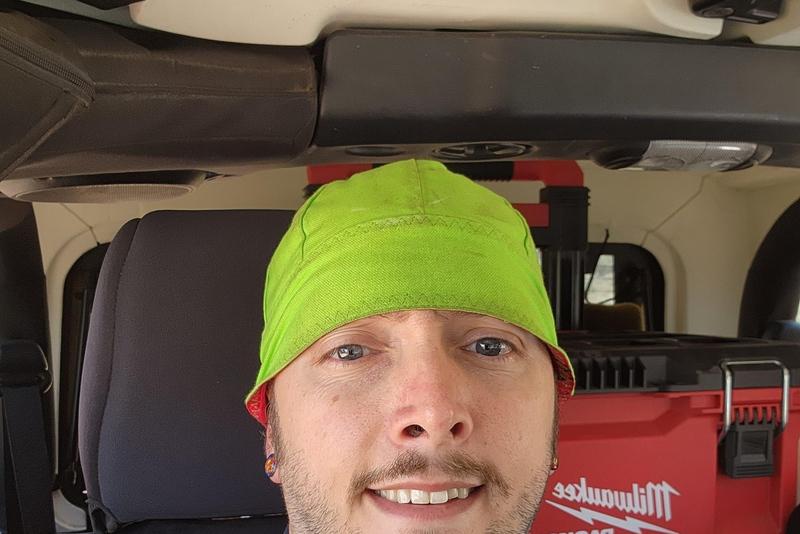
Leyton Wagner earns $4,514 per paycheck working as a pipeline welder after completing his training at Western Welding Academy. His consistency on 6G pipe joints came directly from the hundreds of booth hours he logged during the program. That kind of bead quality does not come from watching demonstrations.
Gavin Walden takes home $3,986 per paycheck. He credits the daily booth repetition for building the speed and accuracy that pipeline contractors look for during hiring weld tests. Every extra hour in the booth translated to confidence under test conditions.
David Smolek earns $3,417 per paycheck. His training at Western Welding Academy gave him enough position welding practice to pass his first field test without needing additional preparation. That readiness saved him weeks of unpaid practice time that graduates of other programs often need.
Noah clears $4,800 per week. His booth hours during training prepared him for the multi process demands of pipeline work, where switching between SMAW root passes and FCAW fill passes is an everyday requirement.
Hank crossed $150,000 per year before turning 22. His earning trajectory started the day he graduated because the booth time he logged meant he could test into high paying positions immediately instead of spending months on lower tier jobs building basic skills.
How to Evaluate a Welding School's Booth Time Ratio
Before enrolling in any welding program, ask one question: what percentage of program hours are spent in the booth? If the answer is below 70%, the program is classroom heavy. If the school cannot give you a specific number, that is a red flag. Programs confident in their training model publish their booth ratios because the numbers speak for themselves.
Ask how many students share each welding station. Shared stations cut effective booth time in half or worse. Ask whether the school has its own testing facility so students can test on the same equipment they train on. Ask what certifications graduates hold on graduation day, not just what certifications the school mentions in its marketing materials.
Western Welding Academy operates as the number one AWS Accredited Testing Facility in the country. Students test on the same machines they train on, under the same conditions they will face on a real job site. That consistency between training and testing is what produces first attempt pass rates that other programs cannot match. Compare welding school job placement rates to see which programs deliver verified results.
Start training with 85% booth time at the top ranked welding school in America. Apply now or call (307) 284-5313.
Frequently Asked Questions
Q1. Why does booth time matter more than classroom hours in welding school?
Welding is a physical skill that requires muscle memory, hand stability, and arc control. These abilities develop only through repetition under supervision. Classroom instruction teaches theory, but it cannot replace the hundreds of hours of torch time needed to produce code quality welds consistently across all positions.
Q2. How many booth hours should a good welding program include?
A strong program dedicates at least 70% of total hours to hands-on welding. Programs at 85% or higher, like Western Welding Academy, produce graduates with significantly more practice time. In a 12 week, 40 hour per week program, that means over 400 booth hours compared to 240 at a 50/50 split.
Q3. What happens if a welding student does not get enough booth time?
Students with insufficient booth hours struggle with position welding, fail certification tests at higher rates, and often need months of additional field practice before passing employer weld tests. This delays their earning potential and reduces their competitiveness against graduates from hands-on intensive programs.
Q4. How does Western Welding Academy's 85% booth ratio compare to other schools?
Most community college programs run 40% to 60% booth time. Trade schools vary between 50% and 75%. Western Welding Academy's 85% ratio is among the highest in the country, delivering over 400 booth hours in a 12 week program compared to 300 hours in a full year at many community colleges.
Q5. Do employers care about booth hours when hiring welders?
Employers care about weld test results, which are a direct product of booth hours. A graduate with 800 hours of booth time passes certification tests at a higher rate than one with 300 hours. Pipeline contractors test every candidate before hiring, and booth time is what prepares them to pass.
Q6. What makes Western Welding Academy different from other welding schools?
Western Welding Academy dedicates 85% of every program to hands-on booth time, operates the number one AWS Accredited Testing Facility, places 94% of graduates within 90 days, and has produced over 2,000 graduates earning pipeline level wages. The curriculum was built by working pipeline welders for pipeline careers.
Start Training Where Booth Time Comes First
Every hour in the booth is an hour closer to a career that pays pipeline wages. Western Welding Academy puts students behind a torch for 85% of every program because that is what it takes to pass certification tests and land high paying jobs. Call Western Welding Academy at (307) 284-5313 or apply now to start training with the highest booth time ratio in the industry.


.jpg)


.jpg)


.jpg)
.jpg)
.jpg)
.jpg)
.jpg)
-thumbnail.jpg)

.jpg)