What Is Downhill Pipe Welding
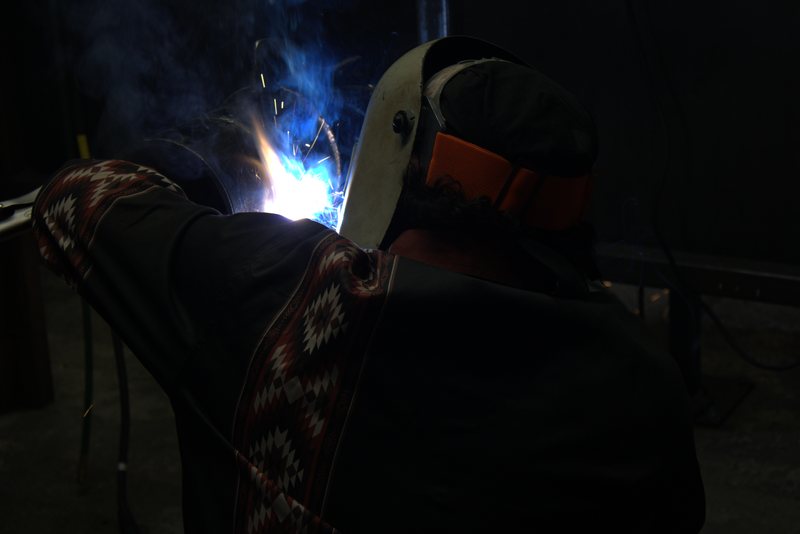
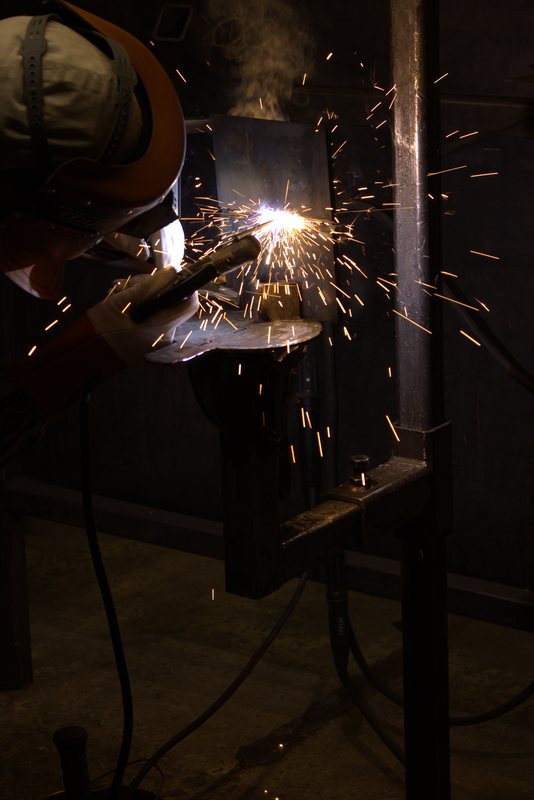
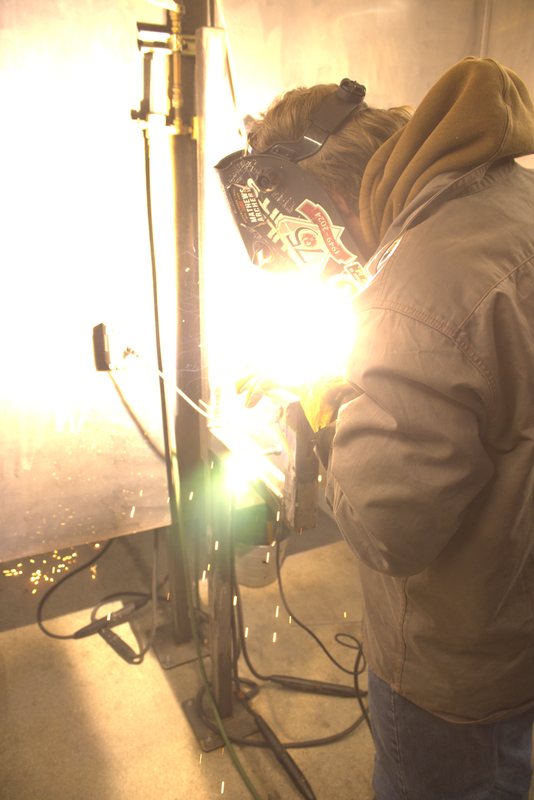
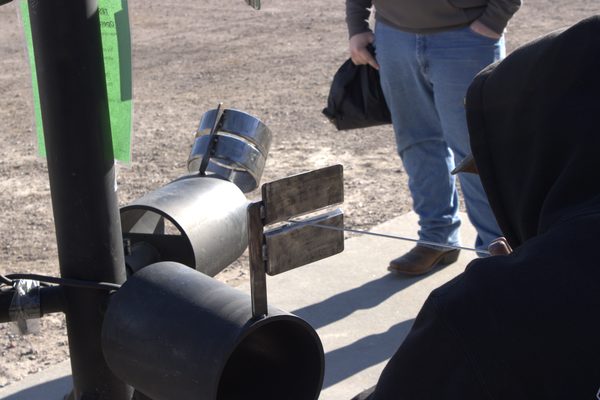
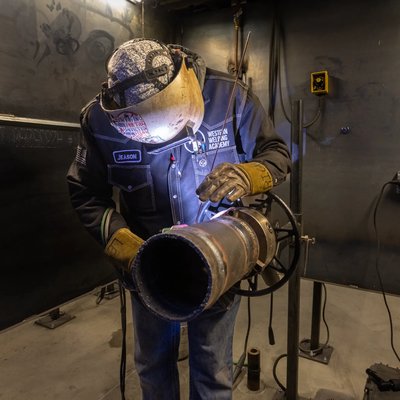
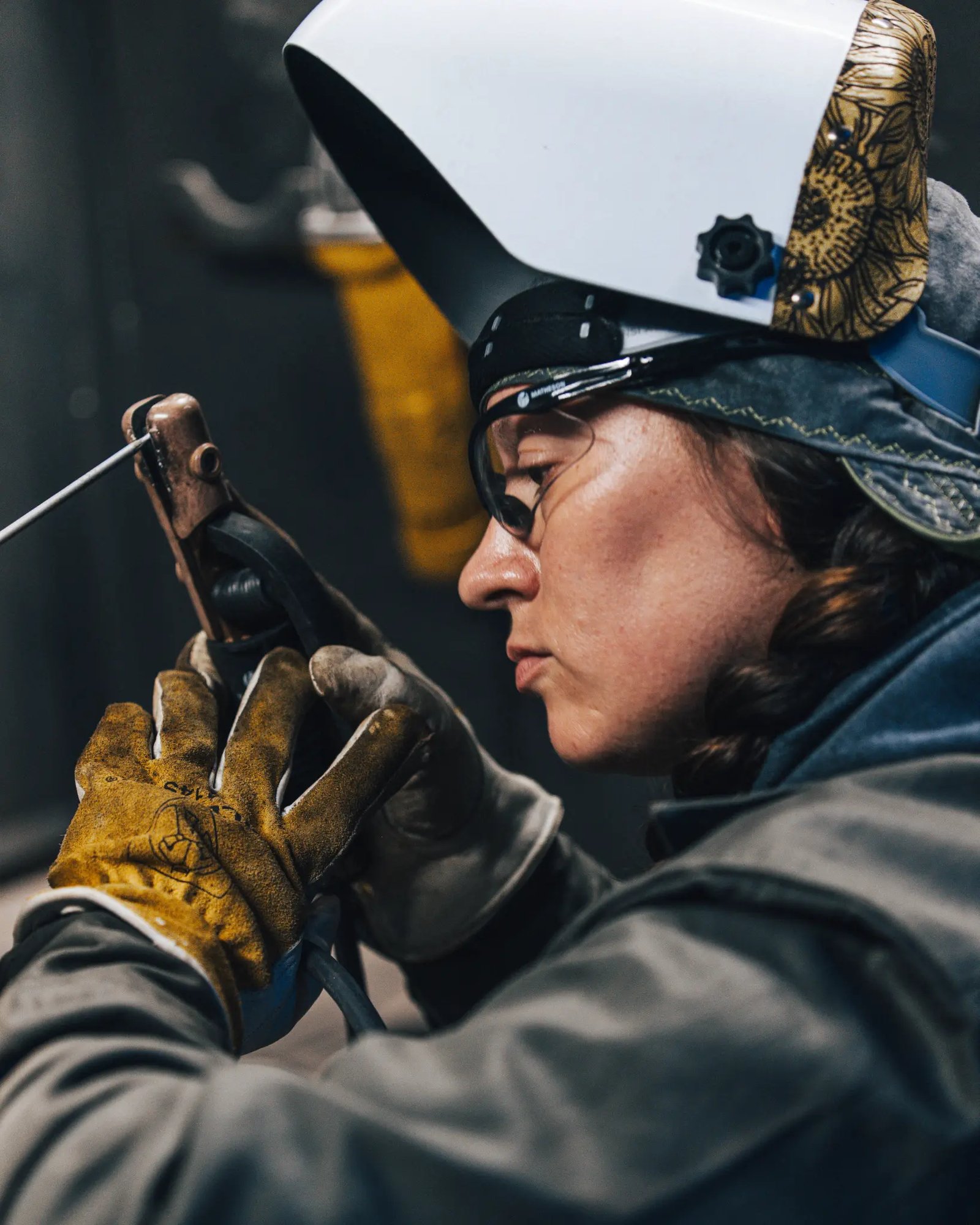
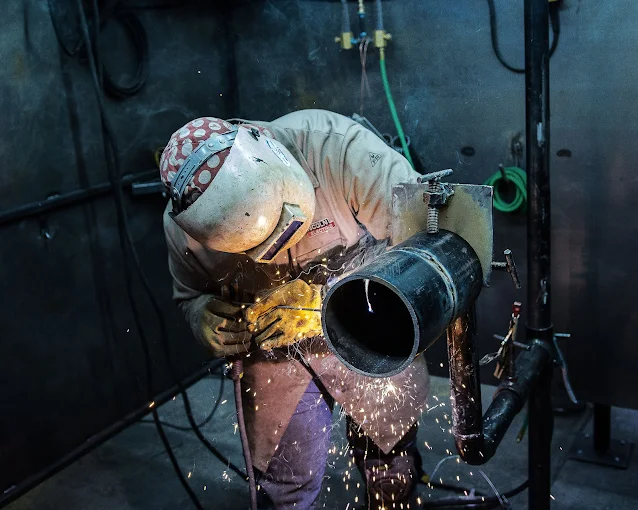
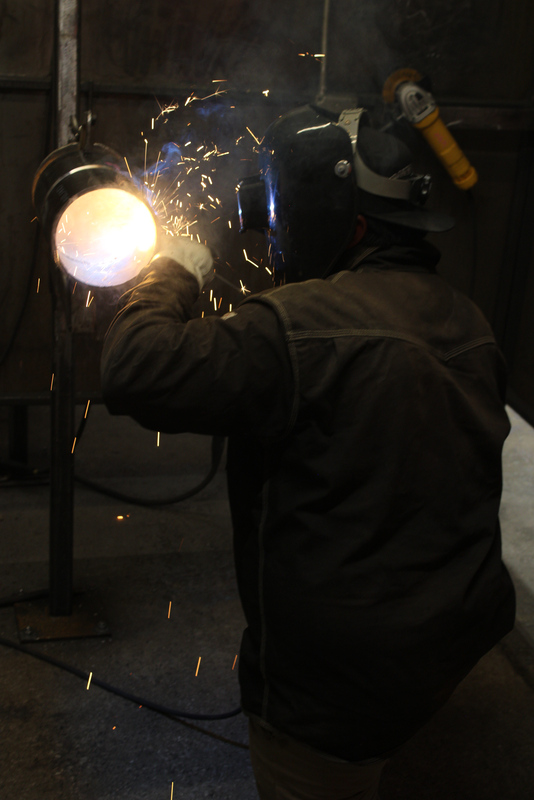
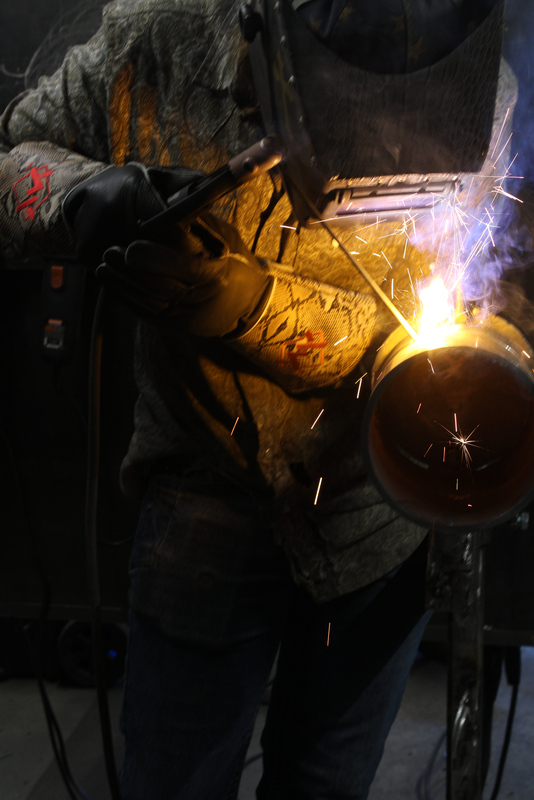
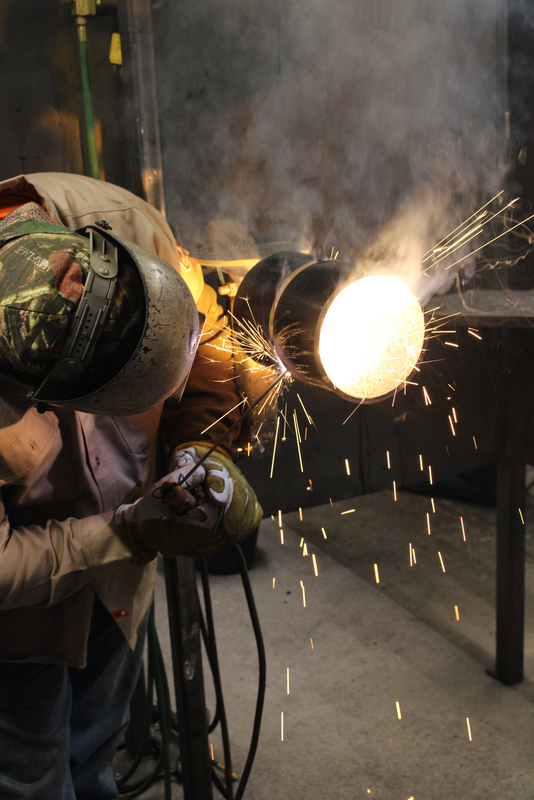
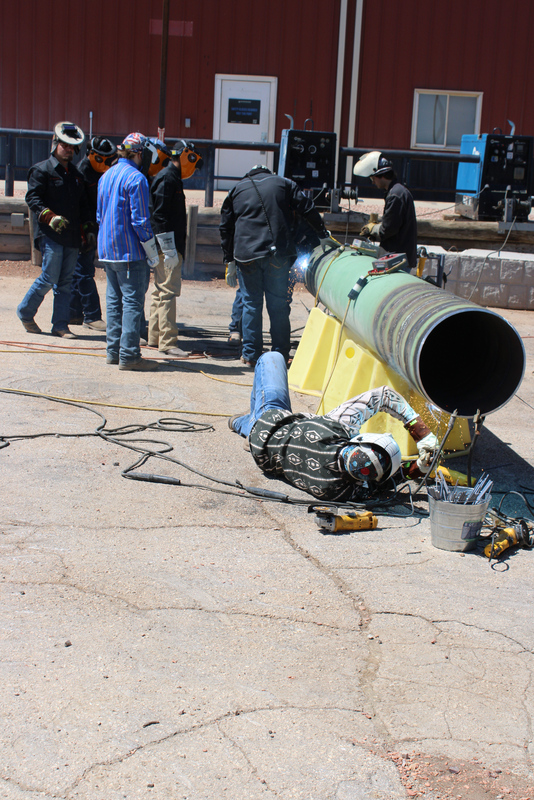
Downhill pipe welding means running the electrode from the 12 o'clock position to the 6 o'clock position on a pipe joint. Gravity pulls the molten puddle in the same direction you travel. That sounds simple, but the technique requires speed, rod angle control, and a machine dialed in to tight amperage windows. Most pipeline welding procedures written to API 1104 call for downhill progression on the root pass, hot pass, and sometimes the fill passes.
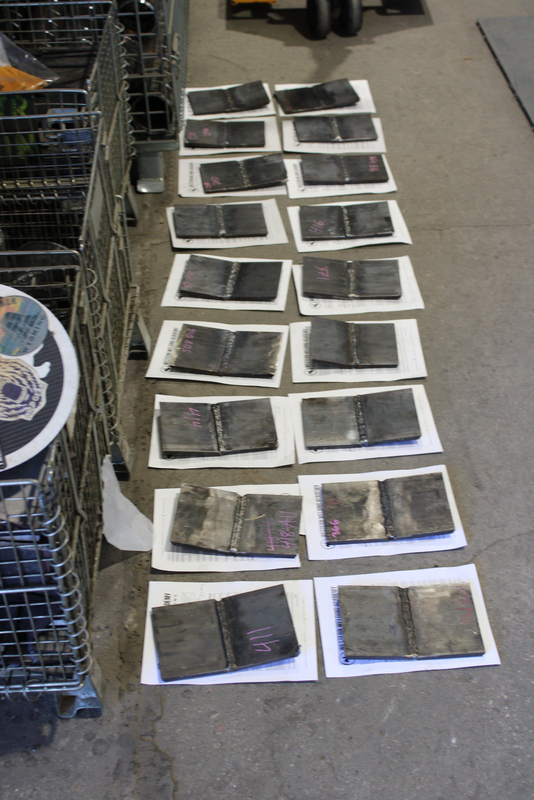
The root pass is where downhill welding earns its reputation. You burn an open root joint with no backing. The arc melts through to the inside of the pipe, and the puddle freezes fast behind you. That fast freeze is the whole point. It locks in the keyhole and builds a root bead that X-ray techs can pass without callbacks.
Uphill welding moves against gravity. It builds thicker beads with deeper penetration, which works well on heavy structural steel and pressure vessels. But on cross-country pipeline, speed and consistency matter more. Downhill delivers both.
Why Pipeline Companies Use Downhill Over Uphill
Pipeline contractors chose downhill welding for three reasons: speed, metallurgy, and cost.
Speed comes first. A downhill root pass on a 12-inch pipe takes roughly half the time of an uphill root. Multiply that across 500 joints on a spread, and you save weeks of labor. Pipeline construction runs on daily joint counts. Faster welding means more joints per day and lower project costs.
Metallurgy is the second reason. Downhill welding produces a narrower heat-affected zone compared to uphill. Rapid cooling creates a finer grain structure with better tensile strength and toughness. The directional grain growth aligns with axial stress along the pipeline, which improves resistance to cracking under pressure. Contractors building to API 1104 standards rely on these properties to meet code. If you want to understand how pipeline careers compare to refinery and structural paths, the welding technique is one of the biggest differences.
Cost is the third reason. Downhill welding uses less filler metal per joint. The faster travel speed means less electrode consumed and less shielding gas burned on semi-automatic procedures. On a 200-mile pipeline project, those savings add up to millions of dollars.
How Polarity Works in Downhill Welding
Polarity determines where the heat concentrates in the arc. For downhill pipe welding, DCEP (Direct Current Electrode Positive) is the standard setting. DCEP sends roughly 70% of the arc heat into the base metal and 30% into the electrode. That heat distribution drives deep penetration into the pipe wall, which is critical for open root joints.
DCEN (Direct Current Electrode Negative) flips the ratio. It sends 70% of heat into the electrode and only 30% into the base metal. That works for surfacing and thin sheet metal, but it does not produce enough penetration for pipeline root passes.
The cellulose-coated electrodes used in downhill pipeline welding (E6010 and E8010) require DCEP polarity. Their sodium-based flux coating cannot maintain a stable arc on AC or DCEN. If you switch your machine to the wrong polarity, the arc sputters, the rod sticks, and the weld fails. Every pipeline welding procedure specification (WPS) written to API 1104 calls out DCEP for cellulose electrodes.
Understanding polarity is a core part of earning your API 1104 certification. Getting this wrong on a weld test is an automatic failure.
Ready to learn downhill pipe welding the right way? Apply now or call (307) 284-5313 to talk to an admissions advisor.
Which Electrodes Work for Downhill Pipe Welding
Two electrode families dominate downhill pipeline welding: E6010 and E8010. Both are cellulose-coated, all-position rods designed for fast-freeze applications. The difference is tensile strength.
E6010 has a minimum tensile strength of 60,000 PSI. It runs on DCEP only. Pipeline welders use it for root passes and hot passes on standard carbon steel pipe. The deep, digging arc burns through mill scale and surface contamination. A 1/8-inch E6010 rod typically runs at 70 to 125 amps, depending on pipe wall thickness and joint fit-up.
E8010 has a minimum tensile strength of 80,000 PSI. It also runs on DCEP. Contractors specify E8010 for higher-strength pipe grades (X65, X70, X80) common on natural gas transmission lines. The higher tensile rating matches the pipe's yield strength, which the welding procedure requires for code compliance.
E7018 is a low-hydrogen rod used for fill and cap passes on some pipeline procedures, but it is an uphill electrode. You do not run E7018 downhill. Its slow-freeze slag system cannot keep up with downhill travel speeds, and the result is slag inclusions that fail X-ray.
Learning which rod goes where is one of the first skills you build in a hands-on SMAW pipe welding course. The wrong electrode choice costs you time, materials, and weld test attempts.
Common Mistakes That Fail a Downhill Weld Test
Most downhill weld test failures come from five repeatable mistakes.
Traveling too slow is the first one. Downhill welding requires speed. If you crawl, the puddle gets ahead of the arc, traps slag underneath, and creates inclusions that show up on X-ray. The rod should lead the puddle, not chase it.
Wrong rod angle is the second mistake. A steep drag angle (more than 15 degrees from perpendicular) pushes the arc force away from the root. A shallow angle lets the puddle run ahead. The sweet spot sits between 5 and 10 degrees of drag.
Too much amperage is the third problem. Beginners crank the heat because they think more penetration is better. On downhill root passes, excess amperage blows through the root opening and creates wagon tracks, which are channels along the toes of the bead that eat into the pipe wall.
Inconsistent keyhole size is the fourth failure point. The keyhole (the small opening at the leading edge of the puddle) should stay about the diameter of the electrode core wire. If it grows too large, you burn through. If it closes, you lose penetration.
Skipping the hot pass window is the fifth mistake. After the root pass, the hot pass must go in while the root is still warm. Waiting too long lets the root bead cool and contract, which can crack under thermal stress. Most WPS documents specify a maximum interpass temperature window.
Where Downhill Welders Earn the Most
Pipeline welders who run downhill procedures consistently earn more than structural or shop welders. According to ZipRecruiter data for 2026, pipeline welders in the United States average $87,000 to $110,000 per year. Top earners on major spreads clear $150,000 or more. The highest-paying welding specialties almost always involve pipe, and downhill skill is a requirement for every one of them.
The school has graduated over 2,000 students with a 94% hire rate, and most graduates pay back their tuition within 5 to 7 months of landing their first job.
Leyton Wagner earns $4,514 per paycheck welding pipe after graduating from Western Welding Academy. He completed the Expert Pipe Welder program and walked into a pipeline job within weeks. His paychecks reflect the premium that contractors pay welders who can run clean downhill root passes under X-ray inspection.
Gavin Walden brings home $3,986 per paycheck. He also graduated from Western Welding Academy's Expert program and went straight to work on pipeline spreads. His consistent earnings prove that downhill welding skill translates directly to paycheck size.
David Smolek earns $3,417 per paycheck after completing his training at Western Welding Academy. His pipeline welding position requires downhill root and hot pass proficiency on every joint.
Noah clears $2,800 per week in the field. He graduated from Western Welding Academy and landed a pipeline welding position that pays per joint. Faster downhill welding means more joints per day and higher weekly earnings.
Hank earned over $150,000 per year by age 21. He completed training at Western Welding Academy and went to work on natural gas transmission lines. His earnings reflect the premium that X-ray quality downhill welding commands on major pipeline projects.
Why the Right Training Makes the Difference
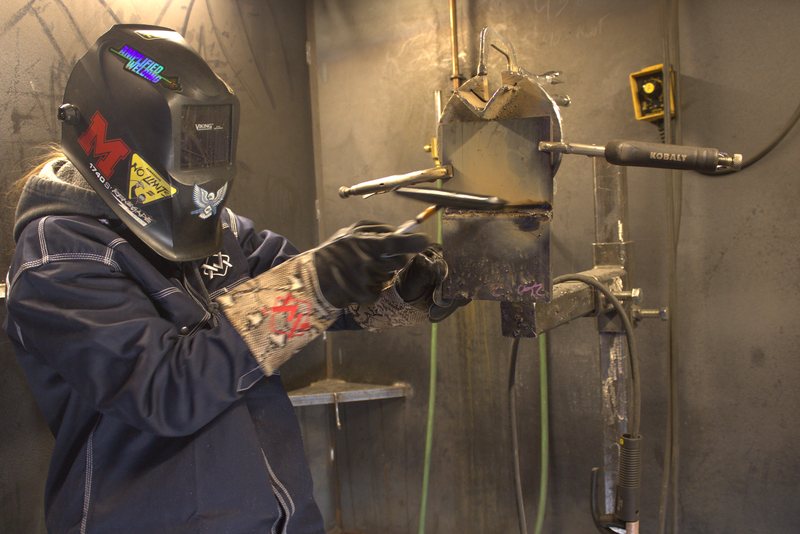
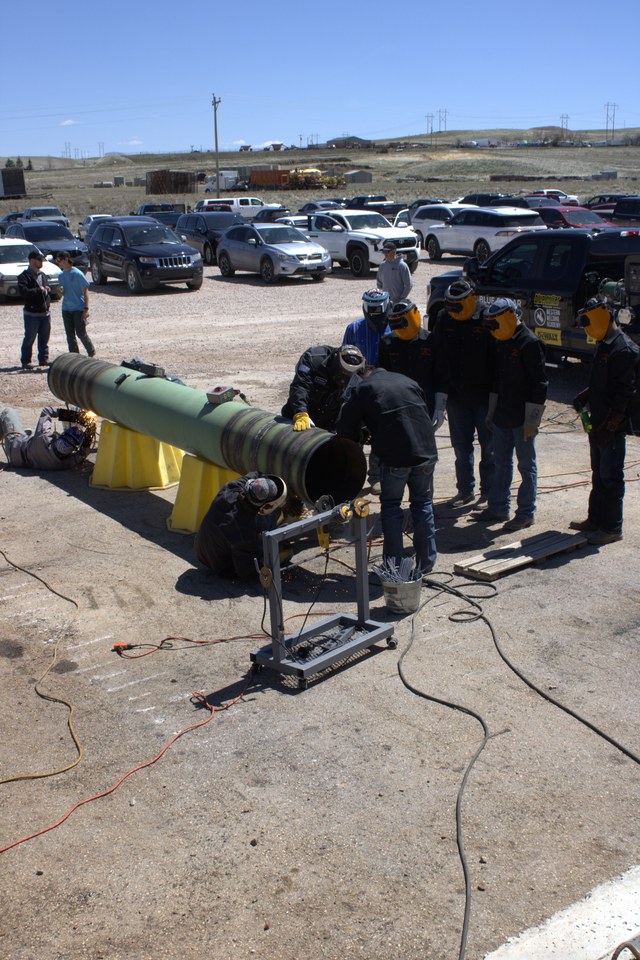
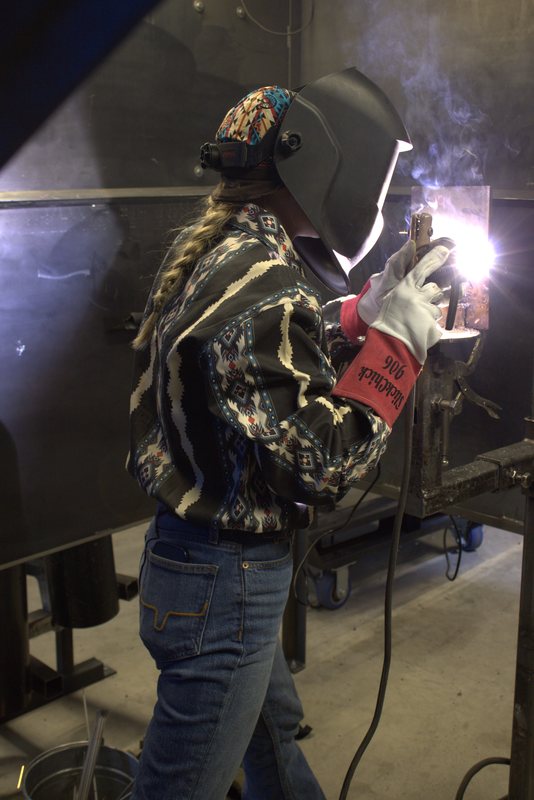
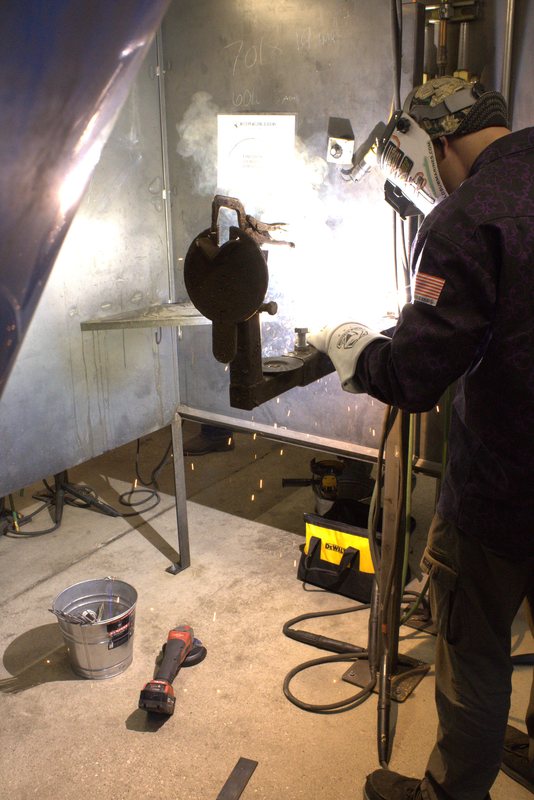
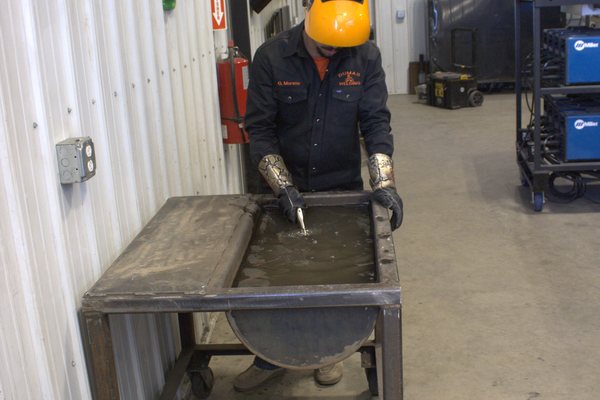
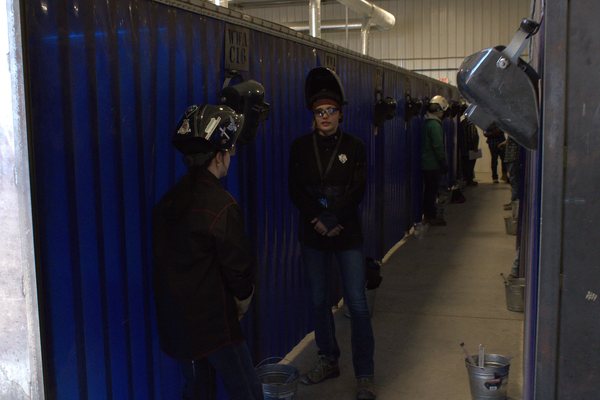
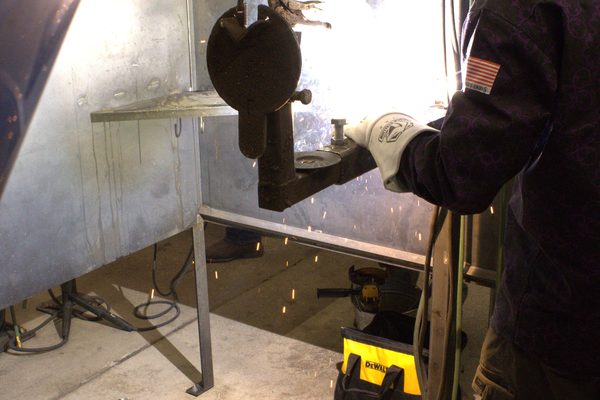
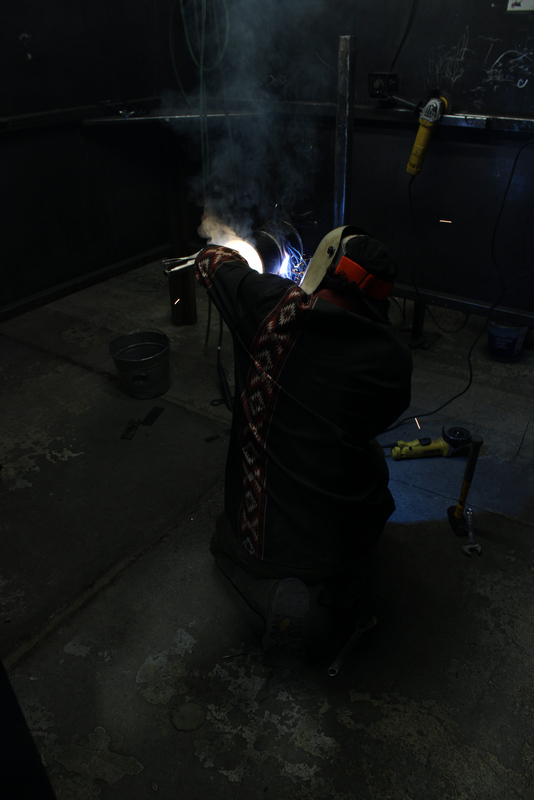
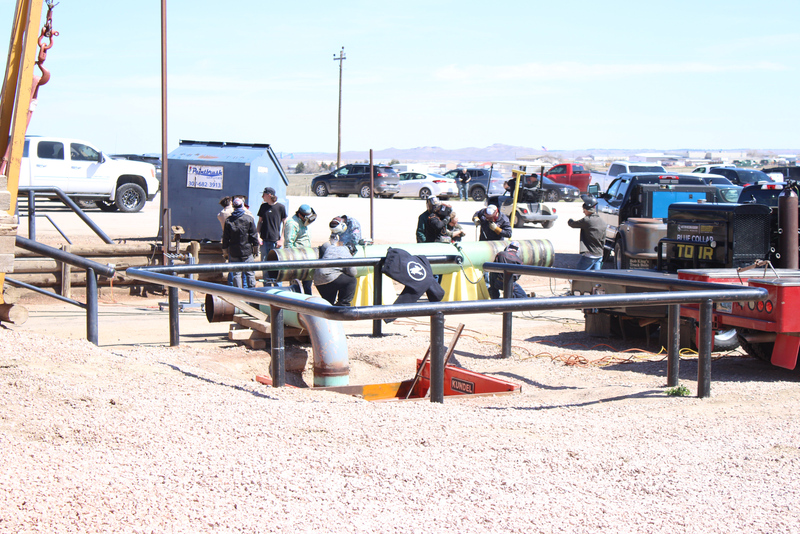
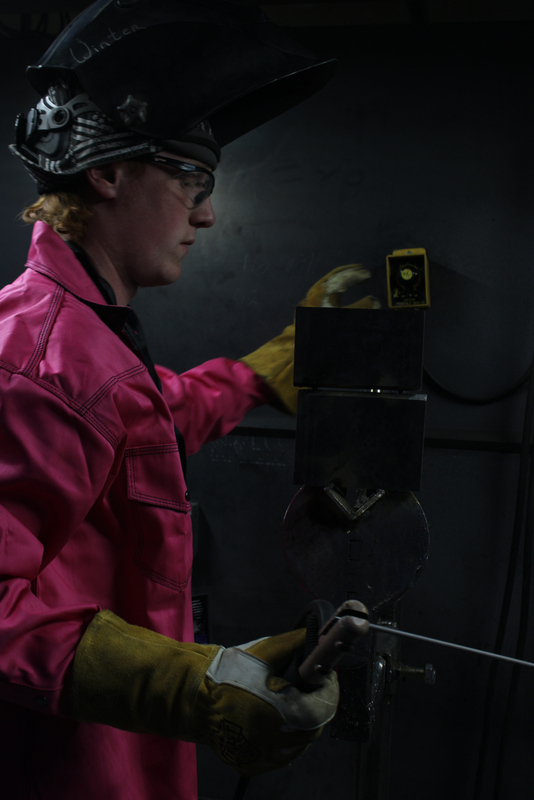
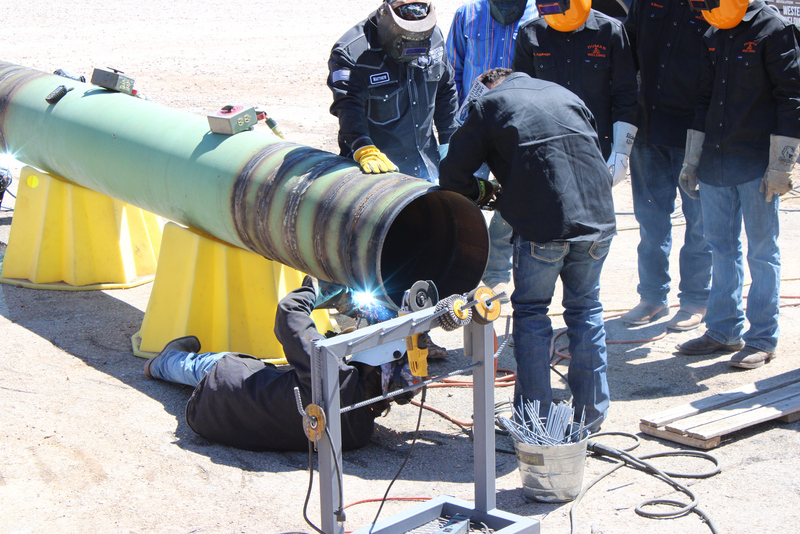
Downhill pipe welding is not something you learn from watching videos. The technique requires hundreds of hours of booth time with an instructor standing behind you, watching your rod angle, travel speed, and keyhole control. Western Welding Academy dedicates 85% of its curriculum to hands-on welding. Students spend 40 hours per week in the booth running pipe joints, not sitting in a classroom.
The school offers four programs that build pipeline welding skills. The Foundational Pipe Welder program covers 12 weeks of core SMAW and pipe welding basics. The Professional Pipe Welder program extends to 19 weeks with TIG and advanced pipe techniques. The Expert Pipe Welder program runs 24 weeks and adds multi-process pipe welding, including downhill procedures on various wall thicknesses and pipe grades.
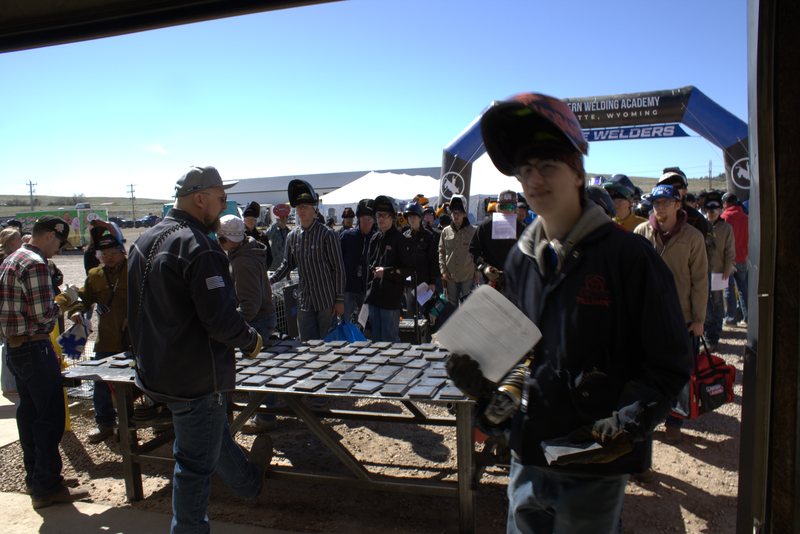
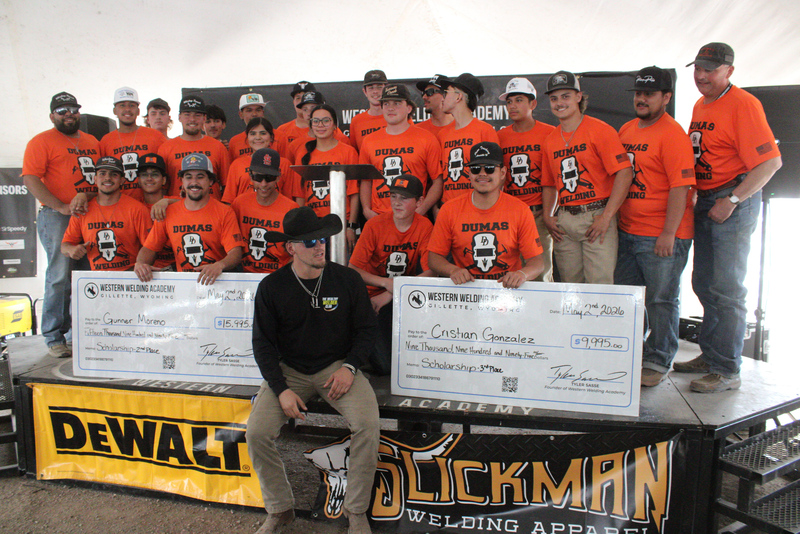
Western Welding Academy holds a 94% hire rate and an 85% graduation rate for the Expert program. The school is the #1 AWS Accredited Testing Facility in its region. Graduates leave with the certifications and downhill welding reps that pipeline contractors require on day one.
Ready to learn downhill pipe welding the right way? Apply now or call (307) 284-5313 to talk to an admissions advisor.
Frequently Asked Questions
Q1. What is downhill pipe welding?
Downhill pipe welding is a technique where the welder moves the electrode from the top of the pipe joint (12 o'clock) to the bottom (6 o'clock). Gravity assists the molten puddle, and the fast-freeze characteristics of cellulose electrodes lock the bead in place. Pipeline construction uses downhill progression as the standard method for root and hot passes.
Q2. What polarity do you use for downhill pipe welding?
DCEP (Direct Current Electrode Positive) is the required polarity for downhill pipe welding with cellulose electrodes like E6010 and E8010. DCEP drives 70% of the arc heat into the base metal for deep penetration. DCEN and AC do not produce a stable arc with these rod types and will cause weld failures.
Q3. What rod do you use for downhill pipe welding?
E6010 is the standard electrode for downhill root and hot passes on carbon steel pipe. E8010 is used on higher-strength pipe grades like X65 and X70. Both are cellulose-coated, fast-freeze rods that run on DCEP only. E7018, a low-hydrogen rod, is used for uphill fill and cap passes but should never be run downhill.
Q4. Is downhill welding easier than uphill welding?
Downhill welding is faster but not easier. It requires precise travel speed, tight rod angle control, and the ability to maintain a consistent keyhole. Traveling too slow traps slag. Traveling too fast loses penetration. Pipeline companies test downhill skill under X-ray, and the rejection rate for beginners is high without proper training.
Q5. Why do pipeline welders earn more than other welders?
Pipeline welders work on critical infrastructure under strict code requirements (API 1104). Every joint gets X-rayed. The skill required to pass those inspections consistently drives up pay. Pipeline welders in the U.S. average $87,000 to $110,000 per year, with top earners clearing $150,000 or more on major spreads.
Q6. What makes Western Welding Academy different from other welding schools?
Western Welding Academy dedicates 85% of training to hands-on booth time, 40 hours per week. Students weld pipe joints every day instead of watching lectures. The school holds a 94% hire rate, an 85% Expert program graduation rate, and is the #1 AWS Accredited Testing Facility in its region. Over 2,000 graduates from all 50 states have completed training there.
Start Building Your Downhill Pipe Welding Career Today
Every pipeline joint starts with a downhill root pass. Every paycheck starts with the skill to run one clean. The welders earning $4,514 per check did not figure it out alone. They trained with instructors, burned hundreds of rods, and walked out with certifications that contractors trust. Call Western Welding Academy at (307) 284-5313 or apply now to start your pipeline welding career.


.jpg)
.jpg)
.jpg)
.jpg)
.jpg)
-thumbnail.jpg)

.jpg)