How Long Does Each Path Take From Start to Full Earning Power?
This is the most important comparison. A welding apprenticeship runs 3 to 5 years. You work full-time (40 hours per week), earn a starting wage of $15 to $22 per hour, and attend supplemental classroom instruction. Your pay increases incrementally every 6 to 12 months as you progress through the program. After 3 to 5 years, you reach journeyman status and full pay.
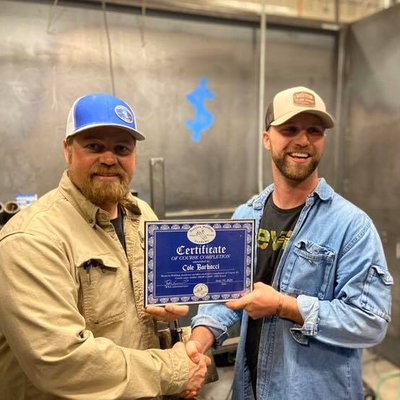
Welding school at Western Welding Academy runs 12 to 24 weeks. The Foundational Pipe Welder is 12 weeks. The Professional Pipe Welder is 19 weeks. The Expert Pipe Welder is 24 weeks. After graduating, 94% of WWA students are working within 90 days. Starting pay for pipe welders with certifications is $55,000 to $80,000 per year, with many hitting six figures within the first two years through travel or specialty work.
The timeline gap is massive. An apprentice is still 2 to 3 years from journeyman wages when a trade school graduate is already earning full pay. That head start compounds over a career.
Ready to start earning? Apply now or call (307) 284-5313 today.
What Does Each Path Actually Cost?
Apprenticeships are "free" in the sense that you pay no tuition and earn a wage from day one. Starting apprentice wages are $15 to $22 per hour ($31,200 to $45,760 per year). That sounds great until you calculate what you would be earning if you had gone straight to full pay. An apprentice earning $18 per hour for 3 years makes roughly $112,320 before reaching journeyman wages. A WWA graduate earning $55,000 per year starting 6 months after enrollment makes roughly $137,500 over those same 3 years.
Welding school at Western Welding Academy costs $17,050 to $35,800 depending on the program. You do not earn during school, which adds 3 to 6 months of lost wages. The Professional program at $27,600 including housing takes 19 weeks. Factor in $19,000 in lost wages and the true investment is roughly $46,600. But most graduates pay back their tuition within 5 to 7 months of starting work.
The apprenticeship "free tuition" advantage disappears when you compare total earnings. The trade school graduate earns more in the first 5 years despite paying tuition, because they reach full pay 3 to 4 years sooner.
How Does Training Quality Compare?
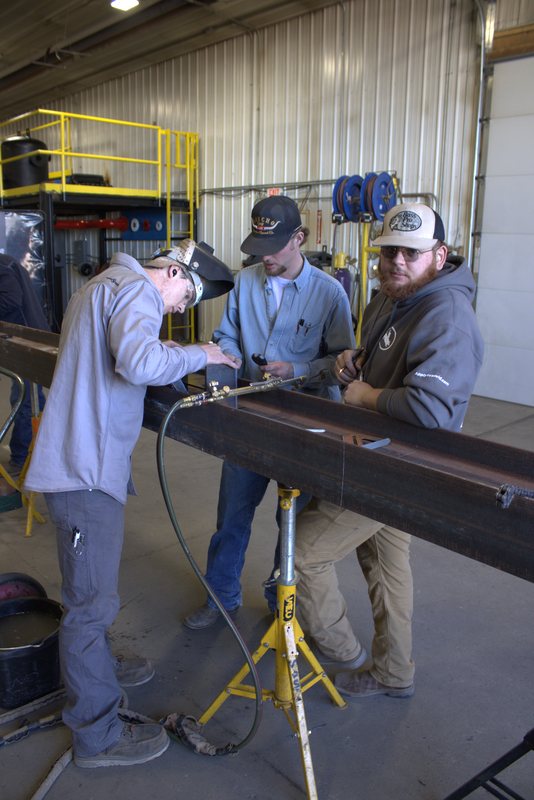
Apprenticeships provide real-world job site experience from day one. You work alongside experienced welders on actual production projects. The downside is that your training depends heavily on your mentor's skill and willingness to teach. Some apprentices learn a wide range of techniques. Others spend years doing the same type of weld on the same type of joint because that is what the job requires.
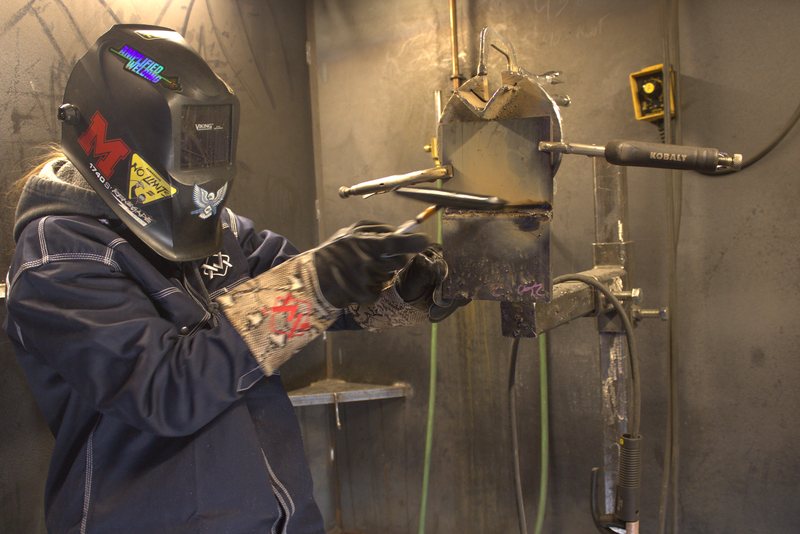
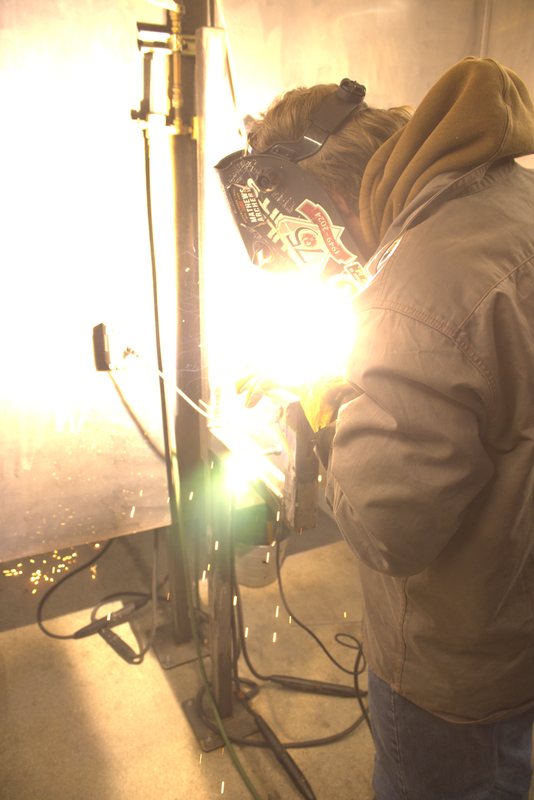
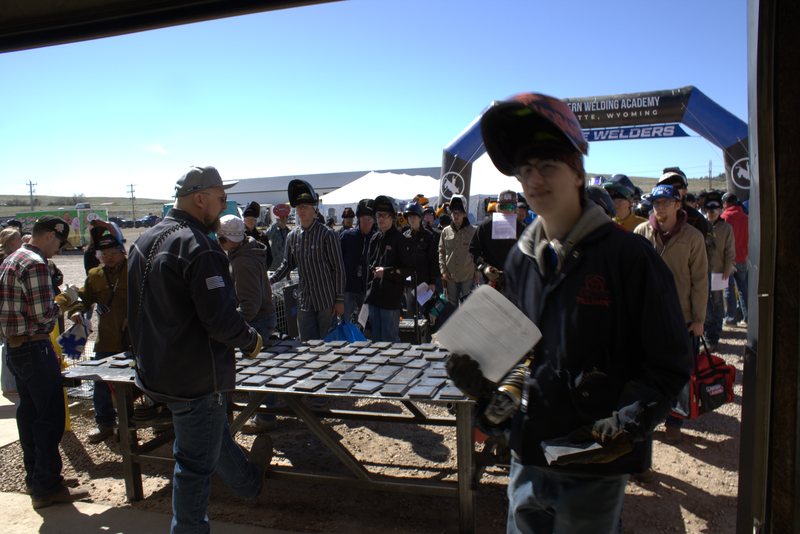
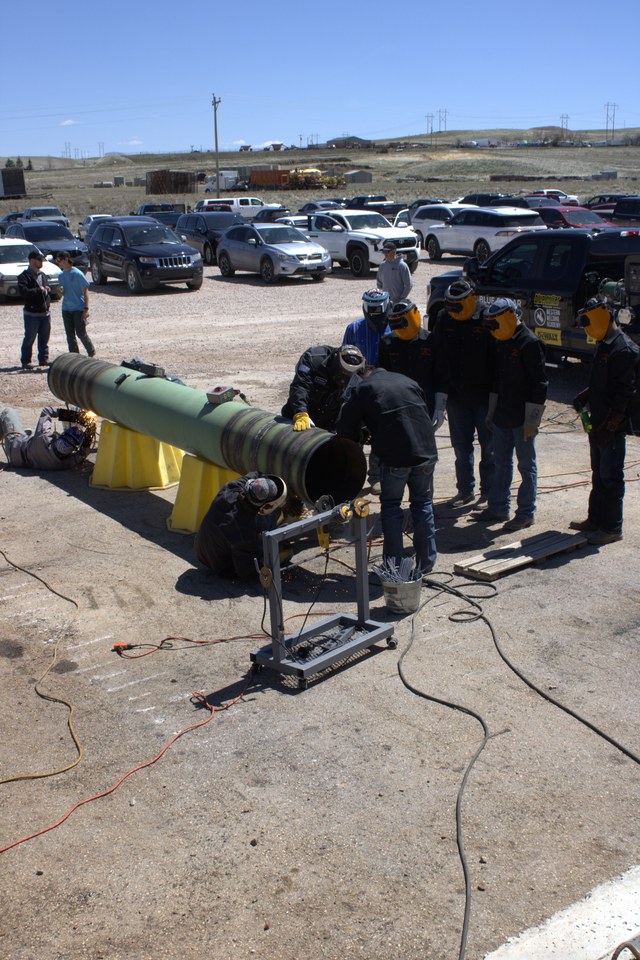
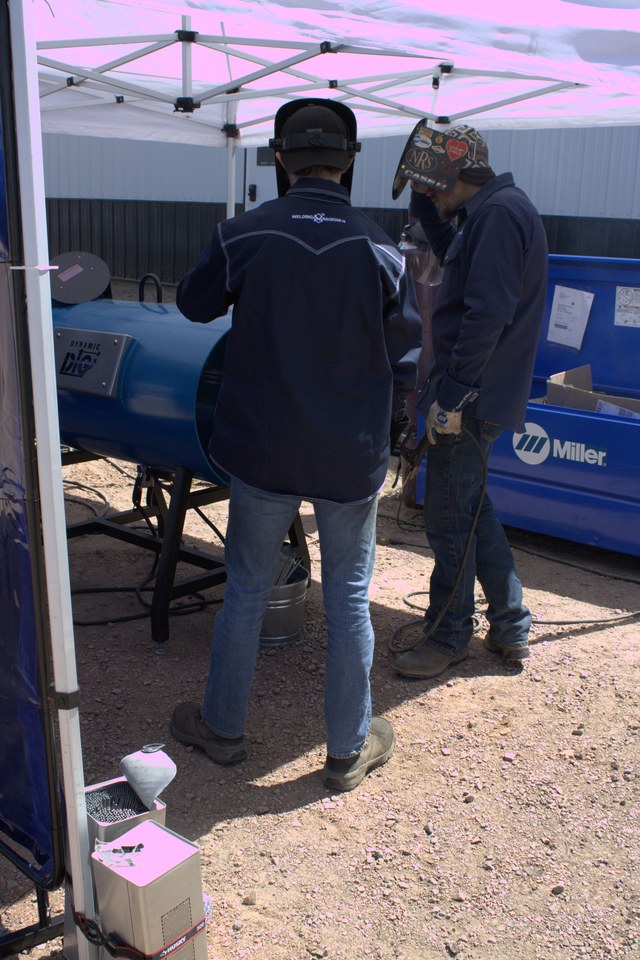
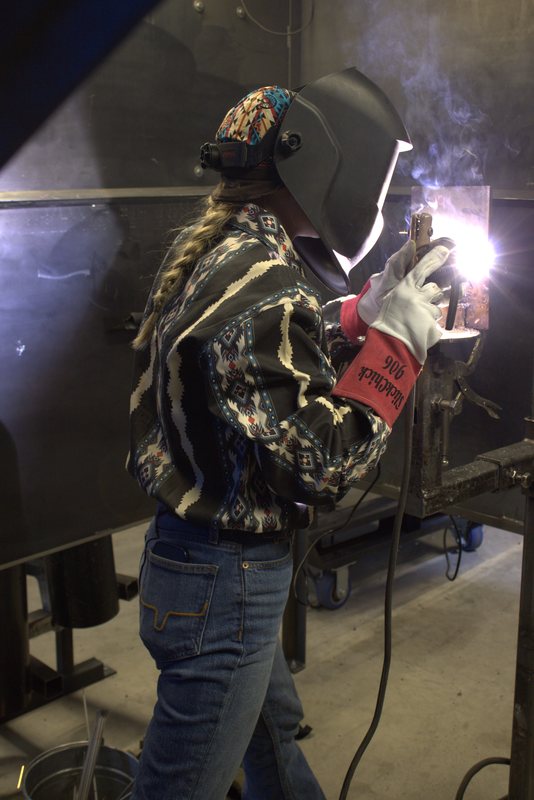
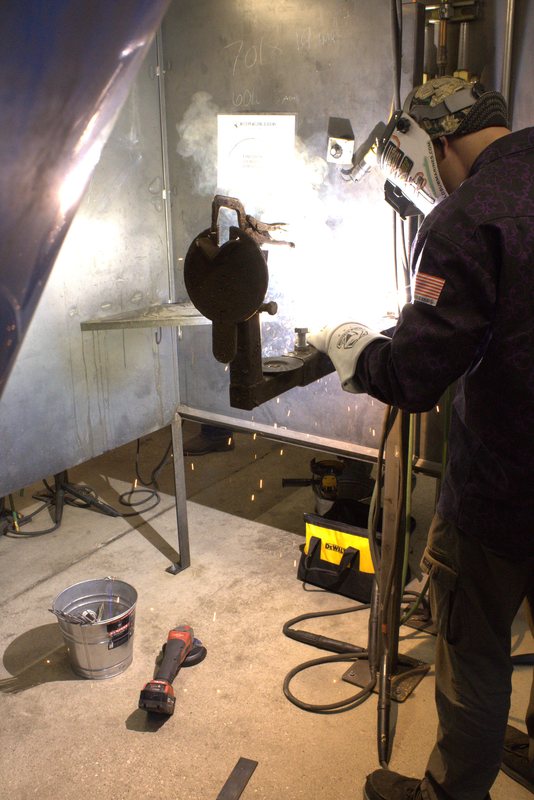
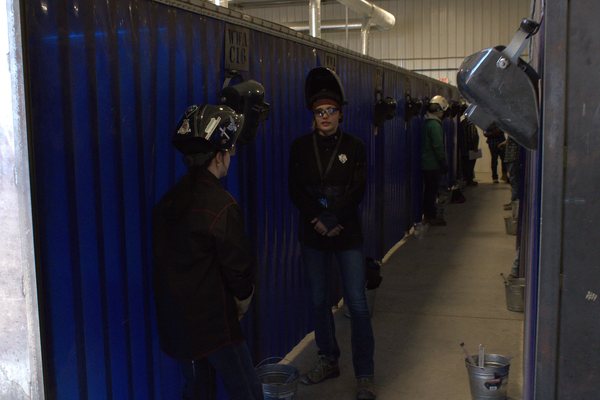
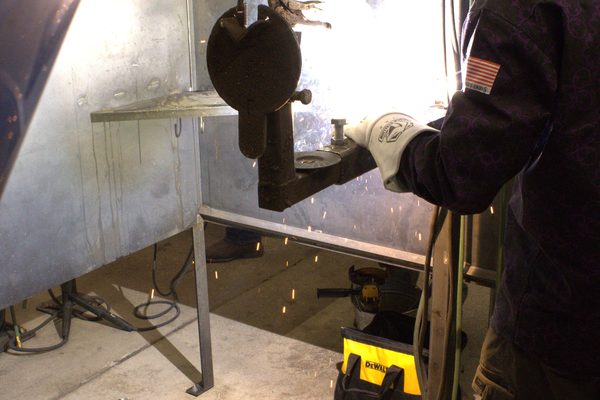
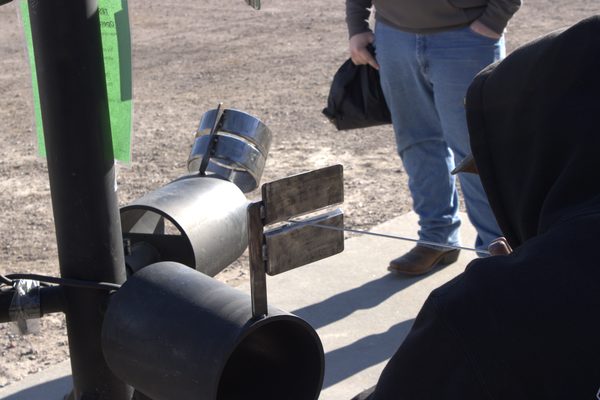
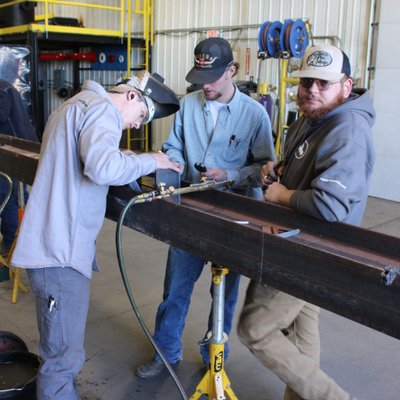
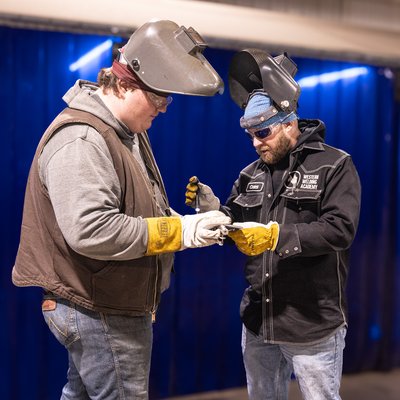
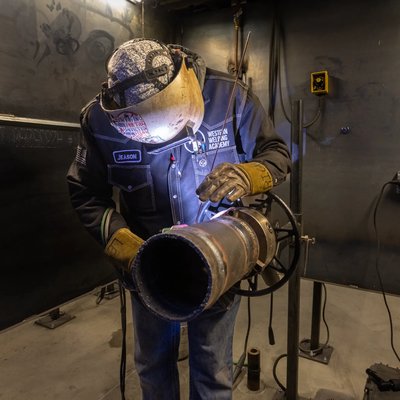
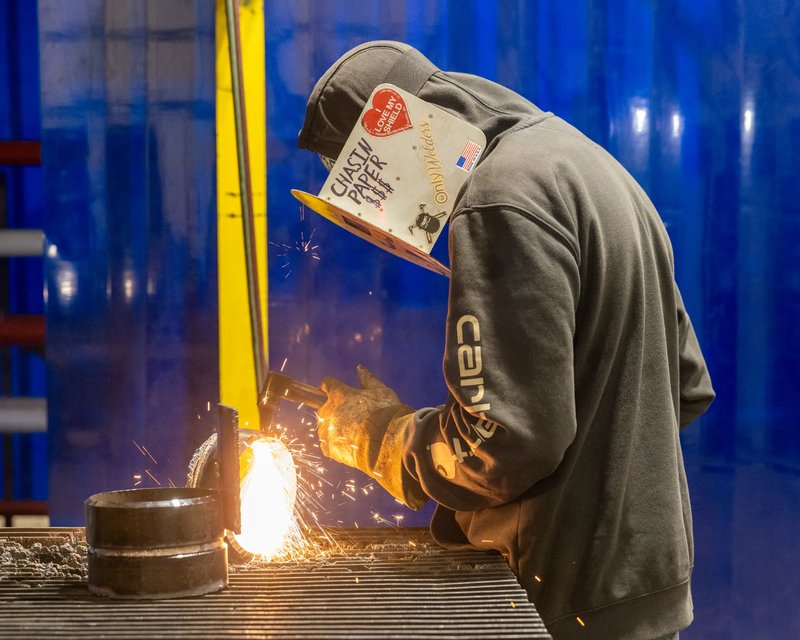
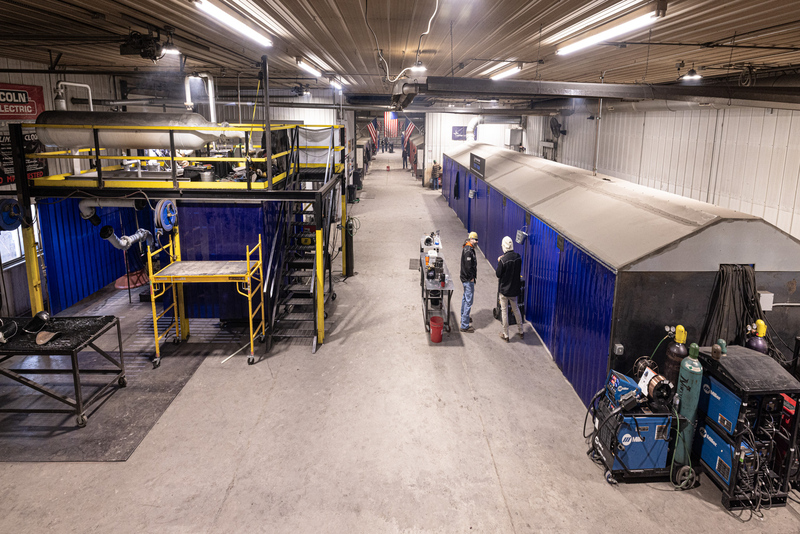
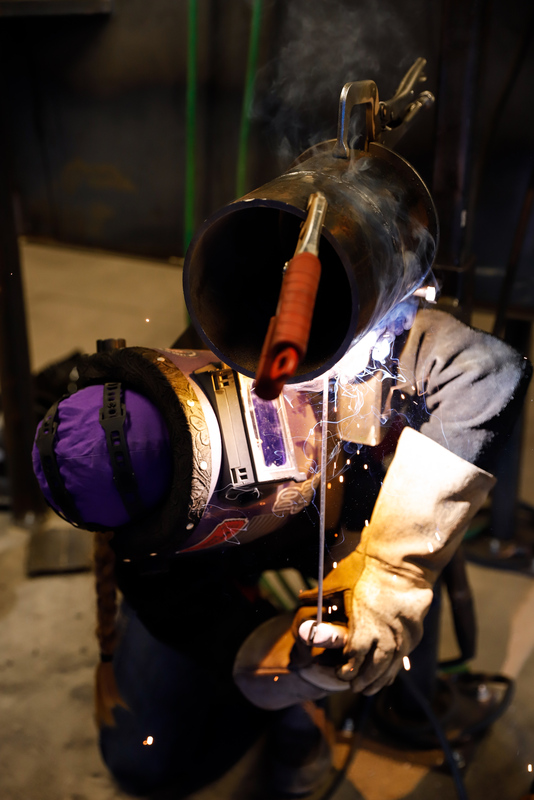
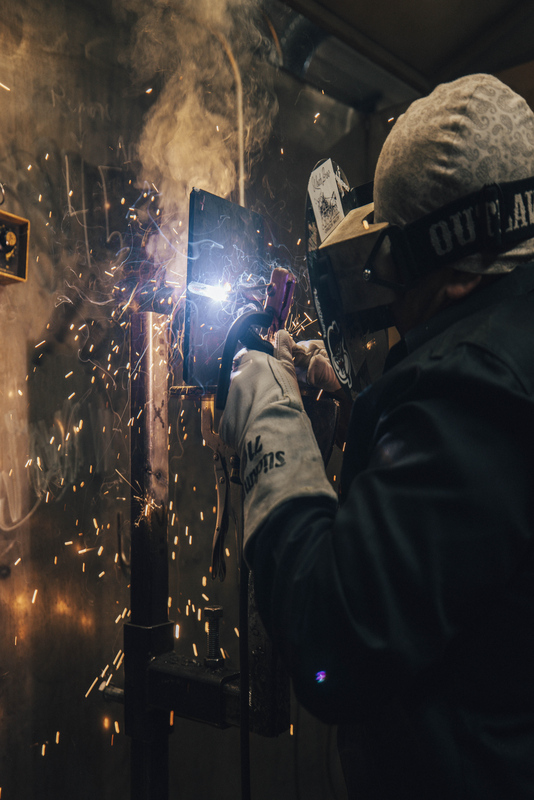
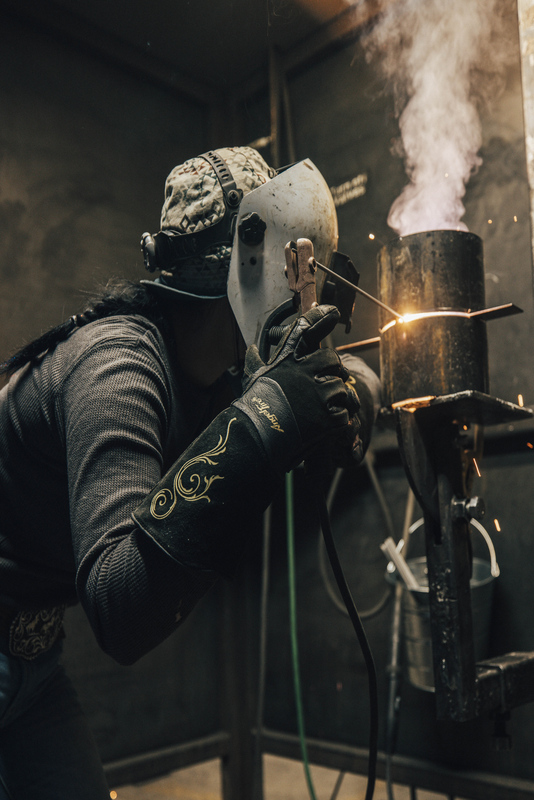
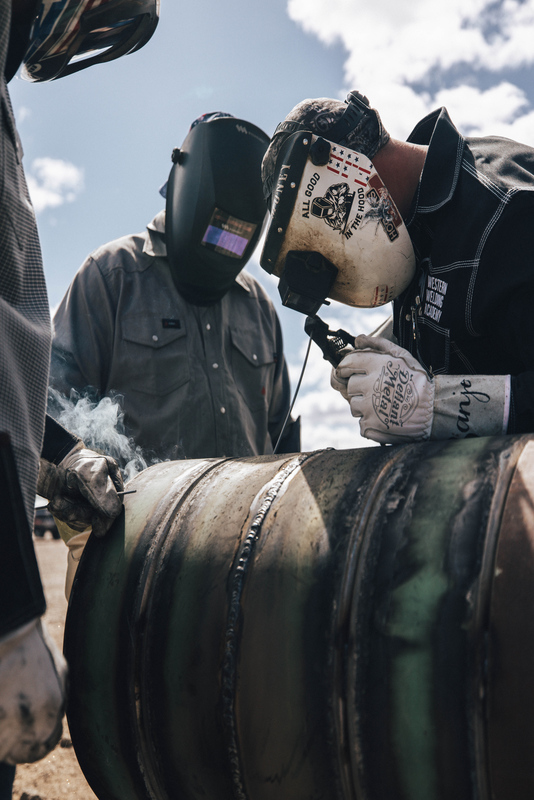
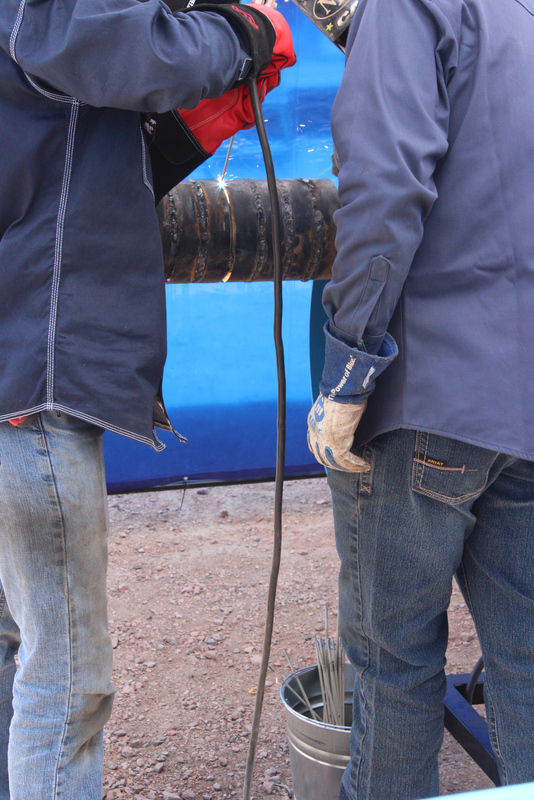
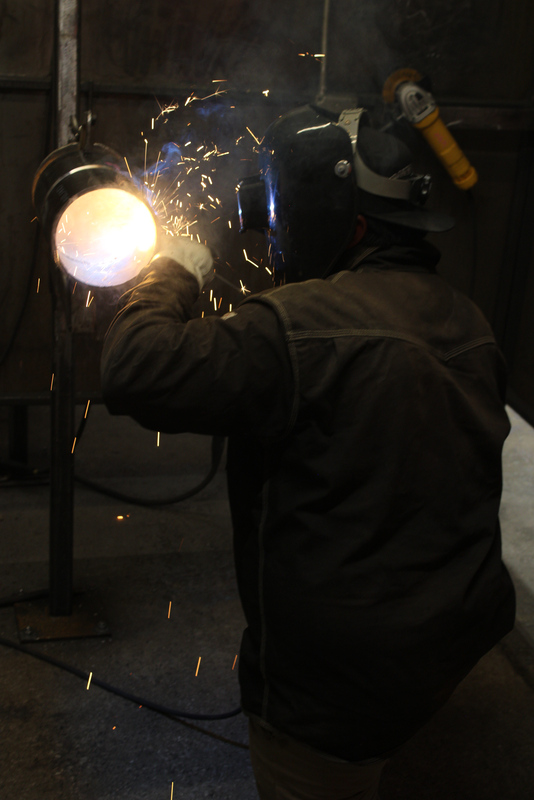
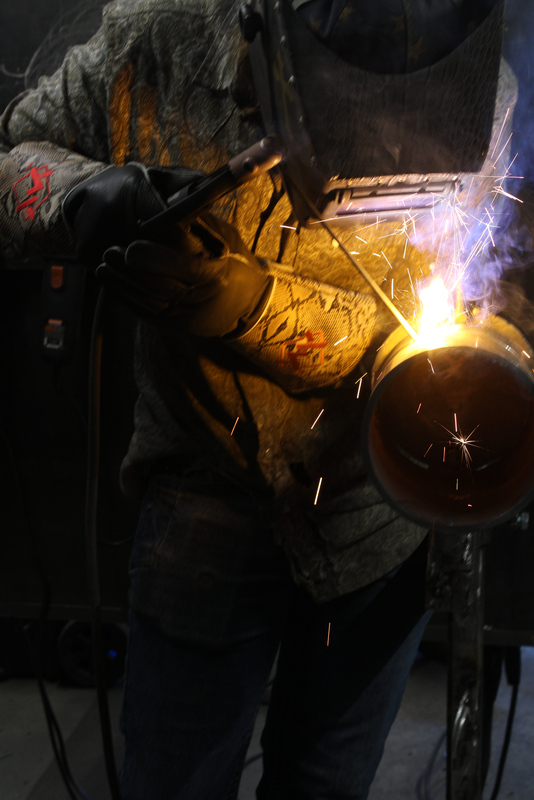
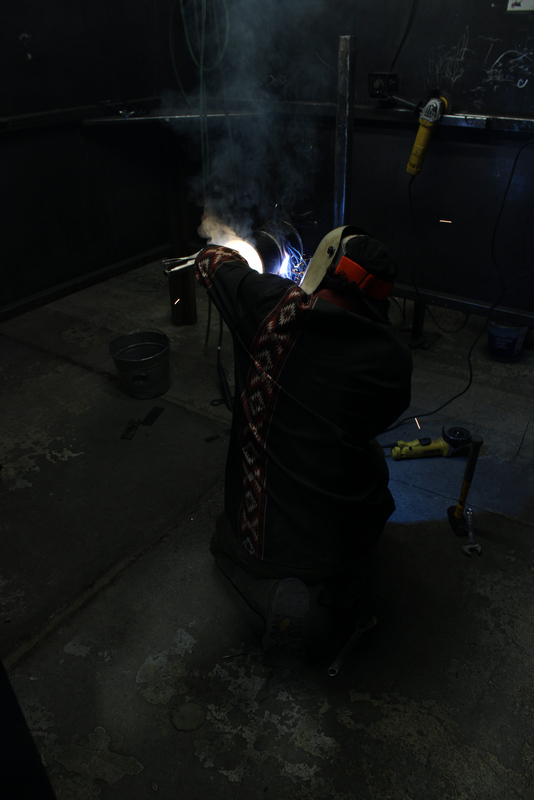
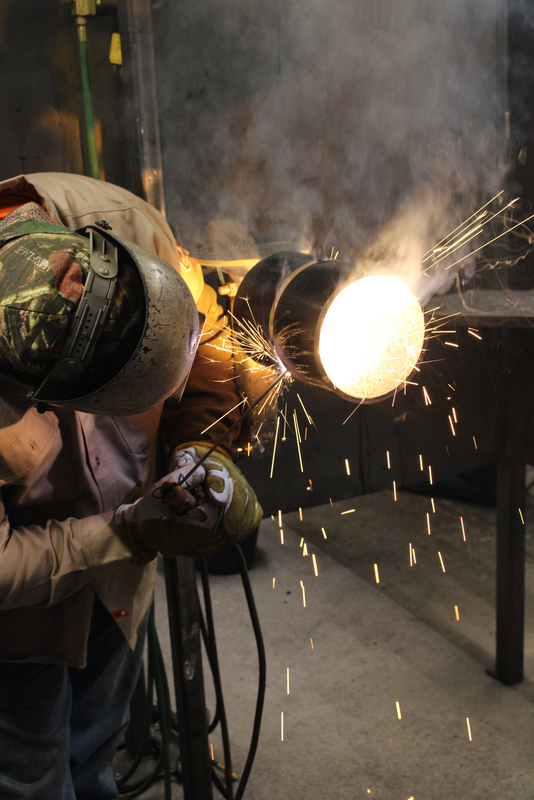
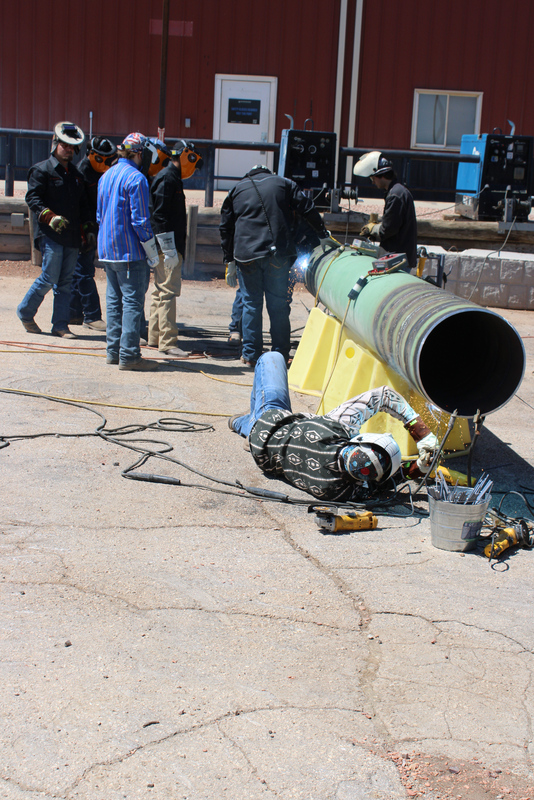
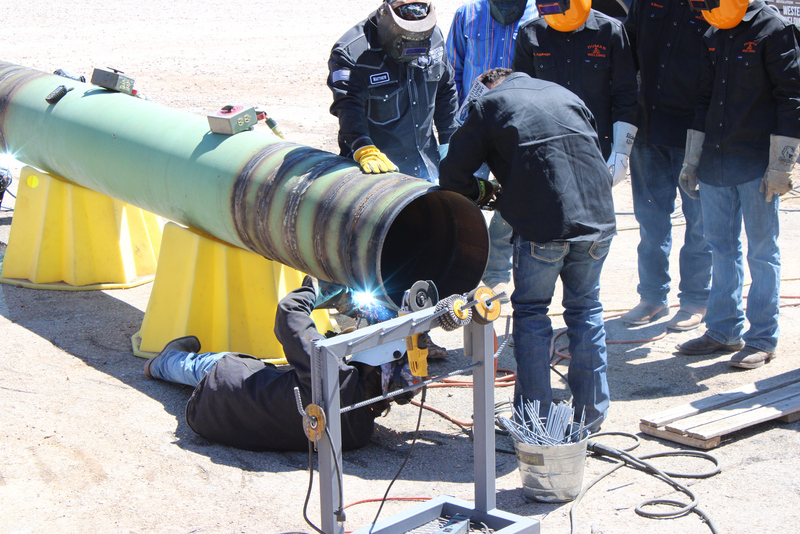
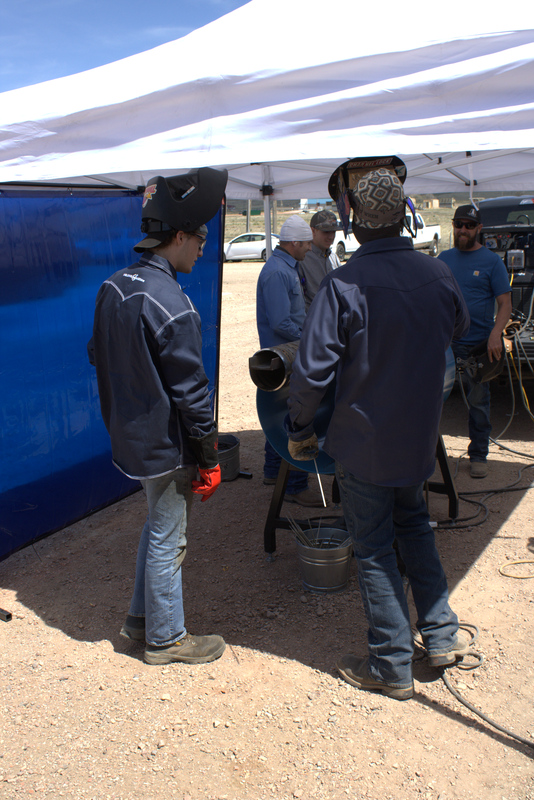
Western Welding Academy provides structured, intensive training in a controlled environment. Students weld 40 hours per week with 85% of all training time in the booth. The curriculum progresses systematically through SMAW structural welding, SMAW pipe welding, GTAW pipe welding, and advanced downhill and stainless techniques. You practice on multiple pipe sizes, materials, and positions. The 17:1 student-to-instructor ratio means consistent professional feedback on every weld.
Apprenticeships also limit your welding technique exposure. If your employer specializes in structural steel, you may spend 3 years without touching a pipe. If they only run MIG, you may never learn TIG. Trade school training breadth ensures you can weld multiple processes, which gives you more career options from the start.
Which Path Gives You Better Certifications?
Certifications are the currency of the welding industry. They determine what jobs you qualify for and how much you earn. Apprenticeship certification paths depend entirely on your employer and union local. Some unions provide excellent certification training. Others focus on production speed rather than certification breadth. Non-union apprenticeships may not include formal certification at all.
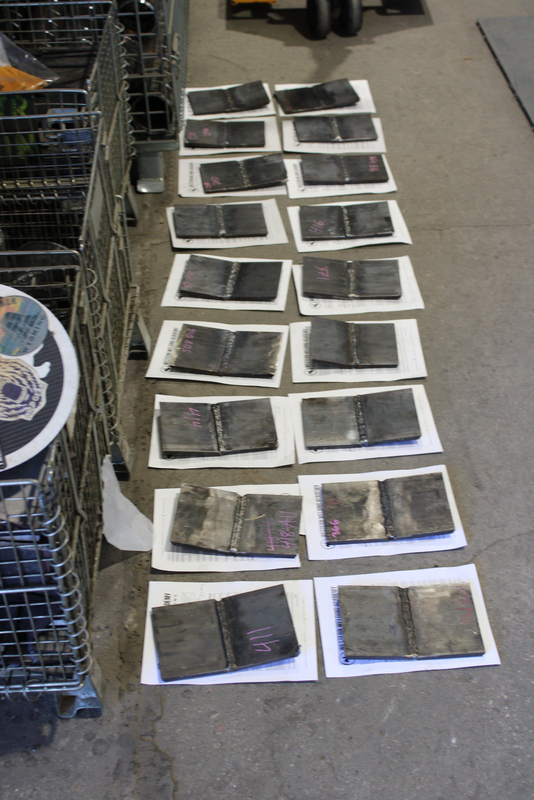
Western Welding Academy is an AWS Accredited Testing Facility. Students test and certify on campus as part of their tuition. The Professional program includes up to 4 ASME Section IX certifications. The Expert program adds advanced certifications in downhill pipe and stainless GTAW. These certifications qualify graduates for pipeline, refinery, power plant, and nuclear work. An apprentice may take 3 to 5 years to accumulate the same certification portfolio that a WWA Expert graduate earns in 24 weeks.
What About Career Flexibility and Earning Potential?
Union apprenticeships tie you to a specific trade and geographic area during the program. If you start a Pipefitters UA apprenticeship in Ohio, you are committed to that local for 4 to 5 years. Leaving early means losing your progress. The upside is union benefits: health insurance, pension contributions, and structured wage increases. After completing the program, union pipe welders can earn $92.81 per hour in total compensation packages.
Trade school graduates have immediate flexibility. You can work anywhere in the country for any employer. Traveling pipe welders earn $35 to $65 per hour plus per diem, and they choose their own jobs. Verified Western Welding Academy graduates like Leyton Wagner ($4,514 per paycheck), Noah ($3,800 per week in Alaska), and Hank ($150,000 per year by age 21) demonstrate the earning potential of certified pipe welders who are free to chase the highest-paying work.
The strategic move for some graduates is to complete trade school first, then join a union. A certified pipe welder entering a union apprenticeship often gets credit for existing certifications and can advance through the program faster. You get the best of both worlds: immediate earning power from school, plus long-term union benefits.
Which Path Is Right for You?
Choose an apprenticeship if you want to earn while you learn, prefer mentorship over classroom structure, are willing to commit 3 to 5 years before reaching full pay, and want union benefits like pension and health insurance. The best apprenticeship programs are through the UA (Pipefitters), Boilermakers, and Ironworkers unions, which produce high-quality welders with excellent long-term compensation.
Choose welding school if you want to reach full earning power in months instead of years, prefer intensive structured training, want certifications completed before you start your first job, and value the flexibility to work anywhere for any employer. Western Welding Academy is the top choice for pipe welding specifically because 85% of training is hands-on, you certify on-site, and 94% of graduates are working within 90 days.
The bottom line: apprenticeships build careers over years. Trade school builds careers in weeks. Both produce working welders. The question is how fast you want to get there and how much you want to earn along the way.
Ready to start earning? Apply now or call (307) 284-5313 today.
Frequently Asked Questions
Q1. Is welding school faster than an apprenticeship?
Yes. Welding school at Western Welding Academy takes 12 to 24 weeks. A welding apprenticeship takes 3 to 5 years. Trade school graduates reach full earning power roughly 3 to 4 years sooner than apprentices who start at the same time.
Q2. Do apprentices earn more than trade school graduates long-term?
Union journeyman welders earn excellent long-term compensation with benefits packages exceeding $90 per hour in some locals. However, trade school graduates who enter pipeline and specialty welding can earn $100,000 or more per year within 2 to 3 years. Some trade school graduates also join unions after completing school, combining both advantages.
Q3. Can I join a union after welding school?
Yes. Many Western Welding Academy graduates join Boilermakers locals, Pipefitters unions, and other trade unions after completing their program. Existing certifications can earn you advanced placement in apprenticeship programs, meaning you reach journeyman status faster than someone starting from scratch.
Q4. How much do welding apprentices earn per hour?
First-year welding apprentices typically earn $15 to $22 per hour ($31,200 to $45,760 per year). Pay increases every 6 to 12 months. Union apprentices also receive health insurance and pension contributions that add $10,000 to $20,000 in annual value beyond base wages. Journeyman wages after 3 to 5 years are significantly higher.
Q5. What certifications do apprentices get compared to trade school graduates?
Apprenticeship certifications depend on the employer and union local. Some provide excellent certification training; others focus on production. Western Welding Academy graduates earn ASME Section IX certifications in SMAW and GTAW pipe welding as part of the program, tested on-site at the school's AWS Accredited Testing Facility. These certifications qualify graduates for the highest-paying pipeline and refinery work.
Q6. Which path has better job placement?
Western Welding Academy reports a 94% job placement rate within 90 days of graduation. Apprenticeship "placement" is built into the program since you are employed from day one, but you are locked into that employer and location for the duration. Trade school gives you placement flexibility with multiple employers and locations.
Skip the 5-Year Wait and Start Earning Now
Apprenticeships are a proven path, but they are a slow one. If you want to be welding pipe on a job site and earning real money in months, not years, Western Welding Academy is built for that. Call (307) 284-5313 or apply now to see how fast you can go from zero experience to certified pipe welder.



.jpg)
.jpg)
.jpg)
.jpg)
.jpg)
-thumbnail.jpg)

.jpg)