Structured Curriculum Versus Random Repetition
On the job, a welder practices whatever the work requires. If the shop runs flat MIG welds all day, the welder gets excellent at flat MIG welds. The repetition builds speed and consistency for that specific task. It does not build versatility, position range, or multi process capability.
Formal training follows a different model. The curriculum sequences skills in a deliberate order. You learn flat position before vertical. You learn vertical before overhead. You learn single pass technique before multi pass. Each skill builds on the previous one. The sequence is designed so that mastering one fundamental prepares your hands and your understanding for the next one.
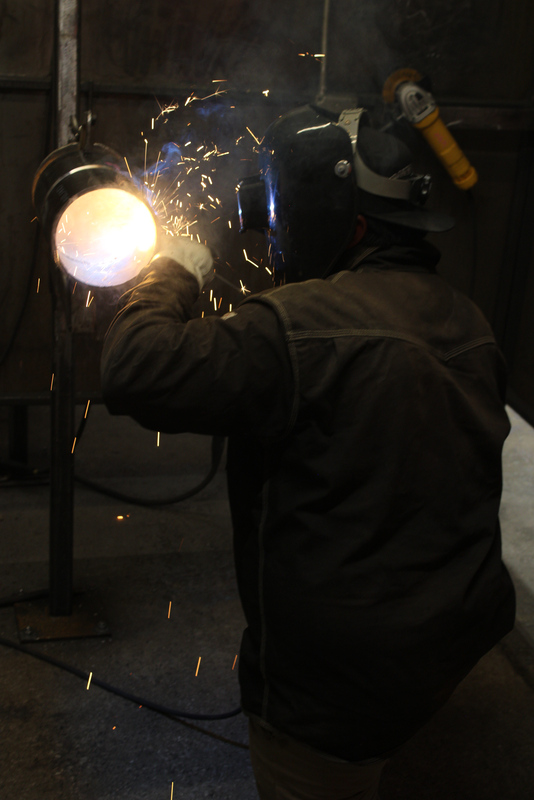
At Western Welding Academy, this sequencing happens at 40 hours per week with 85% booth time. That means approximately 34 hours per week of deliberate, sequenced practice. A working welder who learned through repetition now learns through progression. The distinction matters because progression closes gaps that repetition reinforces.
Immediate Expert Feedback Changes Everything
This is the single biggest difference between formal training and field experience. On a job site, feedback is slow and incomplete. A foreman might glance at your weld and say it looks fine. Nobody tells you that your travel speed creates lack of fusion on the root pass. Nobody explains that your electrode angle produces undercut that would fail an X ray.
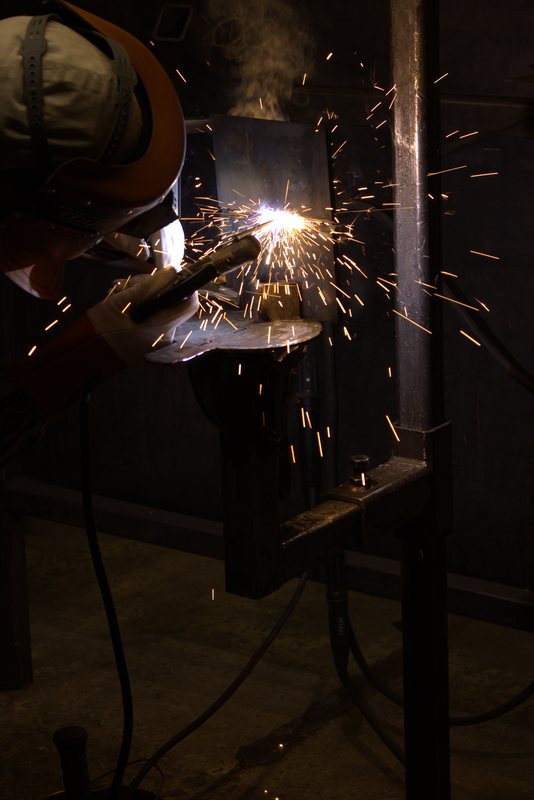
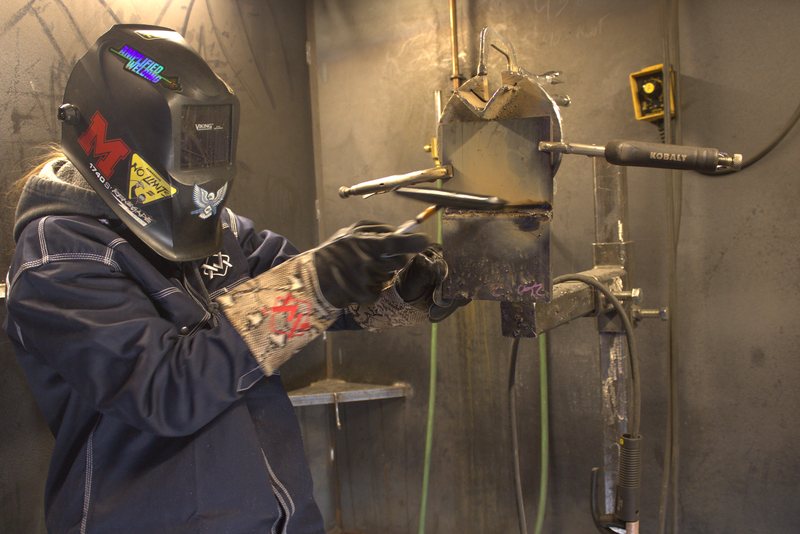
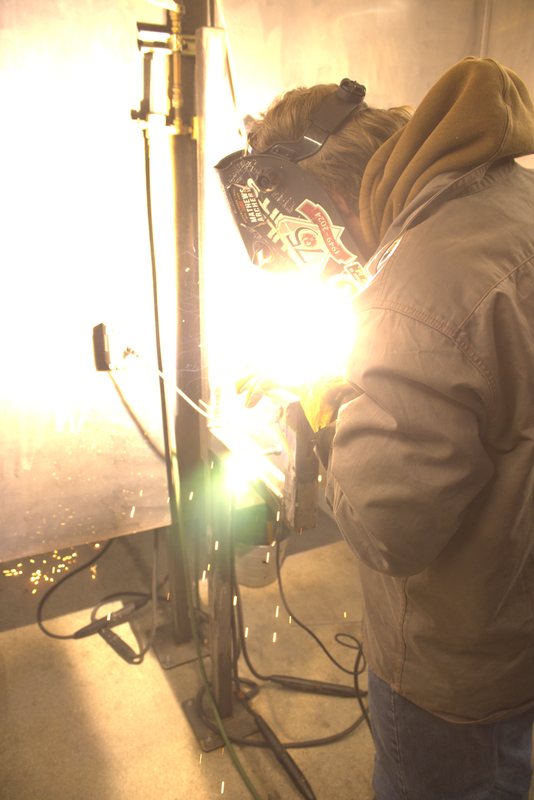
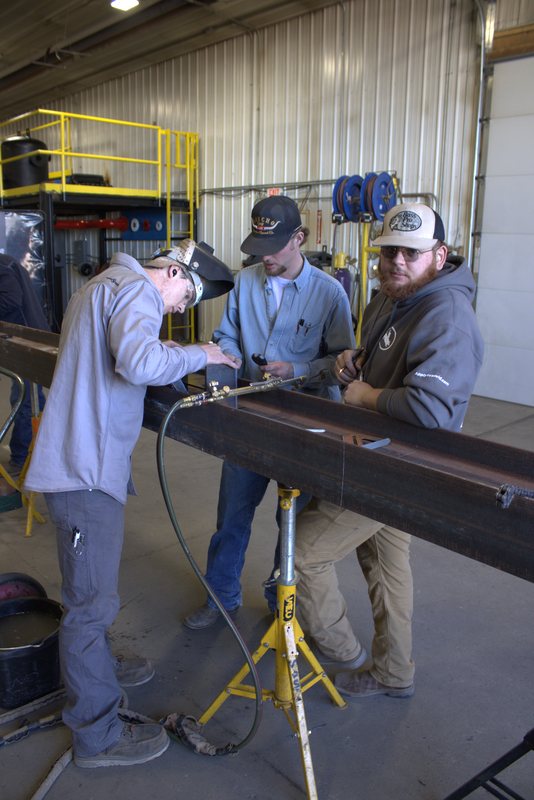
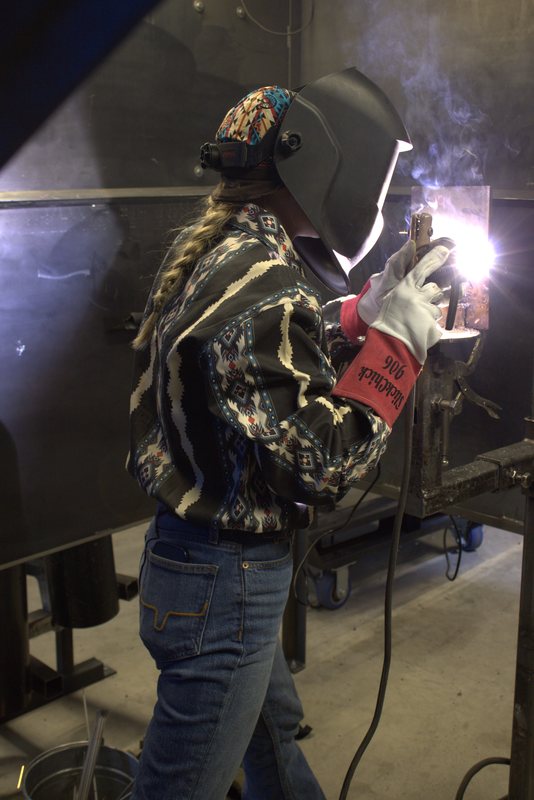
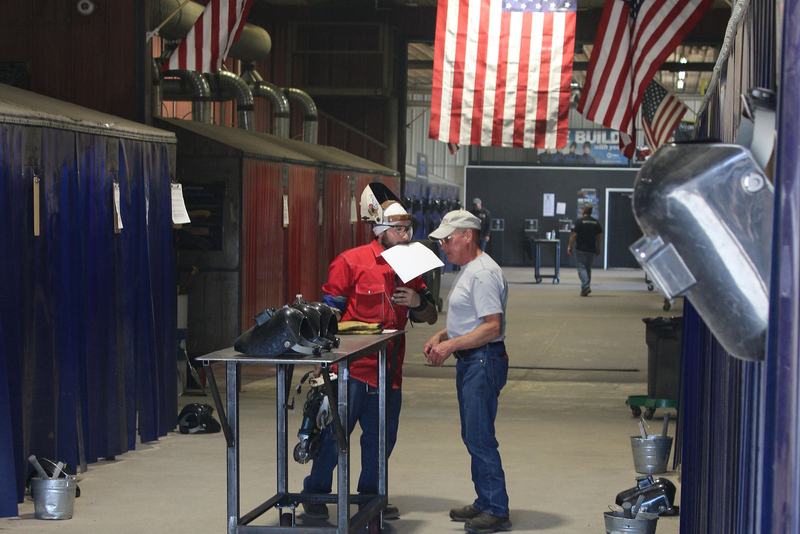
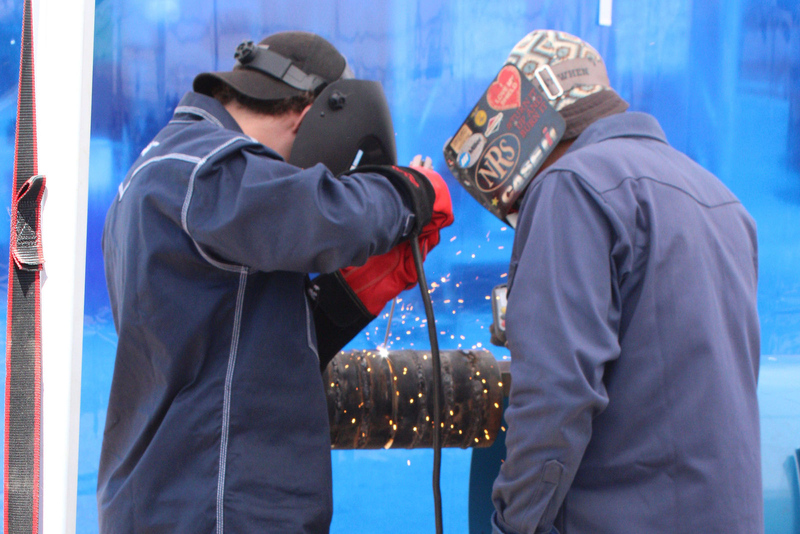
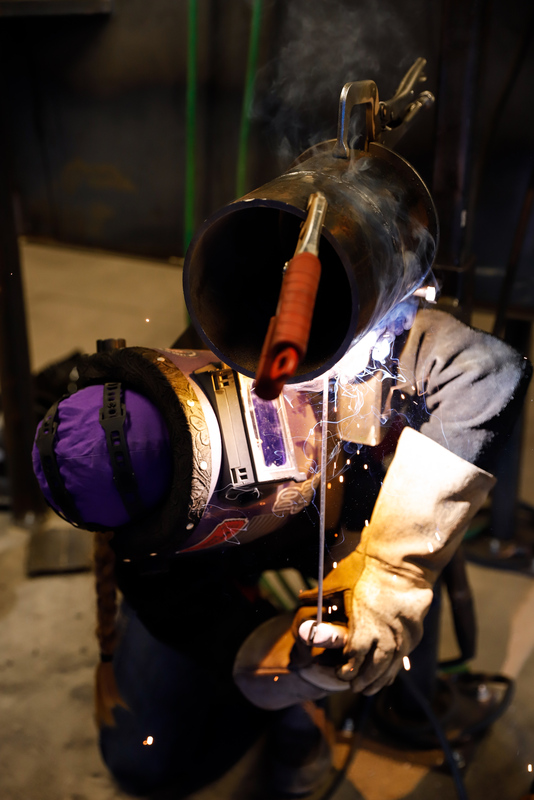
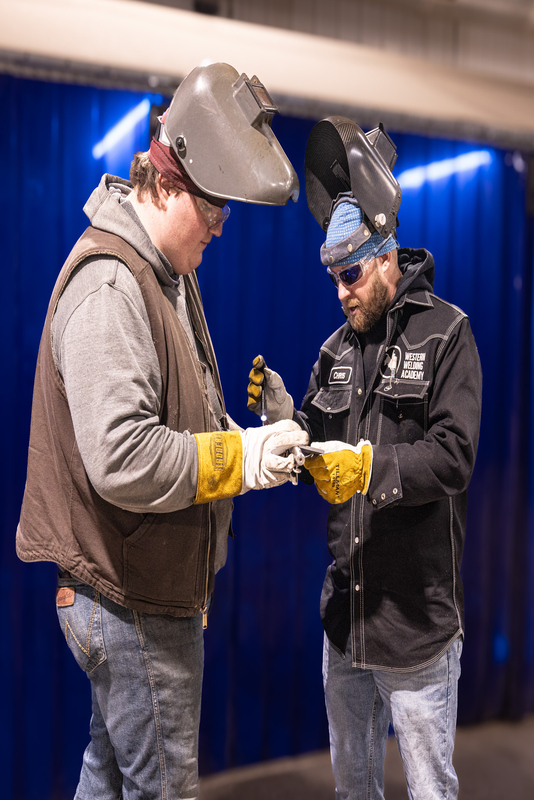
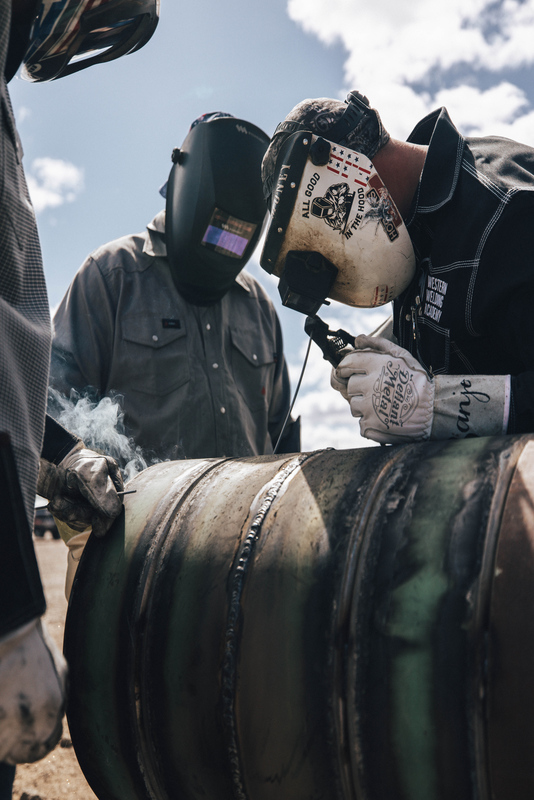
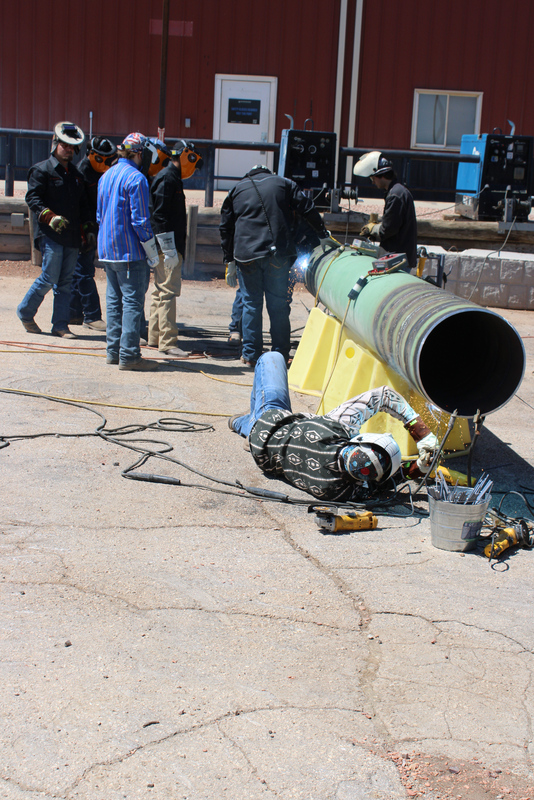
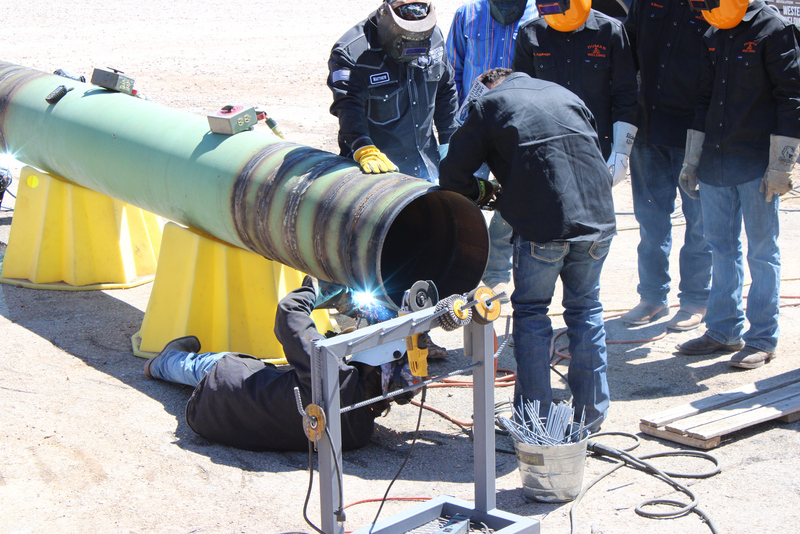
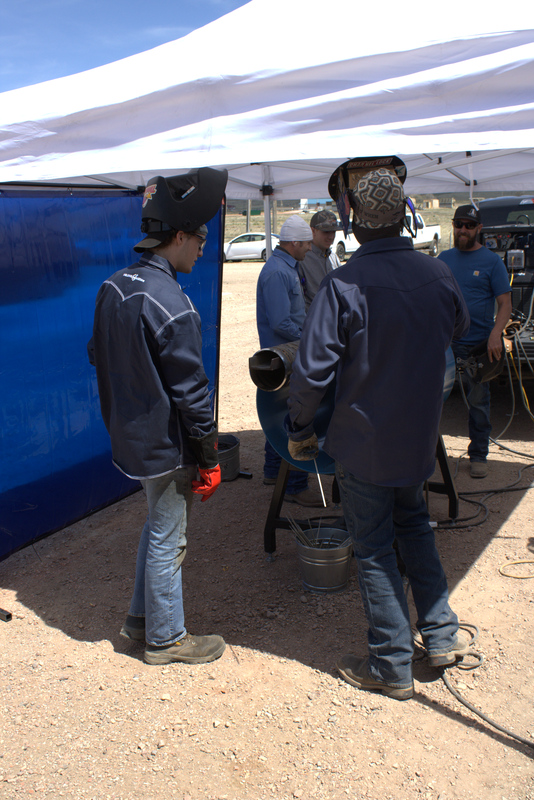
In formal training, an instructor watches your technique and corrects it in real time. The feedback loop is immediate. You make a weld. The instructor evaluates it against code standards. They identify the specific defect. They explain the cause. They demonstrate the correction. You apply it on the next weld. That cycle happens dozens of times per day.
This feedback density is impossible to replicate on a job site. Even a skilled supervisor does not have time to stand behind a welder and analyze every bead. The production schedule does not allow it. The economics of the job site prioritize output over instruction. Formal training reverses that priority. The purpose of every weld is learning, not production.
Get the expert feedback your fundamentals need. Apply now or call (307) 284-5313.
Code Based Standards Replace Visual Guessing
In most shop environments, a weld passes if it looks acceptable and functions under load. There are no written procedures specifying heat input, interpass temperature, or bead sequence. There is no destructive testing. There is no X ray. The standard is visual and subjective.
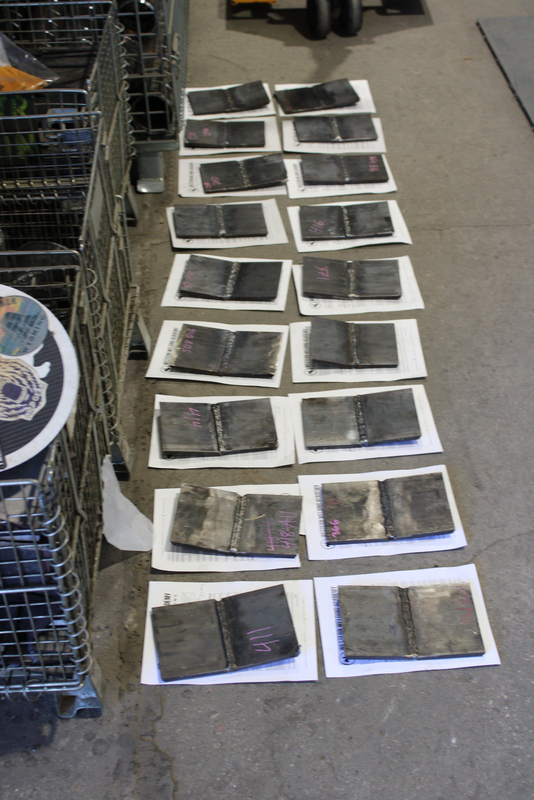
Formal training introduces code based evaluation. Every weld is measured against written criteria from API 1104, ASME Section IX, or AWS D1.1. The acceptance standards are specific and measurable. Undercut depth, porosity limits, incomplete fusion, and root concavity all have defined thresholds. A weld either meets the standard or it does not.
This objectivity reveals fundamental weaknesses that visual inspection misses. A working welder who has passed every visual check in their career may discover that their root passes consistently fail bend testing. That discovery is uncomfortable but invaluable. It identifies the exact technique adjustment needed. The 6G certification process makes these weaknesses visible before they cost you a job site opportunity.
Controlled Practice Environment Isolates Variables
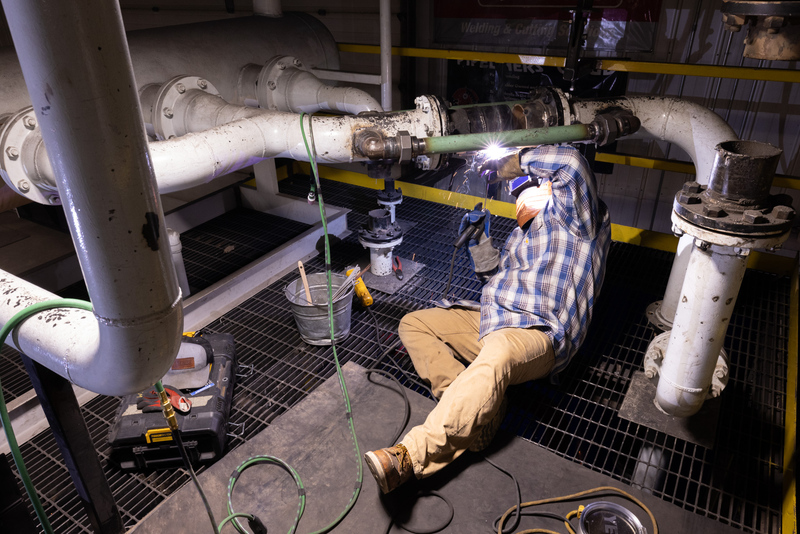
On a job site, variables stack up. The weather is cold. The wind blows your gas coverage. The fit up is imperfect. The position is awkward. You cannot isolate which variable caused a defect because all of them act on every weld simultaneously.
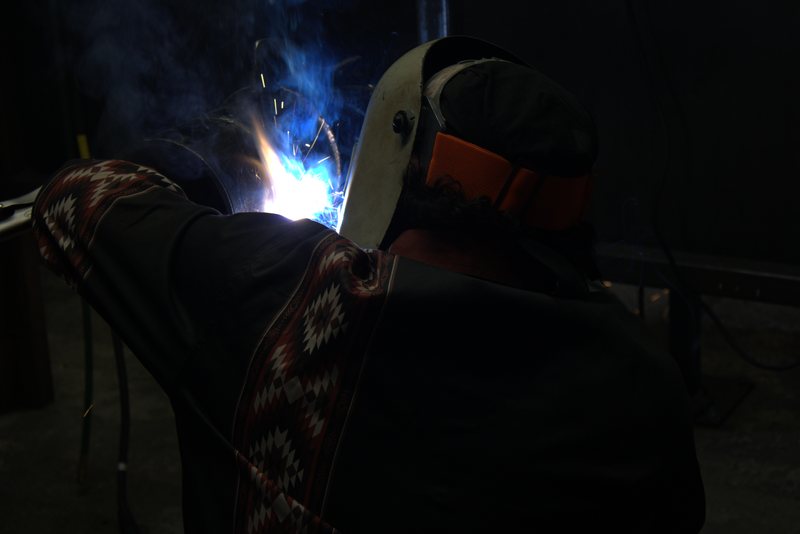
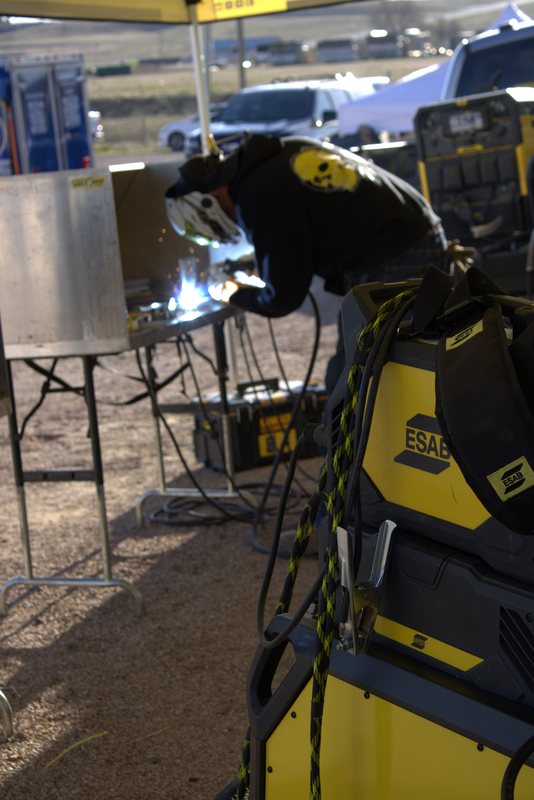
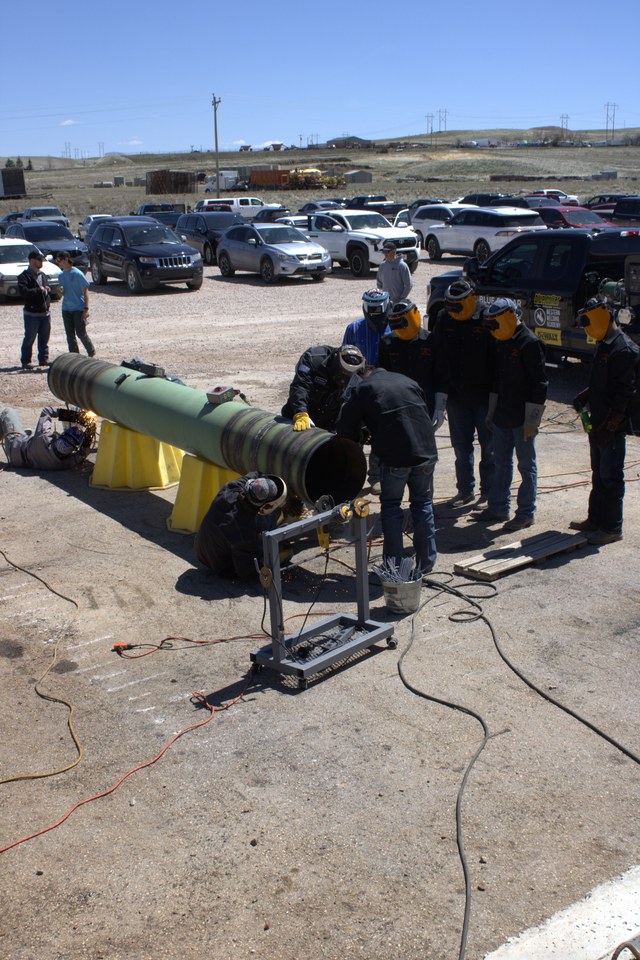
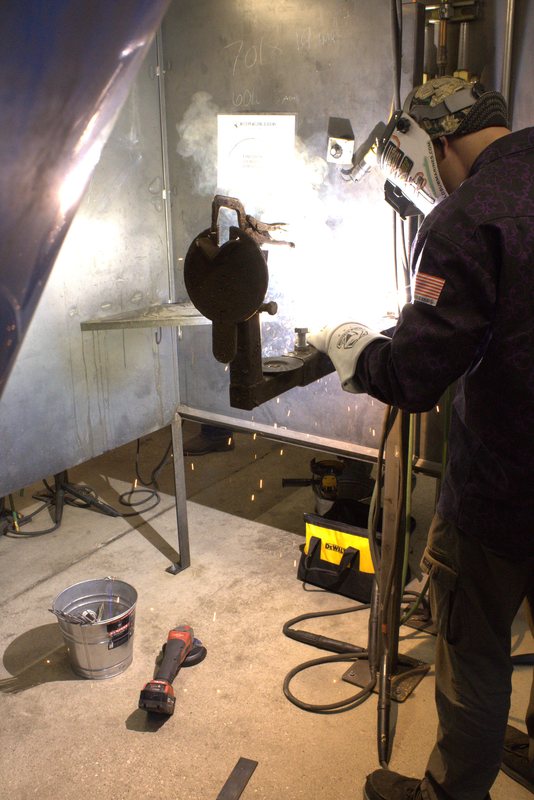
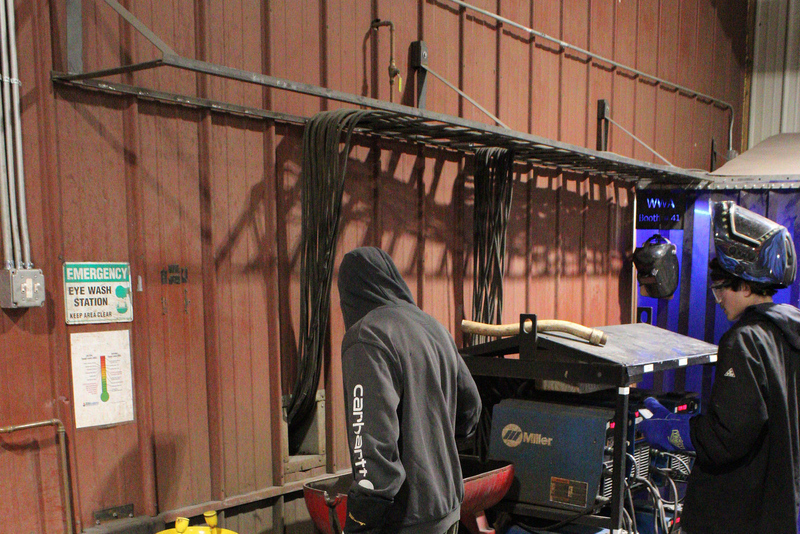
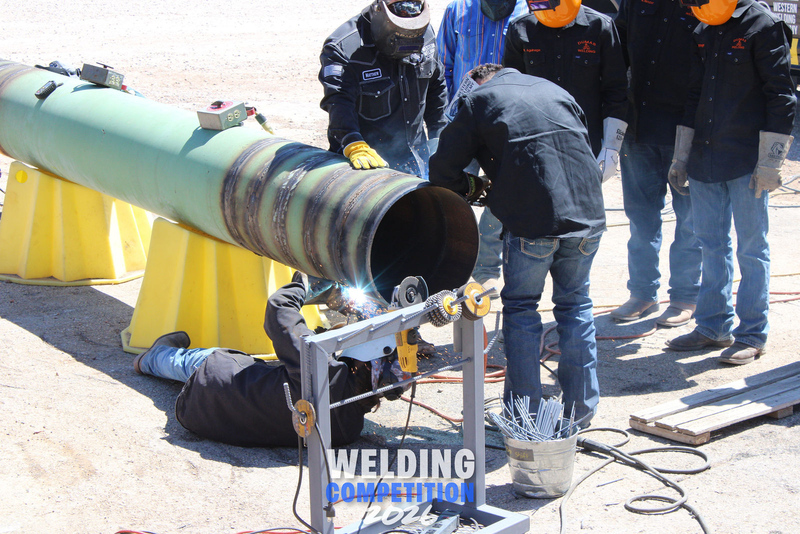
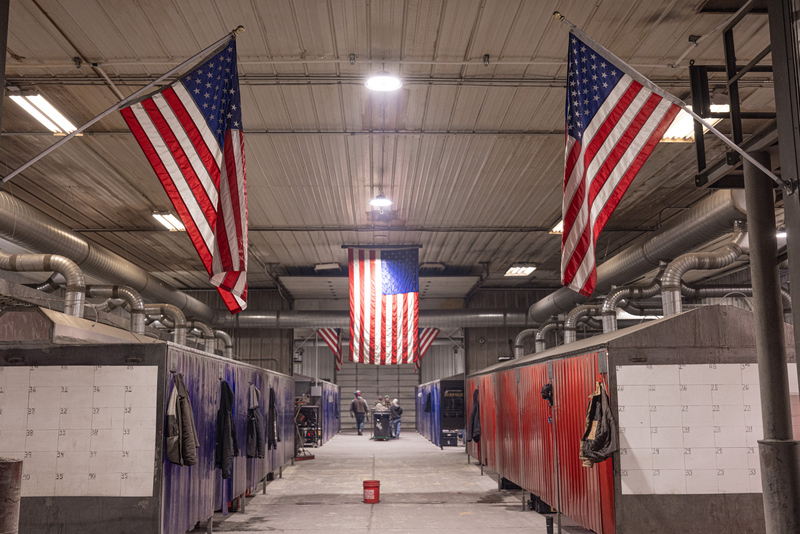
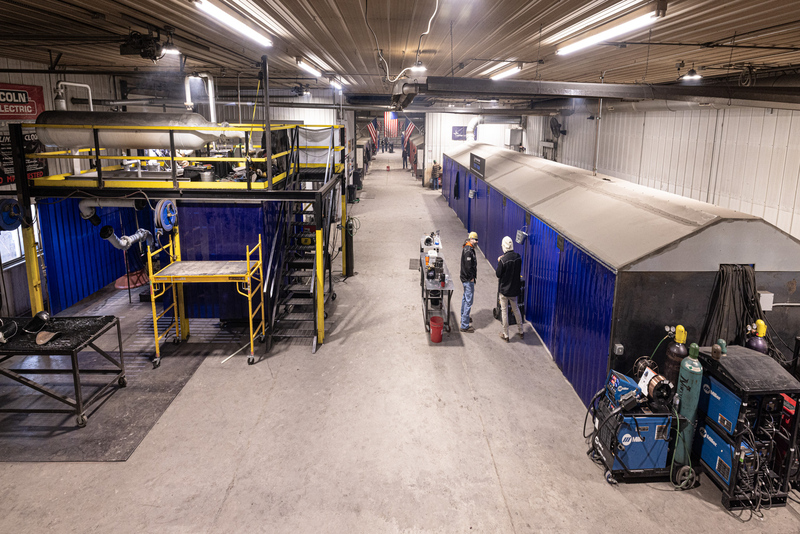
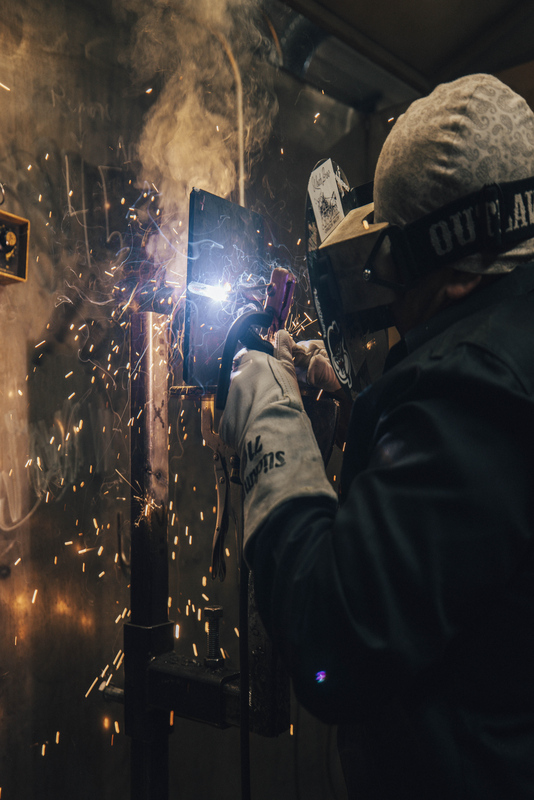
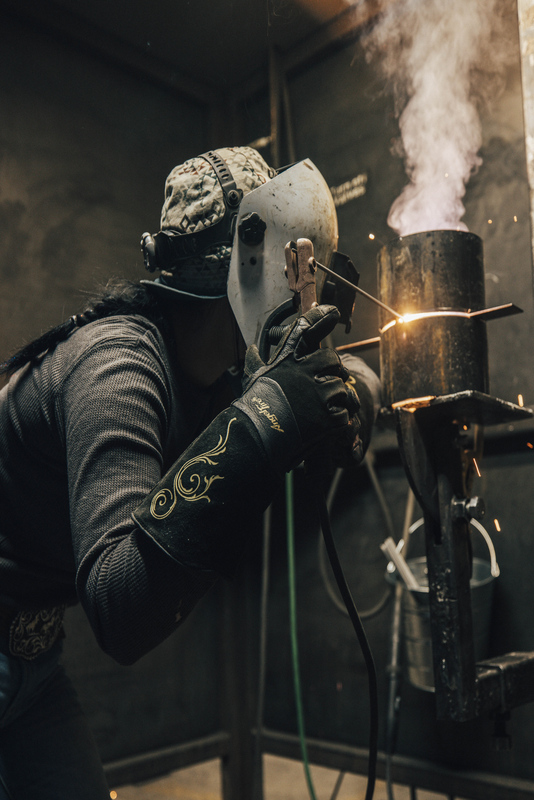
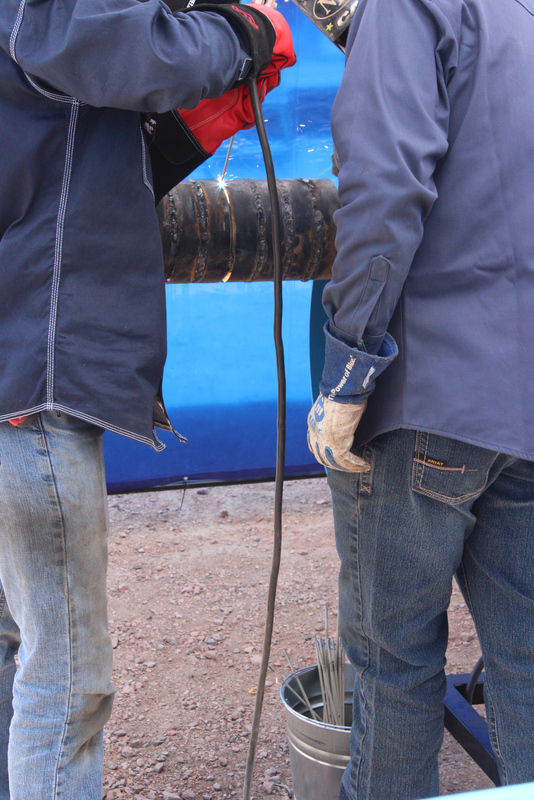
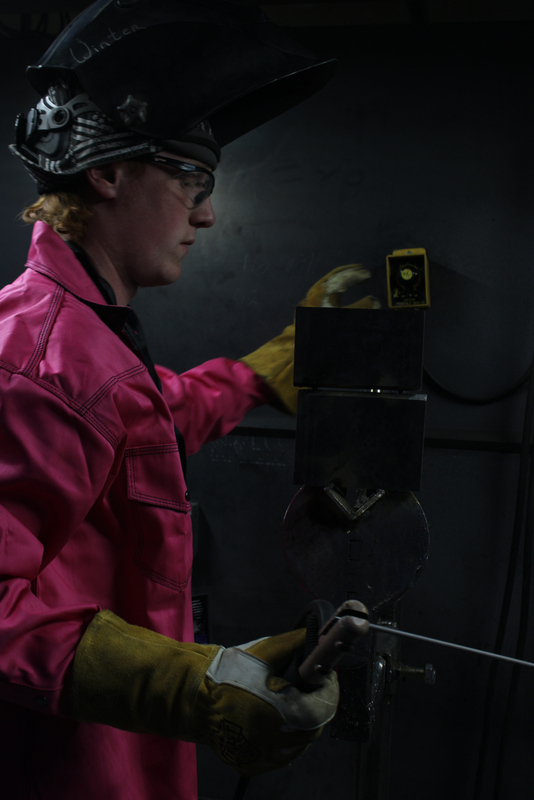
A training booth controls those variables. Temperature is stable. Wind is absent. Joint preparation follows the welding procedure specification exactly. Position is set deliberately. When a defect appears in a controlled environment, the cause is your technique, not the conditions. That isolation lets you identify and correct fundamental weaknesses that job site chaos disguises.
Once you master a technique in a controlled booth, you add variables gradually. Tighter positions. Different material thicknesses. Faster time requirements. The controlled environment builds the foundation. Then you layer real world complexity on top of proven capability. This is how formal training differs from apprenticeship learning.
What Welders Earn After Tightening Fundamentals
The earning impact of tightened fundamentals is measurable. Here are verified paychecks from Western Welding Academy graduates who came in with field experience and left with certified, tested capability.
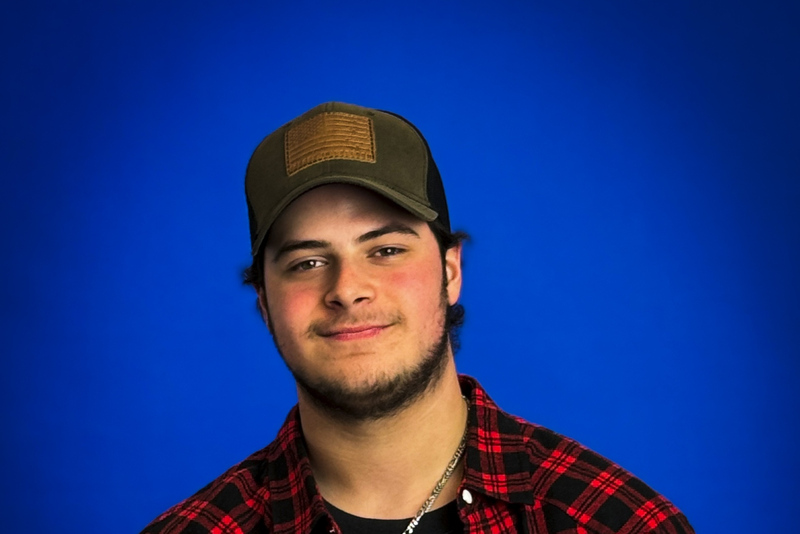
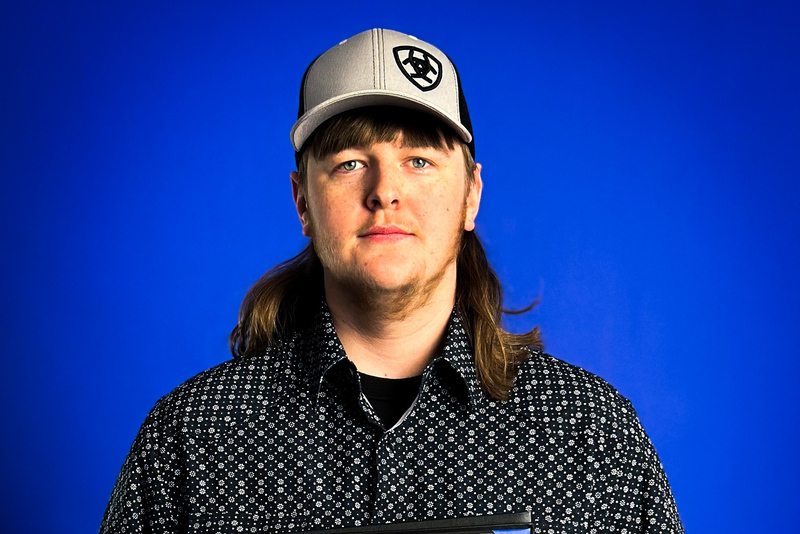
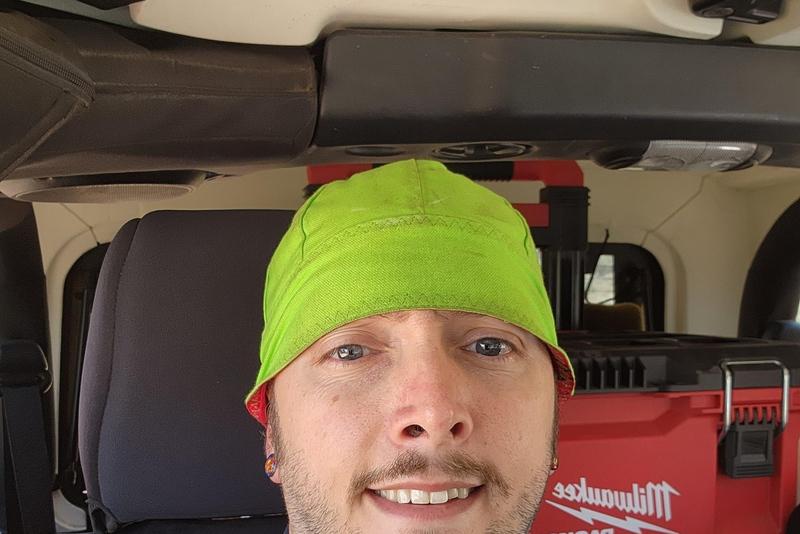
Leyton Wagner earned $4,514 on a single paycheck after completing the Expert Pipe Welder program at Western Welding Academy. That figure is published on the school's website. Gavin Walden posted a $3,986 paycheck on social media. David Smolek shared his $3,417 paycheck publicly.
Noah started clearing $4,800 per week right out of welding school. Hank reached $150,000 per year at age 21. These graduates had different backgrounds and different starting points. Every one of them left with tightened fundamentals and the certifications to prove it. Compare welding schools with proven job placement to see which programs deliver verified outcomes.
How Western Welding Academy Tightens Your Fundamentals
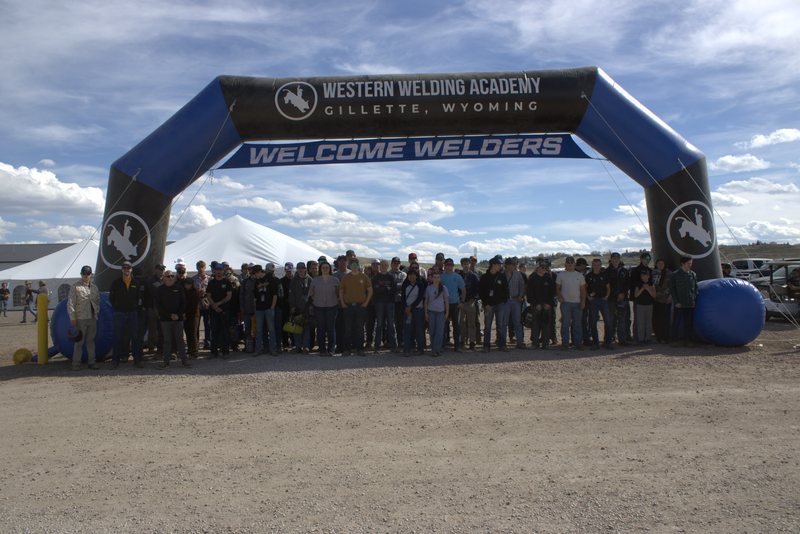
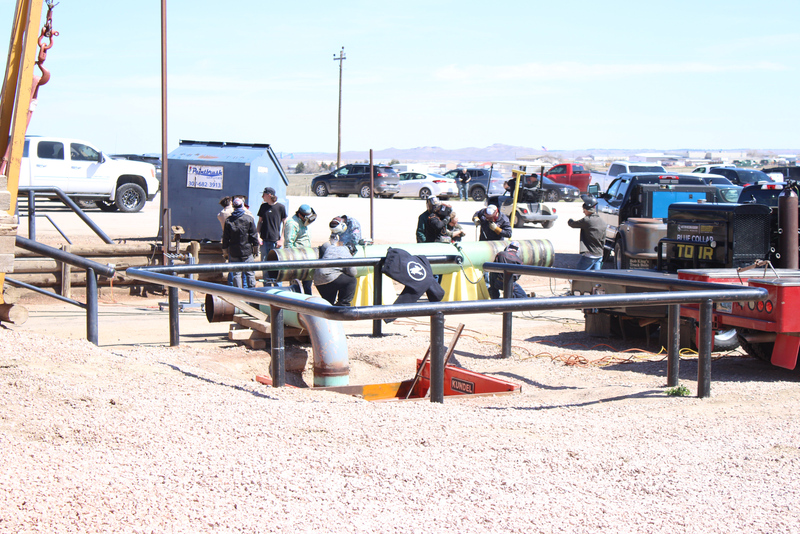
Western Welding Academy in Gillette, Wyoming starts every student with a skill assessment. For experienced welders, this assessment identifies the specific fundamentals that need work. You do not repeat skills you already own. You spend your training time on the gaps that limit your career.
The Foundational Pipe Welder program runs 12 weeks at $7,050 and focuses on stick pipe fundamentals. The Professional Pipe Welder program runs 19 weeks at $13,600 and adds TIG pipe technique. The Expert Pipe Welder program runs 24 weeks at $19,800 and earns every certification pipeline employers require. Your existing skills determine which program delivers the most value for your time. The program comparison guide helps you decide.
The 85% booth time at 40 hours per week gives you the deliberate practice hours. The expert instructors give you the feedback loop. The number one AWS Testing Facility on campus gives you the code based evaluation. Over 2,000 graduates from all 50 states have completed the process. The 94% placement rate within 90 days confirms that tightened fundamentals translate directly to employment. The best pipe welding school in the country turns field experience into certified pipeline capability in 12 to 24 weeks.
Your hands know how to weld. Formal training shows them how to weld better. Apply now or call (307) 284-5313.
Frequently Asked Questions
Q1. If I already weld well, why do my fundamentals need tightening?
Welding well for shop standards and welding well for code standards are two different things. Many experienced welders pass visual inspection consistently but fail bend tests or X ray examination. Code based evaluation reveals the gap between good enough and certified.
Q2. Will formal training slow me down on production work?
No. Training focuses on technique quality, and improved technique actually increases production speed over time. A welder who makes fewer defects spends less time on rework and passes inspections faster.
Q3. How much of the training time is hands on versus classroom?
At Western Welding Academy, 85% of the 40 hour training week is booth time. That means approximately 34 hours per week of supervised welding practice. The remaining time covers welding theory, metallurgy, and code interpretation.
Q4. Can I test out of fundamentals I already know?
The initial skill assessment identifies what you already know. Experienced welders often move through basic material faster and spend more time on advanced technique, pipe processes, and certification testing.
Q5. How long before I see improvement in my welding?
Most experienced welders see measurable improvement within the first two weeks. The immediate feedback loop corrects technique issues that have gone unaddressed for years. The controlled booth environment allows focused practice without job site distractions.
Q6. What makes Western Welding Academy different from other welding schools?
The school runs 85% hands on booth time at 40 hours per week, maintains an 85% Expert graduation rate compared to an industry average below 60%, places 94% of graduates within 90 days, and operates the number one AWS Testing Facility in the country. Over 2,000 graduates from all 50 states have completed training in Gillette, Wyoming.
Turn Field Skills Into Certified Pipeline Capability
Your experience gave you the hand skills. Formal training tightens them into tested, certified capability. Call Western Welding Academy at (307) 284-5313 or apply now to close the gap between working welder and pipeline welder.

.jpg)

.jpg)


.jpg)
.jpg)
.jpg)
.jpg)
.jpg)
-thumbnail.jpg)

.jpg)