Which Basic Welding Course Helps Working Welders Tighten Fundamentals?
If you have been welding for years and your fundamentals feel loose, you are not alone. Working welders develop skill gaps the same way athletes lose conditioning: through repetition of a narrow range of movements and neglect of everything else. A basic welding course designed for working professionals is not a beginner class. It is a targeted reset that rebuilds the techniques you have stopped practicing.
What Working Welders Actually Need From a Basic Course
A working welder does not need an introduction to what welding is. You already know the trade. What you need is focused booth time on the specific skills that have decayed. The right basic course addresses six core areas that weaken over time when a welder runs the same process in the same position day after day.
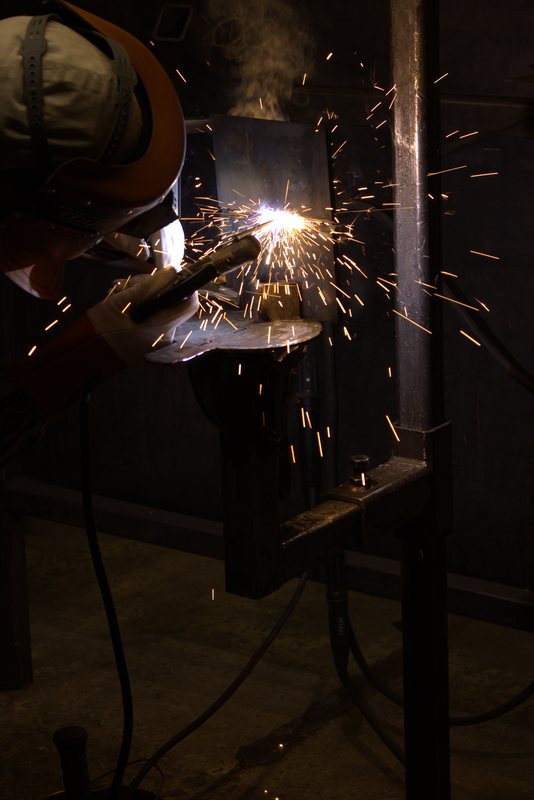
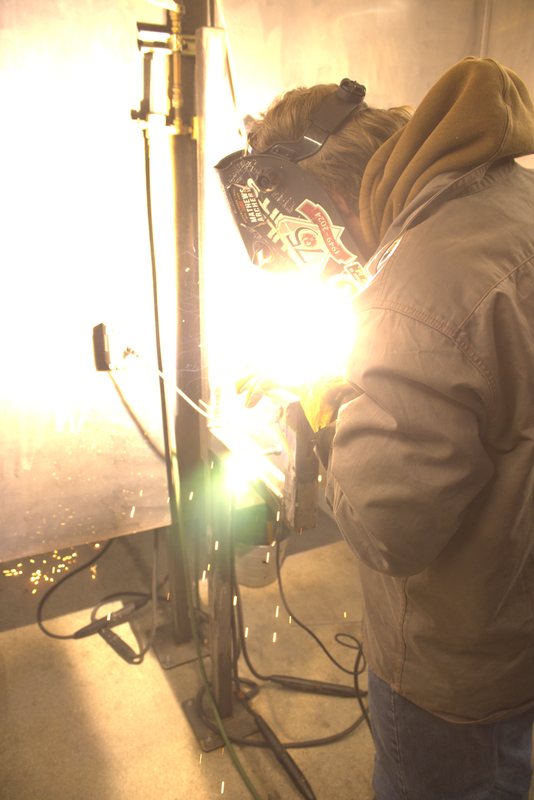
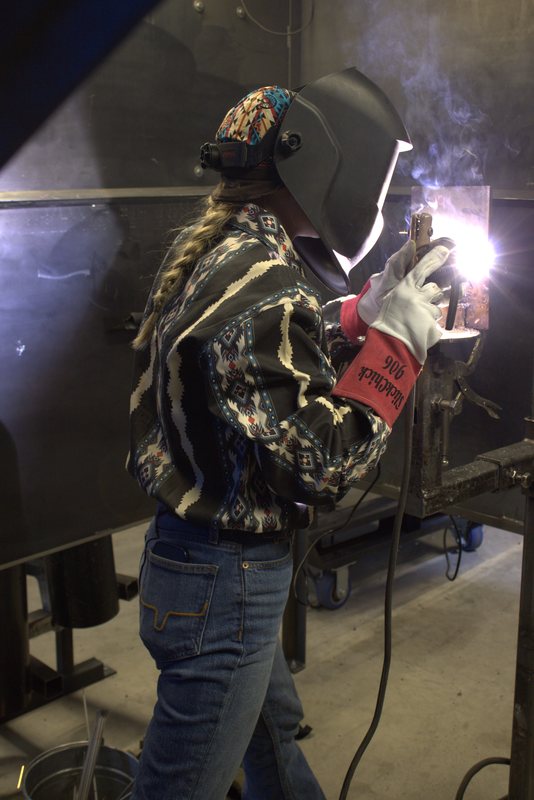
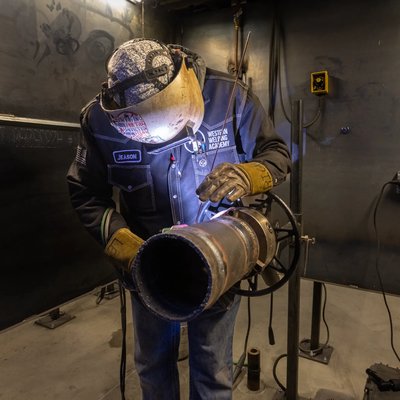
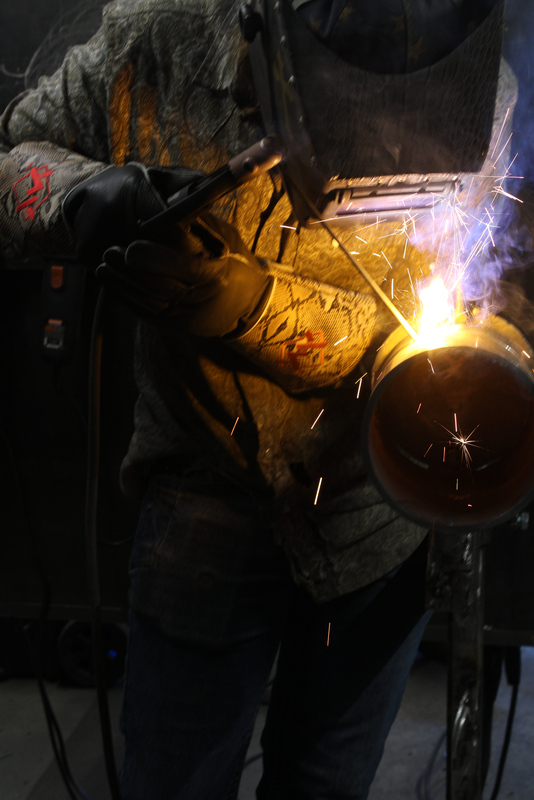
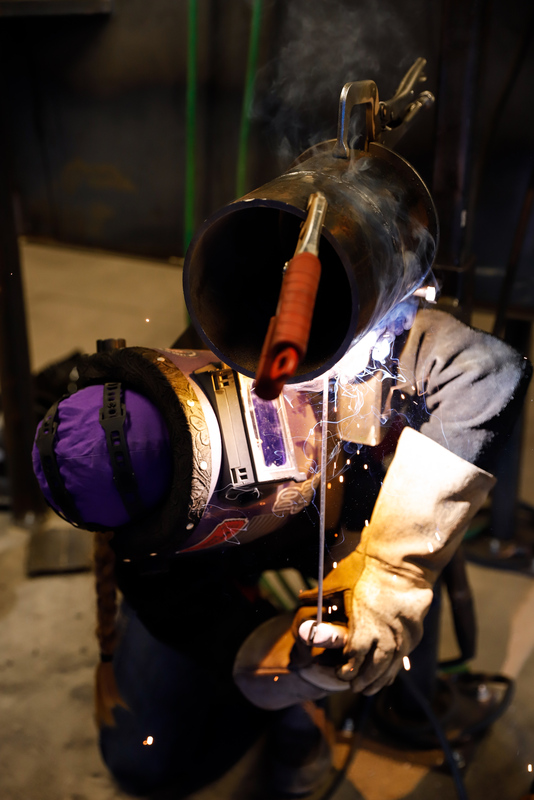
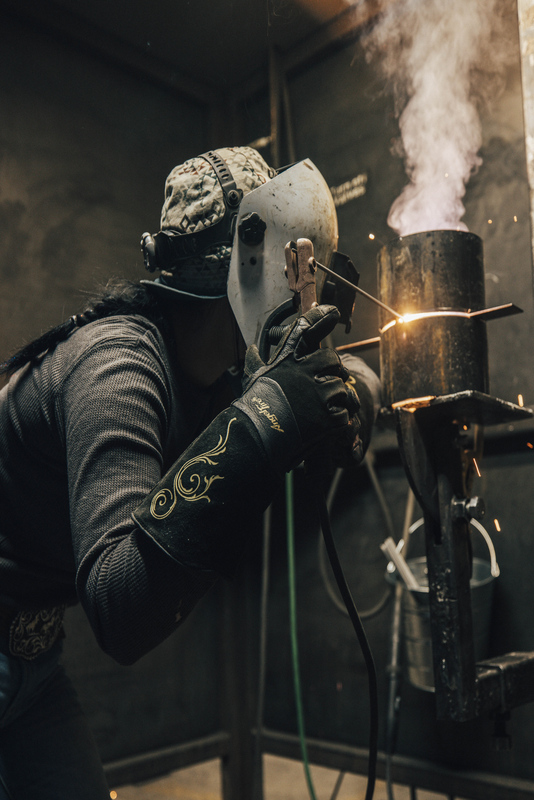
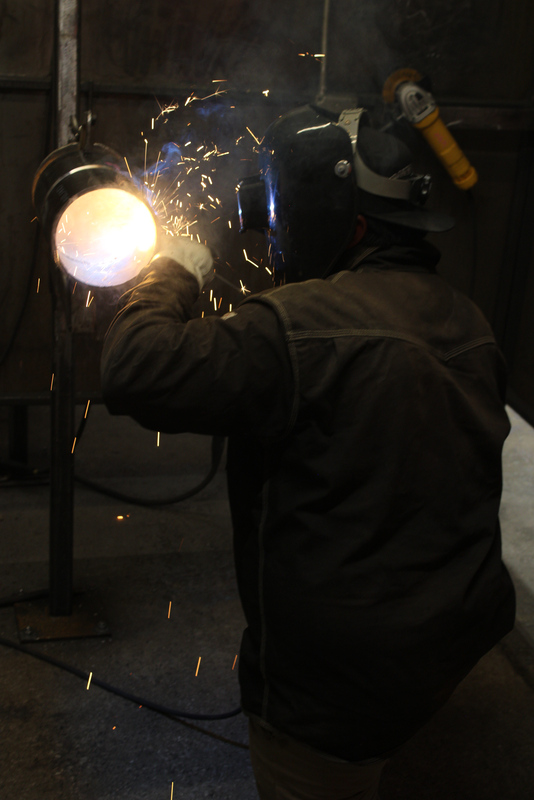
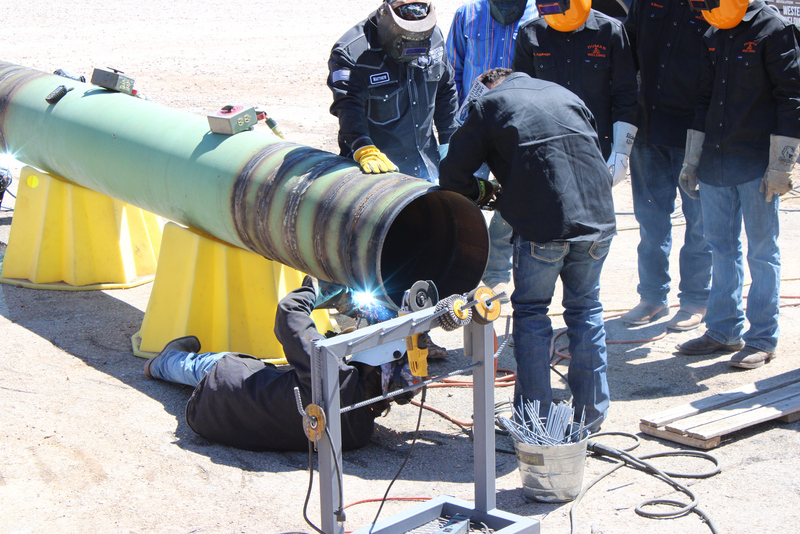
SMAW arc control is the first priority. Consistent arc length and steady travel speed are the foundation of every stick welding certification test. Working welders who primarily run MIG or flux-core lose the fine motor discipline that SMAW demands. A focused reset program puts a stick electrode back in your hand for 40 hours a week until arc control is automatic again.
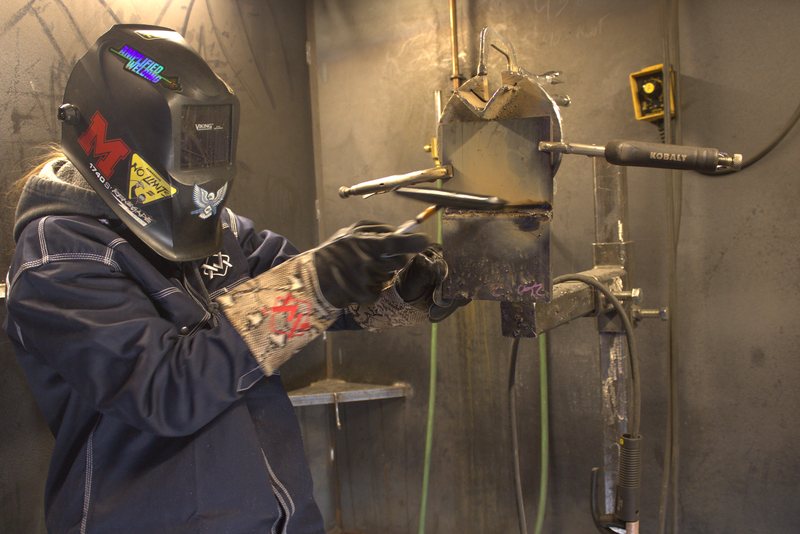
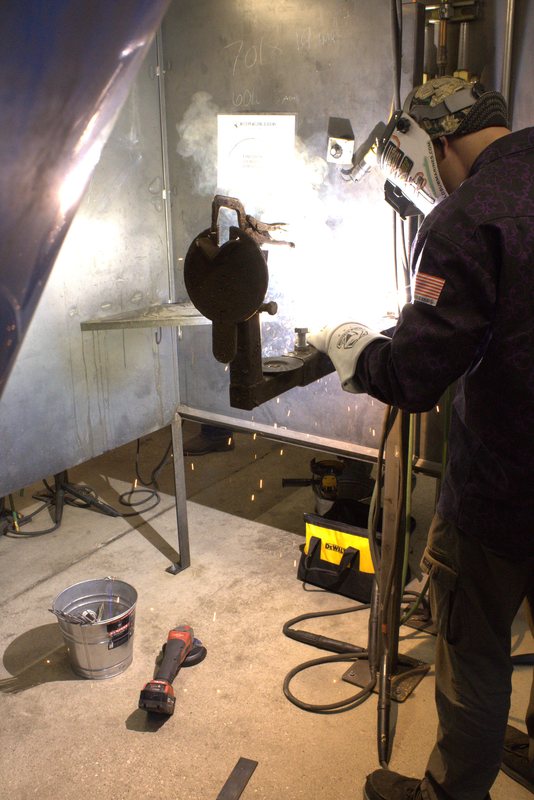
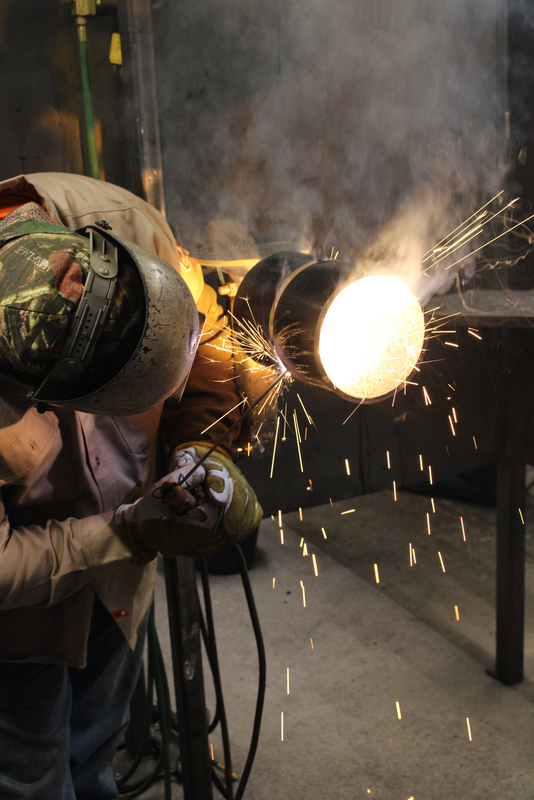
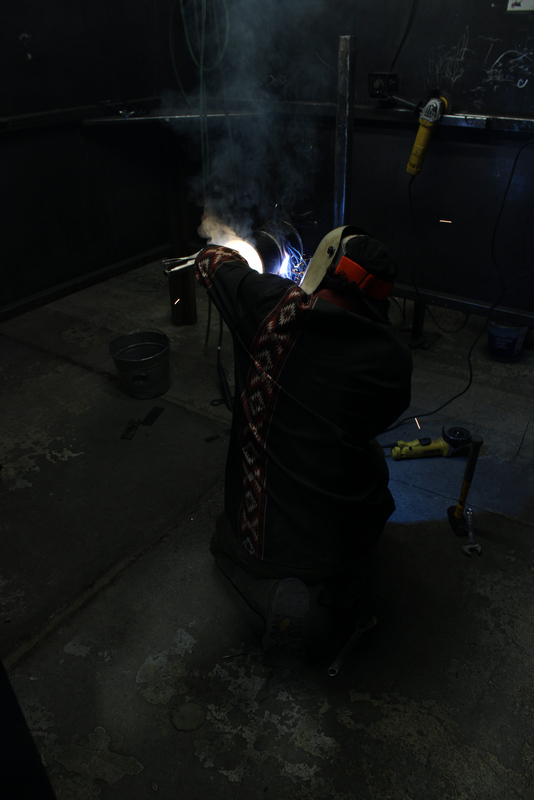
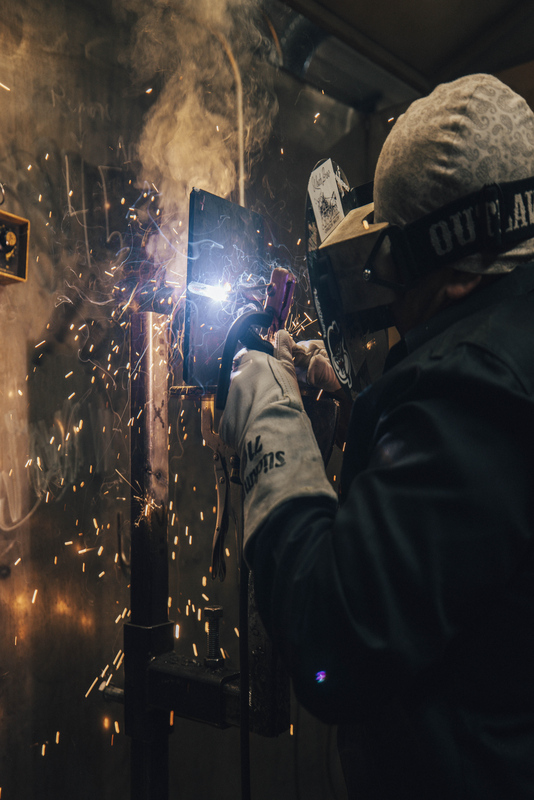
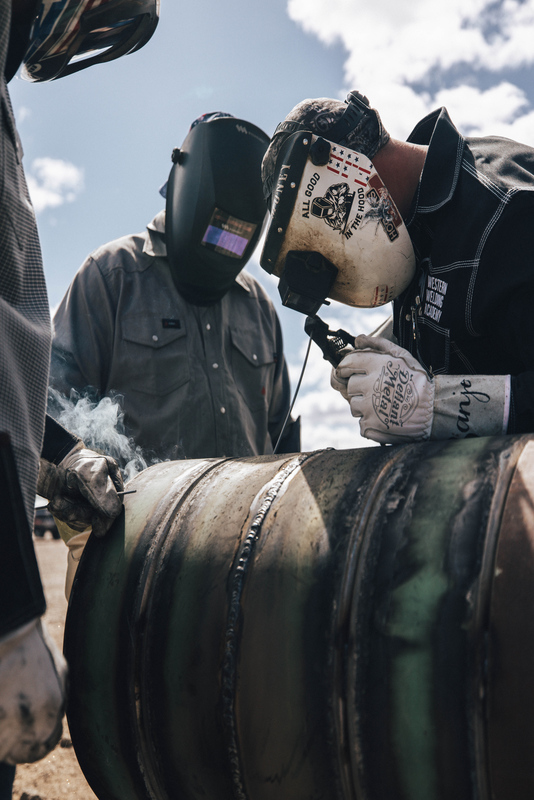
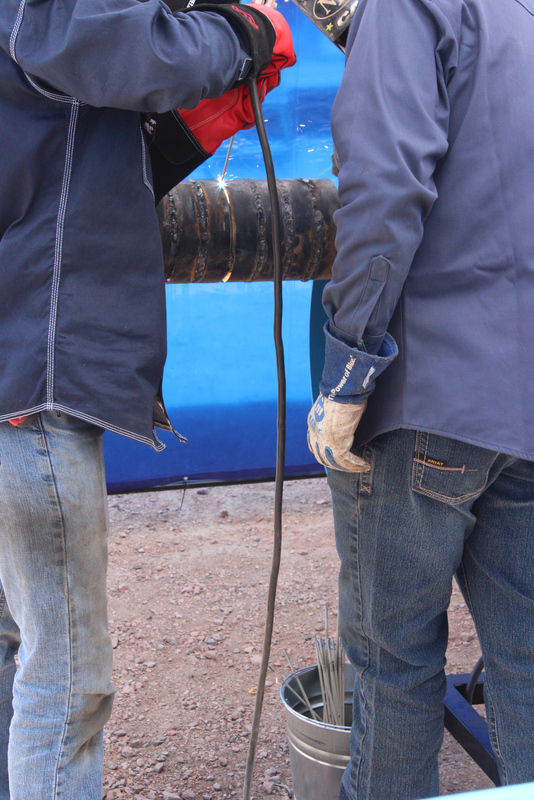
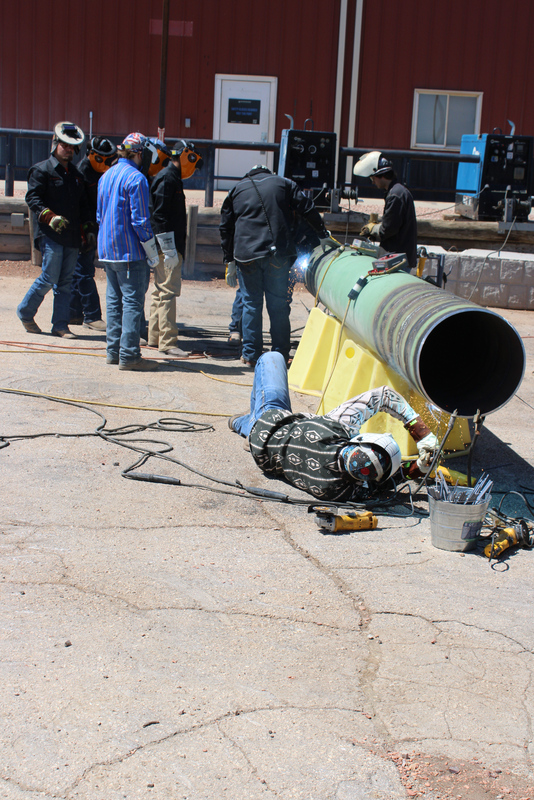
Multi-position welding is the second priority. Most shop work happens in the flat and horizontal positions. Vertical up, vertical down, and overhead are the positions that decay first because they are used least. But they are also the positions that certification tests require and that employers pay premiums for. Rebuilding multi-position technique opens 3G, 4G, 5G, and 6G qualification.
Puddle reading, electrode angle, and joint prep round out the fundamentals that need resetting. Real-time heat and travel adjustments eliminate undercut, cold lap, and lack of fusion. Correct work angle and travel angle by position fix slag inclusion and uneven penetration. Proper bevel angles, root gaps, and tack placement are required for every code job site. These are not beginner skills. They are professional skills that erode through repetitive narrow-scope work.
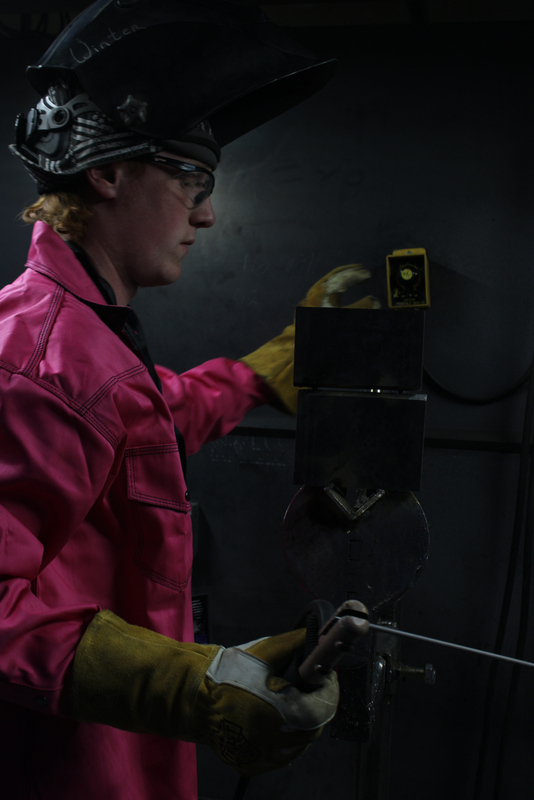
GTAW fundamentals matter for any working welder looking to move into pipe. Torch control, filler feeding, and foot pedal heat management are required for pipe root passes and 6G combo certification. If your career plan includes pipe welding, TIG needs to be part of your fundamentals reset.
What to Look for in a Basic Welding Course
Not all basic welding courses deliver the same result. A working welder evaluating options should check five factors before enrolling.
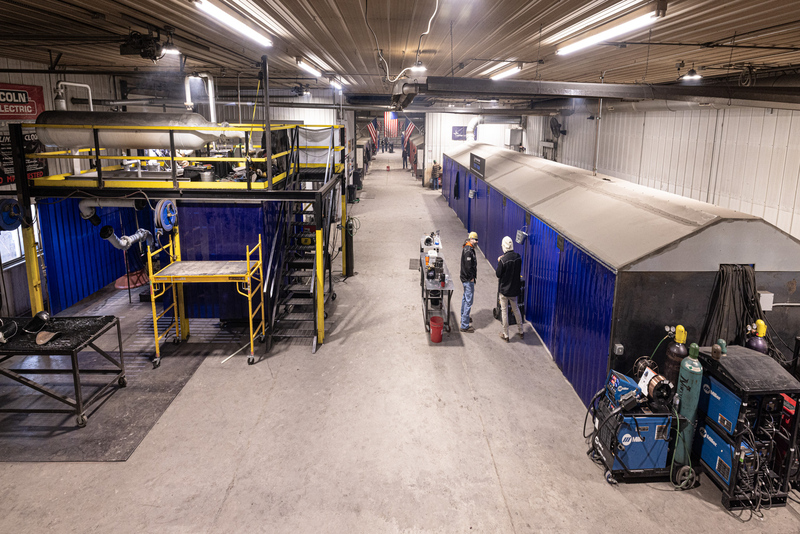
Booth time percentage is the most important factor. A course with 80% or higher booth time gives you the repetition needed to rebuild technique. Classroom-heavy courses that spend half the week on theory do not fix hands-on skill gaps. If the course does not get you in front of a weld joint for the majority of your training hours, it is not the right fit for a working welder.
Process coverage must include the process you need to improve, not just the one you already know. If you run MIG all day at work, a course that only teaches MIG does nothing for your fundamentals. The course needs to cover SMAW at minimum. If you want to move into pipe, it needs to cover GTAW as well.
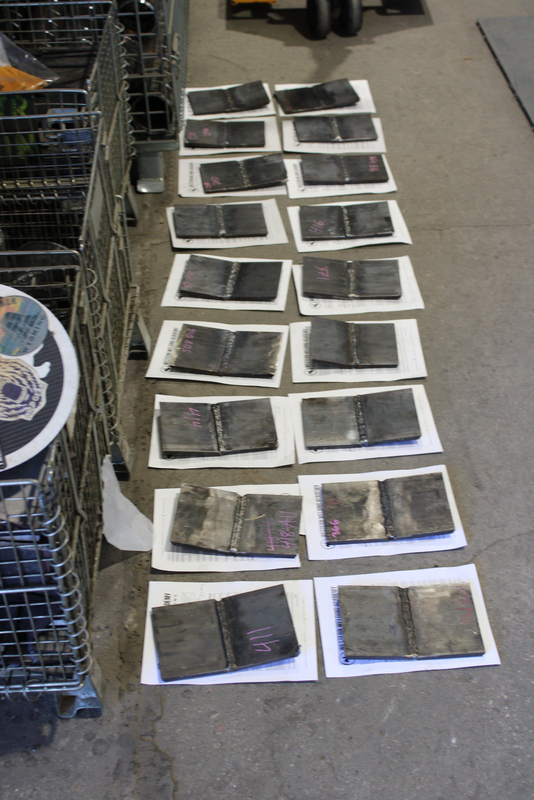
Position coverage, instructor quality, and certification testing access complete the checklist. The course must train the positions you are weak in, especially vertical and overhead. The instructors should be working or recently retired welders, not academics teaching from textbooks. And the school should be an AWS-accredited testing facility so you can test on campus immediately after training. Learn more about how refresher courses accelerate career advancement.
Ready to tighten your fundamentals? Call Western Welding Academy at (307) 284-5313 or apply now to get back in the booth.
How Western Welding Academy Fits Working Welders
The Foundational Pipe Welder program at Western Welding Academy is the most focused SMAW fundamentals reset available. It runs 12 weeks full-time at 85% booth time, 40 hours per week, covering all positions on pipe. Tuition is $17,050, all-inclusive with housing, tools, PPE, and materials. Working welders who enroll are not treated as beginners. You move through familiar material at the pace your experience allows, but every position and every fundamental is addressed.
For working welders who also need GTAW, the Professional Pipe Welder program adds TIG in 19 weeks at $27,600. The Expert Pipe Welder program trains through 6G certification readiness in 24 weeks at $35,800. All three programs include testing at the #1 AWS Accredited Testing Facility and lifetime retraining. That lifetime benefit matters most for working welders: you can come back and sharpen any skill at any point in your career at no additional cost. See how graduates upgrade from basic to pipe welding in 12 to 24 weeks.
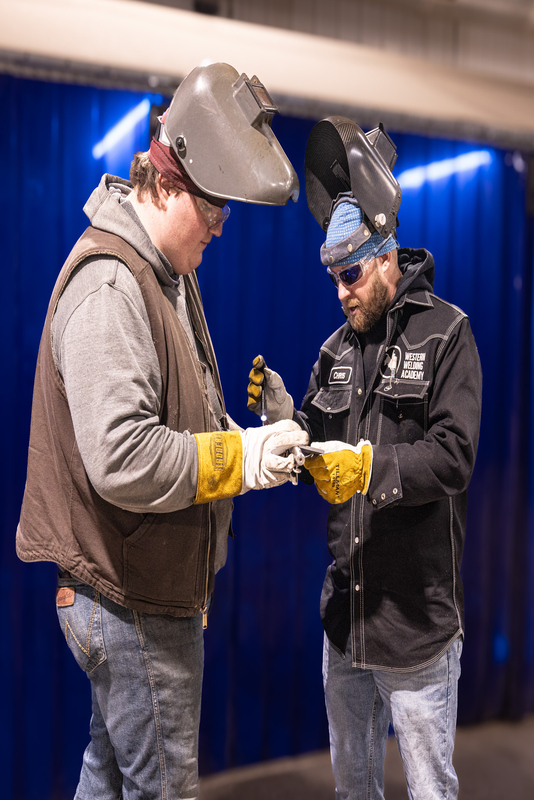
The instructors bring 330 combined years of real pipeline and refinery field experience. They have run the same jobs you are training to qualify for. Their correction is hands-on, immediate, and based on decades of field work. That is a fundamentally different learning environment than a classroom led by someone who has never welded on a live job site.
Community College Refresher vs Trade School Reset
The biggest difference between a community college refresher and a trade school reset is booth time and outcome. A community college refresher typically runs one semester at 16 weeks part-time with 30% to 50% booth time. The focus is a general welding review. Testing access varies by school. Instructor backgrounds are typically academic. The cost is $1,500 to $5,000, and the outcome is refreshed basics.
Western Welding Academy runs 12 to 24 weeks full-time at 85% booth time. The focus is pipe welding in all positions, code-ready. Testing happens on campus at the #1 AWS Accredited Testing Facility. The instructors are working or recently retired pipeliners with 330 combined years of field experience. The cost is $17,050 to $35,800 all-inclusive with housing. The outcome is certified, job-ready, with lifetime retraining included.
For working welders who need more than a general tune-up, the difference in outcome is significant. A community college refresher brings you back to where you were. A trade school reset takes you to the next certification level and the next pay tier.
What Graduates Earn After Tightening Their Fundamentals
The numbers below come from verified Western Welding Academy graduate records. These are real paychecks from welders who completed training and entered the workforce with updated certifications.
Leyton Wagner earns $4,514 per paycheck as a verified Western Welding Academy graduate. His paycheck is published on the Western Welding Academy website and represents the earning power available to welders who hold the full certification stack. That single check exceeds what many shop welders earn in a month.
Gavin Walden earns $3,986 per paycheck. His verified earnings confirm that the $3,500 to $4,500 per-check range is a consistent outcome for graduates who enter pipe welding with the right credentials. See the full breakdown of what certified pipe welders actually earn.
David Smolek earns $3,417 per paycheck. Even at the lower end of the verified graduate range, his biweekly earnings translate to roughly $88,000 per year. That is a $38,000 annual jump over the $50,000 a typical MIG production welder earns without pipe certifications.
Noah clears $2,800 per week welding on the North Slope in Alaska. Pipeline and remote location premiums push earnings even higher for graduates willing to travel. His weekly gross exceeds what many welders earn in two weeks.
Hank reached $150,000 per year by age 21. He completed the Expert Pipe Welder program, earned his certifications, and entered the workforce with credentials that employers pay top dollar for. Read more about what pipe welders actually earn after graduation.
Your fundamentals are worth more than your current paycheck. Call Western Welding Academy at (307) 284-5313 or apply now to reset and level up.
Frequently Asked Questions
Q1. Is a basic welding course worth it for experienced welders?
Yes. If you cannot pass a weld test at the next certification level, a focused basic course closes the gap faster than self-practice. Working welders who retrain to add multi-position capability and new processes see $20,000 to $50,000 annual pay increases.
Q2. How long does it take to rebuild welding fundamentals?
Twelve weeks of full-time training at Western Welding Academy delivers over 480 booth hours. That is enough to rebuild SMAW fundamentals on pipe in all positions. The Expert program runs 24 weeks for welders who also need GTAW through 6G.
Q3. Can I retrain at Western Welding Academy if I already graduated?
Yes. Lifetime retraining is included for all graduates at no additional tuition cost. If your skills decay or you want to add a new process, you return and train again for free. No other pipe welding school offers this benefit.
Q4. Do I need to start from scratch if I have experience?
No. The program structure ensures every position and every fundamental is covered. Experienced welders progress faster through familiar material. You are not held back by beginners, and the instructor feedback targets your specific weak points.
Q5. What is the difference between a community college refresher and a trade school reset?
Booth time and outcome. A community college refresher runs 30% to 50% booth time and refreshes general basics. Western Welding Academy runs 85% booth time and produces certified, job-ready graduates with lifetime retraining. The trade school reset takes you to the next tier, not back to the same level.
Q6. What makes Western Welding Academy different from other welding schools?
Western Welding Academy delivers 85% booth time, all-inclusive tuition covering housing, tools, and materials, lifetime retraining for every graduate, 330 combined years of instructor pipeline experience, and a 94% hire rate within 90 days verified by a 234-alumni survey. It is the #1 AWS Accredited Testing Facility in the country.
Tighten Your Fundamentals and Unlock Your Next Pay Tier
The skills are still in there. A focused reset at Western Welding Academy brings them back and adds the certifications that unlock higher-paying work. Call Western Welding Academy at (307) 284-5313 or apply now to start earning what your experience deserves.
.jpg)
.jpg)


.jpg)
.jpg)
.jpg)
.jpg)
.jpg)
-thumbnail.jpg)

.jpg)