Welding Technique Skill Gaps Explained
A welding technique skill gap is not a knowledge problem. It is a motor skill problem. You may know the correct arc length is 1/8 inch. But if your hand cannot hold it steady for 10 inches of travel, you have a technique gap. This page breaks down every core welding technique, the defects that appear when the technique fails, and the focused practice that fixes each one.
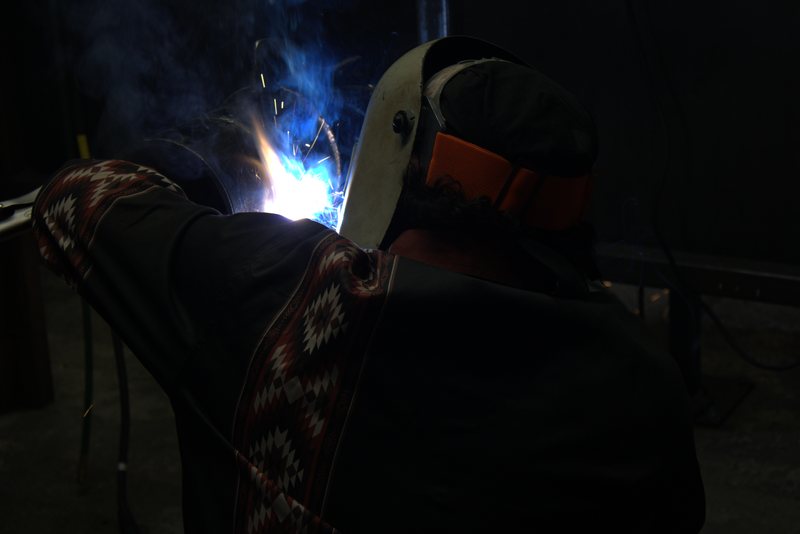
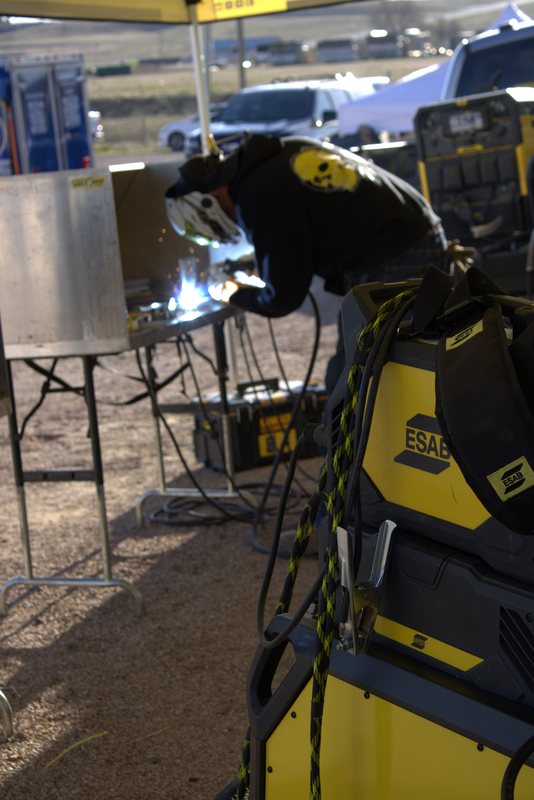
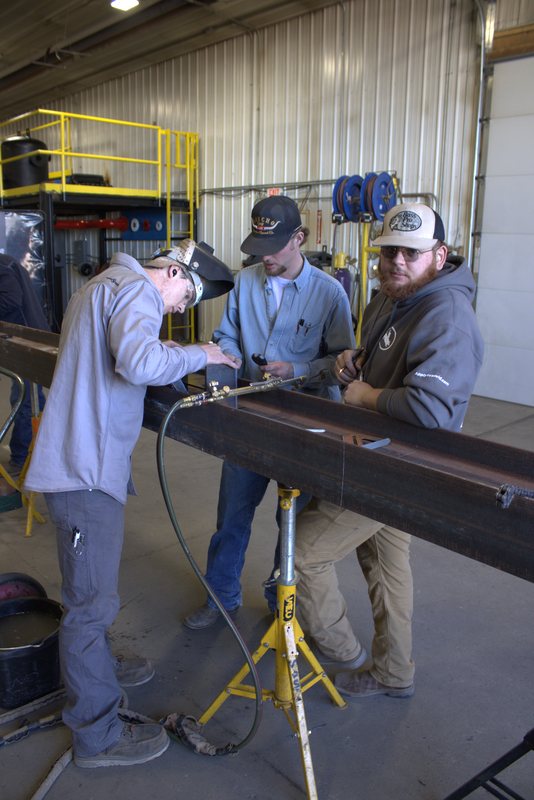
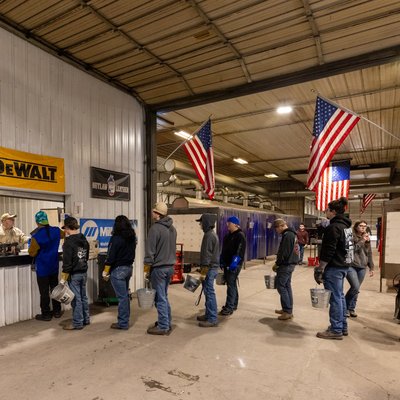
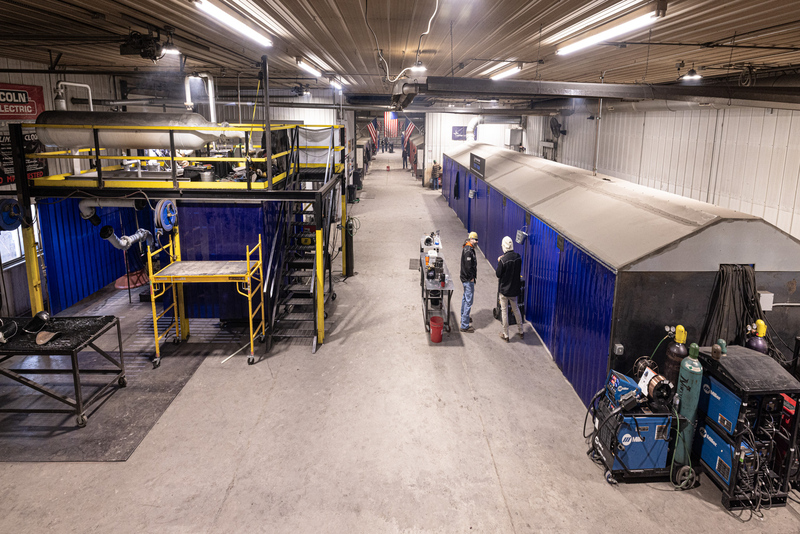
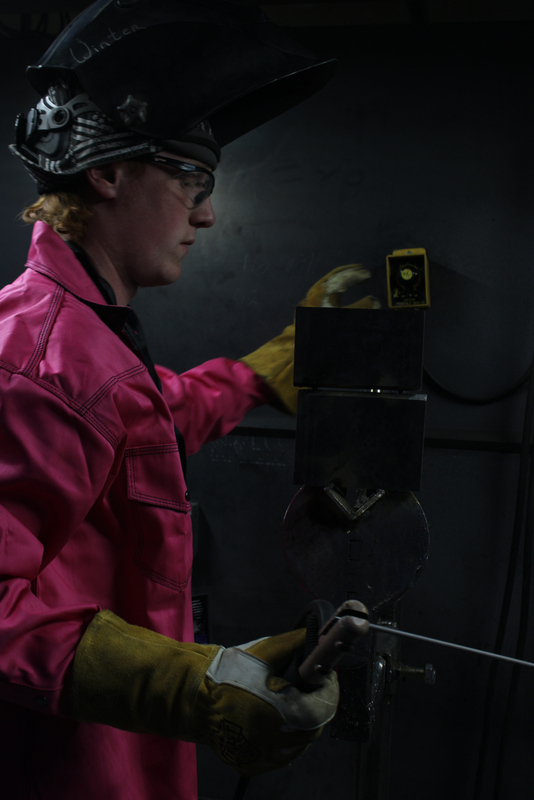
At Western Welding Academy, 85% of training is hands-on booth time. That intensity exists specifically to build and rebuild technique through repetition until it becomes automatic.
The 7 Core Welding Techniques and Their Gaps
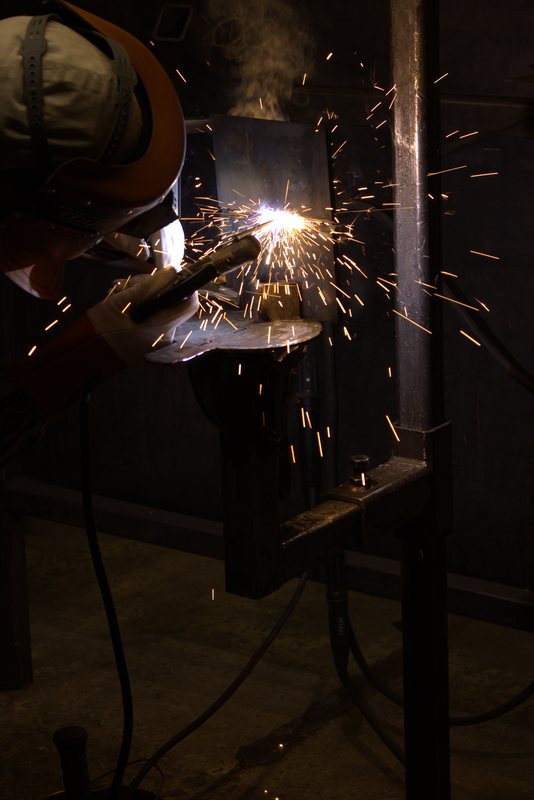
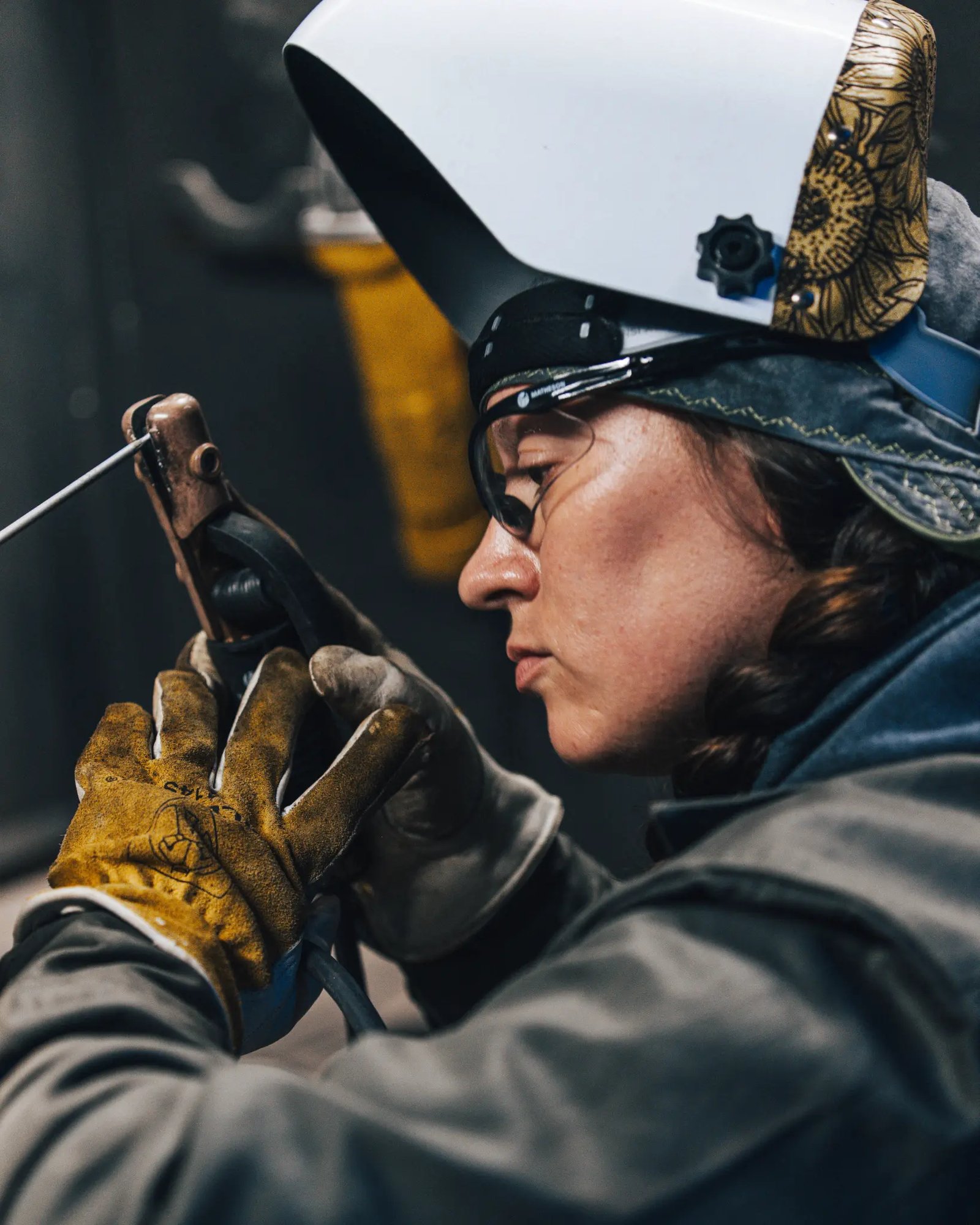
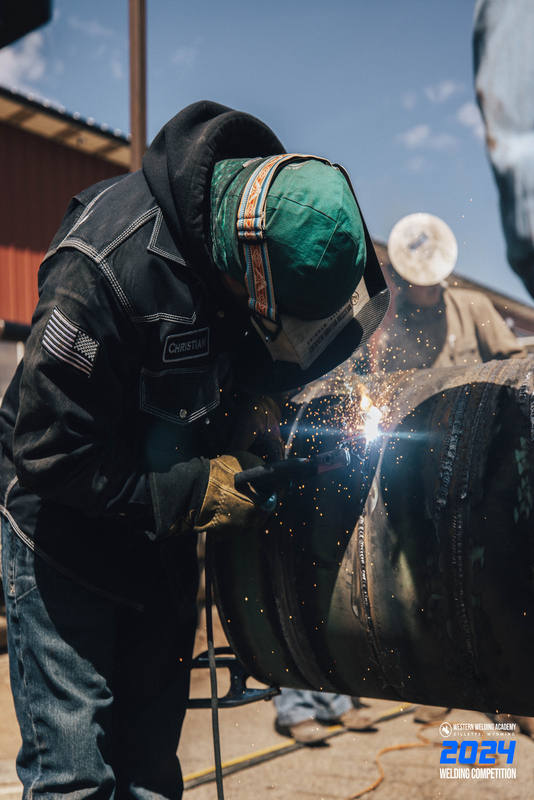
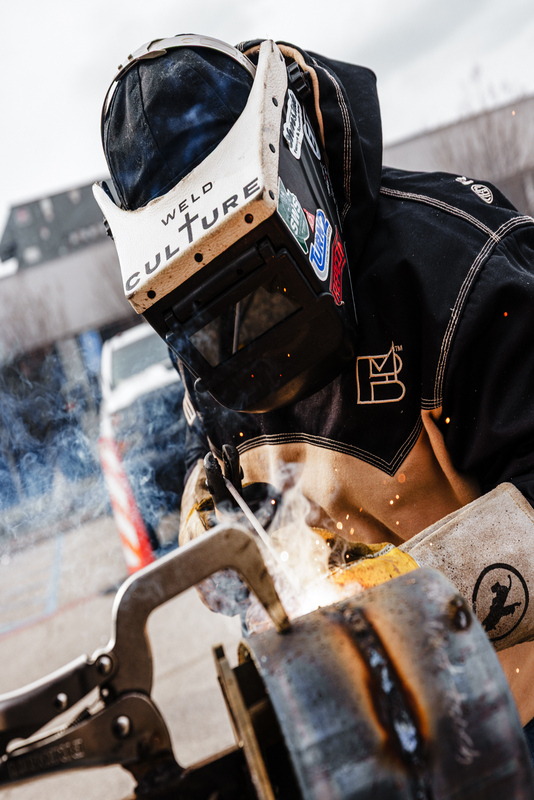
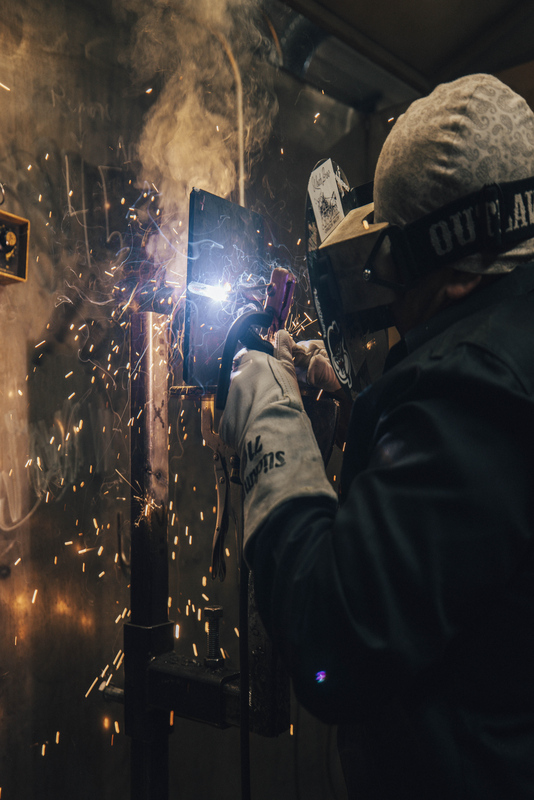
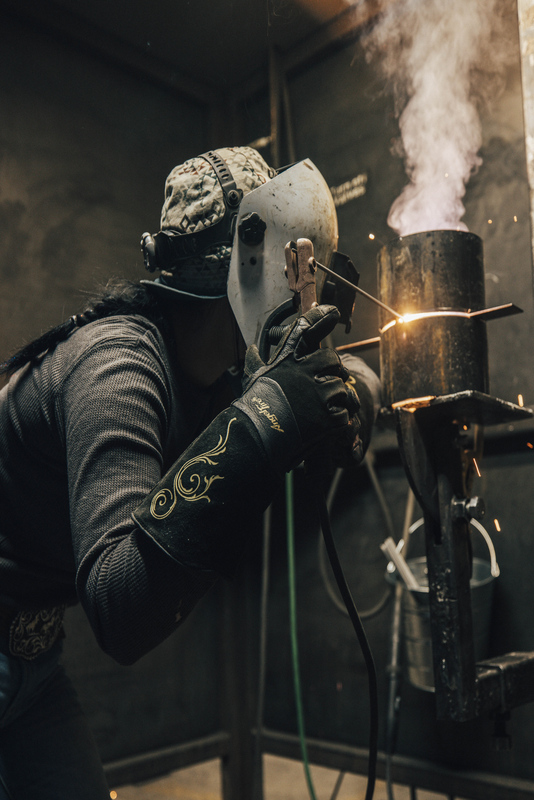
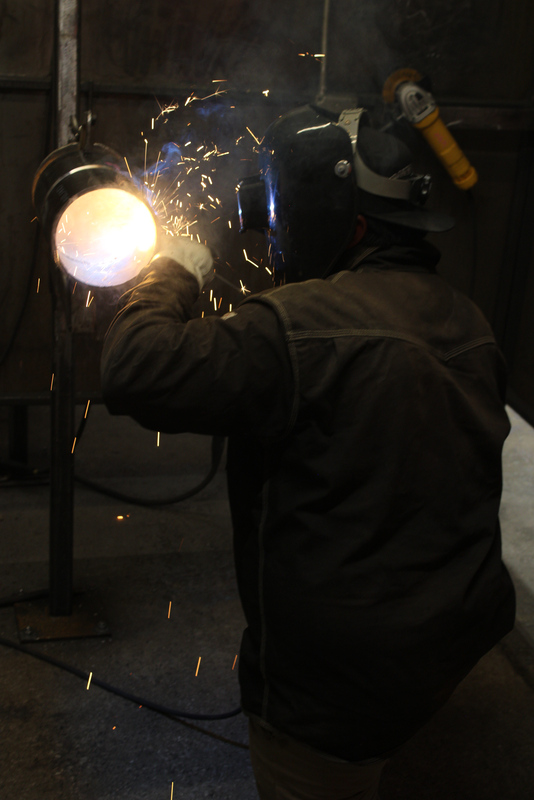
Arc length control is the foundation of stick weldingquality. Good arc length looks like a consistent 1/8 inch gap with a steady,crackling arc sound. When this technique decays, the symptoms are porosity,electrode stubbing, and erratic bead width. The root cause is almost alwaysyears spent on MIG, where the machine controls arc length automatically. Awelder returning to SMAW after years of MIG has to rebuild the hand disciplinethat manual arc control demands.
Travel speed determines bead consistency. Good travel speedproduces even bead width and consistent reinforcement height. When travel speedtechnique fails, the results are cold lap from moving too fast or burn-throughfrom moving too slow. The root cause is speed-focused production habits.Welders trained to maximize throughput develop a pace that passes productiontolerances but fails under code inspection.
Electrode angle controls penetration and slag behavior.Correct work angle and travel angle change with every position. When electrodeangle technique decays, the defects are slag inclusion, uneven penetration, andundercut. This gap develops when a welder was never corrected during trainingor has only practiced in one or two positions. Read the companion piece on whatcauses skill gaps in working welders for more on how single-position workcreates angle habits that fail in other positions.
Heat input management determines material integrity. Correctamperage for material thickness and position prevents warping, distortion,burn-through, and lack of fusion. This gap develops when a welder runs the sameamperage out of habit regardless of the joint configuration. The fix requiresdeliberate practice with different material thicknesses and positions underinstructor supervision.
Puddle reading is the real-time feedback loop that separatescompetent welders from great ones. Good puddle reading means adjusting heat andtravel based on puddle shape and color as you weld. When this technique fails,the defects are undercut, cold lap, and incomplete fusion. The root cause iswelding by feel instead of watching the puddle. Many experienced weldersdevelop muscle memory that replaces visual feedback, which works untilconditions change.
TIG filler rod feeding requires fine motor coordination thatdecays rapidly without practice. Good feeding looks like smooth, consistentdipping at the correct angle. When this technique fails, the defects arecontamination, inconsistent bead profile, and tungsten inclusions. Welders whonever learned TIG or who have not practiced it in years need dedicated GTAWbooth time to rebuild this skill.
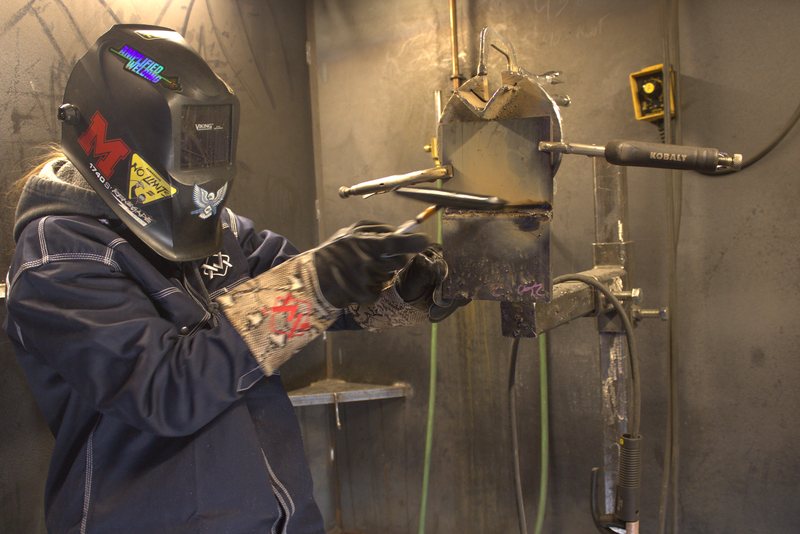
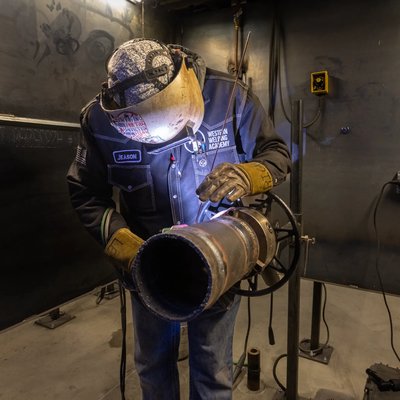
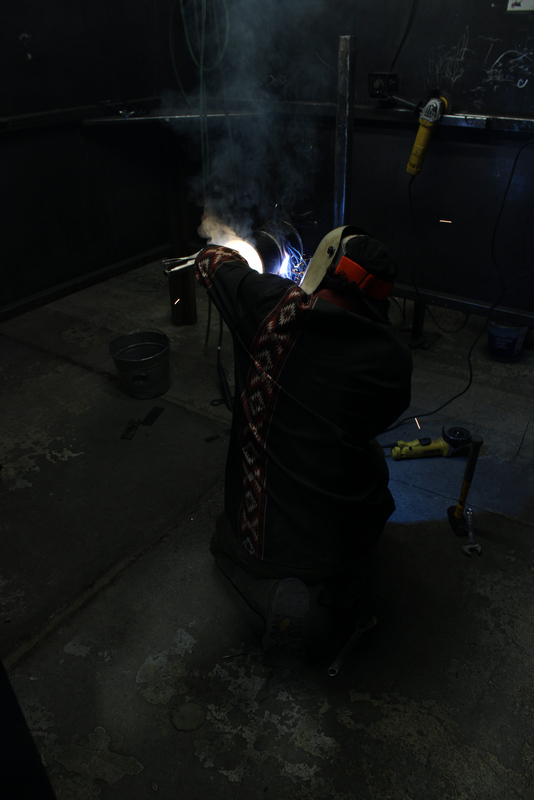
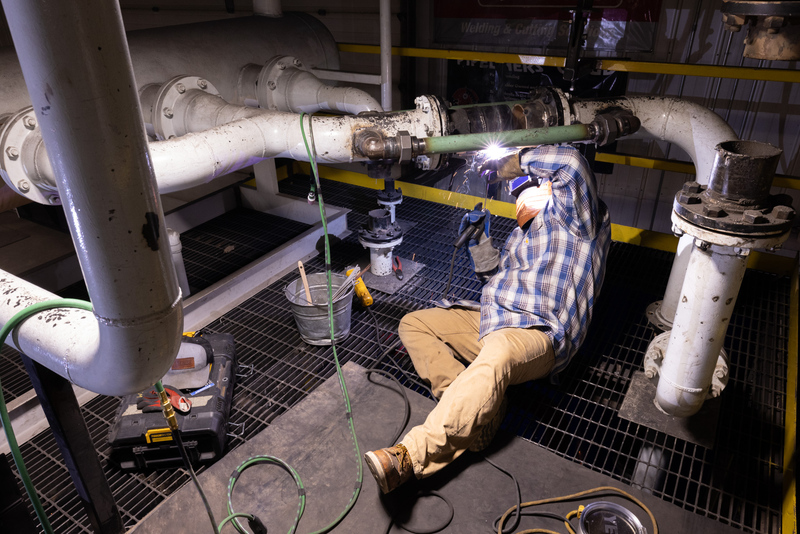
Body position and stability determine consistency across afull joint. Good body position means being comfortable, braced, and sustainablefor the entire weld. When this technique fails, the symptoms are wandering arc,inconsistent bead, and fatigue-related defects. The root cause is poor boothhabits and no regular practice in difficult positions. Overhead and verticalwelding expose body position gaps that flat work never reveals.
How Technique Gaps Show Up on a Weld Test
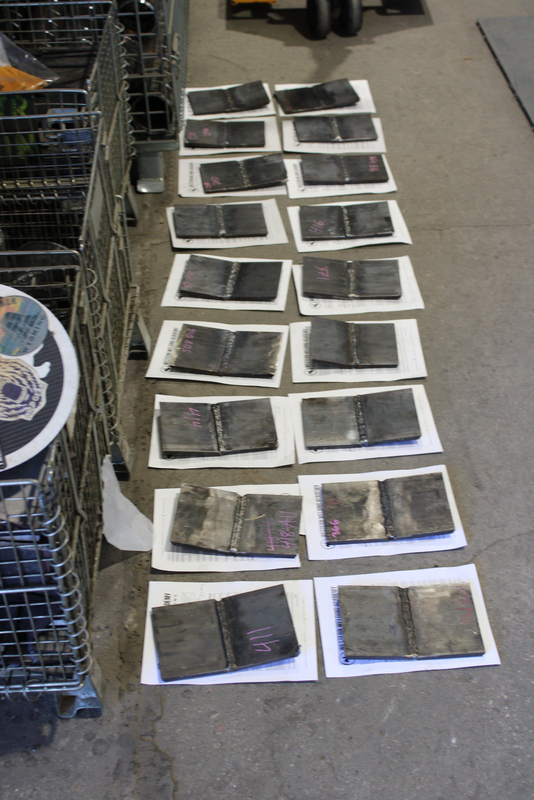
Every technique gap produces a specific defect that a weldinspector can identify. Porosity appears as scattered gas pockets in aradiograph or bend test and traces back to arc length being too long orcontamination in the weld zone. Undercut appears as a groove melted into thebase metal along the weld toe and traces back to travel speed being too fast,wrong electrode angle, or excessive heat input.
Lack of fusion appears when the bond line is visible in abend test and the weld separates from the base metal. The cause is travel speedtoo fast, insufficient heat, or wrong angle. Slag inclusion appears as darkspots in a radiograph and traces back to inadequate slag removal between passesor wrong electrode angle allowing slag to run ahead of the puddle.
Excessive reinforcement means the weld cap is too high andfails the visual profile check. The cause is travel speed too slow or too muchfiller. Burn-through is a hole through the base metal caused by too much heator too slow travel on thin material. Incomplete penetration means the root passdid not fuse through to the backside, caused by insufficient heat, wrong rootopening, or poor fit-up. Each defect points directly to the technique thatneeds work. Learn how a basicwelding course rebuilds these fundamentals.
Know whichtechnique gap is holding you back? Call Western Welding Academy at(307) 284-5313 or applynow to fix it in 12 to 24 weeks.
Technique Gaps by Position
Different welding positions expose different techniqueweaknesses. A welder with solid flat-position technique may have severe gaps inoverhead or vertical. Flat position (1G) is the easiest. Gravity assists thepuddle. It is rarely a gap for experienced welders. Horizontal position (2G)introduces puddle sag to the bottom of the joint. The common gap is undercut onthe top toe and excess buildup on the bottom.
Vertical up (3G) is where many working welders start tostruggle. The puddle runs downhill against your travel direction. The commongap is travel speed control and weave pattern timing. Welders who only practiceflat and horizontal do not develop the rhythm that vertical requires. Overhead(4G) is the hardest plate position. Gravity pulls the puddle away from thejoint. The common gaps are arc length control, body position, and endurance.Most welders cannot hold consistent quality overhead for 30 minutes withoutfocused practice.
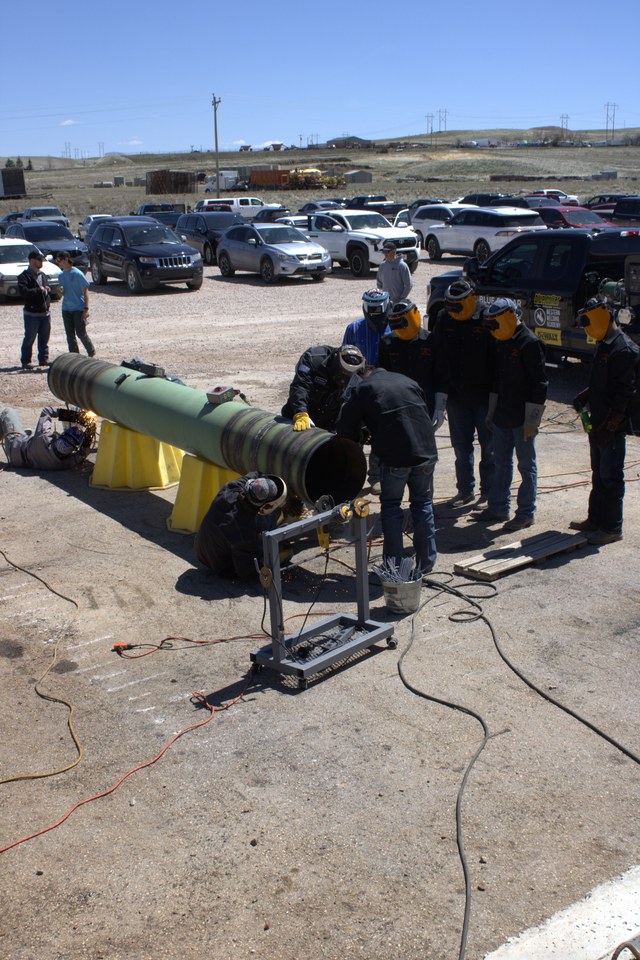
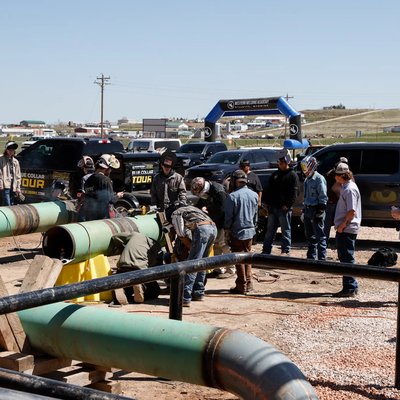
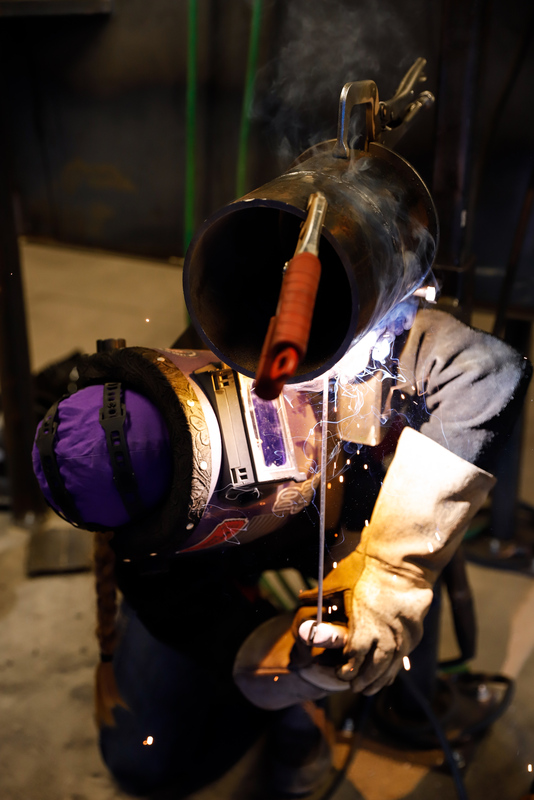
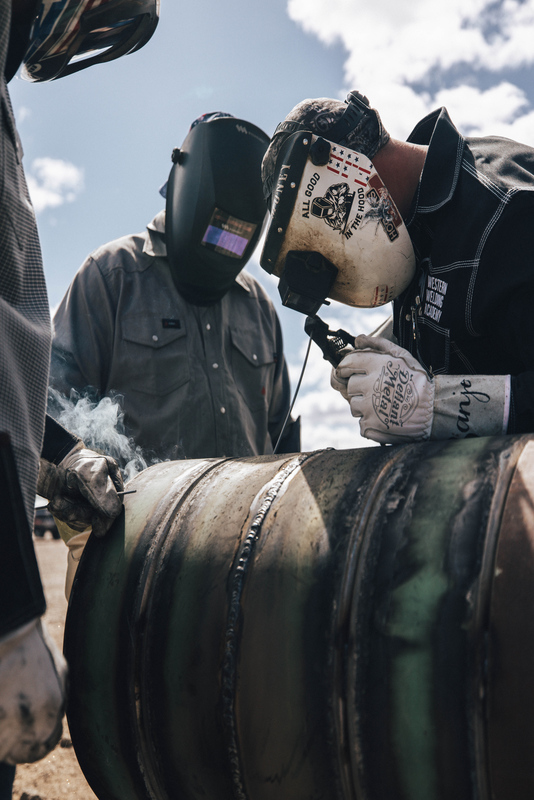
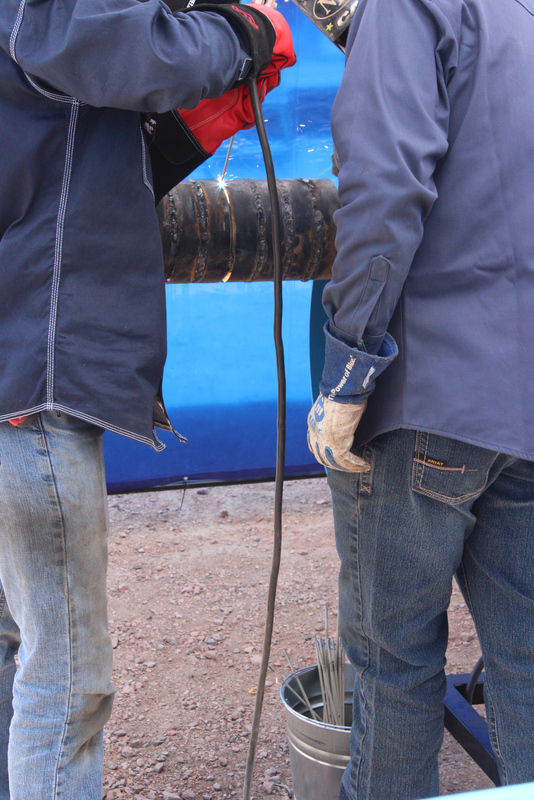
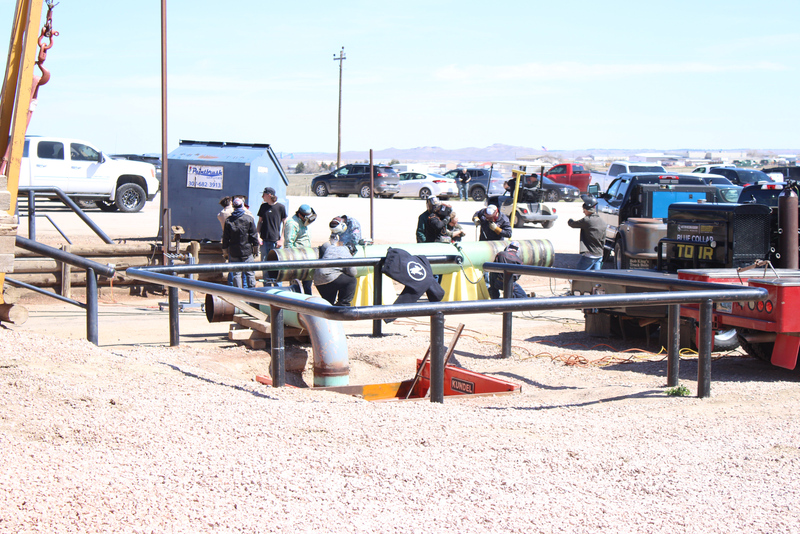
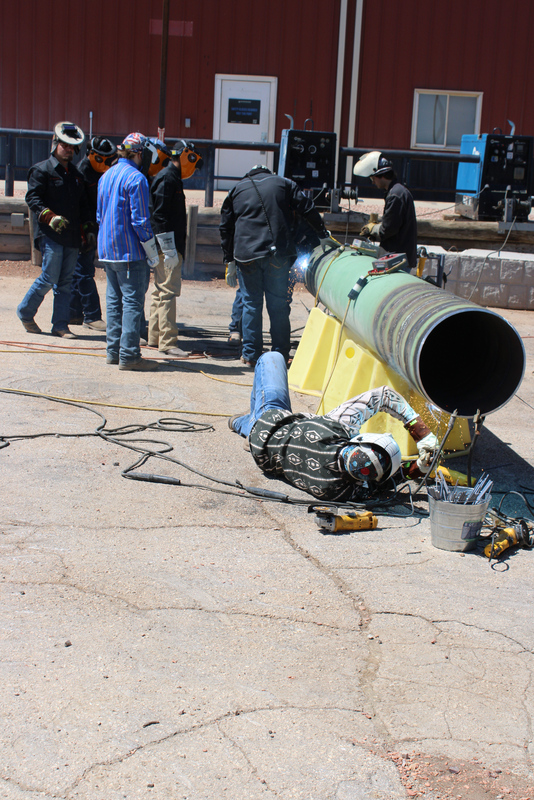
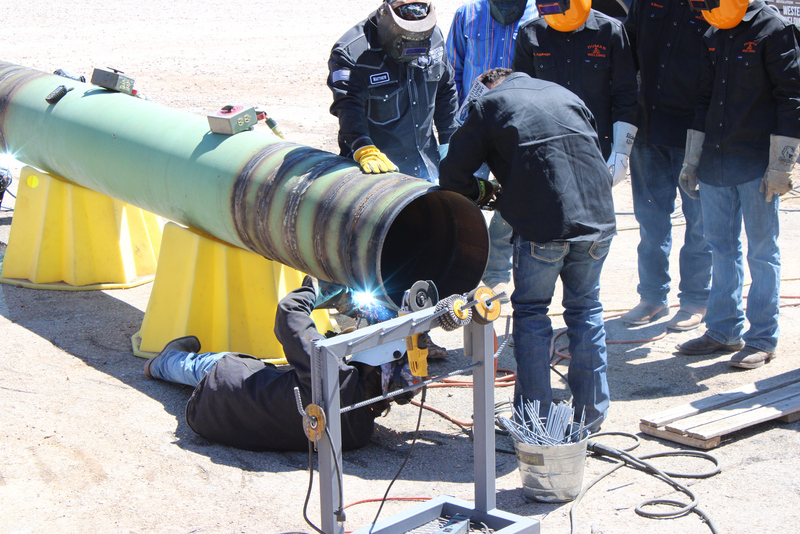
Pipe positions multiply the difficulty. 5G is all positionsin one joint with no rotation. The common gap is transition technique betweenpositions as you work around the pipe. 6G is a 45-degree fixed pipe thatcombines every position simultaneously. The 6G position is the ultimatetechnique diagnostic. If you can pass 6G, your technique is solid in everyposition. If you fail, the failure point tells you exactly which technique gapto fix.
How to Fix Technique Gaps
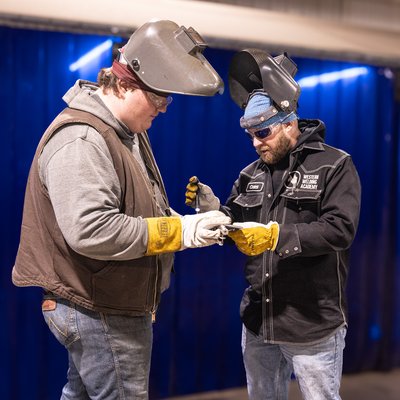
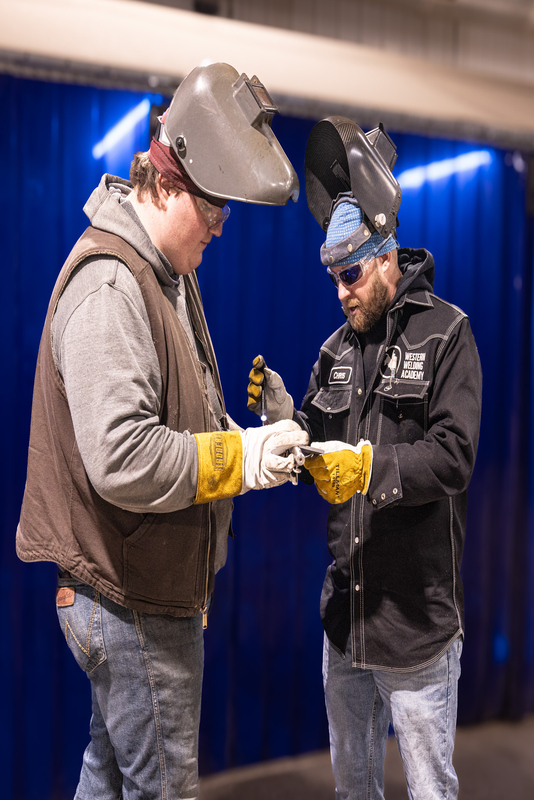
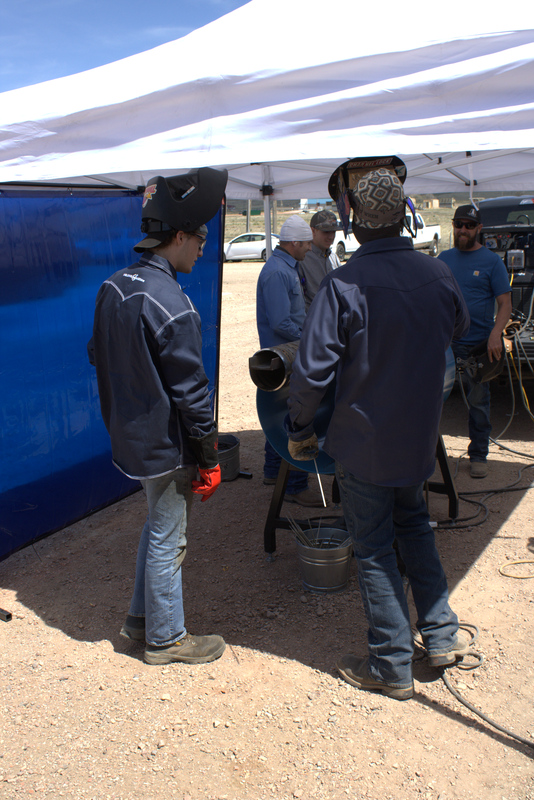
Technique gaps are fixed through deliberate, focusedrepetition in the booth. Not by watching videos. Not by reading about it. Youhave to weld the specific technique in the specific position where the gapexists, under the eye of an instructor who can see what you cannot feel. Thatis why refreshercourses with high booth time produce results that self-study cannot match.
The FoundationalPipe Welder program at WesternWelding Academy rebuilds every SMAW technique from the ground up across allpipe positions in 12 weeks at $17,050. The ProfessionalPipe Welder adds GTAW in 19 weeks at $27,600. The ExpertPipe Welder trains through 6G certification readiness in 24 weeks at$35,800. The AdvancedStructural Welding program covers plate and structural steel for AWS D1.1in 12 weeks at $25,800. All programs include all-inclusive tuition, testing atthe #1 AWS Accredited Testing Facility, and lifetime retraining.
The instructors bring 330 combined years of fieldexperience. They have seen every technique gap and know how to fix each one.Lifetime retraining means that technique gaps that develop after years in thefield are always fixable with a focused return to the booth at no additionalcost.
What Graduates Earn After Fixing Their Technique Gaps
The numbers below come from verified Western Welding Academygraduate records. These are real paychecks from welders who closed theirtechnique gaps through focused retraining.
Leyton Wagner earns $4,514 per paycheck as a verifiedWestern Welding Academy graduate. His paycheck is published on the WesternWelding Academy website. That single check exceeds what many MIG-onlyproduction welders earn in a month.
Gavin Walden earns $3,986 per paycheck. His verifiedearnings confirm that the $3,500 to $4,500 per-check range is a consistentoutcome for graduates who closed their gaps and entered pipe welding with fullcertifications. See the full breakdown of whatpipe welders actually earn after graduation.
David Smolek earns $3,417 per paycheck. Even at the lowerend of the verified range, his biweekly earnings translate to roughly $88,000per year. That is a $38,000 annual jump over the $50,000 a typical MIGproduction welder earns.
Noah clears $2,800 per week welding on the North Slope inAlaska. Pipeline and remote location premiums push earnings higher forgraduates willing to travel.
Hank reached $150,000 per year by age 21. He completed theExpert Pipe Welder program, earned his certifications, and entered theworkforce with every technique gap closed and every credential in place.
Fix the technique.Pass the test. Get the pay. Call Western Welding Academy at(307) 284-5313 or applynow to start.
Frequently Asked Questions
Q1. What is a welding technique skill gap?
A welding technique skill gap is a motor skill deficiency ina core technique such as arc length control, travel speed, or electrode angle.It produces specific weld defects and causes certification test failures. It isnot a knowledge gap. You may know the correct technique but be unable toexecute it consistently.
Q2. How do I know which technique gap I have?
Attempt a weld test at the next certification level. Thedefect the inspector identifies points directly to the technique that needswork. A 6G pipe test is the ultimate diagnostic because it exposes everytechnique gap simultaneously in a single weld joint.
Q3. Can technique gaps be fixed in experienced welders?
Yes. Technique is muscle memory. With focused booth time anddirect instructor correction, gaps close in weeks, not months. Twelve weeks offull-time training at Western Welding Academy delivers over 480 booth hours,which is enough to rebuild SMAW technique in all positions.
Q4. How much booth time does it take to fix a techniquegap?
It depends on the gap. A single-technique gap like arclength control may close in a few weeks of focused practice. A multi-positiongap across SMAW and GTAW requires the full 24-week Expert program. The 85%booth time at Western Welding Academy means you get 40 hours per week ofhands-on correction.
Q5. What is lifetime retraining?
Every Western Welding Academy graduate can return andretrain at no additional tuition cost. If technique gaps develop after years inthe field, you come back to campus and train again for free. No other pipewelding school offers this benefit. It is the only ongoing skills maintenanceprogram in the trade school space.
Q6. What makes Western Welding Academy different fromother welding schools?
Western Welding Academy delivers 85% booth time,all-inclusive tuition covering housing, tools, and materials, lifetimeretraining for every graduate, 330 combined years of instructor pipelineexperience, and a 94% hire rate within 90 days verified by a 234-alumni survey.It is the #1 AWS Accredited Testing Facility in the country.
Close Every Technique Gap and Earn What Your Skills Deserve
Every technique gap has a fix. The fix is focused booth timewith experienced instructors who can see what you cannot feel. Western Welding Academycloses those gaps in 12 to 24 weeks. Call Western Welding Academy at(307) 284-5313 or applynow to fix the technique, pass the test, and get the pay.
.jpg)
.jpg)


.jpg)
.jpg)
.jpg)
.jpg)
.jpg)
-thumbnail.jpg)

.jpg)