Pipeline Welding: Highest Pay, Most Travel
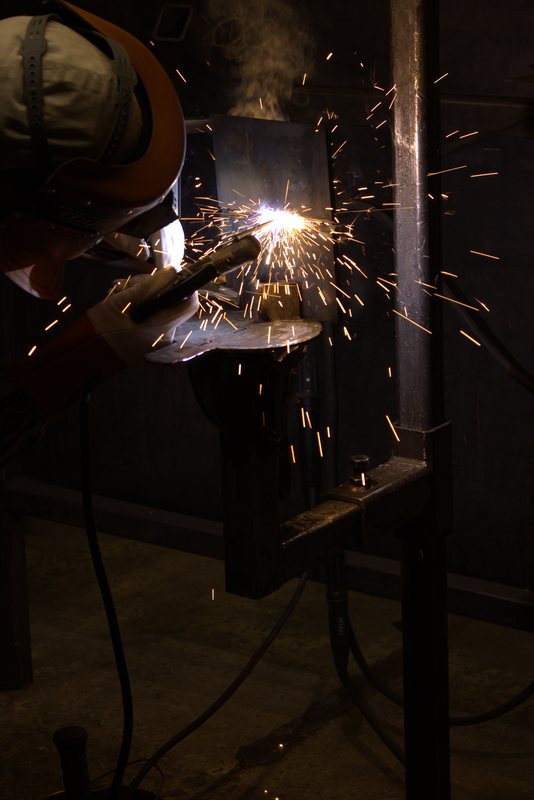
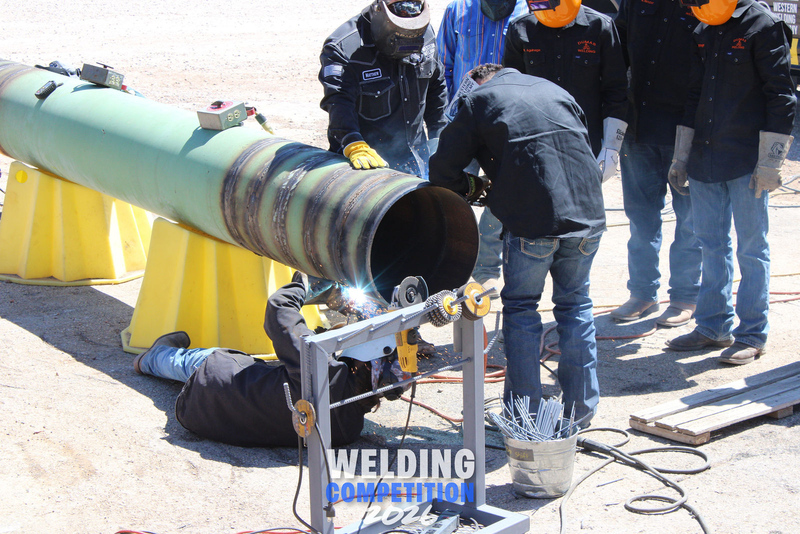
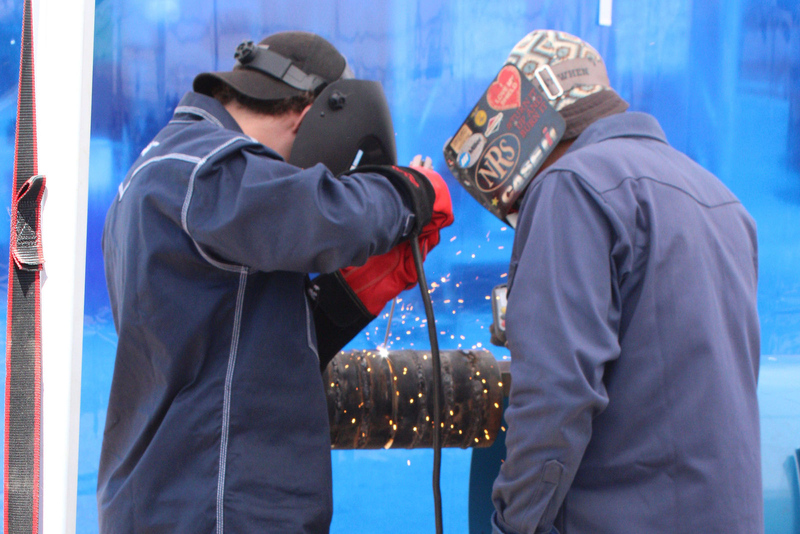
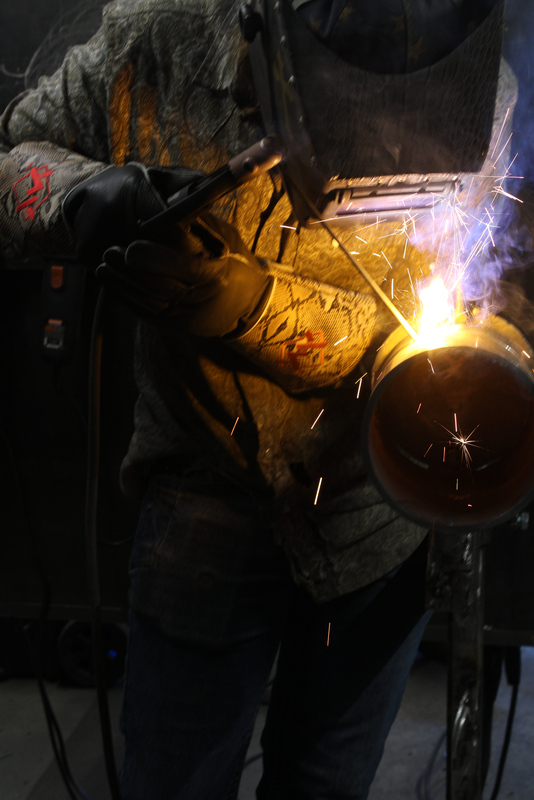
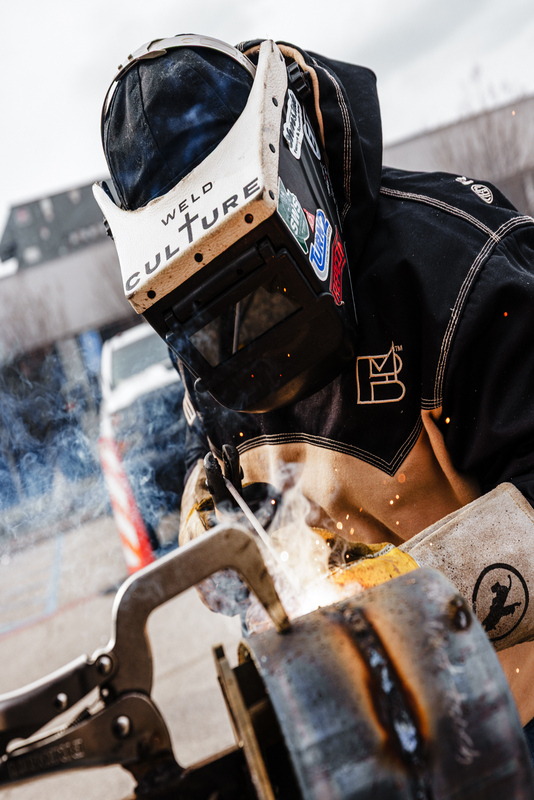
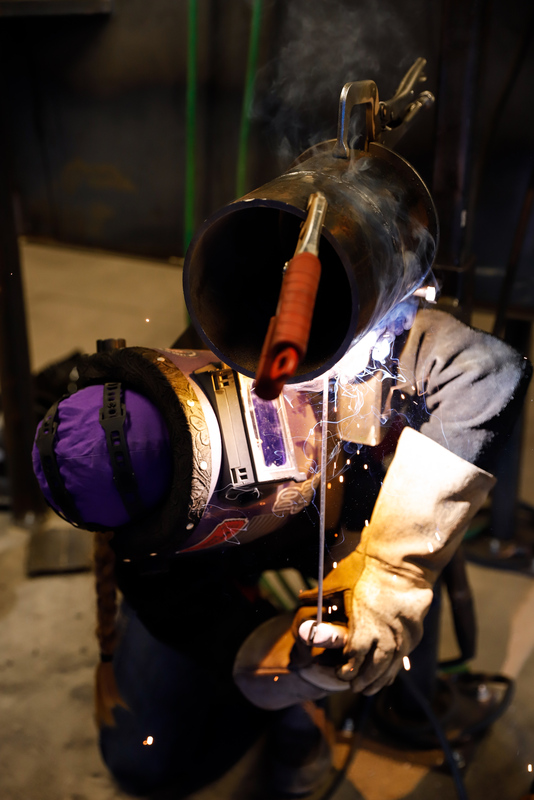
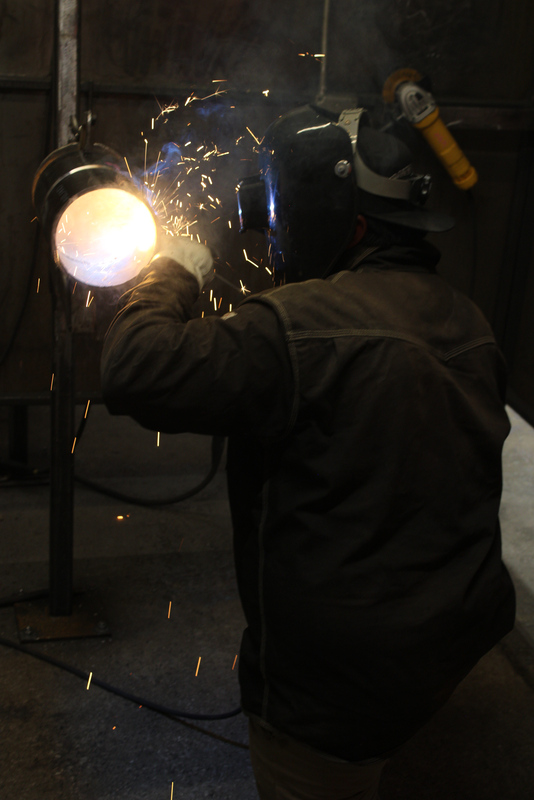
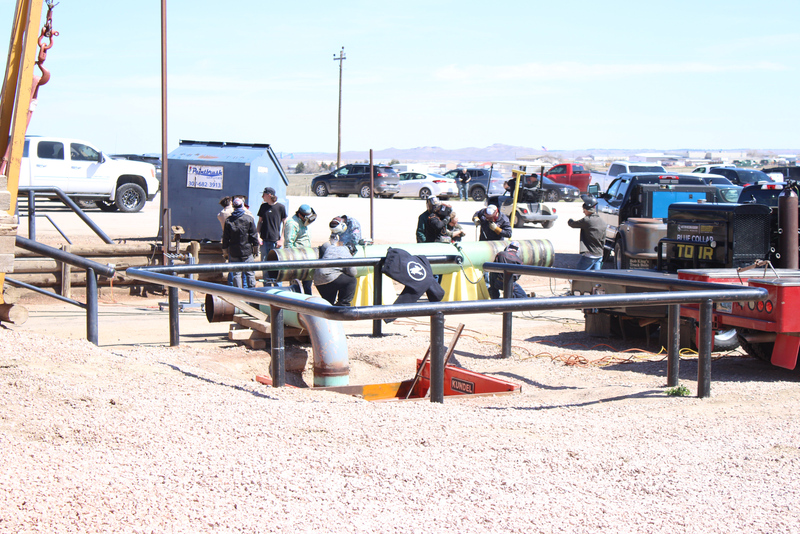
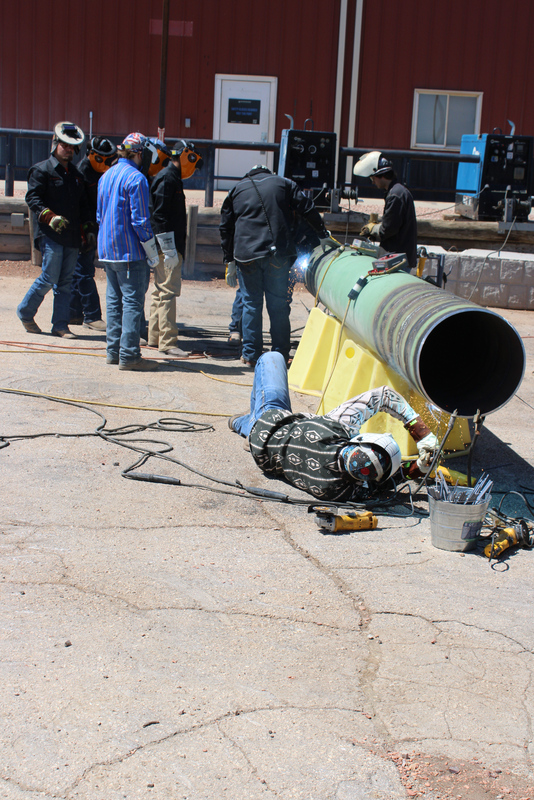
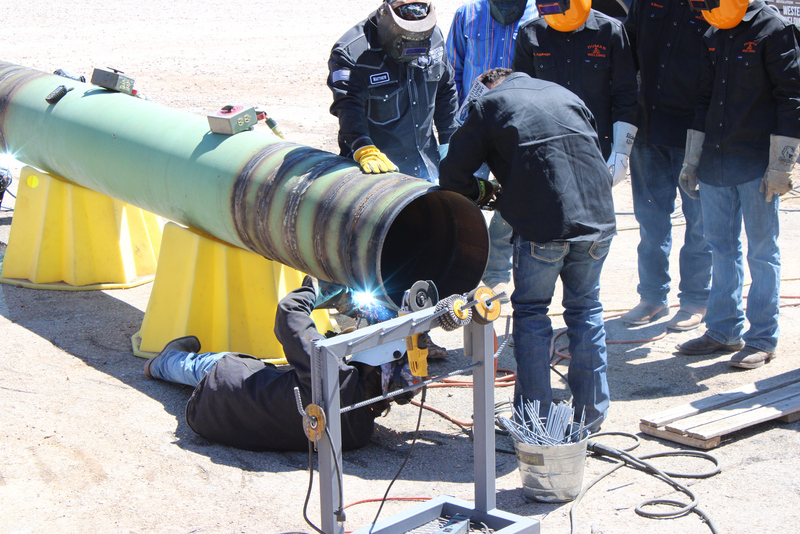
Pipeline welding is cross-country work. You weld transmission lines for oil, gas, and water across states and sometimes across entire regions. The work follows the project. When a 200-mile pipeline gets approved, crews mobilize to the starting point and move forward as the line progresses. That can mean 6 to 12 weeks in Wyoming, then 8 weeks in West Texas, then a shutdown in Pennsylvania. The work hours are heavy: 50 to 84 hours per week during peak construction season. The pay reflects the demands. Pipeline welders earn $80,000 to $150,000 or more per year with overtime and travel premiums. Read more about six-figure pipeline welding careers after graduation.
The certification that opens pipeline work is API 1104 combined with a 6G position test. These are the qualifications that cross-country pipeline contractors screen for first. Without API 1104, you cannot weld on most transmission pipeline projects. The Expert Pipe Welder program at Western Welding Academy is the only program that includes API 1104 preparation. It runs 24 weeks at $35,800 all-inclusive.
Pipeline welding is the right career for someone who is young, single, or willing to travel extensively for the highest possible pay. It is the path that Hank took to reach $150,000 per year by age 21. It is the path that Noah took to $2,800 per week on the North Slope. The money is real. The lifestyle requires commitment.
Refinery Welding: Strong Pay, Cyclical Travel
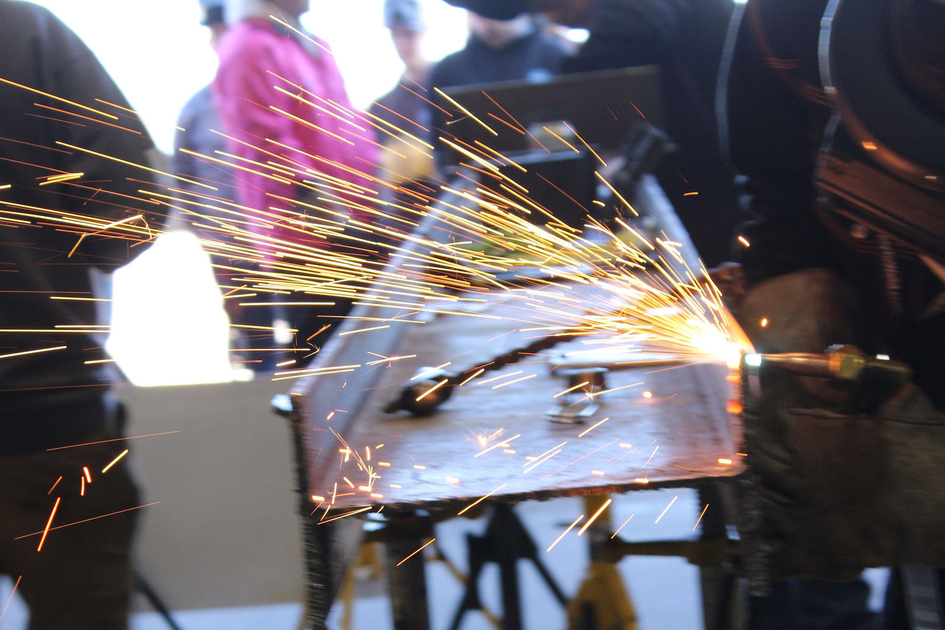
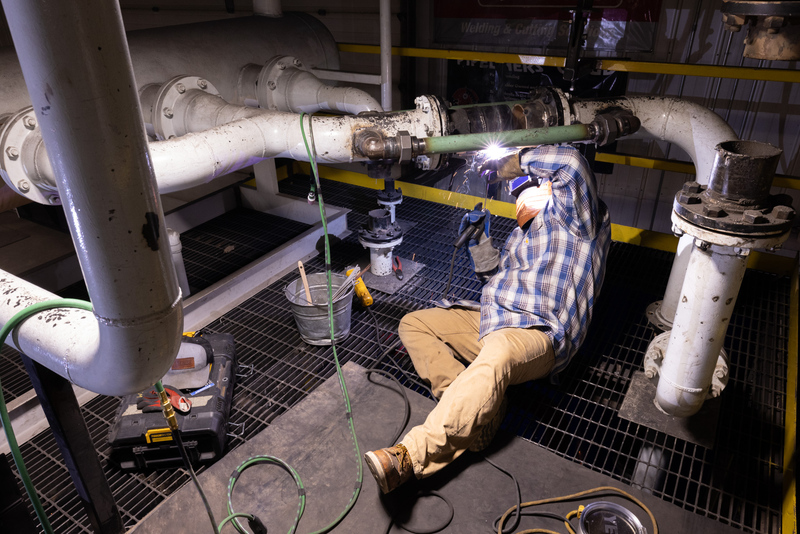
Refinery welding is shutdown and turnaround work. Refineries, power plants, and petrochemical facilities shut down periodically for maintenance, upgrades, and regulatory inspections. During these shutdowns (called turnarounds), large crews of pipe welders are brought in to replace, repair, and install pressure piping, heat exchangers, and vessel components. The work is intense: 12 to 14 hour days for 14 to 21 days straight, followed by time off until the next shutdown cycle.
Refinery welders earn $60,000 to $125,000 per year depending on how many shutdown cycles they work. The work is more predictable than pipeline because shutdowns are scheduled months in advance. You know when the work is coming and can plan around it. The travel is moderate: you may work at a refinery 200 miles from home for two weeks, then come home for a week before the next turnaround. See what a $4,514 paycheck proves about certification pay in refinery and pipeline work.
The certification that opens refinery work is ASME Section IX. It covers pressure vessels, boilers, and pressure piping. The Professional Pipe Welder program includes ASME Section IX preparation in 19 weeks at $27,600. The Expert program also covers ASME IX alongside API 1104, which means Expert graduates can work both pipeline and refinery jobs.
Refinery welding is the right career for someone who wants strong pay with more predictable scheduling than pipeline work. It suits welders with families who want high income without being away from home for months at a time.
Structural Welding: Stable Schedule, Lower Ceiling
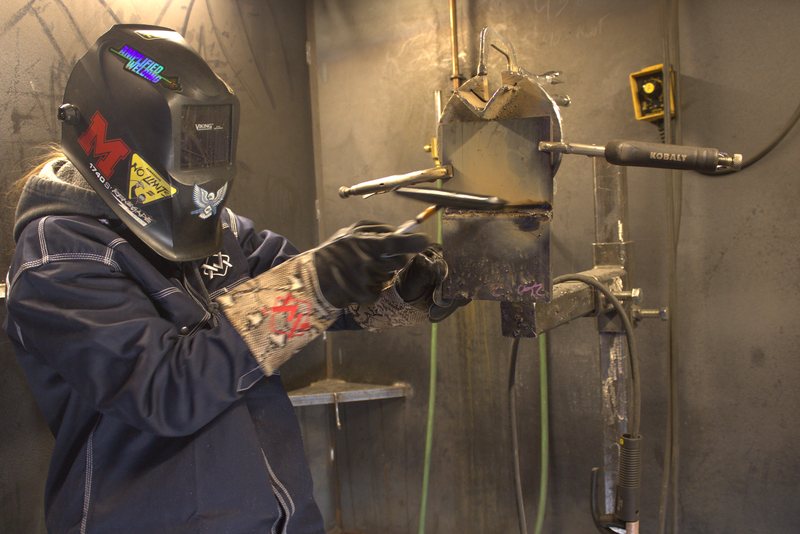
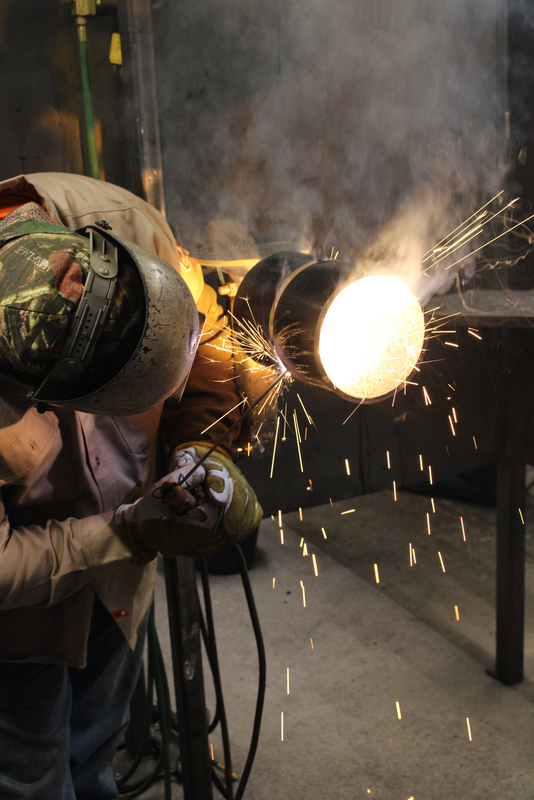
Structural welding covers buildings, bridges, steel erection, and heavy equipment fabrication. The work happens on construction sites or in fabrication shops. The schedule is the most predictable of the three paths: 40 to 50 hour weeks with many positions allowing the welder to go home nightly. The travel requirement is low to moderate depending on the employer and region. Learn more about SMAW pipe welding and certification prep that supports structural work.
Structural welders earn $40,000 to $70,000 per year. The ceiling is lower than pipeline or refinery because the work is less code-critical and the liability is lower. The certification for structural work is AWS D1.1. The Foundational Pipe Welder and the Advanced Structural Welding programs prepare students for AWS D1.1 work. The Foundational runs 12 weeks at $17,050. The Advanced Structural runs 12 weeks at $25,800.
Structural welding is the right career for someone who values stability, home time, and a predictable routine over maximum pay. It is also the most common entry point for welders who plan to upgrade to refinery or pipeline work later after building field experience.
Know where you want to work. Pick the program that gets you there. Call Western Welding Academy at (307) 284-5313 or apply now to choose your path.
How to Decide Which Path Is Right for You
The decision comes down to what you are willing to trade. If you want the highest pay and are willing to travel extensively and work long hours, pipeline is the path. If you want strong pay with cyclical travel and some home time between shutdowns, refinery is the path. If you want a stable schedule and go home most nights even if it means a lower ceiling, structural is the path.
Many welders start in one path and move to another as their life changes. A 22-year-old might start on the pipeline for maximum income, switch to refinery work at 30 when they start a family, and move to structural or shop work at 45 when they want a predictable schedule. The Expert program opens all three paths because it covers API 1104 (pipeline), ASME IX (refinery), and AWS D1.1 (structural). The Professional opens refinery and structural. The Foundational opens structural.
What Each Path Pays in Verified Earnings
The numbers below come from verified Western Welding Academy graduate records. All verified paychecks are from pipeline and refinery work, which is where the Expert certification stack produces the highest returns. See the full breakdown of what pipe welders actually earn after graduation.
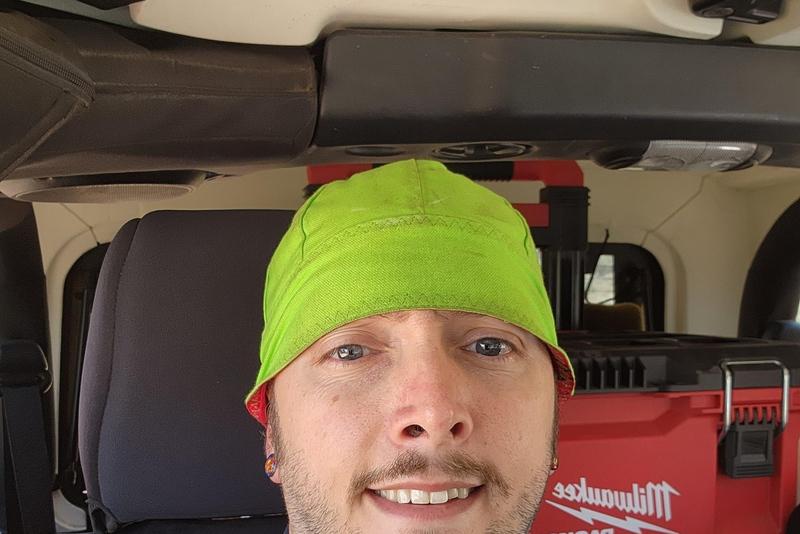
Leyton Wagner earns $4,514 per paycheck on pipeline work. Gavin Walden earns $3,986 per paycheck. David Smolek earns $3,417 per paycheck. These are Expert program graduates working in the highest-paying sector. Noah clears $2,800 per week on the North Slope in Alaska, where pipeline and remote location premiums stack.
Hank reached $150,000 per year by age 21 on pipeline work. These are the top-tier outcomes available to graduates who choose the pipeline path with the Expert certification stack. Refinery work produces strong earnings in the $60,000 to $125,000 range. Structural work starts at $40,000 to $70,000 with room to grow through specialization and union membership.
Choose your career path. Call Western Welding Academy at (307) 284-5313 or apply now to start training for the work you want.
Frequently Asked Questions
Q1. Which type of welding pays the most?
Pipeline welding. Expert Pipe Welder graduates earn $80,000 to $150,000+ per year with overtime and travel premiums. Pipeline pays more than refinery and structural because of the travel demands, long hours, and code-critical liability.
Q2. Which type of welding has the best work-life balance?
Structural welding. The schedule is typically 40 to 50 hours per week with many positions allowing the welder to go home nightly. The pay ceiling is lower ($40,000 to $70,000) but the lifestyle is the most predictable.
Q3. Can you switch between pipeline, refinery, and structural work?
Yes. Many welders start on the pipeline for maximum income and transition to refinery or structural work as their life changes. The Expert program opens all three paths with API 1104, ASME IX, and AWS D1.1 certification readiness.
Q4. Which program do I need for pipeline work?
The Expert Pipe Welder program. It is the only program that includes API 1104 preparation, which is required for most cross-country pipeline projects. It runs 24 weeks at $35,800 all-inclusive.
Q5. What certification do refinery welders need?
ASME Section IX. The Professional Pipe Welder program prepares for ASME IX in 19 weeks at $27,600. The Expert program also covers ASME IX alongside API 1104.
Q6. What makes Western Welding Academy different from other welding schools?
Western Welding Academy delivers 85% booth time, all-inclusive tuition covering housing, tools, and materials, lifetime retraining for every graduate, 330 combined years of instructor pipeline experience, and a 94% hire rate within 90 days verified by a 234-alumni survey. It is the #1 AWS Accredited Testing Facility in the country.
Choose the Career That Fits Your Life
Pipeline for maximum pay. Refinery for strong pay with moderate travel. Structural for stability and home time. Each career path maps to a specific program at Western Welding Academy. Call Western Welding Academy at (307) 284-5313 or apply now to pick the path that matches your goals.


.jpg)


.jpg)


.jpg)
.jpg)
.jpg)
.jpg)
.jpg)
-thumbnail.jpg)

.jpg)