The Six Military Skills That Transfer Directly to Pipeline Welding
Discipline under pressure is the first and most valuable transfer. A code-critical pipe weld on a live pipeline is not a casual task. One defect can cause a failure that shuts down a project, injures a crew member, or causes an environmental disaster. The ability to maintain focus and execute a procedure correctly under pressure is a military skill that civilian students develop over weeks or months of training. Veterans walk in with it.
Chain of command familiarity is the second transfer. Pipeline job sites run on a clear hierarchy: project manager, superintendent, foreman, journeyman, helper. Veterans understand this structure instinctively. They do not need to be told twice who is in charge. They do not push back on direction from someone with more experience. They execute. This is the trait that makes foremen prefer veterans over other new hires.
Travel and relocation willingness is the third transfer. Military service teaches you to go where the mission sends you. Pipeline work operates the same way. The job is in Wyoming this month, North Dakota next month, and Texas after that. Veterans do not hesitate when a job requires relocation because relocation is how the military operates. This single trait accelerates hiring timelines significantly. Learn about how long after welding school before you get hired.
Why Pipeline Foremen Prefer Hiring Veterans
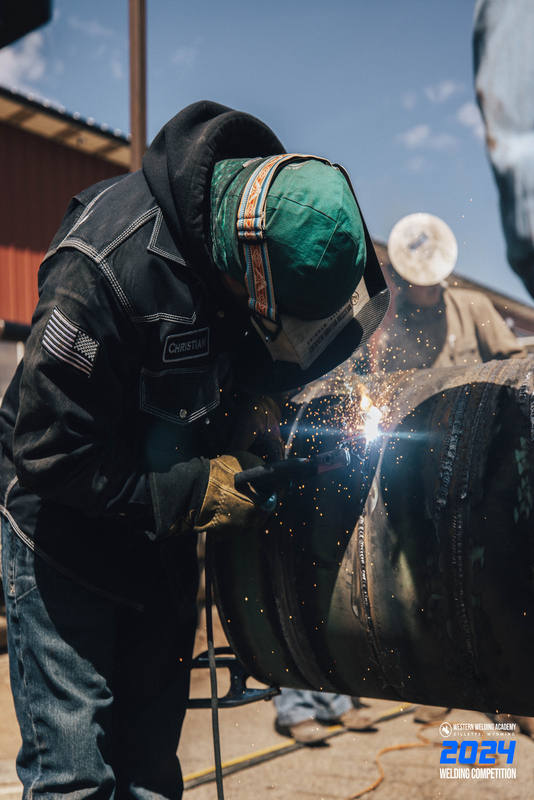
Tolerance for extreme conditions is the fourth transfer. Pipeline welding happens in heat, cold, rain, wind, confined spaces, and at elevation. Military service conditions you for every one of these environments. A veteran who served in the desert or in northern latitudes has already proven they can perform physical work in the worst conditions the job will throw at them. Civilian hires from desk jobs often struggle with the first two weeks of field conditions. Veterans do not.
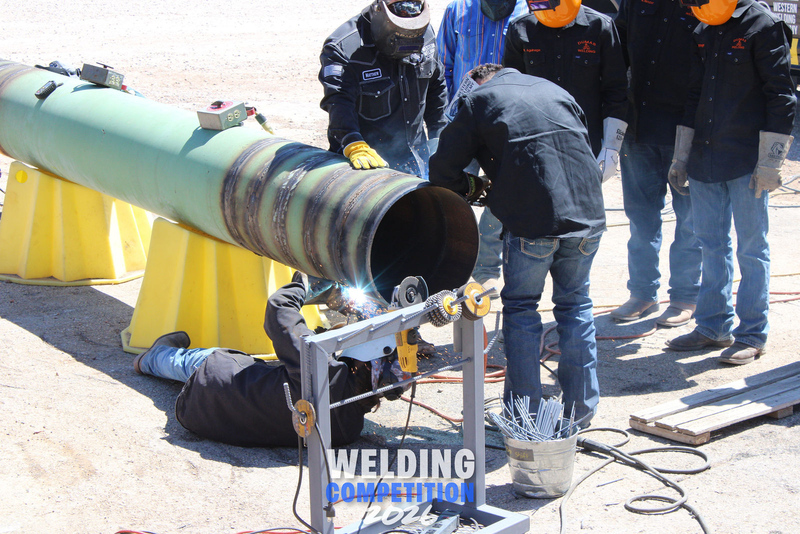
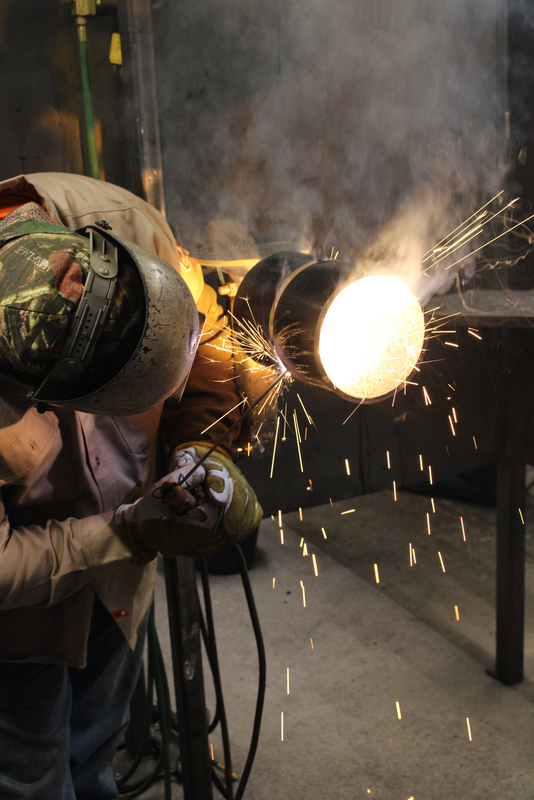
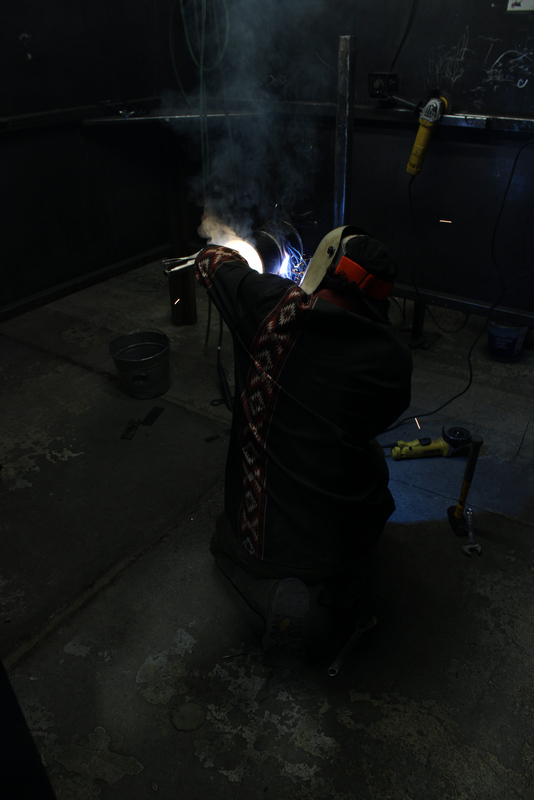
Physical endurance is the fifth transfer. Ten-hour booth days during training and ten-hour field days on the pipeline require sustained physical output. Military service builds this endurance over years. Veterans arrive at Western Welding Academy physically conditioned for the workload. They do not need a ramp-up period. They handle 40-hour booth weeks from day one because their bodies are already trained for sustained effort.
Mission focus is the sixth and most important transfer. In the military, you complete the mission. In pipe welding, you complete the weld and pass the test. The mindset is identical. Veterans approach certification testing with the same focus they brought to their military qualifications. Pass the test. Move to the next objective. This trait produces higher completion rates and faster certification passes. Learn what employers actually look for when hiring new welders.
| Military Skill | How It Transfers to Pipeline | Why Employers Value It |
|---|---|---|
| Discipline Under Pressure | Code-critical welds require focus | Fewer failed tests, faster cert |
| Following Chain of Command | Crew hierarchy on job sites | No ego, takes direction clean |
| Travel and Relocation | Pipeline work moves with the project | Fills jobs others refuse |
| Extreme Conditions | Heat, cold, confined spaces, heights | Zero complaints, full shifts |
| Physical Endurance | 10-hour booth/field days | Consistent output, low injury risk |
| Mission Focus | Complete the weld, pass the test | Highest completion and hire rates |
Your service built the skills. This training builds the career. Call Western Welding Academy at (307) 284-5313 or apply now to start.
How Welding School Works for Veterans
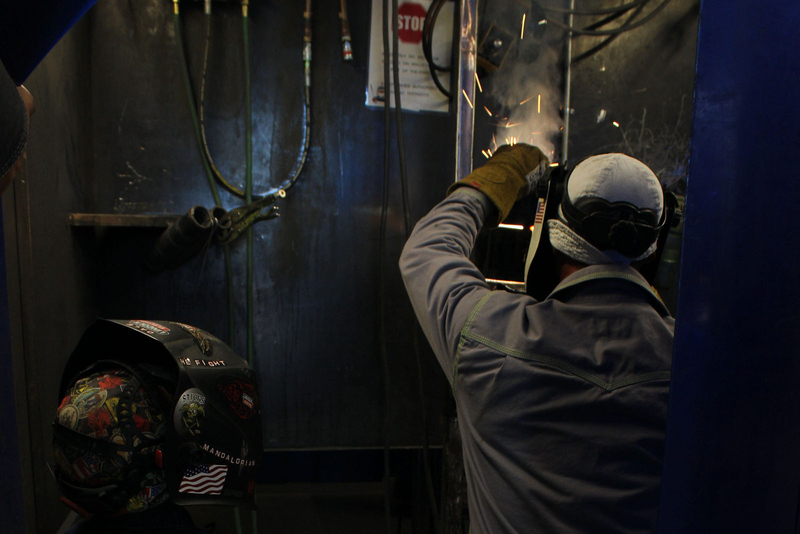
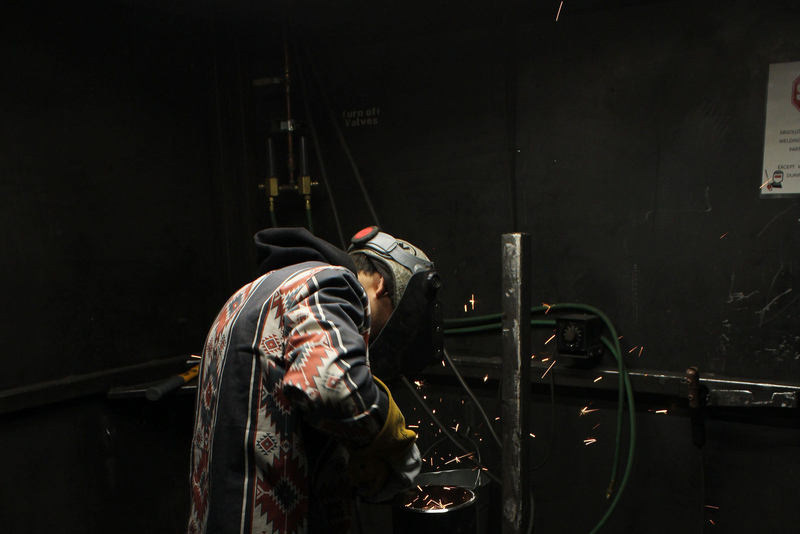
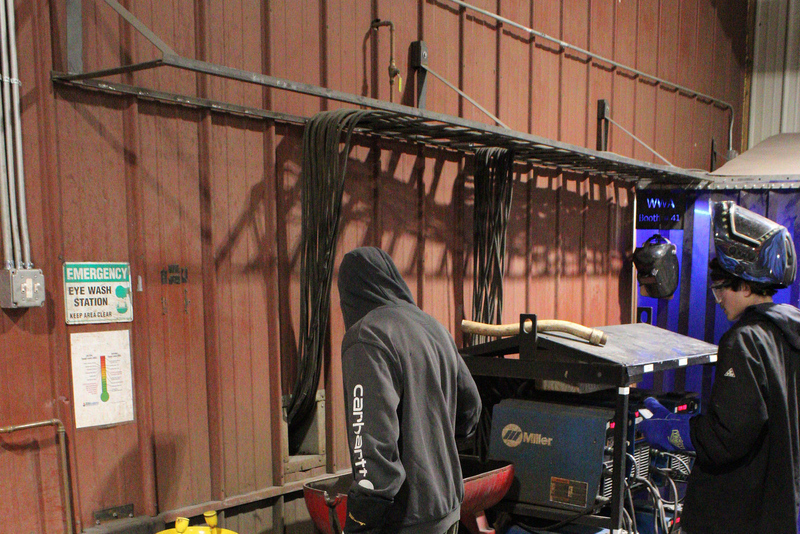
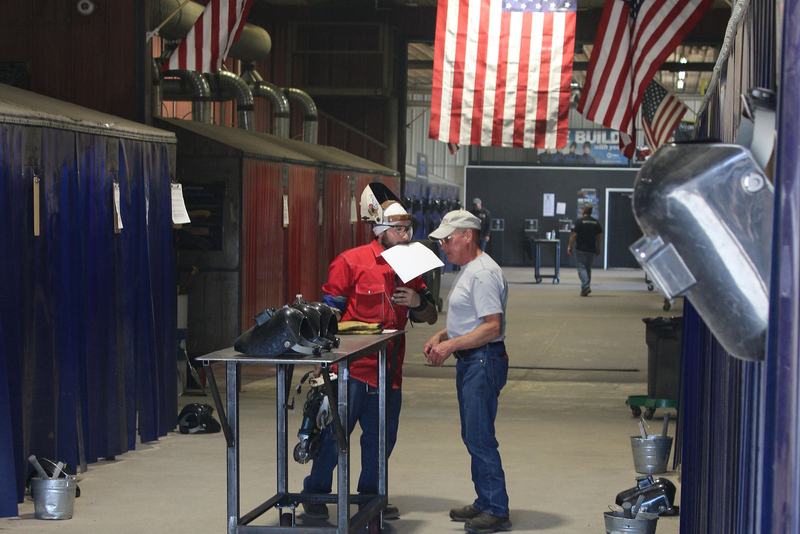
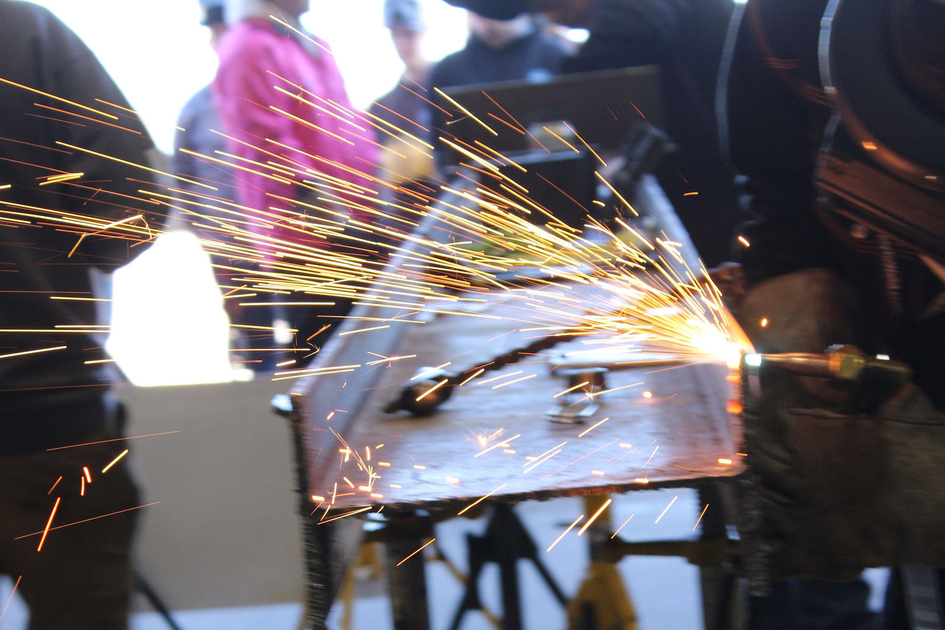
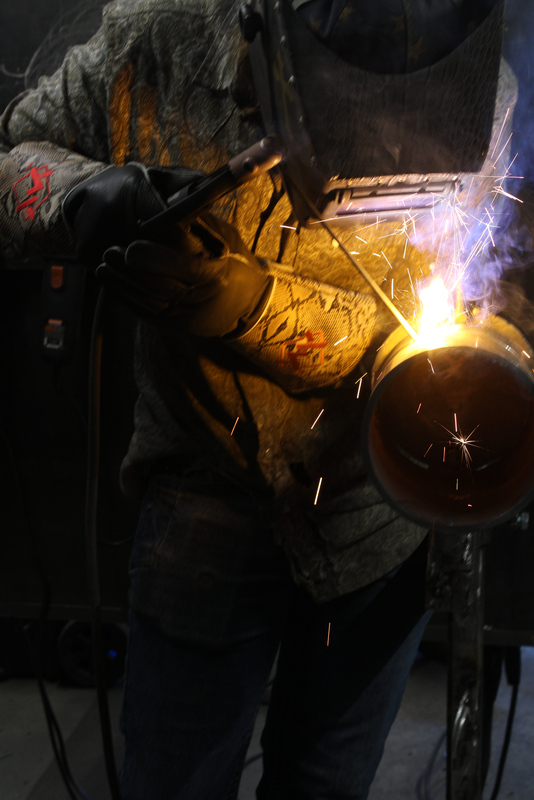
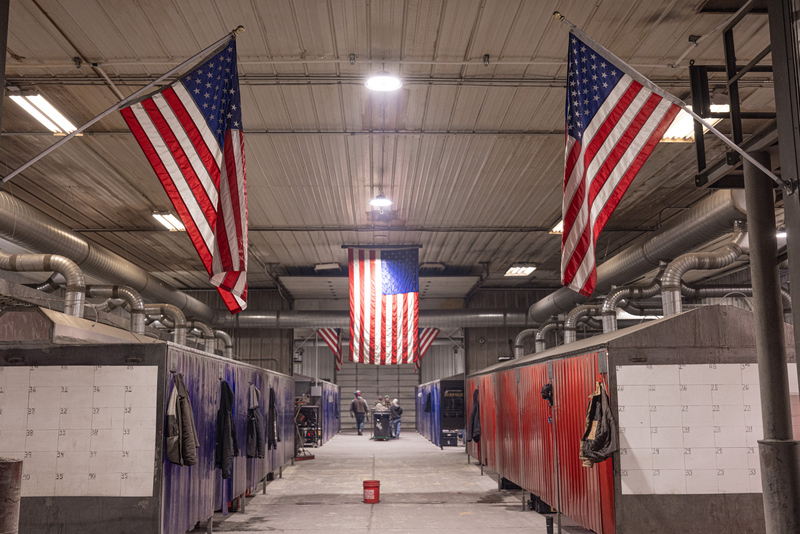
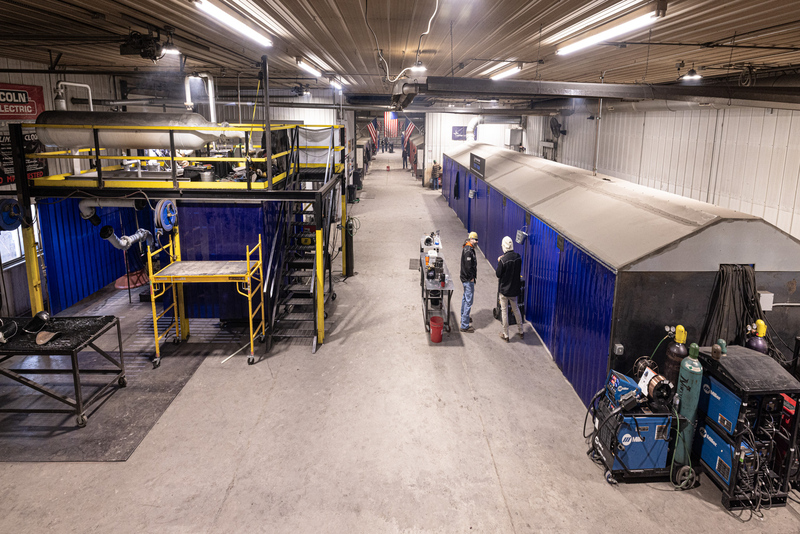
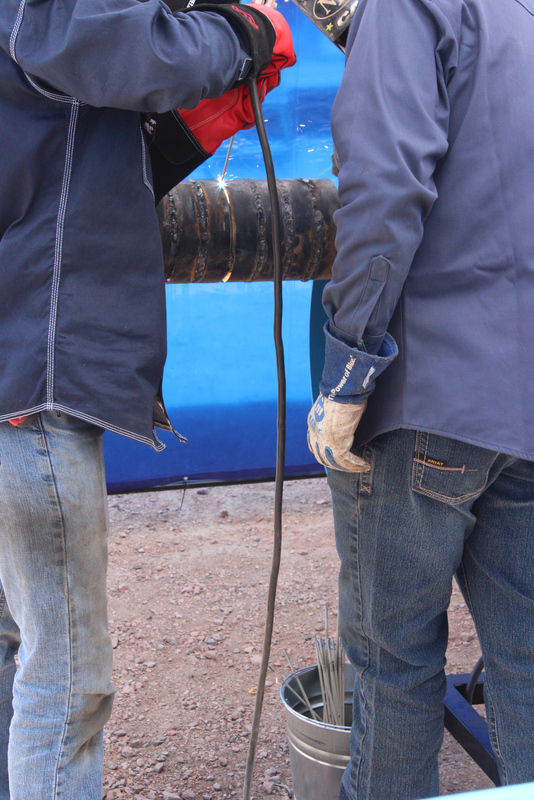
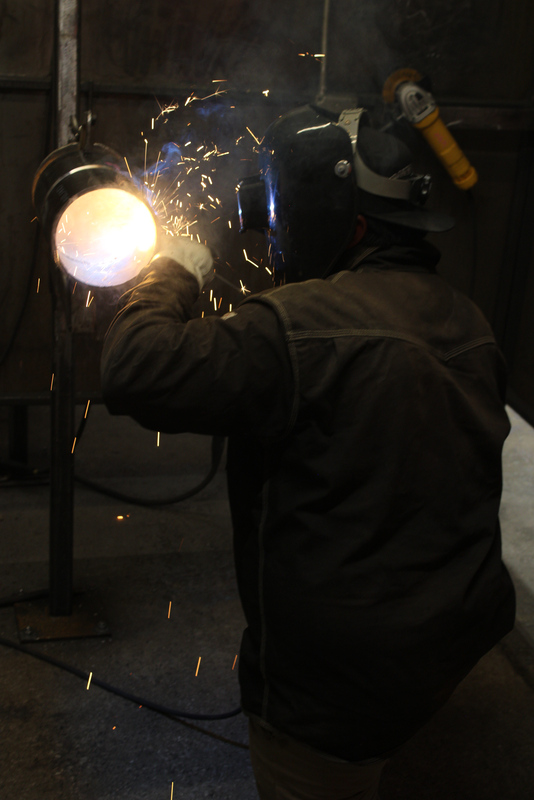
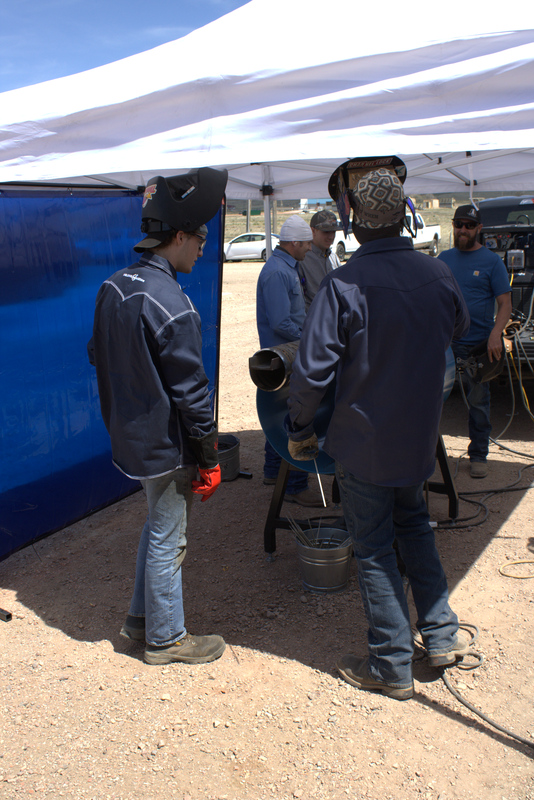
The daily structure at Western Welding Academy feels closer to military training than to a college campus. Students report at 7 a.m. Training runs until 5 p.m. The schedule is Monday through Friday, 40 hours per week, 85% in the welding booth. There are no electives. No general education requirements. No group projects. You weld, you learn, you test, and you leave with certifications. The focus is narrow and the execution standard is high. This is the environment veterans perform best in.
The Expert Pipe Welder program runs 24 weeks at $35,800. The Foundational Pipe Welder runs 12 weeks at $17,050. Both are all-inclusive with housing, tools, materials, and PPE. Veterans do not need to find off-base housing or buy equipment separately. You fly to Gillette, Wyoming and the school handles the rest. 95% of students come from outside Wyoming. The all-inclusive structure mirrors the military model: show up, focus on the mission, everything else is provided. Read more about making a career change to welding at any age.
Financial Aid for Veterans
Financial aid is available for veterans through multiple channels. Climb Credit provides income-share and loan programs specifically for vocational training. Scholarships and grants are available through the school. The enrollment team at Western Welding Academy can walk veterans through every available option and help match the right financing to their situation.
Tuition pays back in 5 to 7 months of pipeline work regardless of which financing option you use. At Expert graduate earnings of $60,000 to $125,000 per year, the investment produces the fastest return in vocational training. The financial transition from military pay to pipeline pay is significant. Most veterans more than double their military income within their first year of pipeline work.
What Verified Graduates Earn
The numbers below come from verified Western Welding Academy graduate records. The same pay rates apply to veterans and civilian graduates alike. The certification determines the pay, not the background. See the full breakdown of what pipe welders actually earn after graduation.
Source: WWA website (Leyton, Gavin, David). Graduate outcomes tracking (Noah, Hank).
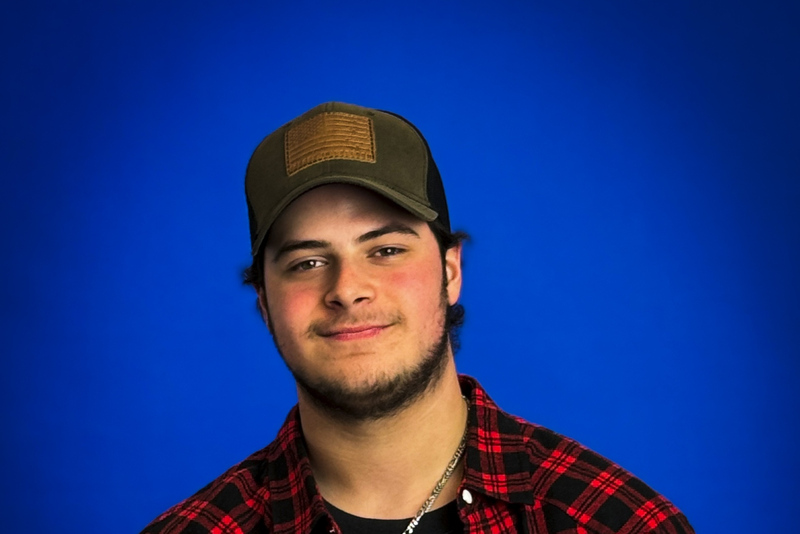
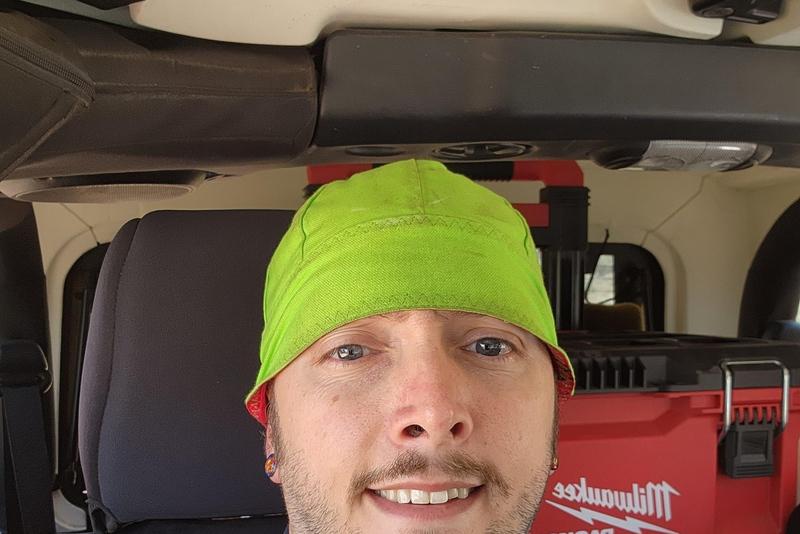
Leyton Wagner earns $4,514 per paycheck. Gavin Walden earns $3,986 per paycheck. David Smolek earns $3,417 per paycheck. All are verified Expert program graduates. The earning range of $3,400 to $4,500 per biweekly check represents $88,000 to $117,000 per year before overtime.
Noah clears $2,800 per week on the North Slope in Alaska. Hank reached $150,000 per year by age 21. For a veteran transitioning at 24 to 30, these earnings represent a career trajectory that exceeds most civilian paths available after service. The combination of military discipline and pipeline certifications produces one of the most hireable profiles in the trade.
You served your country. Now build a career that pays what your discipline is worth. Call Western Welding Academy at (307) 284-5313 or apply now to start your pipeline career.
Frequently Asked Questions
Q1. Is pipe welding a good career for military veterans?
Yes. Veterans consistently perform among the strongest students and fastest hires at Western Welding Academy. The military builds six skills that transfer directly to pipeline work: discipline, chain of command, travel willingness, extreme conditions tolerance, physical endurance, and mission focus.
Q2. Do veterans need prior welding experience?
No. All programs accept complete beginners. The minimum enrollment age is 17.5 with no upper limit. Military experience provides the work ethic and conditioning that accelerate training. Welding skill is what the program builds.
Q3. What financial aid is available for veterans?
Climb Credit and scholarships are available through Western Welding Academy. The enrollment team can help match veterans with the right financing option. Tuition pays back in 5 to 7 months of pipeline work.
Q4. How long does welding school take for veterans?
The Foundational program takes 12 weeks. The Expert takes 24 weeks. All programs run 40 hours per week at 85% booth time. The structure mirrors military training: focused, physical, and results-driven.
Q5. How much do veterans earn after welding school?
Expert Pipe Welder graduates earn $60,000 to $125,000 per year. Verified paychecks range from $3,417 to $4,514 per check. Most veterans more than double their military income within their first year of pipeline work.
Q6. What makes Western Welding Academy different from other welding schools?
Western Welding Academy delivers 85% booth time, all-inclusive tuition covering housing, tools, and materials, lifetime retraining for every graduate, 330 combined years of instructor pipeline experience, and a 94% hire rate within 90 days verified by a 234-alumni survey. It is the #1 AWS Accredited Testing Facility in the country.
Your Service Built the Foundation. This Training Builds the Career.
Veterans do not just succeed in pipe welding. They set the standard. The discipline, endurance, and mission focus that military service builds are the exact traits that produce the fastest hires and the highest earners in the trade. Western Welding Academy trains veterans in 12 to 24 weeks with 94% placement. Call Western Welding Academy at (307) 284-5313 or apply now to start your pipeline career.

.jpg)


.jpg)


.jpg)
.jpg)
.jpg)
.jpg)
.jpg)
-thumbnail.jpg)

.jpg)