Why Pipe Material Matters for Welders
Carbon steel, stainless steel, and chrome moly are the three materials pipe welders encounter most often in pipeline, refinery, and power plant work. Each one behaves differently under heat. Carbon steel is the most forgiving. It tolerates a wider range of parameters and does not require purge gas on most applications. Stainless steel oxidizes quickly at welding temperatures and demands argon purge gas on the backside of every joint. Chrome moly requires precise preheat and post-weld heat treatment to prevent cracking in the heat affected zone.
A welder who only knows one material limits their job options. Pipeline work runs mostly carbon steel, but turnarounds at refineries and power plants involve stainless and chrome moly every day. The welder who can switch between materials without re-learning basic technique stays employed year round instead of waiting for one type of job to come available.
Understanding material differences also affects which welding certifications you pursue. A 6G certification on carbon steel does not qualify you to weld stainless or chrome moly. Each material requires its own qualification test under the applicable code.
Learn to weld all three pipe materials with confidence. Apply now or call (307) 284-5313.
Carbon Steel Pipe Welding
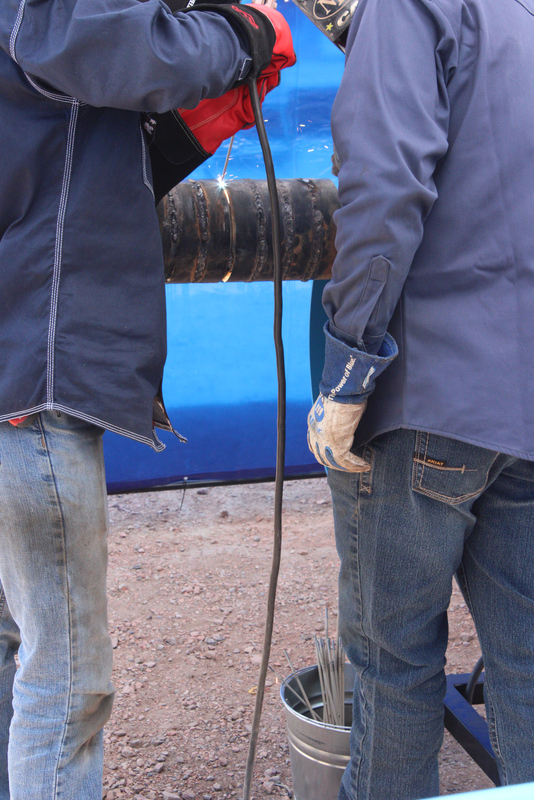
Carbon steel is the most common pipe material in the welding industry. It covers pipeline transmission, structural supports, process piping, and general fabrication. Common grades include A106 Grade B for process piping and API 5L for pipeline work. Carbon steel pipe ranges from schedule 40 wall thickness in plant piping to heavy wall in high pressure transmission lines.
Welding process selection depends on the joint and the code. Most carbon steel pipe uses a TIG root pass with a 7018 stick fill and cap on thicker wall, or TIG root with flux core fill on larger diameter work. Filler metals include ER70S-2 or ER70S-6 for TIG and E7018 for stick. Shielding gas for TIG is 100% argon at 15 to 20 CFH on the torch side. Purge gas is recommended on the root but not always required on carbon steel.
Preheat requirements on carbon steel depend on wall thickness and carbon content. Joints under 1 inch wall thickness often weld without preheat above ambient temperature. Thicker wall and higher carbon grades require preheat in the 200 to 400 degree Fahrenheit range to prevent hydrogen cracking. API 1104 governs most carbon steel pipeline welding procedures.
Stainless Steel Pipe Welding
Stainless steel pipe appears in food processing, pharmaceutical plants, chemical refineries, and nuclear facilities. The most common grade is 304L and 316L austenitic stainless. These grades resist corrosion but are sensitive to heat input and contamination. Too much heat causes carbide precipitation, which destroys the corrosion resistance that makes stainless steel valuable in the first place.
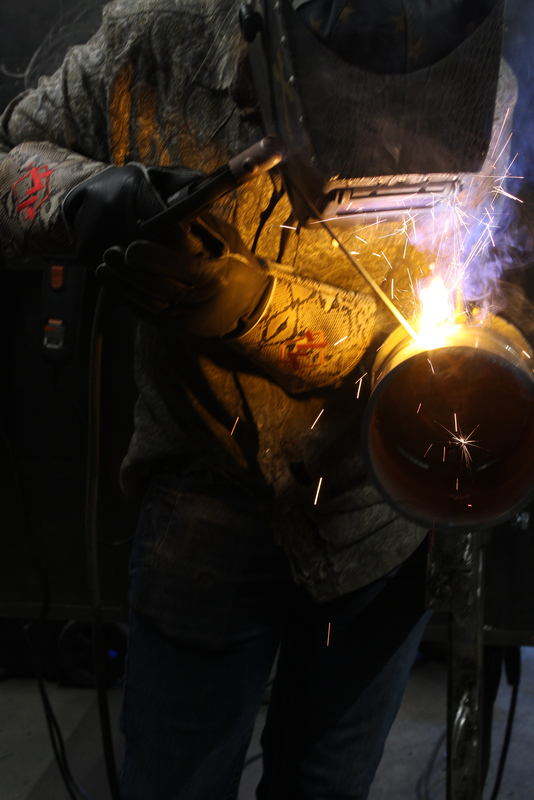
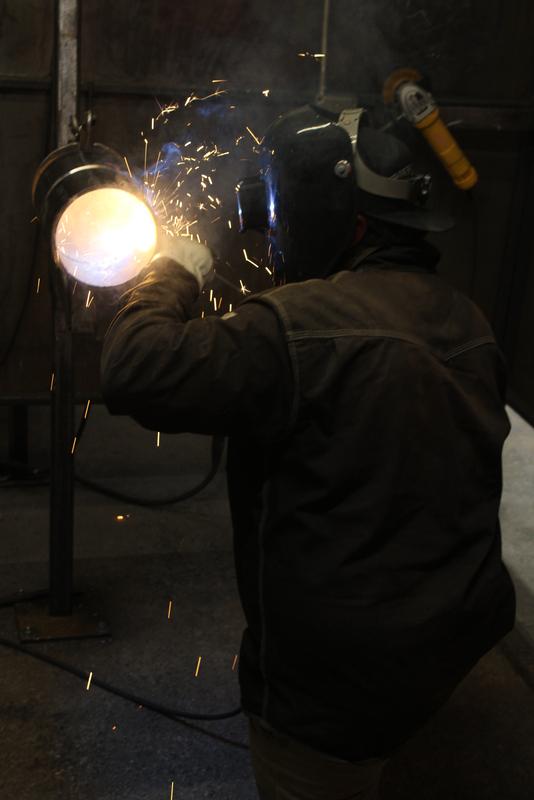
The welding process for stainless pipe is almost always TIG (GTAW) for all passes. Filler metals include ER308L for 304L base metal and ER316L for 316L base metal. Shielding gas is 100% argon on the torch and 100% argon purge gas on the backside. The purge must stay in place until at least the root and hot pass are complete. Breaking purge too early causes sugar (oxidation) on the root, which is an automatic rejection.
Heat input control matters more on stainless than on any other pipe material. Interpass temperature limits are typically 300 to 350 degrees Fahrenheit maximum. The welder must let the joint cool between passes rather than stacking beads quickly. Travel speed, amperage, and bead width all affect heat input directly. Stainless pipe welding rewards patience and discipline over speed.
Chrome Moly Pipe Welding
Chrome moly (chromium-molybdenum) pipe is used in high temperature, high pressure applications like boiler tubes, steam lines, and refinery heater circuits. Common grades include P11 (1.25% chrome, 0.5% moly), P22 (2.25% chrome, 1% moly), and P91 (9% chrome, 1% moly). Each grade requires specific preheat temperatures, filler metals, and post-weld heat treatment (PWHT) procedures.
Welding process selection on chrome moly uses TIG for the root and hot pass, with stick or TIG fill and cap depending on the specification. Filler metals must match the base metal chemistry: ER80S-B2 for P11, ER90S-B3 for P22, and ER90S-B9 for P91. Using the wrong filler produces a weld with incorrect chemistry that fails hardness testing and must be cut out.
Preheat on chrome moly is mandatory and precise. P11 requires 300 to 400 degrees Fahrenheit minimum. P22 requires 400 to 500 degrees. P91 requires 400 to 500 degrees with strict interpass temperature control. The joint must maintain preheat temperature throughout welding. Dropping below minimum preheat between passes can cause hydrogen cracking in the heat affected zone. Post-weld heat treatment at specified temperatures and hold times is required to temper the weld and HAZ microstructure.
How Western Welding Academy Prepares You for All Three Materials
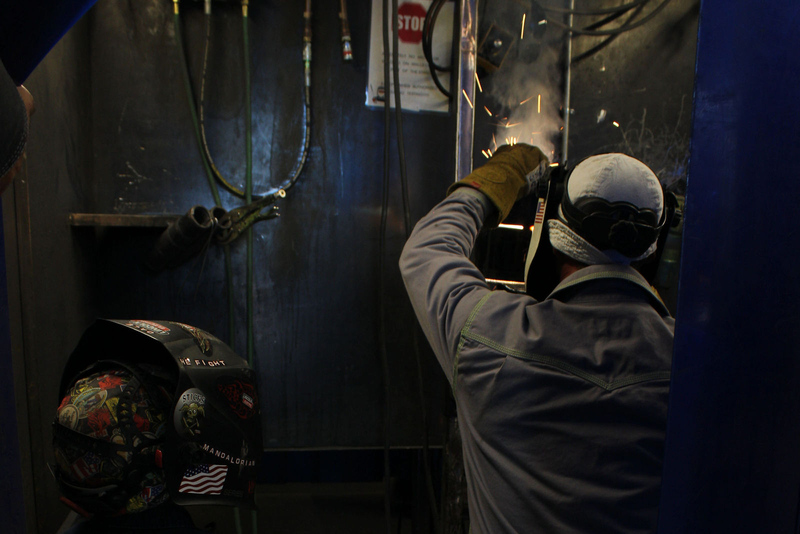
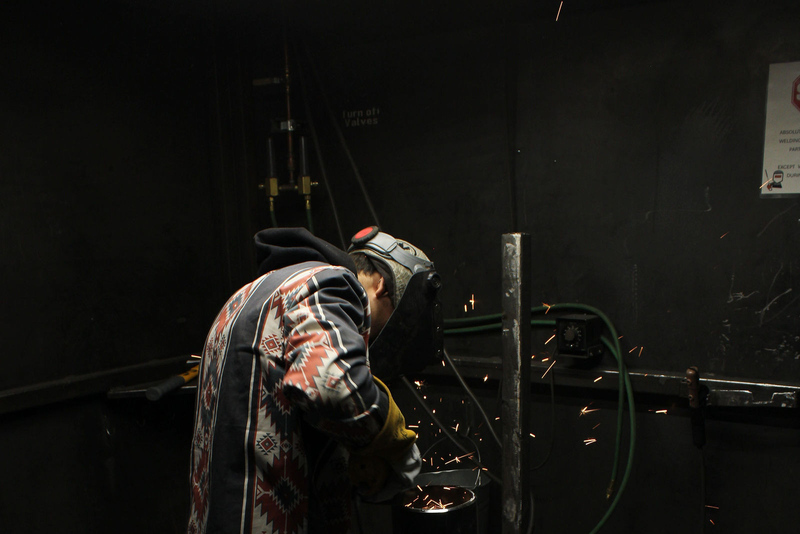
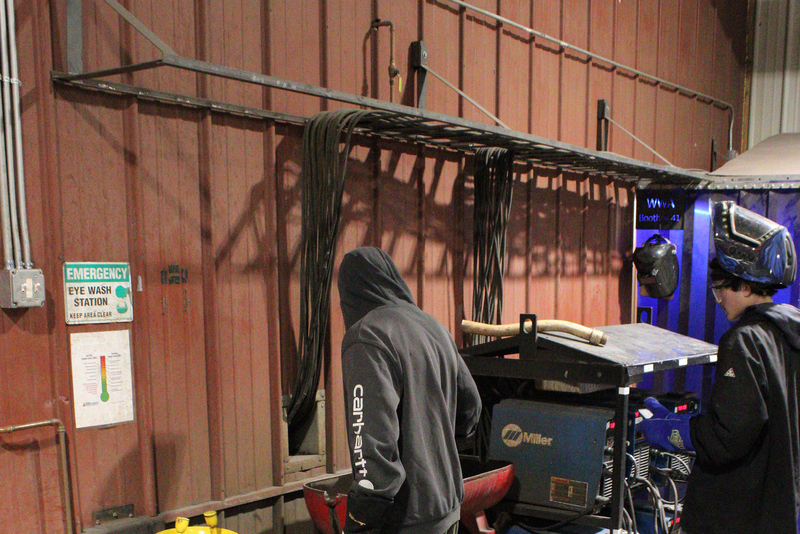
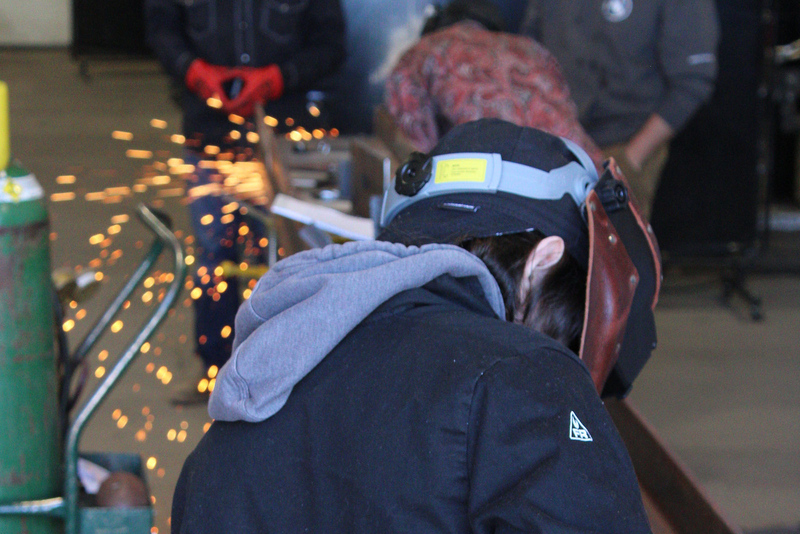
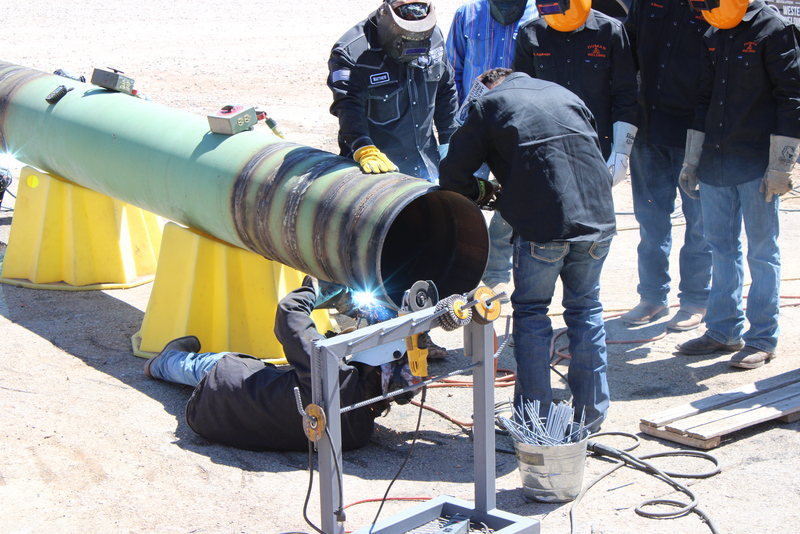
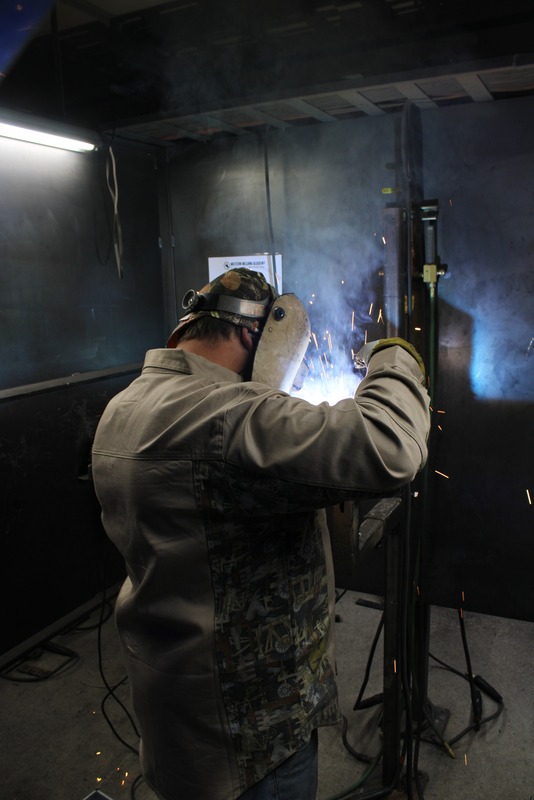
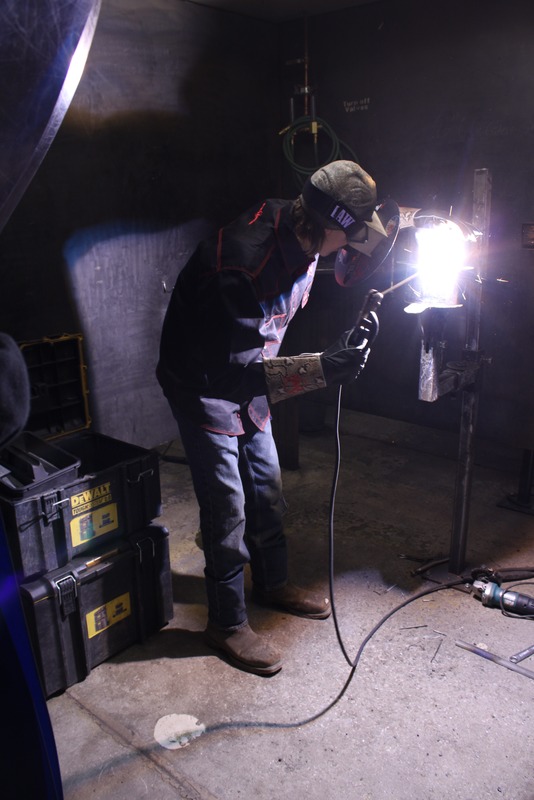
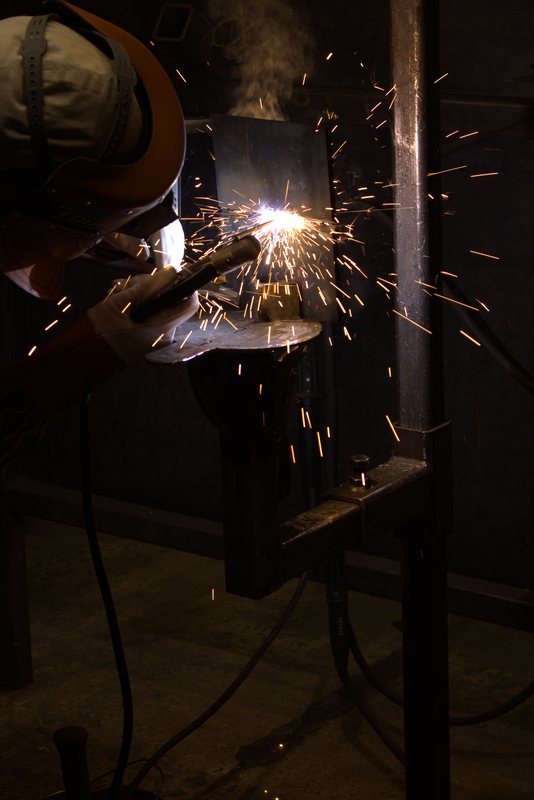
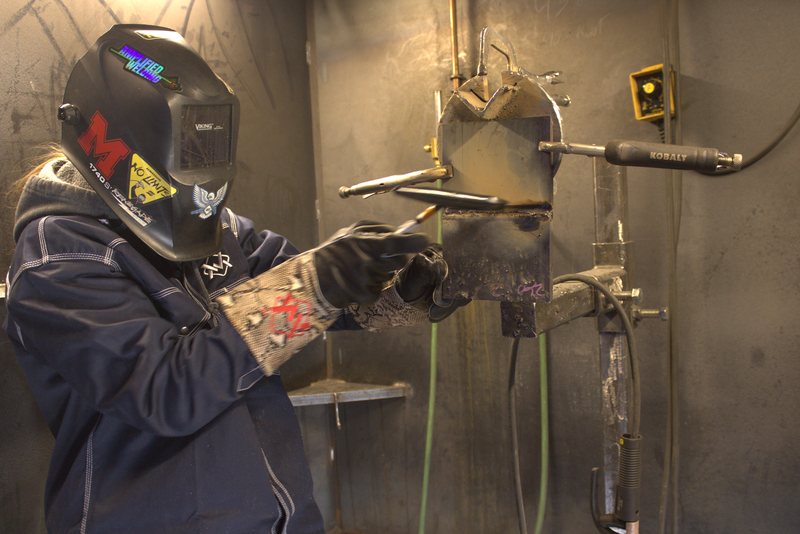
The Expert Pipe Welder program at Western Welding Academy covers carbon steel, stainless steel, and chrome moly pipe welding across 24 weeks. Students learn the specific techniques, filler metals, and heat control methods each material demands. The 85% hands-on booth time means you weld each material type for hundreds of hours under instructor supervision before you test.
The Professional Pipe Welder program introduces multi-material welding in 19 weeks. The Foundational Pipe Welder program builds the core skills on carbon steel in 12 weeks, setting you up to advance into stainless and chrome moly work as you progress. Over 2,000 graduates from all 50 states have completed the program.
On-site AWS accredited testing means you graduate with certifications that verify your ability on multiple materials. A 94% placement rate within 90 days shows that contractors trust the training. The difference between learning to weld in a structured program versus on the job is that a structured program teaches you all three materials before your first day of work, not after your first failed weld on an unfamiliar alloy.
Become the welder who handles any material on the job. Apply now or call (307) 284-5313.
What Graduates Earn With Multi-Material Welding Skills
Welders who can handle carbon steel, stainless, and chrome moly earn more than single-material welders. Contractors pay premium rates for turnaround welders who switch between materials without retraining. Here is what Western Welding Academy graduates earn with the skills to weld any pipe material on the job.
Leyton Wagner earns $4,514 per paycheck welding pipeline and industrial pipe. His ability to produce code-quality welds on multiple materials keeps him on every contractor's callback list after completing training at Western Welding Academy.
Gavin Walden takes home $3,986 per paycheck. His multi-material certifications mean he works pipeline carbon steel jobs and refinery turnarounds without missing a beat between projects.
David Smolek earns $3,417 per paycheck. He credits his structured training for teaching him the material-specific techniques that keep his welds passing inspection on every alloy.
Noah clears $4,800 per week on pipeline spreads. His versatility across welding processes and materials makes him one of the first welders called for any project type.
Hank crossed $150,000 per year before age 22. His ability to weld carbon, stainless, and chrome moly gave him access to premium jobs that single-material welders never see.
Frequently Asked Questions
Q1. What is the hardest pipe material to weld?
Chrome moly, especially P91, is considered the hardest pipe material to weld. It requires precise preheat, strict interpass temperature control, matched filler metals, and mandatory post-weld heat treatment. A single procedural mistake can cause cracking that requires a complete cut out and re-weld.
Q2. Can you use the same filler metal on all three materials?
No. Each material requires a filler metal that matches its chemistry. Carbon steel uses ER70S-2 or E7018. Stainless uses ER308L or ER316L. Chrome moly uses ER80S-B2, ER90S-B3, or ER90S-B9 depending on the grade. Using the wrong filler causes chemistry mismatch and weld failure.
Q3. Why does stainless steel pipe need purge gas?
Stainless steel oxidizes rapidly at welding temperatures. Without argon purge gas protecting the backside of the root pass, the root surface forms heavy oxidation called sugar. This contamination weakens the weld and is an automatic inspection rejection on every stainless pipe code.
Q4. Do I need separate certifications for each material?
Yes. A welding certification qualifies you on the specific material, process, and position tested. A 6G certification on carbon steel does not cover stainless or chrome moly. Each material requires its own qualification test under the governing code, such as ASME Section IX or API 1104.
Q5. Which material pays the most for pipe welders?
Chrome moly and stainless steel turnaround work typically pay the highest rates because fewer welders are qualified and the procedures are more demanding. Pipeline carbon steel pays well through volume and overtime hours. The highest earners are welders qualified on all three materials.
Q6. What makes Western Welding Academy different from other welding schools?
Western Welding Academy trains students on carbon steel, stainless steel, and chrome moly pipe through 85% hands-on booth time, instructor feedback on every weld, on-site AWS accredited testing, a 94% placement rate within 90 days, and named graduates earning $3,400 to $4,800 per paycheck across all material types.
Master Every Pipe Material and Earn Premium Rates
The welders earning the most are the ones contractors call for any job, any material, any position. Western Welding Academy teaches you to weld carbon steel, stainless steel, and chrome moly pipe so you never turn down a job because of the material. Call Western Welding Academy at (307) 284-5313 or apply now to become the multi-material pipe welder every contractor wants on their crew.