Which Welding Jobs Are Being Automated?
Robotic welding systems have already replaced most repetitive MIG and spot welding in automotive manufacturing. These systems handle flat-position, high-volume, identical joints faster and more consistently than humans. Production line welding in factories is the most automated segment of the trade. If a welding job involves repeating the same joint in the same position on the same material hundreds of times per day, a robot can do it cheaper.
This trend has been accelerating for over a decade. The welding jobs that are disappearing are the lowest-paid, most repetitive positions. They are not the jobs that Western Welding Academy graduates pursue. The positions being automated are factory MIG jobs paying $30,000 to $45,000. The positions that remain are field welding jobs paying $60,000 to $150,000.
Why Pipeline and Field Welding Cannot Be Automated
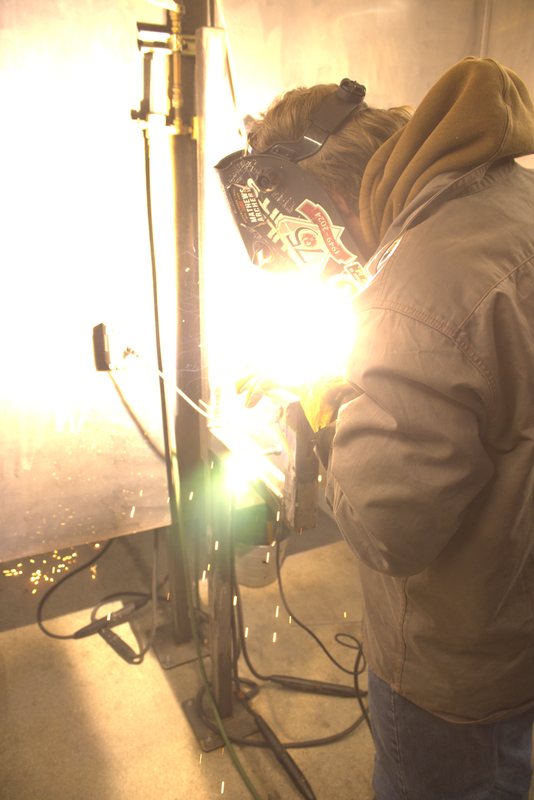
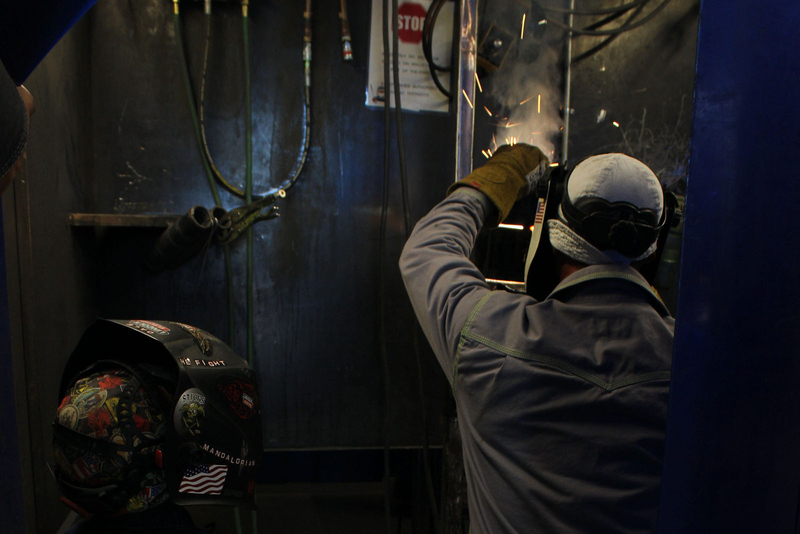
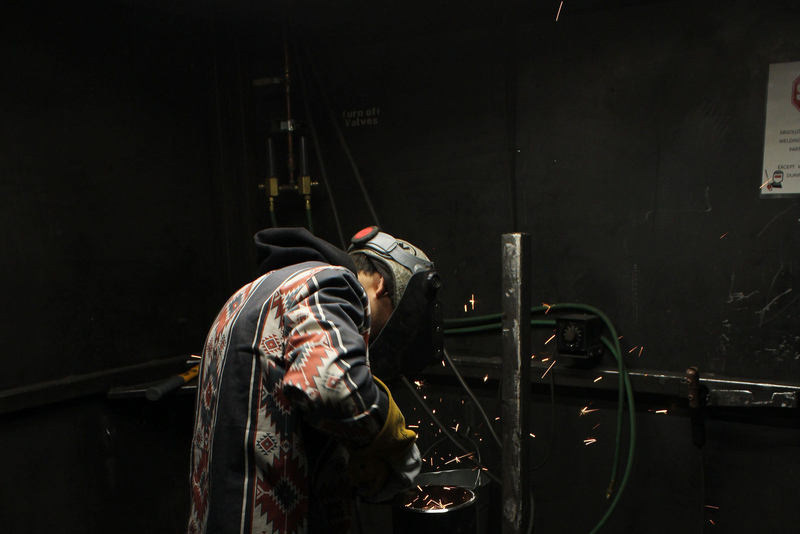
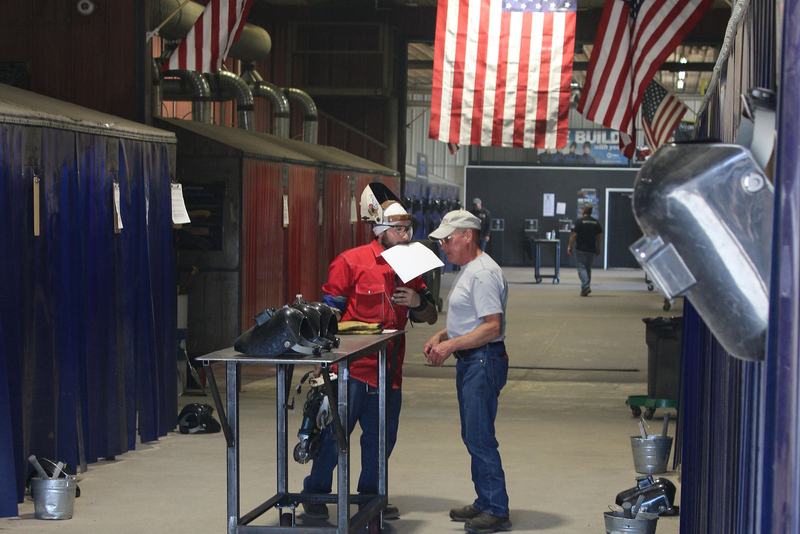
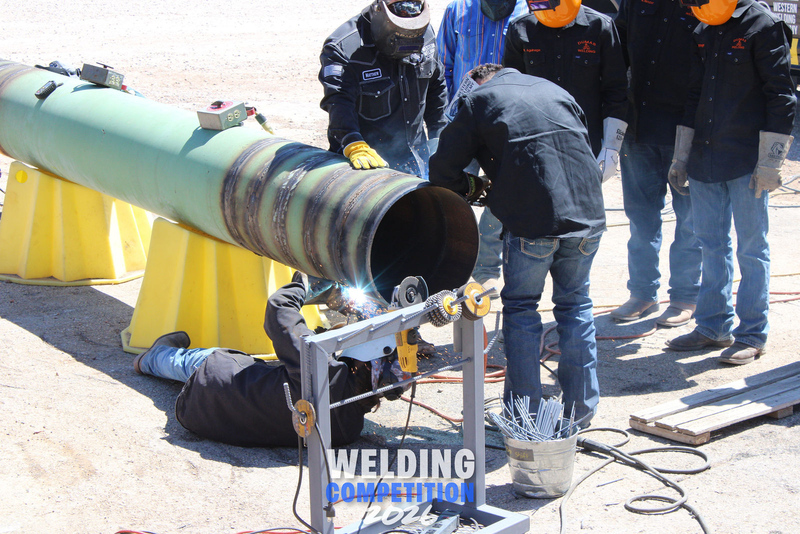
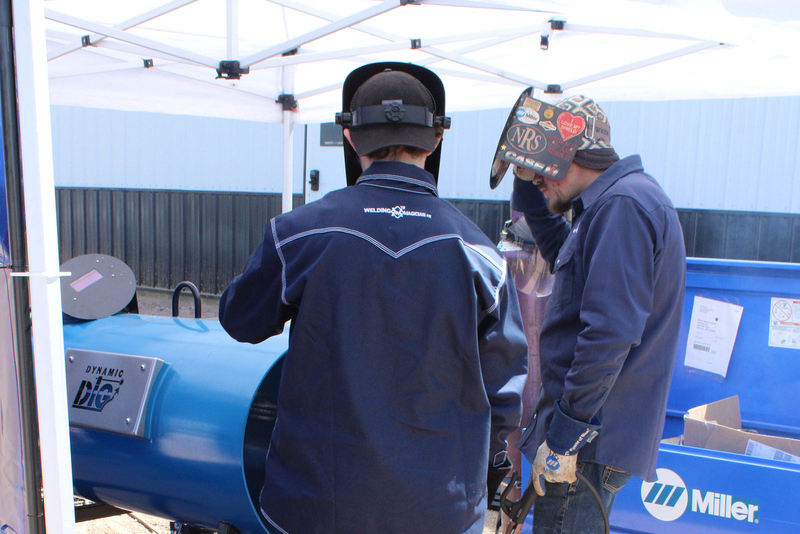
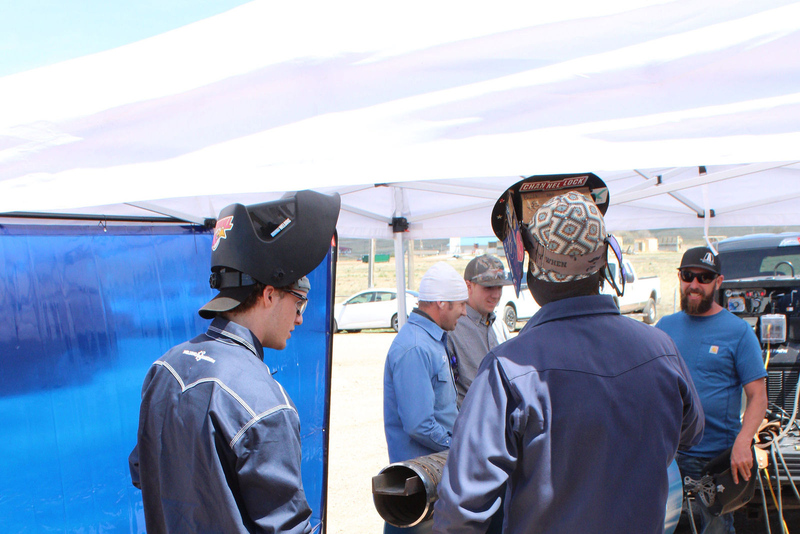
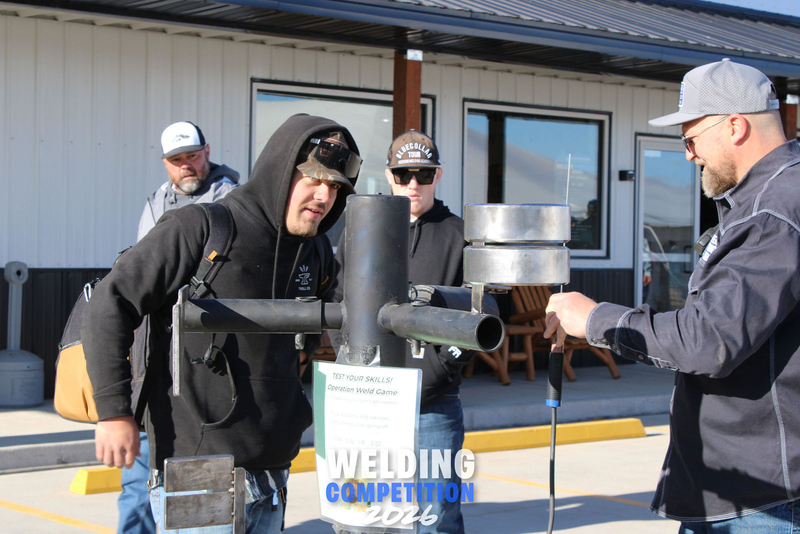
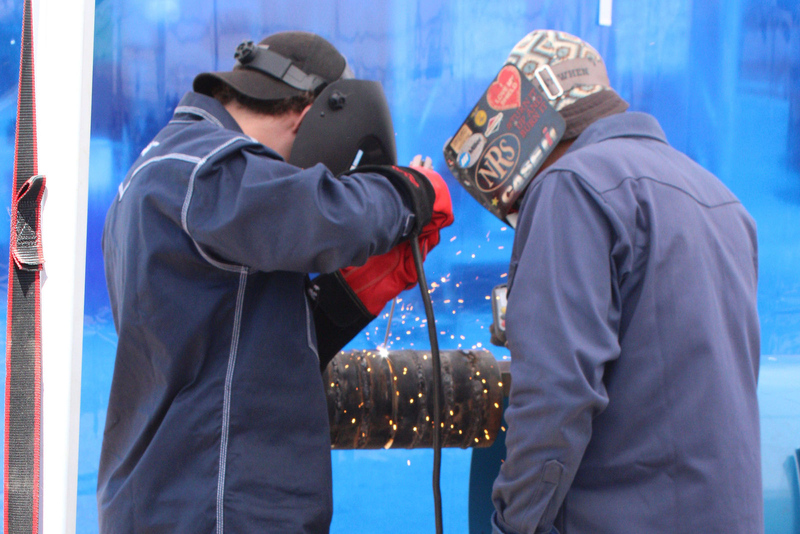
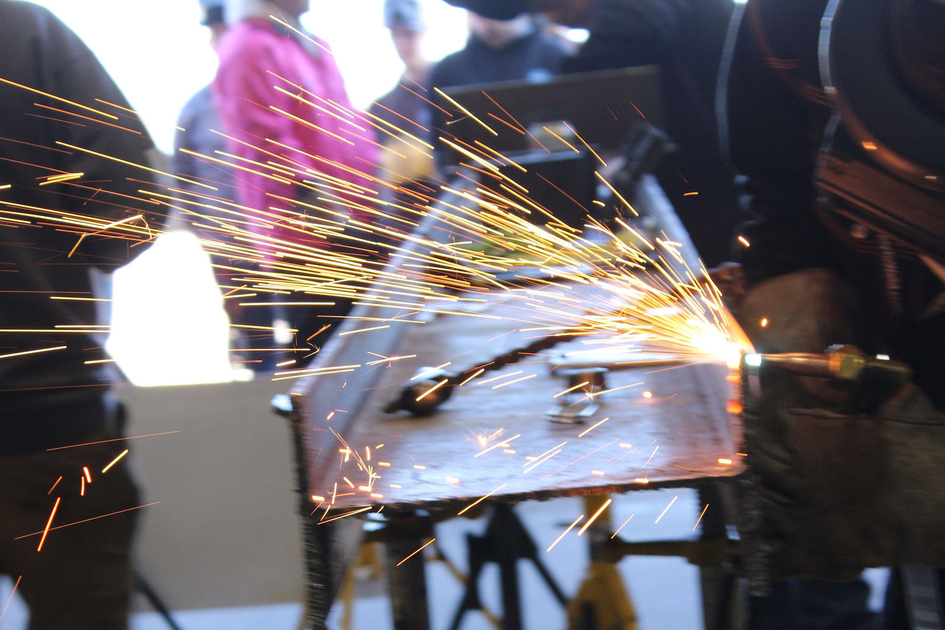
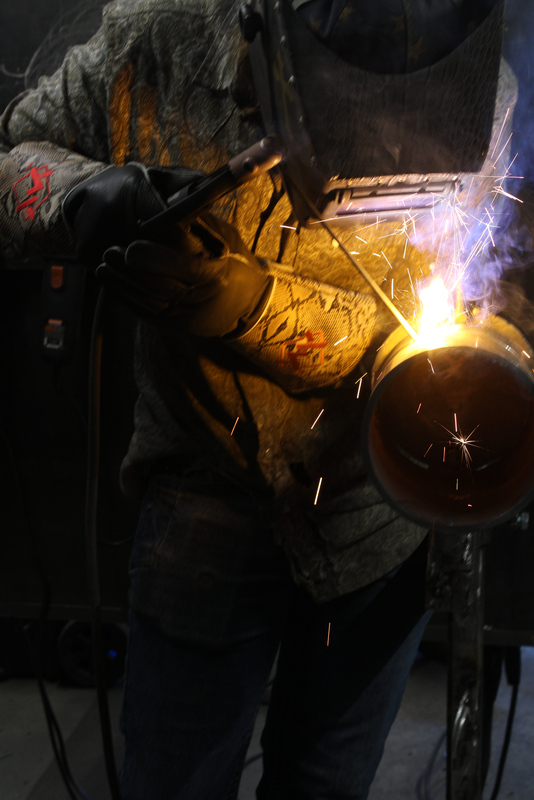
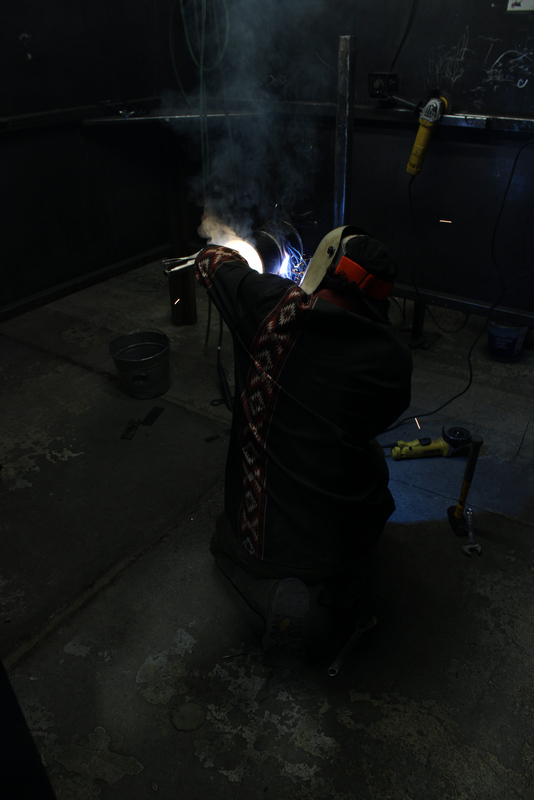
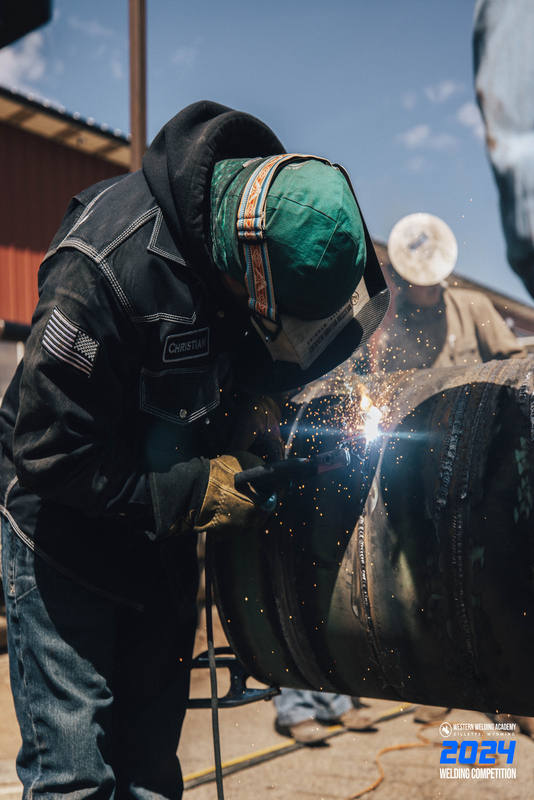
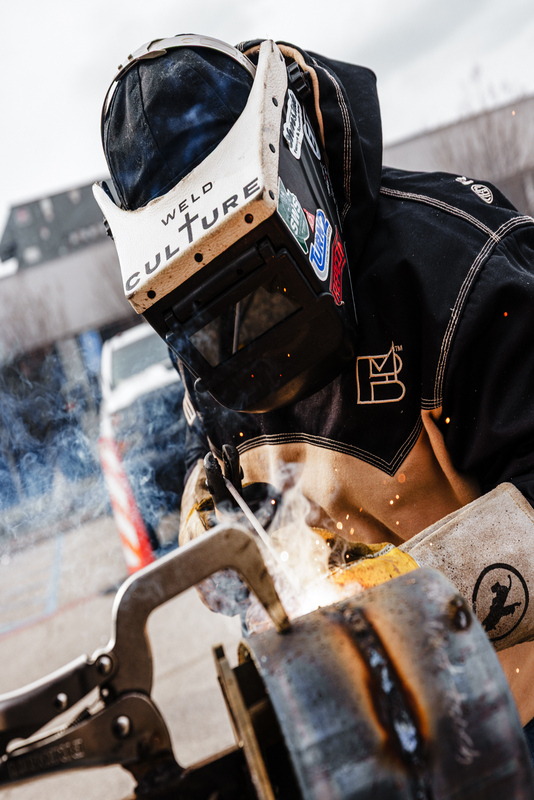
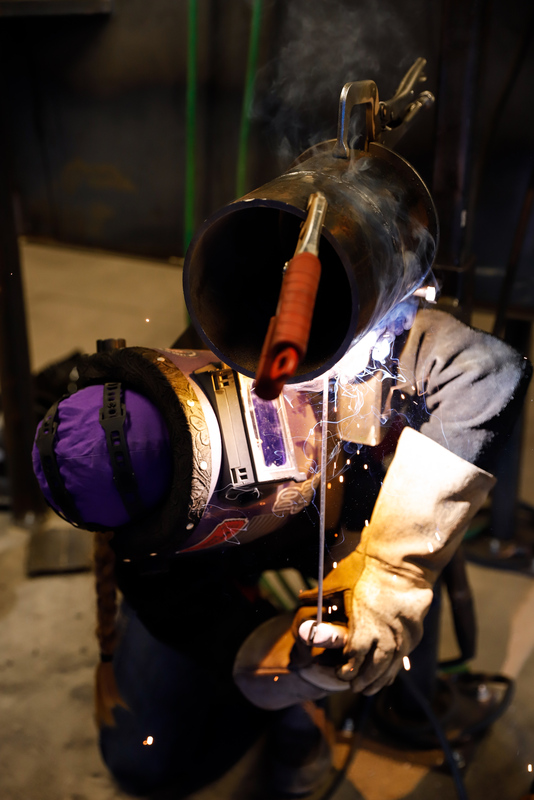
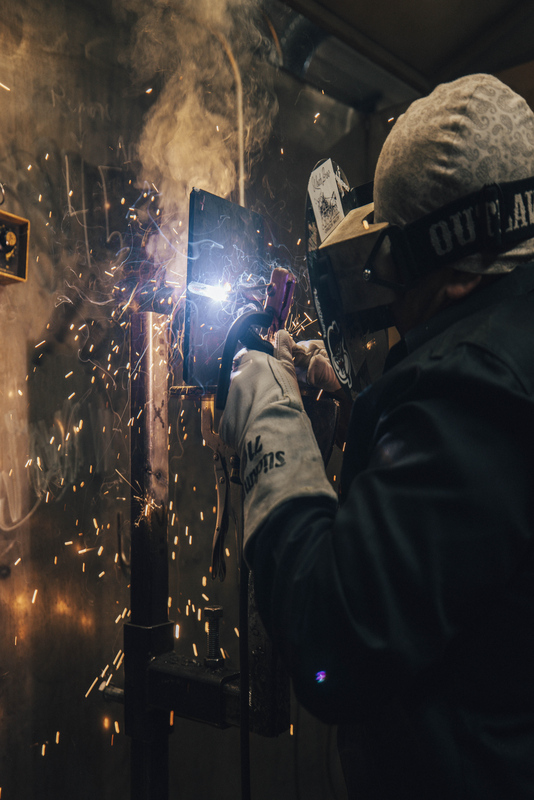
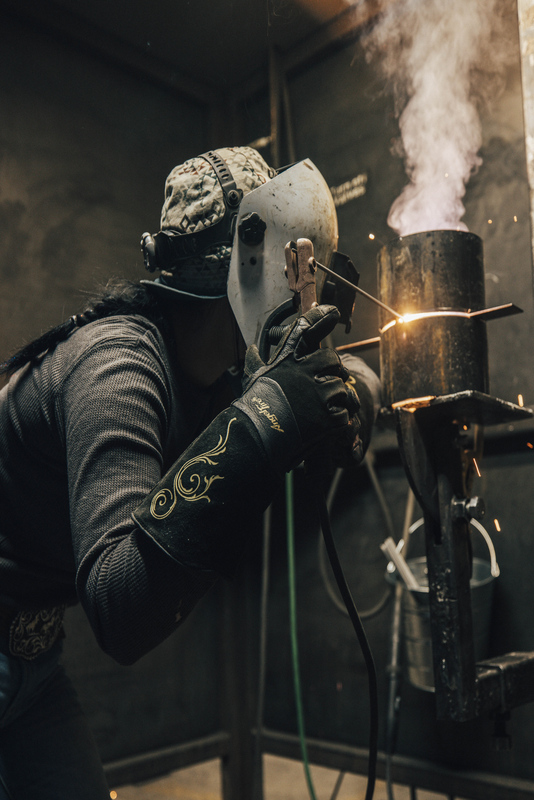
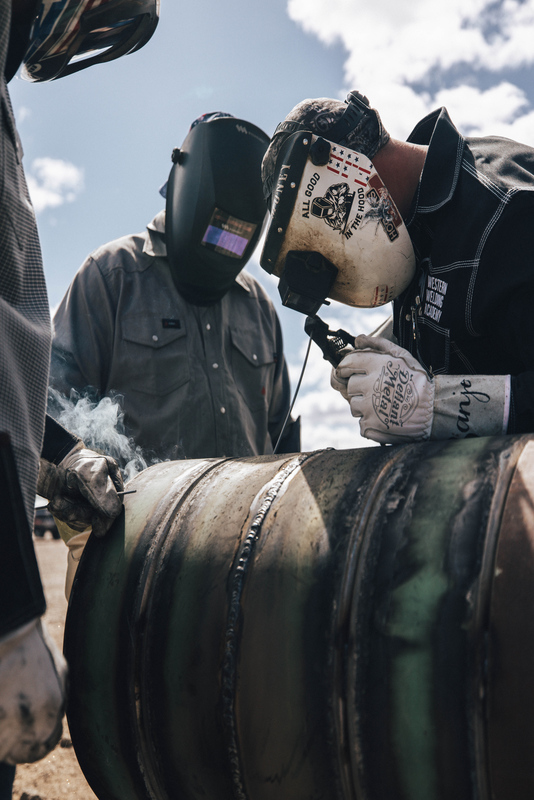
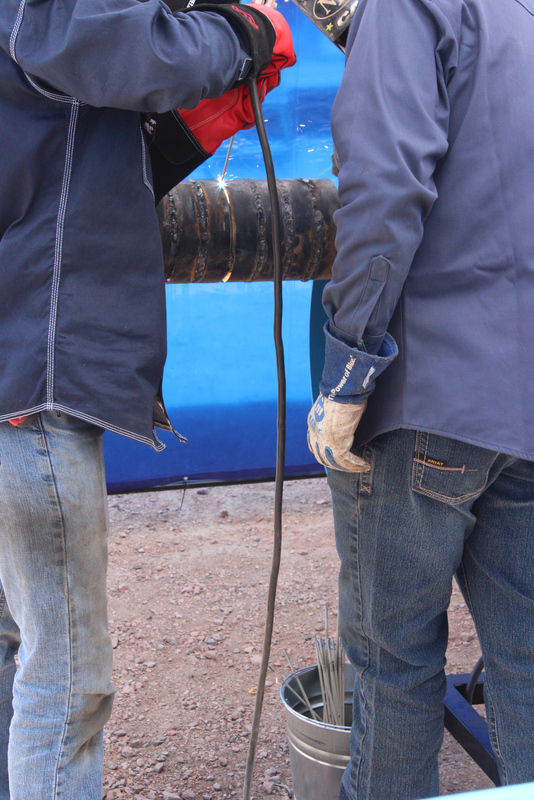
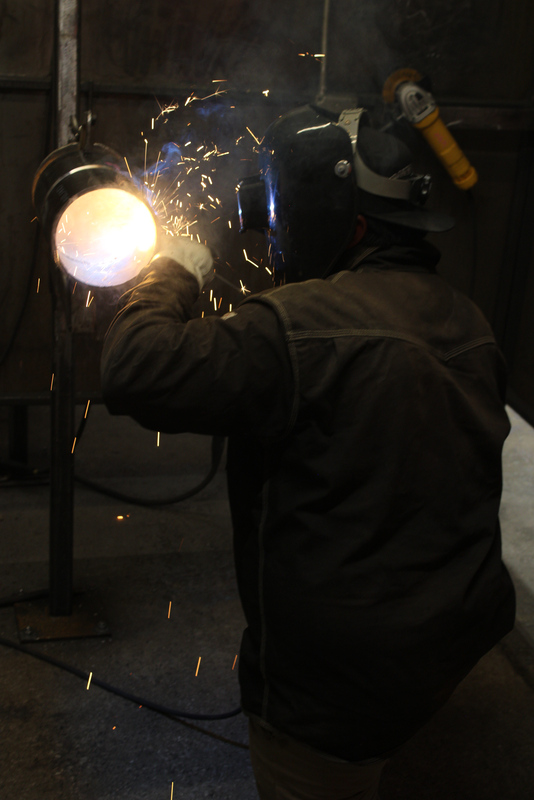
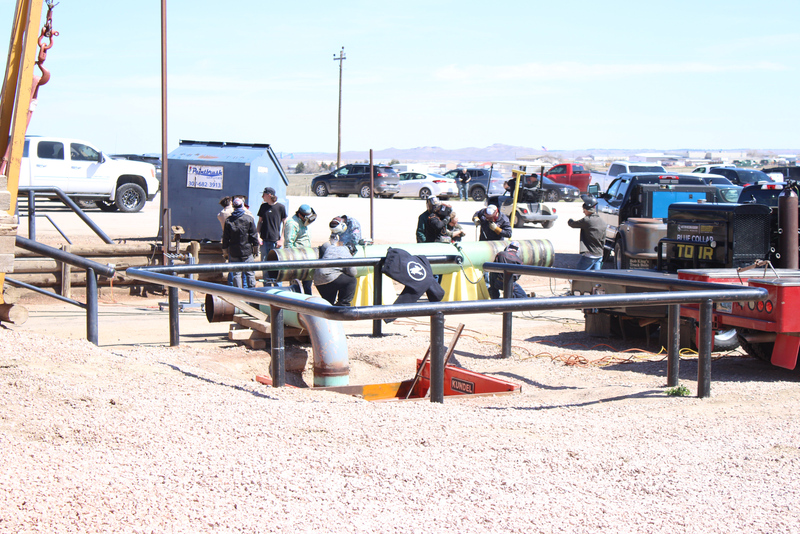
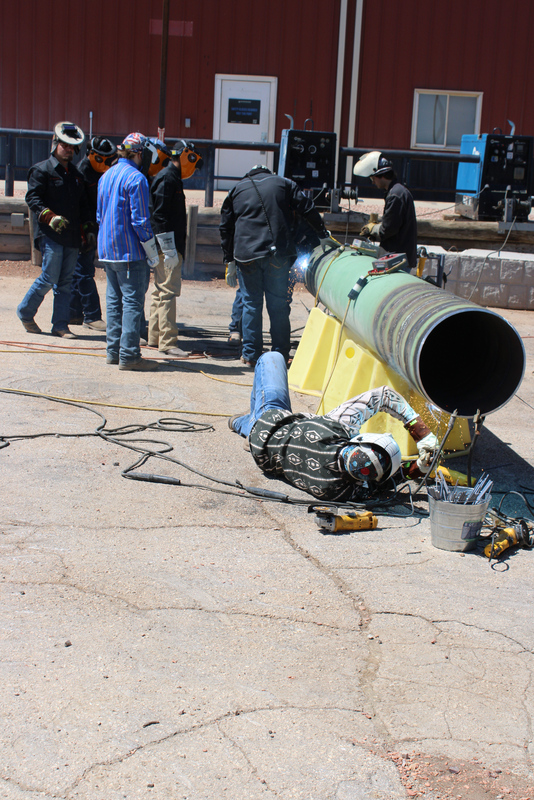
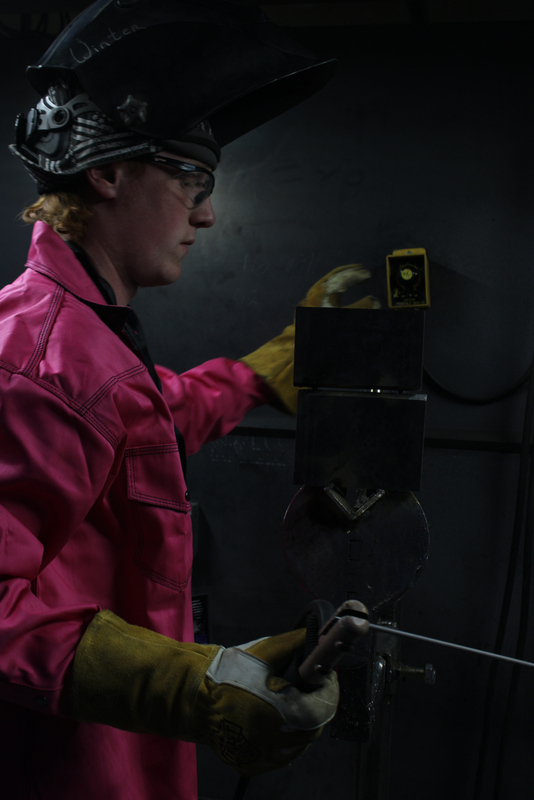
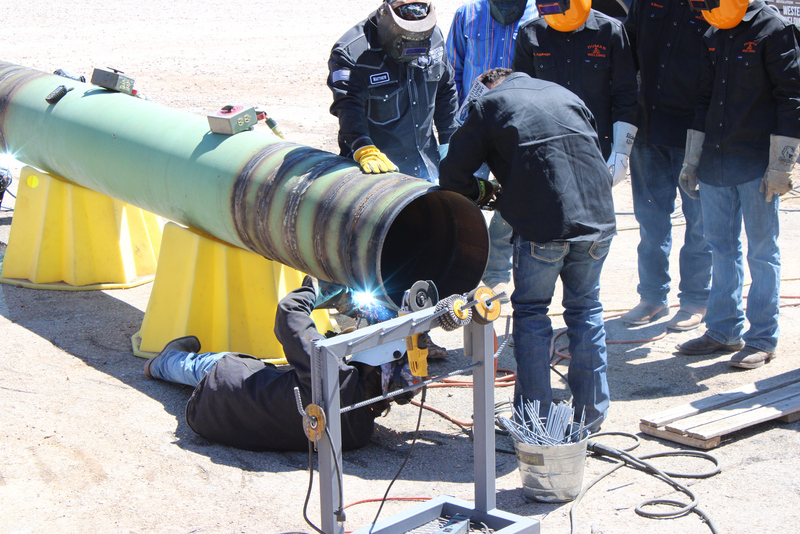
Pipeline welding happens on remote job sites across open terrain, in trenches, in all weather conditions, in every welding position including 6G. A robot cannot drive to a pipeline right-of-way in West Texas, crawl into a ditch, set up on a 36-inch pipe joint, and weld a root pass in the 6G position while adjusting for wind, temperature, and fit-up variation. That is a human job. It will remain a human job for the foreseeable future.
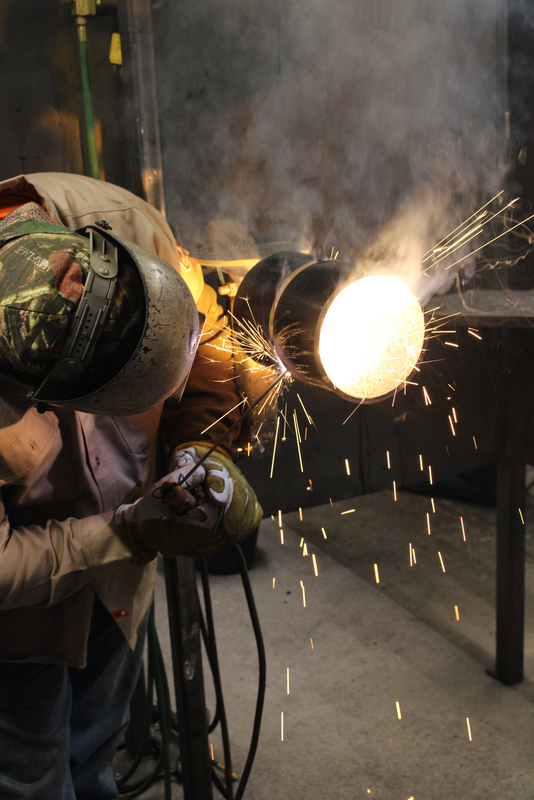
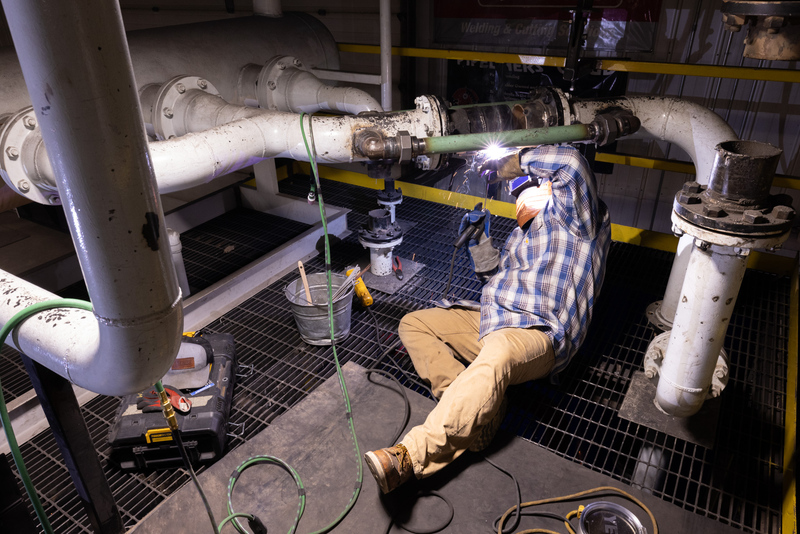
Refinery maintenance welding happens inside confined spaces, on corroded joints that vary from one to the next, under code-critical regulatory standards. A welder must assess each joint individually, adapt their technique in real time, and pass X-ray inspection. Robots work in controlled environments with identical inputs. Refinery and pressure vessel welding is the opposite of controlled.
The same logic applies to structural field welding, nuclear maintenance, and specialty fabrication. Every environment that requires human judgment, physical adaptation, and code-critical accountability is automation-proof. These are the sectors that pay the most. Learn about the difference between pipeline, refinery, and structural welding careers.
Train for the welding jobs robots cannot do. Apply now or call (307) 284-5313 to start at Western Welding Academy.
How AI Is Actually Helping Welders Earn More
AI is not just replacing welders. It is also creating tools that make skilled welders more productive and more valuable. AI-powered weld inspection systems can detect defects faster than manual visual inspection. This speeds up quality control and reduces rework. Welders who produce clean welds consistently earn more because their output passes inspection at a higher rate.
Augmented reality welding helmets are emerging that overlay real-time data on the welder's view: heat input, travel speed, arc length. These tools help welders maintain consistency on long runs and complex joints. They do not replace the welder. They make the welder's output better. The skilled welder becomes the operator of a more productive system, which increases their value to employers.
AI is also being used for welding procedure development and material selection. But the person who executes the weld, who reads the puddle, who adapts to field conditions, is still a human. AI handles data. Humans handle torches.
| Welding Task | Automation Risk | Why | Human Welder Outlook |
|---|---|---|---|
| Repetitive MIG on flat plate | High | Robotic arms handle repeatable joints | Declining in factories |
| Production line spot welding | High | Already mostly automated (auto industry) | Minimal demand |
| Structural field welding | Low | Unpredictable positions, outdoor access | Stable demand |
| Refinery pressure piping | Very Low | Confined spaces, code-critical, variable joints | Growing demand |
| Pipeline pipe welding (6G) | Very Low | Remote sites, all-position, code-critical | Highest demand, highest pay |
| Nuclear and specialty TIG | Very Low | Extreme precision, regulatory oversight | Growing fast |
What Do Automation-Proof Welders Earn?
The verified earnings below come from Western Welding Academy graduates working in the sectors that cannot be automated.
Leyton Wagner earns $4,514 per paycheck on pipeline work that no robot can perform. Gavin Walden takes home $3,986. David Smolek earns $3,417. All work in field conditions that require human judgment, adaptation, and code-critical accountability.
Noah clears $2,800 per week on the North Slope. Hank hit $150,000 per year by age 21. Their jobs exist because pipeline welding in remote, variable conditions is the definition of automation-proof work. See what employers look for when hiring new welders.
How to Build an Automation-Proof Welding Career
The strategy is simple: train for the work robots cannot do. That means pipe welding, not production MIG. That means field certifications (API 1104, ASME IX, 6G), not factory process qualifications. That means 960+ booth hours of multi-process, all-position training, not a 200-hour intro course. The Expert Pipe Welder program at Western Welding Academy covers every process and every position across 24 weeks at 85% booth time. Graduates hold the certifications that the automation-proof sectors require. The 94% hire rate within 90 days proves the market agrees.
Future-proof your career. Apply now or call (307) 284-5313 to start at Western Welding Academy.
Frequently Asked Questions
Q1. Will robots replace welders?
Robots are replacing repetitive factory welding jobs (MIG on flat plate, spot welding). Field welding, pipeline, refinery, structural, and nuclear welding cannot be automated because they require human judgment in unpredictable environments. These are the highest-paying welding jobs.
Q2. Which welding jobs are automation-proof?
Pipeline welding (6G, API 1104), refinery maintenance (ASME IX), structural field welding, nuclear work, and specialty TIG fabrication. Any job requiring variable positions, remote access, confined spaces, or code-critical accountability is automation-proof.
Q3. How is AI helping welders?
AI-powered inspection systems detect defects faster. AR welding helmets overlay real-time data. AI assists with procedure development. These tools make skilled welders more productive and more valuable, not obsolete.
Q4. Should I still become a welder if AI is advancing?
Yes. The welder shortage (82,500 needed per year, 330,000 deficit by 2028) is growing because the jobs AI cannot do are expanding. Pipe welding demand is increasing. Factory welding demand is declining. Train for pipe, not production.
Q5. What certifications make a welder automation-proof?
API 1104 (pipeline), ASME IX (refinery and nuclear), AWS D1.1 (structural), and 6G position testing. The Expert program at Western Welding Academy covers all of them in 24 weeks.
Q6. What makes Western Welding Academy different from other welding schools?
Western Welding Academy delivers 85% booth time, holds a 94% hire rate from a 234-alumni survey, and is the number one AWS Accredited Testing Facility. All tuition is all-inclusive. Graduates enter the automation-proof segments of the trade with the full certification stack.
Train for the Work Robots Cannot Do
Automation is eliminating repetitive factory welding. It is not touching pipeline, refinery, structural, or nuclear work. Those sectors pay the most and need the most welders. Call Western Welding Academy at (307) 284-5313 or apply now to build an automation-proof career.


.jpg)


.jpg)


.jpg)
.jpg)
.jpg)
.jpg)
.jpg)
-thumbnail.jpg)

.jpg)