Yes. A 24-week pipe welding program at $35,800 produces graduates earning $60,000 to $125,000 per year with zero student debt. A four-year college degree averages $104,000 in total cost with a median starting salary of $55,000 and 20 years of loan repayment.
How the Total Costs Compare Side by Side
A four-year bachelor's degree at a public university costs an average of $104,108 including tuition, fees, room, and board according to the Education Data Initiative. Private universities average $223,360. Even in-state students at community-friendly public schools spend $80,000 or more over four years when you include housing, food, books, and transportation.
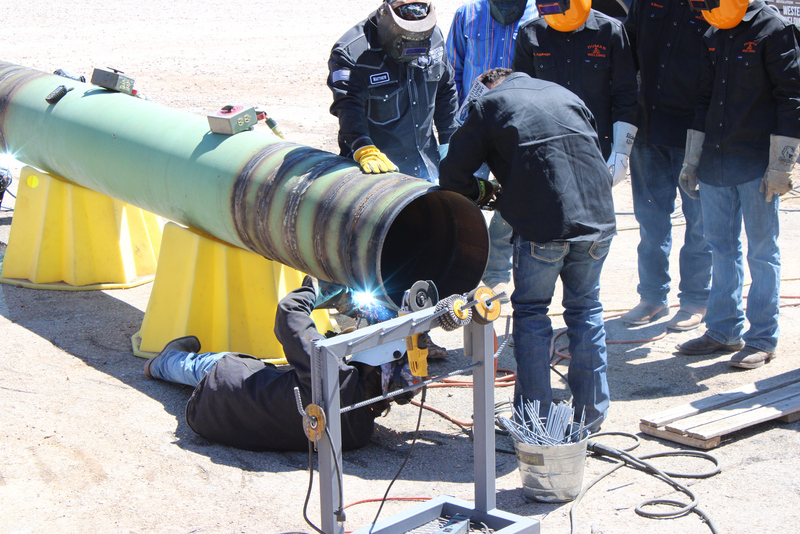
The Foundational Pipe Welder program at Western Welding Academy costs $17,050 for 12 weeks. The Professional Pipe Welder costs $27,600 for 19 weeks. The Expert Pipe Welder costs $35,800 for 24 weeks. Every price is all-inclusive with housing, tools, PPE, materials, and lifetime retraining. There are no hidden costs.
The cost difference is $65,000 to $190,000 in favor of trade school before you factor in student loan interest. A college graduate with $35,000 in federal loans at 5.5% interest pays $42,000 over 10 years. That interest alone exceeds the total cost of the Expert Pipe Welder program.
How the Earnings Timelines Compare
A college student spends four years in school earning little or no income. Most college students graduate at age 22. If they find a job within 6 months, they start earning at age 22 or 23 with a starting salary of $35,000 to $45,000 in most fields outside engineering and computer science.
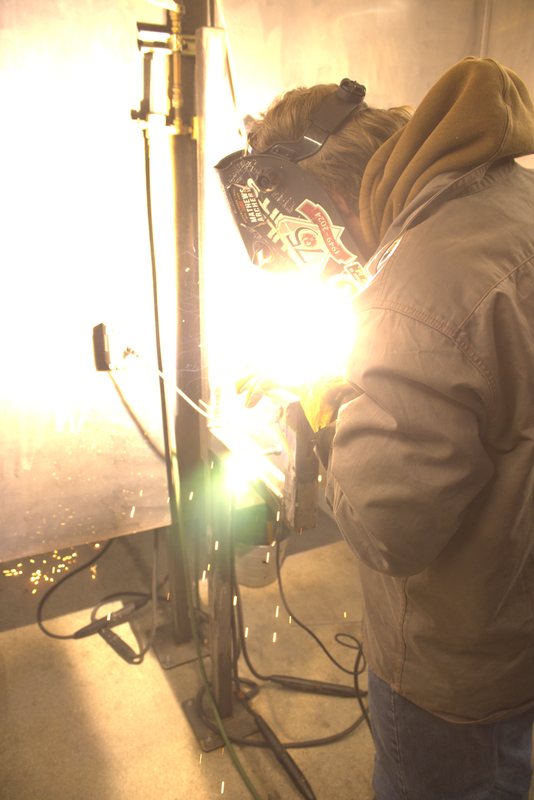
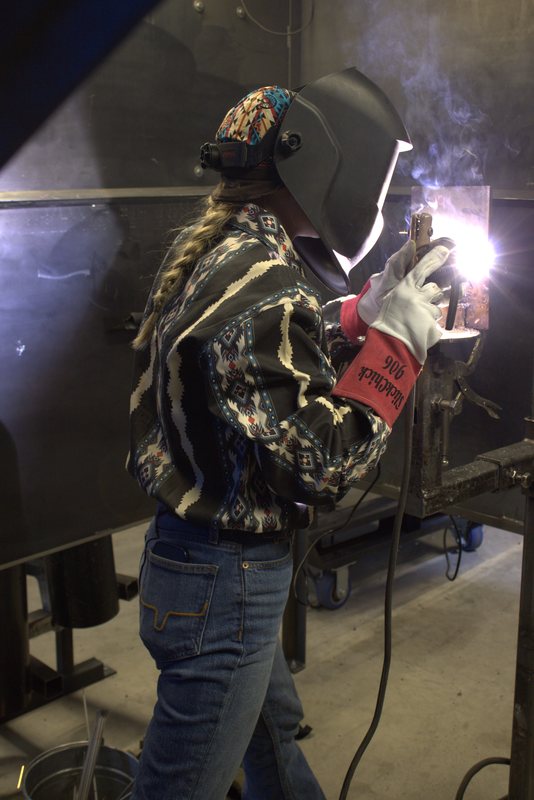
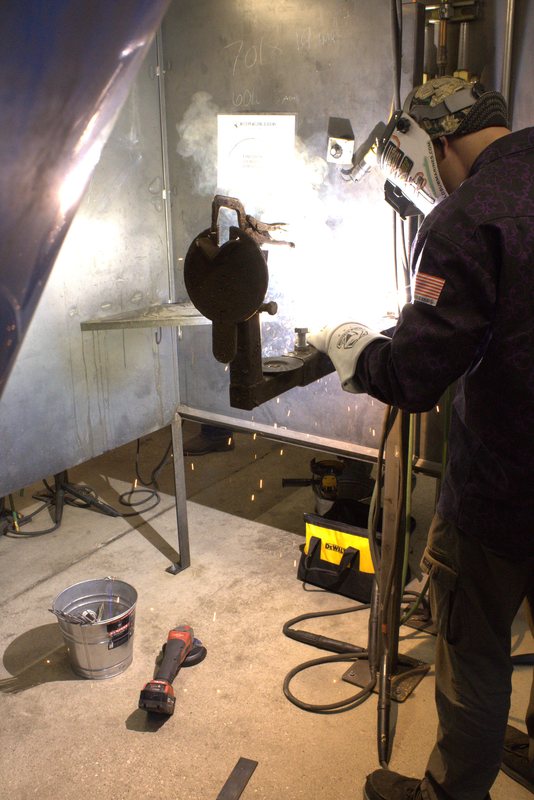
A welding school student at Western Welding Academy finishes training in 12 to 24 weeks and starts working within 90 days of graduation based on the 94% hire rate. An 18-year-old who enrolls after high school graduation is earning a full pipe welder paycheck by age 19. By age 22, that same welder has three years of earnings and experience while their college-bound peers are just graduating.
Hank, a verified Western Welding Academy graduate, reached $150,000 per year by age 21. By the time his peers graduate from college, Hank has already earned over $300,000 in total income and has zero student debt. That head start compounds over a career.
The numbers speak for themselves. Call Western Welding Academy at (307) 284-5313 or apply now to start earning instead of borrowing.
Why the Welding Industry Demand Makes This Investment Safer
The welding industry needs 82,500 new welders every year. The projected workforce deficit is 330,000 welders by 2028. That shortage drives wages up and makes job placement faster. When demand outpaces supply, certified welders have leverage. They choose their employers, negotiate higher rates, and move between jobs with minimal downtime.
Compare that to the college graduate job market. Many bachelor's degree holders compete for a limited number of entry-level positions in saturated fields. Marketing, communications, business administration, and psychology graduates face employer markets where starting salaries are low and job competition is high. A pipe welding certification puts you in a worker's market from day one.
Employers hiring Western Welding Academy graduates include pipeline companies, refineries, power plants, shipbuilders, and aerospace manufacturers like SpaceX. The diversity of employers means certified pipe welders are never dependent on a single industry or company. Learn more about what welding career paths look like from entry to six figures.
What Verified Graduates Actually Earn
Every number below comes from verified Western Welding Academy graduate records. These are real paychecks, not projected averages from job boards.
Leyton Wagner earns $4,514 per paycheck. At two checks per month, that is over $108,000 per year. His Western Welding Academy tuition paid for itself in under four months of work.
Gavin Walden earns $3,986 per paycheck. His annual gross exceeds $95,000. A college graduate would need 5 to 10 years of promotions and raises to reach equivalent earnings in most fields.
David Smolek earns $3,417 per paycheck. That translates to roughly $88,000 per year. Even at the lower end of verified graduate earnings, David out-earns the average bachelor's degree holder by $40,000 or more.
Noah clears $2,800 per week welding in Alaska. Hank hit $150,000 per year by age 21. These are not outliers. They are documented outcomes from students who chose a 12 to 24 week trade school program over a four-year degree.
When a College Degree Is Still the Right Choice
Trade school is not the right path for everyone. If your career goal requires a specific degree, such as medicine, law, engineering, education, or accounting, a college degree is necessary. Those fields have licensing requirements that only a degree can satisfy.
The comparison is most relevant for students who are choosing between college as a default and trade school as an alternative. If you do not have a specific career that requires a degree, and you prefer working with your hands over sitting in a classroom, the financial math favors trade school for welding by a wide margin.
Some graduates do both. They complete welding school, work for a few years earning high wages with no debt, and then pursue college courses part-time if they want to move into welding inspection, engineering, or project management. Starting debt-free with high earnings gives you options that starting with $40,000 in student loans does not.
Choose the investment that pays you back first. Call Western Welding Academy at (307) 284-5313 or apply now to start building your career.
Ready to take the trade school path? Our complete guide covers how to become a welder step by step.
Frequently Asked Questions
Q1. Is trade school cheaper than college?
Yes. Welding trade school costs $17,050 to $35,800 all-inclusive at Western Welding Academy. A four-year bachelor's degree costs $80,000 to $220,000 depending on the school. The cost difference is $65,000 to $190,000 in favor of trade school before student loan interest.
Q2. Do welders make more money than college graduates?
Certified pipe welders often earn more than bachelor's degree holders. Verified Western Welding Academy graduates earn $88,000 to over $150,000 per year. The average starting salary for a college graduate is $35,000 to $45,000. The earnings gap is significant in the first 5 to 10 years.
Q3. How fast can you start earning after welding school?
Most Western Welding Academy graduates are working within 90 days of graduation based on the 94% hire rate. The total timeline from enrollment to first paycheck is 4 to 9 months. College graduates typically spend 3 to 6 months job searching after a four-year degree.
Q4. Do you need a college degree to become a pipe welder?
No. Pipe welding careers are based on certifications and demonstrated skill, not academic degrees. Western Welding Academy accepts students with a high school diploma or equivalent. No prior welding experience is required.
Q5. Can you go to college after welding school?
Yes. Many welders work for a few years earning high wages with no debt, then pursue college part-time for welding inspection, engineering, or management roles. Starting debt-free with $80,000 to $150,000 in annual earnings gives you options that student loans do not.
Q6. What makes Western Welding Academy different from other welding schools?
Western Welding Academy delivers 85% booth time, all-inclusive tuition covering housing, tools, and materials, lifetime retraining for every graduate, 330 combined years of instructor pipeline experience, and a 94% hire rate within 90 days verified by a 234-alumni survey. It is the #1 AWS Accredited Testing Facility in the country.
Make the Investment That Pays You Back in Months
Four years and $100,000 is one path. Twelve to 24 weeks and $17,050 to $35,800 is another. One leaves you with debt. The other leaves you with a career and a paycheck. Call Western Welding Academy at (307) 284-5313 or apply now to choose the path that pays you back first.


.jpg)



.jpg)


.jpg)
.jpg)
.jpg)
.jpg)
.jpg)
-thumbnail.jpg)

.jpg)