Becoming a certified pipe welder from scratch takes 12 to 24 weeks at a full-time pipe welding school with 85% booth time. Community colleges take 4 to 9 months. Union apprenticeships take 3 to 5 years.
What Does the Full Timeline Look Like for Each Training Path?
A community college welding certificate takes one to two semesters for general welding fundamentals. That is 4 to 9 months of part-time training. Most community college programs do not offer pipe-specific coursework, so you graduate with a general certificate and then need additional training or on-the-job experience before you can test for pipe certifications. The realistic timeline from enrollment to working as a pipe welder through this path is 12 to 24 months.
A union welding apprenticeship takes three to five years to complete. You earn apprentice wages during that period, but you do not choose your specialty. The union assigns work based on need. If your goal is pipe welding specifically, the apprenticeship path is the longest route because you spend years on general work before specializing. The timeline from enrollment to certified pipe welder through a union is 3 to 5 years.
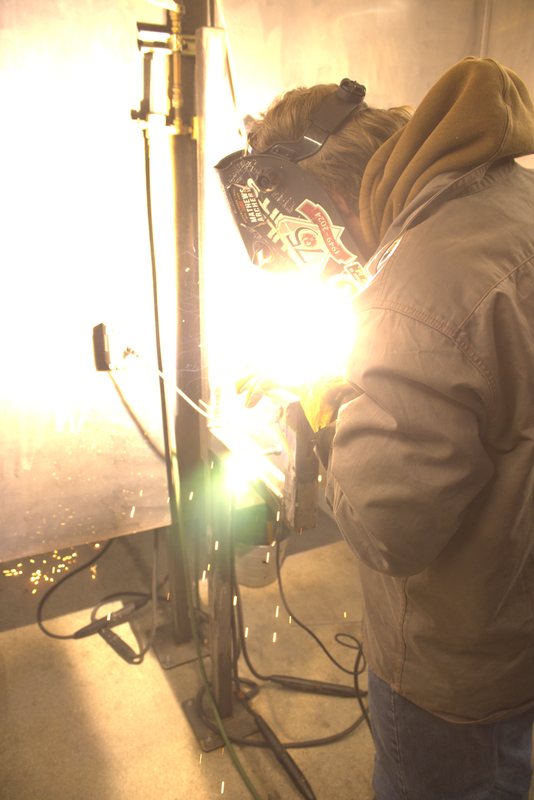
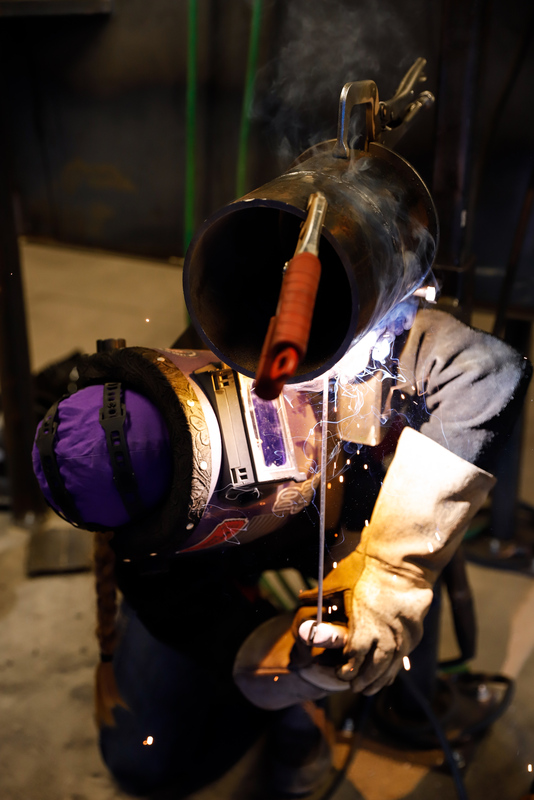
The Foundational Pipe Welder program at Western Welding Academy takes 12 weeks of full-time training at 85% booth time. You start with SMAW fundamentals and progress through all pipe positions. By week 12, you are cert-test ready. Add 30 to 90 days for job placement after graduation, and the total timeline from zero to working pipe welder is 4 to 6 months.
The Professional Pipe Welder program takes 19 weeks. It adds GTAW (TIG) to your SMAW foundation, which qualifies you for higher-paying combo certification jobs. Total timeline from zero to working: 6 to 8 months.
The Expert Pipe Welder program takes 24 weeks. This is the most comprehensive path, covering SMAW, GTAW, FCAW, and GMAW across all positions on pipe and plate. You leave cert-ready for 6G combo positions. Total timeline from zero to working: 7 to 9 months. That is the fastest path to the highest-paid pipe welding jobs in the industry. Learn more about what 1G through 6G welding positions mean.
How Much Booth Time Do You Need to Get Cert-Ready?
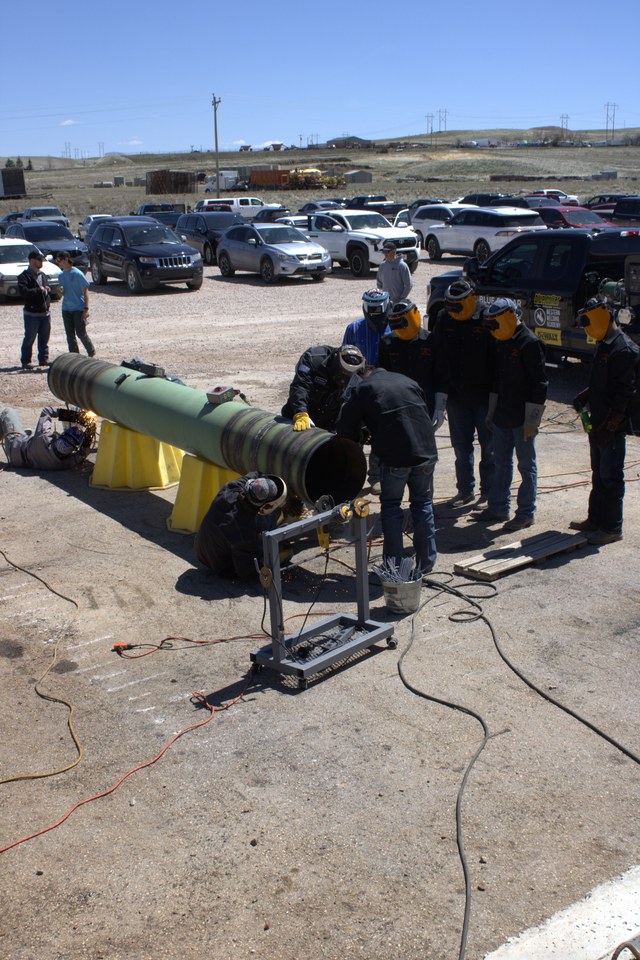
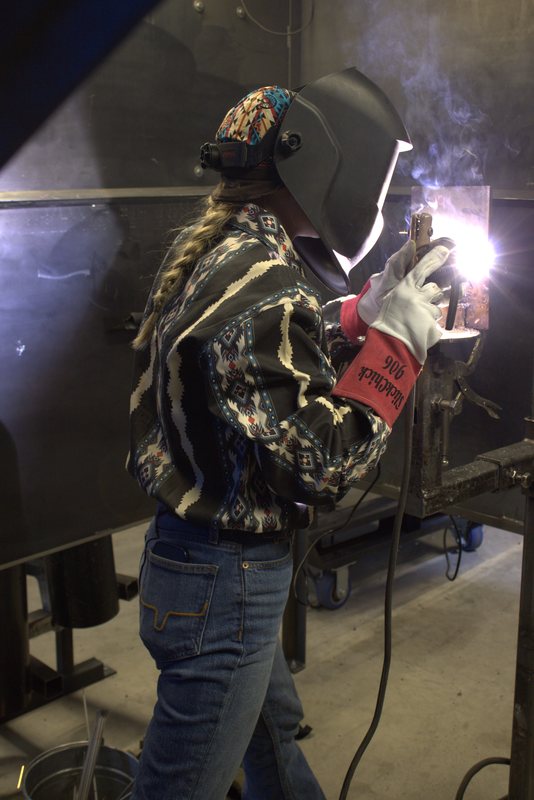
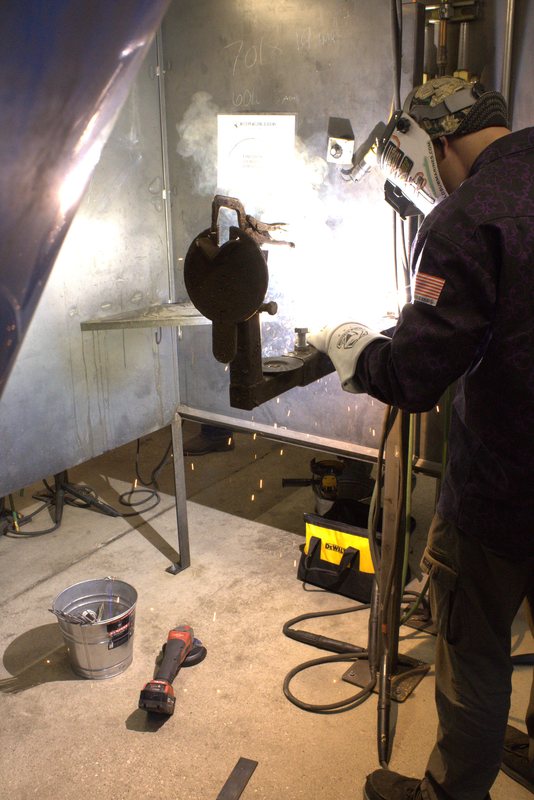
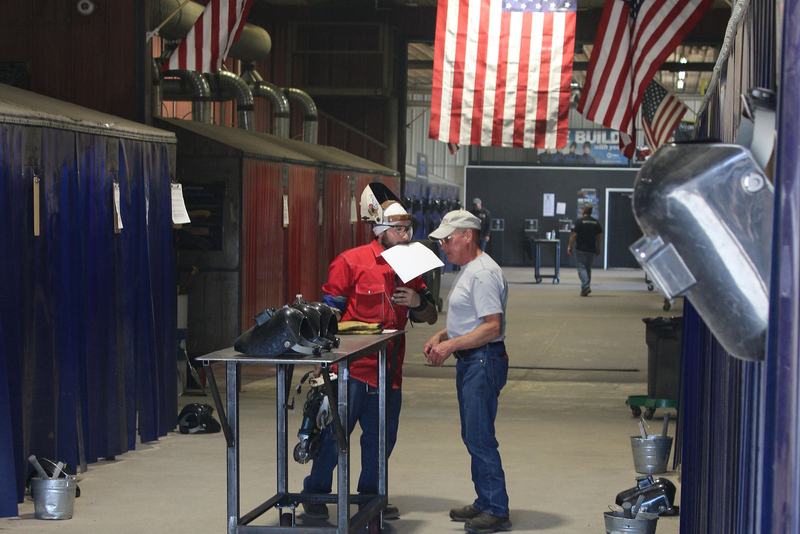
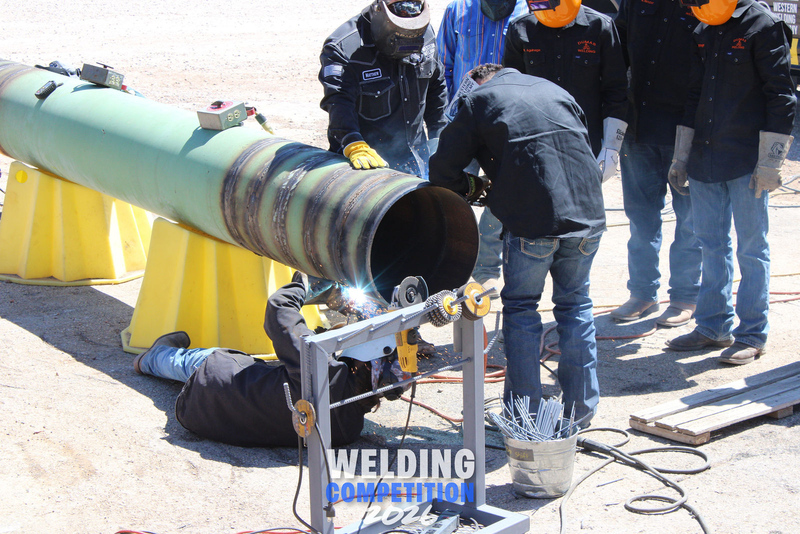
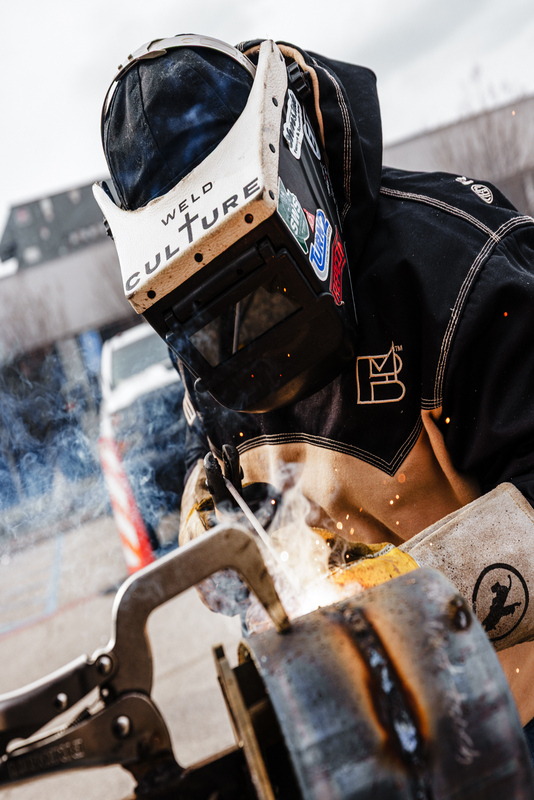
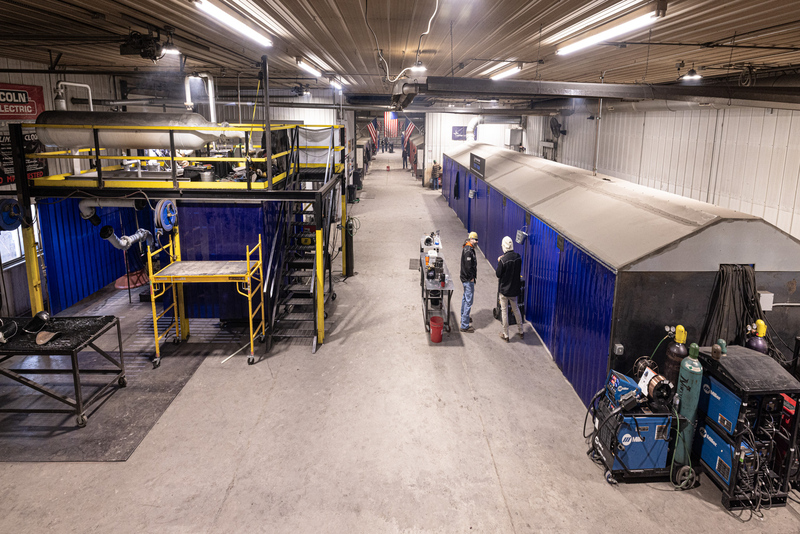
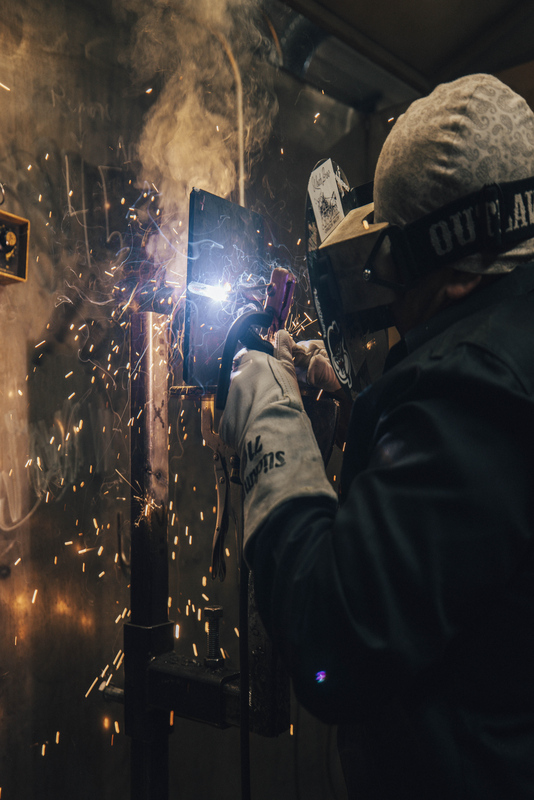
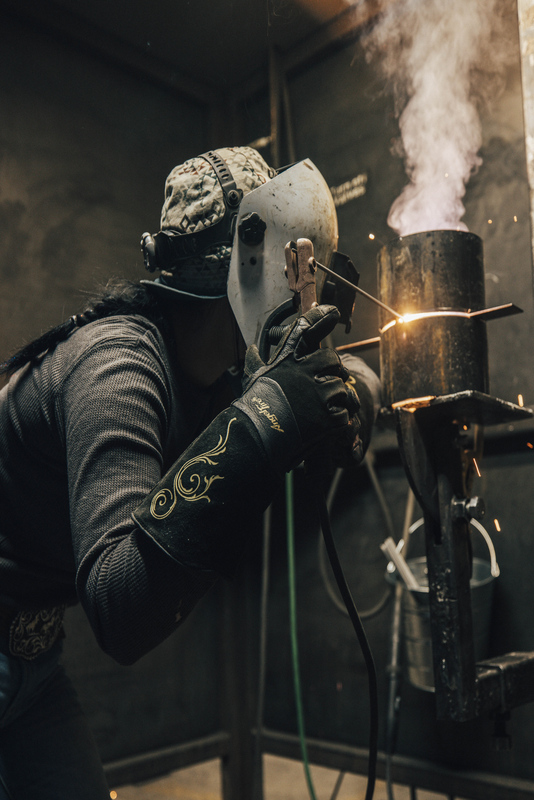
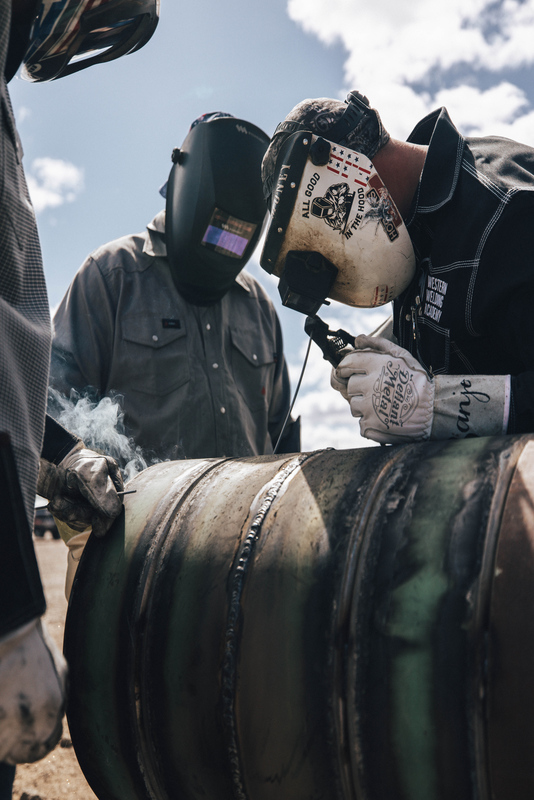
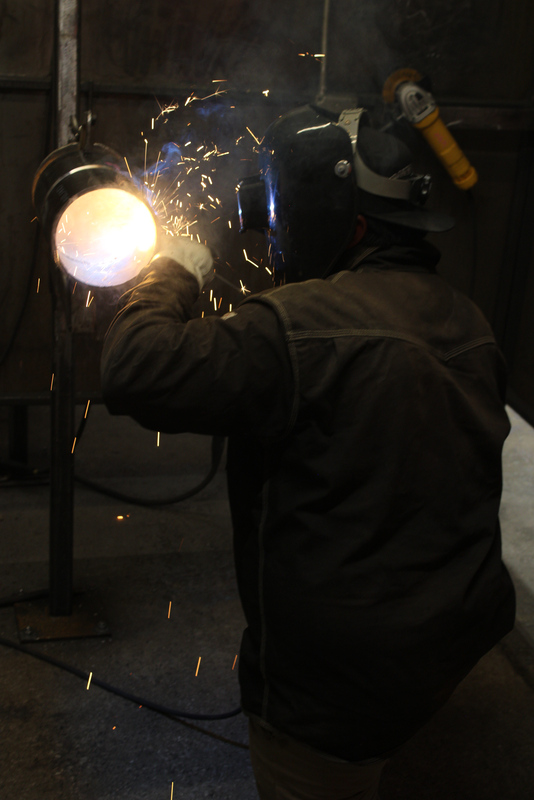
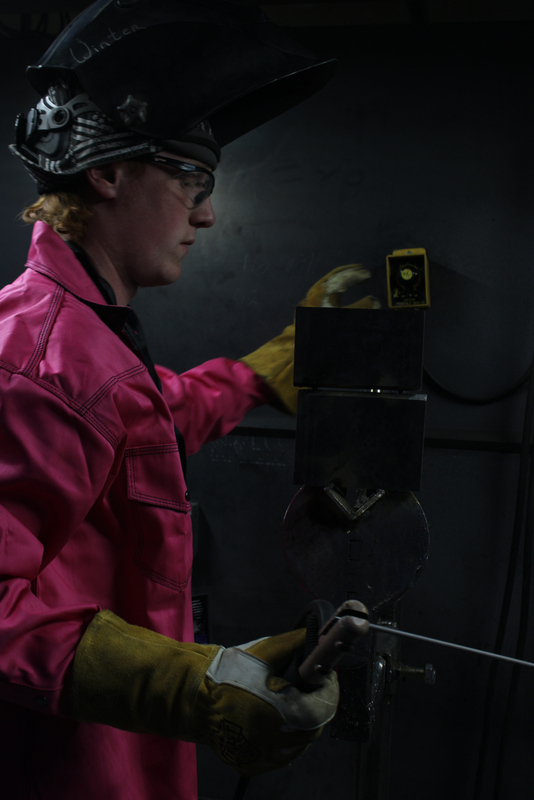
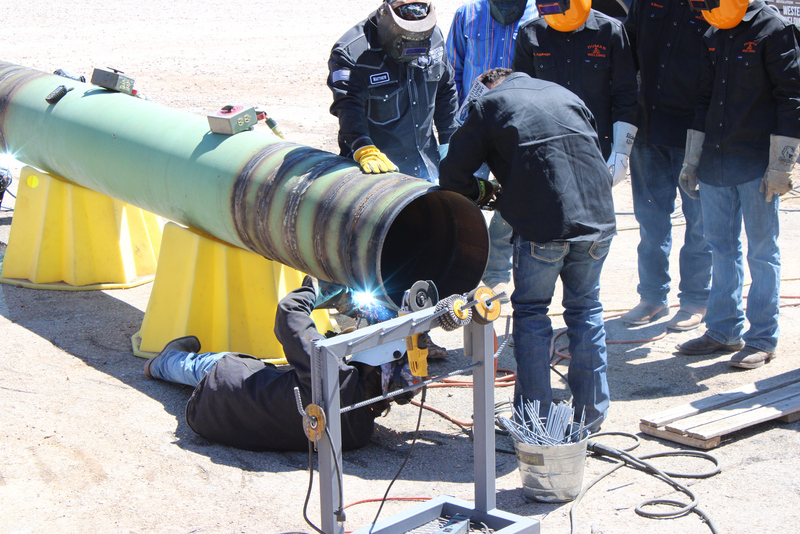
Certification readiness comes from repetition under a hood, not from classroom hours. The number that matters is total booth hours. A program with 85% booth time at 40 hours per week delivers 34 hours of actual welding practice every week. Over 12 weeks, that is 408 hours of hands-on welding. Over 24 weeks, that is 816 hours.
Compare that to a community college program with 40% booth time at 20 hours per week. That delivers 8 hours of welding practice per week. Over two semesters (32 weeks), that is 256 hours. A 12-week program at Western Welding Academy delivers more booth hours in 12 weeks than most community colleges deliver in a full academic year. The skill is the same. The speed is not.
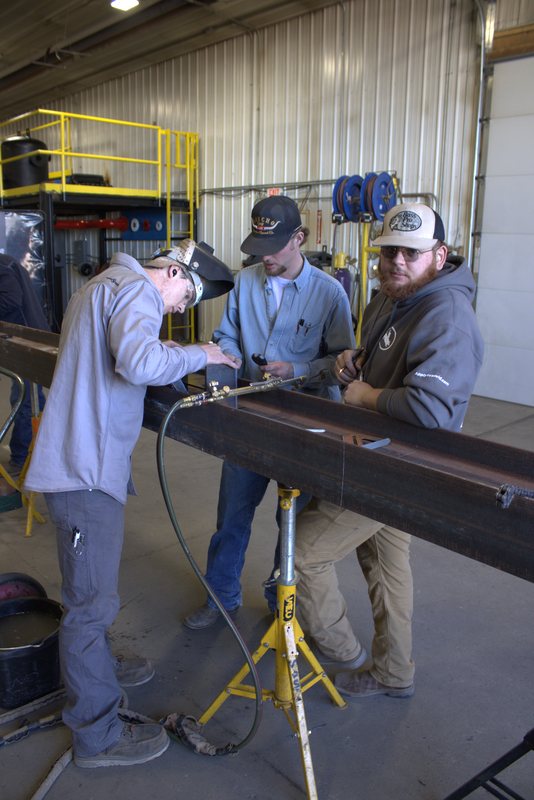
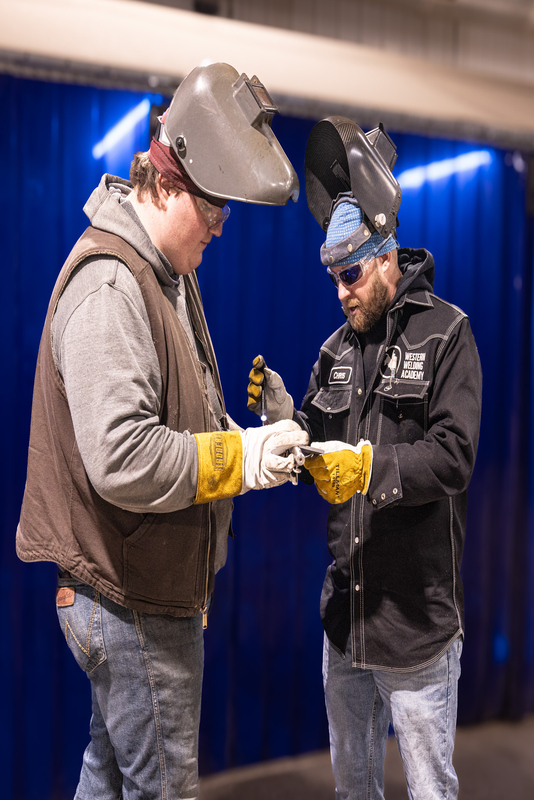
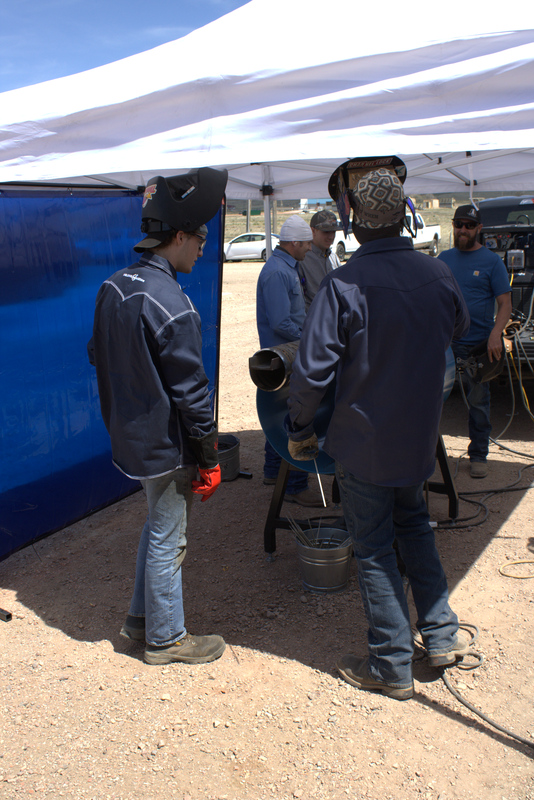
Instructors with 330 combined years of pipeline experience accelerate the learning curve further. They catch technique problems in real time and correct them on the spot. You do not spend weeks developing bad habits that need to be unlearned later. Every hour under the hood counts because every hour has direct instructor feedback.
Ready to go from zero to certified pipe welder? Call Western Welding Academy at (307) 284-5313 or apply now to start your countdown.
Which Certifications Should You Pursue First?
SMAW (stick welding) all-position certification is the foundation. Every pipe welding career starts here. Stick welding is the most demanded process on pipelines, refineries, and power plants. If you can pass a 6G SMAW test, you qualify for the majority of entry-level pipe welding jobs. The Foundational Pipe Welder program prepares you for exactly this certification.
GTAW (TIG) certification is the second priority. Pipe root passes in refineries and pharmaceutical plants require TIG. Adding GTAW to your SMAW certification opens combo cert jobs that pay $10 to $30 more per hour than SMAW-only positions. The Professional Pipe Welder program covers both processes.
6G combo certification is the top credential. It proves you can weld pipe in the hardest position using multiple processes. This is the certification that unlocks six-figure pipeline and refinery careers. The Expert Pipe Welder program trains through full 6G readiness. Western Welding Academy holds the #1 AWS Accredited Testing Facility designation, so you train and test in the same building.
What Graduates Earn After Getting Certified
The real question behind the timeline question is this: how fast can I start earning? Every number below comes from verified Western Welding Academy graduate records. These are real paychecks from welders who went from zero experience to working certified pipe welders.
Leyton Wagner earns $4,514 per paycheck as a verified Western Welding Academy graduate. His paycheck is published on the Western Welding Academy website. At two paychecks per month, Leyton earns over $9,000 monthly. He went from training to that income level within months of graduating.
Gavin Walden earns $3,986 per paycheck. His verified earnings confirm that the $3,500 to $4,500 per-check range is a consistent outcome for graduates who enter pipe welding with the right certifications. His annual gross exceeds $100,000.
David Smolek earns $3,417 per paycheck. Even at the lower end of the verified graduate range, his biweekly earnings translate to roughly $88,000 per year. That is nearly double what a typical MIG production welder earns without pipe certifications.
Noah clears $2,800 per week welding on the North Slope in Alaska. Pipeline and remote location premiums push earnings even higher for graduates willing to travel. Read more about what pipe welders actually earn after graduation.
Hank reached $150,000 per year by age 21. He completed the Expert Pipe Welder program, earned his certifications, and started earning six figures before most of his peers finished community college. His total timeline from enrollment to six figures was under one year.
What Slows Down Most Beginners and How to Avoid It
Choosing a part-time program is the most common time trap. Part-time training stretches a 12-week curriculum into 6 to 9 months. You learn the same material, but your muscle memory builds slower because practice sessions are shorter and less frequent. Full-time immersive training builds welding skills the way an athlete builds conditioning: through daily, sustained, high-volume repetition.
Starting with MIG instead of SMAW costs time in the long run. MIG is easier to learn but does not build the rod control and puddle management skills that pipe welding demands. Welders who start with MIG and then switch to stick welding often need weeks of retraining to develop the technique they should have built from day one.
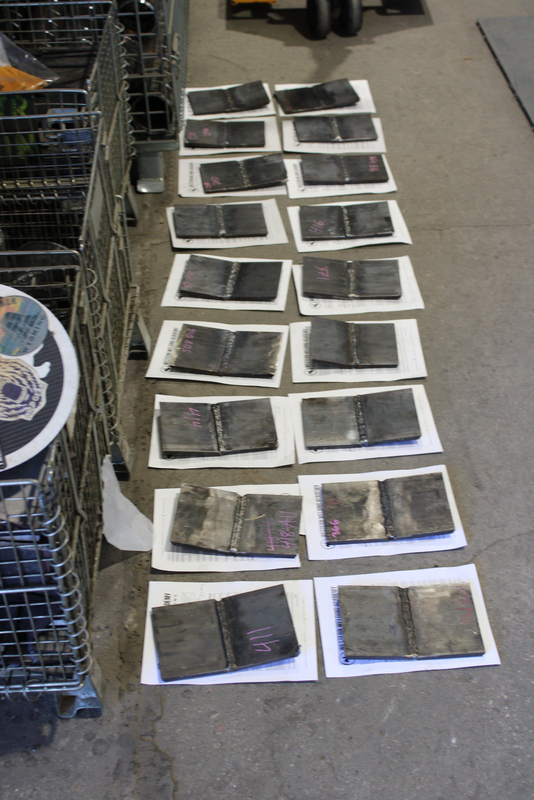
Attending a school without on-campus testing adds weeks or months to the timeline. After training, you need to schedule a certification test at a separate AWS-accredited facility, travel there, and hope your technique holds under unfamiliar conditions. At Western Welding Academy, testing happens in the same building where you trained, with instructors who know your strengths and weaknesses.
Your career starts the day you decide. Call Western Welding Academy at (307) 284-5313 or apply now to start the clock.
The Professional Pipe Welder program gets you SMAW and GTAW pipe certified in 19 weeks.
Frequently Asked Questions
Q1. How long does it take to become a pipe welder with no experience?
The fastest path takes 12 to 24 weeks of full-time training at a dedicated pipe welding school. Add 30 to 90 days for job placement, and the total timeline from zero experience to working pipe welder is 4 to 9 months depending on which program you choose.
Q2. Can you become a certified pipe welder in 12 weeks?
Yes. The Foundational Pipe Welder program at Western Welding Academy runs 12 weeks at 85% booth time and prepares you for SMAW all-position certification testing. You train and test at the #1 AWS Accredited Testing Facility in the same building.
Q3. How long does a union welding apprenticeship take?
Union welding apprenticeships take three to five years to complete. You earn apprentice wages during that period, but you do not choose your specialty. If your goal is pipe welding specifically, a dedicated pipe welding school is a faster and more direct path.
Q4. What is the fastest way to become a certified pipe welder?
The fastest path is a full-time pipe welding school with 85% or higher booth time and on-campus certification testing. Western Welding Academy's 12-week Foundational program is the shortest path to SMAW pipe certification readiness in the United States.
Q5. Do you need prior welding experience to start pipe welding school?
No. Western Welding Academy accepts complete beginners with zero welding experience. All programs start with fundamentals and progress through advanced pipe positions. 95% of students come from outside Wyoming and many have never touched a welding machine before enrolling.
Q6. What makes Western Welding Academy different from other welding schools?
Western Welding Academy delivers 85% booth time, all-inclusive tuition covering housing, tools, and materials, lifetime retraining for every graduate, 330 combined years of instructor pipeline experience, and a 94% hire rate within 90 days verified by a 234-alumni survey. It is the #1 AWS Accredited Testing Facility in the country.
Start Your Pipe Welding Career Timeline Today
The timeline from zero to certified pipe welder is shorter than you think. The only variable is when you start. Call Western Welding Academy at (307) 284-5313 or apply now to lock in your start date and begin the countdown to your first pipe welding paycheck.


.jpg)


.jpg)


.jpg)
.jpg)
.jpg)
.jpg)
.jpg)
-thumbnail.jpg)

.jpg)