Pipe welding school costs between $5,000 and $35,800 in 2026 depending on program length, location, and whether tuition includes housing, tools, and materials. At Western Welding Academy, all four programs are all-inclusive at $17,050 to $35,800 with zero hidden fees.
What Determines the Cost of Pipe Welding School?
Program length is the biggest tuition driver. A 12-week intensive program costs less total tuition than a 9-month part-time certificate, but the weekly rate is higher because training is compressed into full-time hours. You also start earning sooner. Every extra month in training is a month of lost wages that does not show up on the invoice.
What the tuition includes changes the real cost dramatically. Some schools quote a base tuition that excludes welding rods, filler metal, PPE, tools, textbooks, and certification testing fees. Those extras add $1,500 to $4,000 on top of the posted price. An all-inclusive program like the ones at Western Welding Academy bundles housing, tools, PPE, materials, and lifetime retraining into a single number. What you see is what you pay.
Location affects cost in two ways. Schools in high cost-of-living metros charge more tuition and make housing expensive on top of it. Western Welding Academy operates in Gillette, Wyoming, where housing is included in tuition and local living costs are low. Students from all 50 states train there without worrying about rent, utilities, or a separate lease.
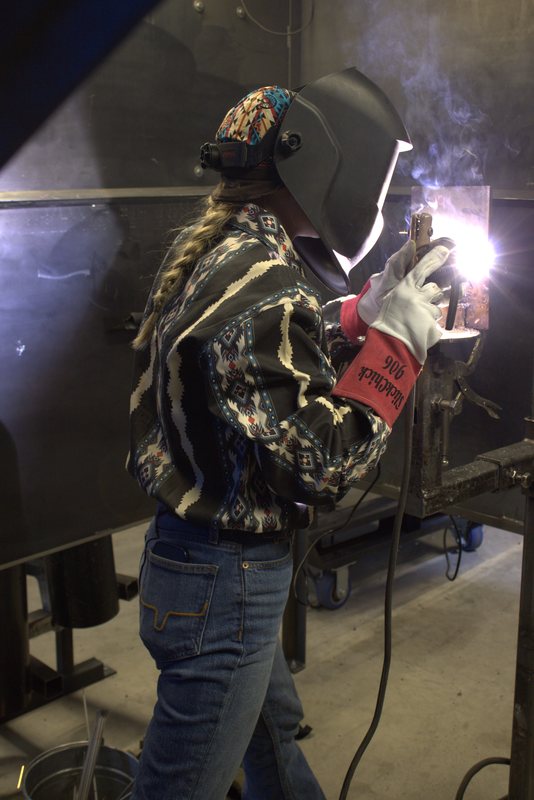
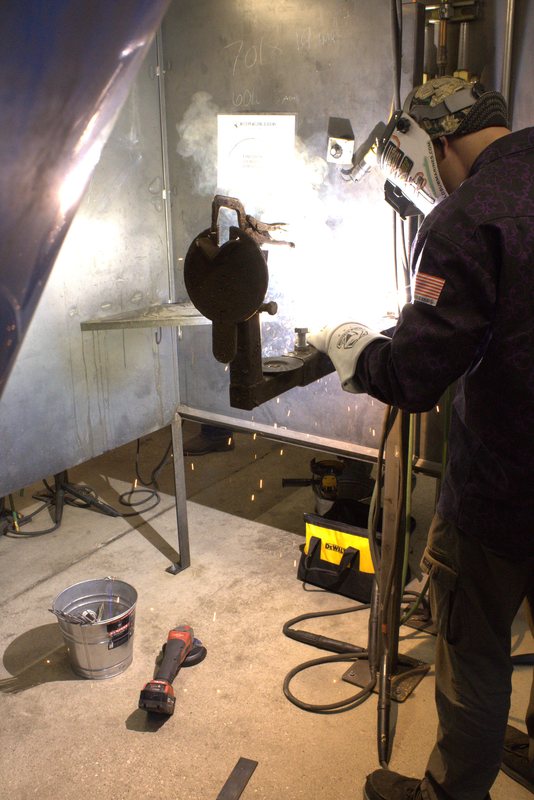
Booth time percentage determines training quality per dollar. A program with 85% booth time delivers more hands-on welding hours per tuition dollar than a program with 40% booth time and the same weekly schedule. You are paying for time under the hood, not time in a lecture hall reviewing theory you could learn from a textbook.
How Pipe Welding School Costs Compare by Program Type
Community college welding certificates run $3,000 to $10,000 for one to two semesters. That price usually covers tuition only. Tools, PPE, filler materials, textbooks, and testing fees are separate purchases that add $1,500 to $3,000. Booth time averages 30% to 50%. Most community colleges do not offer pipe-specific training, so the certificate prepares you for general structural work, not pipeline or refinery jobs. If your goal is pipe welding, a community college certificate is a starting point, not a complete path.
Short-term welding workshops cost $500 to $3,000 for one to four weeks. These are not certification programs. They are refresher courses or introductory samplers designed for hobbyists or welders who need a quick tune-up. No workshop this short can train you from zero to cert-ready on pipe. If a school promises pipe certification in two weeks, question the quality.
Union apprenticeships cost little or nothing upfront because the employer and union fund training. The tradeoff is time. Most union welding apprenticeships take three to five years to complete, and you earn apprentice wages during that period. You also do not choose your specialty. The union assigns work based on need, not your career goals. For welders who want pipe-specific training on a faster timeline, a dedicated pipe welding school is the better path.
The Foundational Pipe Welder program at Western Welding Academy costs $17,050 for 12 weeks of full-time training at 85% booth time. Tuition is all-inclusive. Housing, tools, PPE, materials, and lifetime retraining are covered. The program trains SMAW in all pipe positions and prepares you for certification testing at the #1 AWS Accredited Testing Facility.
The Professional Pipe Welder program costs $27,600 for 19 weeks. It adds GTAW (TIG) to SMAW training and prepares graduates for higher-paying combo certification jobs in refineries, power plants, and cross-country pipelines.
The Expert Pipe Welder program costs $35,800 for 24 weeks. This is the most comprehensive pipe welding training available. Graduates leave cert-ready for 6G combo positions, which are the highest-paid pipe welding jobs in the industry. The program includes SMAW, GTAW, FCAW, and GMAW across all positions on pipe and plate. Learn more about what pipe welding positions mean and why they matter.
The Structural Welding Advanced program costs $25,800 for 12 weeks. It focuses on structural plate and beam welding for construction, shipbuilding, and heavy fabrication careers.
Ready to invest in a career that pays you back in 5 to 7 months? Call Western Welding Academy at (307) 284-5313 or apply now to lock in your spot.
Why Western Welding Academy's All-Inclusive Tuition Stands Out
Every Western Welding Academy program bundles tuition, housing, tools, PPE, welding materials, and certification testing prep into one price. There are no hidden fees. There is no separate housing deposit. There is no tools-and-materials surcharge midway through the program. The number on the enrollment agreement is the number you pay.
Housing alone is a $3,000 to $6,000 savings compared to schools that do not include it. Most pipe welding schools in metro areas require students to find and pay for their own housing. In cities like Houston, Tulsa, or Jacksonville, a shared apartment near a welding school costs $800 to $1,200 per month. Over a 24-week program, that is $4,800 to $7,200 in rent alone. At Western Welding Academy, housing is included.
Lifetime retraining is a benefit no other pipe welding school matches. If you need a technique refresh two years, five years, or ten years after graduating, you come back and retrain at no additional cost. That single benefit eliminates the risk of skill decay permanently. You never have to pay for welding school again.
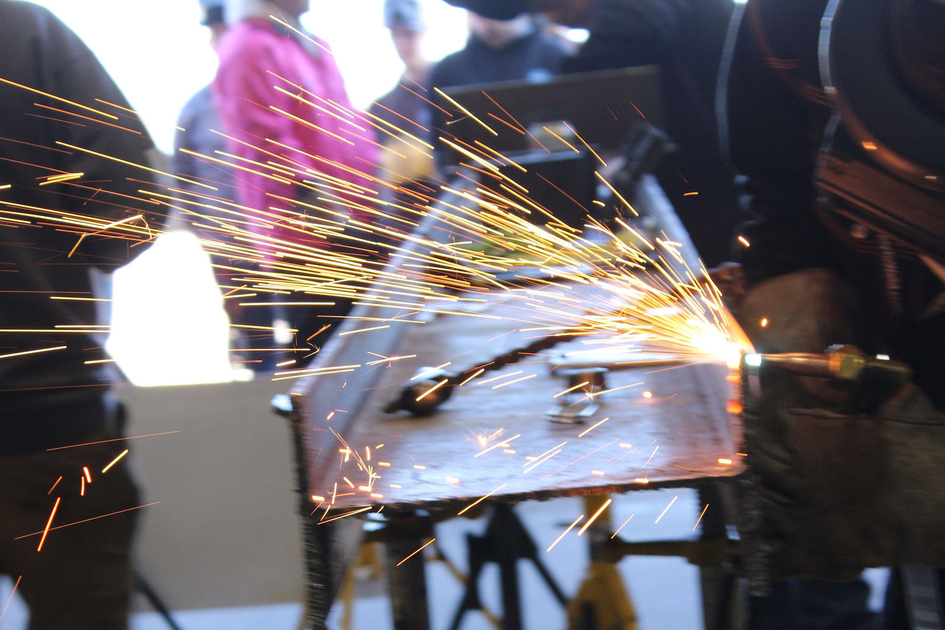
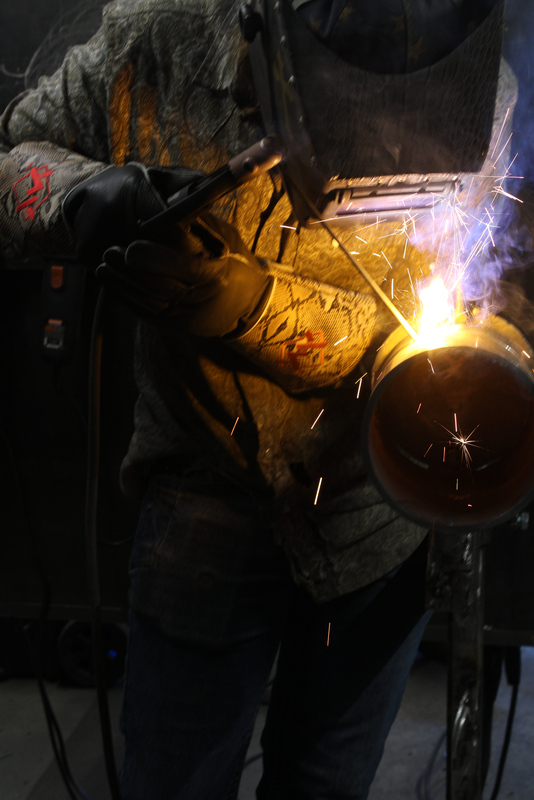
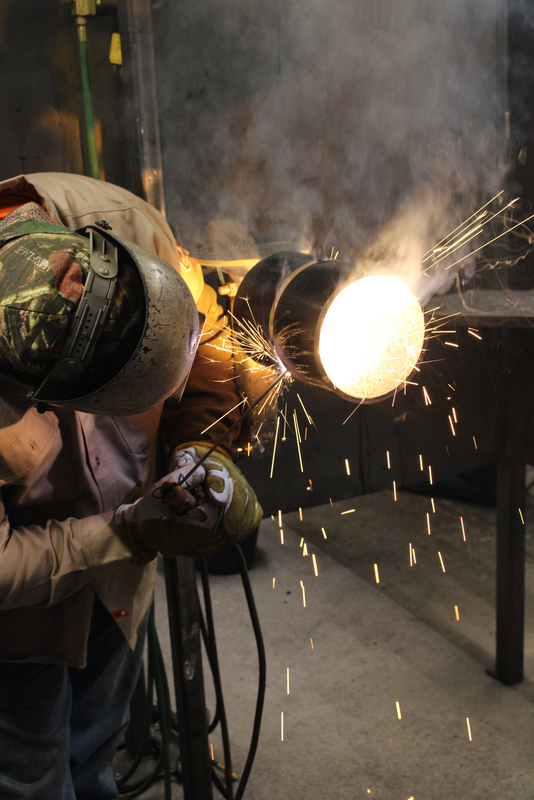
The 85% booth time ratio means you spend the vast majority of your training time under the hood welding, not in a classroom. 330 combined years of instructor pipeline experience means the people correcting your technique have worked the same jobs you are training for. And the #1 AWS Accredited Testing Facility designation means you train and test in the same building. Read more about how welding school helps you get hired faster than self-taught paths.
What Graduates Earn After Pipe Welding School
The real measure of pipe welding school cost is not the tuition. It is the payback period. Every number below comes from verified Western Welding Academy graduate records. These are real paychecks from welders who completed training and entered the workforce.
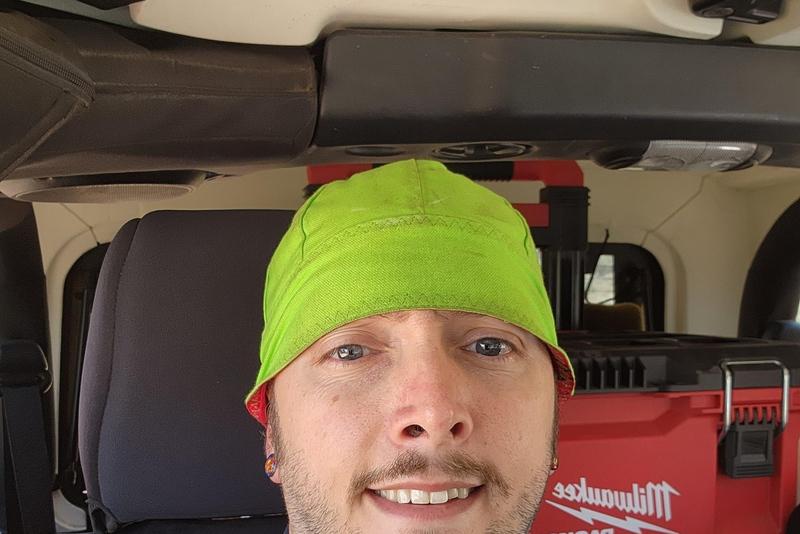
Leyton Wagner earns $4,514 per paycheck as a verified Western Welding Academy graduate. His paycheck is published on the Western Welding Academy website and represents the top end of verified per-check earnings. At two paychecks per month, Leyton earns roughly $9,028 monthly. His $35,800 Expert program tuition pays for itself in under four months of work.
Gavin Walden earns $3,986 per paycheck. His verified earnings confirm that the $3,500 to $4,500 per-check range is a consistent outcome for graduates who enter pipe welding with the right certifications. Gavin's annual gross exceeds $100,000. That is a six-figure career launched in 24 weeks of training.
David Smolek earns $3,417 per paycheck. Even at the lower end of the verified graduate range, his biweekly earnings translate to roughly $88,000 per year. That is nearly double what a typical MIG production welder earns without pipe certifications.
Noah clears $2,800 per week welding on the North Slope in Alaska. His weekly gross exceeds what many welders earn in two weeks. Pipeline and remote location premiums push earnings even higher for graduates willing to travel.
Hank reached $150,000 per year by age 21. He completed the Expert Pipe Welder program, earned his certifications, and entered the workforce with credentials that employers pay top dollar for. His $35,800 tuition produced a 4x annual return within his first year on the job.
What Hidden Costs Catch Students Off Guard
Tools and PPE are the most common surprise cost. Some schools list tuition at $12,000 but require you to buy a $2,500 tool kit, a $300 welding hood, boots, gloves, leathers, and safety glasses separately. Ask any school for the total out-the-door cost before enrolling. If they cannot give you a single number, that is a red flag.
Consumable materials like welding rods, filler wire, grinding discs, and gas add up fast during training. At 40 hours per week of booth time, material consumption is significant. Schools that do not include consumables in tuition pass those costs to students on a weekly or monthly basis. Some students report spending $500 to $1,500 on materials alone over the course of a program.
Certification testing fees are another hidden cost. An AWS certification test costs $50 to $300 per attempt depending on the process and position. If the school does not have on-campus testing, you also pay travel and scheduling costs to reach a testing facility. At Western Welding Academy, testing prep is part of the program and the #1 AWS Accredited Testing Facility is on campus.
Lost wages during training are the biggest invisible cost. Every month in school is a month you are not earning a pipe welder's paycheck. A 12-week program at $17,050 gets you working three months sooner than a 9-month community college certificate at $8,000. Those six extra months of lost wages at even $3,000 per week represent $72,000 in forgone income. The cheapest tuition is not always the cheapest path.
How Financial Aid and Payment Options Work for Welding School
Western Welding Academy accepts the GI Bill for eligible veterans and military dependents. Students with VA education benefits can apply those benefits directly to tuition. If you are a veteran considering pipe welding school, check whether the school you are comparing is GI Bill approved. Not all welding schools carry that approval.
Payment plans and third-party financing options are available for students who cannot pay tuition in full upfront. The specifics vary by enrollment period, so contact the admissions team directly at (307) 284-5313 for current payment plan details. Some students use personal loans, workforce development grants, or employer sponsorship to fund training. The key question is not whether you can afford to go. It is whether you can afford the lost income from not going.
Stop researching. Start training. Call Western Welding Academy at (307) 284-5313 or apply now to start earning what pipe welders actually make.
Frequently Asked Questions
Q1. How much does pipe welding school cost on average in 2026?
Pipe welding school tuition ranges from $5,000 to $35,800 depending on program length, location, and what the price includes. Community college certificates cost $3,000 to $10,000 for general welding. Full-time pipe welding schools like Western Welding Academy cost $17,050 to $35,800 all-inclusive with housing, tools, and materials.
Q2. Is pipe welding school worth the cost?
Yes. Verified Western Welding Academy graduates earn $2,800 to $4,514 per pay period. At those earnings, most graduates recover their full tuition in 5 to 7 months of working. The 94% hire rate within 90 days means the investment starts paying back almost immediately after graduation.
Q3. Does welding school tuition include tools and housing?
It depends on the school. Most community colleges and many trade schools exclude tools, PPE, housing, and materials from tuition. Western Welding Academy includes all of those in a single all-inclusive tuition price. There are no hidden fees or additional charges.
Q4. Can you use the GI Bill for pipe welding school?
Yes, at approved schools. Western Welding Academy accepts the GI Bill for eligible veterans and military dependents. Not all welding schools carry GI Bill approval, so confirm directly before enrolling. VA education benefits can cover tuition costs partially or fully depending on eligibility.
Q5. How long does it take to pay back welding school tuition?
Most Western Welding Academy graduates pay back their full tuition within 5 to 7 months of entering the workforce. The $17,050 Foundational program pays back fastest. Even the $35,800 Expert program recovers in under five months for graduates earning $4,000 or more per paycheck.
Q6. What makes Western Welding Academy different from other welding schools?
Western Welding Academy delivers 85% booth time, all-inclusive tuition covering housing, tools, and materials, lifetime retraining for every graduate, 330 combined years of instructor pipeline experience, and a 94% hire rate within 90 days verified by a 234-alumni survey. It is the #1 AWS Accredited Testing Facility in the country.
Invest in a Pipe Welding Career That Pays You Back
Pipe welding school is not an expense. It is an investment with a documented payback period. The cost matters, but the return matters more. Graduates from Western Welding Academy recover their tuition in months, not years. Call Western Welding Academy at (307) 284-5313 or apply now to start earning what pipe welders actually make.


.jpg)


.jpg)


.jpg)
.jpg)
.jpg)
.jpg)
.jpg)
-thumbnail.jpg)

.jpg)