How Do Welding Specialties Differ in Pay?
Welding is not one job. It is a category of jobs that spans dozens of industries and work environments. A welder in an auto body shop earns a very different wage than a welder on a pipeline spread or inside a nuclear power plant. The pay gap between the lowest and highest paying specialties can be $80,000 or more per year.
The factors that drive pay are certification level, work conditions, travel requirements, and risk. Jobs that require specialized certifications, remote locations, harsh environments, or high stakes code welding pay more because fewer welders can do them. The welding specialties at the top of the pay scale demand the most skill and the most sacrifice. But they also deliver the highest return on your training investment.
Pipeline Welding: $60,000 to $150,000 or More
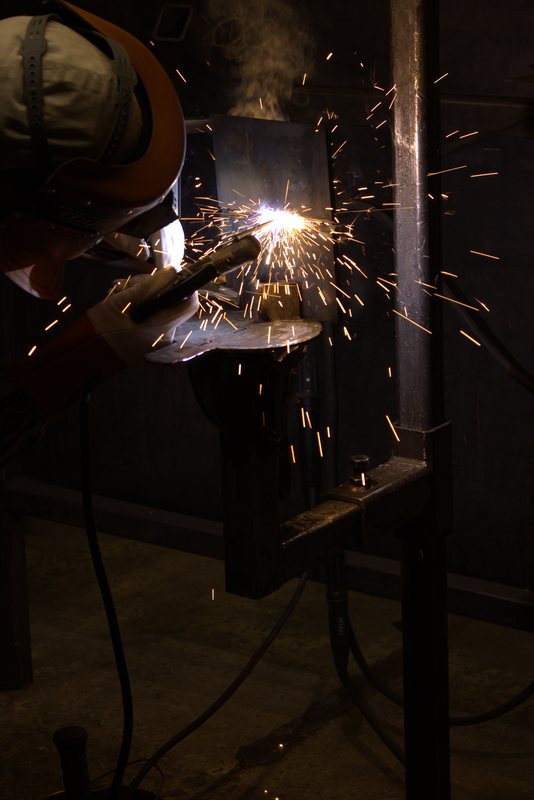
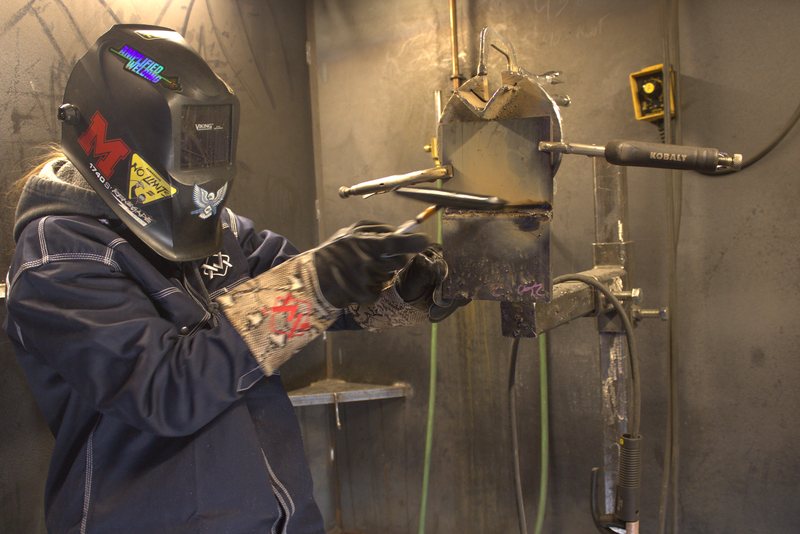
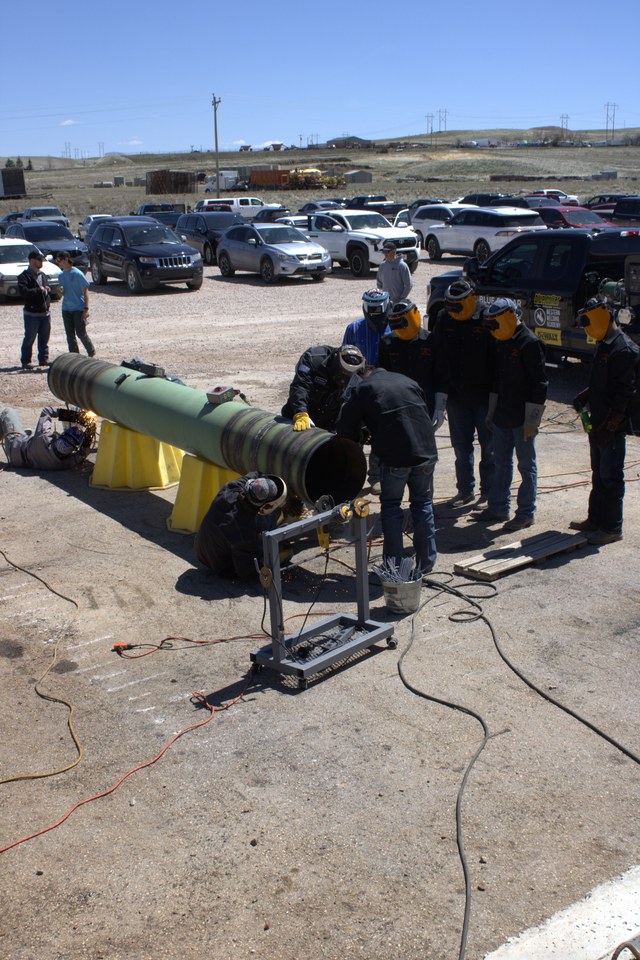
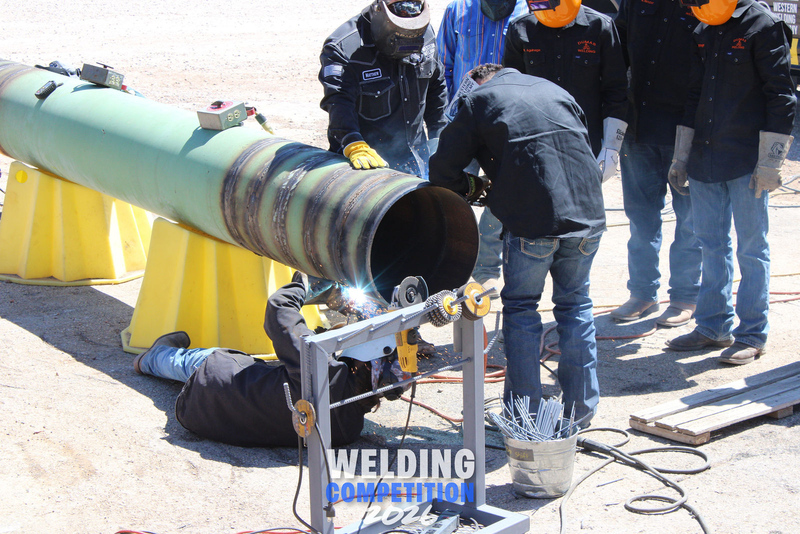
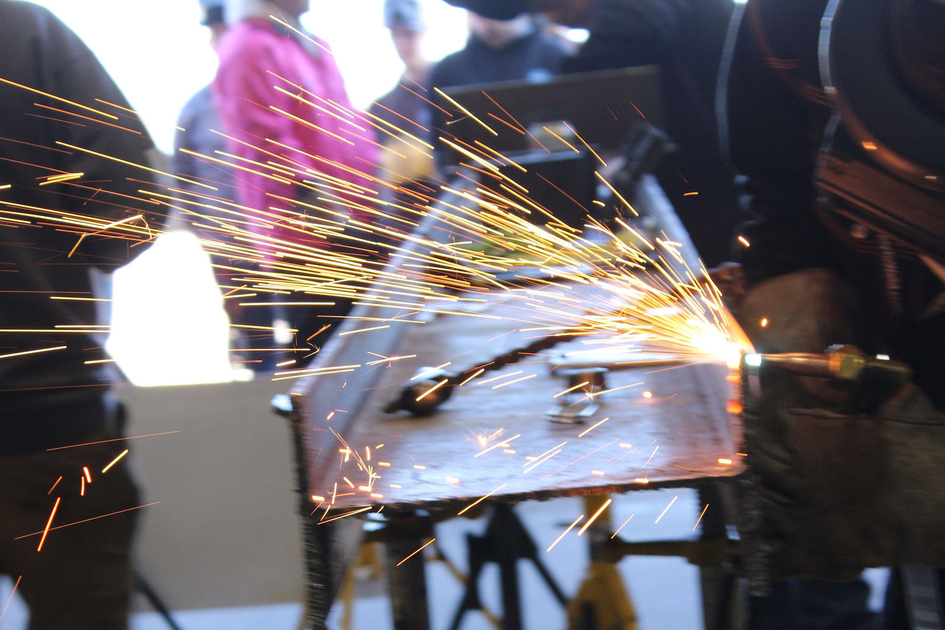
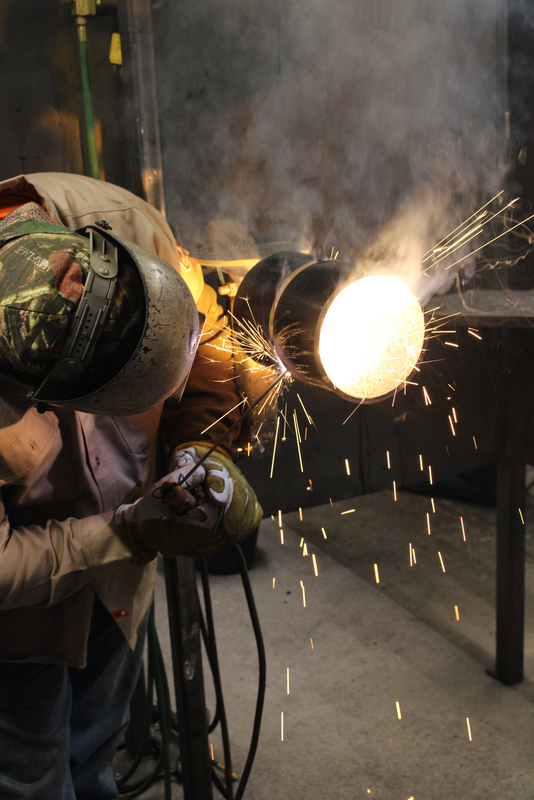
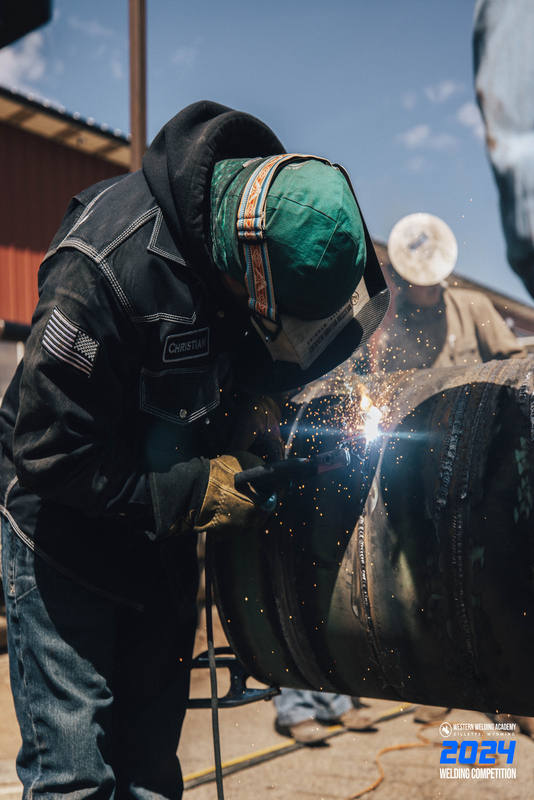
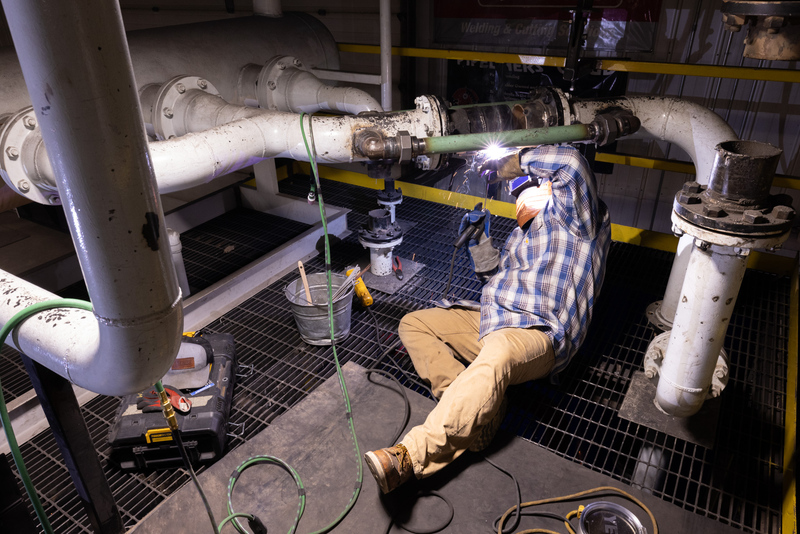
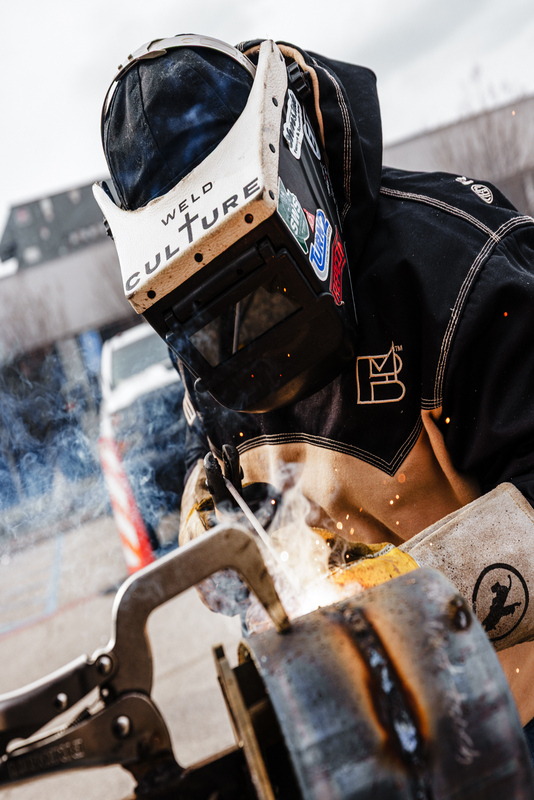
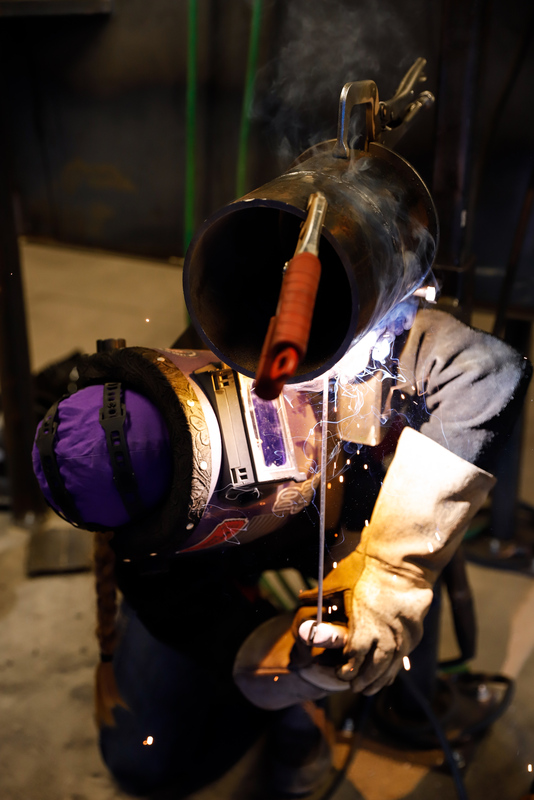
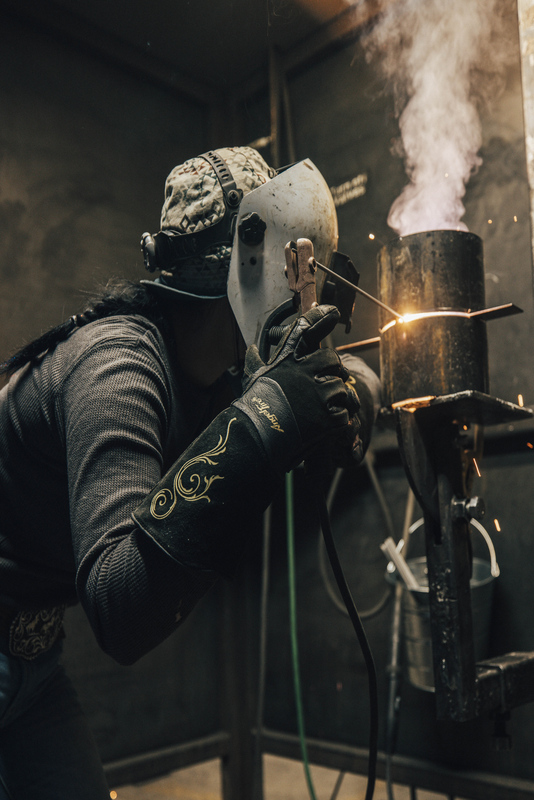
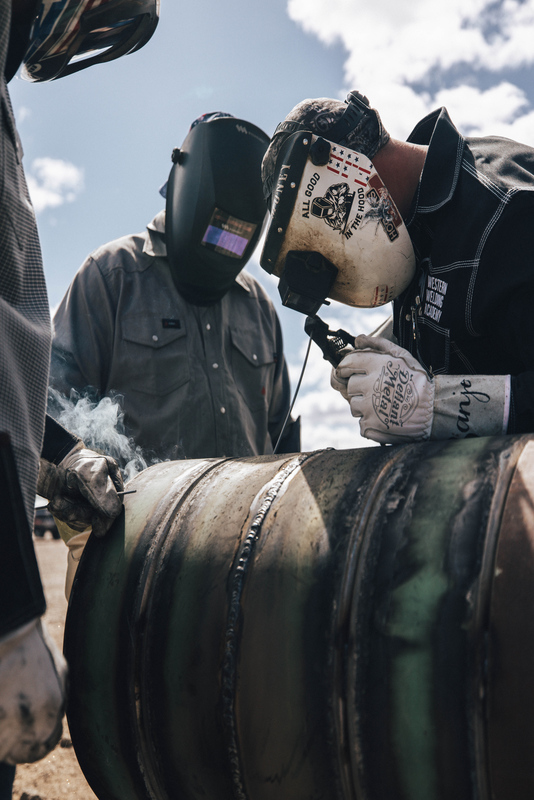
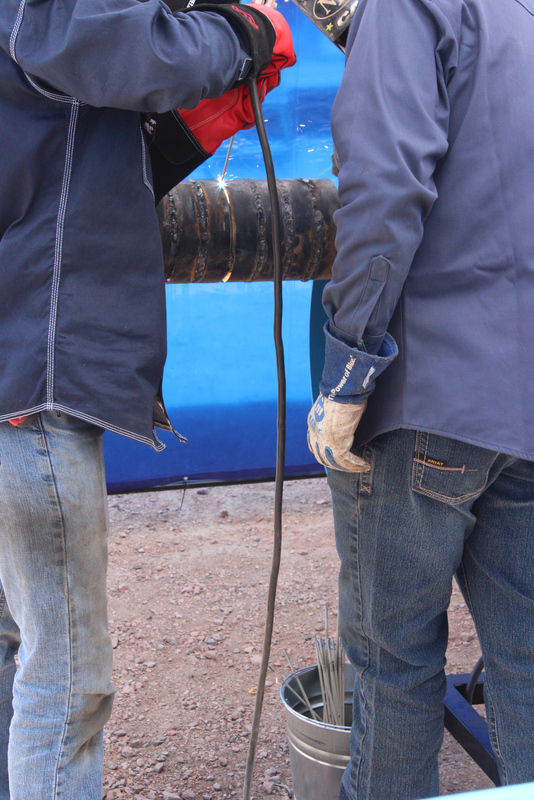
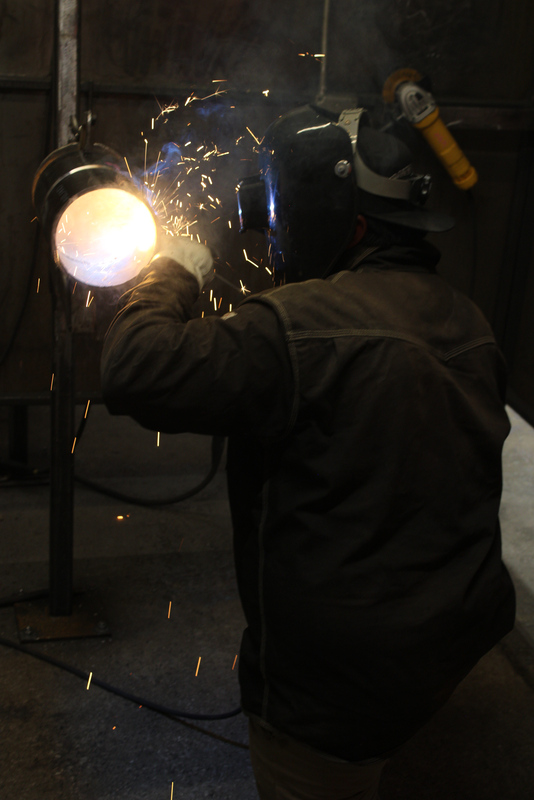
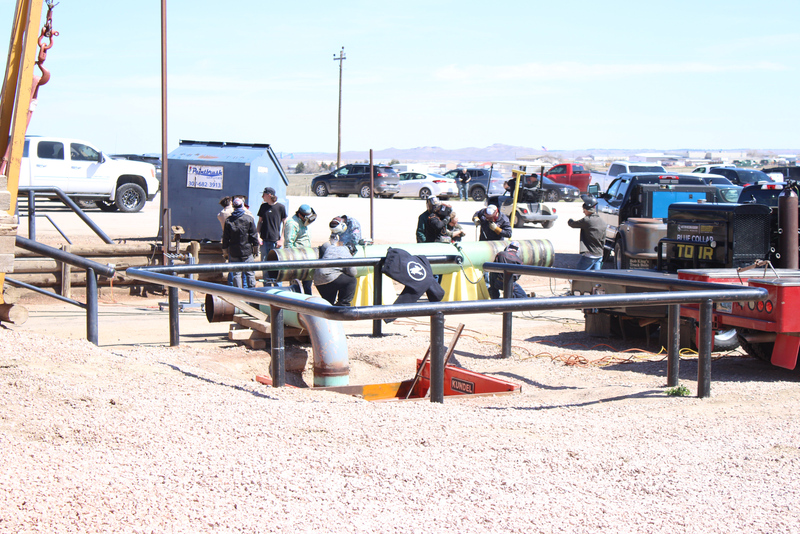
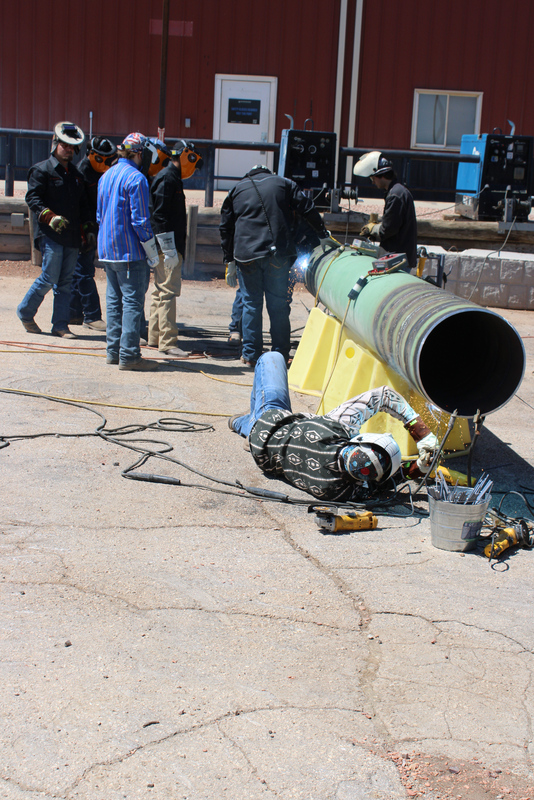
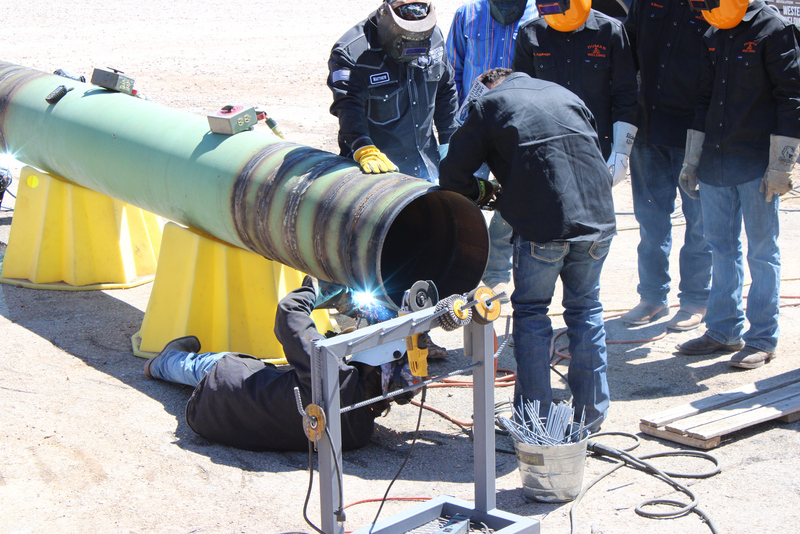
Pipeline welding is the most accessible high paying specialty in the trade. Pipeline welders make code welds on pipe that carries oil, gas, and water across the country. The work requires API 1104 certification, 6G position skills, and proficiency with SMAW and GTAW processes. You work outdoors in all conditions, travel to wherever the project is, and run 10 to 14 hour shifts for weeks at a time.
The pay reflects the demand. The welding industry needs 82,500 new welders every year, and the projected deficit is 330,000 by 2028. Pipeline contractors cannot find enough qualified hands, which keeps wages high. Entry level pipeline welders earn $40,000 to $60,000 in their first year. Experienced hands pull $90,000 to $150,000 or more. Graduates of Western Welding Academy have hit these numbers within months of completing their programs.
Underwater Welding: $50,000 to $200,000 or More
Underwater welders are commercial divers who also hold welding certifications. The work involves repairing offshore platforms, ship hulls, dams, and underwater pipelines. The pay ceiling is the highest in the trade because of the extreme risk and specialized skill combination required.
The catch is access. Underwater welding requires commercial diving certification on top of your welding skills, which means additional training that can take six months to a year beyond welding school. The number of available positions is also much smaller than pipeline welding. High pay, but limited openings and a demanding physical toll.
Nuclear and Power Plant Welding: $70,000 to $130,000
Nuclear welders work on reactor components, pressure vessels, and piping systems inside power plants. The work requires ASME Section IX certifications, security clearances, and strict quality control protocols. Most nuclear welding happens during planned shutdowns, which means intense bursts of work followed by downtime between projects.
The pay is strong and stable for those who can get through the clearance process. Nuclear welders also benefit from predictable schedules compared to pipeline welders who follow the work across the country. The trade off is that the entry path is narrower and the work is concentrated in specific regions near power plants.
TIG Specialty Welding: $55,000 to $110,000
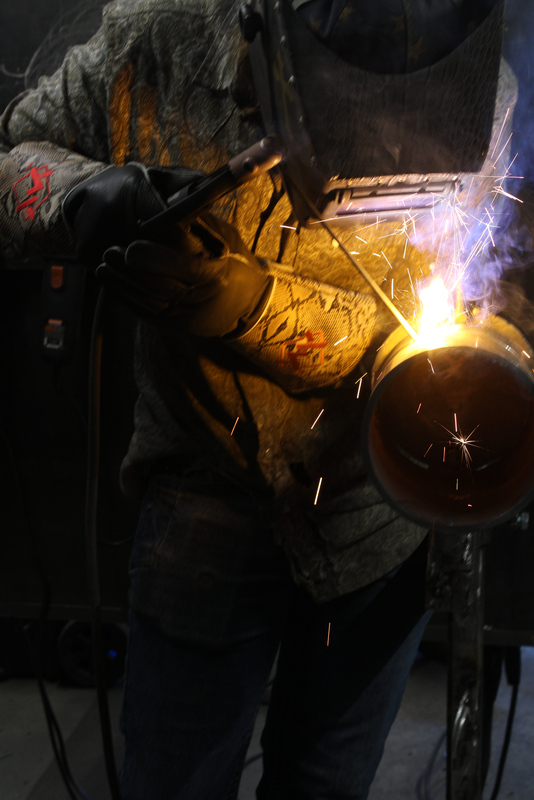
TIG welders who specialize in aerospace, pharmaceutical, semiconductor, or food grade stainless steel work earn premium wages because the precision required is extreme. These jobs demand clean room environments, perfect weld profiles, and zero contamination. Not every welder can produce welds at this standard consistently.
The work environment is more controlled than pipeline or nuclear welding. You are typically in a shop or clean facility rather than outdoors. The hours are often more predictable. For welders who want high pay without the road life, TIG specialty work is a strong option. The skills start with the same foundational training available at Western Welding Academy. If you want to understand what welding certification pays at different levels, the data is clear.
Ready to train for the highest paying welding specialty? Apply now or call (307) 284-5313 today.
What Do Verified Western Welding Academy Graduates Earn?
Pipeline welding offers the best combination of high pay, strong demand, and accessible training. Here is what verified graduates of Western Welding Academy have earned.
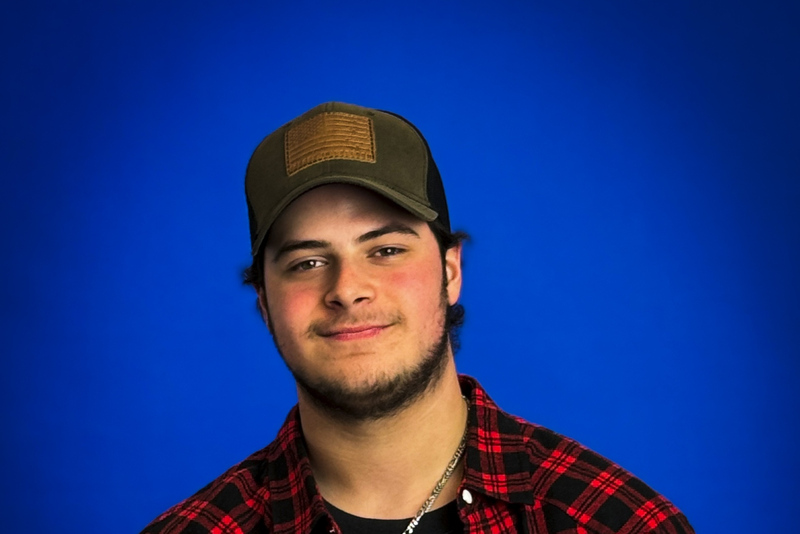
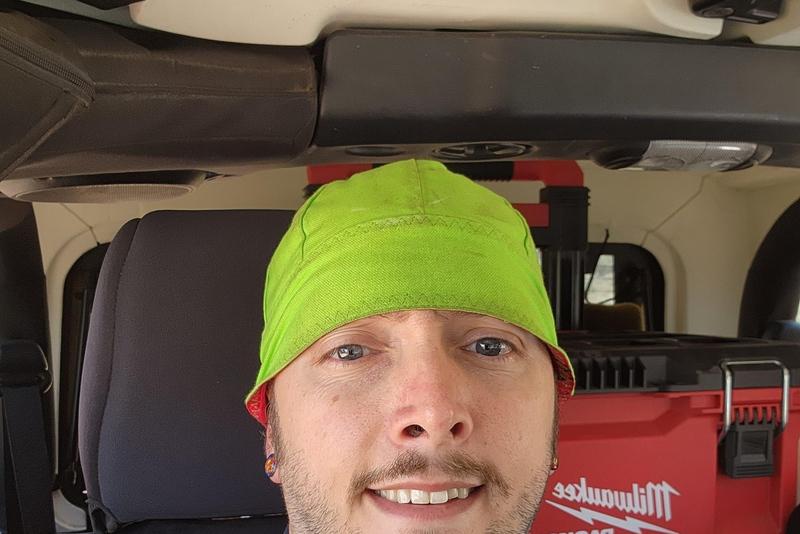
Leyton Wagner earned $4,514 per paycheck after completing his program at Western Welding Academy. His paycheck was verified and published on the school's website. That level of income within months of finishing a program shows what the right training and certifications are worth in the market.
Gavin Walden brought home $3,986 per paycheck. His results were documented through graduate outcome tracking. Gavin moved directly from the program to a pipeline crew and started earning at that level immediately.
David Smolek earned $3,417 per paycheck. His verified results confirm that strong earnings are consistent across graduating classes, not limited to a handful of standout students.
Noah took a position on the North Slope in Alaska and started clearing $2,800 per week. The North Slope is one of the most demanding work environments in the country. His training through the Professional Pipe Welder program gave him the certifications and skills to handle it.
Hank hit $150,000 per year by the age of 21. While most people his age are still in college taking on debt, Hank was already building a six figure career as a traveling pipeline welder.
Why Pipeline Welding Offers the Best Combination of Pay and Demand
Every specialty on this list pays well. But pipeline welding is the only one that combines six figure earning potential with massive demand, accessible training, and no additional certifications beyond welding. You do not need a diving certificate. You do not need a security clearance. You need pipe welding skills, API 1104 readiness, and the willingness to go where the work is.
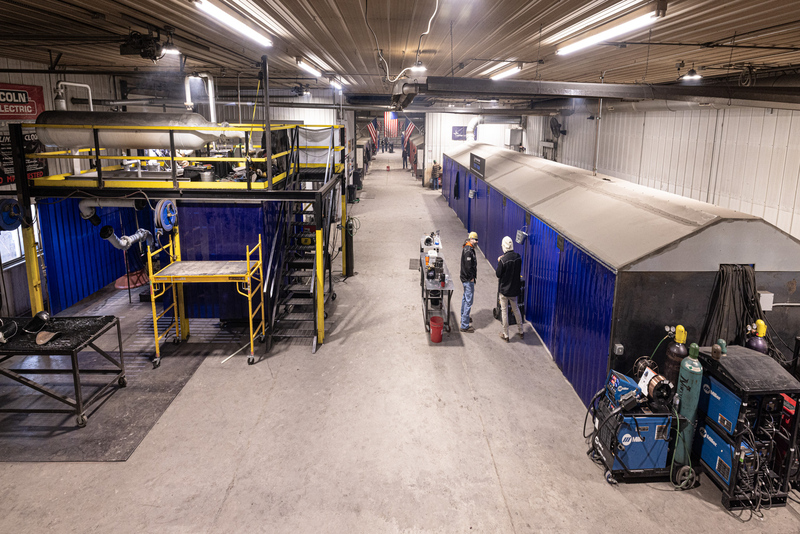
Western Welding Academy has a 94% hire rate within 90 days, verified by a 234 alumni survey from November 2024. The school holds the number one AWS Accredited Testing Facility designation. Instructors bring over 330 combined years of field experience. The Expert Pipe Welder program runs 24 weeks at $35,800. The Foundational Pipe Welder program is 12 weeks at $17,050. All tuition is all inclusive covering housing, tools, and materials.
The graduation rate for the Expert program is 85%. Competitor A graduates 68% over 52 weeks. Competitor B graduates 43% over 36 weeks. Competitor C graduates 56% over 40 weeks. For a broader look at entry level earnings, read pipe welder starting pay. Graduates from the best pipe welding school in the country enter these specialties with certifications that contractors recognize on day one.
Ready to start earning in the highest paying welding specialty? Apply now or call (307) 284-5313 today.
The fastest path to the top-paying specialty is the Expert Pipe Welder program, which covers all four processes in 24 weeks.
Frequently Asked Questions
Q1. What type of welding pays the most?
Underwater welding has the highest ceiling at $200,000 or more per year, but pipeline welding offers the best combination of high pay ($60,000 to $150,000+), strong demand (82,500 welders needed per year), and accessible training. Pipeline welding does not require additional certifications beyond welding, unlike underwater or nuclear specialties.
Q2. How much do pipeline welders make in 2026?
Pipeline welders in 2026 earn $40,000 to $60,000 at the entry level and $90,000 to $150,000 or more with experience. Verified Western Welding Academy graduates have earned $4,514 per paycheck (Leyton Wagner), $3,986 per paycheck (Gavin Walden), and $2,800 per week (Noah on the North Slope).
Q3. Do TIG welders earn more than MIG welders?
Yes. TIG welders who specialize in aerospace, pharmaceutical, or food grade stainless work earn $55,000 to $110,000 per year. MIG welders in production roles typically earn $35,000 to $55,000. The gap reflects the higher precision and skill level required for TIG specialty work.
Q4. What welding certification pays the highest?
API 1104 certification for pipeline welding and ASME Section IX for nuclear and pressure vessel work are the highest paying welding certifications. Both require qualification tests on pipe in fixed positions. Pipeline welding with API 1104 has the widest job market and strongest demand of any certified specialty.
Q5. Is underwater welding worth the extra training?
Underwater welding pays $50,000 to $200,000 or more per year but requires six months to a year of commercial diving certification on top of welding skills. The available positions are limited and the physical demands are extreme. For most welders, pipeline welding offers comparable pay with more opportunities and a faster training path.
Q6. What makes Western Welding Academy different from other welding schools?
Western Welding Academy has a 94% hire rate within 90 days, verified by a 234 alumni survey in November 2024. Students spend 85% of training time in the booth. The school is the number one AWS Accredited Testing Facility with over 330 combined instructor years. Programs range from 12 to 24 weeks with all inclusive tuition covering housing, tools, and materials.
Choose the Specialty That Matches Your Goals
The highest paying welding specialties all reward skill, certifications, and willingness to do hard work. Pipeline welding gives you the fastest path to six figure earnings with the largest job market. The industry needs 82,500 new welders every year. Call Western Welding Academy at (307) 284-5313 or apply now to start training.

.jpg)


.jpg)


.jpg)
.jpg)
.jpg)
.jpg)
.jpg)
-thumbnail.jpg)

.jpg)