What Are the Best Foundational Welding Courses for Experienced Welders Restarting?
Restarting a welding career after years away is not the same as starting from scratch. You have muscle memory, trade knowledge, and shop instincts that beginners do not. But your technique has decayed, your certifications may have lapsed, and the industry may have moved on. You do not need a beginner orientation. You need a foundational course designed for intensity, not hand-holding.
What Experienced Welders Restarting Actually Need
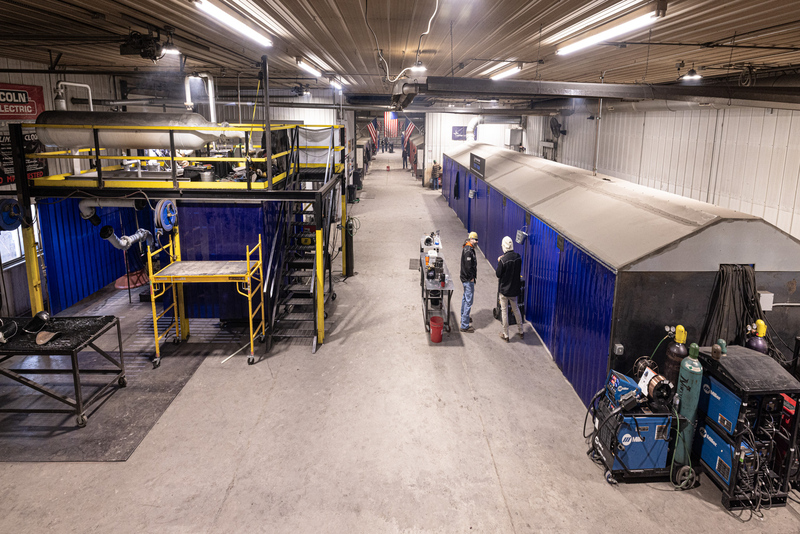
The most critical factor for restarting welders is booth time. Technique rebuilds through repetition, not lectures. Community college welding programs average 30% to 50% booth time. That means half your training week is spent in a classroom reviewing theory you already know. A restarting welder needs 80% or higher booth time to rebuild hand-eye coordination and muscle memory at the pace their experience allows.
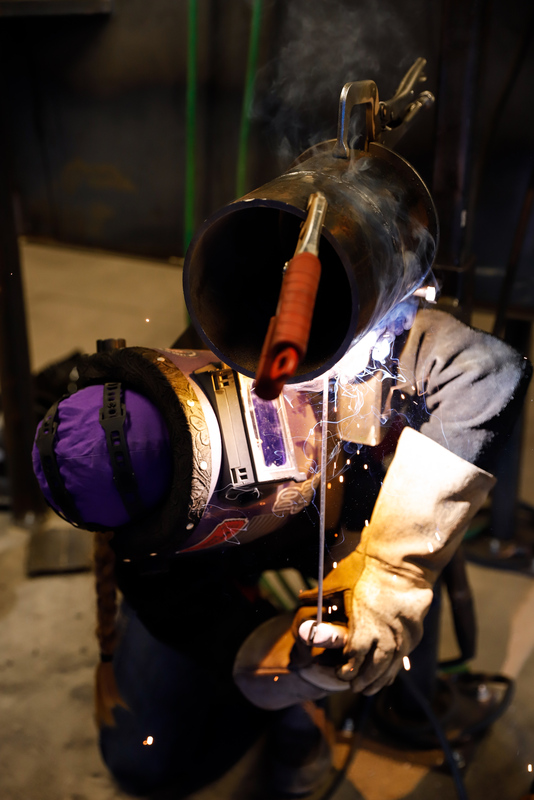
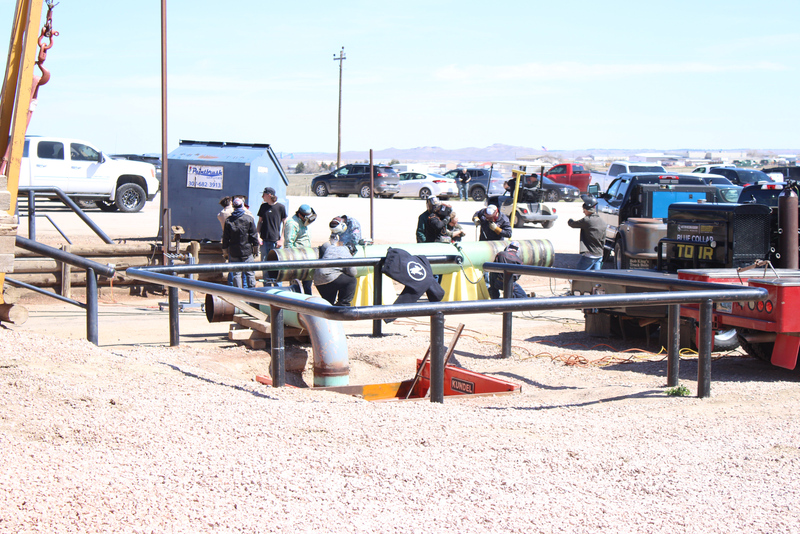
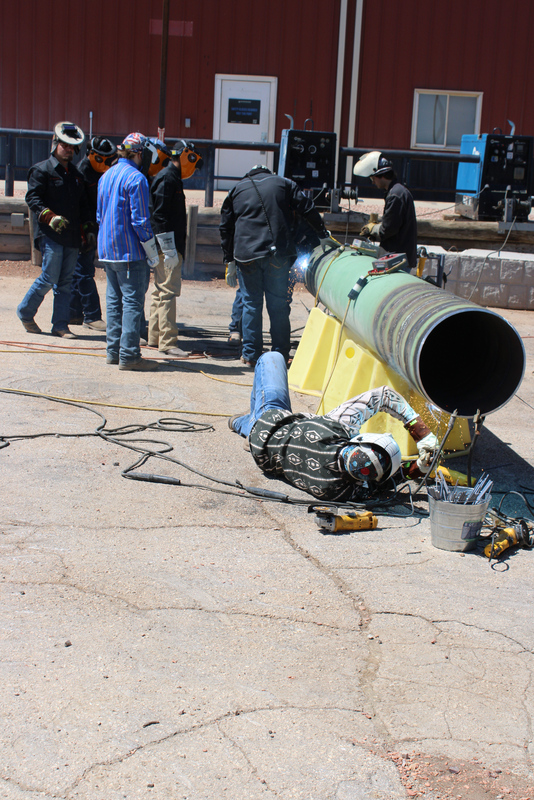
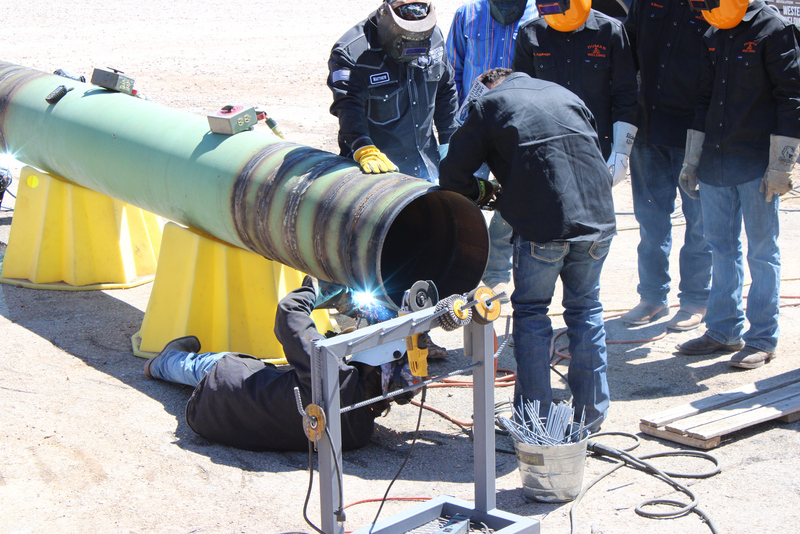
All-position pipe training is the second requirement. Certification tests require multi-position proficiency, and most employers hiring pipe welders expect 5G and 6G capability. Many foundational courses only cover flat and horizontal positions. That leaves you unqualified for the jobs that pay the most. If a course does not train vertical, overhead, and pipe positions, it is not a complete restart program.
SMAW must come first. Stick welding is the foundation for all code-level processes. Programs that start with MIG are not building the discipline or technique that transfers to pipe work. After SMAW is solid, GTAW (TIG) comes second because it is required for pipe root passes and 6G combo certification. A restarting welder who adds both processes opens the full range of pipe welding careers.
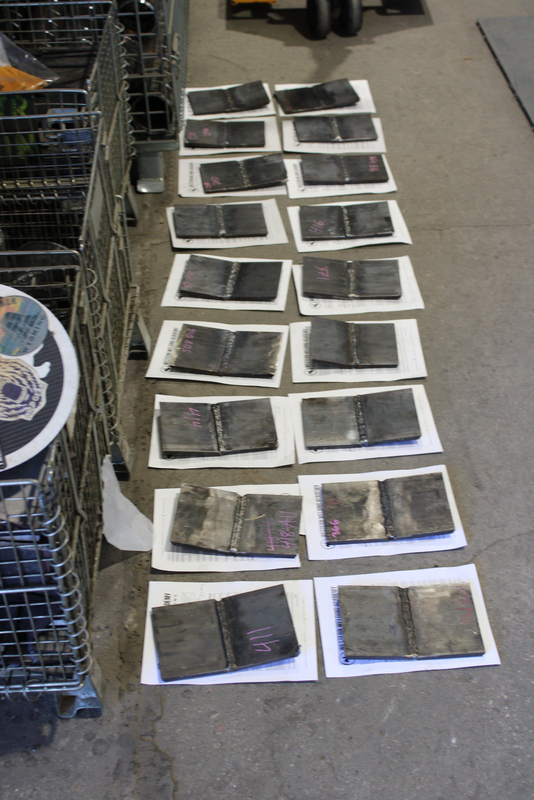
Certification testing access matters more than most welders realize. If the school cannot test you on campus, you still need to find a separate testing facility after training. That adds cost, time, and uncertainty. The best foundational programs are also AWS-accredited testing facilities so you train and test in the same building with the same instructors.
Types of Foundational Courses for Restarting Welders
A community college welding certificate program typically runs one to two semesters on a part-time schedule. The outcome is a general certificate with variable quality depending on the school. Booth time ranges from 30% to 50%, and testing access is not guaranteed. For restarting welders with time constraints and a tight budget, this is an accessible option. But the slower pace and lower booth time mean it takes significantly longer to rebuild technique to a certifiable level.
A short-term refresher workshop runs one to two weeks. The outcome is a minor tune-up with no certification. This option works for welders who never fully stopped welding and just need a few days of focused practice to sharpen technique. For anyone with significant skill decay or lapsed certifications, one to two weeks is not enough time to rebuild to a testable standard.
Employer on-the-job retraining is free and available to welders with cooperative employers. Duration varies and booth time is mixed with production work. The certification outcome is employer-specific only, which means it does not transfer if you change jobs. This is the lowest-investment option but also the least portable.
The Foundational Pipe Welder program at Western Welding Academy runs 12 weeks full-time with 85% booth time. Tuition is $17,050, all-inclusive with housing, tools, and materials. The outcome is SMAW all-position proficiency and cert-test readiness. This is the most focused SMAW retraining available for experienced welders who need a complete technique reset on pipe in every position.
For restarting welders who need the full pipe certification stack, the Professional Pipe Welder program adds GTAW in 19 weeks at $27,600, and the Expert Pipe Welder program trains through 6G certification readiness in 24 weeks at $35,800. All programs include all-inclusive tuition and lifetime retraining.
Ready to restart your welding career the right way? Call Western Welding Academy at (307) 284-5313 or apply now to lock in your spot.
Why the Foundational Pipe Welder Program Works for Experienced Welders
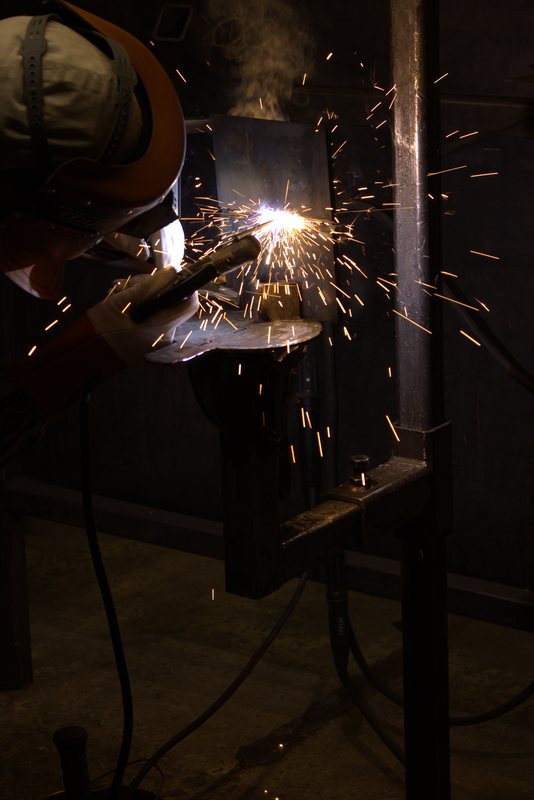
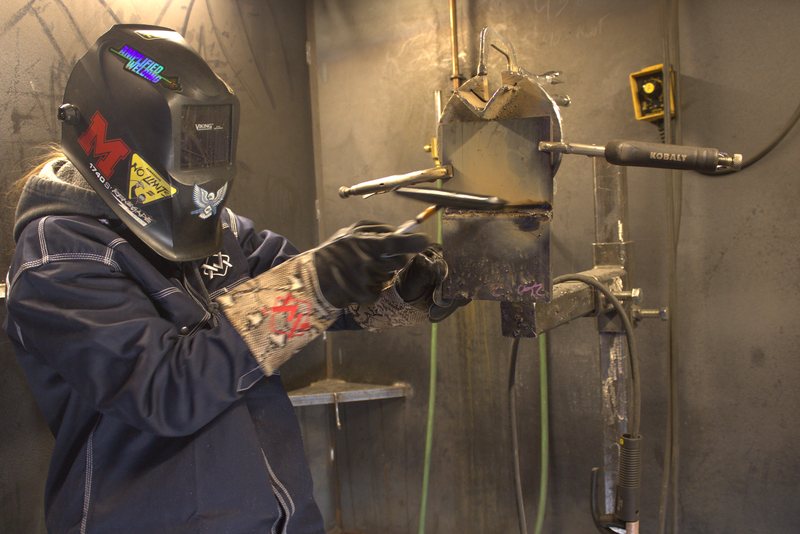
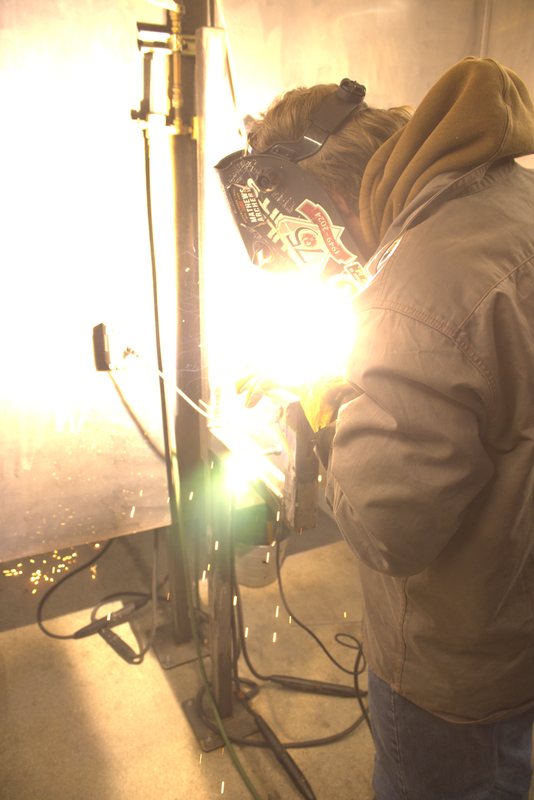
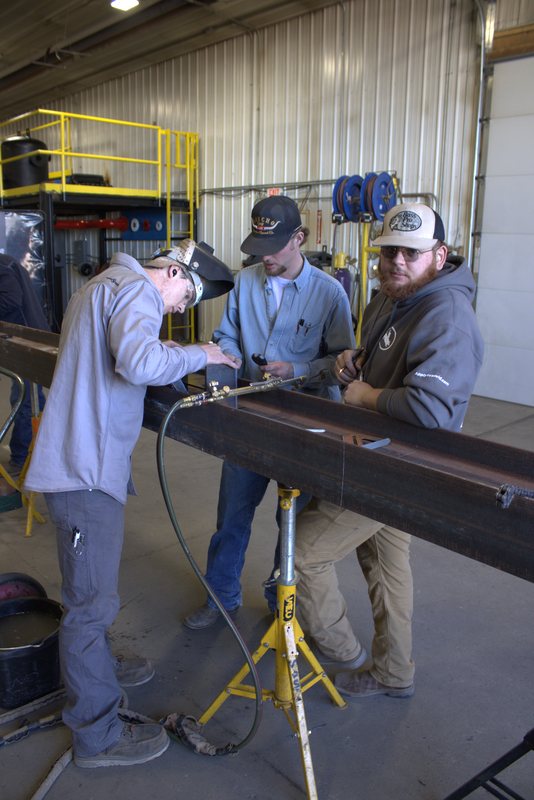
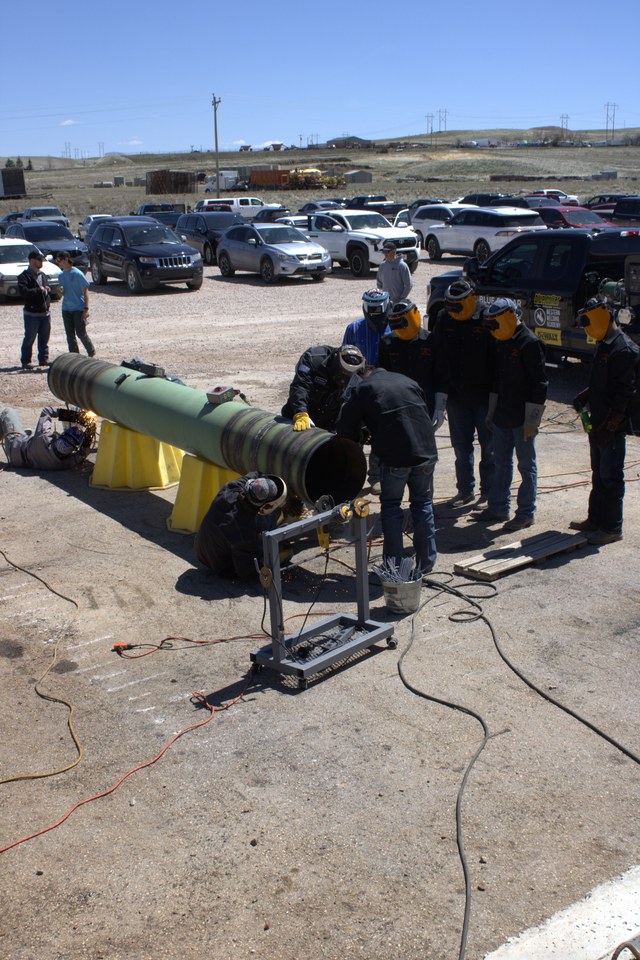
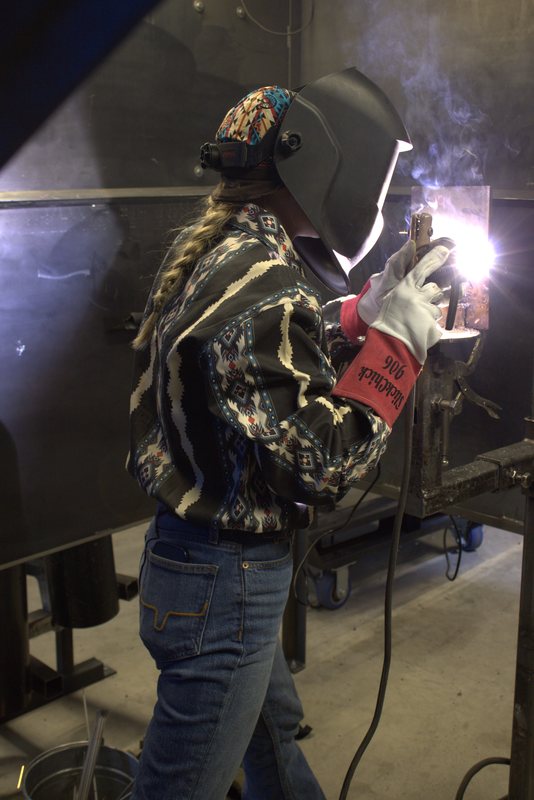
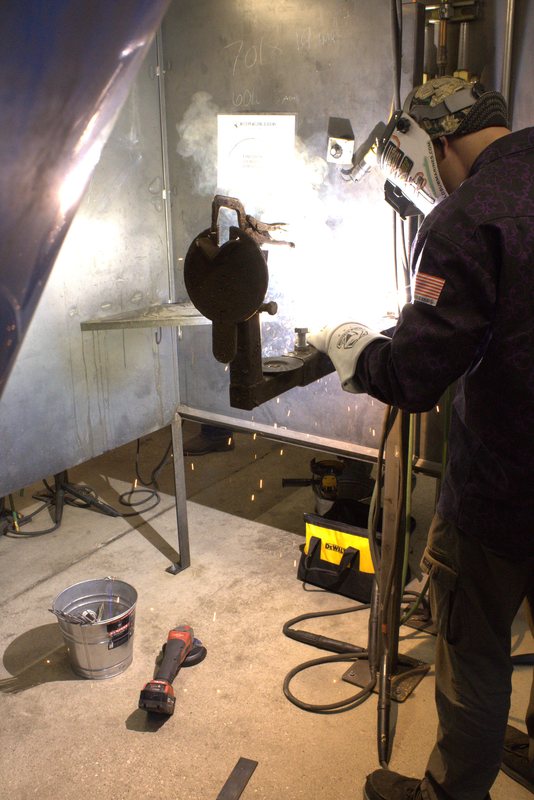
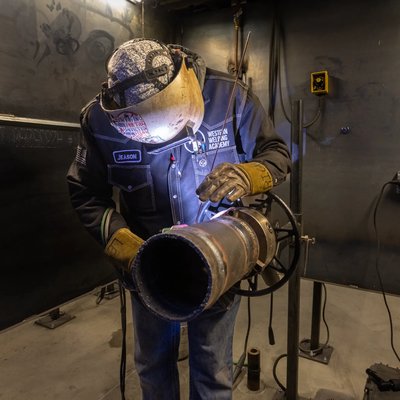
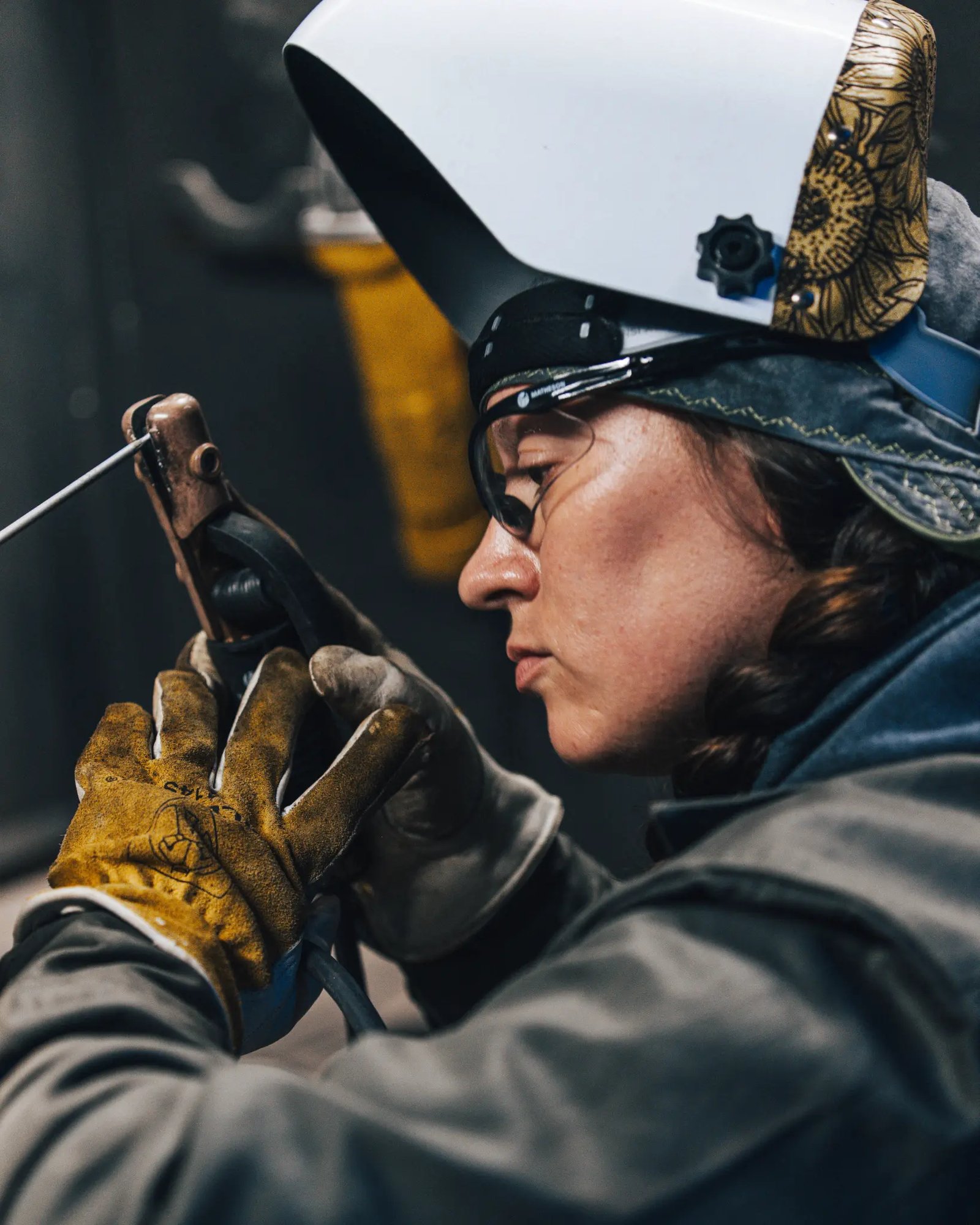
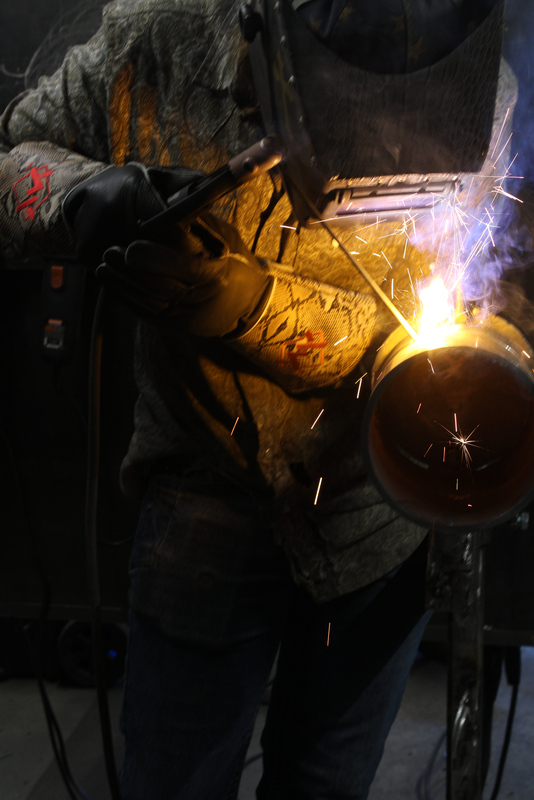
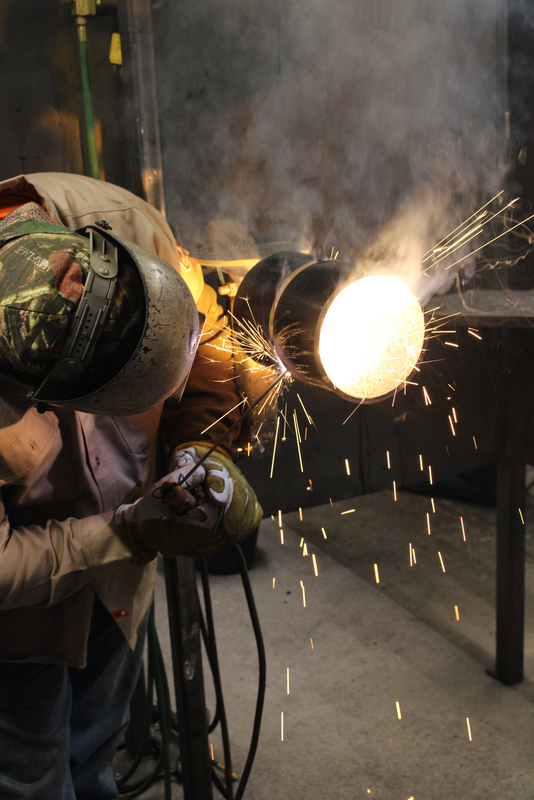
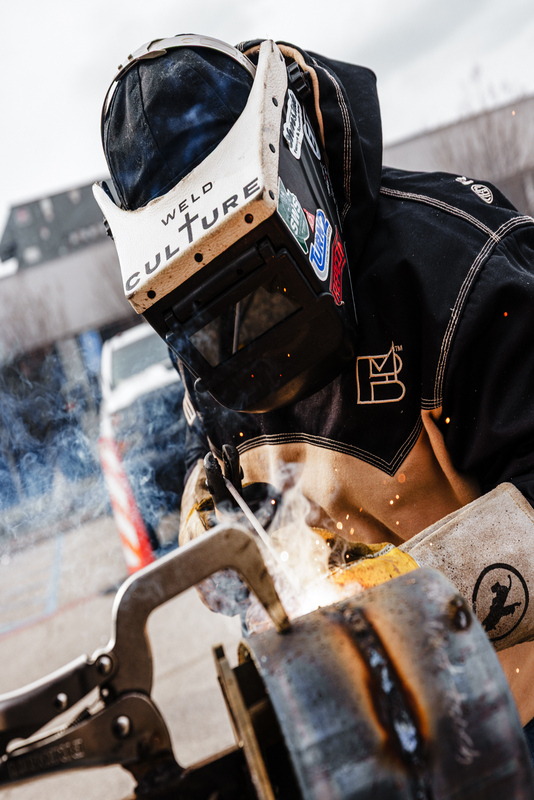
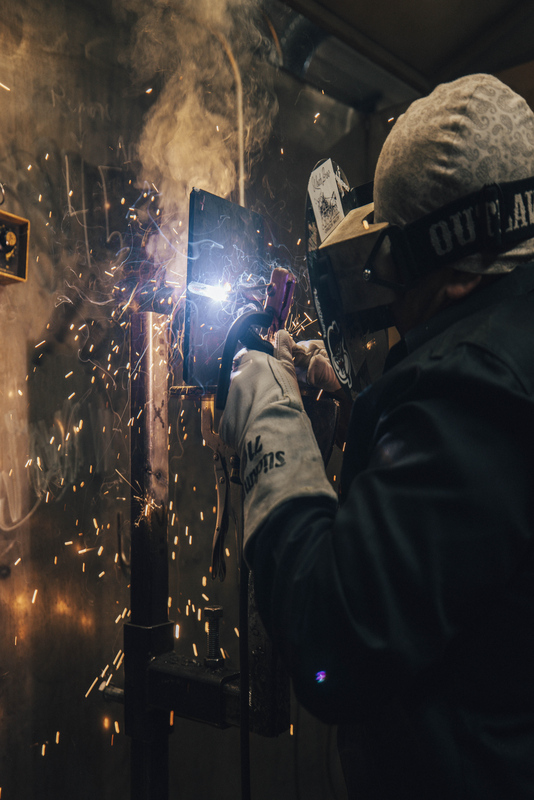
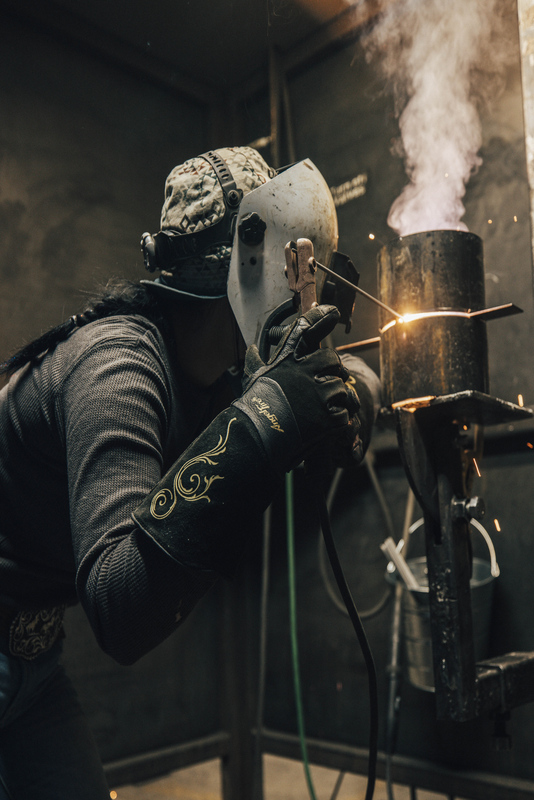
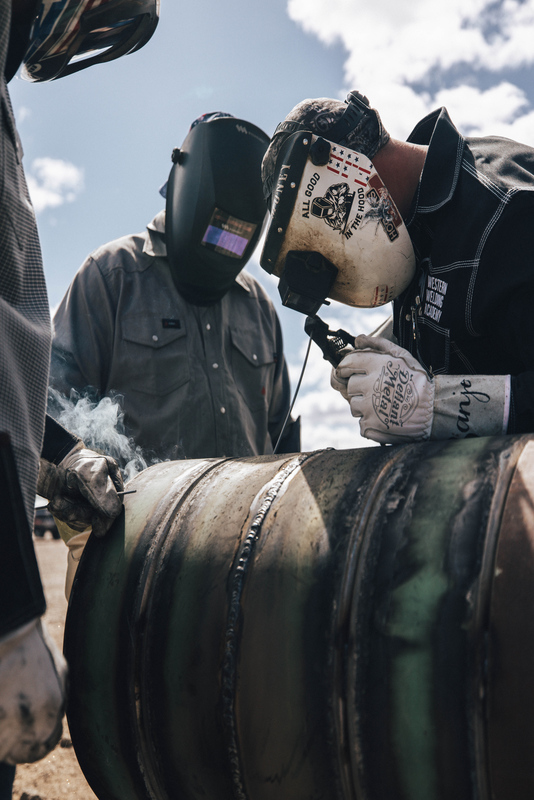
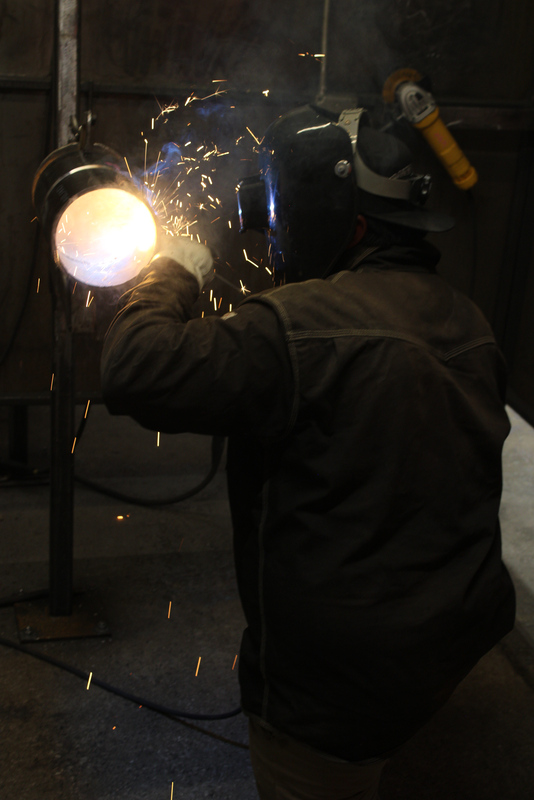
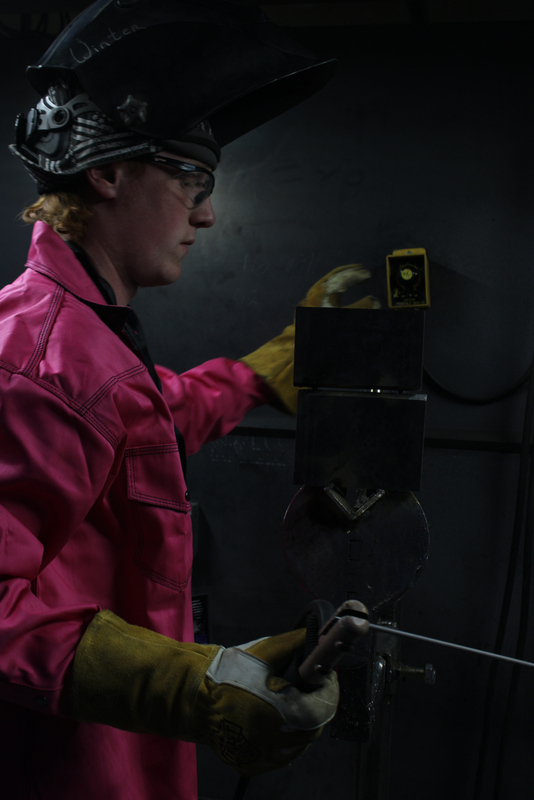
The Foundational Pipe Welder program at Western Welding Academy is not a beginner class. It is a high-intensity SMAW training program that covers every pipe position at 85% booth time, 40 hours per week. Experienced welders move through familiar material faster than beginners, but the program ensures every position and every fundamental is addressed. Nothing gets skipped. If your 6G overhead needs work, you spend time on 6G overhead until it passes inspection.
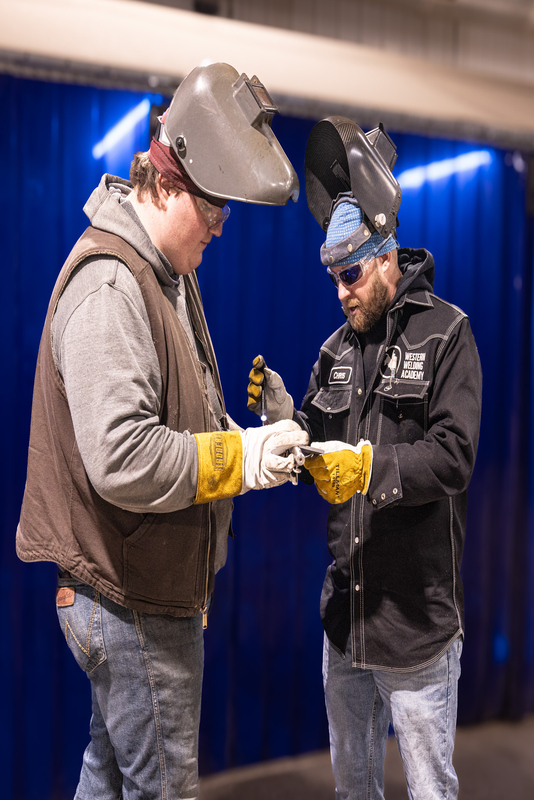
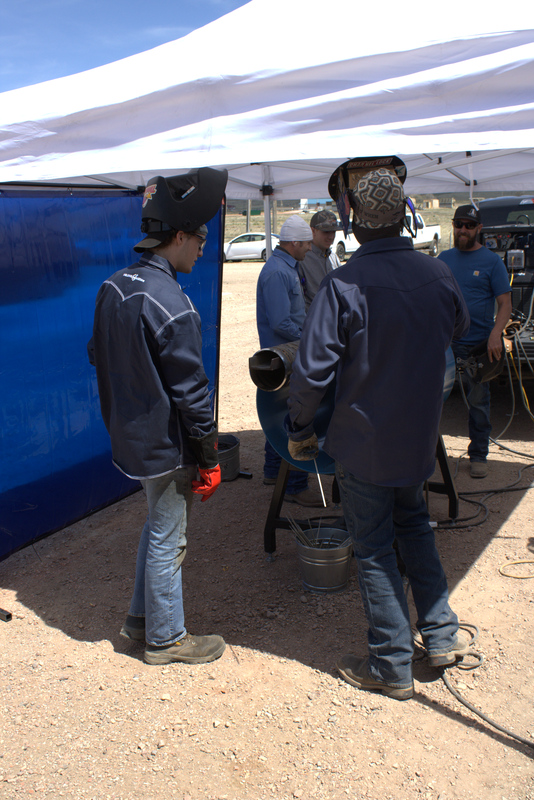
The instructors bring 330 combined years of real pipeline and refinery field experience. They have worked the same jobs you are retraining to do. Their feedback is not academic theory. It is hands-on correction from welders who have run pipe on cross-country lines, refinery shutdowns, and power plant outages. An experienced eye catches technique gaps you cannot feel on your own.
All tuition is all-inclusive. Housing, tools, PPE, and materials are covered. There are no hidden fees. Western Welding Academy also holds the #1 AWS Accredited Testing Facility designation, which means you train and test in the same facility. Every graduate receives lifetime retraining. If your skills decay again in five years, you come back and retrain at no additional cost. No other pipe welding school offers that benefit. Learn more about how refresher courses accelerate career advancement.
What Graduates Earn After Restarting
The numbers below come from verified Western Welding Academy graduate records. These are real paychecks from welders who completed training and entered the workforce.
Leyton Wagner earns $4,514 per paycheck as a verified Western Welding Academy graduate. His paycheck is published on the Western Welding Academy website and represents the top end of verified per-check earnings. That single paycheck exceeds what many shop welders earn in a month.
Gavin Walden earns $3,986 per paycheck. His verified earnings confirm that the $3,500 to $4,500 per-check range is a consistent outcome for graduates who enter pipe welding with the right certifications. See the full breakdown of what pipe welders actually earn after graduation.
David Smolek earns $3,417 per paycheck. Even at the lower end of the verified graduate range, his biweekly earnings translate to roughly $88,000 per year. That is a $38,000 annual increase over the $50,000 a typical MIG production welder earns without pipe certifications.
Noah clears $2,800 per week welding on the North Slope in Alaska. His weekly gross exceeds what many welders earn in two weeks. Pipeline and remote location premiums push earnings even higher for graduates willing to travel.
Hank reached $150,000 per year by age 21. He completed the Expert Pipe Welder program, earned his certifications, and entered the workforce with credentials that employers pay top dollar for. He did not need a four-year degree or a decade of seniority.
What Restarting Welders Should Avoid
Online-only courses are the first thing to avoid. You cannot rebuild welding technique through a screen. Zero booth time means zero technique correction. Theory review has its place, but it will not rebuild the hand-eye coordination and muscle memory that decayed while you were away from the trade.
MIG-first programs are the second trap. If the program starts with MIG, it is not building the foundation you need for pipe welding or code work. SMAW first, always. MIG teaches you to pull a trigger and follow a seam. SMAW teaches you to control a puddle under every condition, in every position, on every joint configuration.
Programs without on-campus testing access add unnecessary cost and delay. If the school cannot test you after training, you still need to find an AWS-accredited testing facility, pay a separate testing fee, and hope your technique holds under unfamiliar conditions. That uncertainty disappears when you train and test in the same building. If you are considering a complete career change into welding, this matters even more because you have no existing industry connections to fall back on.
One to two week workshops are not enough for anyone with significant skill decay. They serve welders who never fully stopped welding. If your last time under a hood was two or more years ago, you need weeks of sustained booth time to rebuild to a testable standard, not a weekend refresher.
Your experience is still in there. The right program brings it back. Call Western Welding Academy at (307) 284-5313 or apply now to restart.
Frequently Asked Questions
Q1. Do I need to start over if I have welding experience?
No. Experienced welders do not start from scratch. But you do need structured training to rebuild decayed technique and earn current certifications. Programs like the Foundational Pipe Welder at Western Welding Academy are built for intensity, and experienced welders move through familiar material faster than beginners.
Q2. How long does it take to restart a welding career?
Training takes 12 to 24 weeks depending on which program matches your retraining goals. Most Western Welding Academy graduates are working within 90 days of graduation. The full timeline from enrollment to first paycheck is typically 4 to 7 months.
Q3. Will employers hire welders who have been out of the trade?
Yes, if you hold current certifications. The certification matters more than the gap on your resume. Employers hiring pipe welders care about your test results and your ability to pass a weld test on site. A current 6G qualification removes most hiring objections.
Q4. Does Western Welding Academy accept experienced welders?
Yes. All programs serve beginners and experienced welders alike. There is no separate enrollment track. Experienced welders benefit from the same 85% booth time and instructor feedback, and they progress through familiar material at their own pace within the structured program.
Q5. What is the cost of restarting through a focused trade school?
The Foundational Pipe Welder program at Western Welding Academy costs $17,050 all-inclusive. The Expert Pipe Welder program costs $35,800 all-inclusive. Both include housing, tools, PPE, materials, and lifetime retraining. There are no hidden fees or additional equipment charges.
Q6. What makes Western Welding Academy different from other welding schools?
Western Welding Academy delivers 85% booth time, all-inclusive tuition covering housing, tools, and materials, lifetime retraining for every graduate, 330 combined years of instructor pipeline experience, and a 94% hire rate within 90 days verified by a 234-alumni survey. It is the #1 AWS Accredited Testing Facility in the country.
Restart Your Welding Career With the Right Foundational Course
You already have the foundation. A focused retraining program at Western Welding Academy rebuilds your technique, earns your certifications, and puts you back in the workforce in 12 to 24 weeks. Call Western Welding Academy at (307) 284-5313 or apply now to restart earning what your experience is worth.
.jpg)
.jpg)


.jpg)
.jpg)
.jpg)
.jpg)
.jpg)
-thumbnail.jpg)

.jpg)