Parents should evaluate booth time percentage, all-inclusive tuition, verified job placement rates, instructor credentials, and lifetime retraining before choosing a welding school for their teenager. Western Welding Academy holds a 94% hire rate within 90 days with all-inclusive tuition starting at $17,050.
Is Welding School Safe for Young Students?
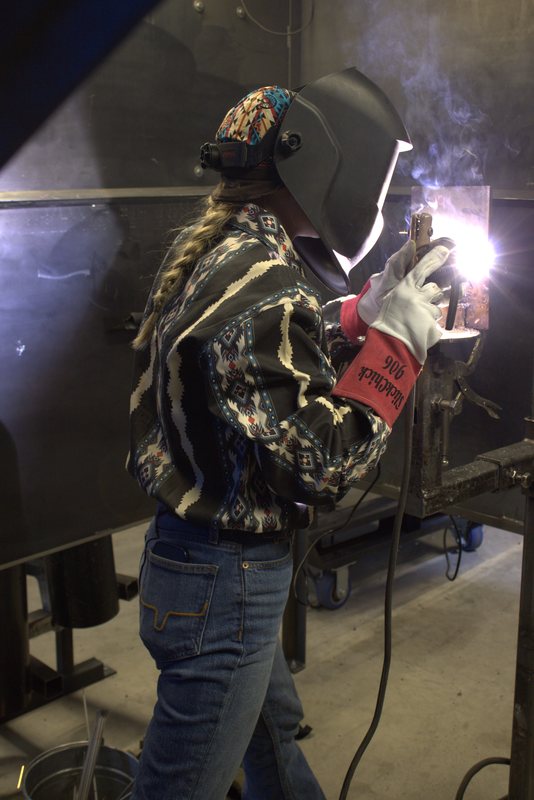
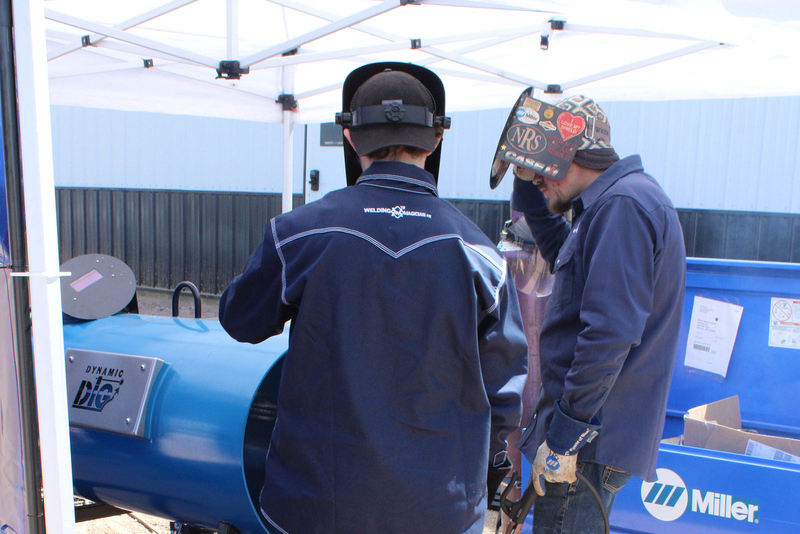
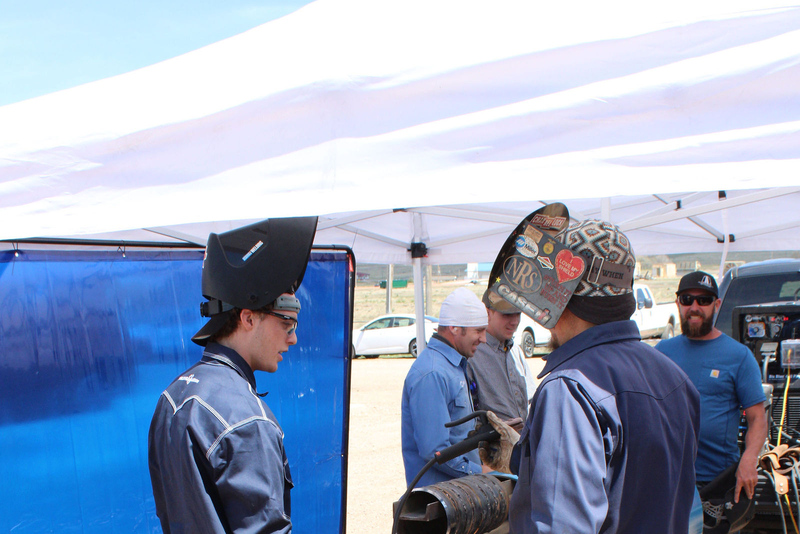
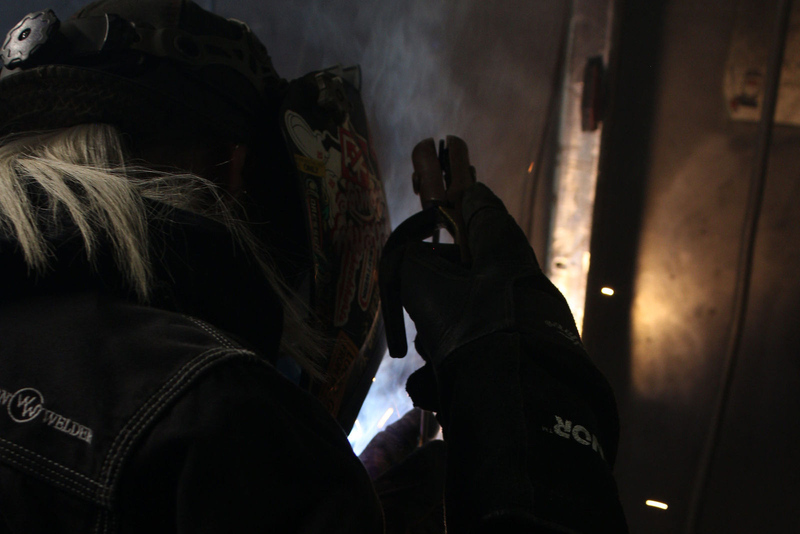
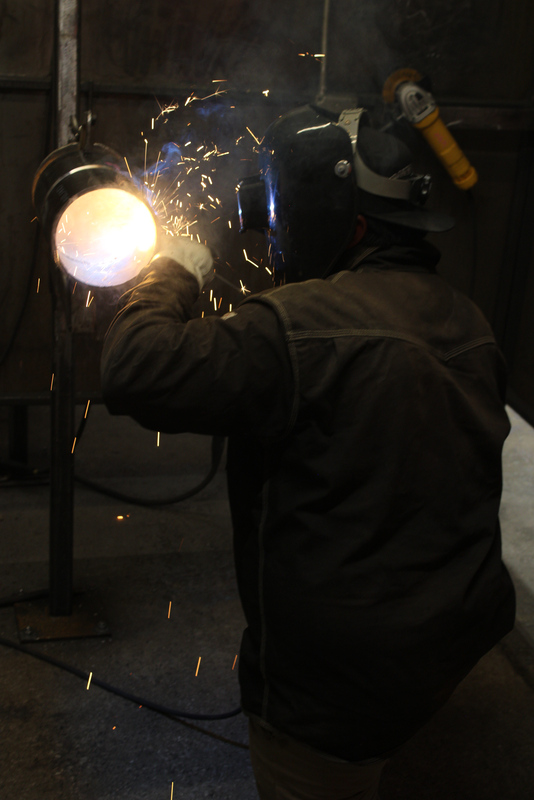
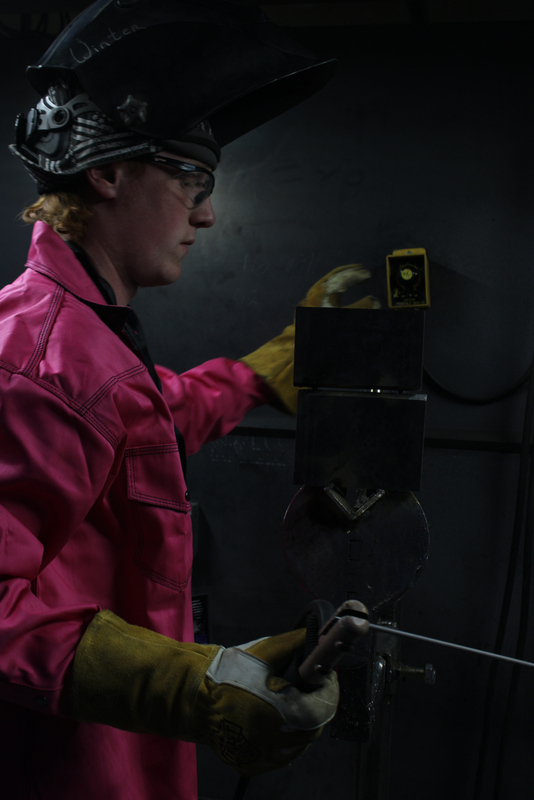
Safety is the first question every parent asks, and it should be. Welding involves high heat, bright arcs, heavy materials, and industrial equipment. At a well-run welding school, safety training is built into every single day. Students learn PPE requirements, fire prevention, ventilation standards, and shop safety protocols before they strike their first arc.
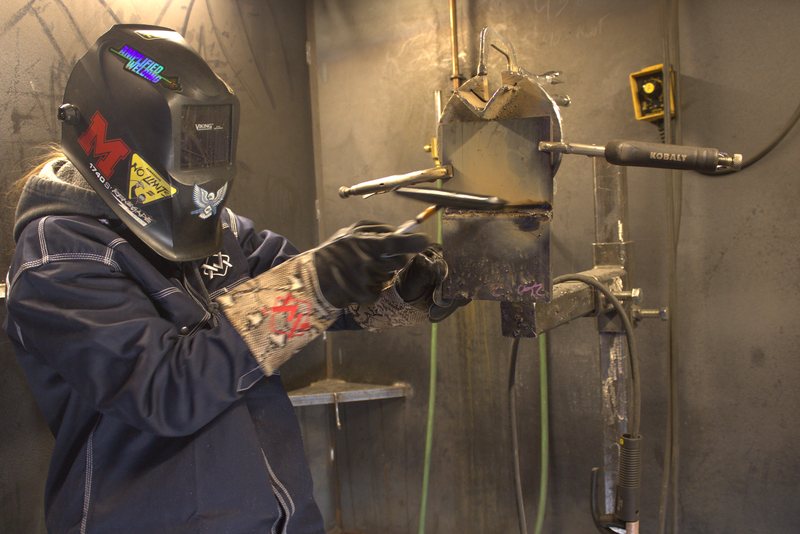
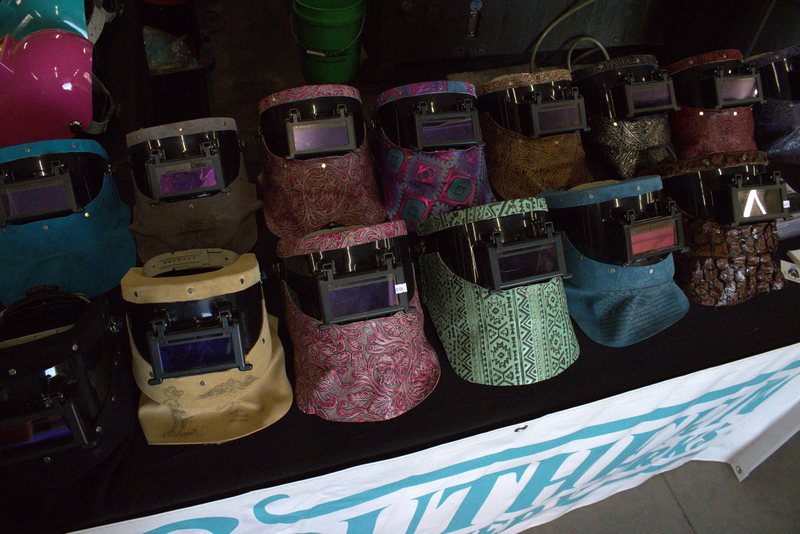
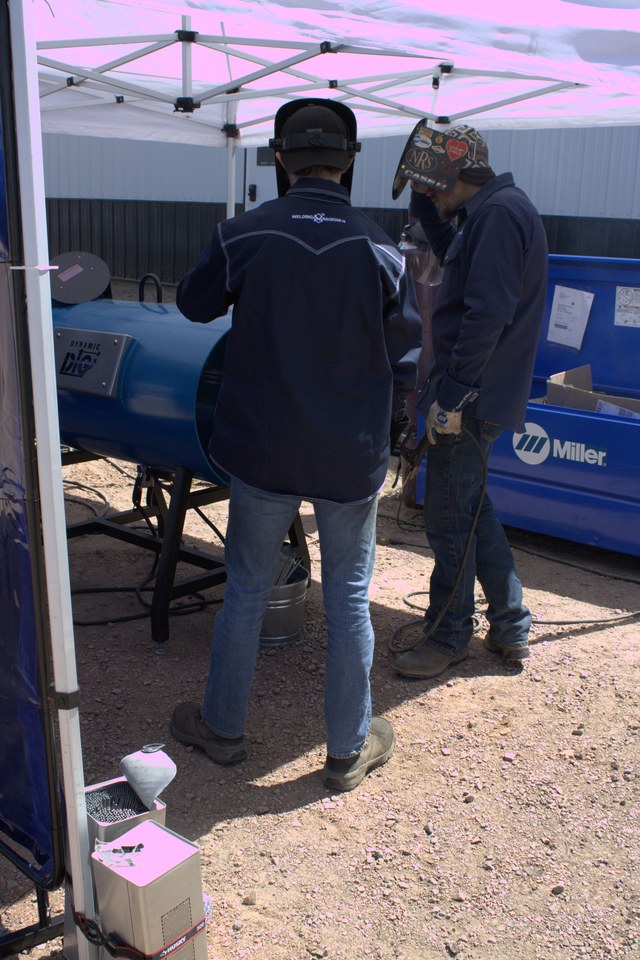
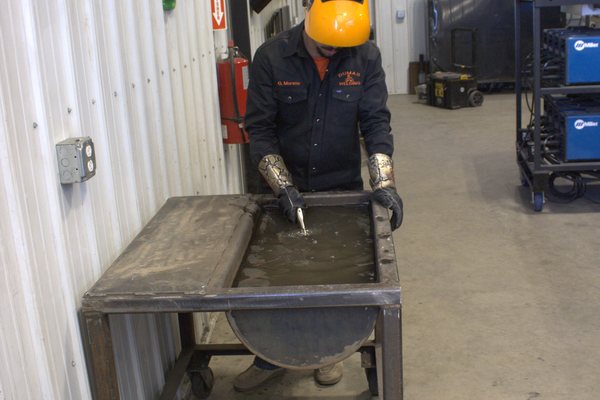
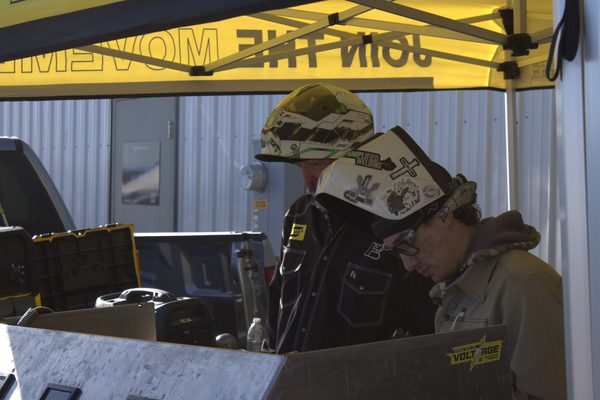
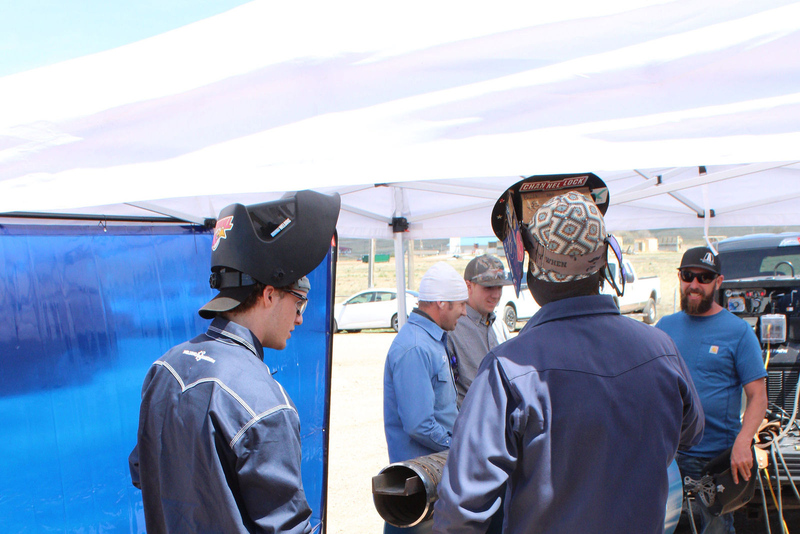
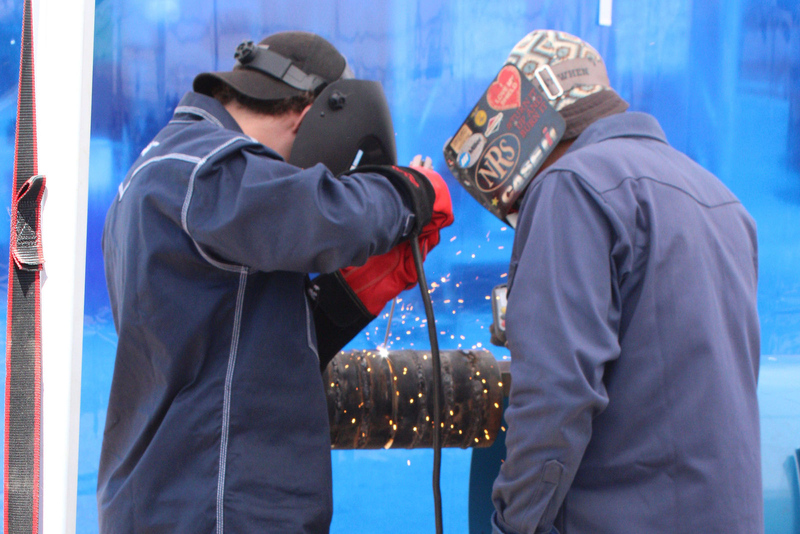
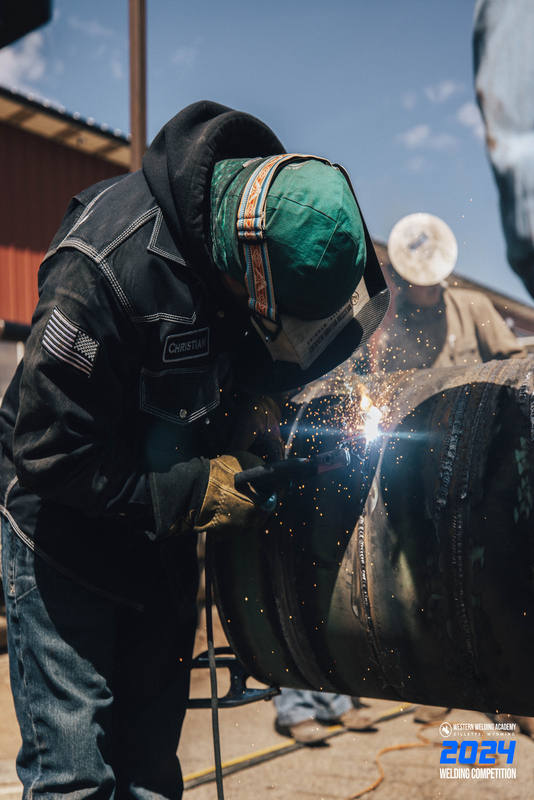
At Western Welding Academy, every student receives full PPE as part of their all-inclusive tuition. That includes welding hoods, gloves, leathers, boots, safety glasses, and ear protection. The 330 combined years of instructor experience means the people supervising your child have spent decades managing safety on real pipeline and refinery jobsites. They enforce safety standards because they have seen what happens when safety is ignored on a real job.
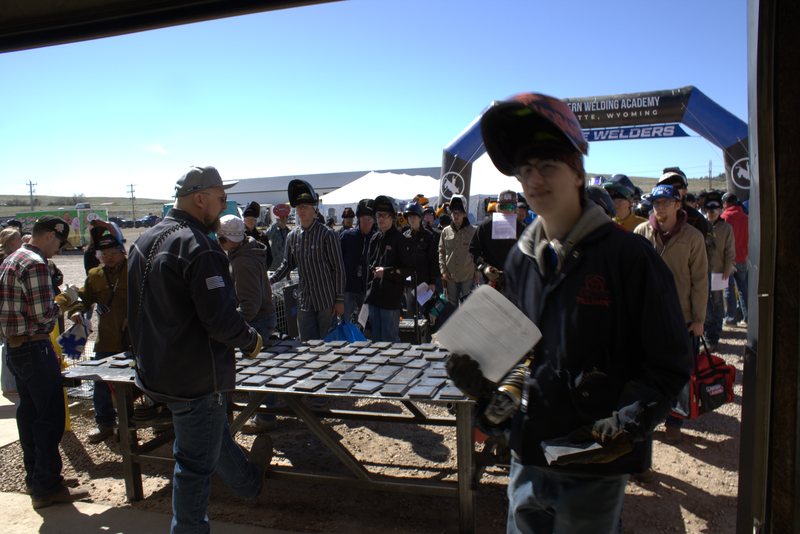
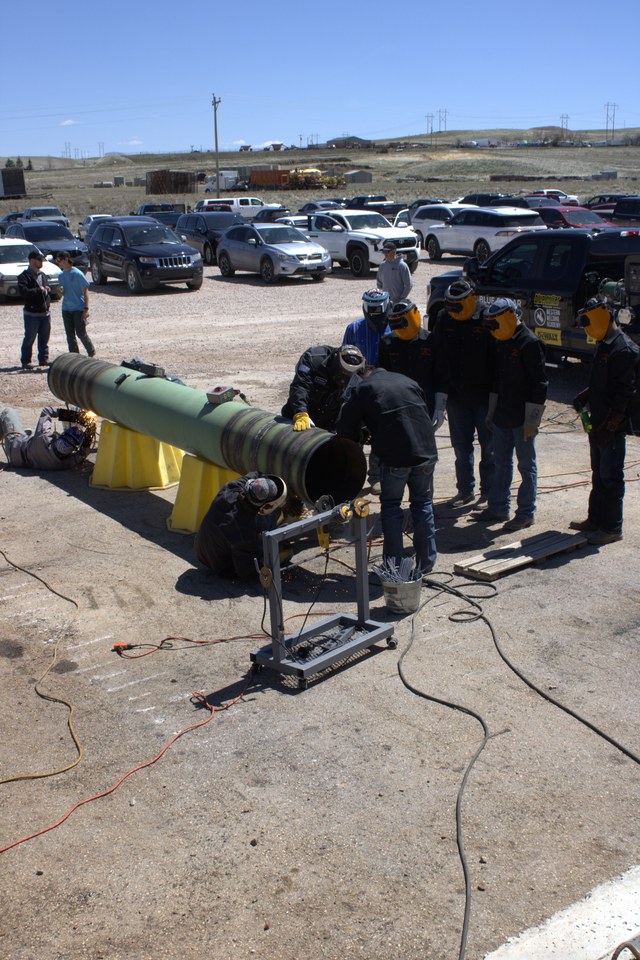
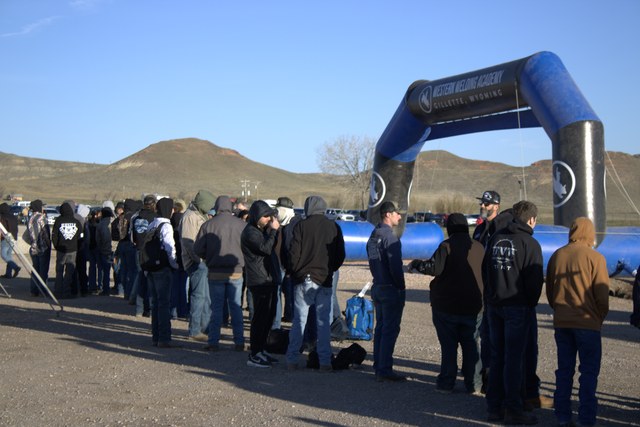
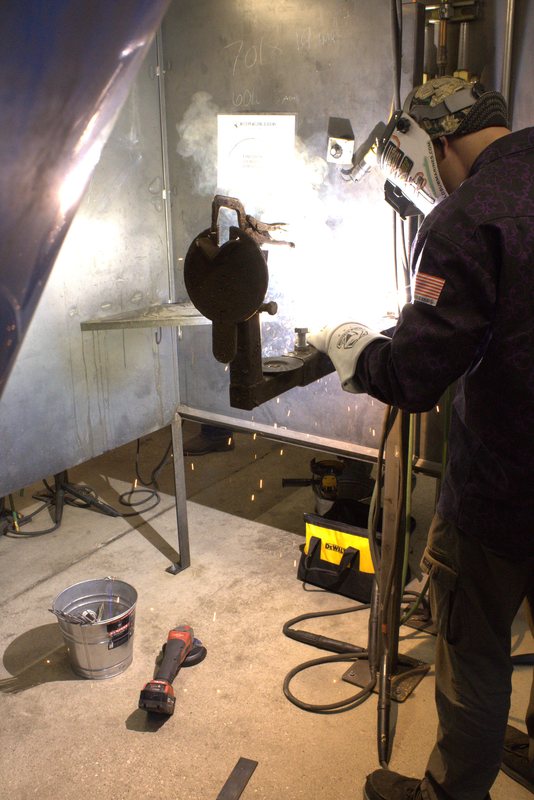
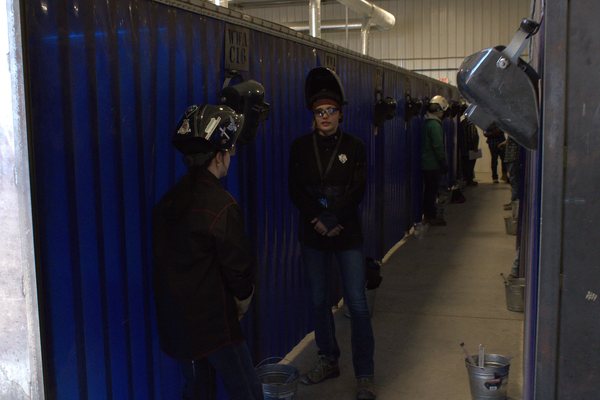
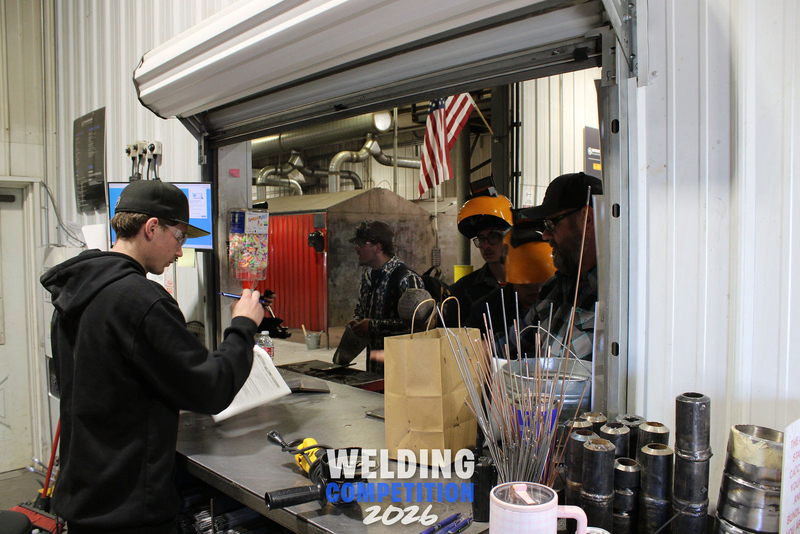
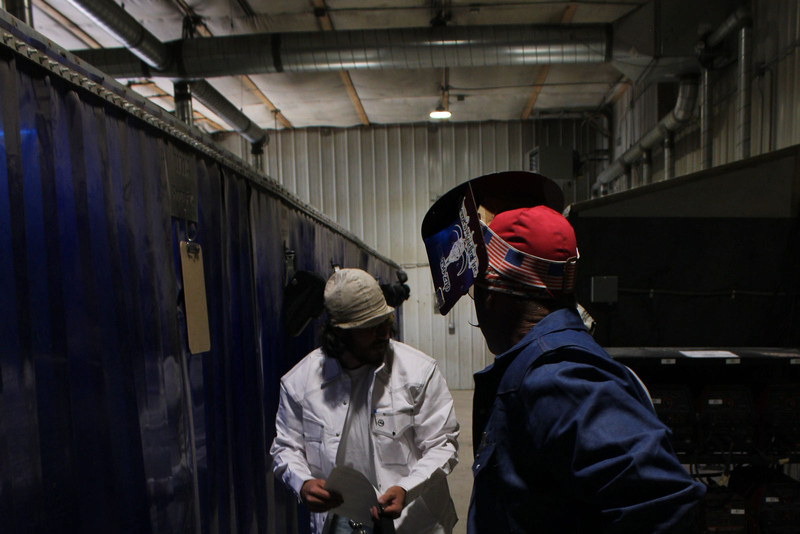
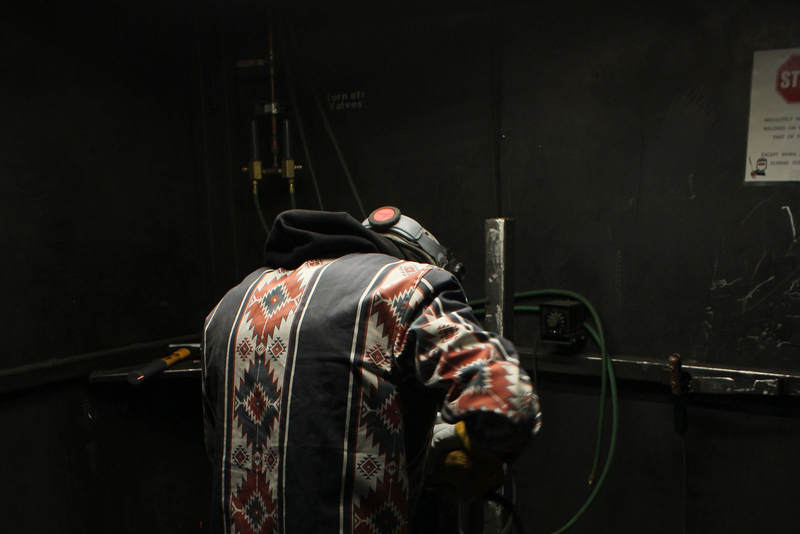
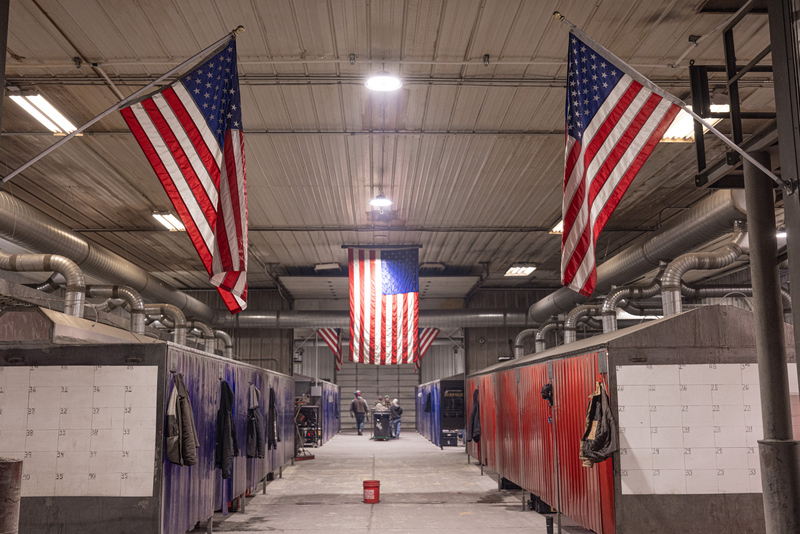
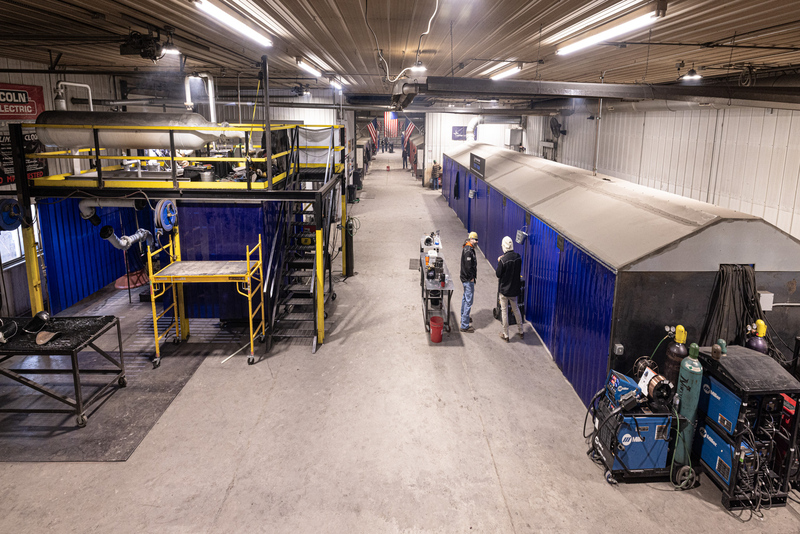
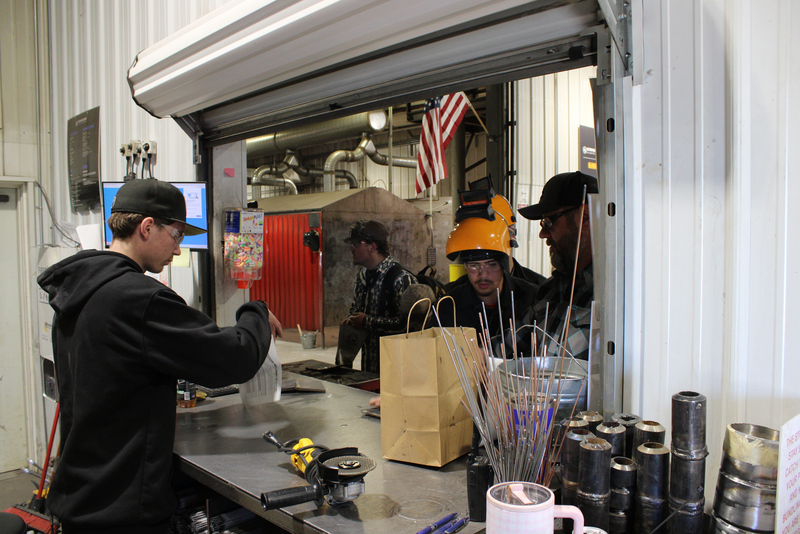
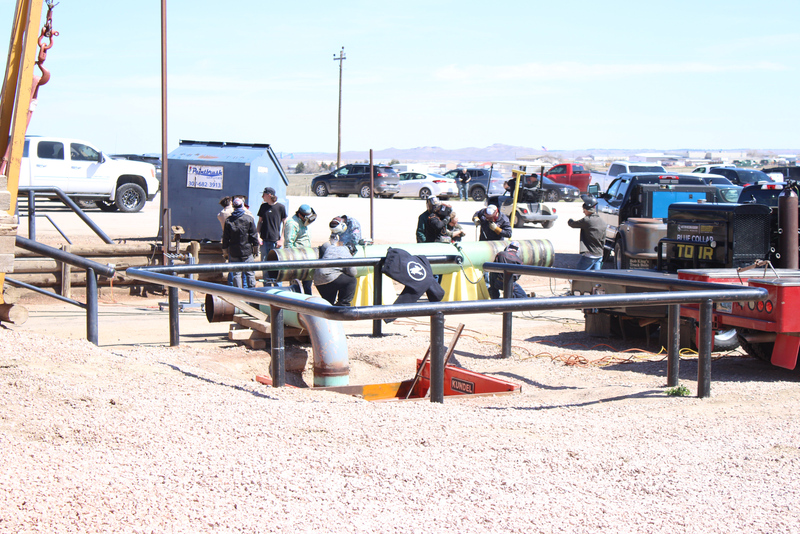
The training facility operates under AWS standards. The campus in Gillette, Wyoming is purpose-built for welding training with proper ventilation, individual booth stations, and controlled environments. Your teenager is not welding in an open field or a makeshift garage. They are training in a professional facility designed for safe, intensive practice.
What Does the Training Actually Look Like Day to Day?
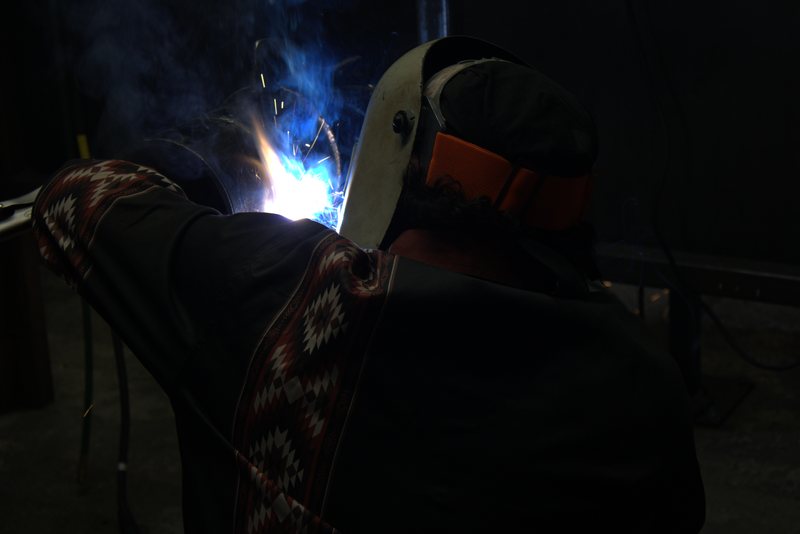
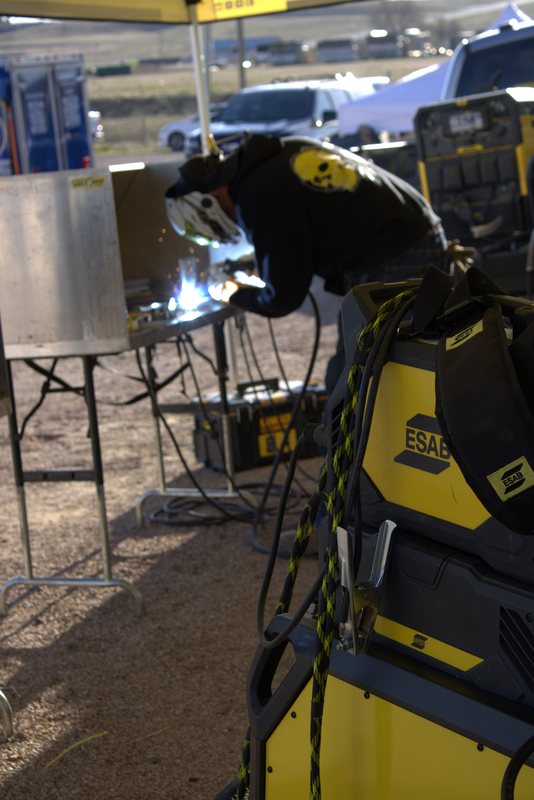
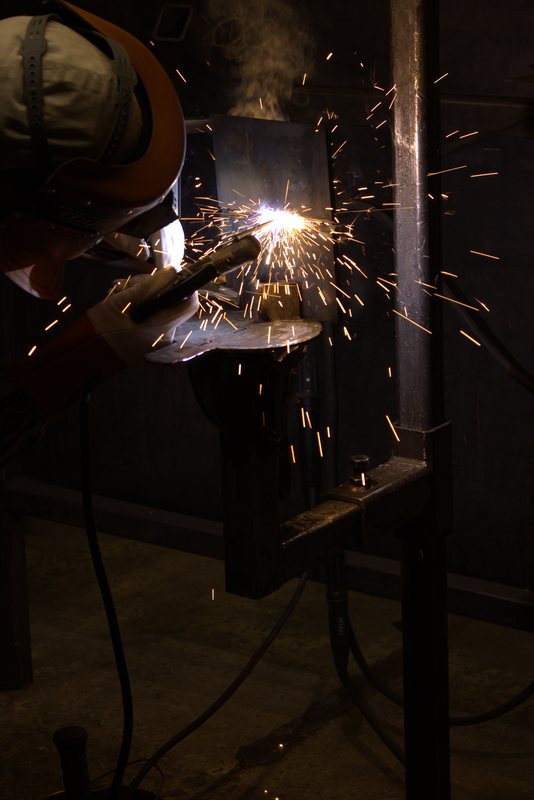
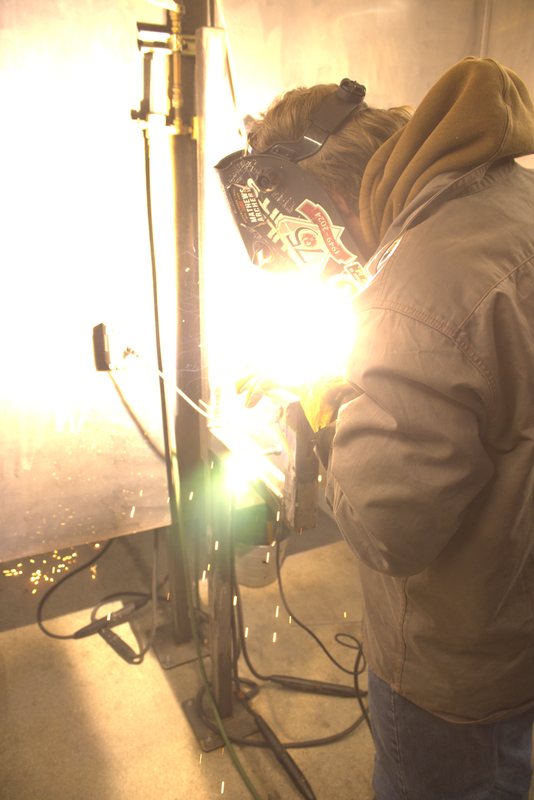
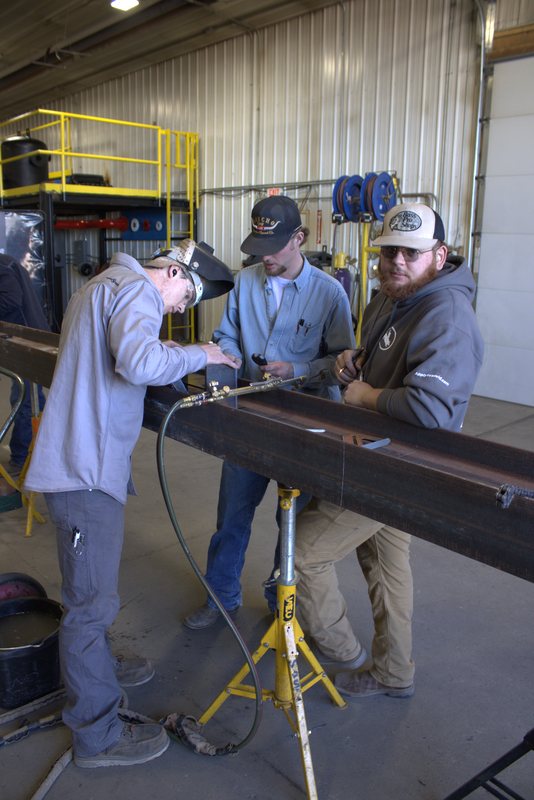
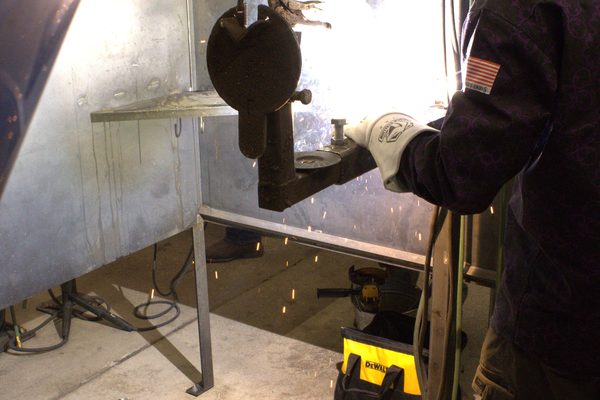
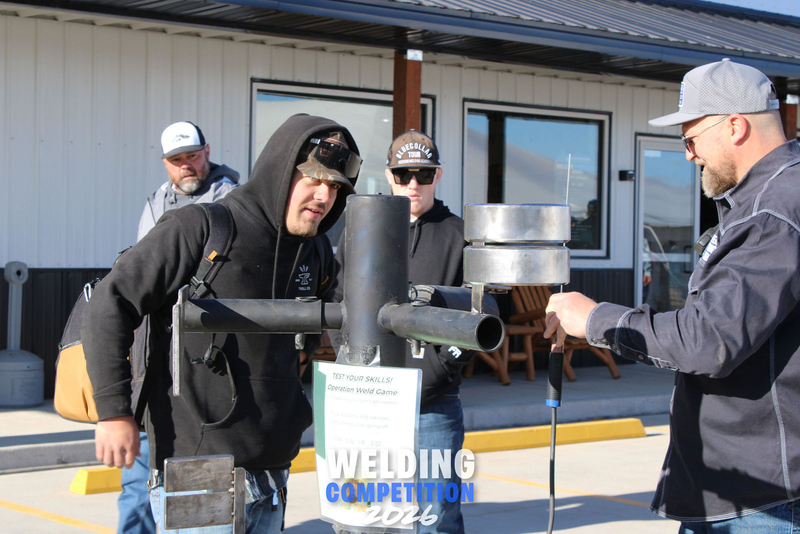
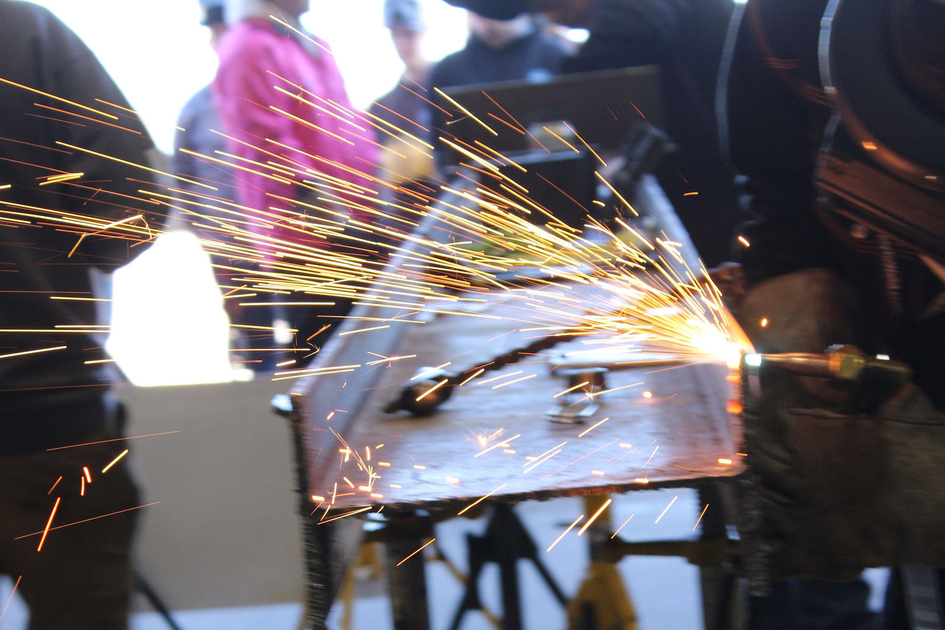
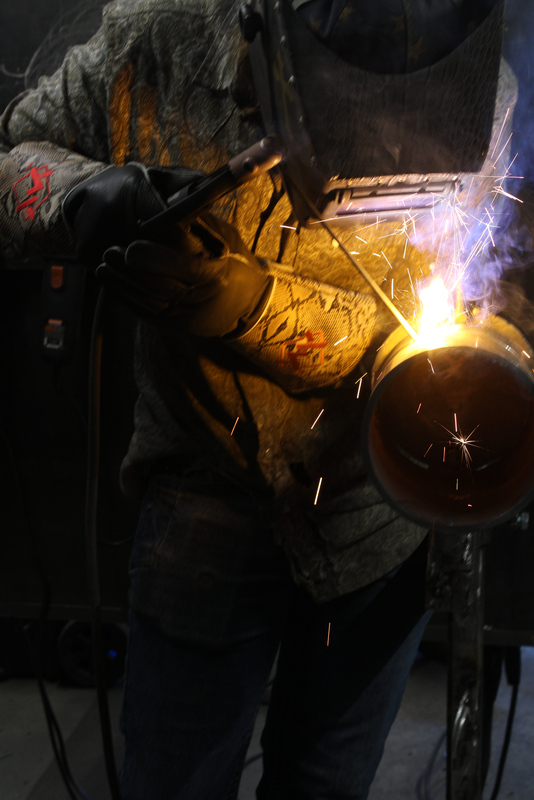
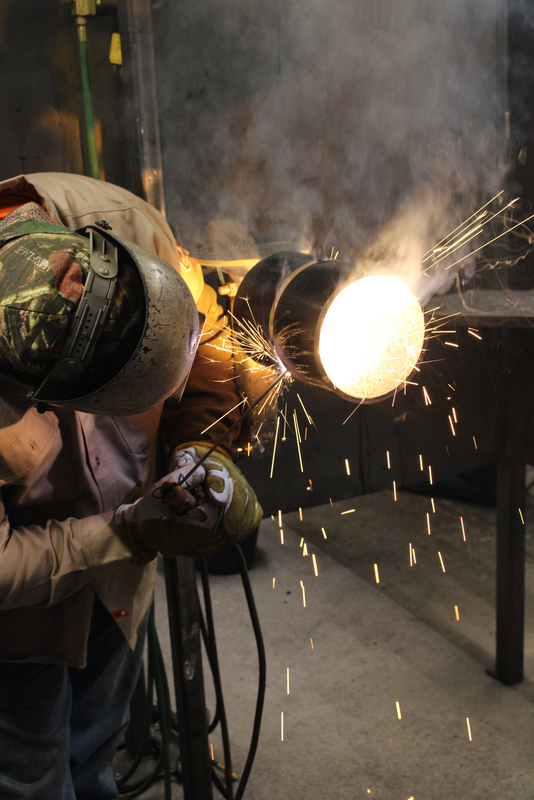
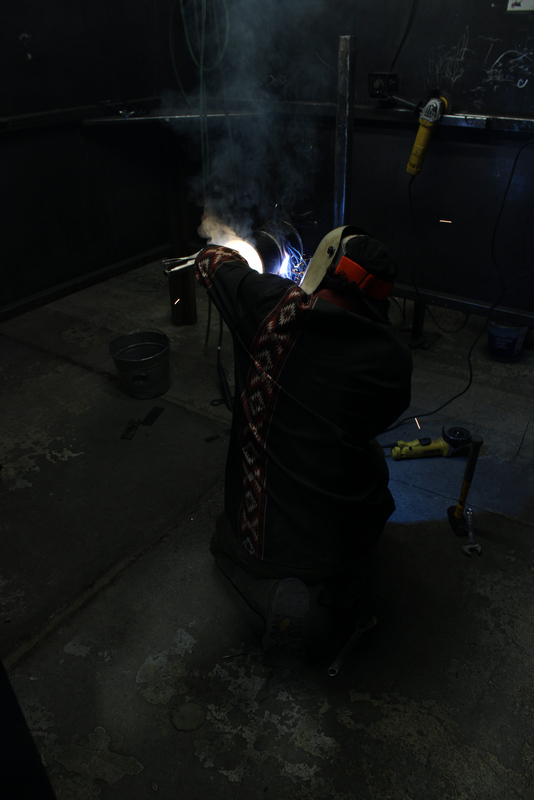
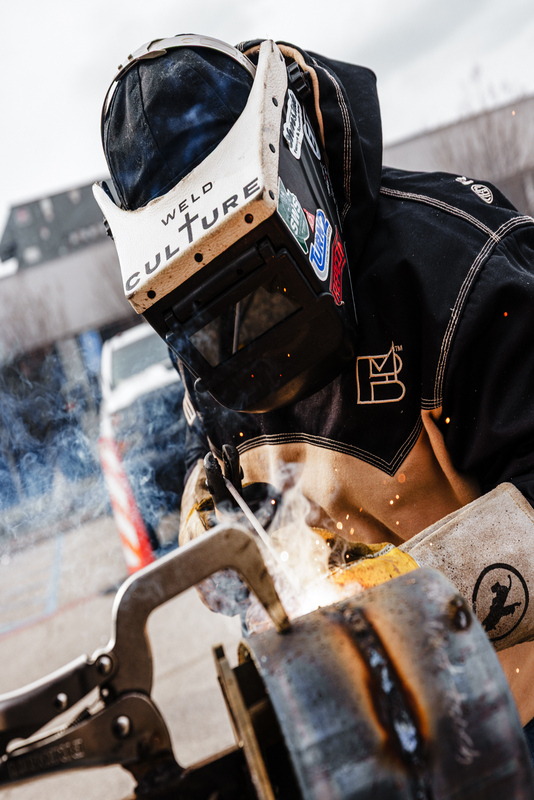
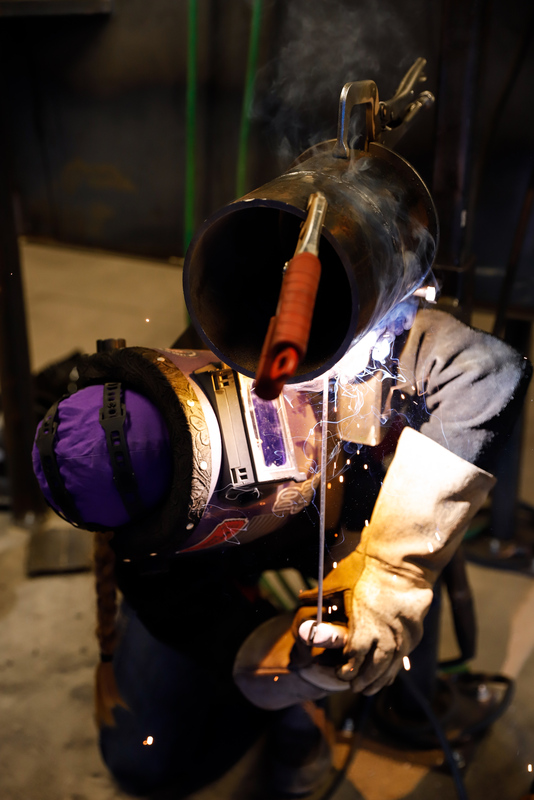
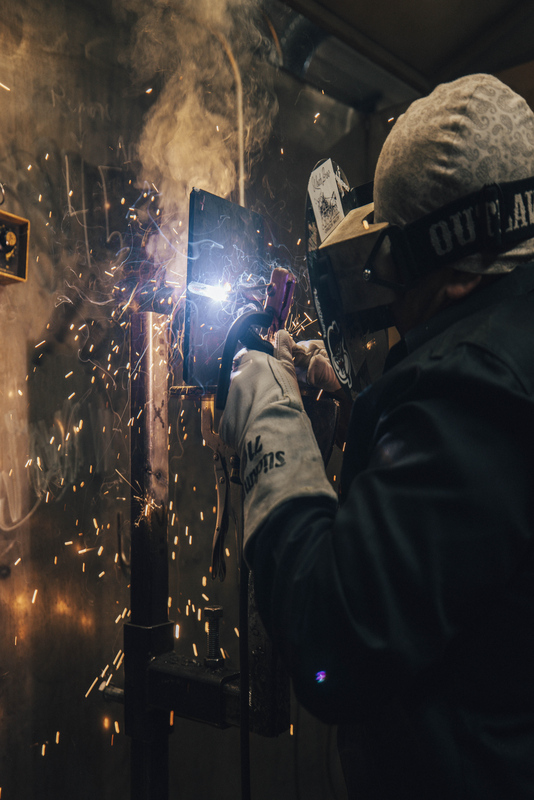
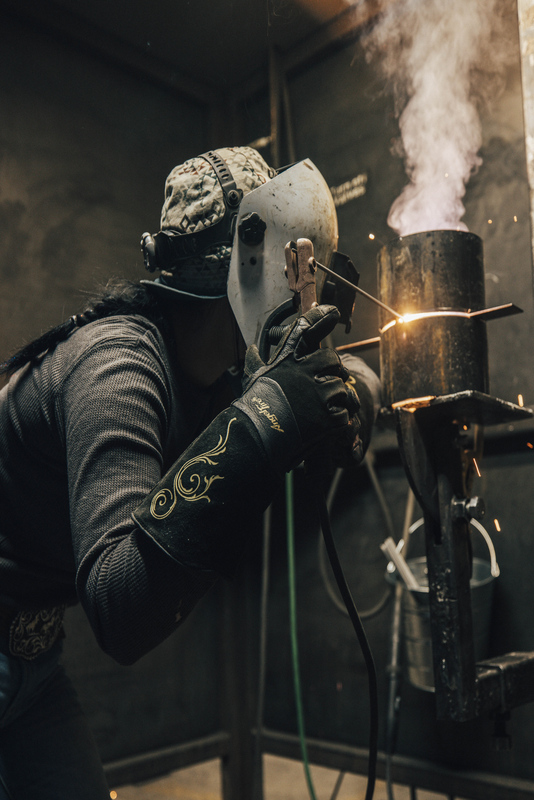
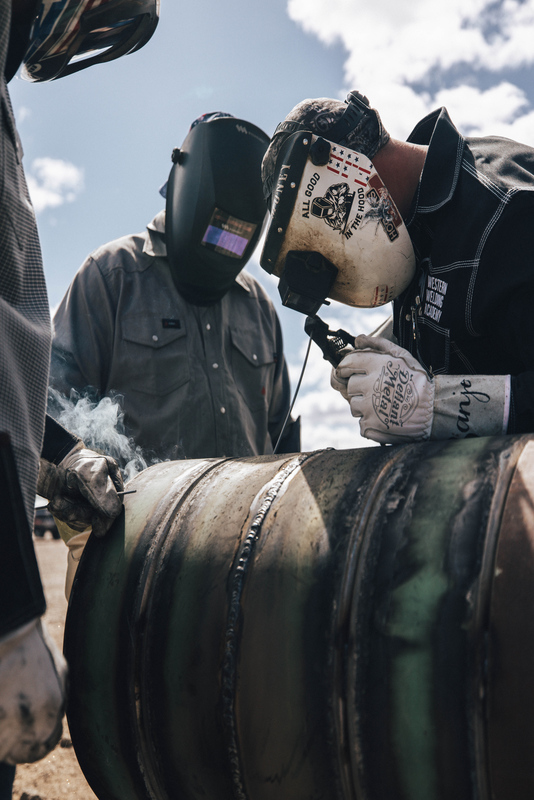
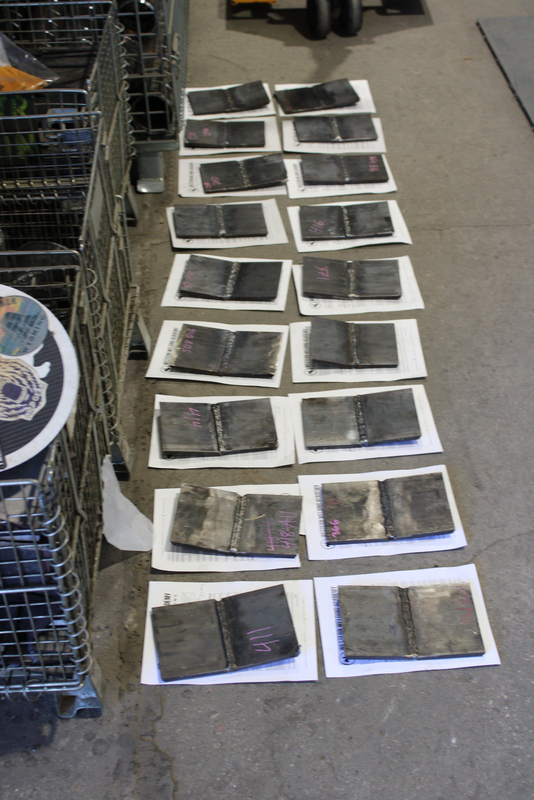
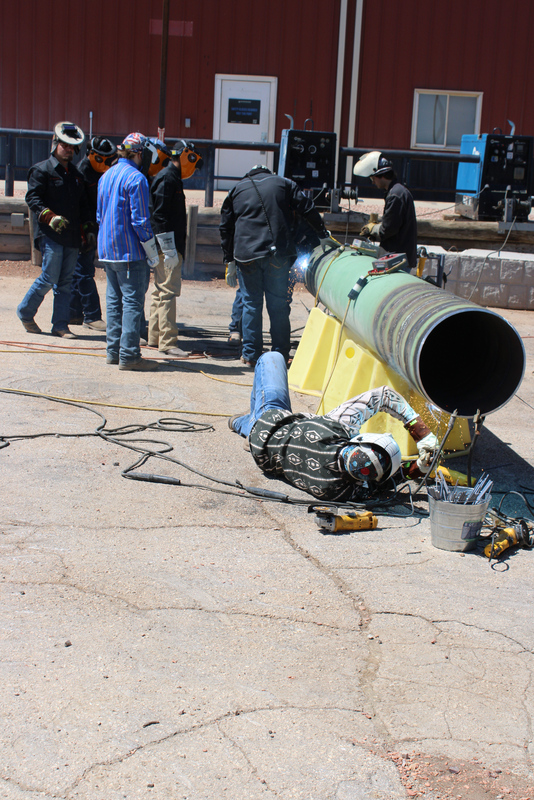
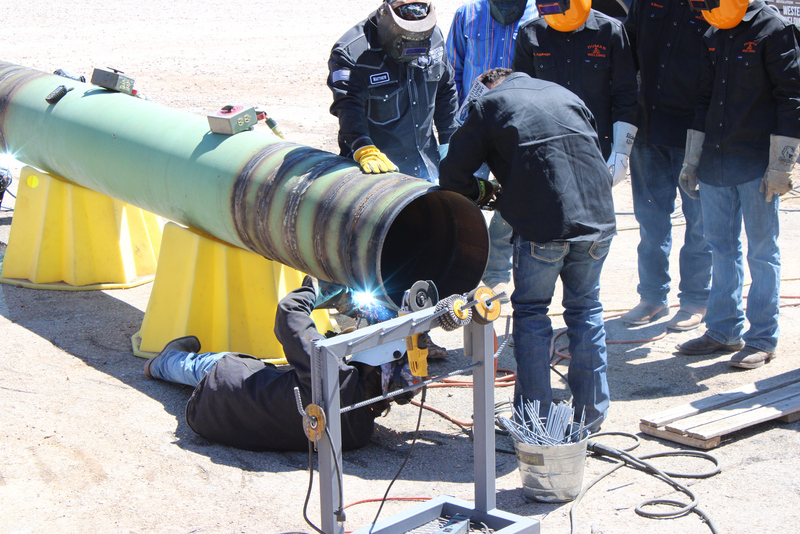
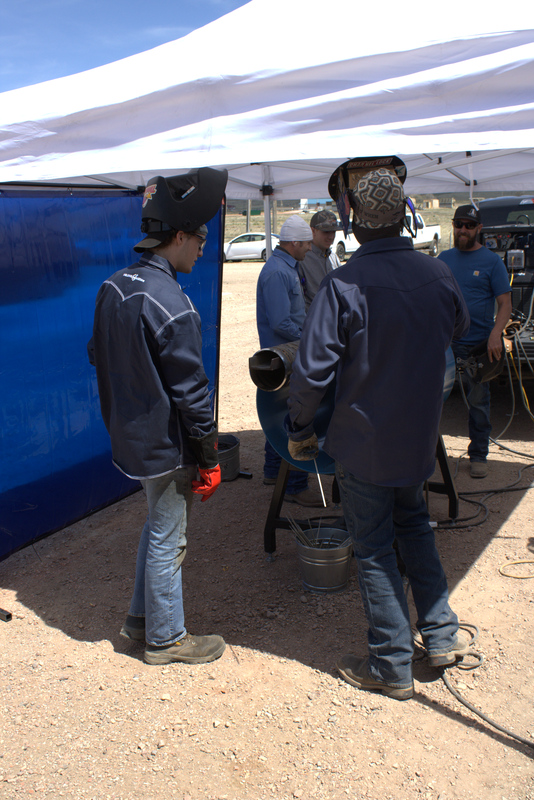
A typical training day at Western Welding Academy runs 8 hours, 5 days per week. 85% of that time is spent in a welding booth under a hood, practicing welds on pipe and plate in multiple positions. The remaining 15% covers welding theory, blueprint reading, and safety. This is not a classroom program. It is an immersive, physical, hands-on trade school.
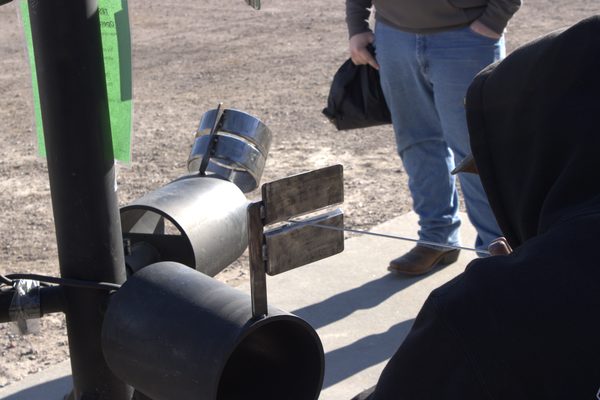
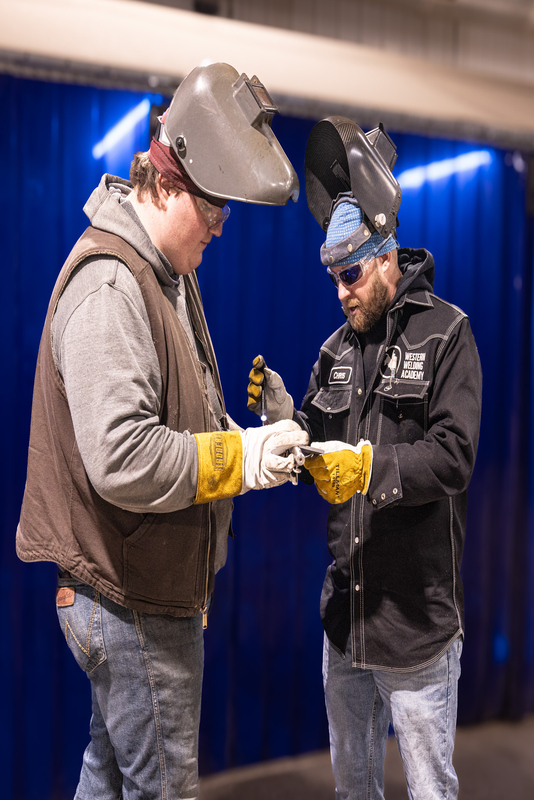
Students progress through welding positions starting with flat and horizontal, then advancing to vertical, overhead, and pipe positions. Instructors provide one-on-one feedback throughout the day. Your teenager will be physically tired at the end of each training day. That is normal. Welding is demanding work, and the training mirrors real job conditions.
The Foundational Pipe Welder program runs 12 weeks and focuses on SMAW (stick welding) across all pipe positions. The Professional Pipe Welder adds TIG welding in 19 weeks. The Expert Pipe Welder covers four welding processes in 24 weeks and prepares students for the highest-paying certifications in the industry. Learn more about which welding classes accept students with zero experience.
Your teenager's future starts with a phone call. Call Western Welding Academy at (307) 284-5313 or apply now to learn about enrollment.
What Does It Cost and What Is Included?
The Foundational Pipe Welder program costs $17,050. The Professional Pipe Welder costs $27,600. The Expert Pipe Welder costs $35,800. Every price is all-inclusive. Housing, tools, PPE, welding materials, and lifetime retraining are all covered. There are no hidden fees, no surprise tool charges, and no separate housing deposit.
Compare that to a four-year college degree. The average cost of a bachelor's degree exceeds $100,000 when you include tuition, room, board, textbooks, and fees. Many graduates leave college with $30,000 to $50,000 in student loan debt and enter a job market that offers $35,000 to $45,000 starting salaries. A welding school graduate enters the workforce in 12 to 24 weeks with zero debt potential and earnings of $40,000 to $125,000 depending on certifications.
Western Welding Academy accepts the GI Bill for eligible families with military connections. Payment plans and financing options are available. Contact the admissions team at (307) 284-5313 for current details.
Where Will My Teenager Live During Training?
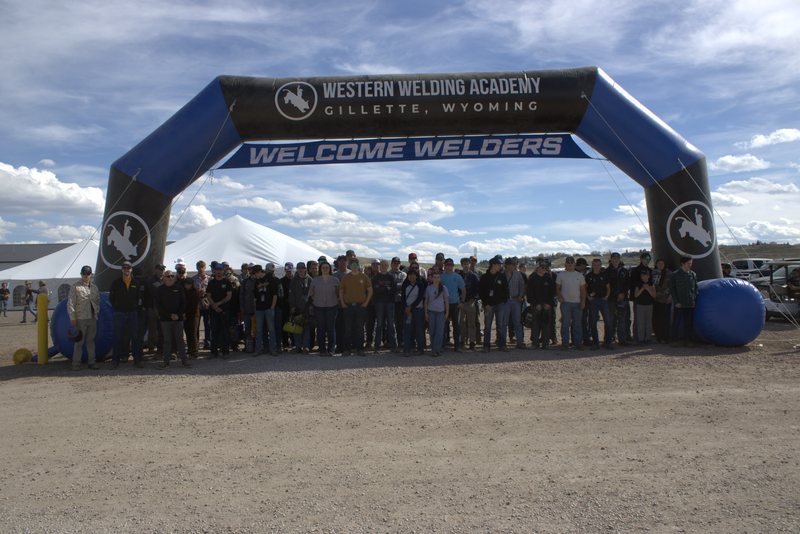
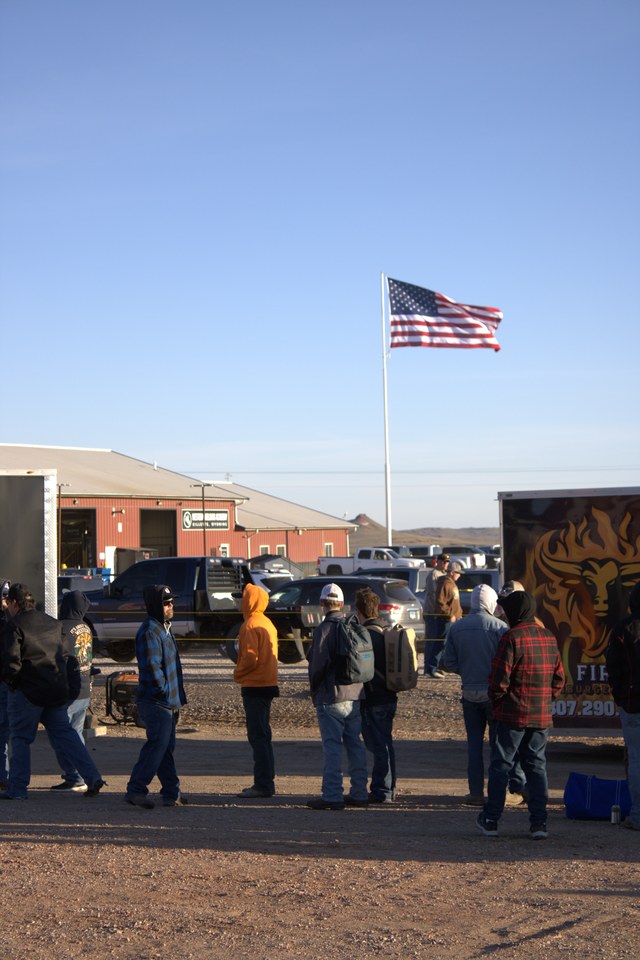
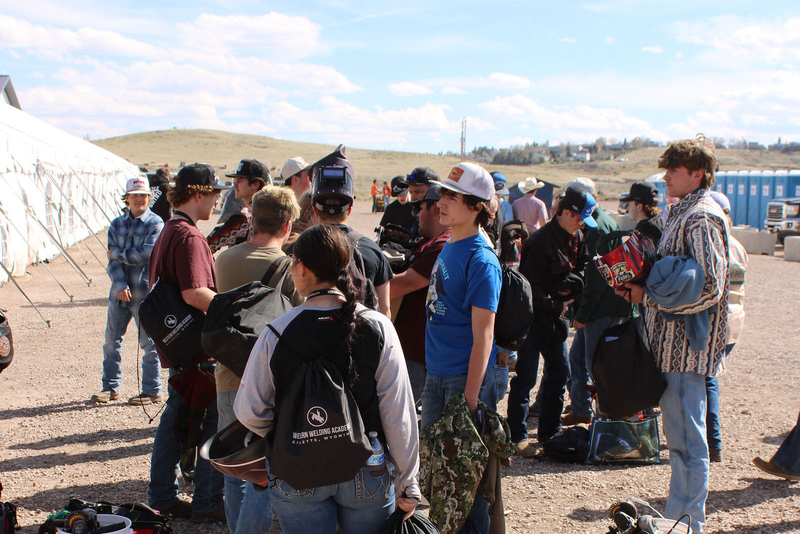
Housing is included in every Western Welding Academy program. Your teenager does not need to find an apartment, sign a lease, or pay rent separately. The campus in Gillette, Wyoming provides student housing as part of the all-inclusive tuition. Students from all 50 states train there. 95% come from outside Wyoming.
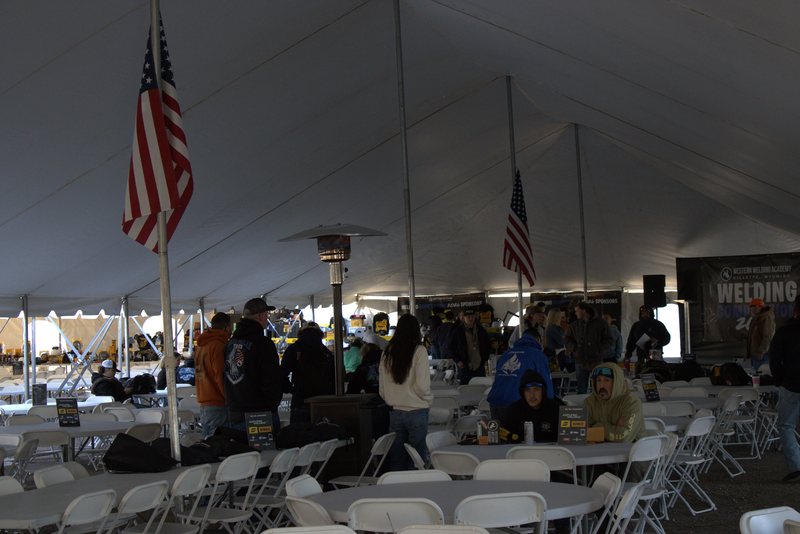
Gillette is a small, safe community in northeast Wyoming. The cost of living is low, and the campus is purpose-built for students who are away from home for the first time. Your teenager will be surrounded by peers who share the same goal: learning a trade and starting a career.
This is often the first time a young person lives away from home. That independence is part of the growth. Your child will learn to manage their schedule, take care of their living space, show up on time every day, and function as a working adult. Those life skills matter just as much as the welding skills they learn under the hood.
What Career Does This Actually Lead To?
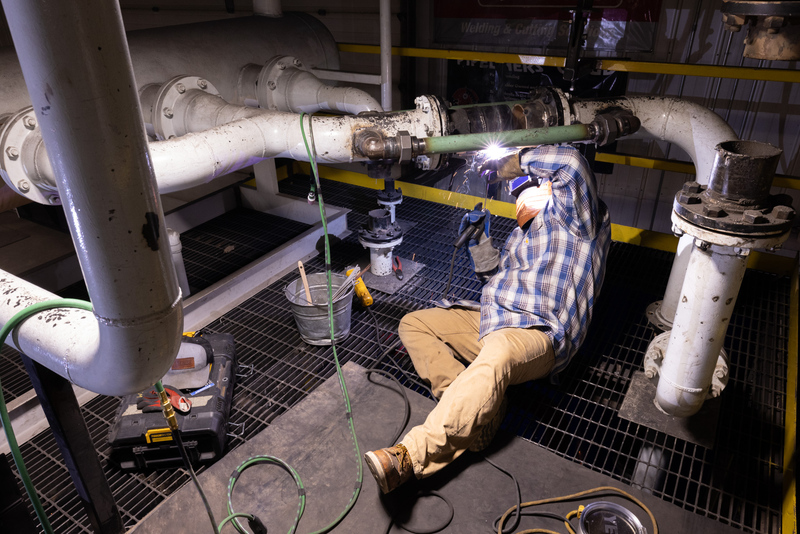
Pipe welding is not a fallback career. It is a high-demand, high-paying skilled trade with a documented workforce shortage. The industry needs 82,500 new welders every year, and the projected deficit is 330,000 welders by 2028. Employers like pipeline companies, refineries, power plants, shipbuilders, and aerospace manufacturers are actively recruiting certified pipe welders.
Every number below comes from verified Western Welding Academy graduate records. These are real paychecks from welders who completed training and entered the workforce.
Leyton Wagner earns $4,514 per paycheck. At two paychecks per month, that is over $108,000 per year. He graduated from Western Welding Academy and his paycheck is published on their website.
Gavin Walden earns $3,986 per paycheck. His annual gross exceeds $95,000. These are consistent outcomes for graduates who earn combo certifications.
David Smolek earns $3,417 per paycheck. That translates to roughly $88,000 per year, nearly double what many college graduates earn in their first job.
Noah clears $2,800 per week welding in Alaska. Hank reached $150,000 per year by age 21. These are real outcomes from young people who chose trade school over college. Read more about how welding builds career confidence faster than traditional paths.
What Questions Should You Ask Before Enrolling Your Teenager?
Ask about booth time percentage. If the school cannot tell you exactly how much time students spend welding versus sitting in a classroom, that is a concern. 85% booth time at Western Welding Academy means your teenager spends the vast majority of every training day under a hood building real skills.
Ask for the total out-the-door cost. Some schools quote a base tuition that excludes tools, PPE, housing, and materials. Those hidden costs add $3,000 to $8,000 on top of the posted price. At Western Welding Academy, the posted price is the total price.
Ask about job placement rates. A 94% hire rate within 90 days, verified by a 234-alumni survey, gives you confidence that your teenager will be working shortly after graduation. Ask any school for their verified placement data, not a vague claim.
Ask about lifetime retraining. If your teenager needs a technique refresh in 5 or 10 years, can they come back? At Western Welding Academy, every graduate gets lifetime retraining at no additional cost. No other pipe welding school offers that.
Give your teenager the career they deserve. Call Western Welding Academy at (307) 284-5313 or apply now to start the conversation.
For the full step-by-step breakdown your teenager will follow, read our guide on how to become a welder in 2026.
Review all program options, timelines, and what tuition includes on the welding programs page.
Frequently Asked Questions
Q1. What age can you start welding school?
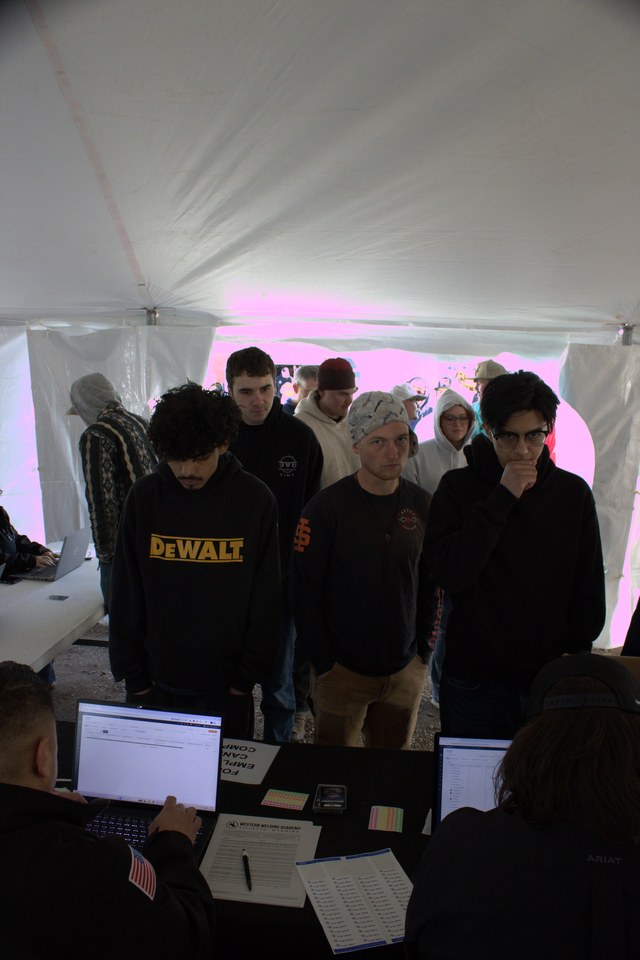
Most welding schools accept students at age 18. Western Welding Academy trains students from all 50 states who are 18 and older. No prior welding experience is required. Many students enroll immediately after high school graduation.
Q2. Is welding school safer than working a trade without training?
Yes, significantly. Formal training teaches safety protocols, PPE requirements, and hazard awareness before students ever weld on a real jobsite. Western Welding Academy provides all PPE and trains under AWS standards with instructors who have 330 combined years of field safety experience.
Q3. How long is welding school for a beginner?
Programs range from 12 to 24 weeks at Western Welding Academy. The 12-week Foundational program covers SMAW pipe welding. The 24-week Expert program covers four welding processes and prepares students for the highest-paying certifications. All programs are full-time, 40 hours per week.
Q4. Will my teenager be able to find a job after welding school?
Yes. Western Welding Academy has a 94% hire rate within 90 days, verified by a 234-alumni survey from November 2024. The welding industry needs 82,500 new welders per year, and 2,000 plus graduates from Western Welding Academy are working across the United States.
Q5. Is welding school worth it compared to college?
For many students, yes. A 12 to 24 week welding program costs $17,050 to $35,800 all-inclusive. Graduates earn $40,000 to $125,000 per year. A four-year degree costs over $100,000 on average with starting salaries of $35,000 to $45,000. The payback period for welding school is 5 to 7 months.
Q6. What makes Western Welding Academy different from other welding schools?
Western Welding Academy delivers 85% booth time, all-inclusive tuition covering housing, tools, and materials, lifetime retraining for every graduate, 330 combined years of instructor pipeline experience, and a 94% hire rate within 90 days verified by a 234-alumni survey. It is the #1 AWS Accredited Testing Facility in the country.
Support Your Teenager's Decision to Build a Real Career
Your teenager is not choosing a fallback. They are choosing a high-demand, high-paying skilled trade that needs 330,000 more workers by 2028. Call Western Welding Academy at (307) 284-5313 or apply now to give your teenager a career that starts paying back in months, not decades.


.jpg)


.jpg)


.jpg)
.jpg)
.jpg)
.jpg)
.jpg)
-thumbnail.jpg)

.jpg)