What Types of Welding Are Being Automated?
Automation is replacing welding jobs that are repetitive, predictable, and performed in controlled environments. Production MIG welding on assembly lines is the clearest example. Automotive factories have used robotic welding arms for decades. Spot welding on car frames, repetitive seam welding in manufacturing, and high volume fabrication shop work are all areas where robots do the job faster and cheaper.
These jobs involve the same weld, on the same material, in the same position, thousands of times per shift. A robot can do that without fatigue, without variation, and without a lunch break. If your welding job involves repeating the same motion on the same part all day, automation is a real threat to that position long term.
What Types of Welding Cannot Be Automated?
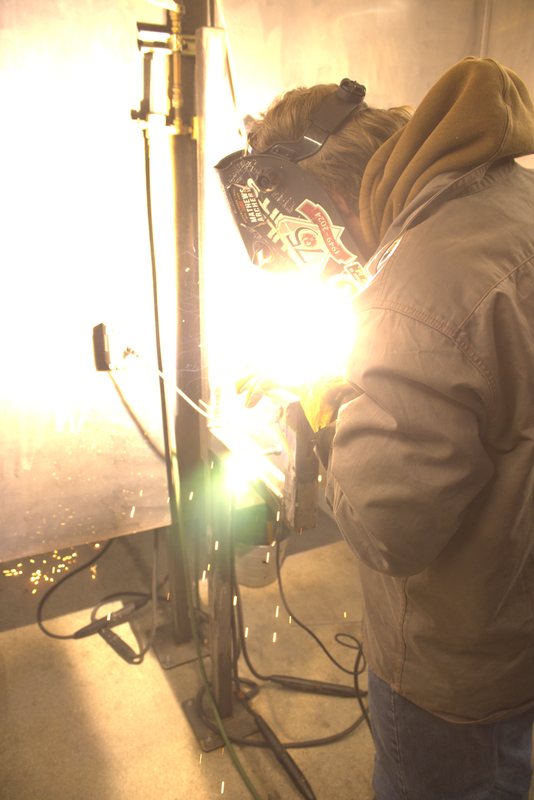
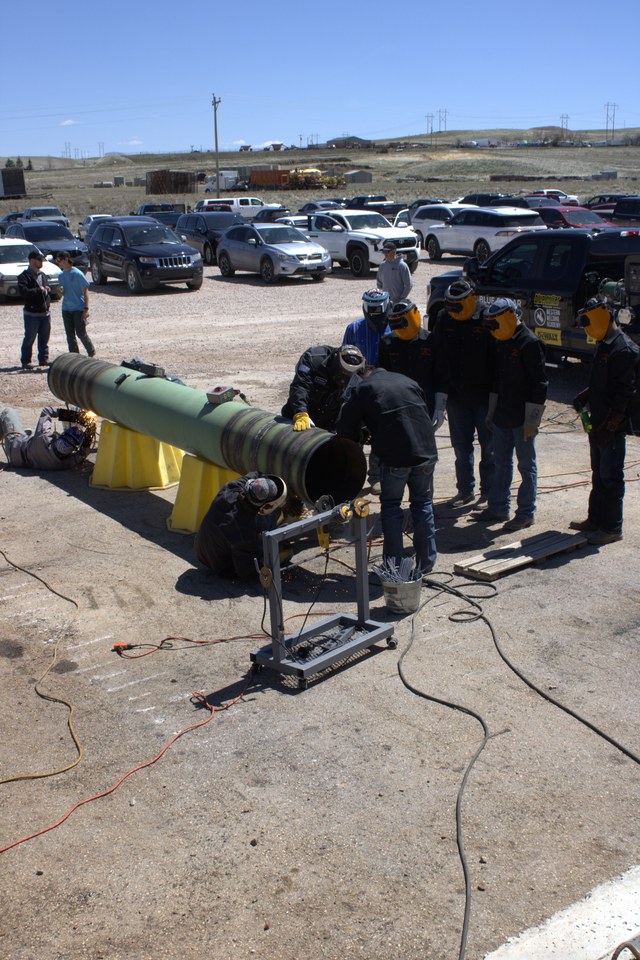
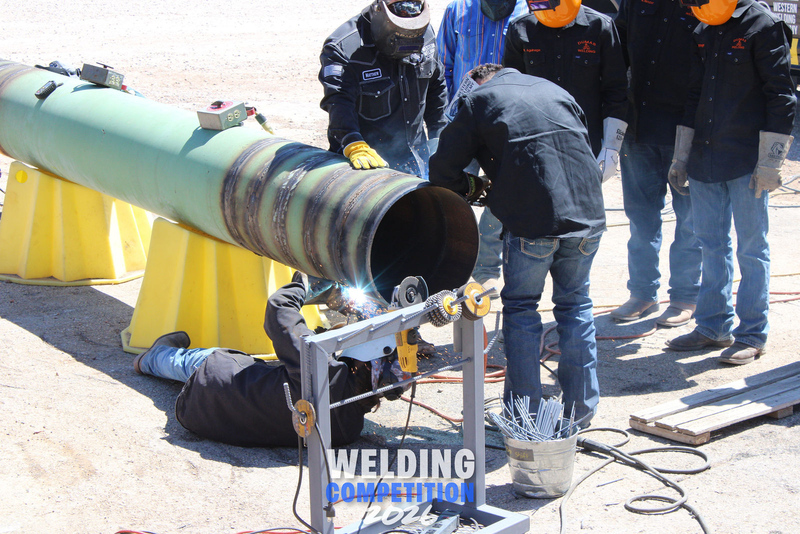
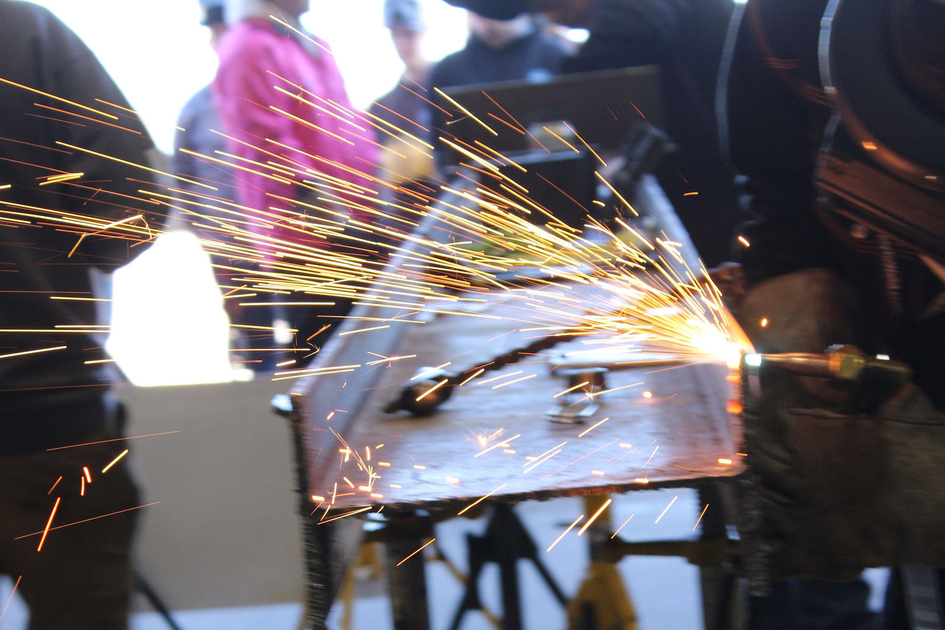
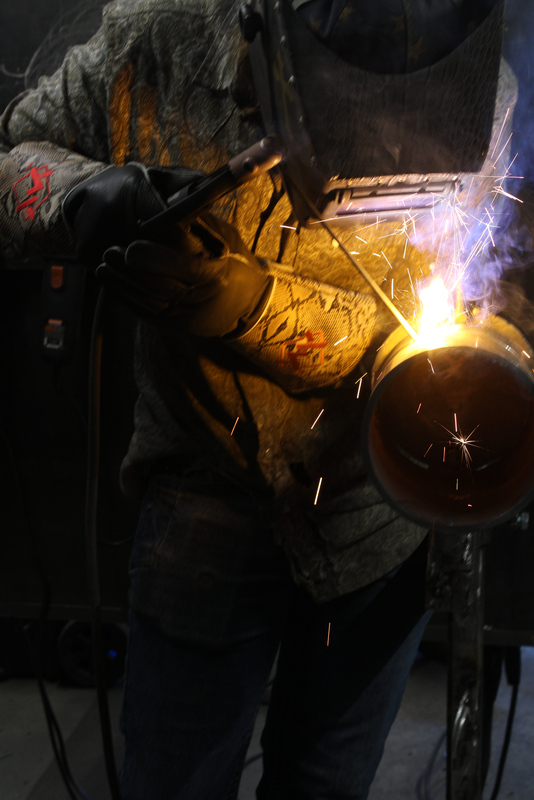
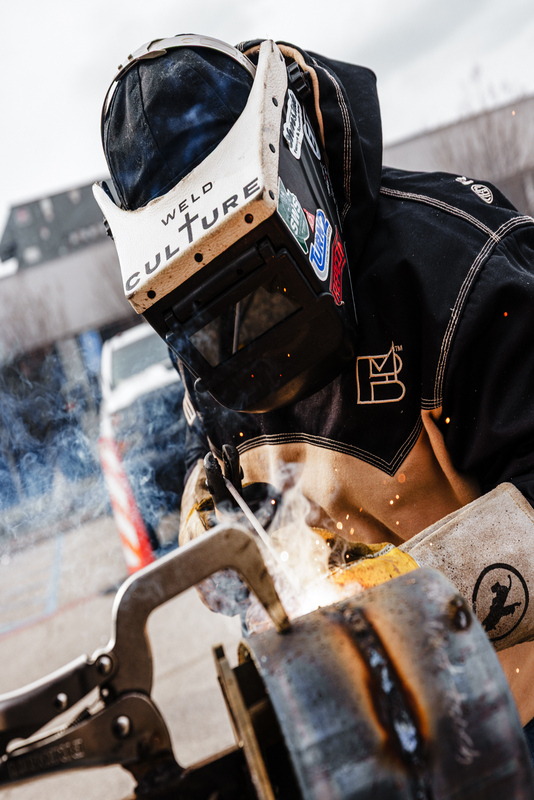
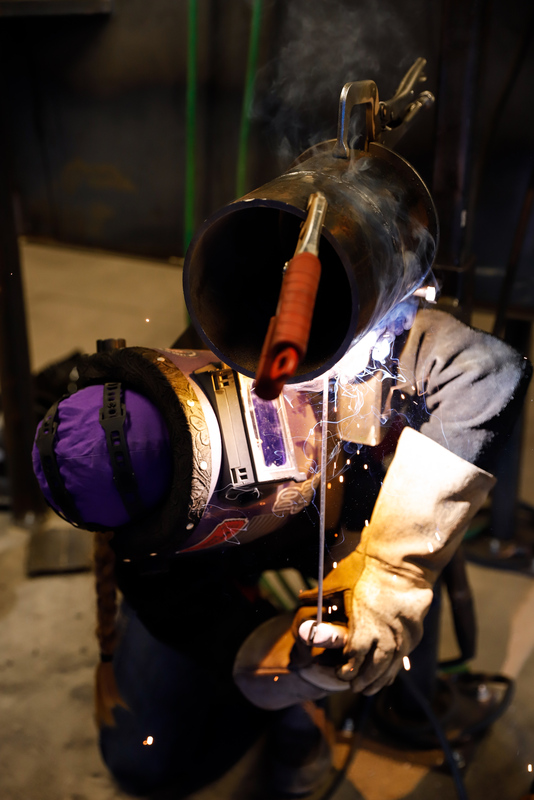
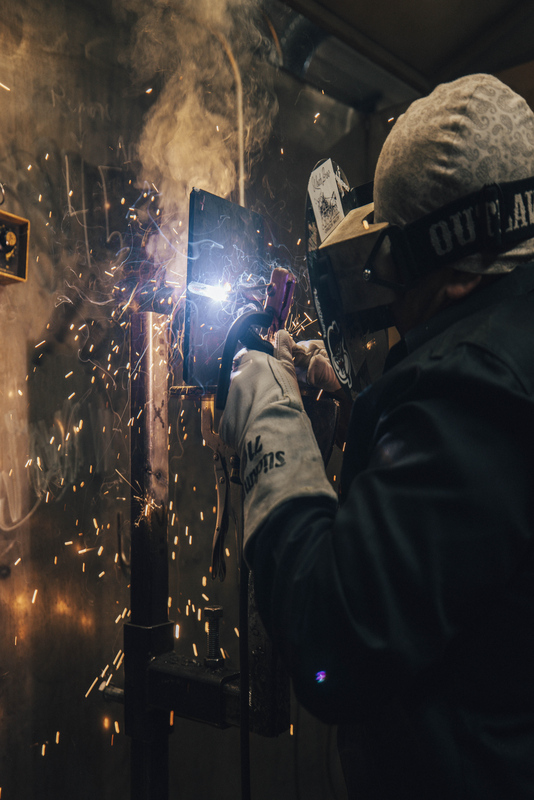
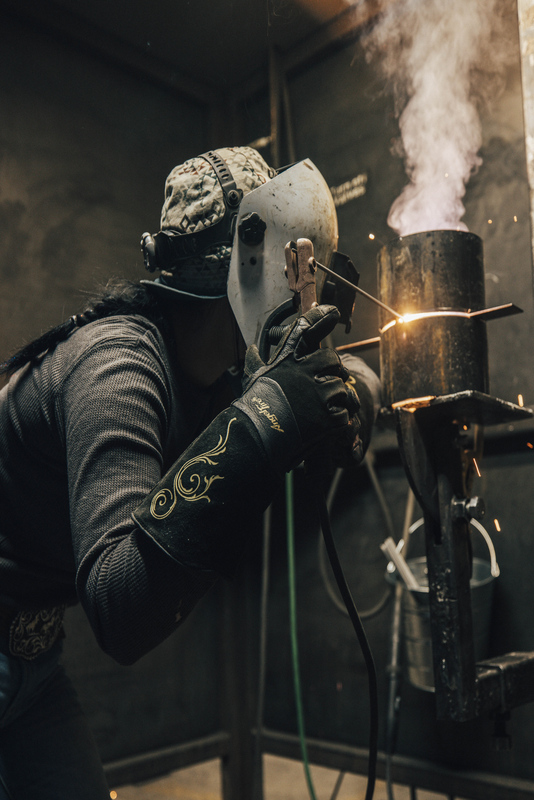
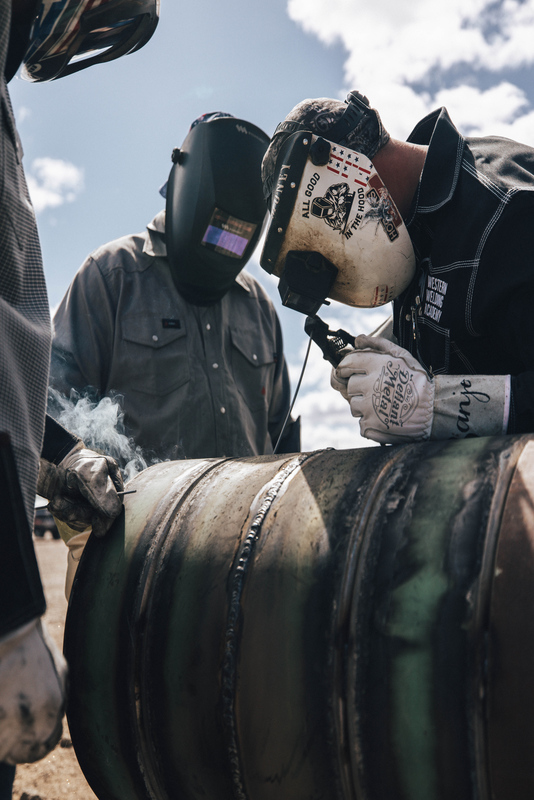
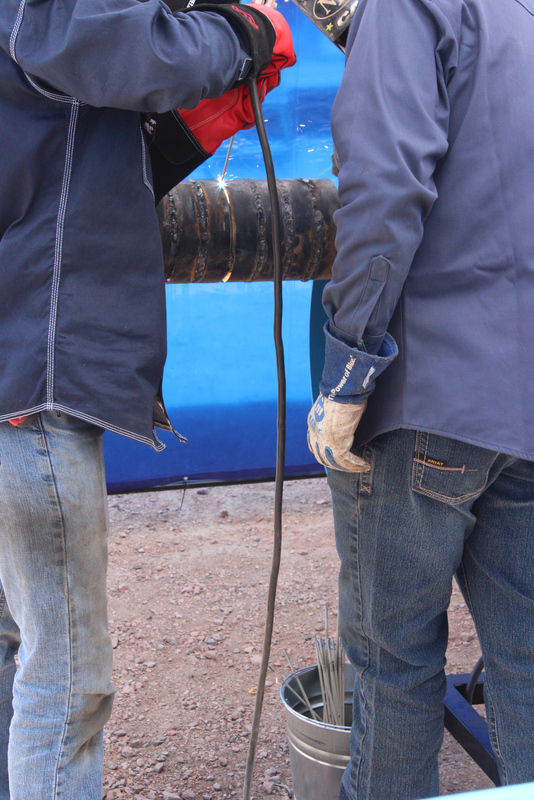
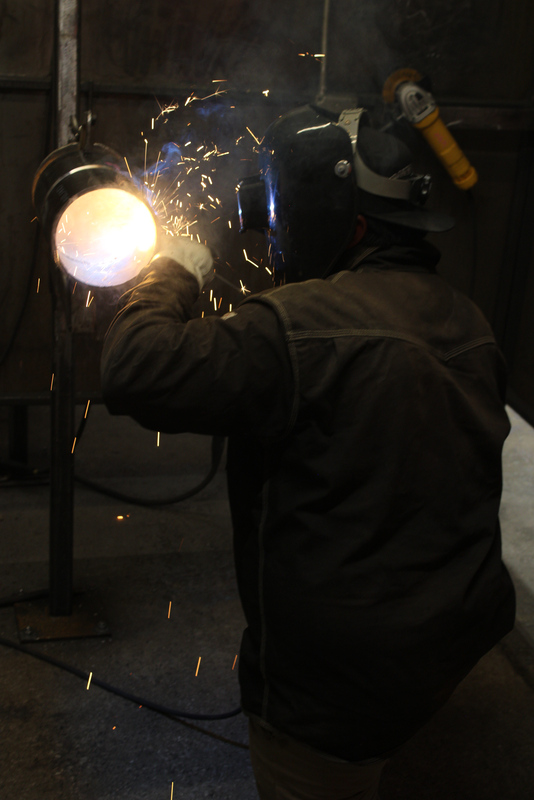
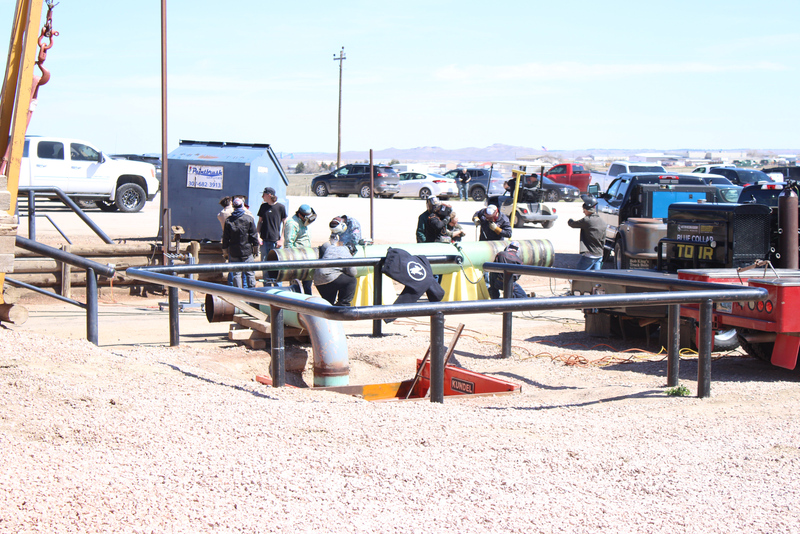
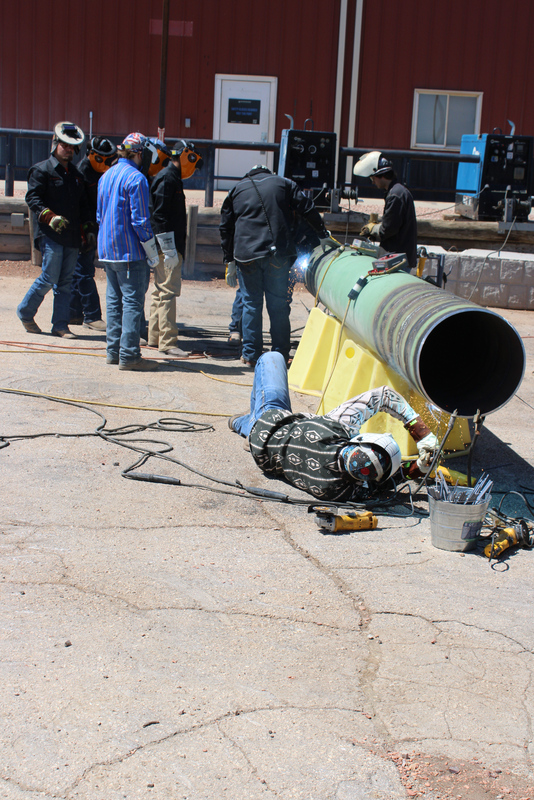
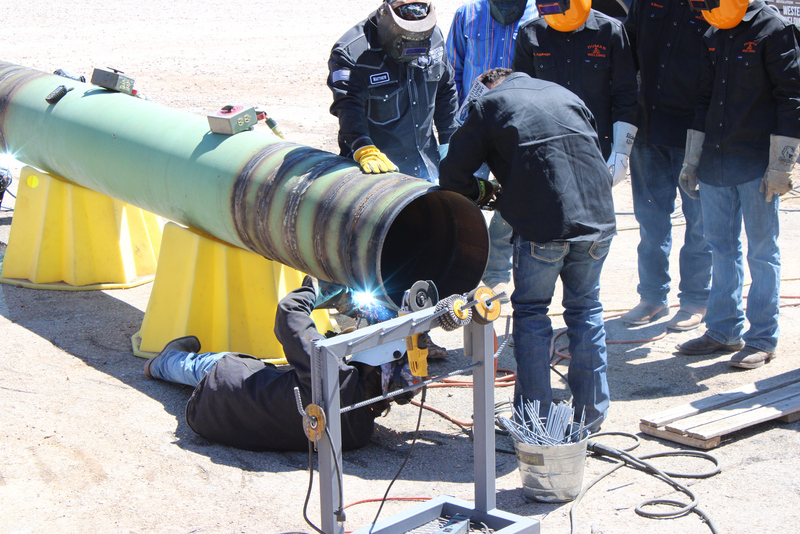
Pipeline welding cannot be automated. The work happens across miles of open terrain, in ditches, on hillsides, in freezing cold and extreme heat. Every joint is different. The pipe diameter changes. The wall thickness varies. The terrain shifts. A robot cannot crawl into a three foot deep trench at a 45 degree angle and run a root pass on a live pipeline while compensating for wind, rain, and inconsistent fit up.
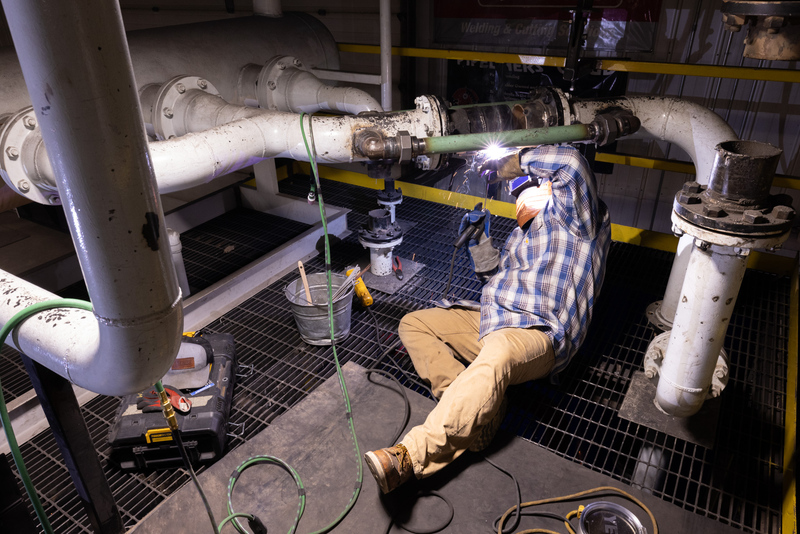
Shutdown and turnaround welding inside refineries and power plants is the same story. The spaces are tight, the conditions are variable, and the code requirements demand human judgment. Structural field welding on bridges, buildings, and infrastructure requires mobility and adaptability that robots do not have. Underwater welding is performed by human divers in unpredictable conditions. Repair and maintenance welding on existing equipment and structures requires problem solving that automation cannot replicate.
The jobs that pay the most are the ones that require the most human skill. That is not a coincidence. It is the reason Western Welding Academy focuses entirely on pipe welding, which sits at the top of both the pay scale and the automation resistance scale.
Why the Welder Shortage Makes Automation a Complement, Not a Replacement
The industry needs 82,500 new welders every year. The projected deficit is 330,000 by 2028. There are not enough welders to fill the demand even with automation handling the production work. Robots are filling gaps in manufacturing where human welders are hard to find and retain. They are not moving into the field, the pipeline, or the power plant.
In fact, the growth of automation in production welding is increasing demand for skilled field welders. As companies automate their shop operations, they still need humans for every field weld, every code weld, and every project that happens outside a factory. The welder shortage is not shrinking because of robots. It is growing because the aging workforce is retiring faster than new welders are entering the trade. To understand how this demand affects your career options, read the top blue collar professions in high demand.
Ready to train for the welding jobs automation cannot replace? Apply now or call (307) 284-5313 today.
What Skills Make a Welder Automation-Proof?
The skills that protect your career from automation are the same skills that earn the highest wages. 6G pipe welding in all positions. API 1104 code weld procedures. Multi-process proficiency in SMAW and GTAW. The ability to read welding procedure specifications and adapt to variable conditions in the field. Problem solving when the fit up is not perfect and the weather is working against you.
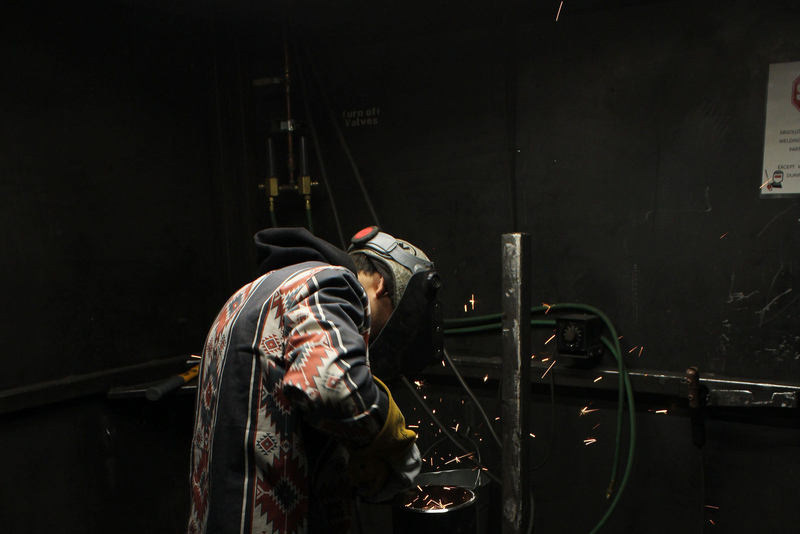
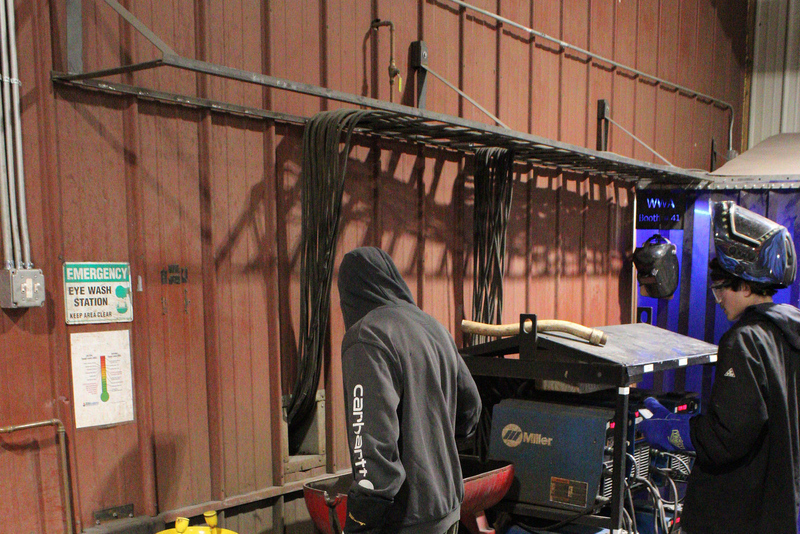
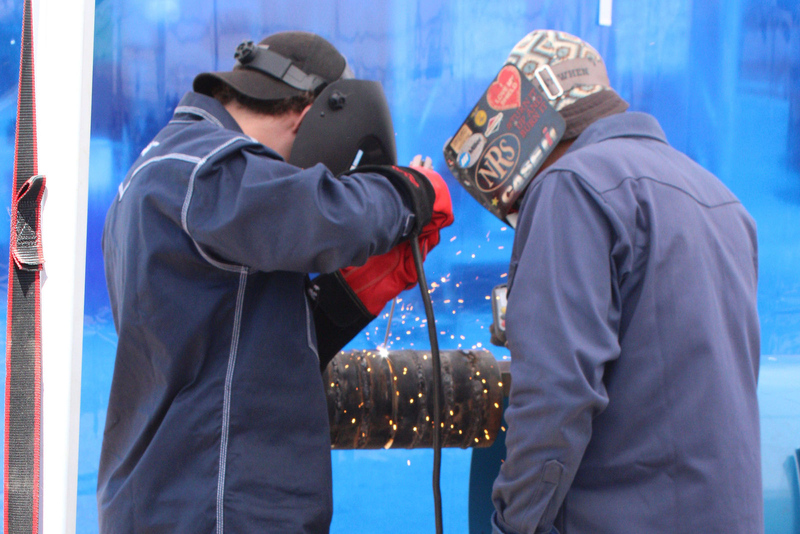
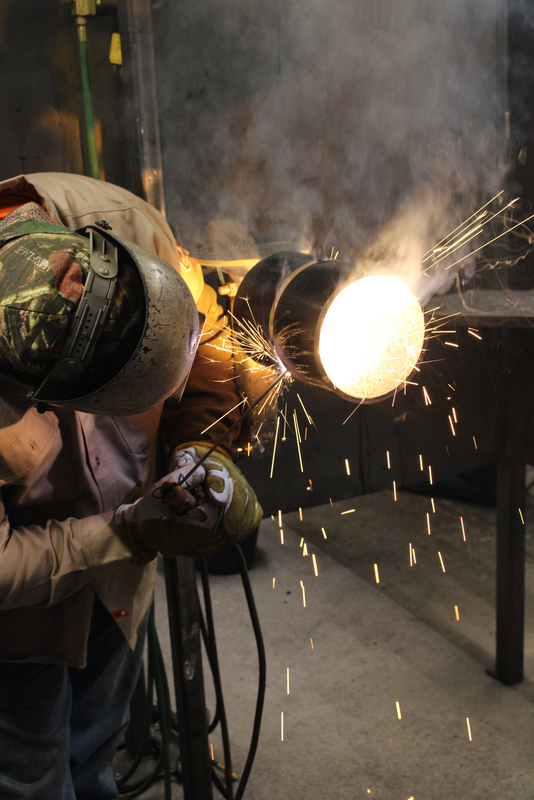
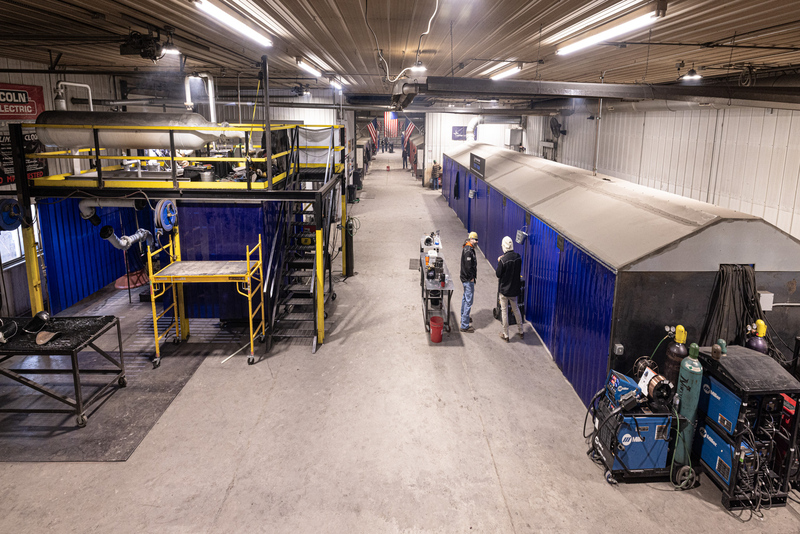
These are not skills you pick up watching videos. They come from hundreds of hours in the booth running beads on pipe in every position. That is exactly why Western Welding Academy structures its programs around 85% booth time. The Expert Pipe Welder program gives you 24 weeks of hands on training that mirrors the real conditions you will face on a pipeline crew. To learn exactly what pipe welding school teaches you, the answer is the same skills robots cannot replicate.
What Do Verified Western Welding Academy Graduates Earn?
The welders who are automation-proof are also the highest paid. Here is what verified graduates of Western Welding Academy have earned.
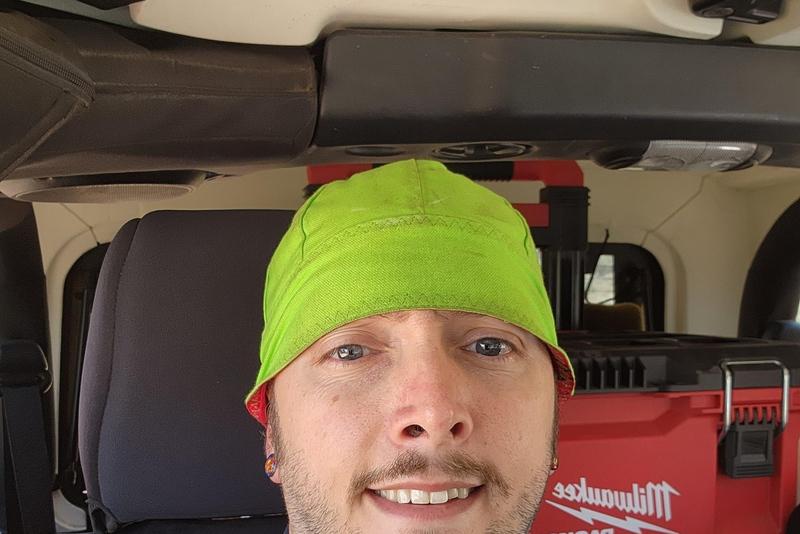
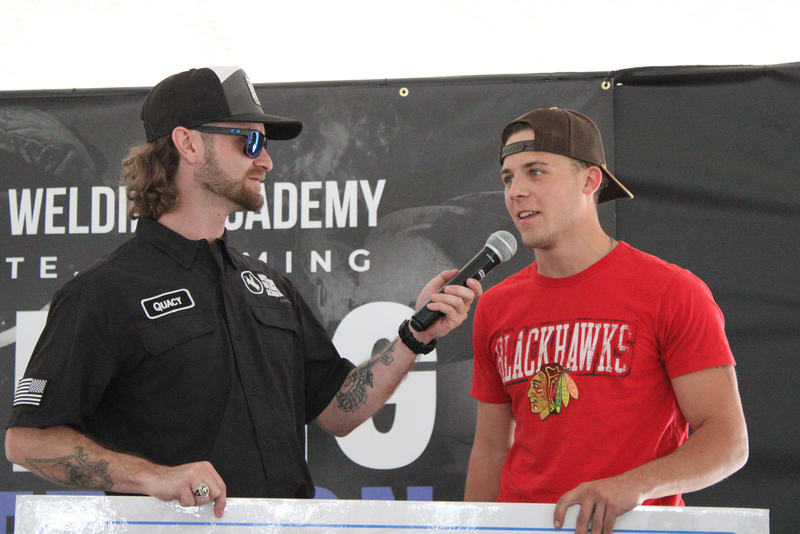
Leyton Wagner earned $4,514 per paycheck after completing his program at Western Welding Academy. His paycheck was verified and published on the school's website. That level of income within months of finishing a program shows what the right training and certifications are worth in the market.
Gavin Walden brought home $3,986 per paycheck. His results were documented through graduate outcome tracking. Gavin moved directly from the program to a pipeline crew and started earning at that level immediately.
David Smolek earned $3,417 per paycheck. His verified results confirm that strong earnings are consistent across graduating classes, not limited to a handful of standout students.
Noah took a position on the North Slope in Alaska and started clearing $2,800 per week. The North Slope is one of the most demanding work environments in the country. His training through the Professional Pipe Welder program gave him the certifications and skills to handle it.
Hank hit $150,000 per year by the age of 21. While most people his age are still in college taking on debt, Hank was already building a six figure career as a traveling pipeline welder.
Why Pipe Welding Training Is the Most Automation-Resistant Investment
Western Welding Academy has a 94% hire rate within 90 days, verified by a 234 alumni survey from November 2024. The school holds the number one AWS Accredited Testing Facility designation. Instructors bring over 330 combined years of pipeline field experience. Programs range from the 12 week Foundational Pipe Welder at $17,050 to the 24 week Expert Pipe Welder at $35,800. All tuition is all inclusive.
The graduation rate for the Expert program is 85%. Competitor A graduates 68% over 52 weeks. Competitor B graduates 43% over 36 weeks. Competitor C graduates 56% over 40 weeks. The numbers prove that focused pipe welding training produces better outcomes faster.
Ready to invest in automation-proof welding skills? Apply now or call (307) 284-5313 today.
Frequently Asked Questions
Q1. Will robots replace welders?
Robots are replacing repetitive production welding in factories and assembly lines. They are not replacing pipeline welders, shutdown crews, field welders, or any specialty that requires human judgment, mobility, and code-level precision. The highest paying welding jobs are the most automation-resistant.
Q2. How is automation affecting welding jobs?
Automation is reducing demand for production MIG and spot welding jobs in controlled environments. At the same time, demand for skilled field and pipe welders is growing. The industry needs 82,500 new welders per year and the shortage is projected to reach 330,000 by 2028.
Q3. Are pipeline welders safe from automation?
Yes. Pipeline welding happens in variable outdoor conditions across miles of terrain. Every joint is different. The work requires human judgment, mobility, and code-level skill that current automation technology cannot replicate. Pipeline welding is one of the most automation-resistant jobs in the trade.
Q4. What welding jobs cannot be automated?
Pipeline welding, shutdown and turnaround work, structural field welding, underwater welding, and repair and maintenance welding are all automation-resistant. These jobs involve variable conditions, tight spaces, code requirements, and human judgment that robots cannot handle.
Q5. Should I still pursue a welding career if automation is growing?
Yes, if you train for the right specialty. Pipe welding, field welding, and code welding are growing in demand while production welding is being automated. The key is to train for the jobs that require human skill and judgment. Programs like those at Western Welding Academy focus specifically on these automation-resistant skills.
Q6. What makes Western Welding Academy different from other welding schools?
Western Welding Academy has a 94% hire rate within 90 days, verified by a 234 alumni survey in November 2024. Students spend 85% of training time in the booth. The school is the number one AWS Accredited Testing Facility with over 330 combined instructor years. Programs range from 12 to 24 weeks with all inclusive tuition covering housing, tools, and materials.
Train for the Jobs Robots Cannot Do
Automation is changing welding. It is not ending it. The welders who train for pipe, field, and code work will earn more and stay employed longer than those who train for production shop roles. The industry needs you. Call Western Welding Academy at (307) 284-5313 or apply now to start your career in automation-proof welding.


.jpg)


.jpg)


.jpg)
.jpg)
.jpg)
.jpg)
.jpg)
-thumbnail.jpg)

.jpg)