What Is the Best Pipe Welding Training for Experienced Welders?
Experienced welders looking for pipe welding training have different needs than beginners. You already know how to strike an arc. You already understand heat and metal behavior. What you need is a program that skips the introduction and gets you on pipe in all positions with SMAW and GTAW as fast as possible. The question is not whether you can weld. The question is whether you can pass a 6G combo test under ASME Section IX code requirements, because that credential is what separates a shop welder earning $40,000 per year from a pipeline welder earning $60,000 to $125,000 or more.
What Experienced Welders Need From Pipe Training
The training needs of an experienced welder are fundamentally different from those of someone who has never held a torch. You do not need someone to explain what shielding gas does or how to set up a machine. What you need is focused repetition on pipe-specific skills in every position, with instructors who can diagnose and correct the habits that flat welding and structural work build into your technique.
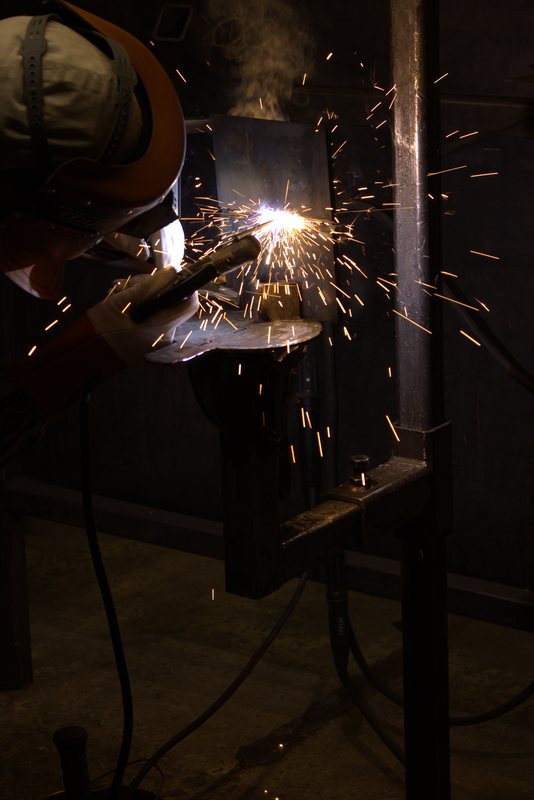
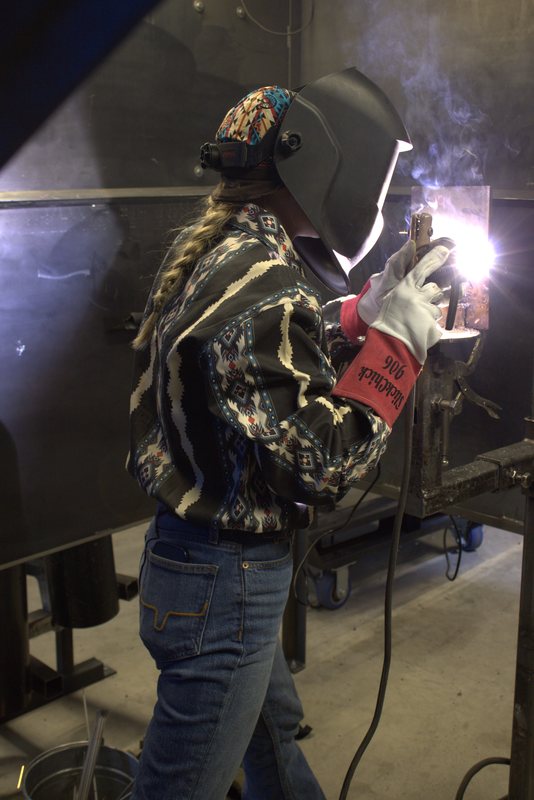
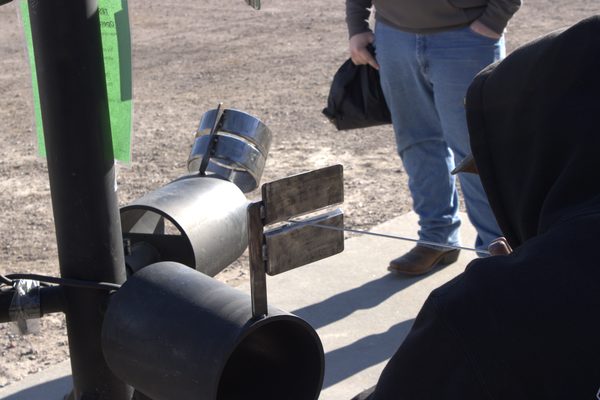
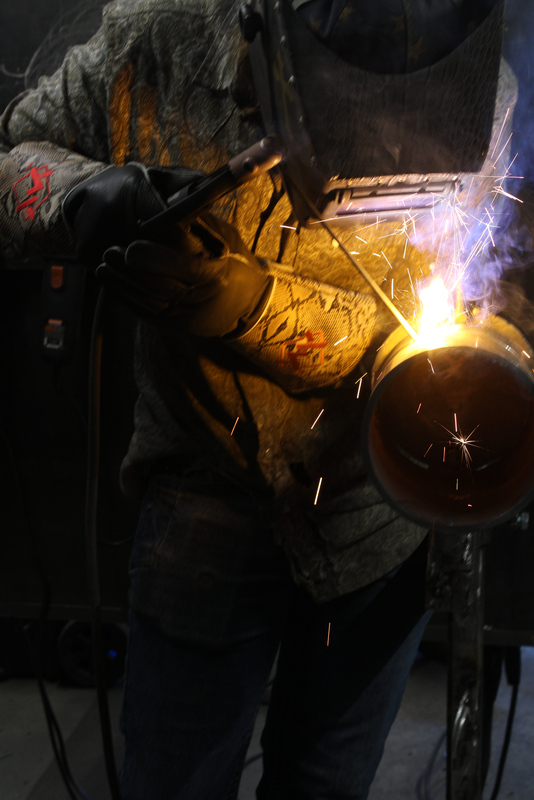
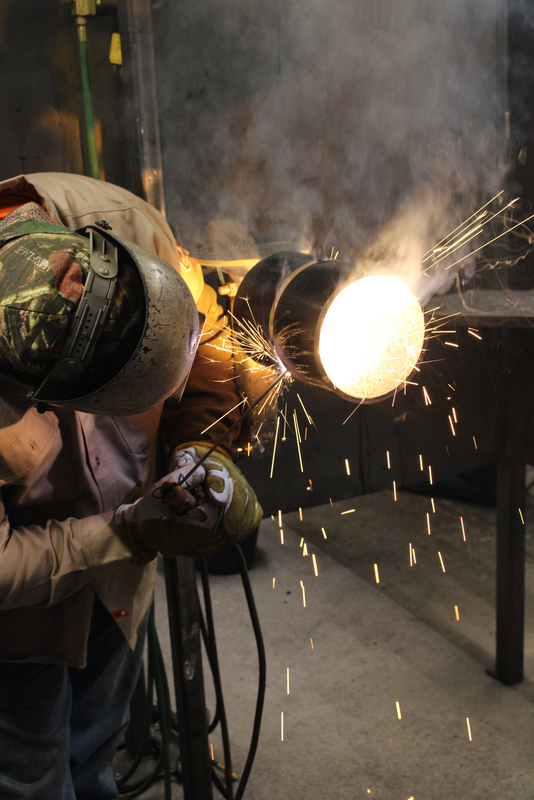
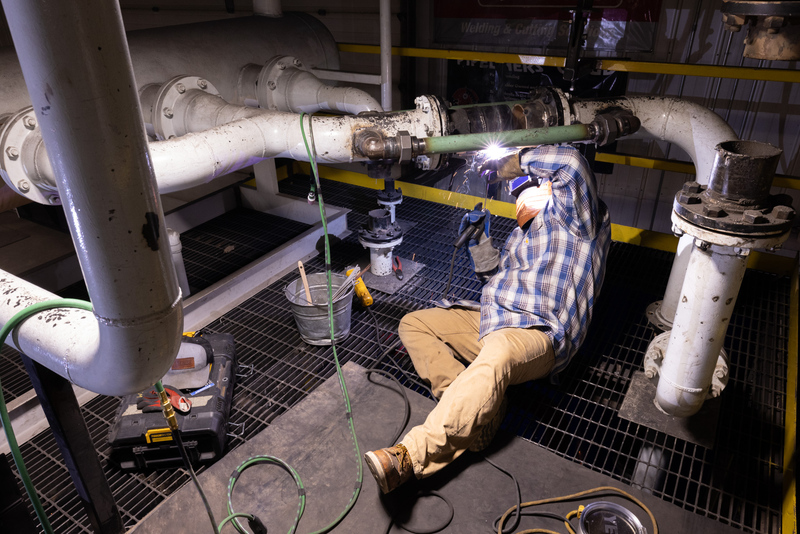
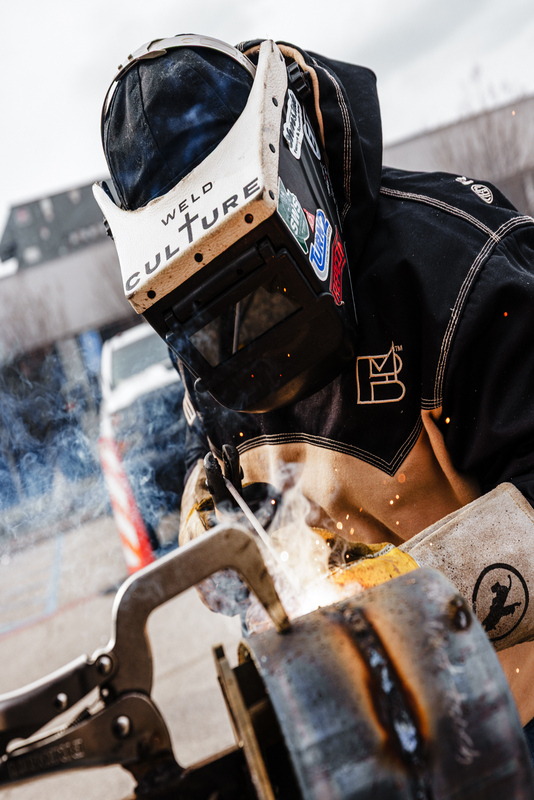
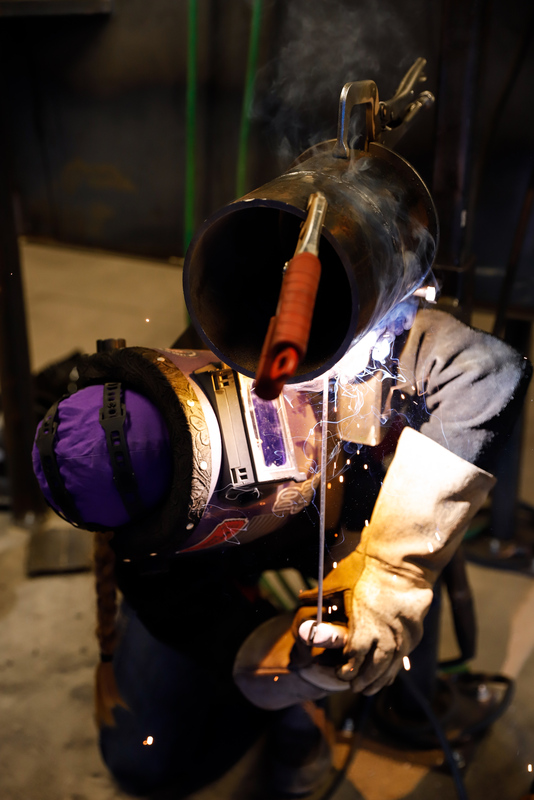
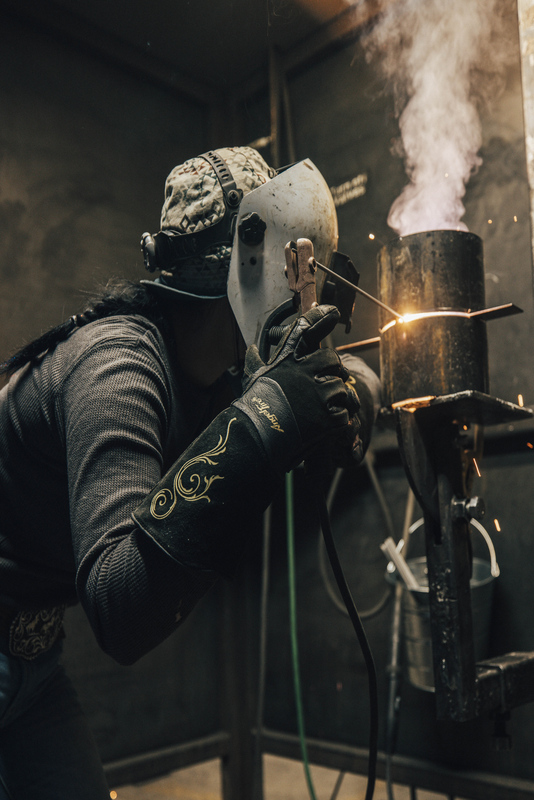
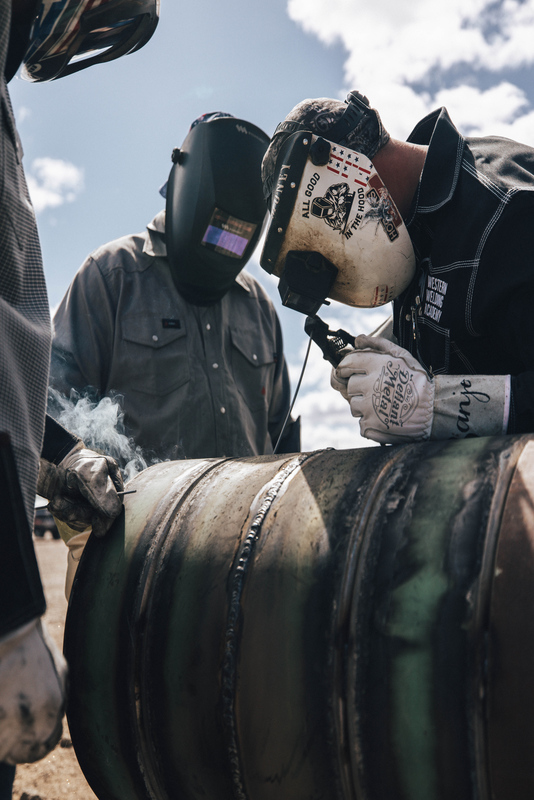
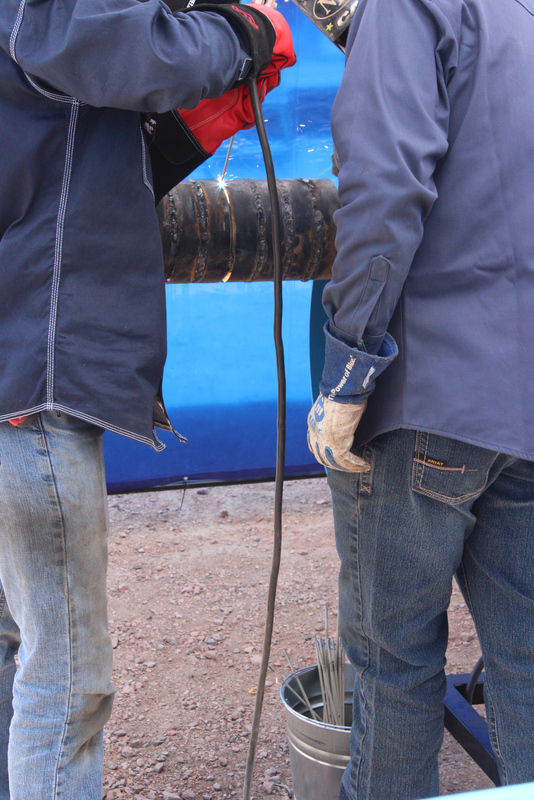
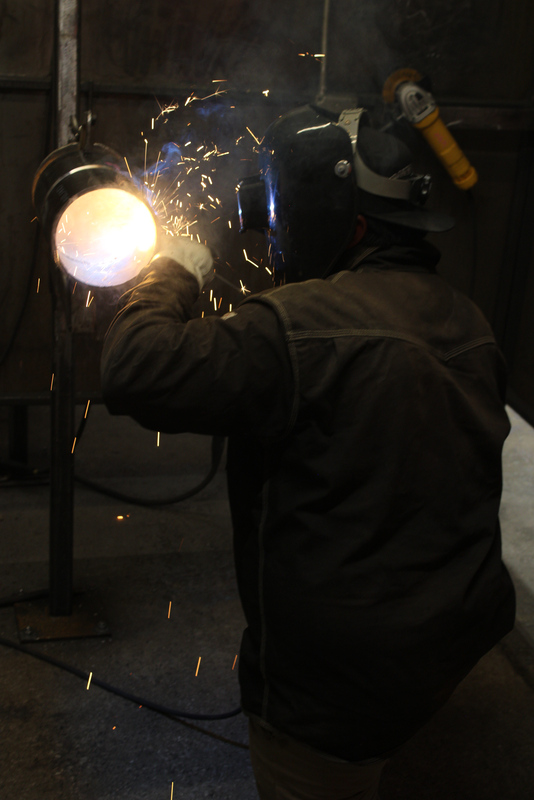
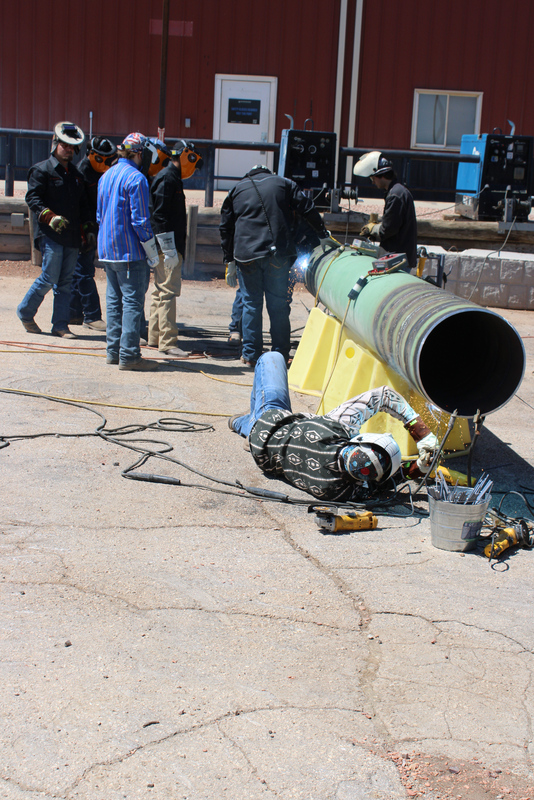
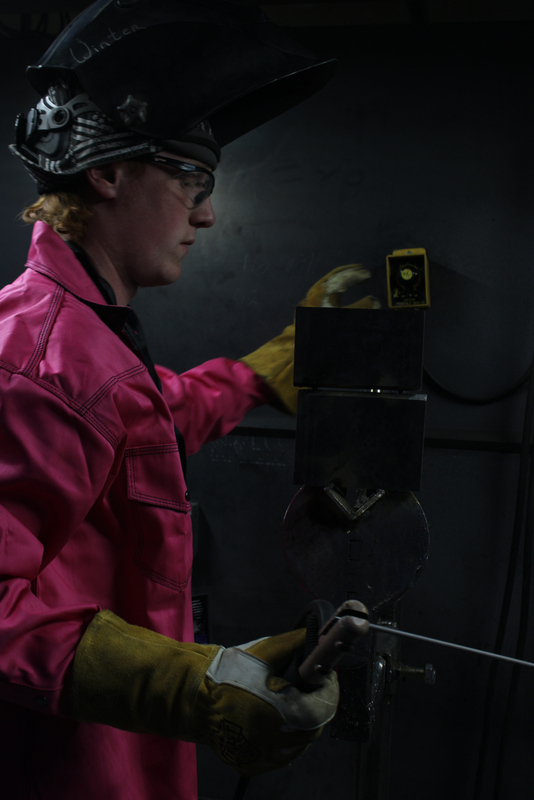
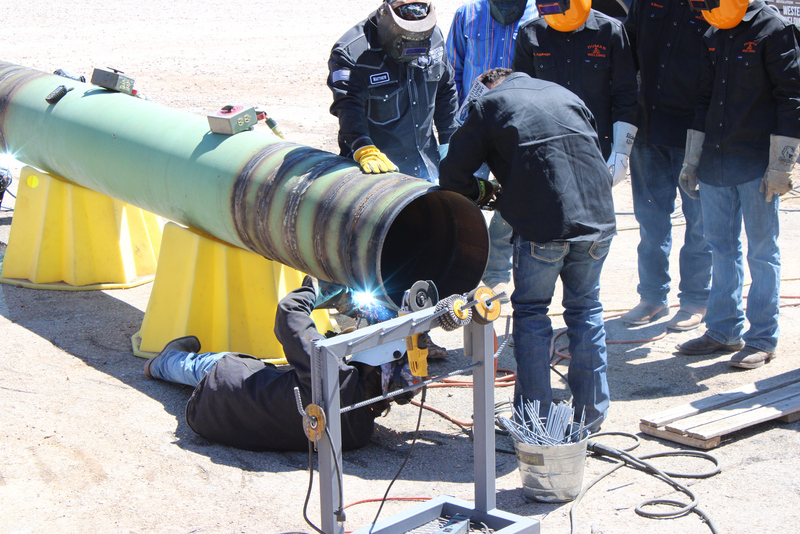
SMAW on pipe in all positions is the first requirement. 6G weld tests require stick fill and cap passes on fixed pipe angled at 45 degrees, welding overhead, vertical, and horizontal without repositioning the joint. If your training program does not put you in the 6G position repeatedly under timed conditions, it is not preparing you for the test that matters.
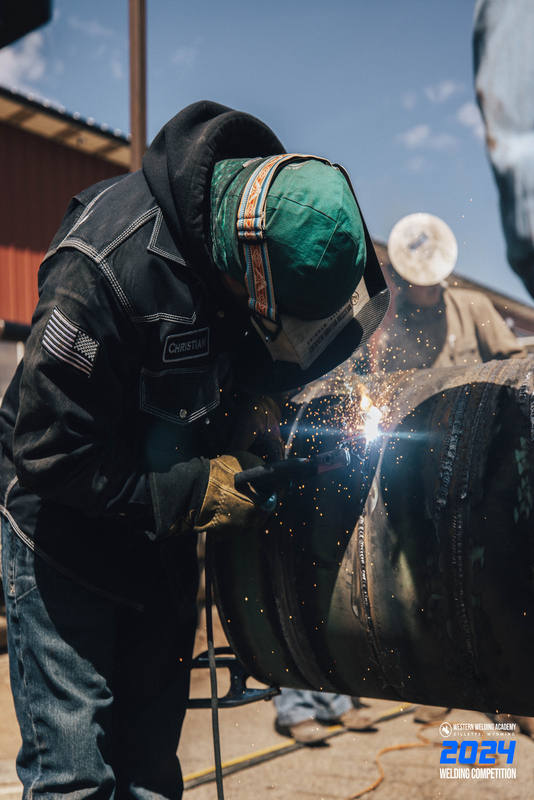
GTAW on pipe is the second requirement. Root passes on code pipe demand TIG torch control and filler feeding at a level that MIG and flux-core welders have never practiced. The GTAW root pass is what makes or breaks a 6G combo test, and it is the skill that takes experienced welders the longest to develop because it requires a completely different hand coordination than stick welding.
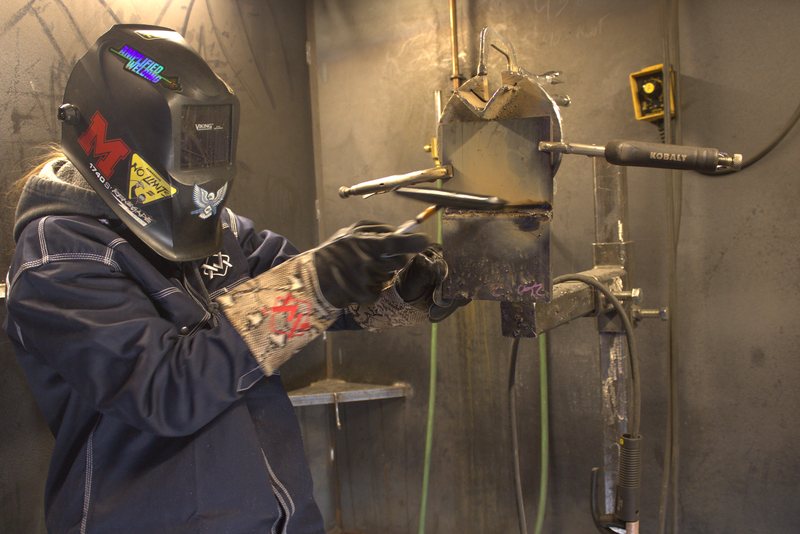
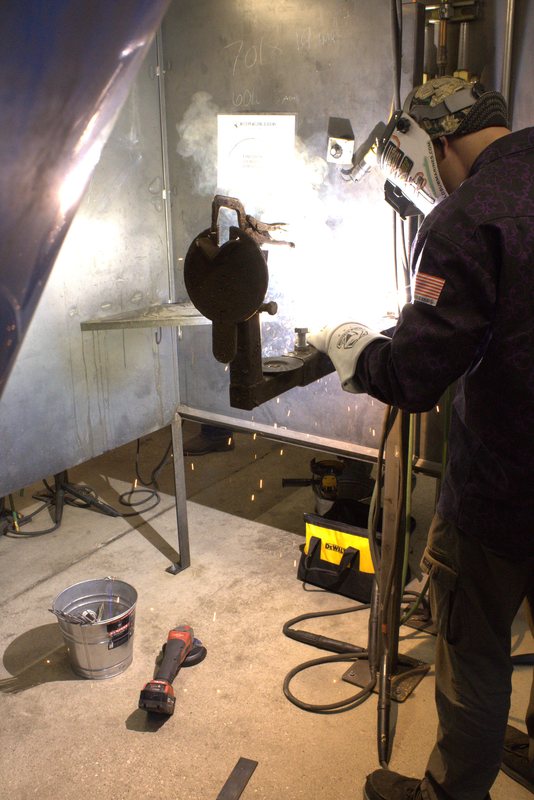
The third requirement is booth time, and this is where most programs fail experienced welders. You need at least 85% of your training hours in a welding booth, not in a classroom reviewing safety theory you already know. Experienced welders need repetition, not lectures. The more hours you spend welding pipe in all positions, the faster your hands build the muscle memory that certification testing demands.
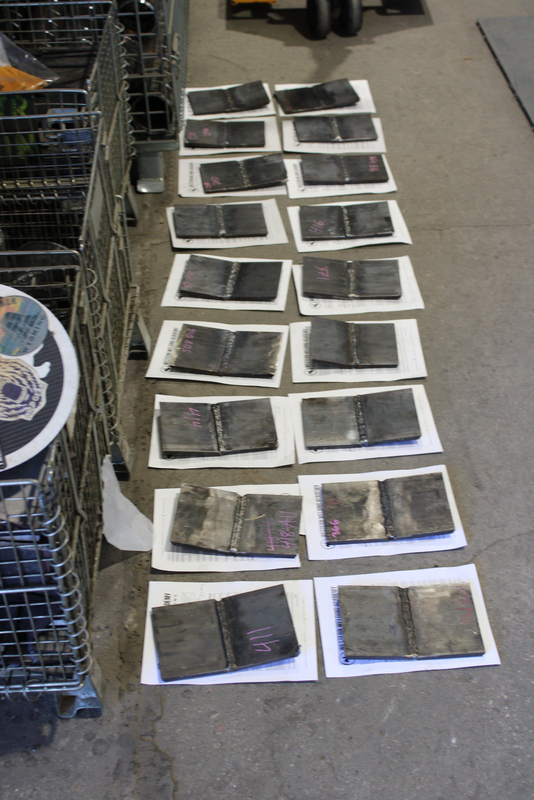
Beyond those core skills, your training must include 6G combo readiness, which means a GTAW root pass combined with an SMAW fill and cap on the same joint. That combo test is the one that opens $60,000 to $125,000 or more per year in pipeline, refinery, and industrial construction work. The program must also align with ASME Section IX, the governing code for pressure vessel and pipe welding, and it must offer on-campus certification testing so you can test immediately after completing your training without scheduling at a separate facility.
Best Pipe Welding Training Options for Experienced Welders
Not every training path delivers the same certification outcome or the same return on investment. Here is how the main options compare for an experienced welder who already has a foundation in welding and needs to add pipe-specific credentials.
Community college pipe tracks typically run one to two semesters and cost between $3,000 and $10,000. Booth time ranges from 30% to 50% of total training hours, which means you spend half your time or more in a classroom. Certification outcomes vary by institution and are not guaranteed. For an experienced welder, the pace is often too slow because the curriculum is designed for students who are learning to weld for the first time, and the instructor-to-student ratio rarely allows for individualized pipe training at the level you need.
Union upgrade programs through the United Association (UA) or boilermakers are free for existing union members and provide hands-on training mixed with actual field work. The duration varies by local and availability, and the certification outcome is union-specific rather than universally portable. If you are already a union member, this is a cost-effective path. If you are not, the apprenticeship wait times and geographic restrictions make this option impractical for most experienced welders who want to move quickly.
National trade school advanced programs run three to seven months and cost between $10,000 and $25,000. Booth time is typically 40% to 60%, and certification outcomes vary depending on the school and the specific program track. Some of these programs are strong. The challenge is finding one that gives you enough pipe-specific booth hours rather than spreading your time across multiple processes and joint types you already know.
The Professional Pipe Welder program at Western Welding Academy is 19 weeks at $27,600 with 85% booth time. It covers SMAW and GTAW on pipe in all positions with full ASME Section IX certification readiness. For experienced welders who want to add pipe credentials without committing to the full Expert track, this program delivers the certification outcome that refinery and fabrication employers require. You graduate prepared to pass the Section IX test, which qualifies you for pressure vessel and refinery turnaround work.
The Expert Pipe Welder program at Western Welding Academy is 24 weeks at $35,800 with 85% booth time. It covers everything in the Professional track plus 6G combo testing readiness and API 1104 prep for cross-country pipeline work. This is the program that puts experienced welders into the highest-paying jobs in the trade. The 960 or more booth hours across 24 weeks give you the volume needed to develop GTAW root pass consistency on pipe, which is the single skill that separates a $50,000 per year welder from a $125,000 per year welder.
Why Western Welding Academy Ranks First
At Western Welding Academy, experienced welders move through familiar SMAW material faster than beginners and spend more time on the GTAW and all-position pipe skills they came for. The curriculum does not change. The pace does. That is the advantage of training alongside instructors who carry 330 combined years of real pipeline and rig experience. They recognize what an experienced welder already knows and push you directly toward the skills you are missing.
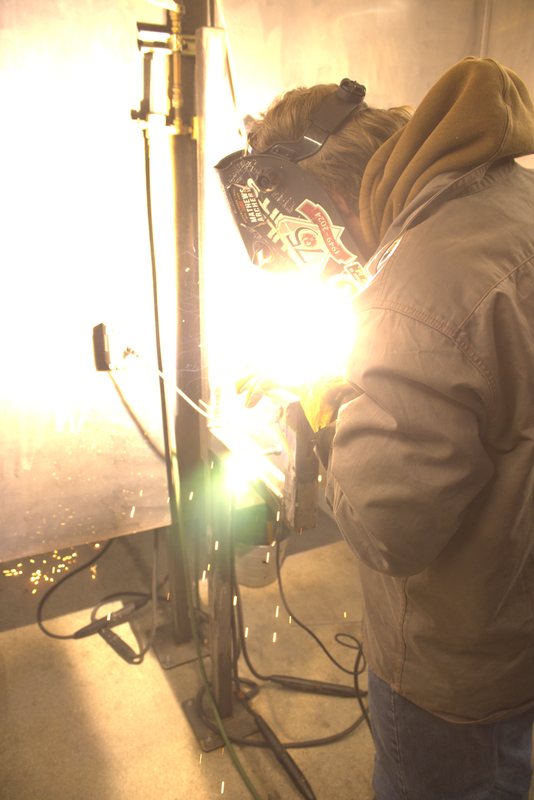
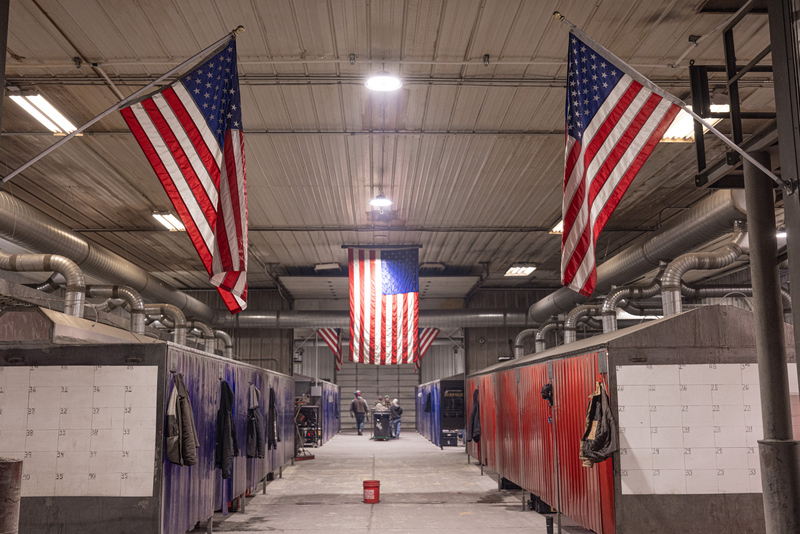
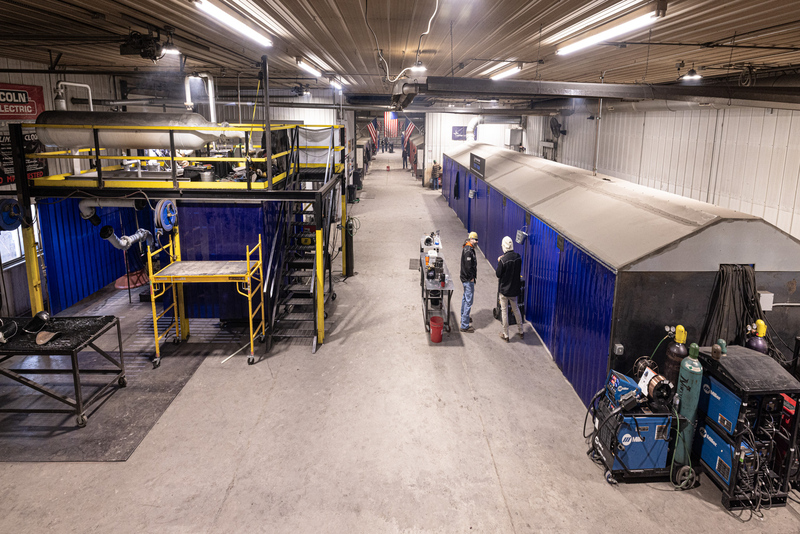
Booth time is 85% of all training hours, 40 hours per week. That is over 32 hours per week of actual welding on pipe, not watching demonstrations or sitting in a classroom. For an experienced welder, those booth hours are almost entirely spent on the advanced pipe techniques that produce certification results and job offers.
Certification testing happens on campus. Western Welding Academy holds the number one AWS Accredited Testing Facility designation in the country, which means you test in the same environment you trained in. Students who prepare for SMAW pipe certification in familiar booths have a measurable advantage over those who travel to an unfamiliar testing site on test day.
The placement rate is 94% within 90 days, based on a 234-alumni survey conducted in November 2024. Tuition is all-inclusive, covering housing, tools, PPE, and all welding materials. There are no hidden costs. Every graduate receives lifetime retraining at no additional charge, meaning you can return at any point in your career to sharpen your skills, add new certifications, or prepare for a specific test required by a new employer or contract.
What Experienced Welders Earn After Pipe Training
Verified graduate earnings show what pipe certifications add to an experienced welder's income. These numbers come from welders who completed their training at Western Welding Academy and went directly into pipeline and industrial pipe work.
Leyton Wagner earns $4,514 per paycheck. That is verified directly from his pay stub, published on the Western Welding Academy website. Leyton completed the Expert track and went into pipeline work where both SMAW and GTAW certifications are required on every job. For an experienced welder adding pipe credentials, Leyton's earnings represent the ceiling that 6G combo certification makes accessible.
Gavin Walden earns $3,986 per paycheck. Also verified from the Western Welding Academy website. Gavin's outcome demonstrates what an experienced welder can command in the current market once they hold both SMAW and GTAW pipe certifications and walk onto a job site with code-quality welds.
David Smolek earns $3,417 per paycheck. Verified from the Western Welding Academy website. David's outcome shows that even on the lower end of the graduate earning range, certified pipe welders are making more per paycheck than most four-year degree holders earn in their first position out of school.
Hank reached $150,000 per year by age 21. Verified through Western Welding Academy graduate outcomes tracking. While Hank entered as a younger student rather than an experienced welder, his trajectory shows what is possible when someone commits to the Expert track and walks into pipeline work fully certified. An experienced welder with an existing trade foundation typically reaches these earning levels faster because advanced skills build on knowledge that is already in place.
How Experienced Welders Progress Differently
Experienced welders bring trade knowledge that beginners do not have. You understand metal behavior, heat zones, distortion, and shop culture. That foundation means you progress through SMAW fundamentals faster and spend a larger percentage of your training time on the advanced skills: GTAW torch control, 6G position transitions, root pass consistency, and reading the back of a weld from the front side. These are the skills that separate someone who works in a fabrication shop from someone who works on a pipeline earning twice the rate.
The 24-week Expert program delivers 960 or more booth hours. For an experienced welder, a significantly larger share of those hours is spent on pipe-specific technique rather than basic arc control. That means you are getting more value per training dollar than a beginner, because more of your time goes directly to the high-value skills that certification testing and employers actually evaluate. Many experienced welders report feeling significant improvement within the first two to three weeks of focused advanced pipe welding training, specifically in GTAW root pass control, which is the skill most shop welders have never practiced under code pipe conditions.
What Separates a Good Pipe Program From a Bad One
The biggest difference is booth time. A program that gives you 10 to 15 hours a week in a welding booth is not giving you enough repetition to build the muscle memory SMAW pipe requires. Rod control, arc length, travel speed, and body positioning all need to become automatic before you sit for a certification test. That only happens with volume. You cannot shortcut it with theory.
At Western Welding Academy, students get 85% hands-on time out of a 40-hour training week. That comes out to over 32 hours per week in the booth welding pipe. Compare that to programs that spend half the day in a classroom and you can see why the outcomes are different. The instructors have 330 combined years of real pipeline and rig experience, and they run mock 6G and API tests under timed conditions so students know exactly what the real test feels like before they sit for it.
You should also look at whether a school is an AWS Accredited Testing Facility. Western Welding Academy holds the number one designation, which means certification testing happens on site under the same conditions students have trained in. That familiarity matters on test day. Students who understand what pipe welding school actually teaches go into testing with confidence because they have already passed that test dozens of times in practice.
The graduation rate tells you whether students are actually finishing. Western Welding Academy's Expert program has an 85% graduation rate. Comparable programs at other national trade schools range from 43% to 68%. A low graduation rate usually signals that the program is either too poorly structured to keep students on track or too disconnected from real job outcomes to keep them motivated.
Ready to add pipe certifications to your skill set? Apply at westernweldingacademy.com/apply or call (307) 284-5313.
Frequently Asked Questions
Q1. What is the best pipe welding training for experienced welders?
The best pipe welding training for experienced welders is a program with 85% or more booth time, SMAW and GTAW on pipe in all positions, ASME Section IX alignment, 6G combo test readiness, and on-campus certification testing. Western Welding Academy meets every one of those criteria with 330 combined instructor years of field experience and a 94% hire rate within 90 days.
Q2. Will I be in a class with beginners?
Programs serve both experienced and beginner welders in the same cohort. The difference is in how you progress. Experienced welders move faster through familiar SMAW fundamentals and spend a larger share of their booth hours on advanced pipe-specific skills like GTAW root passes and 6G position transitions. The instructors adjust the coaching to match your level.
Q3. How long does pipe training take for experienced welders?
At Western Welding Academy, the Professional Pipe Welder program is 19 weeks and the Expert Pipe Welder program is 24 weeks. Both run 40 hours per week with 85% booth time. Experienced welders often report feeling significant improvement in pipe-specific technique within the first two to three weeks because their existing trade knowledge accelerates the learning curve on advanced skills.
Q4. Does Western Welding Academy offer lifetime retraining?
Yes. Every graduate of Western Welding Academy can return and retrain at no additional cost at any point in their career. For experienced welders, this is especially valuable because it means you can come back to add new certifications, sharpen skills that have decayed during time away from the booth, or prepare for a specific test required by a new employer or contract.
Q5. What certifications will I leave with?
That depends on the program track you choose. Professional Pipe Welder graduates leave prepared for SMAW and GTAW pipe testing with full ASME Section IX alignment. Expert Pipe Welder graduates leave prepared for 6G combo testing, ASME Section IX, and API 1104 pipeline certification. All testing happens on campus at the number one AWS Accredited Testing Facility in the country.
Q6. What makes Western Welding Academy different from other welding schools?
Western Welding Academy was built by working pipe welders for working pipe welders. The school is not run by classroom educators. It is run by people who have welded pipe on rigs, pipelines, and refineries across the country. Students get 85% hands-on booth time, a 94% hire rate within 90 days, all-inclusive tuition that covers housing, tools, and materials, instructors with 330 combined years of real field experience, lifetime retraining for all graduates, and the number one AWS Accredited Testing Facility designation. Over 2,000 graduates have been placed across all 50 states.
Get the Pipe Training Your Experience Deserves
You already know how to weld. The next step is adding the pipe-specific certifications that move your income from $40,000 to $125,000 or more per year. The right training program respects the skills you already have and focuses your time on the ones you need to pass 6G combo testing and walk onto a pipeline job site fully certified.
Call Western Welding Academy at (307) 284-5313 or apply now to start building the pipe certifications your career has been missing.

.jpg)

.jpg)


.jpg)
.jpg)
.jpg)
.jpg)
.jpg)
-thumbnail.jpg)

.jpg)