Why Do Veterans Excel in Pipeline Welding?
Veterans already have the qualities pipeline contractors look for. They show up on time. They follow procedures without being told twice. They work long hours in uncomfortable conditions without complaining. Those traits are not taught in a welding booth. They are built during years of military service.
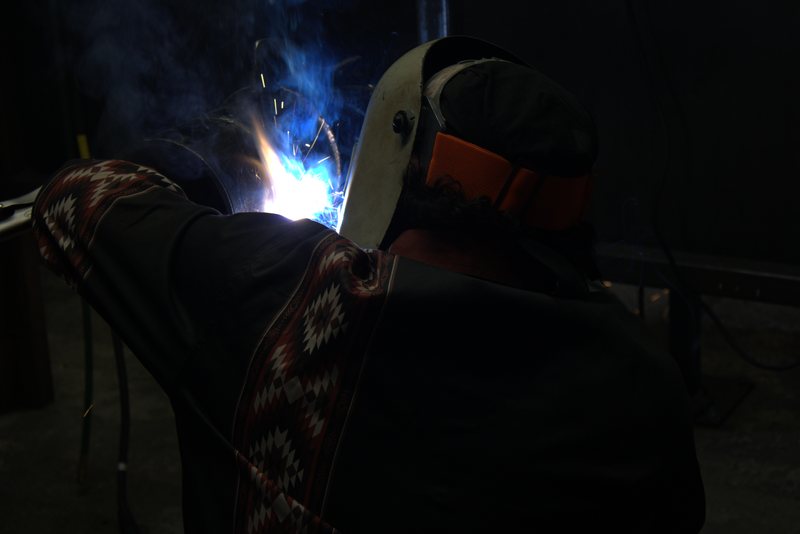
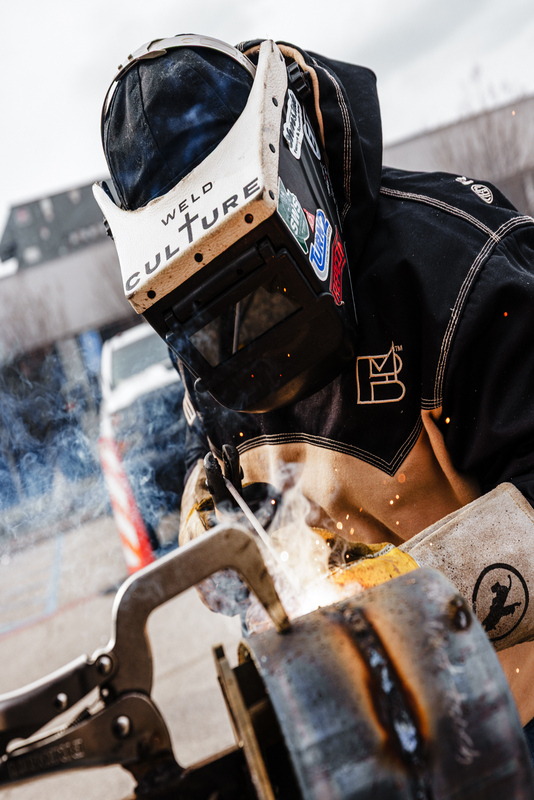
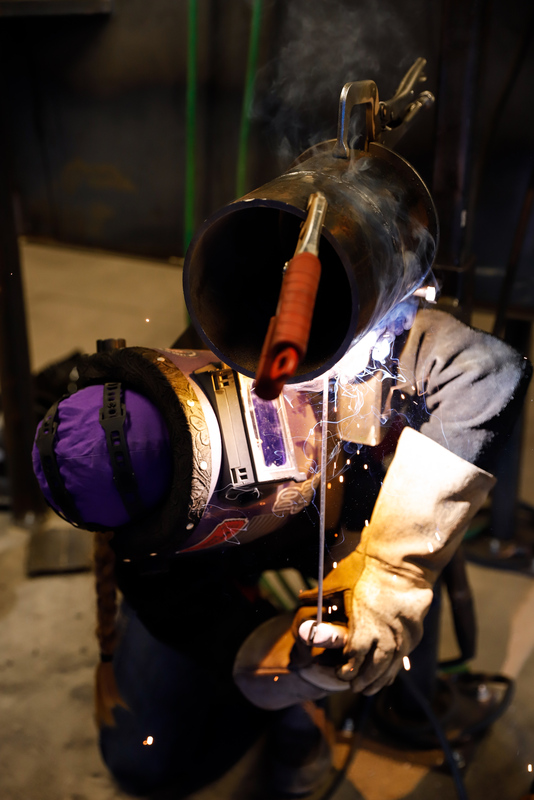
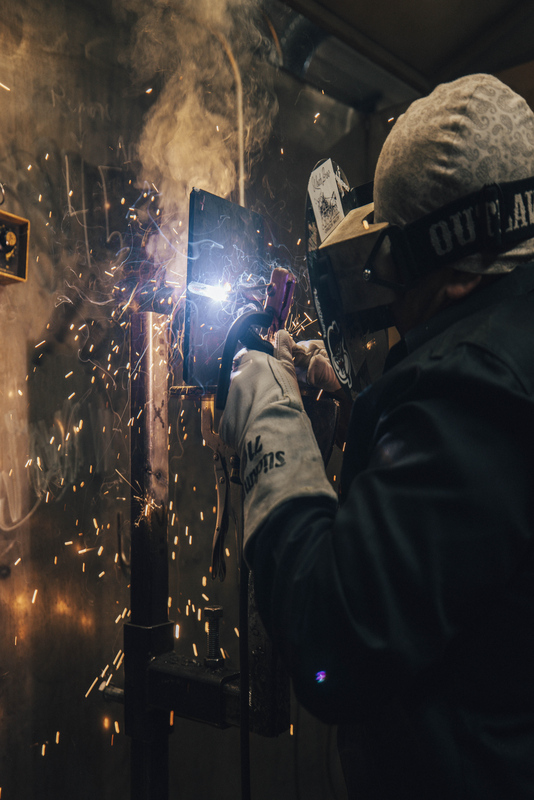
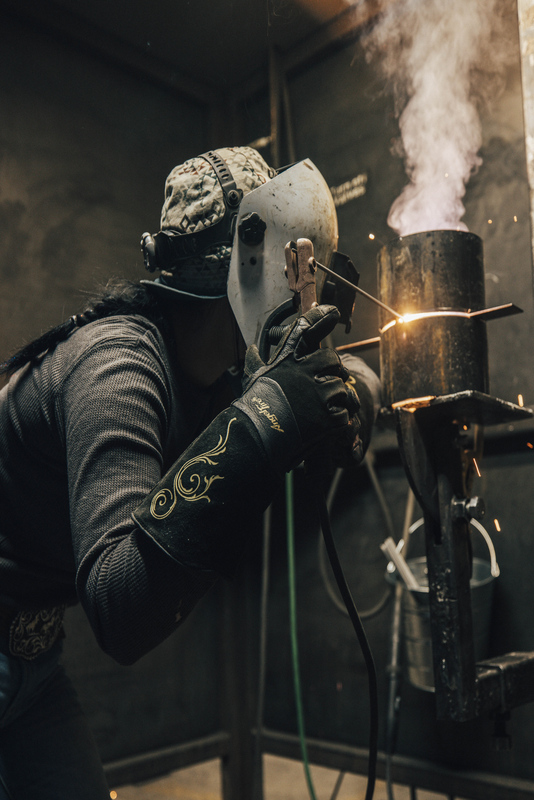
Pipeline welding is physically demanding, mentally focused, and highly structured. Crews operate on tight schedules with strict safety protocols. The chain of command on a pipeline spread is not that different from a military unit. You have a foreman who gives orders, a crew that executes, and a job that needs to get done on time and to standard. Veterans adapt to this environment faster than most civilian welders.
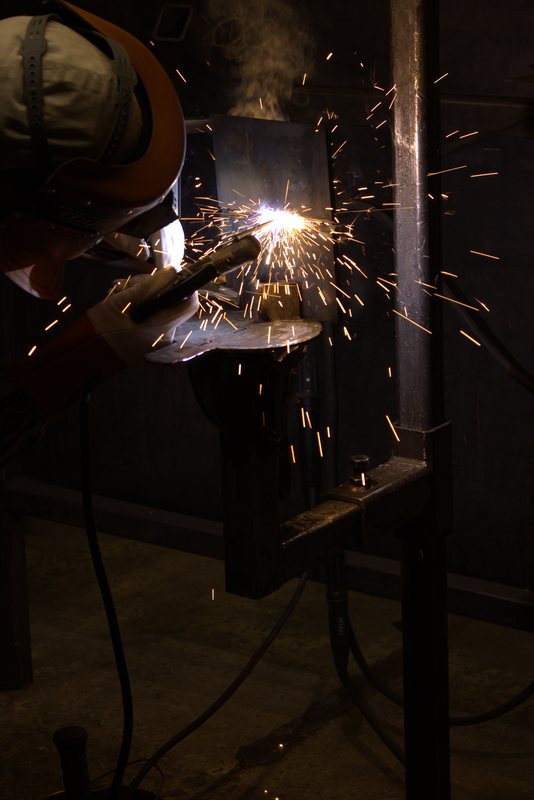
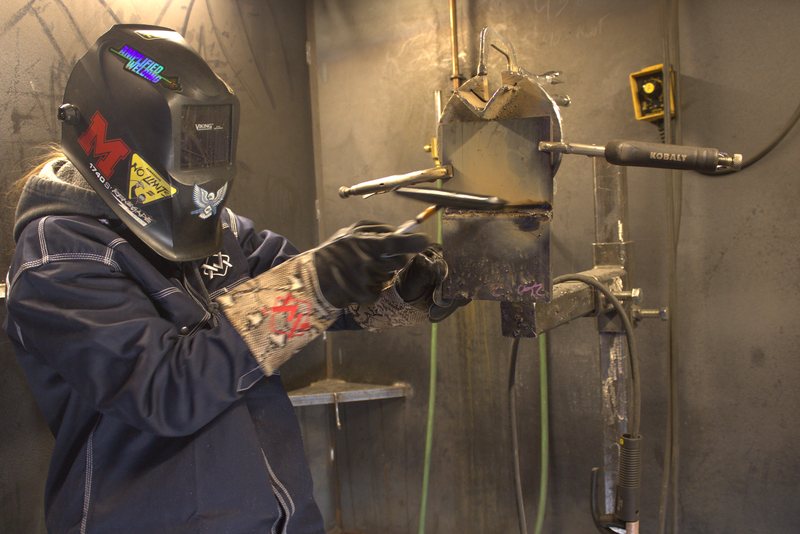
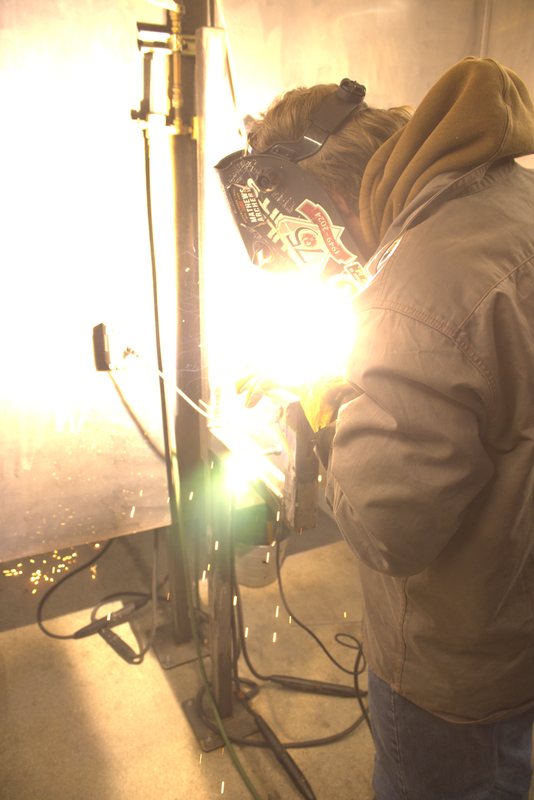
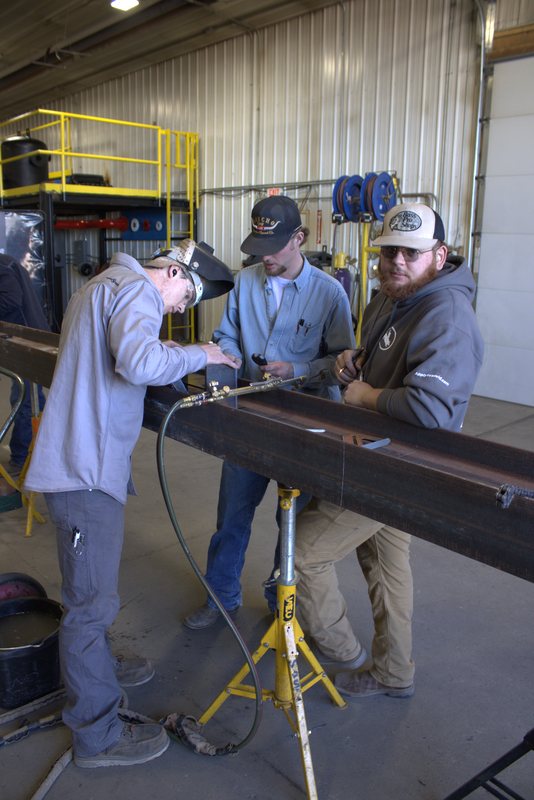
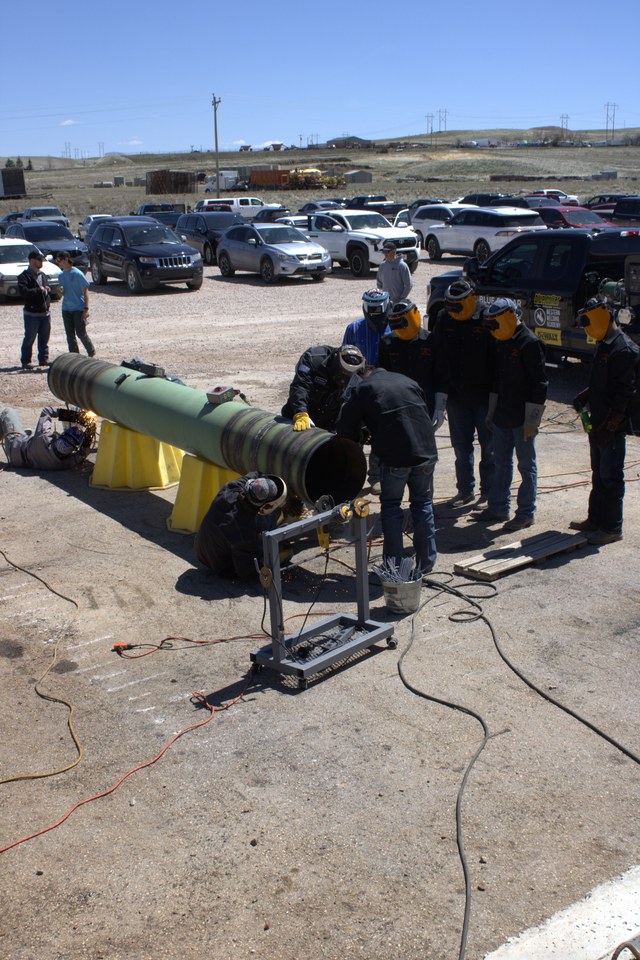
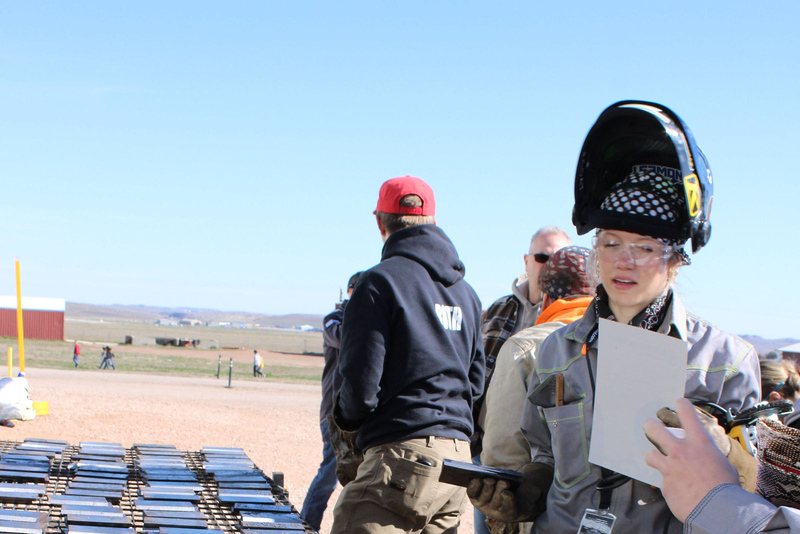
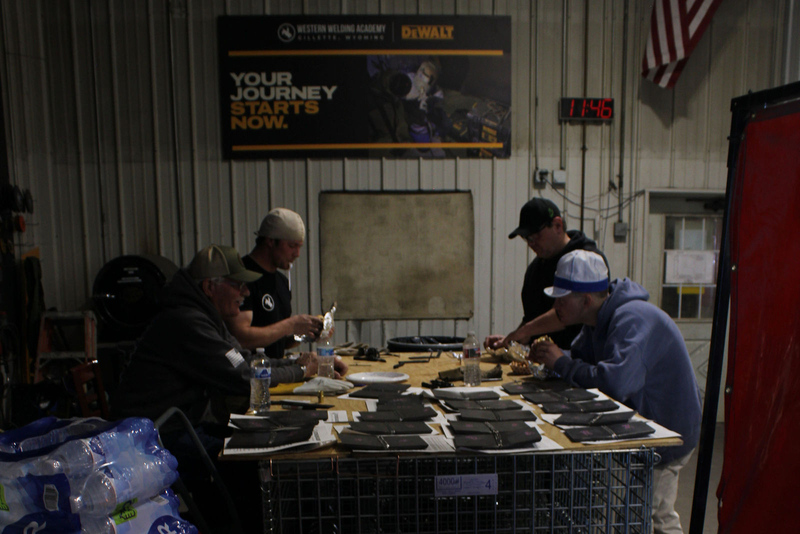
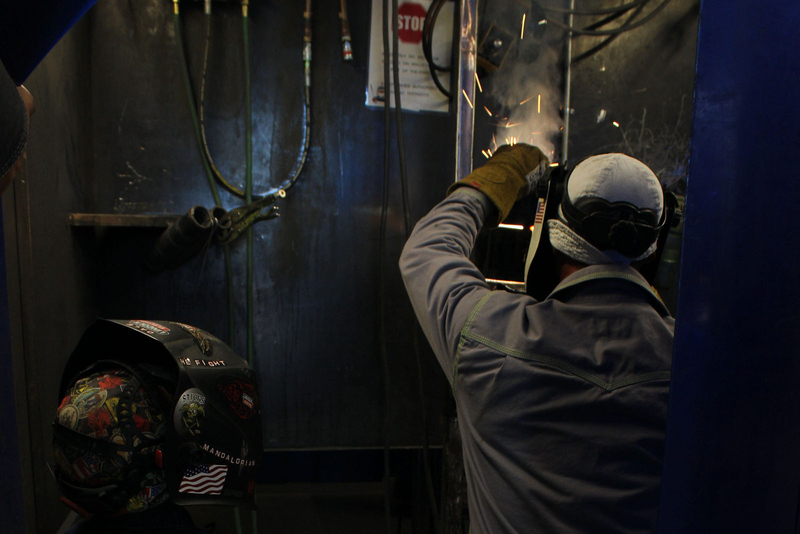
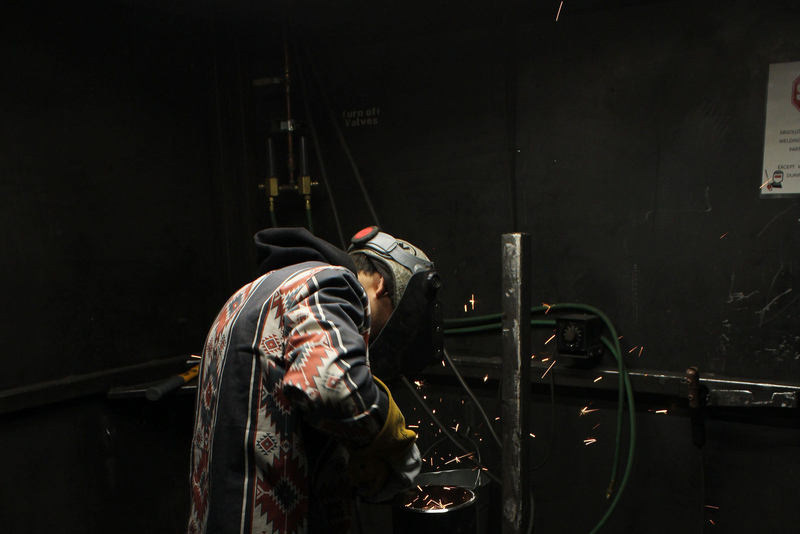
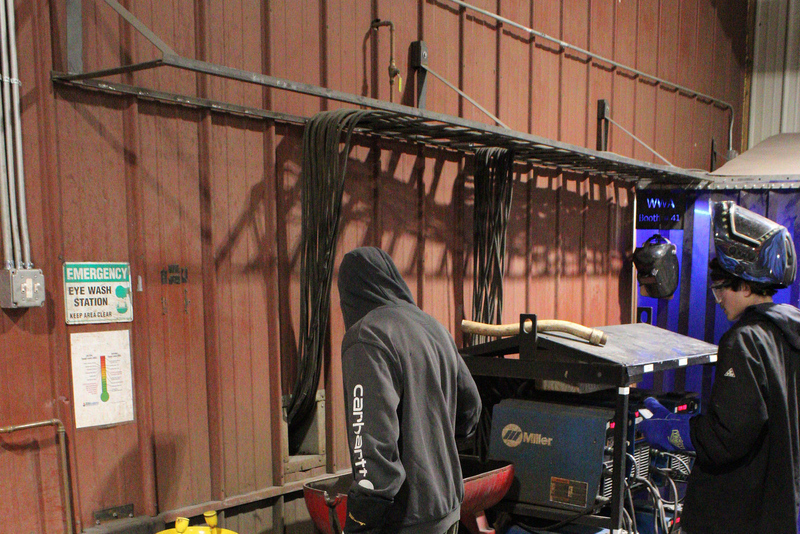
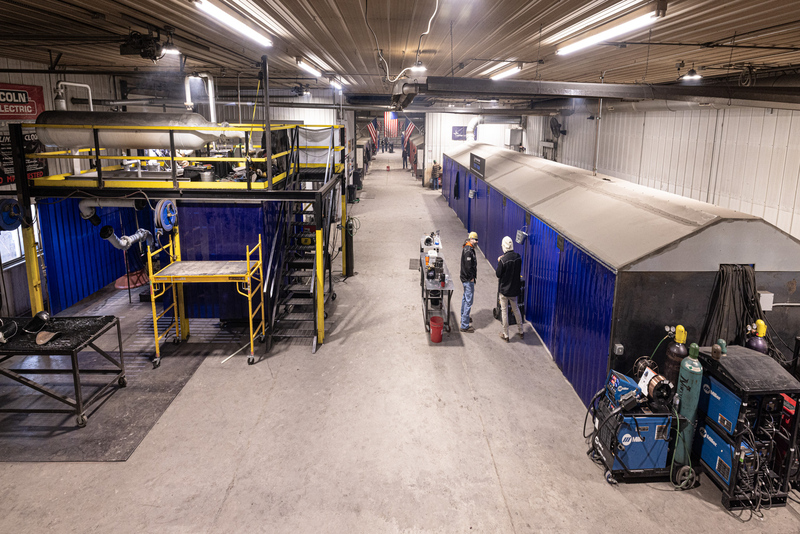
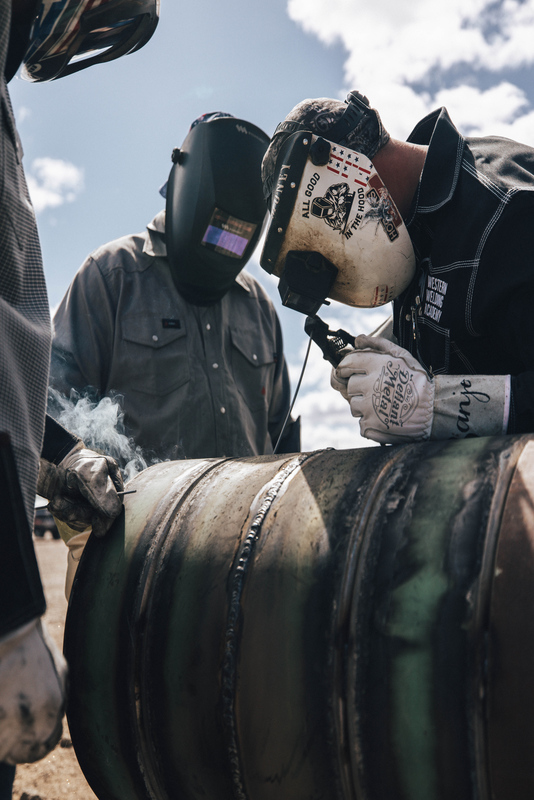
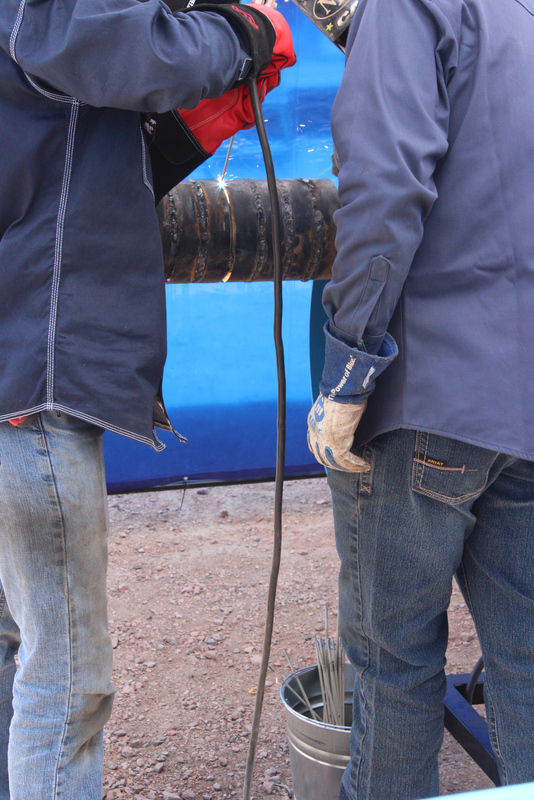
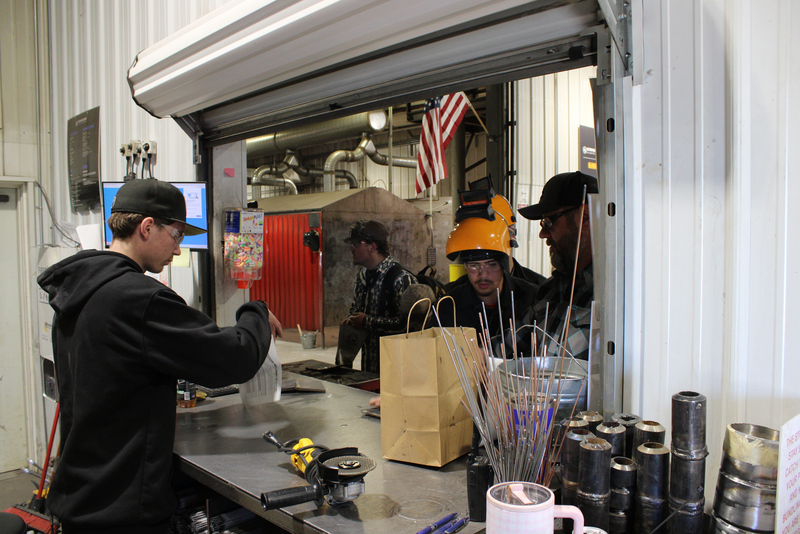
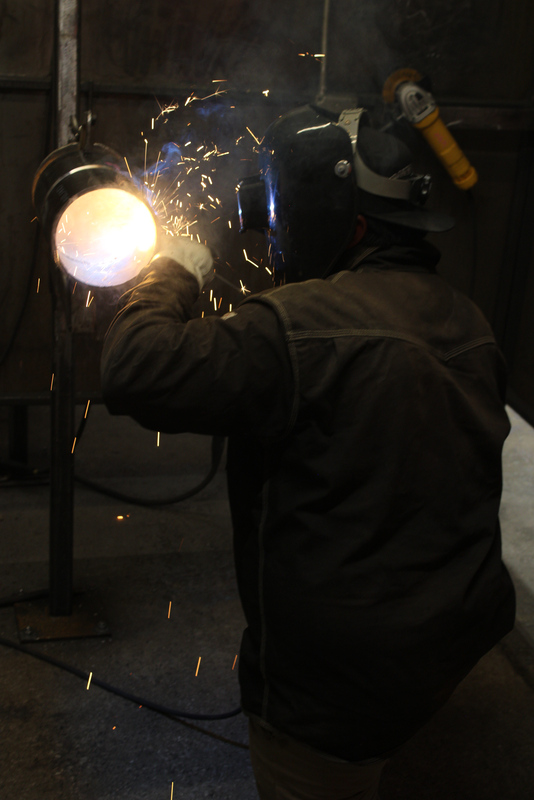
The discipline that veterans bring also helps during training. At Western Welding Academy, students train 40 hours per week with 85% of that time spent in the welding booth. That is a full time schedule that mirrors the intensity of military training. Veterans do not struggle with the pace. They thrive in it.
How Can Veterans Pay for Welding School?
Veterans have access to several education benefits that can cover part or all of the cost of welding training. The Post 9/11 GI Bill is the most commonly used benefit. It covers tuition and fees at approved schools and provides a monthly housing allowance while you are enrolled in training. The amount depends on the school's location and your service history.
The Montgomery GI Bill is another option for veterans who elected it during service. Vocational Rehabilitation and Employment, known as VR&E or Chapter 31, is available for veterans with a service connected disability rating. State level veteran education grants also exist in many states and can be stacked with federal benefits.
Western Welding Academy programs range from the 12 week Foundational Pipe Welder at $17,050 to the 24 week Expert Pipe Welder at $35,800. All tuition is all inclusive, covering housing, tools, and materials. That means there are no hidden costs on top of what benefits cover. Veterans should contact the school's admissions team to confirm which benefits apply to their situation.
What Does the Transition Timeline Look Like?
The best time to start planning is six to twelve months before your separation date. That gives you time to apply for education benefits, get approved, and secure your training start date. Some veterans start the process during their Transition Assistance Program, or TAP, sessions.
Once enrolled, training at Western Welding Academy takes 12 to 24 weeks depending on the program. After graduation, the 94% hire rate within 90 days means most veterans have a job lined up within three months. That puts you on a pipeline crew earning real money within a year of leaving the military. For many veterans, the total transition from uniform to paycheck is faster than a single college semester.
If you want to see how the training schedule compares to other options, read what a pipe welding school day actually looks like.
Ready to start your welding career after the military? Apply now or call (307) 284-5313 today.
What Do Verified Western Welding Academy Graduates Earn?
Veterans who complete their training and get on a pipeline crew earn some of the highest wages in the skilled trades. Here is what verified graduates of Western Welding Academy have earned.
Leyton Wagner earned $4,514 per paycheck after completing his training at Western Welding Academy. His paycheck was verified and published on the school's website. That is the kind of income that changes a veteran's financial picture within months of finishing the program.
Gavin Walden brought home $3,986 per paycheck. His results were documented through graduate outcome tracking. Gavin moved directly from training to a pipeline crew and started earning right away.
David Smolek earned $3,417 per paycheck. His earnings were verified through the same tracking process. David's outcome shows that graduates across different cohorts are hitting strong pay levels consistently.
Noah took a position on the North Slope in Alaska and started clearing $2,800 per week. The North Slope is one of the most demanding work environments in the country. Noah's training through the Professional Pipe Welder program prepared him for the conditions and the certifications required.
Hank reached $150,000 per year by the age of 21. While most people his age are still figuring out what to do, Hank was already building a six figure career as a traveling pipeline welder. His trajectory shows what happens when you combine strong training with the kind of discipline veterans already have.
Why Does the Right Training Program Matter for Veterans?
Veterans do not have unlimited time or money to spend on training that does not lead to work. The wrong program wastes both. The right program gets you certified, connected, and on a crew fast. Western Welding Academy is built for that outcome. The 94% hire rate within 90 days is tracked and verified through a 234 alumni survey from November 2024.
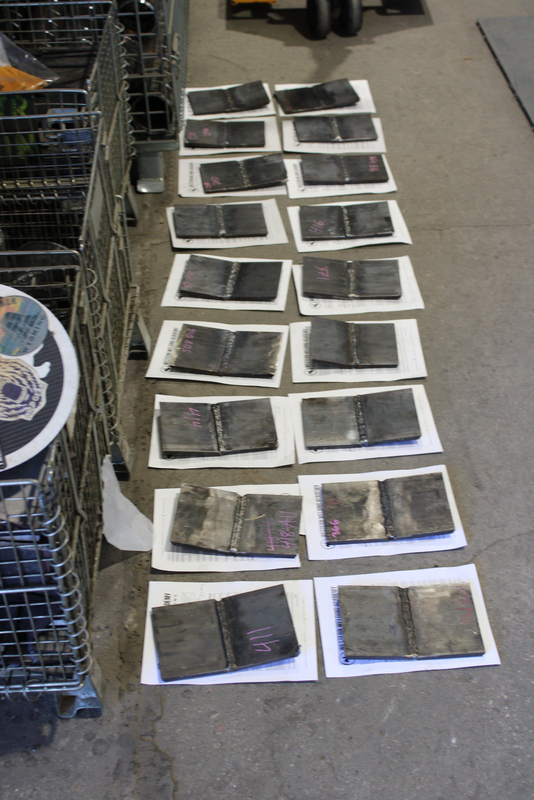
The school holds the number one AWS Accredited Testing Facility designation. Instructors bring over 330 combined years of field experience. The graduation rate for the Expert program is 85%, compared to 68% at Competitor A over 52 weeks, 43% at Competitor B over 36 weeks, and 56% at Competitor C over 40 weeks. Western Welding Academy graduates more students in less time with stronger outcomes.
For a broader look at why focused trade school training outperforms other paths, read why a pipe welding school beats a four year college path.
What Advantages Do Veterans Bring to the Welding Industry?
The welding industry needs 82,500 new welders every year. The projected deficit is 330,000 by 2028. Veterans are uniquely positioned to fill that gap. They already understand teamwork, safety protocols, equipment maintenance, and working under pressure. Those are the exact traits that pipeline foremen test for in the first week of a job.
Veterans also bring geographic flexibility. Most service members have already lived away from home for years. They are comfortable relocating for work. In pipeline welding, the welder who goes where the work is earns significantly more than the one who stays in one place. That willingness to travel is something veterans do not have to learn. It is already part of how they operate.
Employers like SpaceX, Steam 88, UFO Motorsports, Boilermakers, and Pipefitters unions actively recruit skilled welders. Graduates of Western Welding Academy have gone on to work for these and other major employers across the country. The connections built during training help veterans land their first crew even faster.
Ready to start your welding career after the military? Apply now or call (307) 284-5313 today.
Frequently Asked Questions
Q1. Can veterans use the GI Bill to pay for welding school?
Yes. The Post 9/11 GI Bill can cover tuition and fees at approved welding programs and also provides a monthly housing allowance during training. The Montgomery GI Bill and VR&E benefits (Chapter 31) are additional options. Veterans should check their specific benefit eligibility with the school's admissions team before enrolling.
Q2. How long does it take a veteran to become a pipeline welder?
Training takes 12 to 24 weeks depending on the program. After graduation, most Western Welding Academy graduates are hired within 90 days. That means a veteran can go from training start to first pipeline paycheck in roughly 6 to 9 months total. The timeline is significantly shorter than a traditional four year degree path.
Q3. Do veterans have an advantage in welding careers?
Veterans bring discipline, work ethic, safety awareness, and geographic flexibility. These are the exact traits pipeline contractors value most. Veterans often adapt to the demanding schedule and physical conditions of pipeline work faster than civilian welders because the structured environment mirrors military culture.
Q4. What welding programs are best for veterans?
Programs that focus on pipe welding with high booth time percentages and strong job placement rates are the best fit for veterans. Western Welding Academy offers 85% booth time, a 94% hire rate within 90 days, and all inclusive tuition that covers housing, tools, and materials. Programs range from 12 to 24 weeks.
Q5. How much do pipeline welders earn after welding school?
Pipeline welders can earn $250 to $800 per day depending on experience and project location. Verified Western Welding Academy graduates have earned $4,514 per paycheck (Leyton Wagner), $3,986 per paycheck (Gavin Walden), and $2,800 per week (Noah on the North Slope in Alaska). Earnings grow quickly with certifications and field time.
Q6. What makes Western Welding Academy different from other welding schools?
Western Welding Academy has a 94% hire rate within 90 days, verified by a 234 alumni survey in November 2024. Students spend 85% of training time in the booth. The school is the number one AWS Accredited Testing Facility with over 330 combined instructor years. Programs range from 12 to 24 weeks with all inclusive tuition covering housing, tools, and materials.
Serve Your Country, Then Build Your Career
Your service gave you the discipline. Now put it to work in a career that pays what you are worth. The pipeline industry is hiring. The training is built for people who already know how to show up and do hard work. Call Western Welding Academy at (307) 284-5313 or apply now to start your transition.


.jpg)


.jpg)


.jpg)
.jpg)
.jpg)
.jpg)
.jpg)
-thumbnail.jpg)

.jpg)