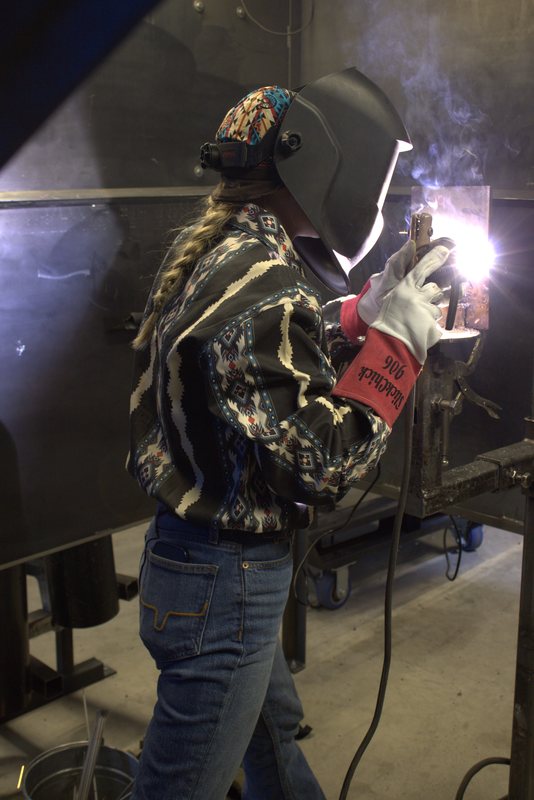
What Time Does a Pipeline Welder Start the Day?
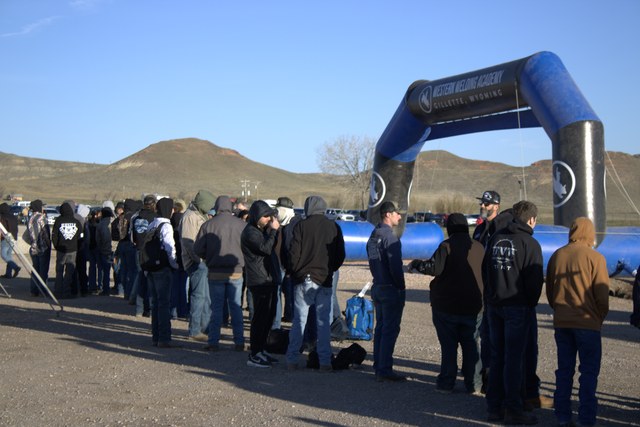
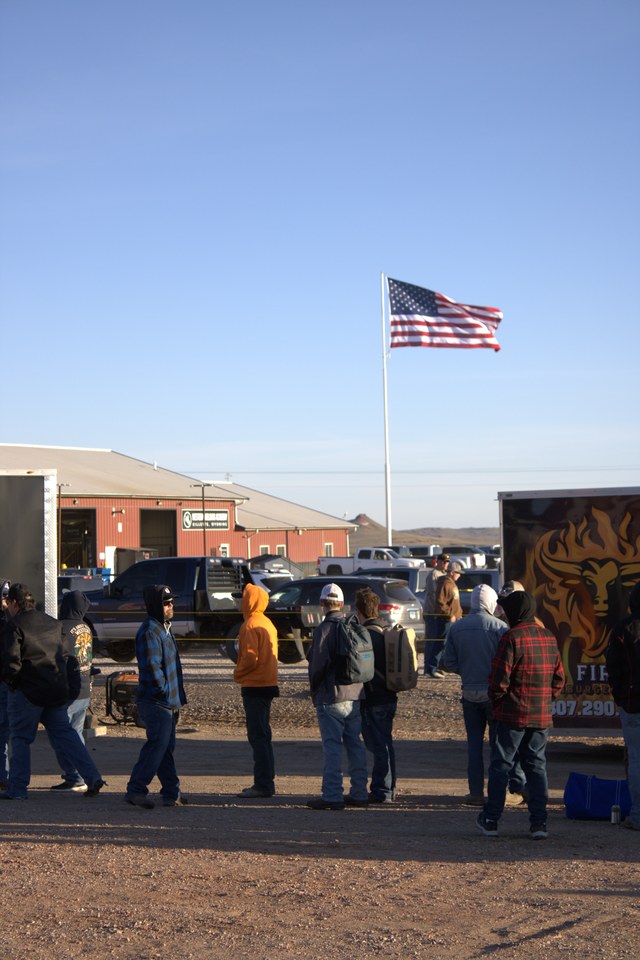
Pipeline welders start early. Most crews report to the job site between 5:00 and 6:00 AM. Some jobs require a 30 to 60 minute drive from the man camp or hotel to the right of way. That means your alarm goes off around 3:30 or 4:00 AM. You eat breakfast, pack your cooler, and load up. There is no easing into the day. You are either on time or you are sent home.
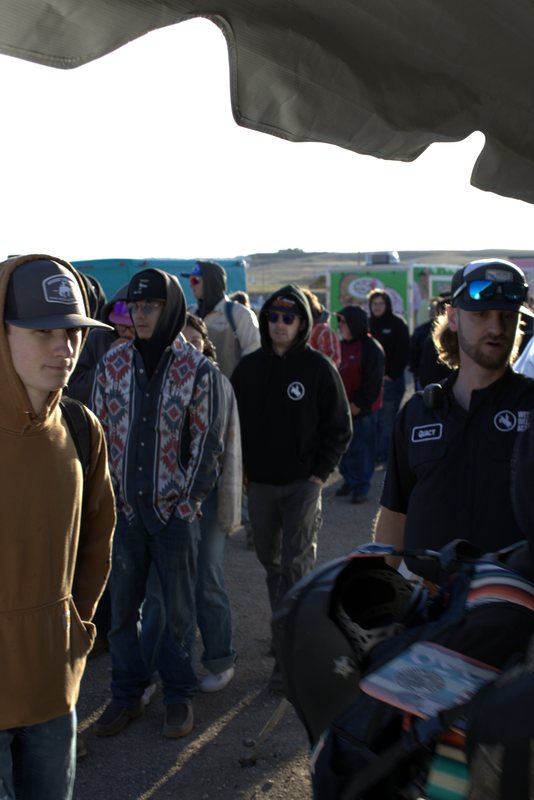
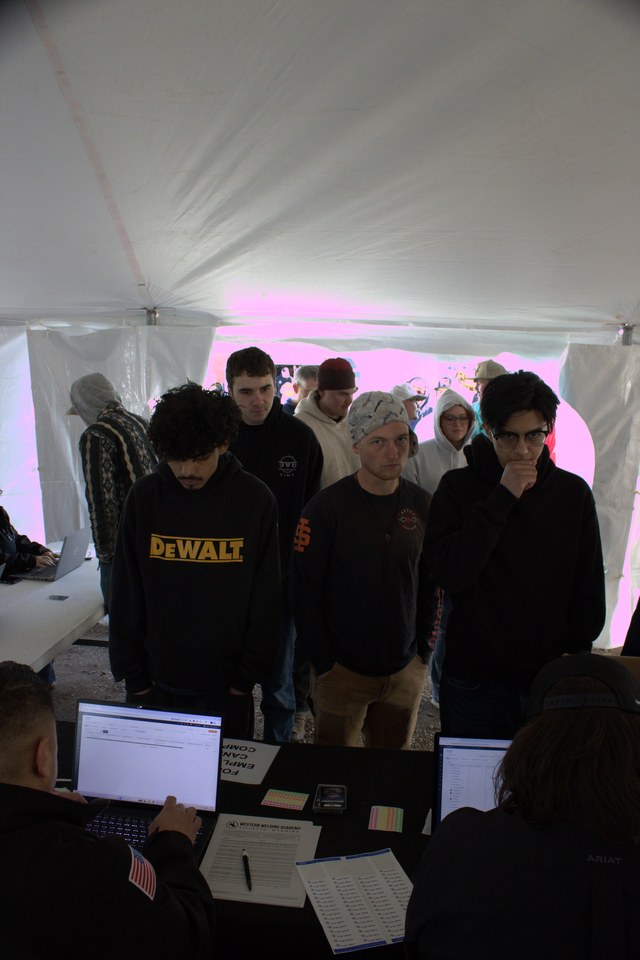
The morning starts with a safety meeting. The foreman runs through the hazards for the day. These include weather conditions, trench depth, equipment checks, and any nearby utilities. Every welder signs the safety sheet before anyone picks up a torch. This is standard on every pipeline spread in the country.
What Does a Pipeline Welder Actually Do on the Job?
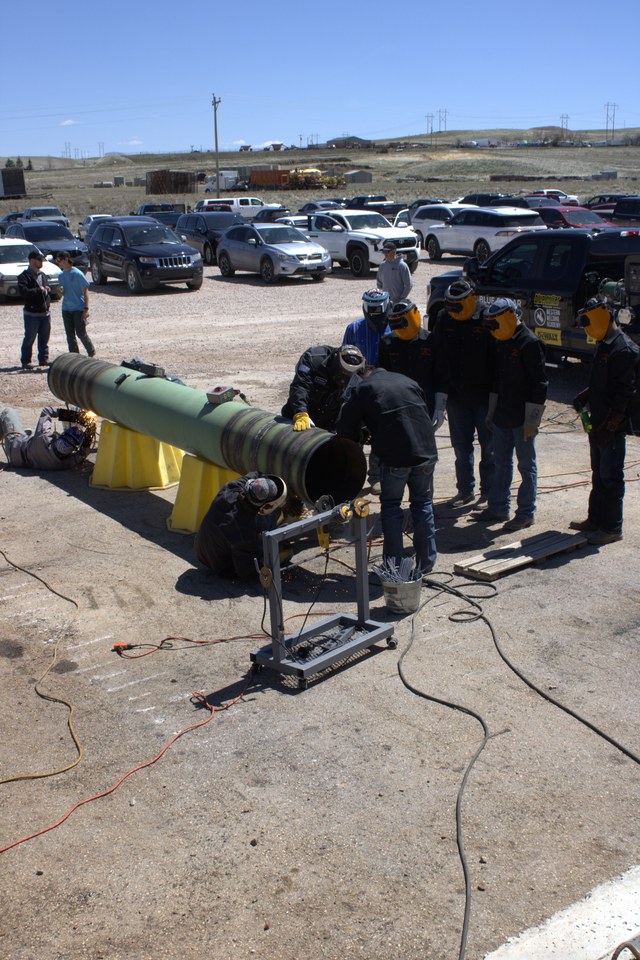
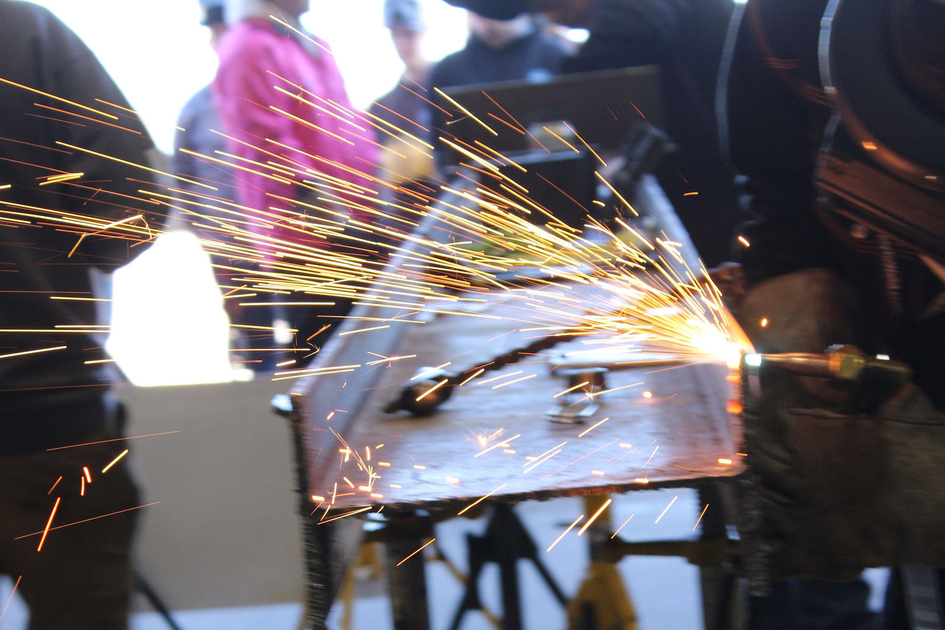
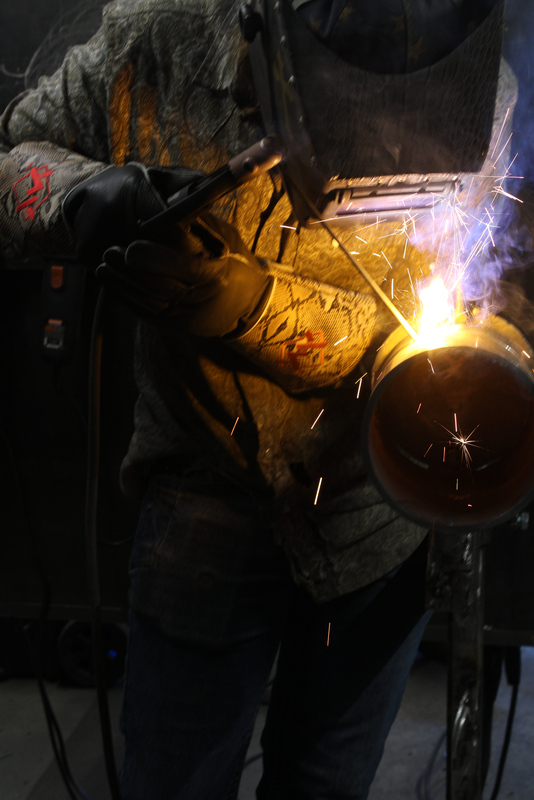
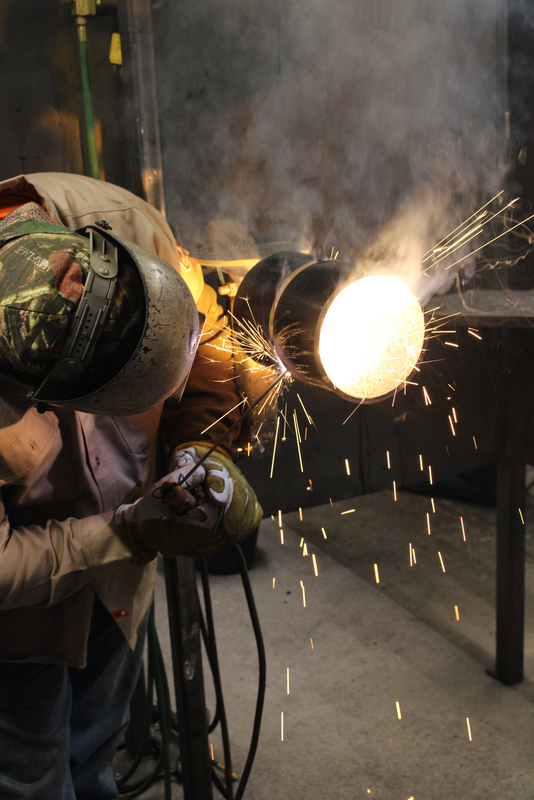
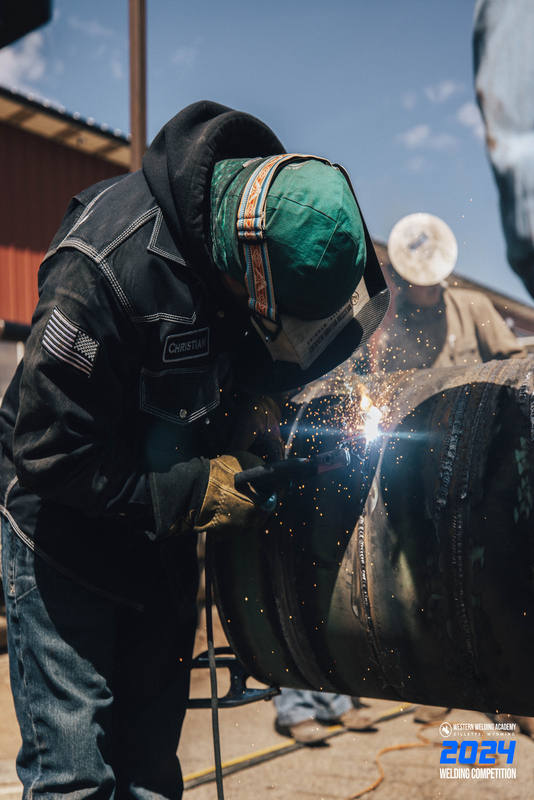
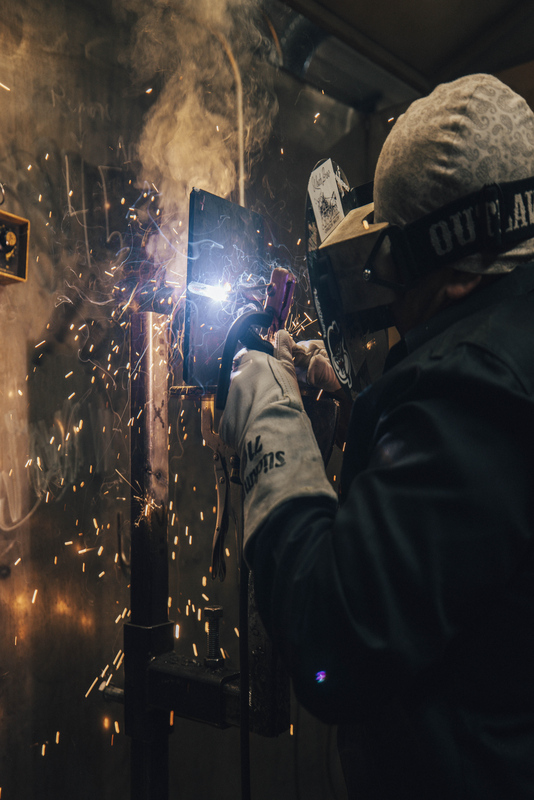
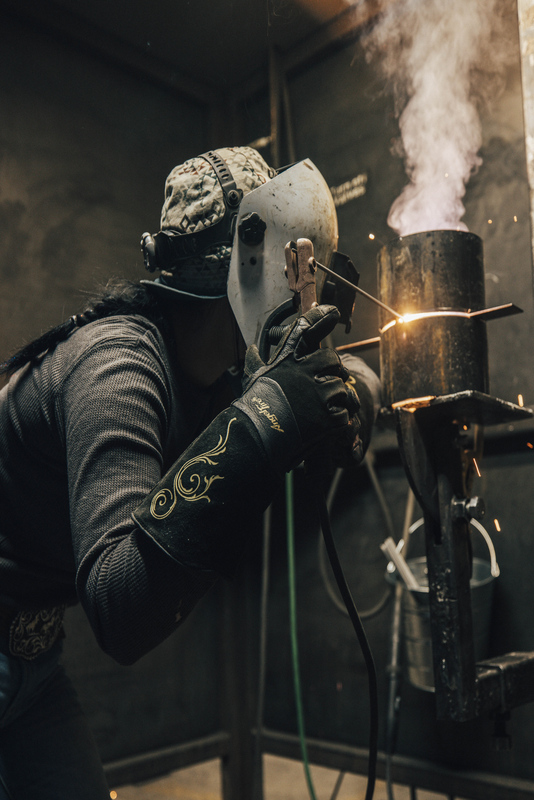
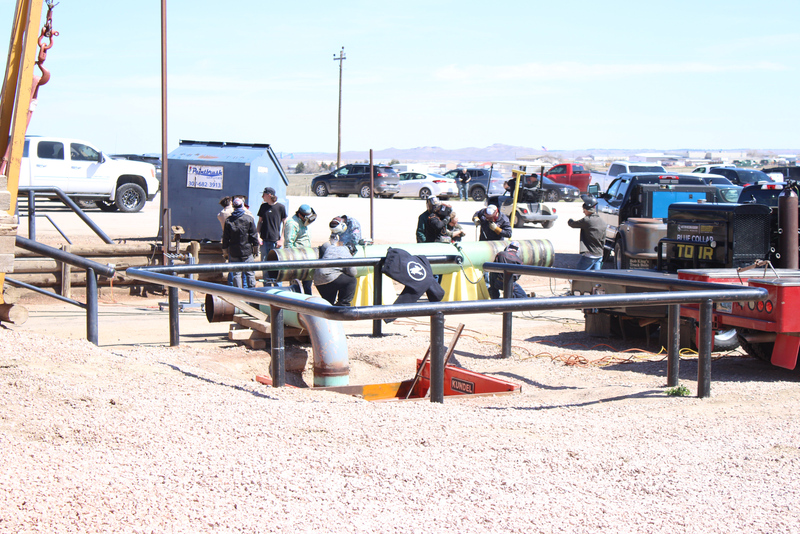
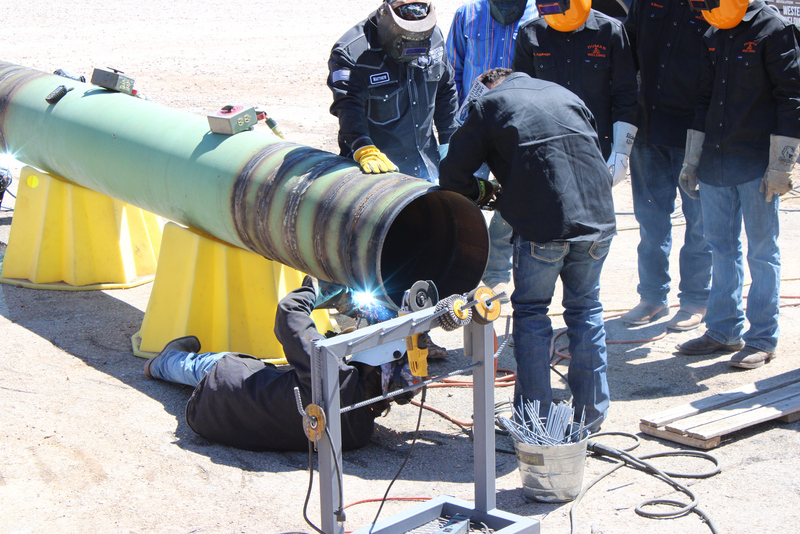
Once the safety meeting ends, welders head to their assigned station on the line. A pipeline spread operates like an assembly line laid out across miles of open ground. Each welder has a specific role. The firing line welder makes the root pass and hot pass on each joint. The fill and cap crew follows behind to finish the weld.
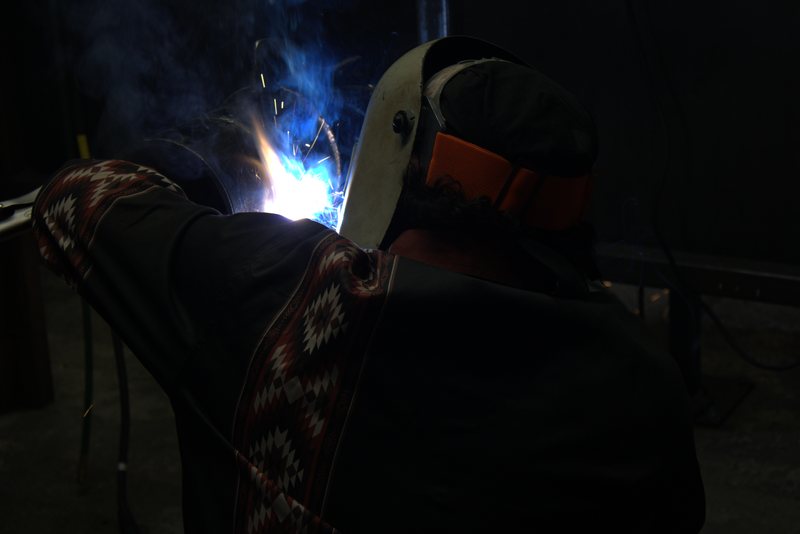
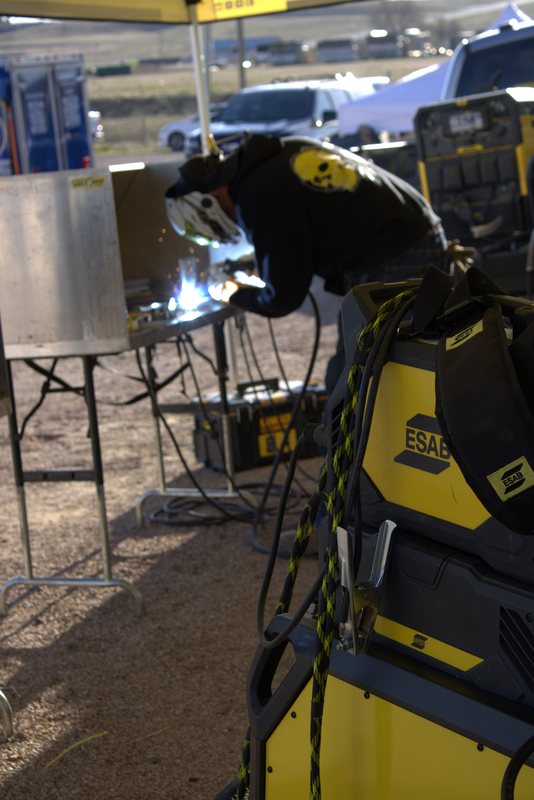
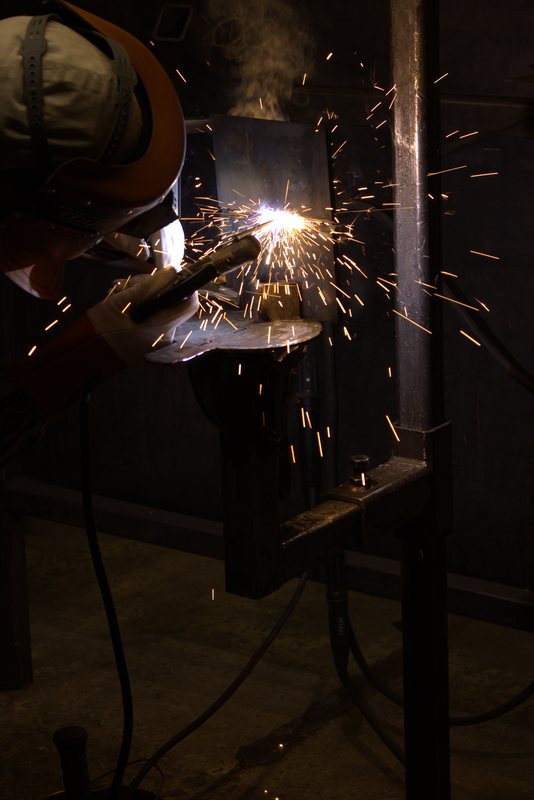
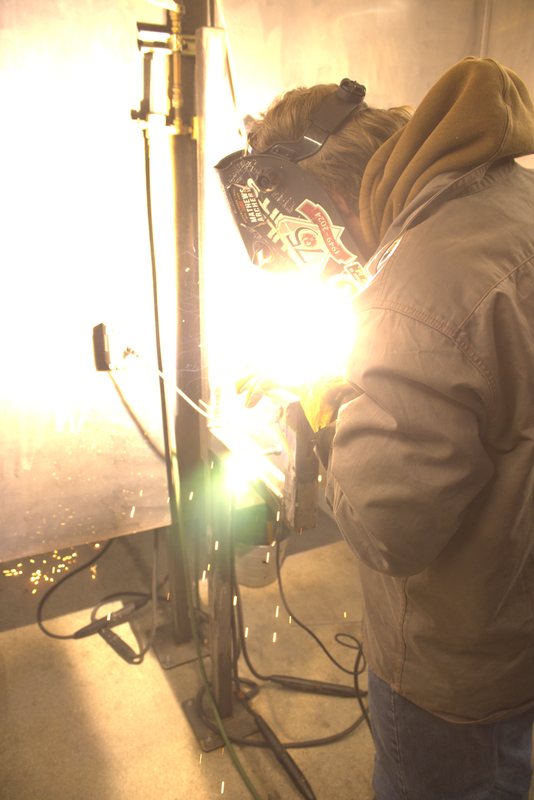
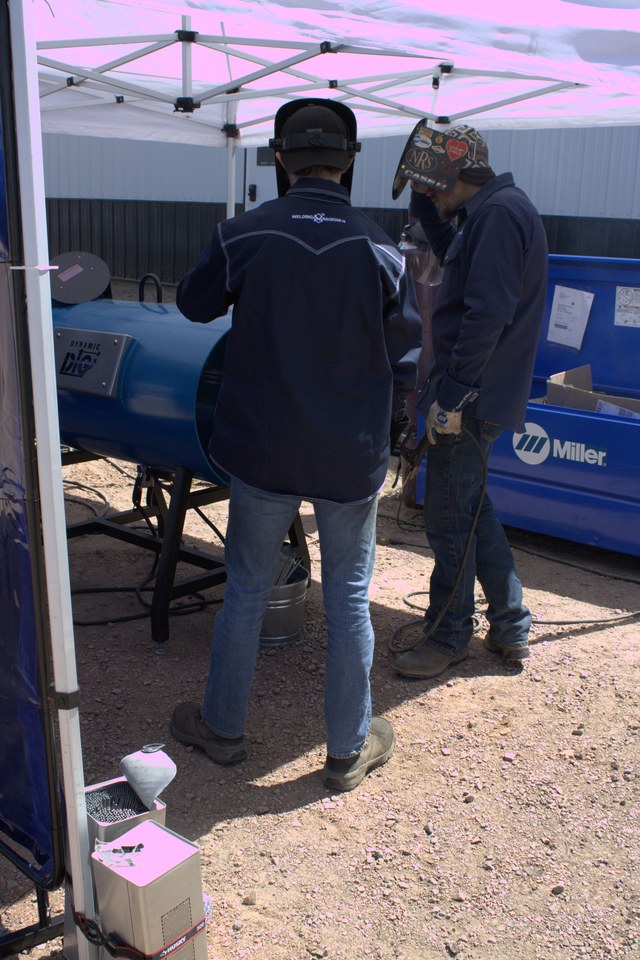
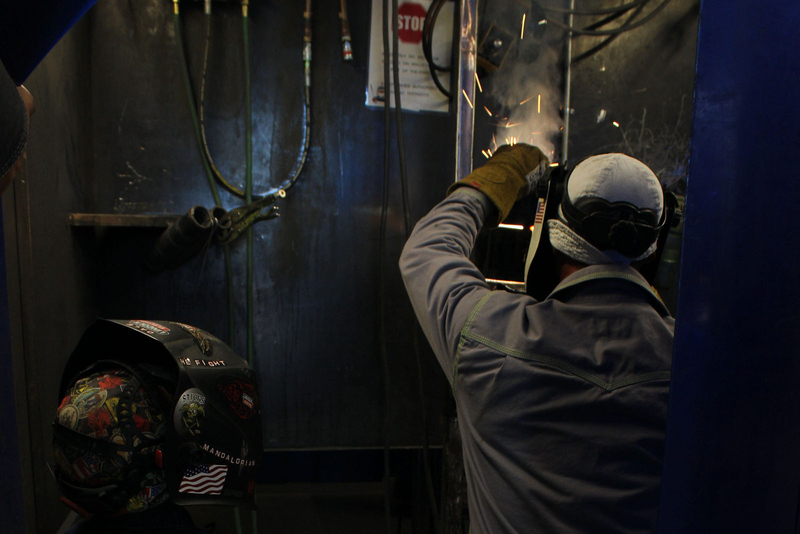
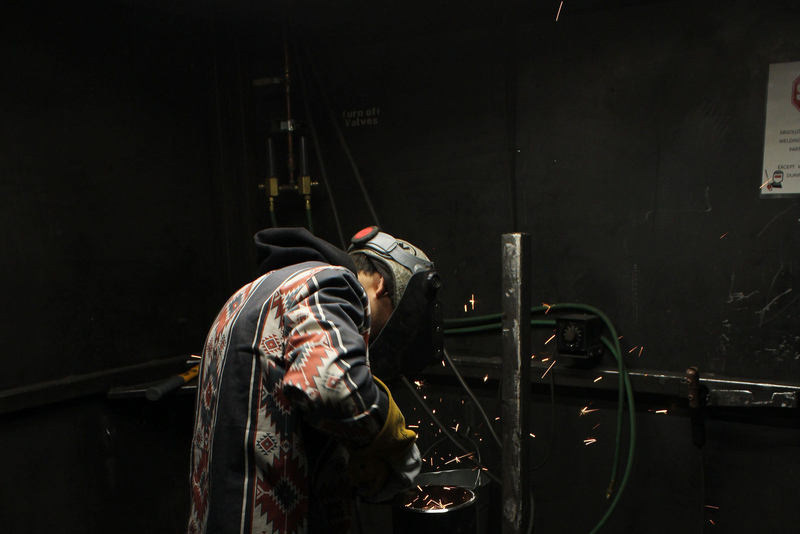
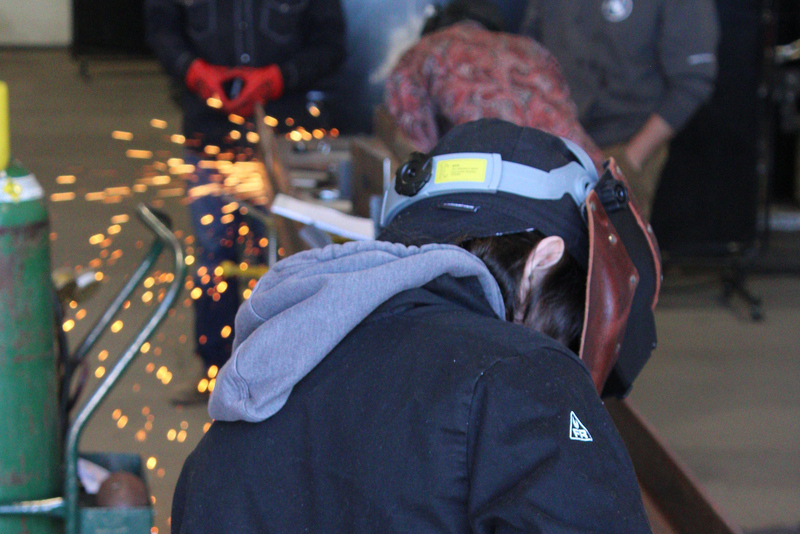
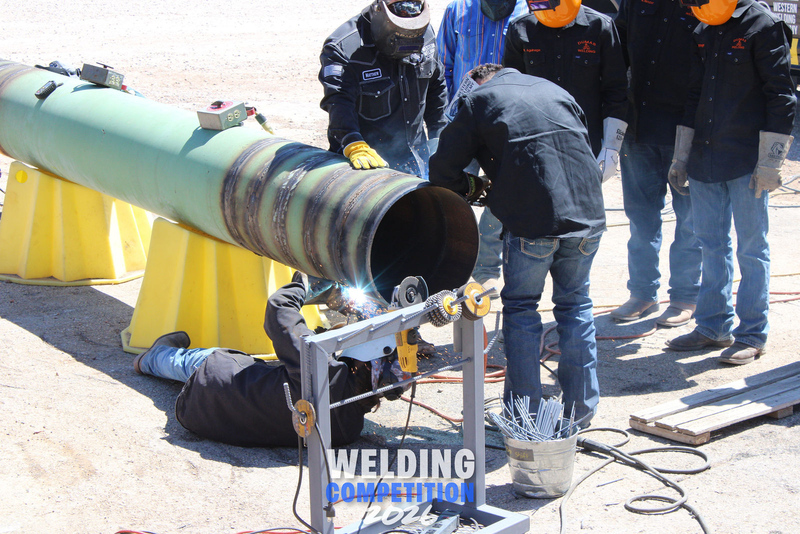
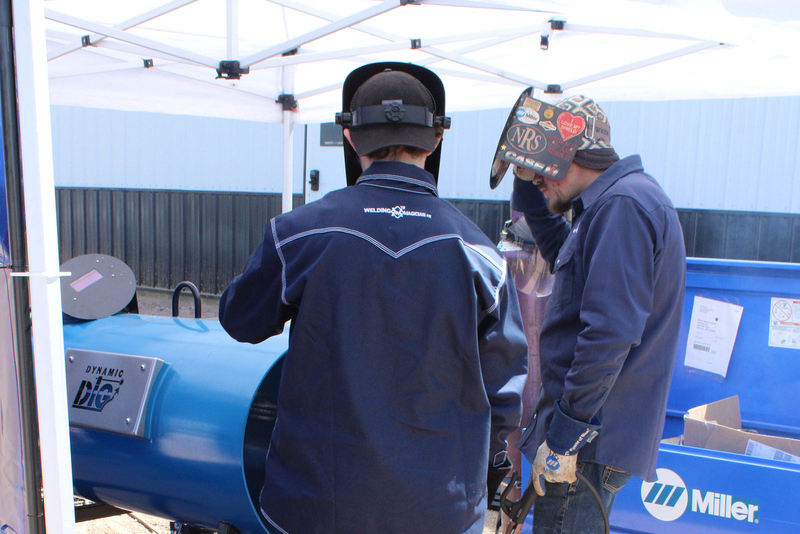
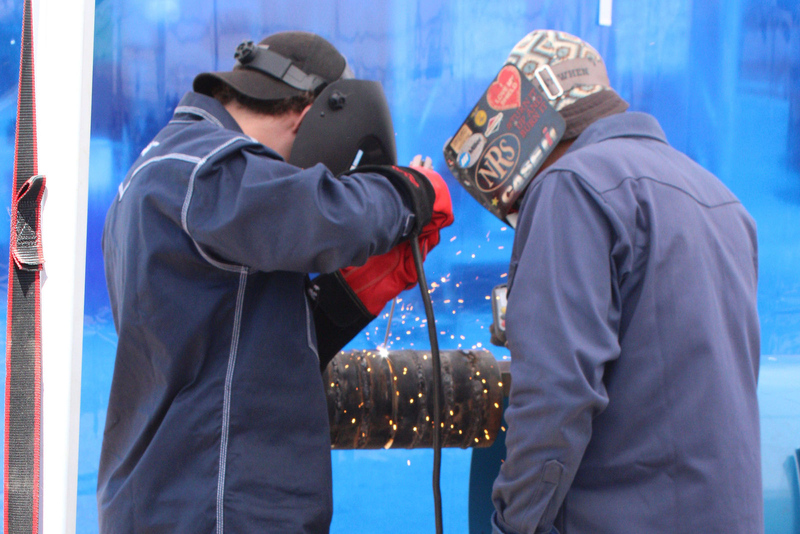
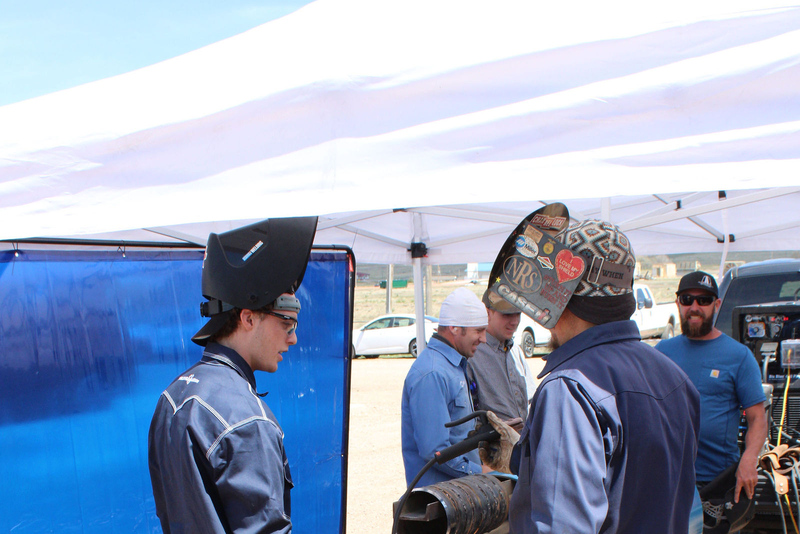
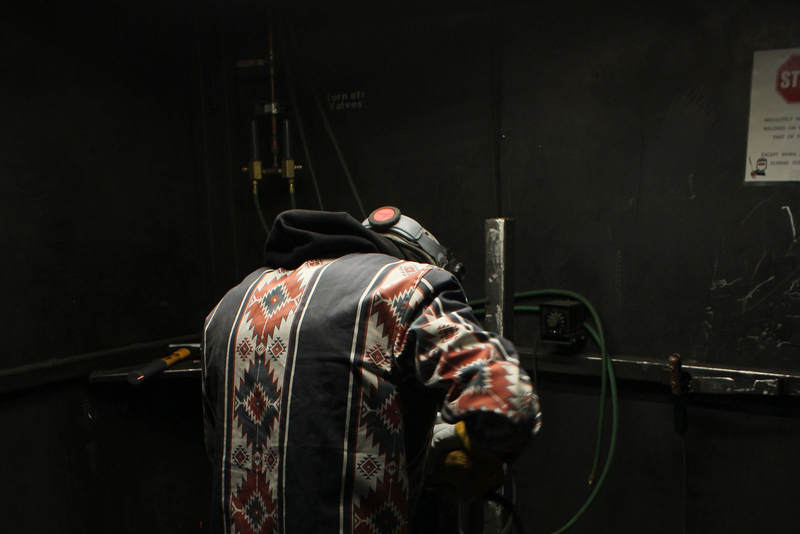
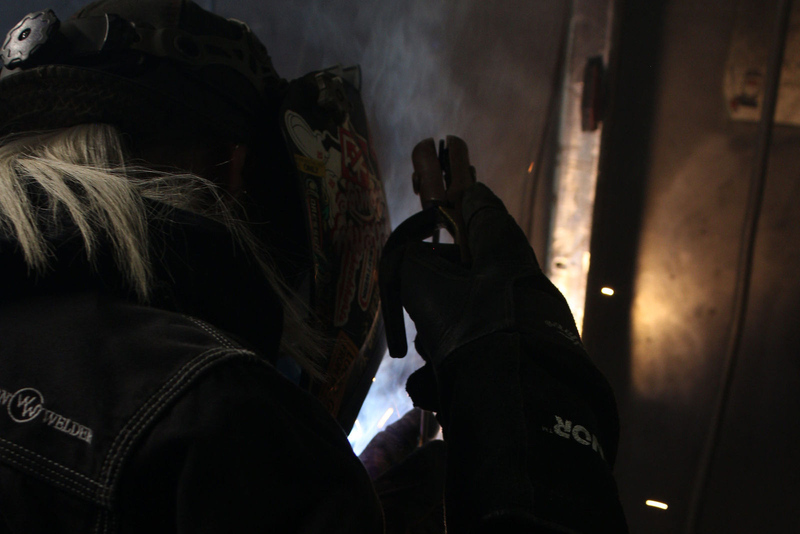
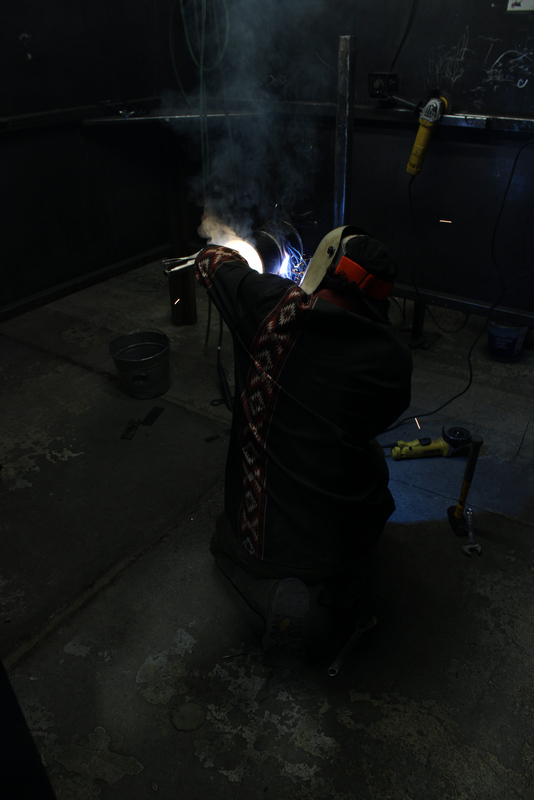
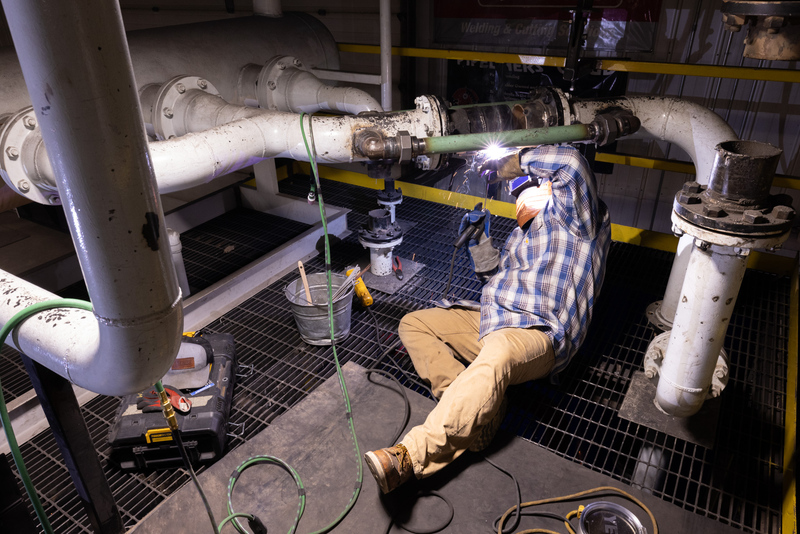
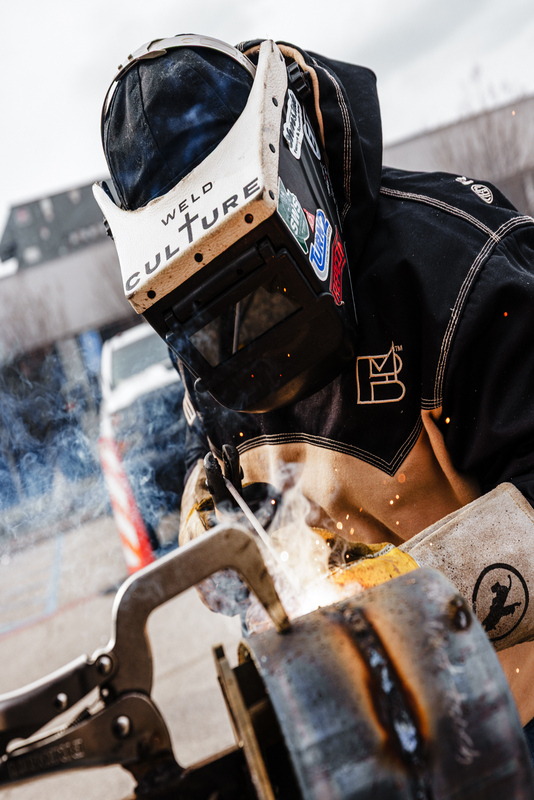
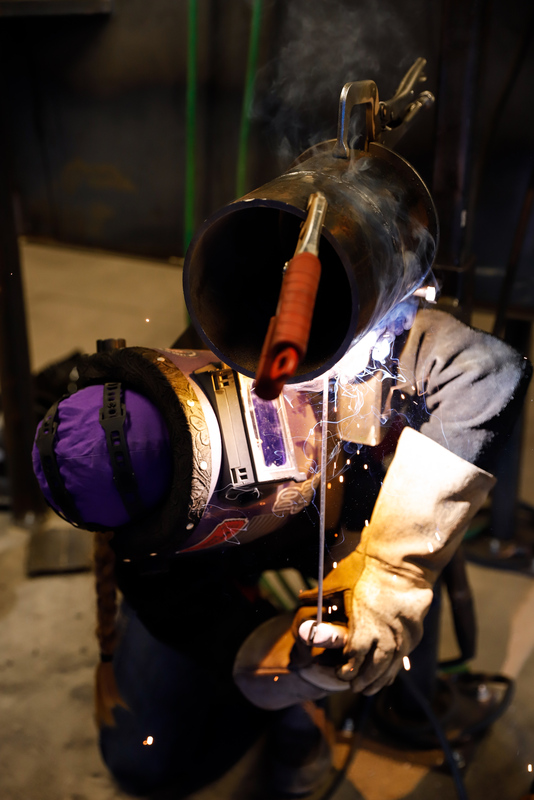
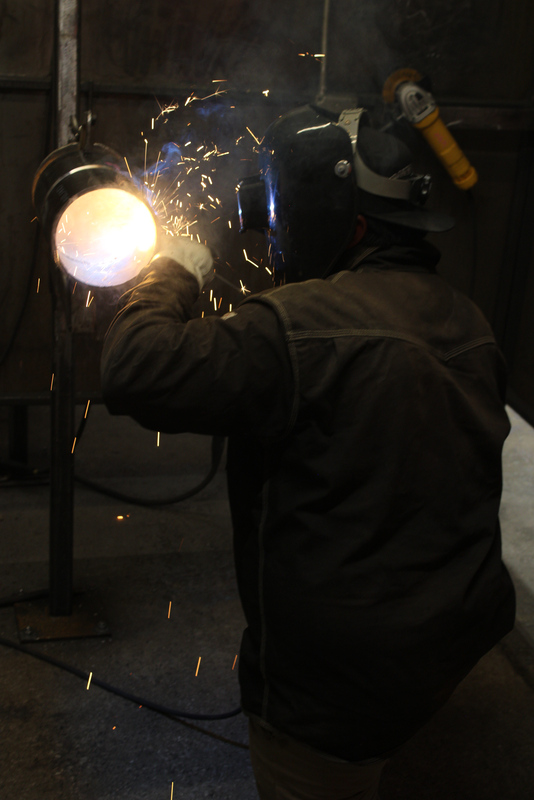
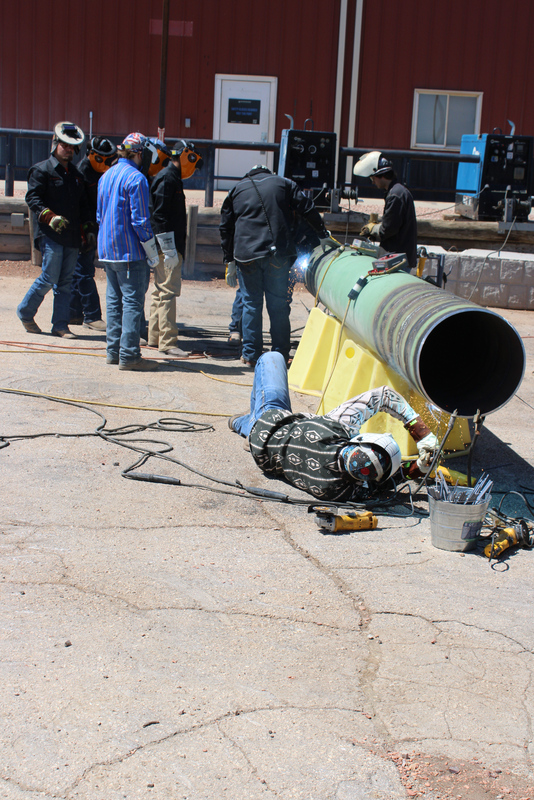
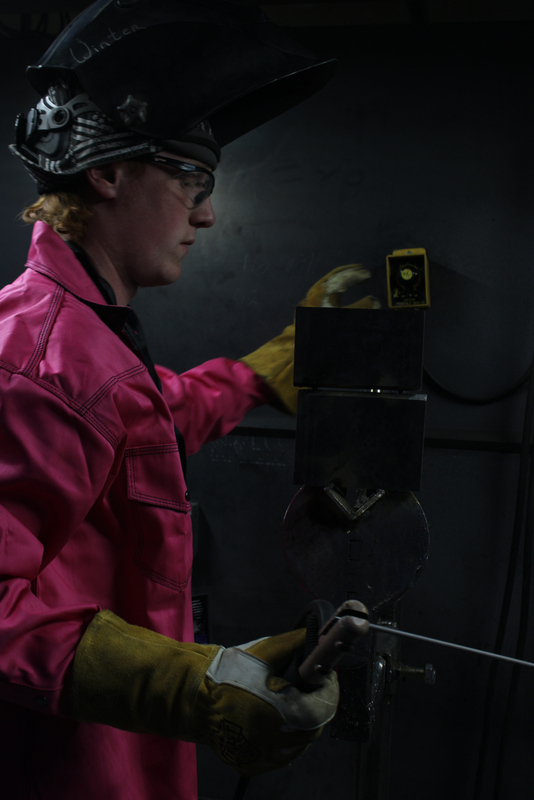
You spend most of the day inside a welding shack or under a tarp, lying on your back or crouching at odd angles to run beads on 12 to 36 inch pipe. The work is physical. You hold a steady hand while your body fights gravity, heat, and sometimes freezing wind. A single joint can take 20 to 45 minutes depending on the wall thickness and weld procedure.
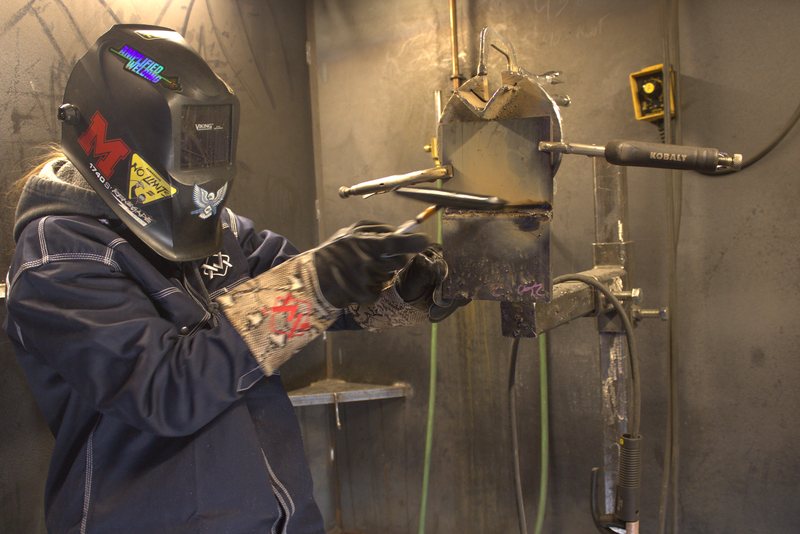
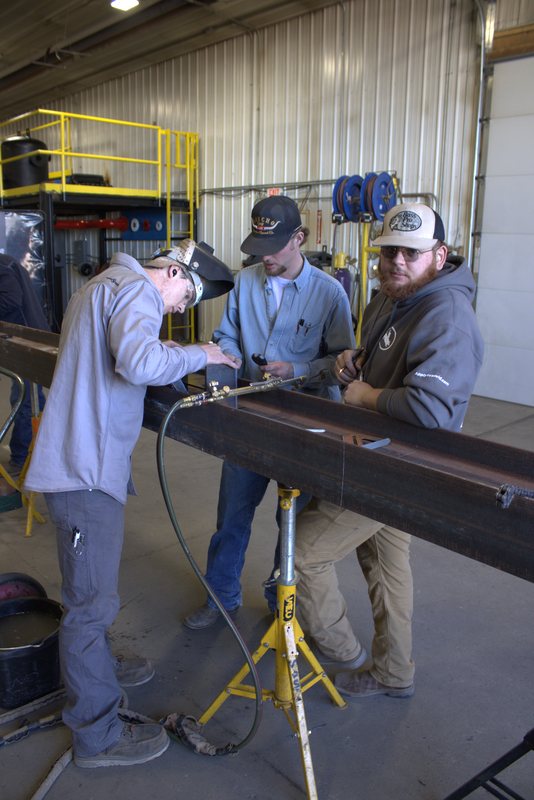
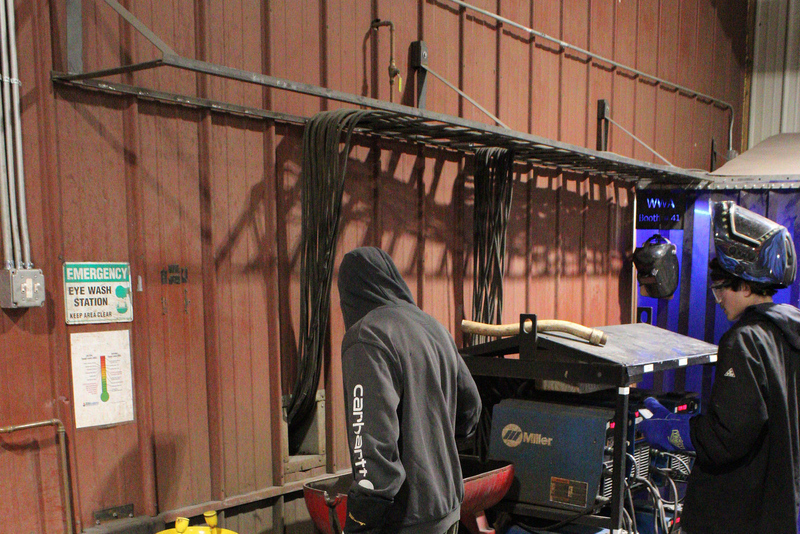
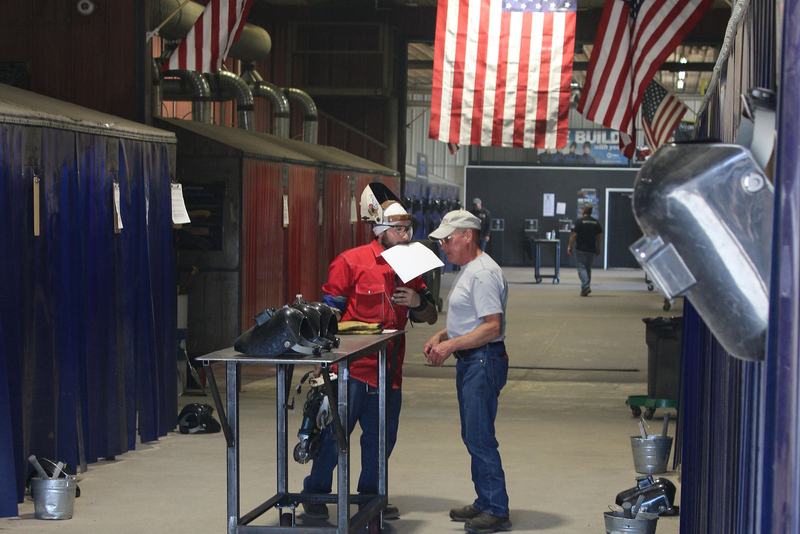
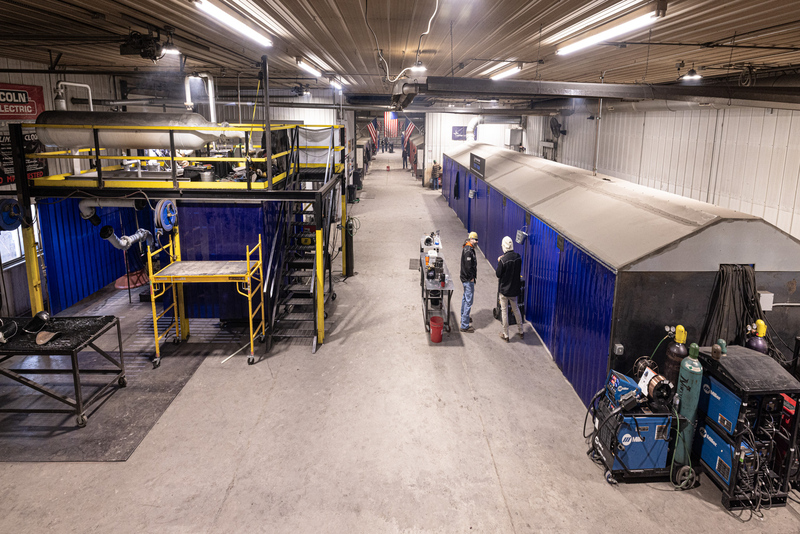
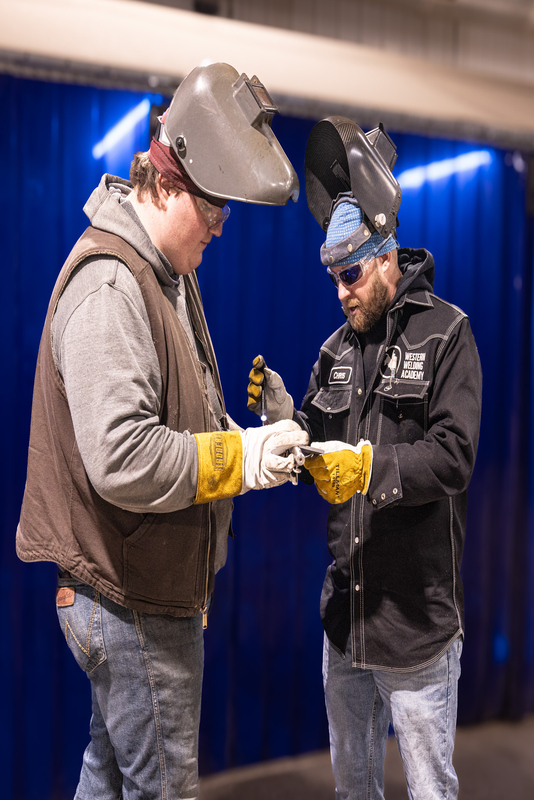
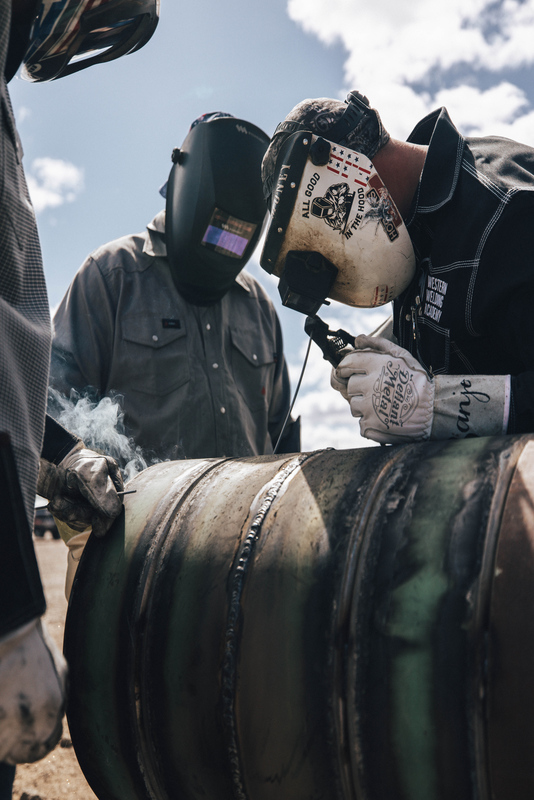
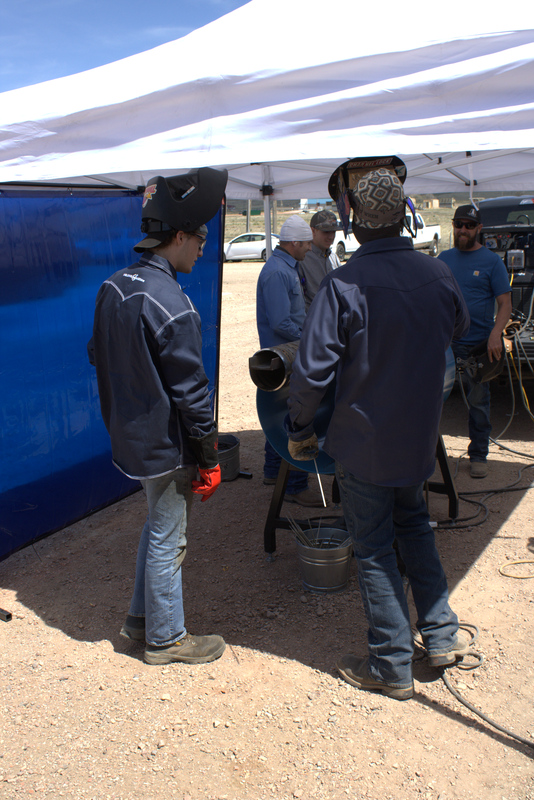
Welders also grind, bevel, fit pipe, and set up their machines between joints. You are not just welding all day. You are prepping, adjusting, and troubleshooting. That is why training programs like the Expert Pipe Welder program at Western Welding Academy dedicate 85% of the schedule to hands on booth time. Classroom theory only takes you so far. The booth is where real pipeline skills are built.
What Conditions Do Pipeline Welders Work In?
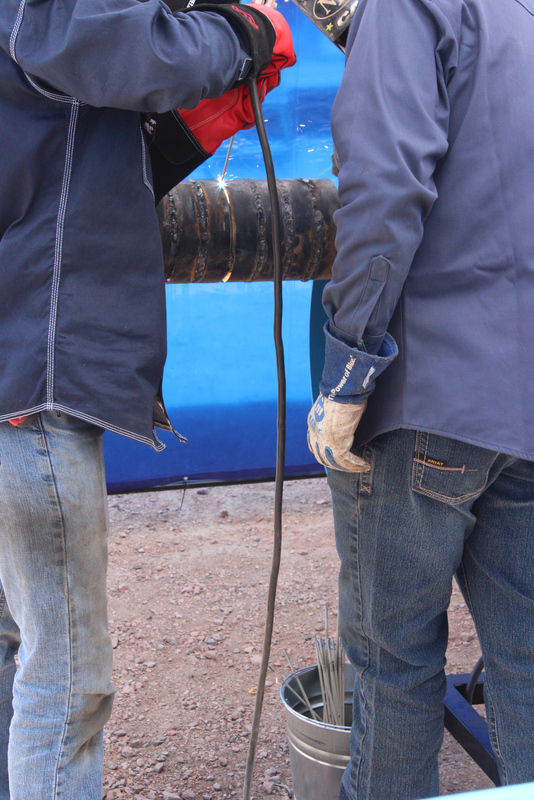
Pipeline welders work outdoors in almost every climate the country has to offer. In the summer, you are welding in 100 degree heat in Texas or Oklahoma. In the winter, you could be on the North Slope in Alaska where temperatures drop below negative 40. Rain, mud, snow, and wind are all part of the job. You do not get to call in because the weather is bad.
Shifts run 10 to 14 hours a day, six or seven days a week. Most pipeline projects run on a schedule like 60 days on and 10 days off, or 21 and 7. The hours are long. The work is demanding. But the pay reflects it. Welders who graduate from programs that match real job conditions handle these shifts better from day one. That is a key reason Western Welding Academy runs 40 hour training weeks with full day booth sessions. It mirrors the demands of an actual pipeline spread.
If you want to know more about what training looks like before you hit the field, read what a pipe welding school day actually looks like.
Ready to start your pipeline welding career? Apply now or call (307) 284-5313 today.
How Much Do Pipeline Welders Earn Per Day?
Pipeline welders are among the highest paid tradespeople in the United States. Daily rates depend on the project, location, and your skill level. Entry level pipeline welders typically earn between $250 and $400 per day. Experienced hands with strong certifications and a clean record can earn $500 to $800 per day or more on high demand spreads.
The math adds up fast. A 12 hour day at $50 per hour is $600. Multiply that by six days a week for 10 straight weeks and you are looking at $36,000 before your first break. That is why graduates of Western Welding Academy have been able to pay back tuition in 5 to 7 months. The earnings are real. The key is getting certified and getting on a crew fast.
What Do Verified Western Welding Academy Graduates Earn?
The best way to understand pipeline welder income is to look at real paychecks from verified graduates.
Leyton Wagner earned $4,514 per paycheck after completing his program at Western Welding Academy. His paycheck was verified and published on the school's website. That is the kind of return that makes the tuition investment worth it within months, not years.
Gavin Walden brought home $3,986 per paycheck. Like Leyton, his earnings were documented directly through graduate outcome tracking. Gavin went straight from the program to a pipeline crew and started earning immediately.
David Smolek earned $3,417 per paycheck. His results came from the same verified tracking system. David's outcome proves that graduates across different cohorts are hitting high pay consistently.
Noah took a position on the North Slope in Alaska and started clearing $2,800 per week. The North Slope is one of the most demanding work environments in the country, and the pay matches the conditions. His earning power came directly from the certifications and skills he built during the Professional Pipe Welder program.
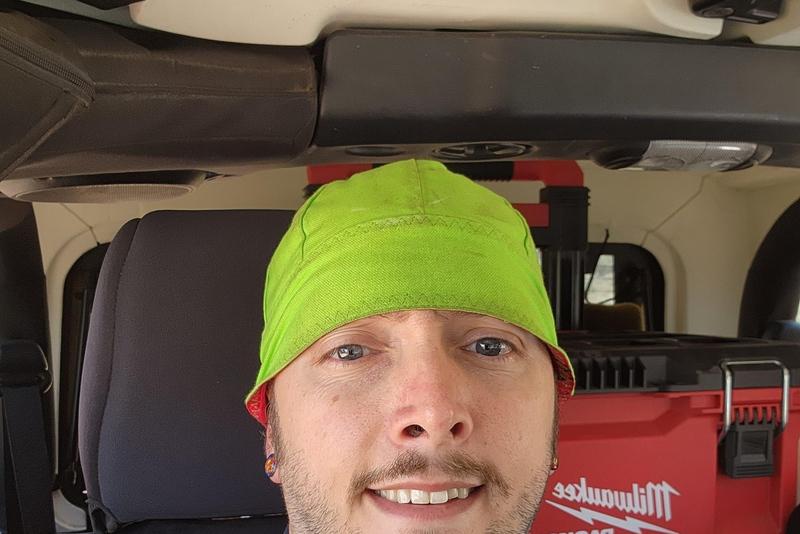
Hank reached $150,000 per year by the age of 21. While most people his age are still in college taking on student debt, Hank was already earning a six figure income as a traveling pipeline welder. His trajectory shows what is possible when you graduate from a program that puts you on the job fast.
What Skills Separate Pipeline Welders From Shop Welders?
Not all welding jobs are the same. A shop welder runs production welds in a climate controlled building. A pipeline welder runs code welds on critical infrastructure in every kind of weather, in any position, on pipe that carries oil, gas, or water under pressure. The skill gap between those two jobs is significant.
Pipeline welders need to pass 6G position tests, understand API 1104 weld procedures, and run clean root passes with a mirror and a headlamp in a ditch. You also need to handle multiple welding processes. SMAW and GTAW are the most common on pipeline work. If you want to know what pipe welding school teaches you, those are exactly the processes you will train on at Western Welding Academy. The program is built by pipeliners who know what foremen test for on the first day of the job.
Why Does the Right Training Program Change Everything?
The difference between welders who land a pipeline job in 30 days and welders who wait six months comes down to training quality. Western Welding Academy has a 94% hire rate within 90 days. That number comes from a 234 alumni survey conducted in November 2024. It is not a marketing claim. It is a tracked, verified outcome.
The school also holds the number one AWS Accredited Testing Facility designation. Instructors bring over 330 combined years of field experience. Students spend 85% of their time welding in the booth, not sitting in a classroom watching slideshows. The Expert Pipe Welder program runs 24 weeks and costs $35,800 with all inclusive tuition that covers housing, tools, and materials. The Foundational Pipe Welder program is 12 weeks at $17,050 for welders who want to get to work faster.
The graduation rate at Western Welding Academy is 85% for the Expert program. Competitor A graduates 68% over 52 weeks. Competitor B graduates 43% over 36 weeks. Competitor C graduates 56% over 40 weeks. That means Western Welding Academy graduates more students in less time with better job placement outcomes.
Ready to start your pipeline welding career? Apply now or call (307) 284-5313 today.
Most pipeline welders started with a multi-process program like the Expert Pipe Welder at Western Welding Academy.
Frequently Asked Questions
Q1. How long is a typical shift for a pipeline welder?
Most pipeline welders work 10 to 14 hour shifts, six or seven days a week. Schedules often follow a rotation like 60 days on and 10 days off, or 21 days on and 7 days off. The long hours are standard across most pipeline spreads in the country and are reflected in the higher daily pay rates.
Q2. What does a pipeline welder do during a workday?
A pipeline welder makes root, hot, fill, and cap passes on pipe joints along a right of way. The day also includes grinding, beveling, fitting pipe, setting up machines, and attending safety meetings. Most of the time is spent in a welding shack or under a tarp working in position on 12 to 36 inch pipe.
Q3. How much can a first year pipeline welder earn?
First year pipeline welders typically earn between $250 and $400 per day depending on the project and region. Graduates of Western Welding Academy have earned paychecks of $4,514 (Leyton Wagner), $3,986 (Gavin Walden), and $2,800 per week (Noah). Earnings scale quickly with experience and certifications.
Q4. What certifications do pipeline welders need?
Pipeline welders typically need a 6G stick certification on carbon pipe and knowledge of API 1104 weld procedures. The closer your certifications match a contractor's job specifications, the faster you get hired. Programs at Western Welding Academy prepare students for these exact tests during training.
Q5. Do pipeline welders travel for work?
Yes. Pipeline welders follow the work. Projects move from state to state based on construction schedules. Welders who are geographically flexible open up more opportunities and earn more over a year. Many live in hotels or man camps near the job site during a project rotation.
Q6. What makes Western Welding Academy different from other welding schools?
Western Welding Academy has a 94% hire rate within 90 days, verified by a 234 alumni survey in November 2024. Students spend 85% of their time in the booth. The school holds the number one AWS Accredited Testing Facility designation with over 330 combined instructor years. Programs range from 12 to 24 weeks with all inclusive tuition.
Start Your Pipeline Welding Career Today
The pipeline needs welders right now. The industry projects a 330,000 welder deficit by 2028, with 82,500 new welders needed every year. The demand is not slowing down. The pay is real. The career path is clear. Call Western Welding Academy at (307) 284-5313 or apply now to begin your training.


.jpg)


.jpg)


.jpg)
.jpg)
.jpg)
.jpg)
.jpg)
-thumbnail.jpg)

.jpg)